There was a stretch of time—not that long ago—when a room could feel outdated within a year. A sofa bought in optimism was replaced in impatience. Coffee tables rotated out like seasonal wardrobes. Entire kitchens were stripped because a shade of gray felt slightly off. The speed was the point. You could track the years by tile shapes.
That tempo is faltering.
Slow decorating isn’t a style. It’s not an aesthetic you can pin down to a palette or a sofa silhouette. It’s more of a correction. A response to the churn. In an era of rapid furniture turnover and trend chasing, slow decorating is gaining traction as a thoughtful alternative. It favors pieces that accumulate meaning such as custom furniture rather than just fill space. The emphasis shifts from instant cohesion to gradual composition.
And the rooms feel different because of it.
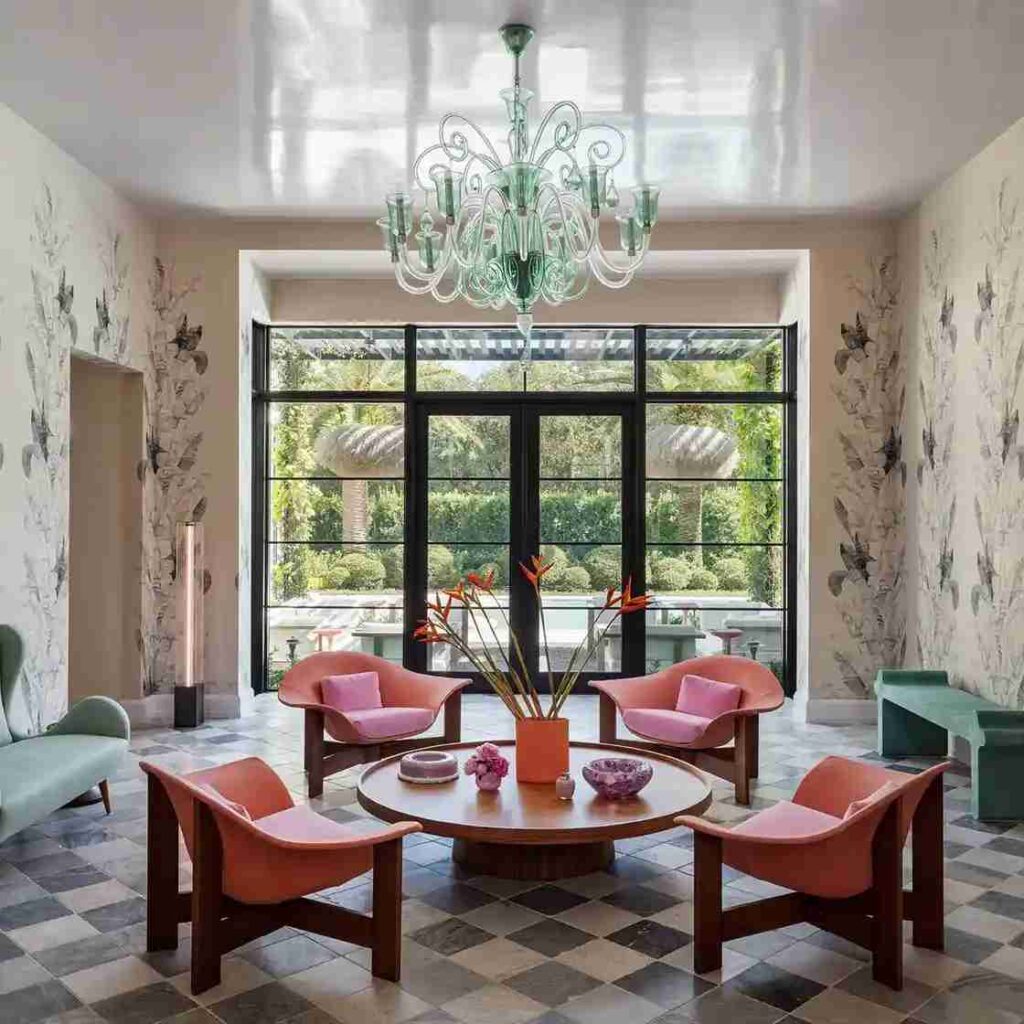
Against the Algorithm
Design used to unfold over time because it had to. Budgets required patience. Access required travel. Taste developed through exposure rather than scrolling. Now, the algorithm flattens all of that into a feed. A lamp becomes popular in weeks. A marble type spikes in demand because it photographs well. The shelf life of a look is shortened by visibility.
Slow decorating resists that cycle. Not loudly. Just quietly. Instead of asking, “What’s next?” it asks, “What belongs here?” That question takes longer to answer. It requires living in a space before solving it.
Rooms assembled too quickly often feel correct but curiously hollow. Everything matches. Everything coordinates. Nothing surprises. Slow interiors allow for friction. A chair discovered years apart from the sofa. A table that doesn’t quite align stylistically but carries weight because it was found, not sourced.
The difference is subtle but unmistakable.
The Patina of Time
There’s a specific quality to a room that hasn’t been rushed. You can see it in the surfaces. Wood that has darkened naturally. Brass that has dulled slightly at the edges. Linen that has softened and relaxed. These are not defects. They are evidence.
Fast interiors rarely get the chance to age. Pieces are replaced before they settle in. Slow decorating assumes longevity from the start. It chooses materials that improve with wear. Solid wood instead of veneer. Stone that stains in a way that feels lived-in rather than ruined. Upholstery that creases gently instead of collapsing.
It also assumes that taste matures. A space designed to evolve doesn’t panic when something feels slightly off. It absorbs the change. It waits for the right piece instead of forcing the room into resolution.
There’s restraint in that. And confidence.
Meaning Over Momentum
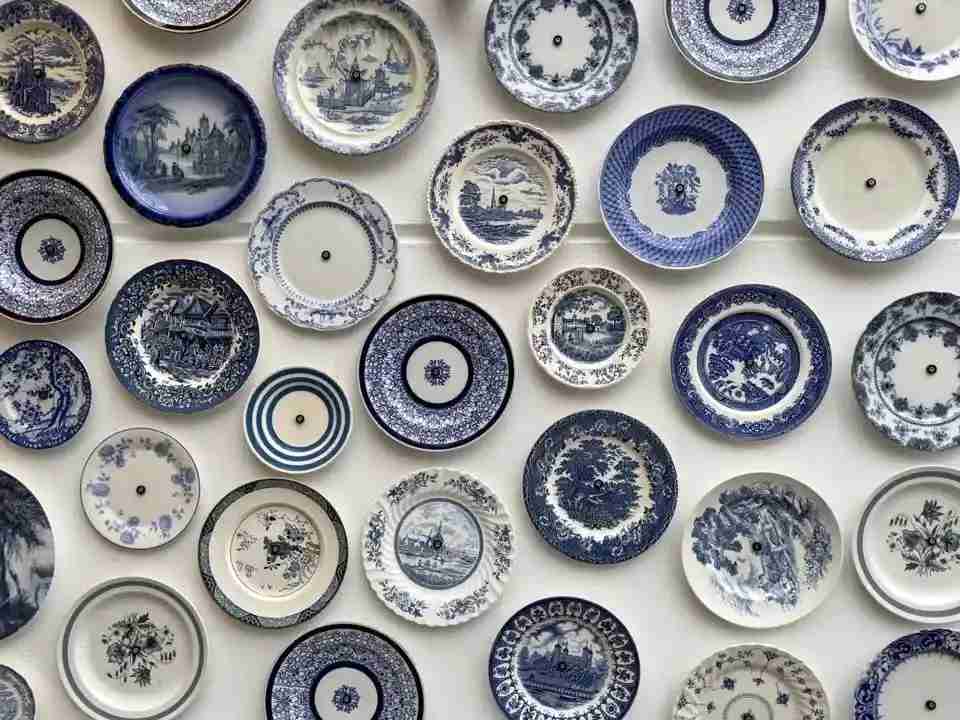
A meaningful object slows a room down. Not because it’s antique or rare, necessarily. But because it carries narrative. A dining table built by a local craftsman. A rug purchased on a trip, imperfect and slightly too small but impossible to replace. A chair inherited and reupholstered instead of discarded.
These pieces introduce depth that cannot be replicated by clicking “add to cart.”
Slow decorating doesn’t reject new furniture. It simply interrogates it. Why this? Why now? Will it matter in five years? Ten? If the answer is unclear, the purchase waits.
There’s an almost unfashionable patience in that approach. The room may feel incomplete for a while. A blank corner remains blank. The walls stay undecided. But the eventual addition feels anchored rather than reactive.
And that anchoring changes the atmosphere.
Incompleteness as Strategy
Designers who work this way often leave space deliberately unresolved. Not in a careless way. In a way that acknowledges that a home is not a showroom.
The industry once sold the idea of the “finished room” as the goal. Styled, photographed, resolved down to the last object. But lived spaces resist that kind of finality. Slow decorating embraces the unfinished edge. It allows art to rotate. It lets lighting shift. It accepts that a room might look different in five years without being renovated.
There’s discipline required to stop before everything matches. To resist filling every surface. To allow negative space to remain negative.
It feels almost radical in a market that rewards completion.
Sustainability Without Slogans
Slow decorating is often discussed through the lens of sustainability, but the most compelling version isn’t preachy. It’s practical. Fewer replacements mean fewer discards. Higher-quality materials mean fewer failures.
The environmental argument is obvious. The aesthetic one is more interesting.
Rooms built slowly tend to avoid the visual fatigue that comes from overexposure. Because they are assembled from different moments, they don’t belong to a single year. They resist dating. The palette might shift gradually, but the foundation remains.
A well-made sofa reupholstered twice carries more character than three successive trend-driven replacements. A dining table that shows scratches from years of use holds memory in its surface.
That kind of continuity is difficult to manufacture.
The Return of Craft
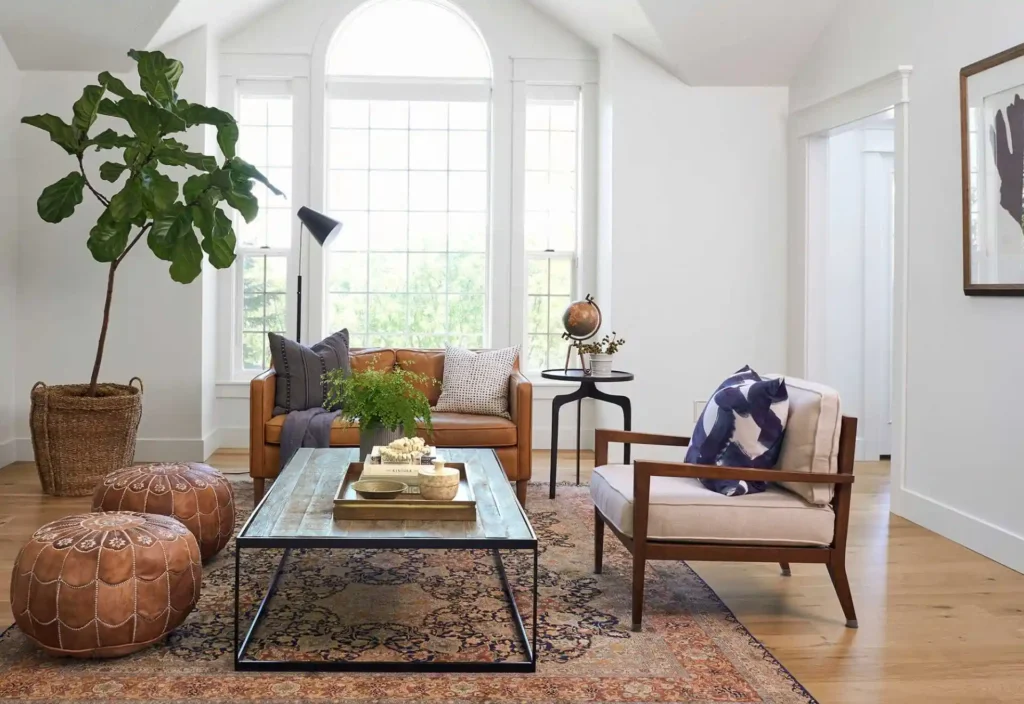
One of the quiet drivers of slow decorating is a renewed appreciation for craftsmanship. Custom furniture, made thoughtfully and with attention to proportion, resists disposability. It’s harder to treat a piece as temporary when it was built specifically for a space.
Craft introduces subtle irregularities. Hand-finished edges. Slight variations in grain. These details reward attention. They age gracefully because they were never meant to be perfect in the first place.
There’s also a recalibration happening around scale. Instead of buying standard dimensions that almost fit, slow decorators commission pieces that actually belong. A built-in that follows the exact line of a wall. A bench that aligns precisely with a window frame.
Precision here isn’t about polish. It’s about permanence.
Living With the Room
Perhaps the most compelling aspect of slow decorating is psychological. It changes how people inhabit their spaces. When a room evolves gradually, it reflects actual living rather than aspiration. The objects feel earned.
There’s less anxiety about wear because wear was anticipated. Less urgency to update because the room wasn’t chasing a trend to begin with.
That doesn’t mean the interiors are static. They shift. A lamp moves. A painting swaps places. A chair finds a new corner. But the changes feel incremental rather than corrective.
It’s a quieter rhythm.
A Subtle Rebellion
In some ways, slow decorating reads as a subtle rebellion against the commercial pace of the industry. Retail cycles encourage constant refresh. Seasonal drops suggest obsolescence. Social media compresses time.
Choosing to wait feels almost countercultural.
But the shift isn’t nostalgic. It’s not about recreating a bygone era of heavy furniture and inherited sets. It’s about discernment. About asking whether speed serves the space—or just the market.
There’s a certain relief in stepping off the carousel. In admitting that a room can take years to feel right. That layering happens through experience, not just expenditure.
And once you’ve lived in a space that has been assembled slowly, deliberately, it becomes difficult to return to the rush.
The room feels steadier. Less performative. More honest.
There are still trends. There will always be trends. But they land differently in a slow-decorated home. They’re filtered, absorbed, sometimes ignored. The room doesn’t contort to accommodate them.
It just continues, gathering weight and memory.
Not finished. Just ongoing.