There’s something quietly magnetic about the rustic modern interior—that effortless blend of raw texture and calm refinement that feels both lived-in and impeccably edited. It’s a style that doesn’t shout, but it lingers. The kind of home you step into and immediately sense intention, even if you can’t pinpoint exactly why it works so well.
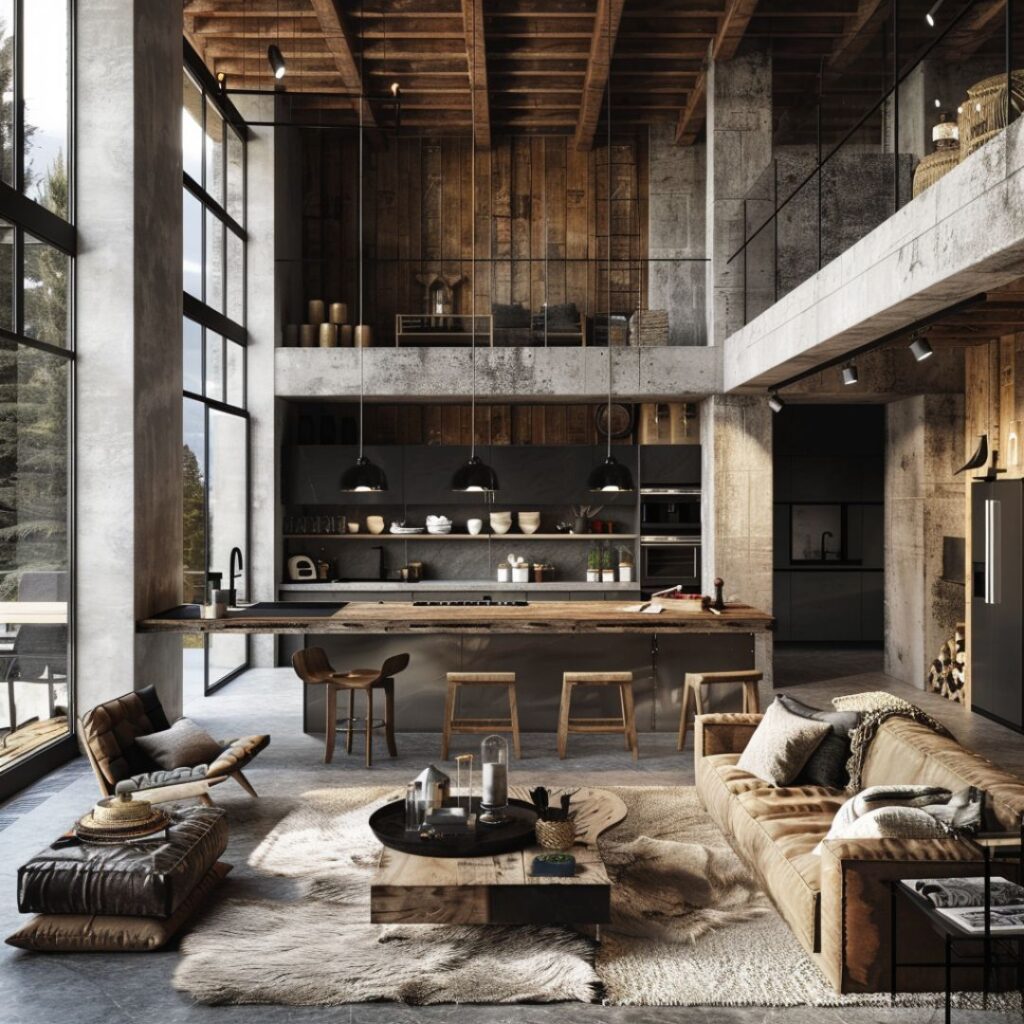
Perhaps that’s why this design approach has steadily moved from niche cabins and countryside hideaways into suburban homes, loft apartments, and even new-build developments. It has a way of softening the sharpness of modern architecture without diluting its clarity. The charm lies in its balance: the past and the present sitting comfortably side by side, neither competing for attention.
Where Two Worlds Meet
At its heart, the rustic modern interior is about contrast—though “contrast” might sound too dramatic for a style that’s ultimately quite gentle. Think of it more as a conversation between elements: aged wood with smooth stone, handmade ceramics beside minimalist lighting, a vintage console holding its own under a sleek piece of art.
What makes this aesthetic so appealing is that it doesn’t demand perfection. A reclaimed beam doesn’t need to match the floors. A knot in the wood isn’t treated as a flaw but a story. The modern pieces act more like punctuation marks—clean-lined, quiet, and intentional—so the rustic elements feel elevated rather than old-fashioned.
Architecture That Breathes
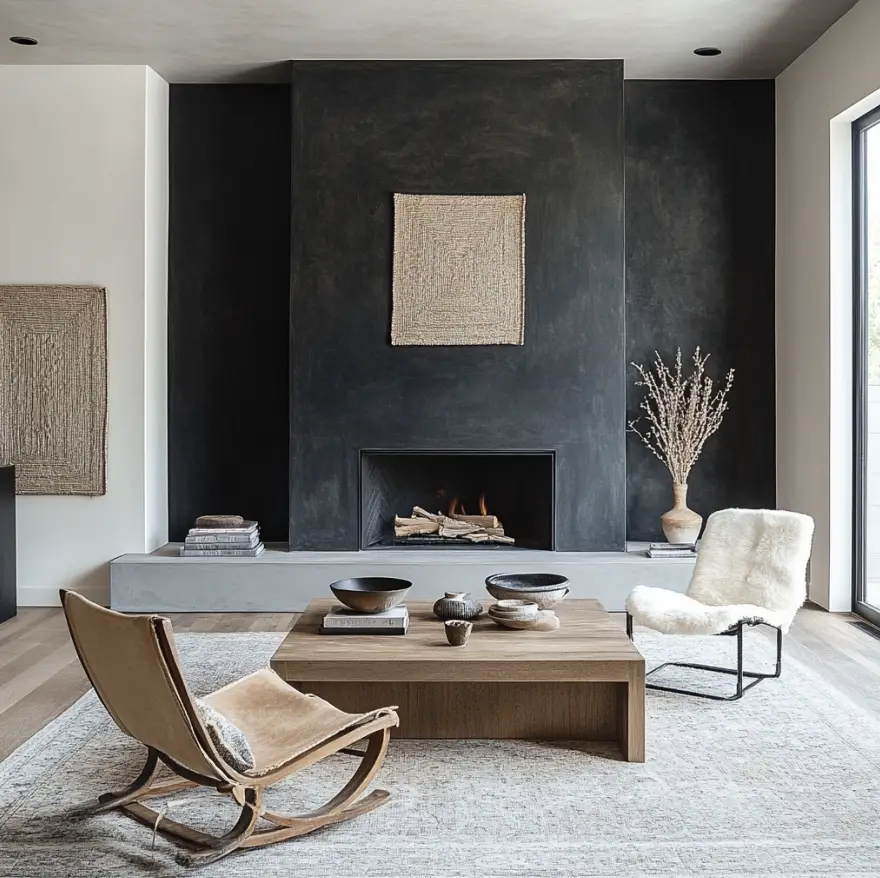
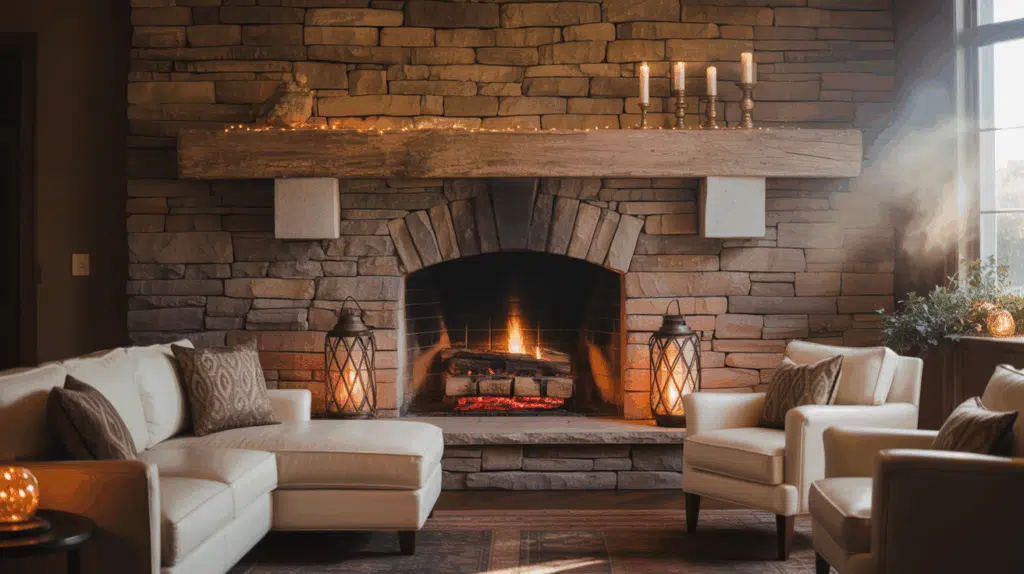
Before furniture, before styling, before color palettes—this style begins with the shell of the home. A rustic modern interior thrives when the architecture itself leaves room for air and light. Wide-plank floors, exposed or lightly finished beams, natural stone fireplaces, smooth plaster walls: these materials carry weight, both literal and emotional.

But then comes the modern restraint. Large windows with slim frames. Open layouts that don’t feel trendy but refreshingly clear. Trim work that steps back so the materials can step forward. The structure quietly frames the textures, letting them speak without shouting.
Even in smaller homes, a few architectural decisions—like simplifying door casings or choosing a matte finish for built-ins—can shift the feeling dramatically toward this aesthetic.
Material as Storytelling
More than any design trend, the rustic modern interior is built on materiality. Wood that actually feels like wood. Stone that still remembers the earth it came from. Fabrics with a bit of weight to them.
There’s something undeniably grounding about using materials in their most honest state. Wood with grain you can trace with your finger. Stone that feels cool even after hours of sunlight. Linen that wrinkles because it’s alive, not because it photographed well. These elements anchor the space in reality, something increasingly rare in overly curated interiors.

And then the modern layer arrives—not to cover, but to complement. Blackened steel hardware, slim-profile lighting, a clean-lined sofa or sideboard—all creating a kind of architectural punctuation around the more rugged pieces.
Color That Calms, Not Competes
People often assume neutral palettes are the “safe” choice. But in this style, neutrals work because they clear the stage for texture. A rustic modern interior rarely indulges in loud color; instead, it moves through warm whites, soft browns, muted blacks, and earthy charcoals.
These shades don’t seek attention—they create atmosphere. You notice how the light lands on a plaster wall, how the knot in a wood beam darkens at dusk, how textiles feel richer against a subtle backdrop. Color becomes something experienced, not just seen.
Furniture With a Quiet Presence
Furniture in this style never tries too hard, yet it has an undeniable presence. Pieces feel substantial—wood tables with weight and honesty, sofas in forgiving linens or cottons, chairs that are comfortable without being bulky.
A rustic modern interior often mixes eras and origins. A mid-century silhouette next to a hand-carved stool. A farmhouse-style table paired with sleek metal pendants. The harmony comes not from matching, but from intention. Each item has a purpose, and none feel like fillers.
The beauty of this approach is that it encourages longevity. You choose pieces you genuinely want to live with, not just items that suit a fleeting trend.
Lighting That Shapes Emotion
In many homes, lighting is treated as an afterthought. Here, it’s treated almost like sculpture. Matte black pendants, bronzed sconces, simple linen shades—lighting becomes a way to carve out mood within the texture-rich backdrop.
Layering is essential. Soft ambient light, focused task lighting, a warm glow catching the texture of stone or wood. A rustic modern interior tends to avoid anything overly ornate or overly bright. The goal is illumination that feels gentle, even intimate.
Styling: Curated, Not Cluttered
Perhaps the most difficult part of achieving this look is knowing when to stop. A rustic modern interior is not minimalist, but it is edited. Its strength comes from a careful balance: a handmade bowl on a console, a few well-loved books, a cluster of branches arranged with more instinct than precision.
There’s personality, but not noise. Warmth, but not chaos. Every object feels like it belongs to the home, not to a catalog.
Plants and natural branches are common, but used sparingly—more like sculptures than décor. A single oversized vase with a twisting branch can do more for a room than a dozen small accessories.
How This Style Comes Alive in Key Rooms
Living Room
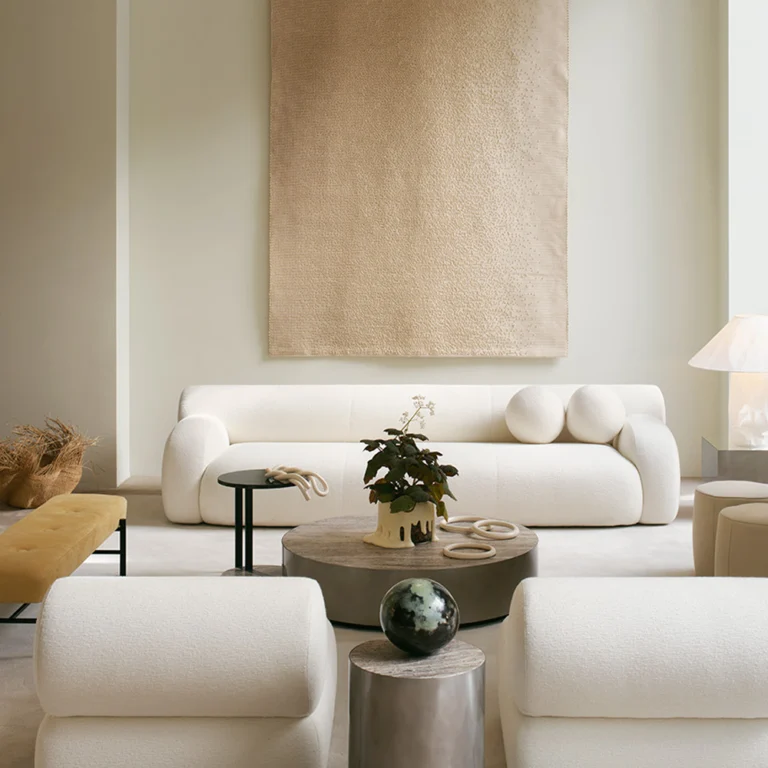
This is where the style often unfolds most clearly. Comfortable seating, layered textiles, a substantial wood or stone focal point, and art that feels personal rather than generic. The room should invite you to stay awhile.
Kitchen
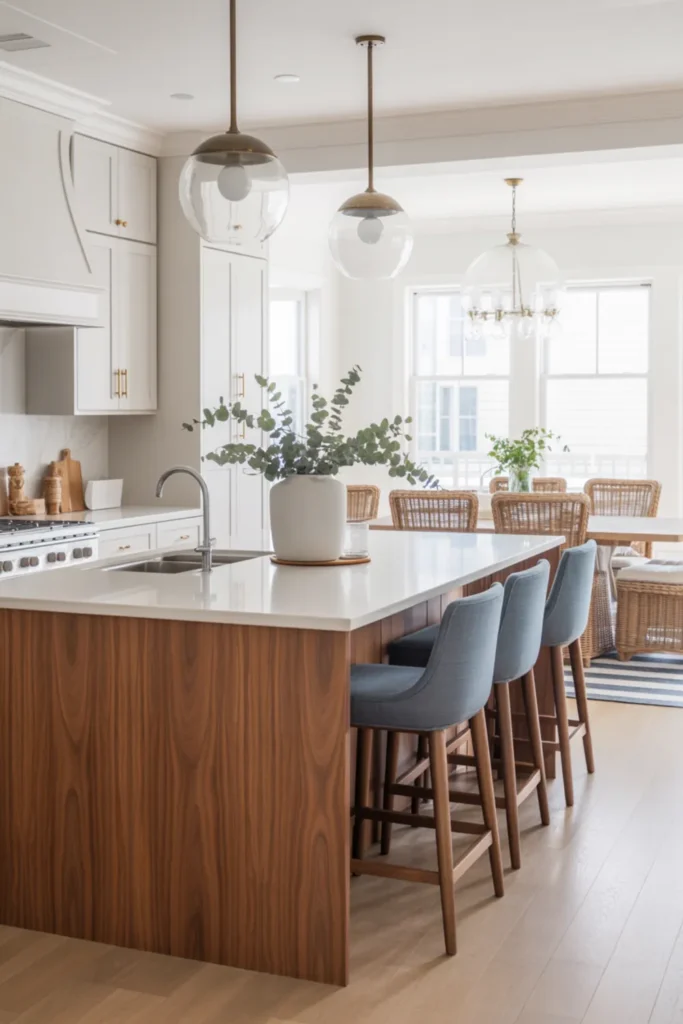
Sleek cabinetry paired with natural elements—wood shelves, stone counters, aged metal fixtures. A rustic modern interior kitchen feels hardworking yet beautifully intentional, like it’s meant to actually be used.
Bedroom
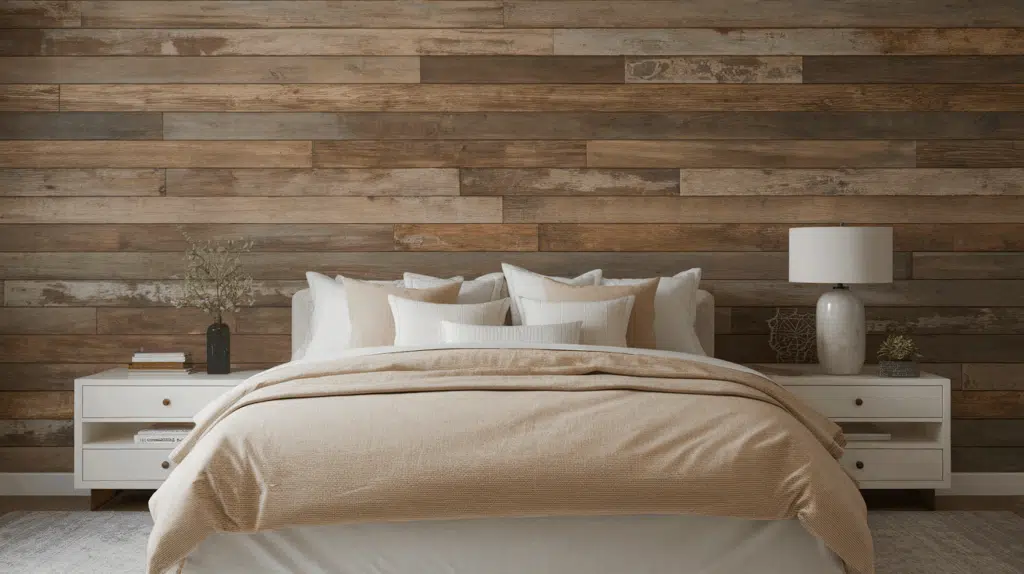
Softness reigns here. Muted tones, tactile bedding, minimal clutter. It feels like a retreat, a quiet place where the materials do most of the talking.
Bathroom
Clean lines, warm woods, earthy stone—everything designed to slow the mind. Modern fixtures paired with rustic texture make the space feel like a boutique hotel grounded in nature.
Why This Style Endures
The rustic modern interior feels timeless because it leans on qualities that don’t fade: authenticity, craftsmanship, and the quiet beauty of natural materials. In a world full of digital everything and disposable design, this aesthetic offers a return to grounding, tactile experience.
It’s not about perfection. It’s about intention. And that’s why people keep coming back to it.
Final Reflection
Creating a rustic modern interior isn’t about following strict rules. It’s about developing an eye for balance, for material honesty, for pieces that feel like they carry a bit of soul. When done well, the result is a home that feels serene without being cold, warm without being cluttered, and deeply personal without trying to impress.