Lighting used to be a decision you made once. A chandelier centered over a table. Recessed spots evenly spaced across a ceiling grid. A pair of sconces flanking the bed. The plan was fixed; the room adjusted around it.
That logic feels increasingly outdated.
Modular and hybrid lighting are quietly shifting the hierarchy. Instead of a single statement fixture or a rigid layout, designers are assembling light in parts. Components connect, detach, pivot, extend. A pendant becomes a system. A wall light doubles as a sculpture. A floor lamp plugs into a track and suddenly behaves like a ceiling fixture.
It’s less about the fixture and more about the infrastructure.
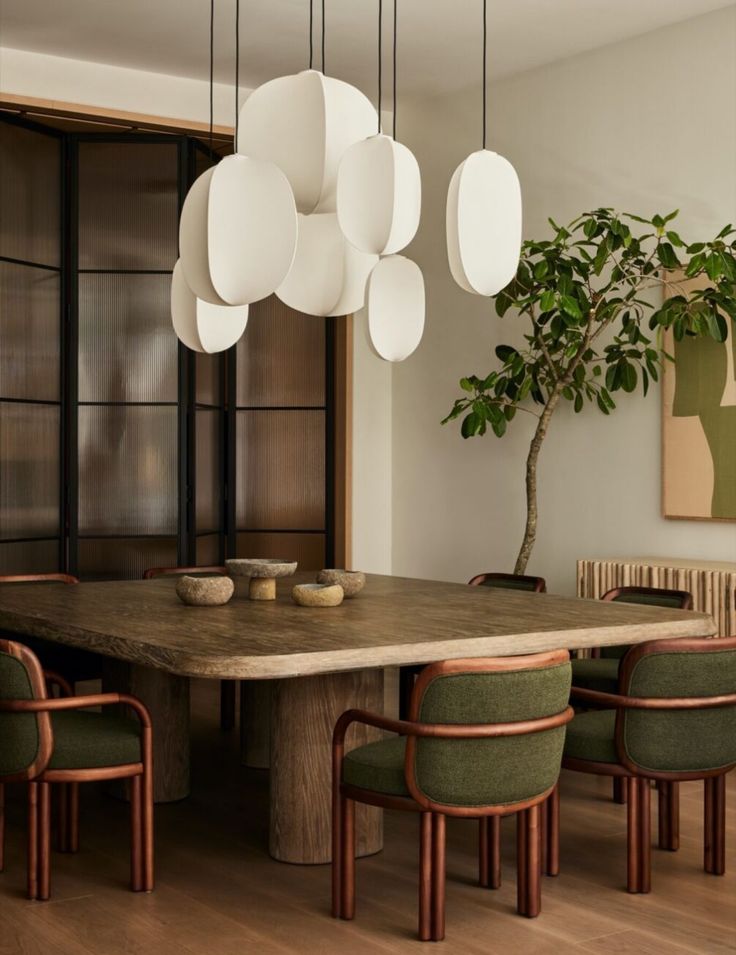
Lighting as Kit, Not Object
The appeal of modular lighting isn’t purely aesthetic. It’s pragmatic. Spaces change faster than architecture. That custom rattan chair moves. Desks migrate from bedroom to living room. Sofas rotate to face a different wall. Fixed lighting doesn’t always keep up.
A modular system allows adaptation without renovation. Track-mounted heads can slide and rotate. Magnetic rails accept new attachments. Suspended rods can be extended or shortened as the room evolves. It’s lighting that acknowledges fluid living.
But the best examples don’t look technical. They look intentional. Slim black tracks disappear into shadow lines. Brass connectors read like jewelry rather than hardware. The parts are visible, but composed.
There’s a certain satisfaction in seeing how it’s assembled.
The Hybrid Condition
Hybrid lighting complicates the category further. A wall sconce that also acts as a shelf. A pendant that integrates acoustic panels. A table lamp that can detach and become a portable light source. These pieces blur function.
It’s not novelty for its own sake. It reflects how rooms are used now. A dining table might be a workspace in the morning and a dinner setting at night. Light needs to shift accordingly. A fixture that can dim, pivot, or reconfigure supports that rhythm.
Hybrid pieces also challenge the idea that lighting is secondary. When a fixture incorporates storage, sound absorption, or architectural framing, it stops being accessory and starts becoming structure.
There’s something almost infrastructural about it.
The Visual Language of Parts
For years, seamlessness was the goal. Conceal the junction. Hide the cable. Eliminate the visible screw. Modular lighting reverses that instinct slightly. It allows joints and connectors to be part of the composition.
A linear system with exposed couplings creates rhythm across a ceiling. A cluster of adjustable heads forms a constellation. The repetition of modules introduces pattern without decoration.
It can lean industrial if handled poorly. But in more refined executions, the geometry is precise and restrained. A slim rod intersects with a perpendicular arm. A circular hub anchors radiating spokes. The logic is legible.
There’s an honesty in that legibility.

Flexibility Without Chaos
The risk with modular systems is visual noise. Too many heads, too many lines, and the ceiling becomes cluttered. The best designers treat modules like sentences. There’s pacing. Pause. Emphasis.
A single track running the length of a room can define axis. A perpendicular segment might mark a transition between living and dining zones. The modules create subtle zoning without walls.
Hybrid floor lamps that plug into overhead rails can migrate with furniture. A reading light can slide closer to a chair without rewiring. The flexibility is built in, but the room doesn’t feel provisional.
It feels considered.
Light That Moves With You
There’s also a behavioral shift embedded in this trend. Traditional lighting assumes static use. You sit in the same place. You read in the same chair. Modular lighting assumes movement.
A pivoting arm can redirect illumination from dining table to sideboard. A magnetic lamp head can be lifted off its mount and carried to a dark corner. The light becomes responsive rather than fixed.
This responsiveness aligns with how homes are inhabited now. Spaces are layered with activity. The line between work and leisure blurs. Lighting that can morph subtly throughout the day feels less rigid.
It’s not dramatic transformation. It’s adjustment.
Architecture as Partner
Modular systems often integrate directly into architectural lines. Tracks recessed into ceiling coffers. Linear LEDs embedded in shelving. Magnetic strips concealed within custom millwork.
In these cases, lighting becomes part of the architecture’s skeleton. It’s not hung onto the room; it’s woven into it.
This approach demands coordination early in a project. It’s not something easily tacked on. But when done well, the result is seamless in a different sense. Not invisible, but integrated.
Hybrid lighting that merges with cabinetry or wall panels reinforces this integration. A vertical light strip doubling as a room divider. A backlit shelf that also acts as ambient illumination.
The room begins to glow from within.
The Aesthetic of Utility
There’s a subtle utilitarian undercurrent to modular lighting. The repetition of parts. The clarity of assembly. It echoes systems thinking—design that acknowledges complexity rather than masking it.
But the current wave tempers that utility with warmth. Finishes matter. Brushed brass softens a strict geometry. Powder-coated colors introduce personality. Even exposed wiring can feel deliberate if proportioned carefully.
The aim isn’t to replicate a gallery or a showroom. It’s to create a lighting system that feels alive in a domestic setting.
A ceiling dotted with adjustable modules can look surprisingly intimate if the scale is right.
Customization as Baseline
What makes modular lighting compelling is that it resists a one-size-fits-all approach. Components can be specified to suit ceiling height, room width, furniture layout. Custom configurations are often encouraged rather than exceptional.
This level of adaptability aligns with the broader movement toward custom high-end interiors. Instead of forcing a standard chandelier into an awkward proportion, a modular system can extend exactly as far as needed. Add one more segment. Remove another.
The result feels less compromised.
Hybrid pieces extend this customization further. A wall light with interchangeable shades. A pendant that can accept different diffusers. The system evolves without being replaced.
There’s longevity embedded in that adaptability.
Not Just for Minimalists
It would be easy to associate modular lighting with minimalist interiors. Clean lines, neutral palettes, restrained detailing. And yes, it thrives there.
But it also performs well in layered, textured spaces. A modular brass system can cut through heavy drapery and patterned rugs with clarity. A sculptural hybrid fixture can hold its own against ornate plasterwork.
Because the language of modules is structural, it adapts. It doesn’t compete stylistically as much as it organizes visually.
The trick is restraint. Just because a system allows infinite variation doesn’t mean it needs it.
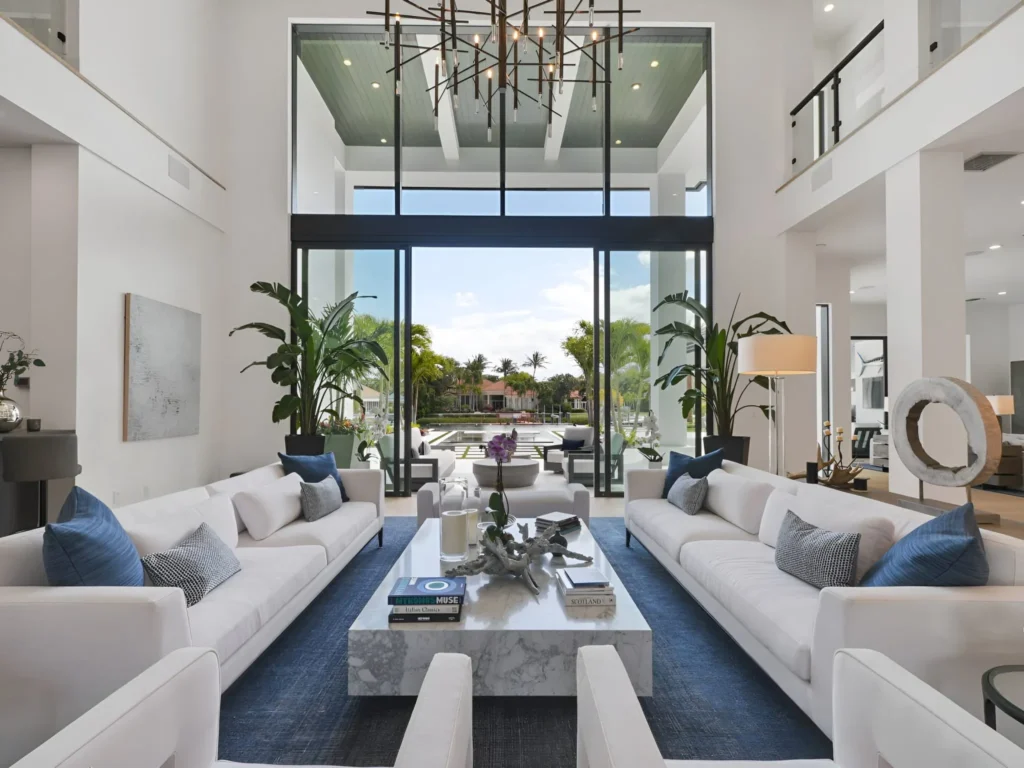
A Shift in Permanence
There’s an interesting paradox at play. Modular lighting feels temporary because it can be rearranged. But in reality, it often extends the life of a design. Instead of replacing a fixture when needs change, you adjust it.
That flexibility reduces waste. It also reduces the anxiety of commitment. Installing a linear track across a ceiling feels less final when you know the heads can move.
Hybrid lighting reinforces this idea. When one object performs multiple roles, fewer objects are needed. The room simplifies without sacrificing function.
And yet, visually, it feels richer.
Light as System
Perhaps what modular and hybrid lighting ultimately signal is a shift in how light is conceptualized. Not as a singular decorative moment, but as a system. A network. A set of parts in dialogue.
This systems approach mirrors contemporary life. Devices connect. Platforms update. Environments adapt. Lighting is catching up.
But the most successful spaces don’t feel technological. They feel intuitive. You don’t notice the track at first. You notice the way the light lands on the table. The way a wall glows evenly. The way a reading chair is perfectly illuminated without glare.
The mechanics are there, visible if you look. But they serve atmosphere.
And that might be the quiet power of modular and hybrid lighting. It acknowledges complexity without overwhelming the room. It offers flexibility without chaos. It treats light not as a finishing touch, but as a living framework.
One that can shift, extend, retract.
And keep up.