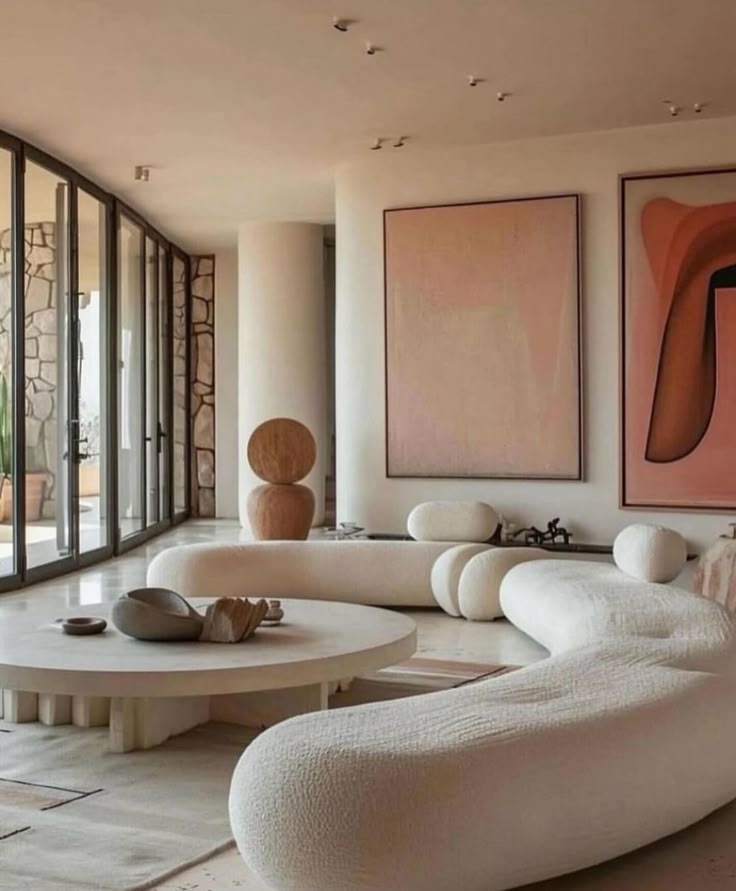
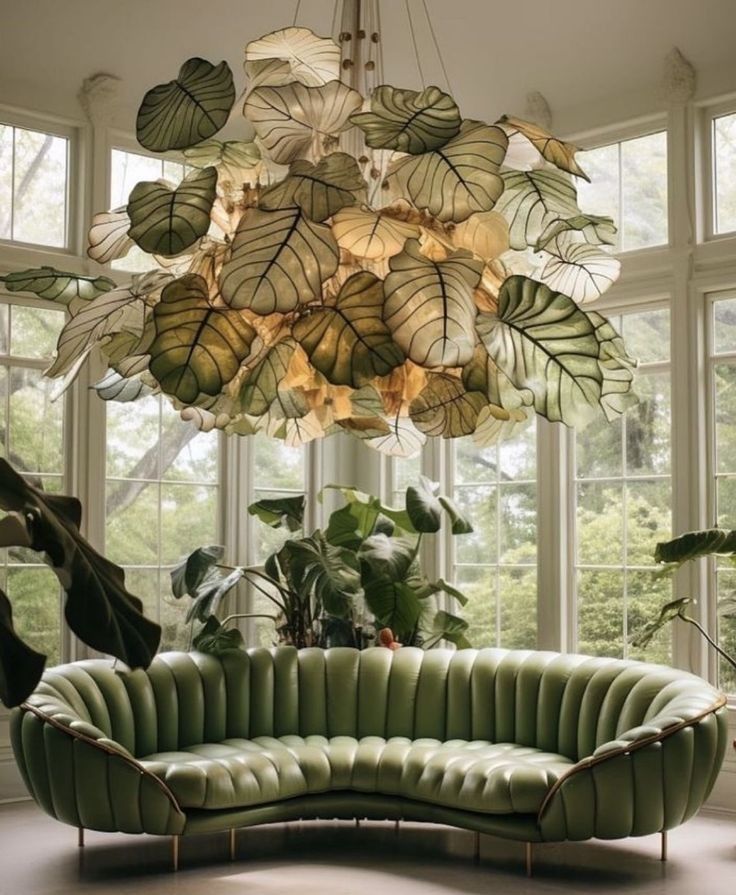
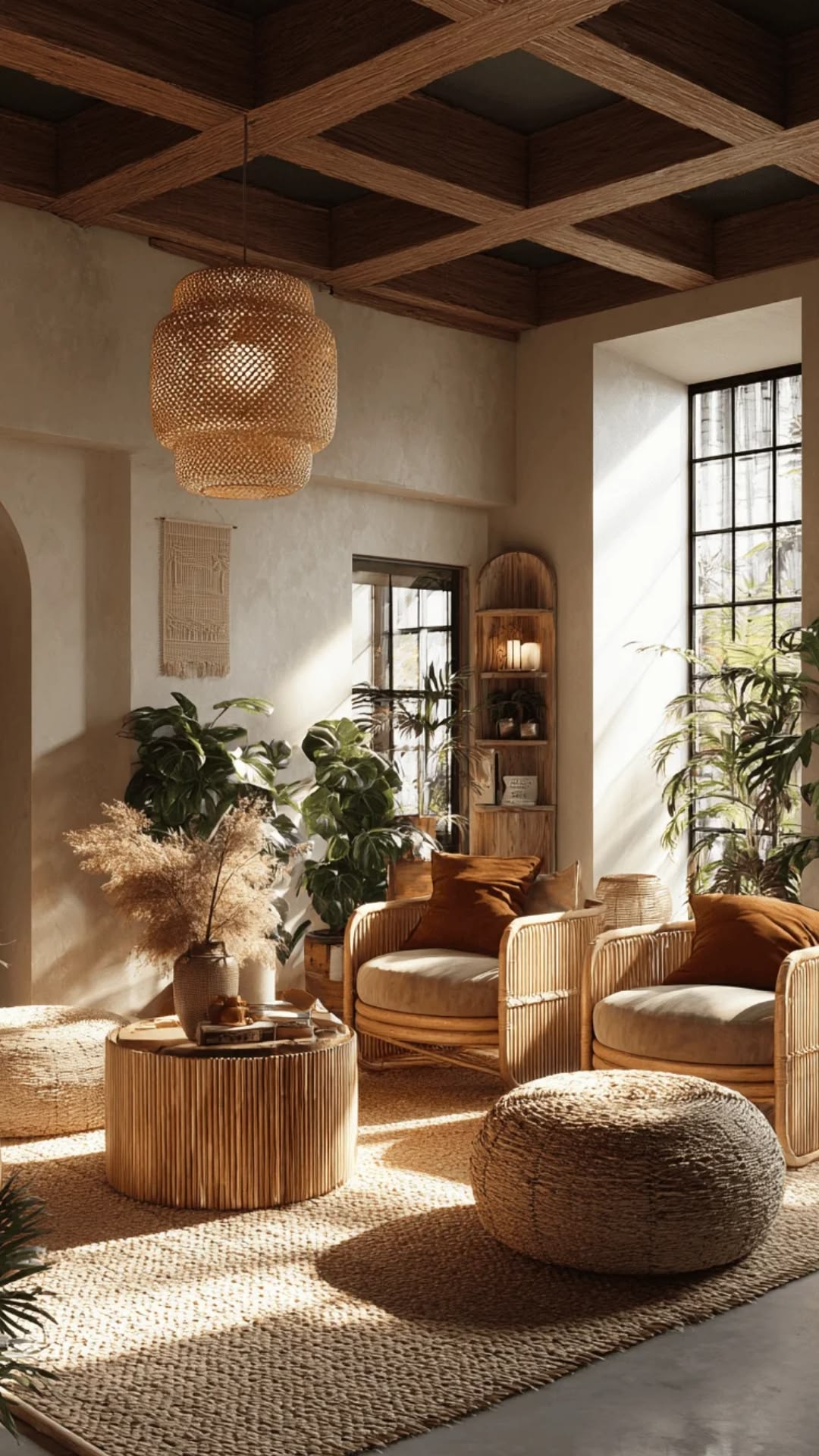
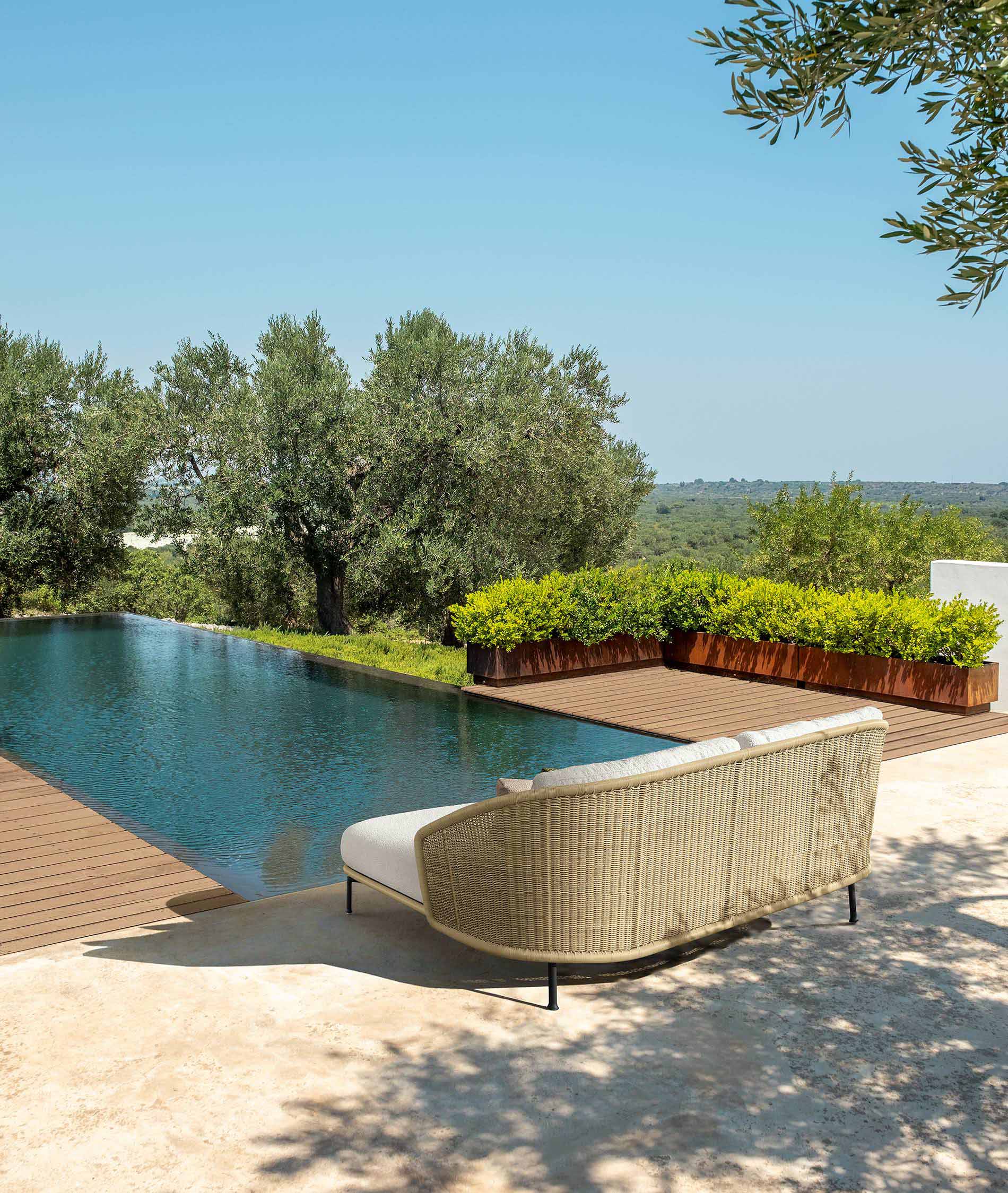
There’s something quietly magical about a room that feels layered — not because it’s cluttered, but because patterns, textures, and materials are blended with intention. When you learn how to mix patterns and materials in interior design, you give your home personality, depth, and warmth. You turn walls, furniture like custom rattan, rugs, luxury pouf, and surfaces into a cohesive story instead of a random mish‑mash. And the best part? You don’t need to be a professional decorator — just a few simple rules and a bit of confidence.

In this post, you will find easy and stylish tips on what works (and what to avoid) when mixing patterns and materials, as well as practical guidance: how to build a base, how to choose patterns and textures, and how to tie everything together so your space feels intentionally curated — not chaotic.
Why Mixing Patterns and Materials Matters
We don’t always think about it, but our homes are sensory environments. The look, the feel, even the sound of a space is shaped by what it’s made of: wood, fabric, stone, metal, soft textiles, sleek surfaces. When you mix materials thoughtfully — rough with smooth, matte with glossy, soft with hard — you create rhythm and contrast. Spaces feel alive.
Likewise, patterns give rooms personality and visual interest. A plain room can feel safe — but sometimes flat. When you introduce patterns (on a rug, a throw pillow, curtains, wallpaper), you bring energy and character. But patterns without care can easily clash. That’s why learning how to mix patterns and materials in interior design helps you strike that balance: personality plus harmony.

When done right, a mixed-materials-and-patterns space becomes more than functional — it becomes expressive. It says something about your taste, your comfort level, your willingness to play with texture and nuance.
The Foundation: Start with a Calm Base
Before you bring in patterns and varied materials, it helps to have a stable foundation — a base on which all else layers comfortably. Professionals often call this the “canvas.”
Use Neutrals or Subtle Materials for Anchors
Walls, large furniture pieces (like sofas, beds, cabinets), flooring — these often work best in neutral tones (think white, beige, soft gray, taupe) or muted natural materials (light wood, linen, simple upholstery). This gives patterns and textures space to stand out rather than compete.
This doesn’t mean boring. A neutral base can still have texture — matte plaster walls, lightly grained wood floors, soft linen upholstery. The key is subtlety: don’t fight for attention.
Pick a Unifying Palette
When you’re mixing different materials (wood, metal, fabric) and patterns (floral, geometric, stripes, etc.), having a consistent color story helps everything feel cohesive. Interior‑design guides recommend picking a palette of 3–5 complementary colors or shades that repeat across different elements.
For example: imagine a room where the base is soft cream walls and light oak floors. Then textiles — cushions, rugs, curtains — reference the same warm cream plus a muted navy and terracotta. That repetition keeps variety from tipping into chaos.

With that calm base in place, you’ve set yourself up for creative mixing.
Play with Patterns — But Do It Smart
When it comes to patterns, the magic comes from scale, contrast, and balance. Here are principles I lean on whenever I’m mixing patterns.
Vary Pattern Scales: Big, Medium, Small
One of the key tricks to mix patterns without overwhelming is to vary their scale. That means combining large‑scale patterns (for example, a big floral rug or bold striped curtains) with medium and small‑scale patterns (like throw pillows, smaller upholstery details, or subtle patterned accessories). This layering keeps the eye moving, gives depth, and avoids visual overload.
For instance: a room with a wide‑striped rug (large pattern), medium‑size geometrics on chairs, and small polka‑dots or subtle texture on cushions can feel dynamic yet balanced.
Contrast Pattern Types: Organic, Geometric, Stripes, etc.
Mixing different types of patterns — not just repeats of the same kind — can create visual interest. Organic shapes (like florals or botanical motifs), structured geometrics (checks, stripes, chevrons), abstract or textured prints — combining these thoughtfully can add layers of personality to a room.
As one example: a botanical‑print cushion on a geometric‑print rug, paired with striped curtains and a solid couch. It’s a mix — but because the colors harmonize and the scales vary, it feels intentional, not chaotic.
Soften with Solids — Give Patterns Breathing Room
Even in a heavily patterned room, it’s smart to give the eye a place to rest. Using solid‑color furniture, walls, or large surfaces amidst patterns offers relief — and highlights patterned pieces instead of competing with them.
For example: patterned curtains + solid sofa; bold area rug + neutral walls; patterned throw pillows on a plain bedspread. This interplay creates contrast without overloading.
Mix Materials & Textures — Contrast is Your Friend
Patterns are only part of the story. The real depth often comes from mixing materials and textures — layering hard and soft, smooth and rough, natural and refined.
Combine Soft and Hard Surfaces
One classic pairing: plush fabrics (velvet, linen, wool) with hard surfaces (wood, metal, glass, stone). A velvet sofa beside a sleek metal-framed coffee table, a chunky wool throw on a polished wood chair, a woven rug on a concrete floor — these contrasts make a room feel purposeful and rich.
This approach adds tactile richness. Your space doesn’t just look varied — it feels layered, alive, dynamic.
Merge Natural and Industrial — Earthy Meets Modern
Mixing natural materials (wood, rattan, linen, woven fibers) with industrial or polished elements (metal, glass, stone) can create a balance between warmth and sophistication. Many designers recommend blending organic and man‑made materials for a balanced, elevated look.

For example: a wooden dining table with metal legs, linen cushions on a leather armchair, a jute rug under a glass‑top coffee table. The contrast keeps the room grounded but elegant.
Use Texture — It’s More Than Visual, It’s Tactile
Texture adds dimension. A matte plaster wall feels different than glossy paint. A chunky knit blanket feels different than smooth silk pillows. Mixing textures — rough and smooth, soft and hard — invites touch and gives the space personality.

So when you mix patterns, think of texture as part of the mix. A patterned cushion in velvet feels different than one in linen — even if the print is the same.
Bringing It Together: Strategy for Mixing Patterns & Materials
Here’s a practical strategy you can apply — whether you’re designing a living room, bedroom, or any other space.
1. Lay the Foundation: Neutral or Subtle Base
Start with walls, flooring, and large furniture in neutral tones or subtle textures. This gives you a calm backdrop to build on. Use the same base color/material palette throughout the room to unify everything.
2. Pick One Dominant Pattern or Material Statement
Choose one standout element — a patterned rug, bold wallpaper, a geometric sofa, a statement wood piece. This becomes the anchor. From there, other patterns or materials can dance around it. According to design guides, this helps prevent visual competition.
3. Add Secondary Patterns/Textures in Varying Scale
Layer in medium and small-scale patterns or textures: throw pillows, blankets, smaller furniture, decor items. Mix organic patterns with geometrics, soft fabrics with harder materials, textured pieces with smooth ones. The contrast and scale variation create depth and rhythm.
4. Insert Solid or Neutral Breaks
Interject solids or neutral-colored pieces to give the eye a rest. This avoids chaos and helps each pattern or material shine without drowning the room in competition.
5. Maintain a Cohesive Colour Palette
Ensure patterns and textures echo recurring colors or complementary shades. This helps unify disparate patterns and materials into a cohesive whole. A limited palette of 3–5 colors or tones usually works best.
6. Trust Your Instincts — And Test If Unsure
Interior design isn’t an exact science. Sometimes the most unique and personal spaces come from experimentation. Using swatches, mood boards, or testing small accents (pillows, throws, rugs) helps you see how patterns and materials interact before committing.
Quick “Mix & Match” Recipe Ideas
Here are a few example combinations to spark your imagination — each using the principles above:
- Warm‑Contemporary Living Room: Light oak floor + soft cream walls → charcoal or deep-gray velvet sofa → geometric‑print rug (large scale) → linen throw pillows (medium pattern) + knitted wool throw (texture) → metal/wood coffee table (hard + warm wood contrast).
- Soft‑Boho Bedroom: White or pale-washed walls → rattan bed frame + jute rug → botanical‑print bedding (large pattern) → striped or small‑scale paisley throw pillows → chunky knit or waffle‑weave blanket (texture) → light wood side table + ceramic vase (natural materials mix).
- Minimal‑Modern Office Corner: Neutral walls + concrete or light wood floor → simple solid‑color rug → geometric or abstract chair upholstery (medium pattern) → velvet cushion (small pattern/texture) → glass‑top desk + matte metal legs (contrast of materials) → woven basket or linen storage bins (texture + natural material).
With each recipe: start simple, build in layers, balance pattern with solids, and mix textures/materials consciously.
Common Mistakes When Mixing Patterns & Materials — And How to Avoid Them
Even with the best intentions, mixing patterns and materials can go wrong. Here are common pitfalls:
- Too many patterns or too many materials at once. Without restraint, spaces become visually chaotic. Stick to a few patterns and a few material types at most.
- No unifying color or material palette. If patterns and materials don’t share some common hue or tone, the room feels disjointed.
- Ignoring scale. Patterns all of the same size — or too many large patterns — can compete; too many small ones can feel messy. Always aim for variation.
- Overlooking texture. Pattern isn’t just visual — texture matters. Smooth surfaces next to smooth surfaces can feel flat, even if patterns are varied.
- Lack of solid anchors. A room full of patterns without any neutral or solid element leaves the eye nowhere to rest.
Avoid these, and you’ll be much more likely to end up with a room that feels curated, cohesive, and comfortable.
Why It’s Worth the Effort
Learning how to mix patterns and materials in interior design isn’t just about decoration — it’s about creating a home that feels lived in, thoughtful, and layered with meaning. It’s about texture under your fingers, visual rhythm that changes as you move around the room, and the satisfaction of walking into a space that feels “right.”
When done well, spaces feel richer: visually, tactilely, emotionally. They tell a story — of your taste, your lifestyle, your comfort zones. And they evolve: by switching a throw pillow, changing a rug, reworking accents — the room can adapt to seasons, moods, or personal shifts without needing a full overhaul.
Final Thoughts — Make It Your Own
The rules above are guides, not hard boundaries. Mixing patterns and materials is an art as much as a craft. Use the principles: base, scale, contrast, cohesion — but don’t be afraid to break them if something feels right.
Your home should reflect you. Whether you veer toward bold pattern mixing, subtle texture play, or a soft neutral aesthetic with just a few accent patterns — doing it with intention makes all the difference.
So start with a base you love. Introduce patterns and materials you’re drawn to. Mix large and small, rough and smooth, muted and bold. And above all: trust your instincts.
Because once you get comfortable mixing patterns and materials in interior design, your home becomes more than just a collection of furniture and decor. It becomes layered, expressive, and distinctly yours.
Happy styling — and enjoy the journey of making your home feel like yours.