Walk into a home with custom indoor and custom outdoor furniture, carefully positioned yet unapologetically present, and it becomes obvious: design is a reflection of how someone lives, not just what they like to look at. Minimalist vs maximalist, they aren’t opposites so much as they are conversations about tolerance—tolerance for clutter, for silence, for objects that demand attention, or spaces that demand restraint. The debate gets framed in binaries, but in reality, it’s messy. People drift between extremes, sometimes in a single room.
The Discipline of Minimalism
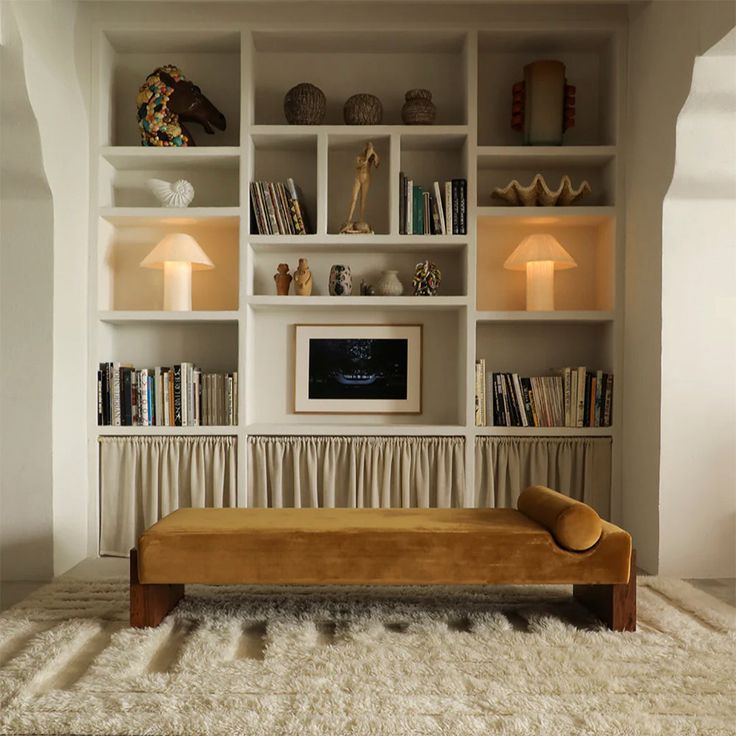
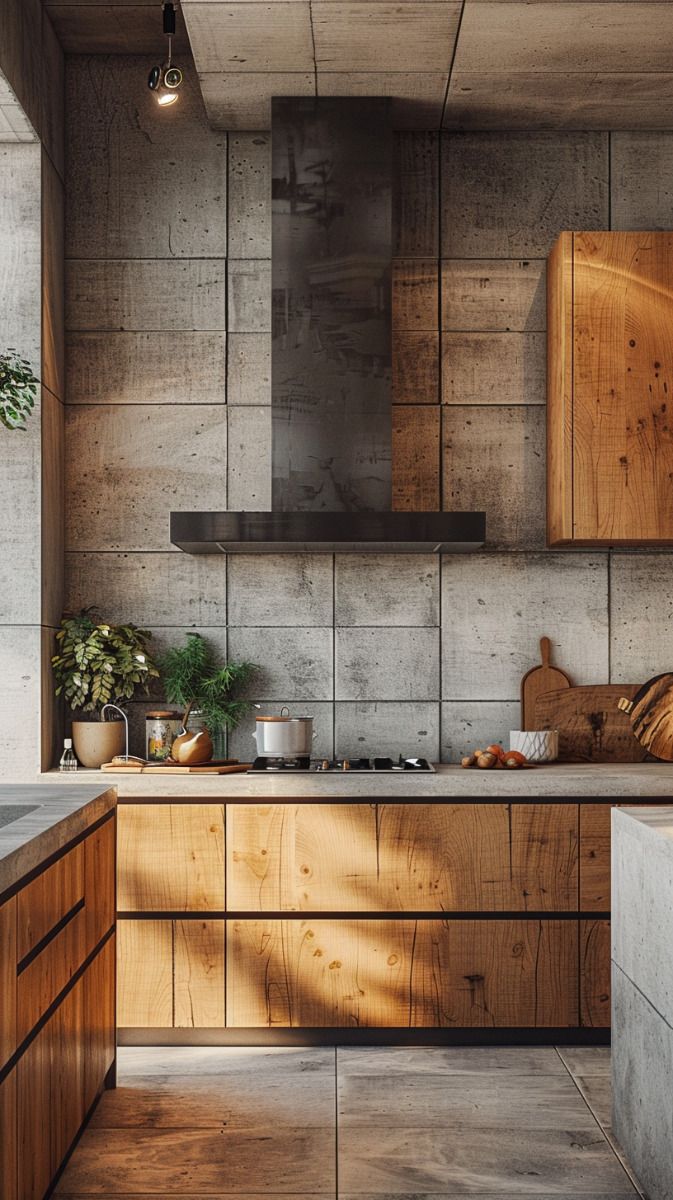
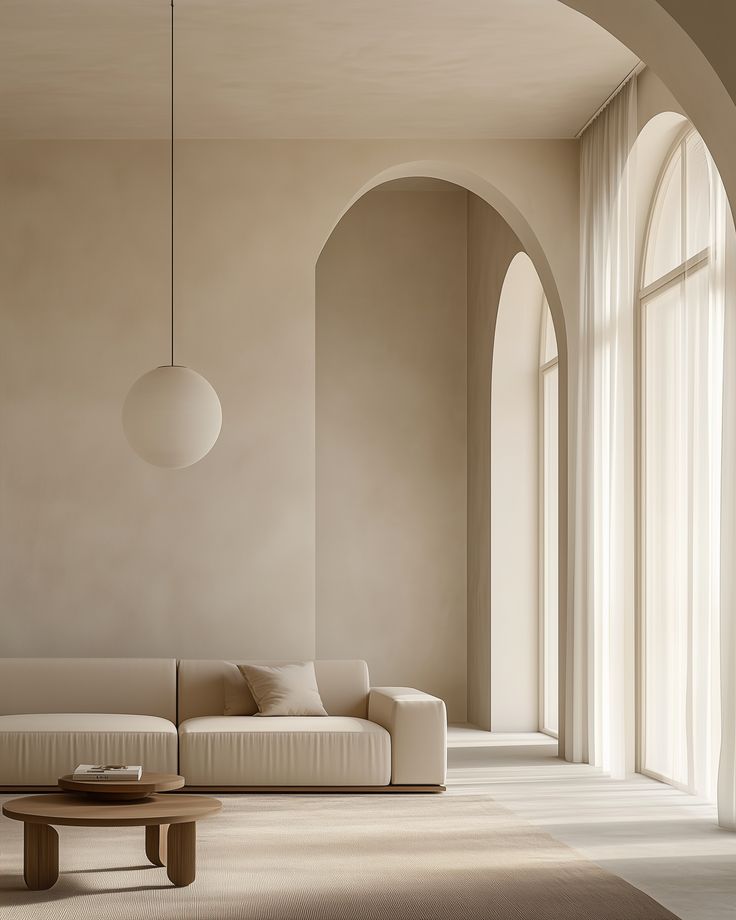
Minimalist interiors can feel serene in photographs, almost architectural in their control. But the calm is hard-earned. Every object left in the space carries a weight of intention. One chair slightly off-center, one rug folded just so. There’s nowhere for mistakes to hide. And yet, when done right, it’s liberating. Surfaces are exposed, light travels uninterrupted, and suddenly the room seems quieter than the mind can tolerate. Minimalism requires patience, taste, and a willingness to live with restraint.
Color tends to be muted, texture subtle. Negative space isn’t empty—it’s functional. A table, a sofa, a piece of wicker furniture, a single piece of art—they’re all meant to command attention precisely because nothing else competes. The room is disciplined, disciplined in ways that feel invisible until it’s broken.
The Comfort of Maximalism
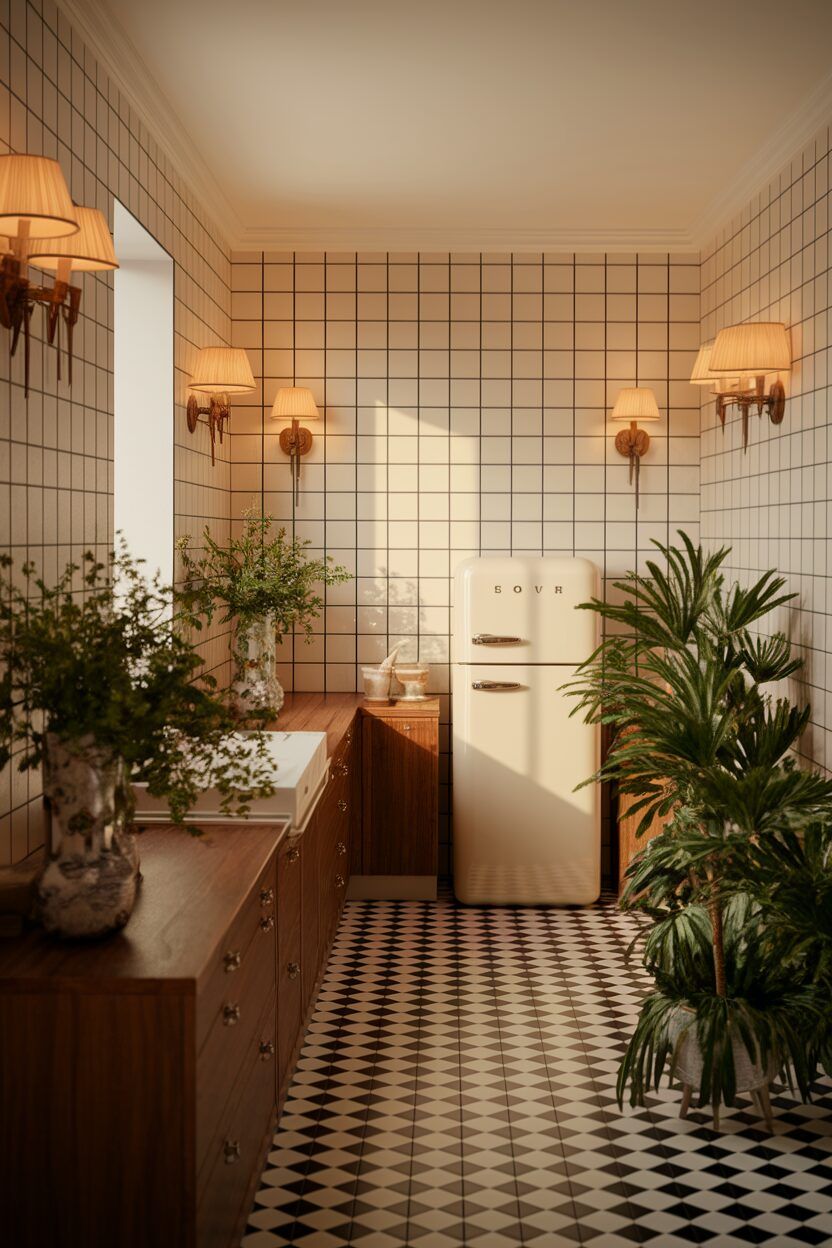
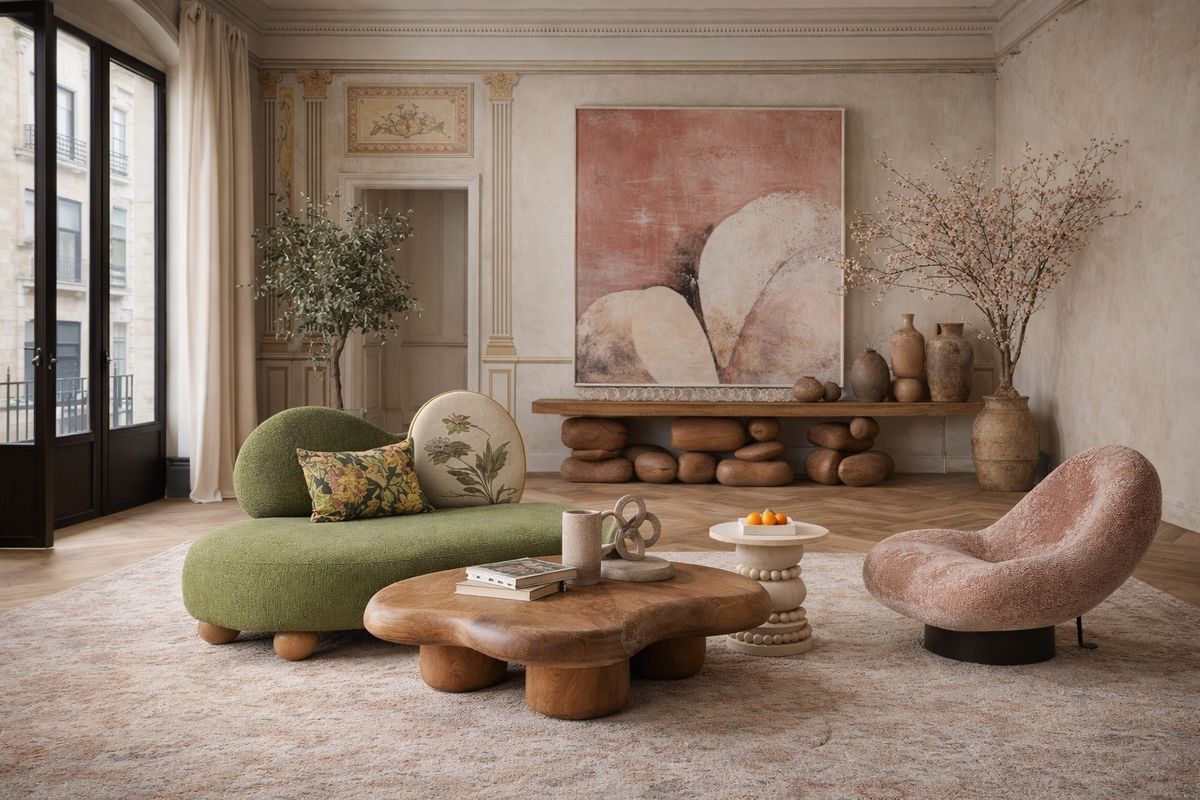
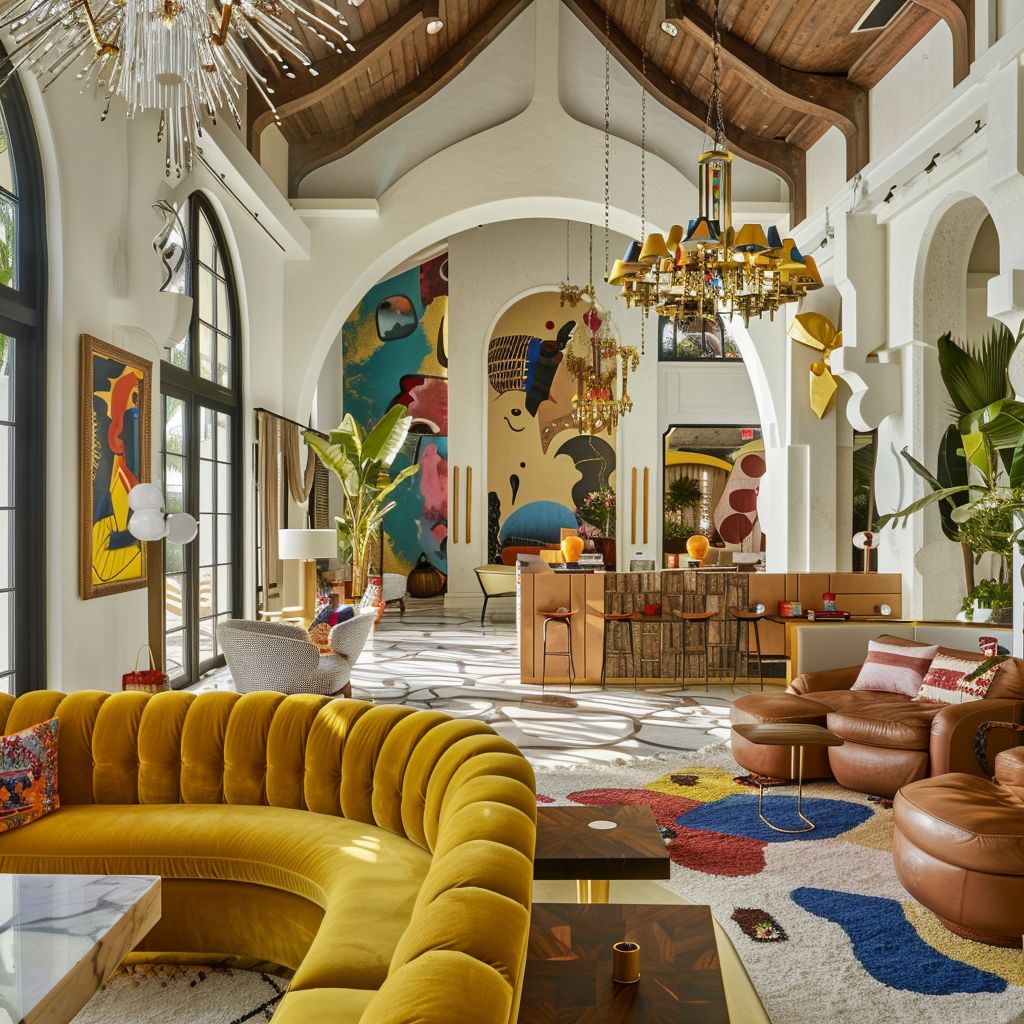
Maximalism, by contrast, arrives in layers. Rugs stacked over rugs. A side table holding books, a vase, little oddities people collect over time. Colors collide, patterns argue, textures pile up. Yet the good maximalist interior is never chaos. It’s orchestration disguised as disorder. There is rhythm in how objects repeat tones, echo forms, or counterbalance each other. And still, it feels alive. Overstuffed, yes, but alive. It invites touch, curiosity, and movement.
Maximalist interiors are forgiving in ways minimalism is not. Scuffs, stains, or unexpected additions rarely feel wrong. The room accommodates life instead of demanding control. But that generosity comes with responsibility. Cleaning, maintaining, rearranging—maximalism has its own labor-intensive logic.
Furniture and Function
Furniture behaves differently depending on the approach. Minimalist furniture often feels sculptural. It stands alone. Negative space becomes part of the design. A single oversized sofa can dominate a living area entirely, for better or worse. Maximalist furniture converses. A rattan chair next to a velvet sofa next to a patterned ottoman—the pieces interact. One supports the other, and the room reads relationally rather than hierarchically.
Custom furniture matters even more here. A tailored indoor piece or a custom outdoor lounge can anchor the space regardless of style. Its presence signals intentionality, whether it’s amid emptiness or accumulation.
Lifestyle Over Labels
Minimalism cools the emotional temperature. Maximalism collapses it. Minimalism requires discipline and editing. Maximalism requires patience and engagement. Neither is inherently easier. Both can feel magical or exhausting, depending on the person inhabiting the space.
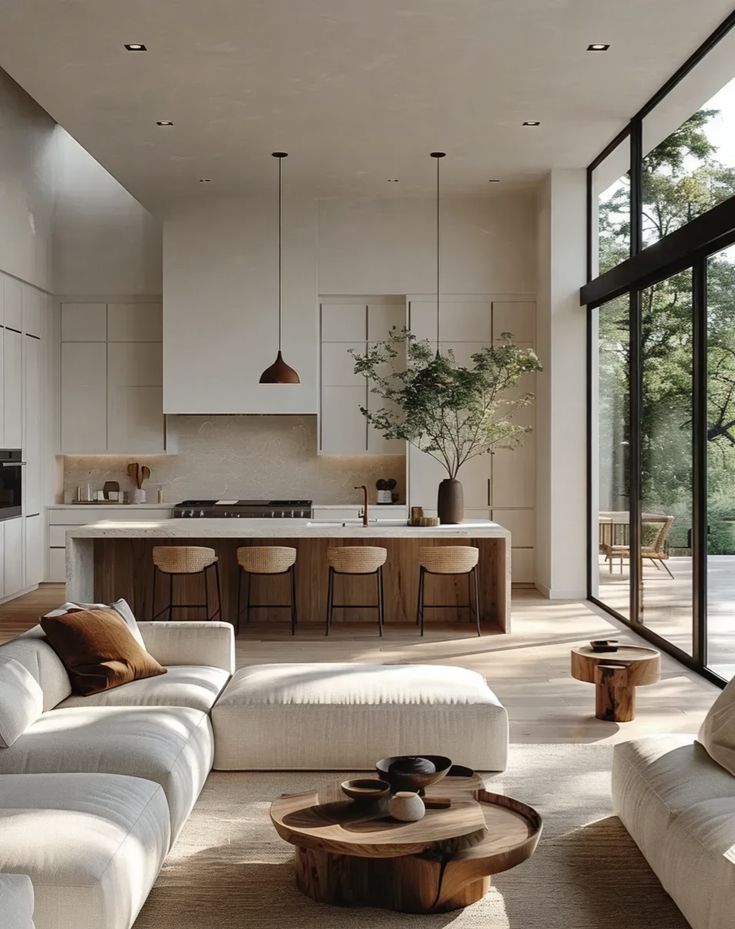
Most homes fall somewhere in between. A restrained palette with a few accumulated objects. A clean layout punctuated by personal artifacts. The extremes are rare in practice because life doesn’t fit neatly into theory. People borrow from both, consciously or not, and the result is a hybrid that feels inevitable rather than staged.
Living with Your Space
The final measure isn’t about style, it’s about life. Does the room respond to your movements, habits, and preferences? Does furniture, light, and object placement accommodate how you really live? Can you leave a mug on the side table or a book on the shelf without guilt? Spaces that succeed don’t scream “minimalist” or “maximalist.” They just work. They let life happen without forcing performance.
Some rooms thrive on emptiness. Others demand fullness. The successful ones adapt. They reflect personality and usage rather than ideology. Minimalism or maximalism, in the end, is only meaningful if the space serves the people inside it, quietly and efficiently, without asking for permission to be lived in.