Luxury in design isn’t defined solely by price tags or brand names. It’s more often a matter of intention, restraint, and thoughtfully chosen details that elevate a space beyond the ordinary. Today, luxury home interior design is less about sparkle and more about restraint, craftsmanship, and the quiet confidence of thoughtful choices.
As trends shift and aesthetics evolve, the notion of luxury has become less about sparkle and more about subtlety. It’s the curve of a chair that looks custom-built, the way light moves across materials that deepen with time, or the almost invisible solutions that keep a room feeling impossibly streamlined.
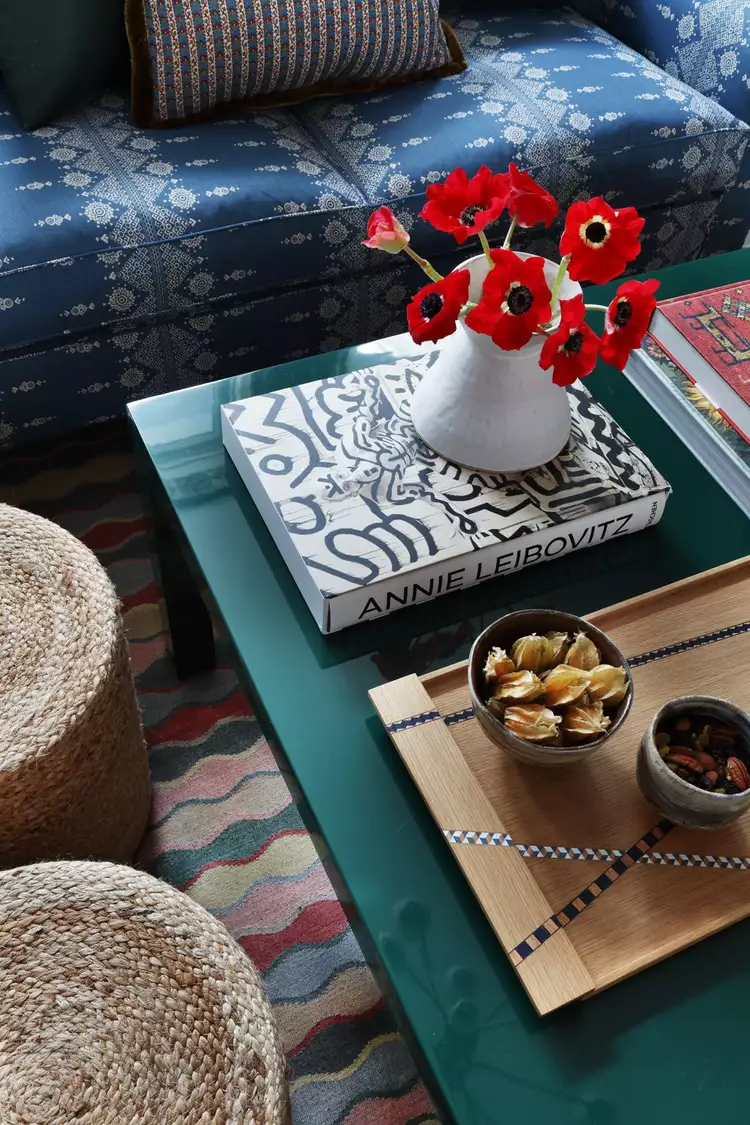
This emphasis on effortless refinement is perfectly captured in the addition of luxury poufs, which offer a soft, sculptural versatility to a floor plan. Whether used as organic seating, a tactile footrest, or a low-profile accent, these pieces bridge the gap between formal structure and lived-in comfort. By choosing elements that prioritize both artisanal texture and functional ease, you create a space that feels curated rather than decorated—a hallmark of the modern interior.
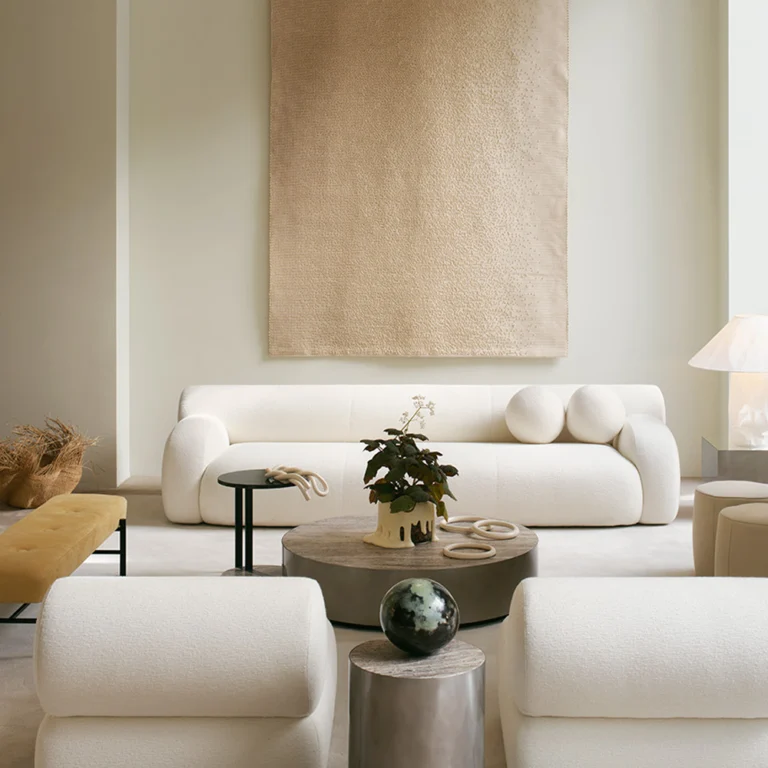
Below, you’ll find twelve human, experience-driven strategies that designers consistently return to—an approach to creating a luxurious home interior that feels lived-in but thoughtfully composed.
1. Introduce Curves That Feel Intentional and Sculpted
Curves have a way of softening a room while simultaneously making it feel more refined. There’s a reason high-end furniture makers constantly return to rounded silhouettes: they add movement, sophistication, and a sense of custom craftsmanship.
A curved sofa, an arched floor lamp, or even a barrel-backed accent chair can introduce that sculptural quality that signals luxury. These shapes feel tailored rather than mass-produced, especially when upholstered in quality fabrics. A luxurious home interior often incorporates curves not as gimmicks but as quiet gestures of elegance—pieces that function and captivate at the same time.
2. Choose Materials That Patina With Grace
One of the defining traits of a luxurious home interior is longevity—the sense that materials were chosen for how they age, not just how they look today. Stone that gains a soft sheen over time, leather that creases just so, brass and bronze that deepen into richer tones each year: these are materials that tell a story.

High-gloss finishes and synthetics often age poorly; true luxury comes from surfaces that don’t fear time. When a countertop or side table develops a bit of patina, the room gains a feeling of heritage. It’s less “pristine showroom” and more “curated forever home.”
3. Integrate Storage So It Disappears Into the Architecture
Nothing diminishes a room’s elegance faster than visible clutter or storage that feels tacked on. Integrated storage—designed to melt into walls, recess into corners, or extend from floor to ceiling—creates an architectural calm that instantly reads as high-end.
Custom millwork, hidden hardware, and flush cabinetry create a seamless envelope. A luxurious home interior tends to look effortless, and hidden storage is one of the main reasons. When the practical visually disappears, the beauty becomes more pronounced.
4. Choose Furniture That Doubles as Sculpture
Luxury often emerges from pieces that blur the line between functional and artistic. A sculptural accent table, a chair with an unexpectedly expressive backrest, or a lighting fixture that feels more like a museum object—all of these can lift the tone of a space.
But this isn’t about statement-making for the sake of statements. The most elevated homes use sculptural furniture sparingly, allowing each piece to breathe. This creates focal points without chaos and reinforces the idea that the home is curated with intention.
5. Understand That Photos Are Not the Same as Art
Many homes rely heavily on photo prints that feel more like placeholders than personal expression. A luxurious home interior treats art as an emotional and aesthetic anchor, not a last-minute addition.
Paintings, sketches, textiles, and mixed-media works carry texture and depth that photography often doesn’t—unless the photo itself is collected as fine art. Original works or hand-crafted pieces contribute an authenticity that no mass-market reproduction can match. Art doesn’t need to be expensive, but it should feel chosen, not merely purchased.
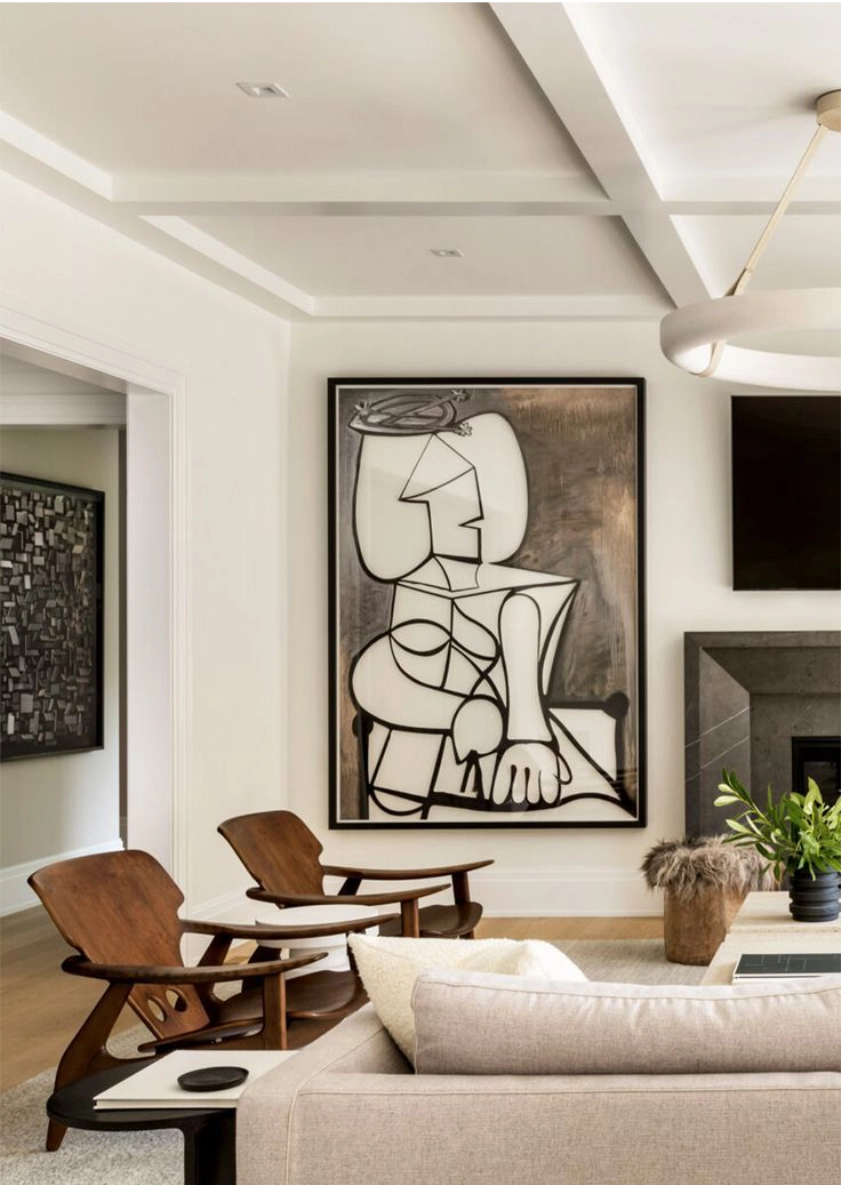
6. Play With Contrast in Scale
One of the simplest ways to make a room look more elevated is by controlling scale. Designers frequently experiment with oversized elements—lamps with generous proportions, coffee tables with substantial presence, large artworks that dominate a wall.
Contrast creates drama, and drama creates luxury. When small and large objects coexist intentionally, the balance feels curated. A luxurious home interior often features a few pieces that are unexpectedly grand; they anchor the space and visually raise its sophistication.
7. Frame Elements Differently Than Expected
Framing can completely alter how architecture is perceived. Trimless doorways, wide casings, unexpected metal frames, or using plaster to soften openings all shift the mood of a space.
Even the way art is framed influences the experience. Float frames, thin-profile wood, or raw-edge canvas presentations can introduce texture and calm. Luxury often lies in the details most people overlook—the quiet design decisions that shape the edges of a room.
8. Mix, Don’t Match
Perfectly matching furniture sets rarely convey luxury. Mixing materials, silhouettes, and eras adds depth and personality. Pairing a vintage console with a contemporary mirror, or a textured rug with a crisp modern sofa, creates a space that feels accumulated rather than assembled in one afternoon.
Matching feels safe; mixing feels considered. And a luxurious home interior thrives on those confident design choices that show a willingness to layer, edit, and refine.

9. Select Decor That’s Bigger Than Your Head
It sounds unconventional, but decor that’s too small often cheapens a space. Oversized vases, tall branches, large coffee table books, and substantial table lamps create a sense of intention and scale.
Smaller trinkets tend to read as clutter. Larger objects, when used sparingly, anchor a room and lend visual confidence. They create presence without noise, helping the space feel more cohesive and elevated.
10. Embrace More Negative Space Than You Think You Need
Luxury thrives in breathing room. Many homeowners underestimate the power of emptiness—blank wall space, a clear corner, a shelf that isn’t fully styled.
A luxurious home interior never feels overfilled. It feels paced. Intentional. You notice what’s there because of what’s not.
Negative space gives furniture and art room to shine. It also offers the most underrated luxury of all: visual calm. This sense of restraint sits at the heart of minimalist luxury interior design, where space itself becomes part of the composition.
11. Strategically Hide the Ugly
Every home has functional necessities that aren’t visually appealing—routers, cords, bins, bulky pet gear, appliances. The most beautiful interiors solve these problems quietly. Decorative boxes, integrated cabinets, cord channels, paneled appliances, and recessed outlets create spaces where the eye can travel without interruption.
Luxury lives in what you don’t see as much as what you do. The absence of visual noise is one of the strongest signals of a thoughtfully designed home.
12. Accent Walls: To Do or Not to Do
Accent walls have had a complicated history in design. They were once the go-to move for adding “interest,” but today their success depends on subtlety and intention.
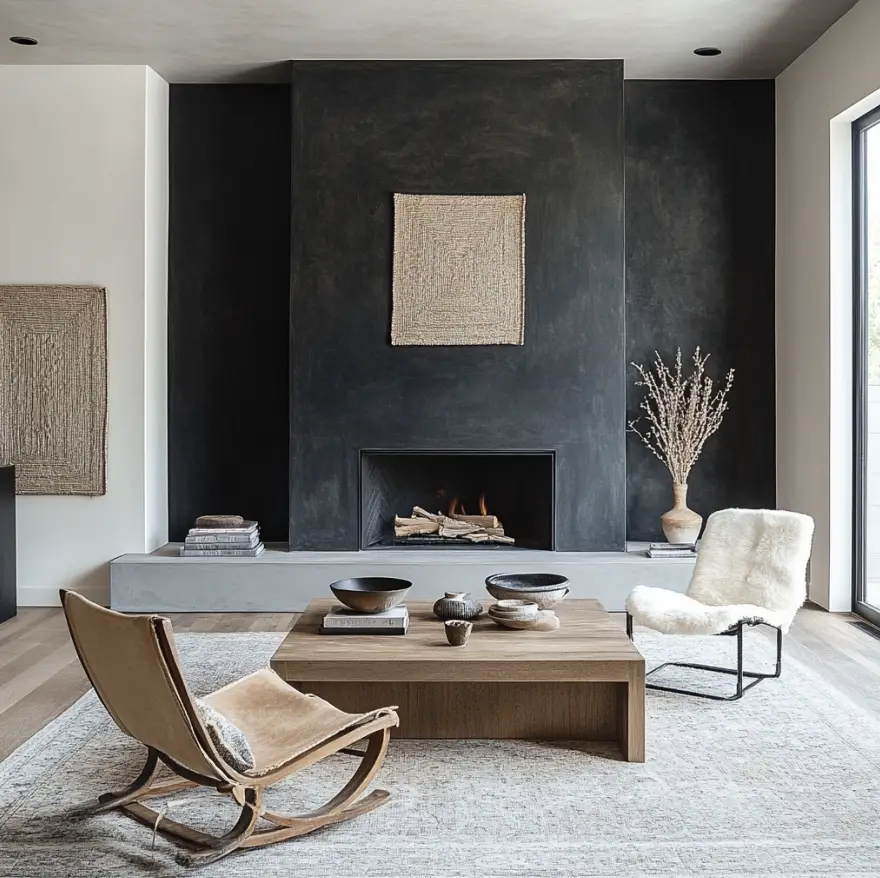
A painted accent wall can sometimes feel like a shortcut rather than a design strategy. However, when done with material—stone, wood, limewash, texture—it can feel architectural rather than decorative. A luxurious home interior benefits most when an accent wall supports the room’s structure, not when it competes with it.

Sometimes the most luxurious choice is leaving all the walls the same color and letting furniture and art take center stage. Other times, a textured finish creates the depth the room has been missing.
Why Luxury Is Less About Money and More About Intention
What all these approaches share is not cost, but thoughtfulness. Luxury isn’t about gold finishes, designer labels, or stuffing a room with “expensive-looking” pieces. It’s about creating clarity, balance, and atmosphere.
The most beautiful homes feel collected over time, shaped by personality and refinement rather than trends. They embrace patina, contrast, and openness. They hide chaos and honor craftsmanship. They mix eras and materials with confidence. They trust that fewer, better, and larger pieces often serve a space more than dozens of small, forgettable items.
A luxurious home interior is, ultimately, a reflection of intention—how you curate, how you edit, how you choose to live. Luxury is not loud. It’s not frantic. It doesn’t beg for attention.
It’s quiet. Certain. Steady.
And when done well, it feels less like design and more like a way of living.