Kitchens have always held a special place in the home — it’s where meals are made, conversations unfold, mornings begin, and late‑night snacks happen. What we want from our kitchens has evolved, though. No longer just a place for cooking, today’s kitchen also needs to feel beautiful, functional, and reflective of how we live. In 2026, this evolution continues in thoughtful, grounded, and human‑centered ways. It marks a decisive move away from “fast furniture” toward the enduring value of bespoke furniture, where the focus shifts from mass production to pieces that are literally built around the client’s lifestyle and architectural constraints.
Across modern kitchen design circles, there’s a clear shift away from overly clinical minimalism toward warmth, tactility, and personality. People want kitchens that are sophisticated but not cold, stylish but not intimidating, and functional without feeling strictly utilitarian. What that looks like in practice covers a range of ideas — from materials and colors to layout, technology, and the way we use our space.
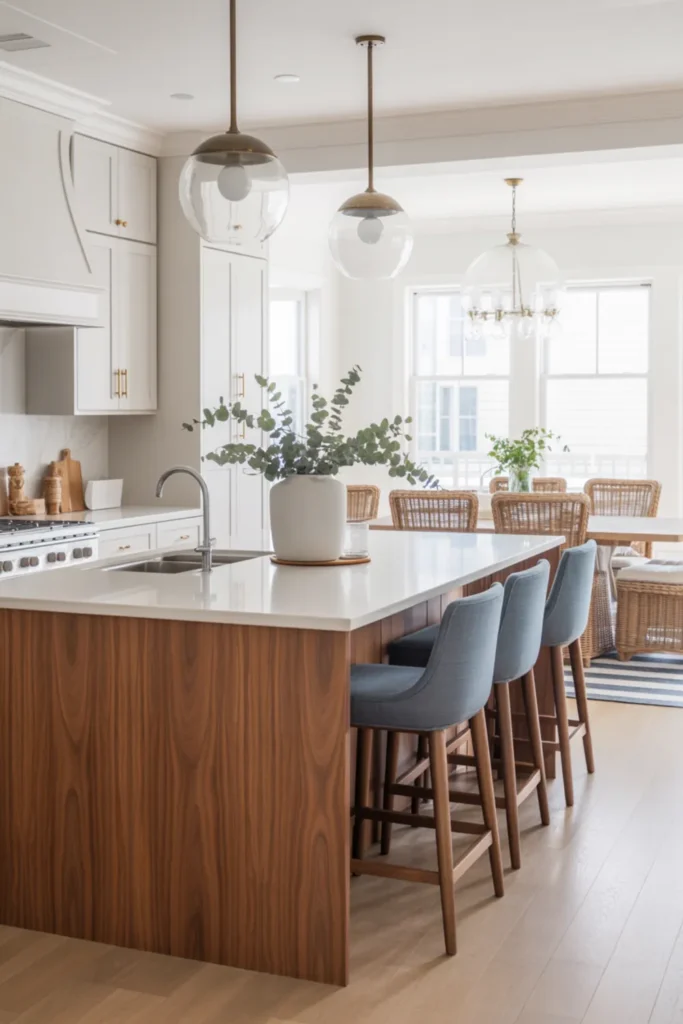
Below are the major themes shaping kitchen design for 2026 — each one rooted in real design thinking and emerging patterns.
Warm, Natural Materials Are Taking the Lead
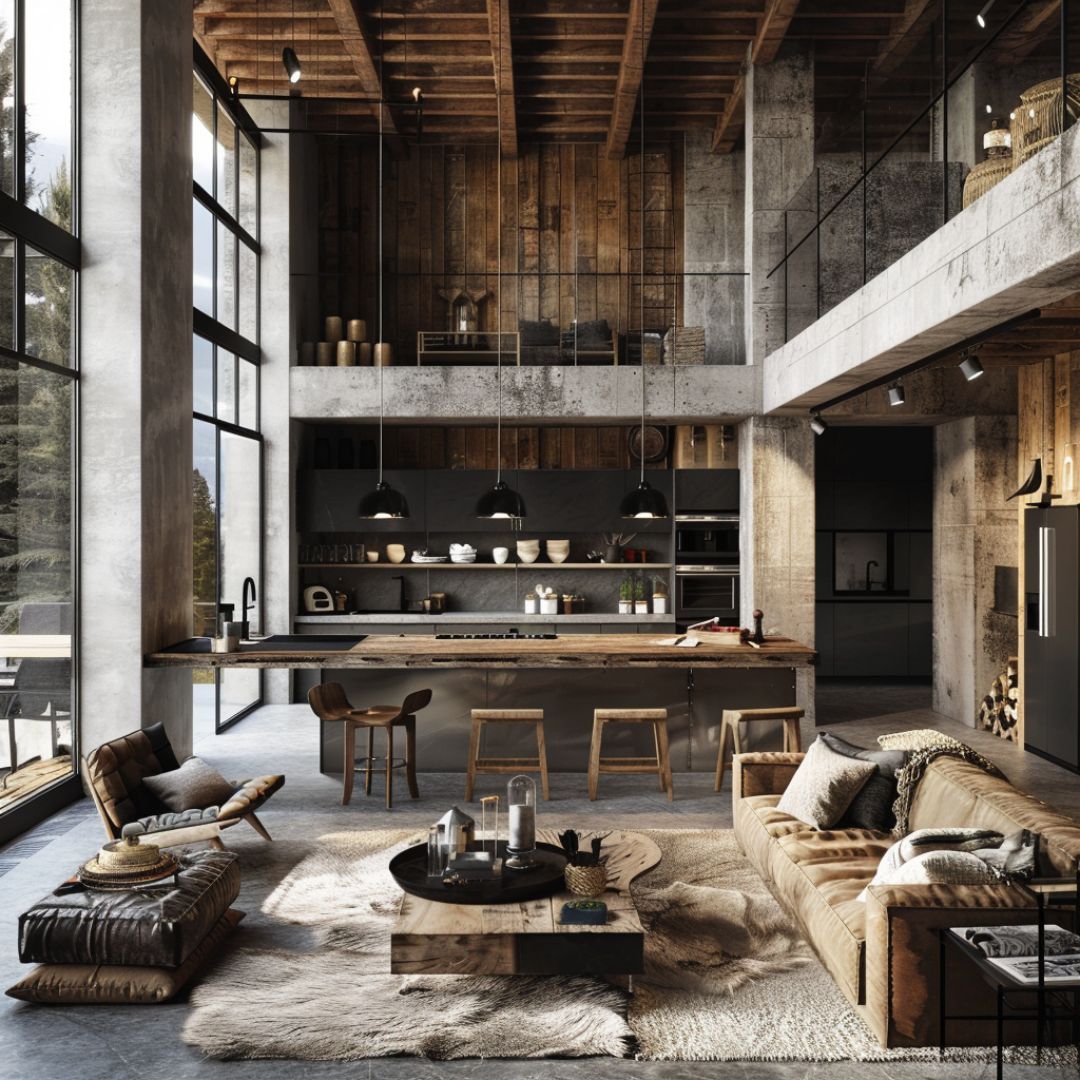
One of the clearest shifts for 2026 is a move toward materials that feel grounded and real. The growing focus on natural materials in kitchen design reflects a desire for spaces that feel grounded, tactile, and enduring rather than overly polished. Glossy, high‑shine surfaces have their place, but designers and homeowners alike are embracing textures that read as more organic and inviting. Wood grain surfaces, honed stone tops, matte quartz, and soft laminates are more prevalent than ever.
Where kitchens have sometimes skewed toward polished perfection in the past, the 2026 look leans into texture. Think brushed wood veneers instead of lacquer, honed counters that feel soft to the touch rather than mirror‑bright, and cabinetry that looks like it was crafted for the space rather than installed as an afterthought. The appeal is simple: texture introduces warmth and depth, making the kitchen feel cozy — even when the overall design is modern.
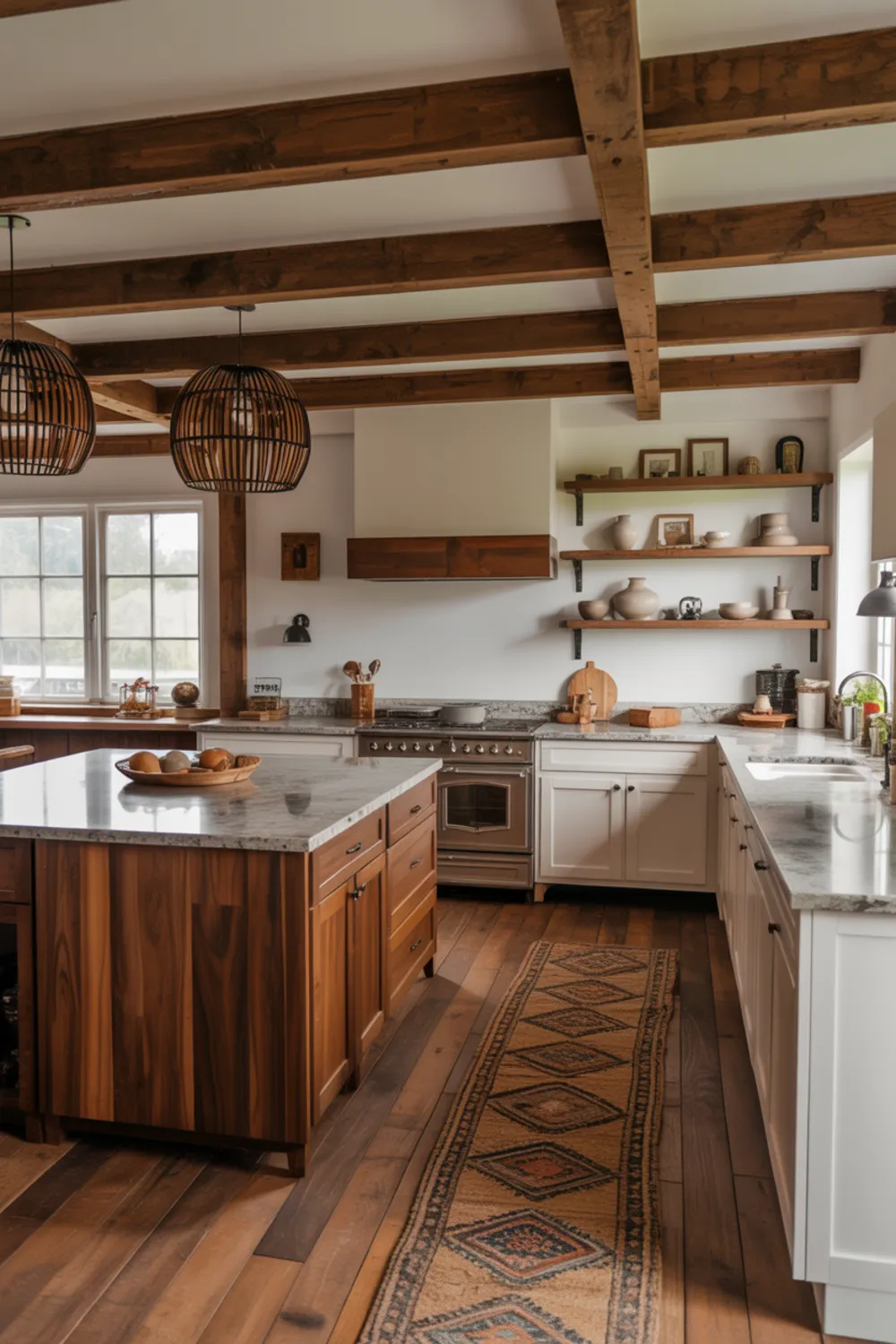
This doesn’t mean every surface has to feel rustic; rather, it’s about embracing materials that age gracefully and feel welcoming rather than sterile. Natural materials also pair beautifully with soft lighting and curated details, creating a space that feels calm, layered, and complete.
Curved Forms and Softer Geometry
Straight lines and sharp corners have long defined kitchen design, especially in very modern spaces. In 2026, that is gently shifting. Curves, arches, and softer edges are being introduced in everything from kitchen islands to cabinetry and breakfast bars.
Rounded islands and softly shaped units help kitchens feel a bit less rigid and a bit more human. In open‑plan homes, curved elements also help the kitchen flow into adjoining living spaces, blurring the once strict boundary between cooking and social areas. You may notice gentle arcs in island ends, softly rounded counters, or even subtle arches in shelving or cabinetry niches. This approach brings in a sense of comfort and motion, especially in homes where the kitchen isn’t a closed‑off room anymore.
Color Comes Alive — With Depth and Restraint
Color in kitchen design is no longer just about staying safe with white or cool greys. In 2026, hues are deeper, more expressive, and more grounded in natural inspiration. Greens — from olive and moss to herbaceous shades — are rising in popularity, bringing a subtle but distinct sense of calm and connection to the outdoors. Blues, especially the moodier or smoky varieties, also feature strongly, often paired with warmer materials like wood or stone.
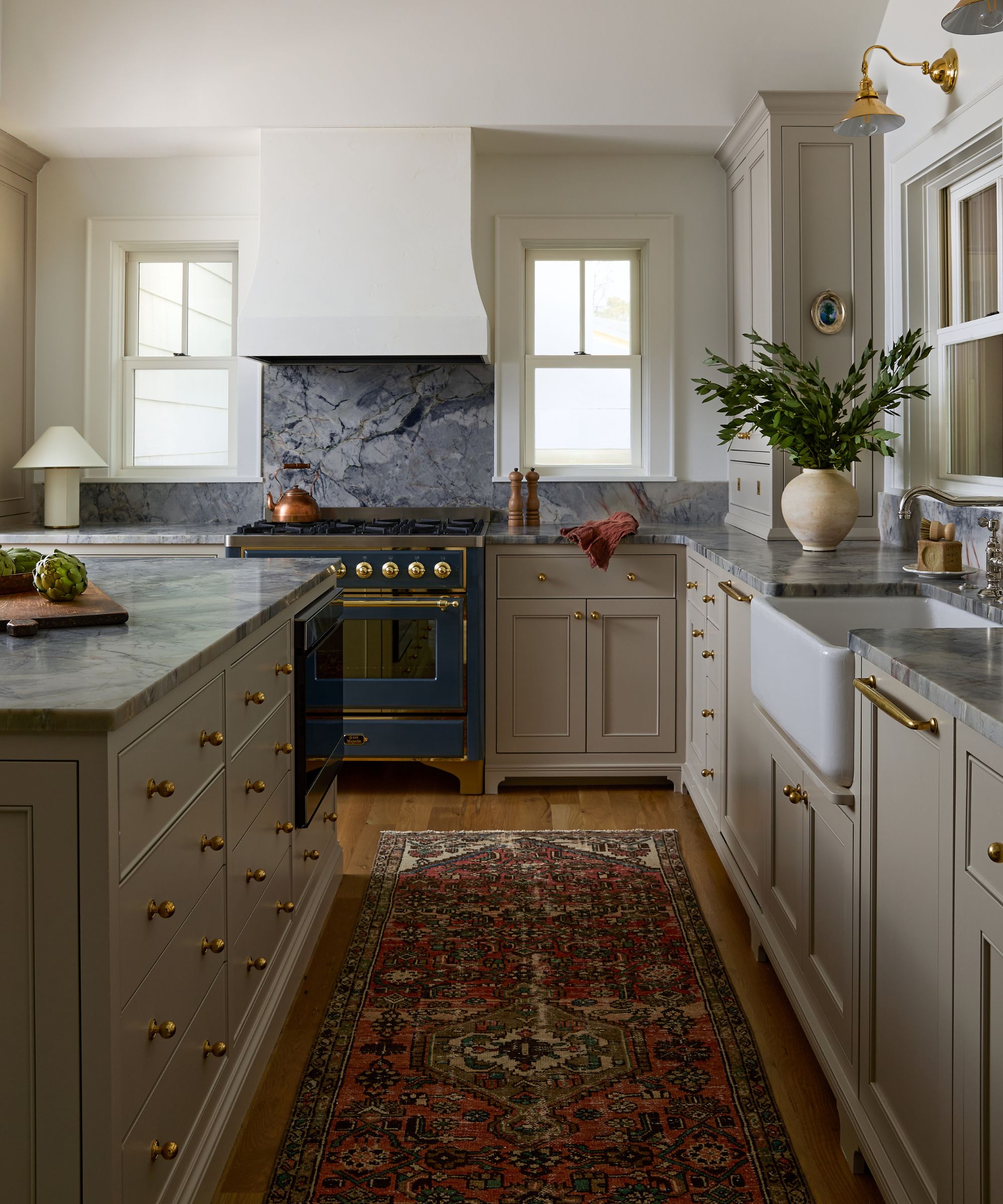
The idea isn’t to overwhelm but to create emotional richness. Terracotta and clay tones give a kitchen a cozy sense of earthiness, while warm off‑white bases like buttercream or sandy hues soften the space in a way clean white sometimes can’t. Deeper accent colors — mustard, forest green, or even charcoal blues — are used thoughtfully, often on islands, cabinetry focal points, or backsplashes, adding personality without overpowering.
This move toward expressive, mood‑setting color reflects a broader search for spaces that feel purposeful rather than purely functional.
Integrated, Invisible Tech That Feels Natural
Technology isn’t going away from our homes, but in 2026 it’s blending into kitchen design in subtler ways. Rather than exposed screens and gadgets, tech is becoming invisible — quietly enhancing the space without shouting for attention.
This “invisible tech” can take many forms. Motion‑sensor drawers that open when you need them and close when you don’t. Lighting that activates based on movement. Appliances hidden behind cabinetry so the focus stays on material and form rather than buttons and screens. Voice‑activated features and app‑connected ovens exist too, but they’re part of the experience, not the focal point.
Homeowners want kitchens that feel both smart and timeless — spaces that will still look good years from now, even as technology evolves. Integrating tech in ways that feel seamless and calm is a big part of that aspiration.
Smarter Storage and Seamless Surfaces
Organization is becoming both more intentional and more elegant. It’s not enough for a kitchen to simply have storage; the storage should feel integrated and easy to use. Floor‑to‑ceiling cabinetry, pull‑out pantries, corner systems, and built‑in storage solutions make daily life easier without cluttering the visual field.
Alongside better storage, one‑piece surfaces are gaining attention. Instead of tiled backsplashes interrupted by grout lines and breaks, larger slabs of stone or quartz that extend seamlessly from countertops up the wall are becoming popular. These continuous surfaces feel more refined and are much easier to maintain, lending a calm, uncluttered aesthetic that still feels luxurious.
Open Shelving With a Curated, Breathing Approach
Open shelving isn’t brand new, but 2026 brings a more thoughtful take on it. Instead of cluttered displays packed to the brim, open shelves are being used sparingly and with intention, often blended with closed cabinetry.
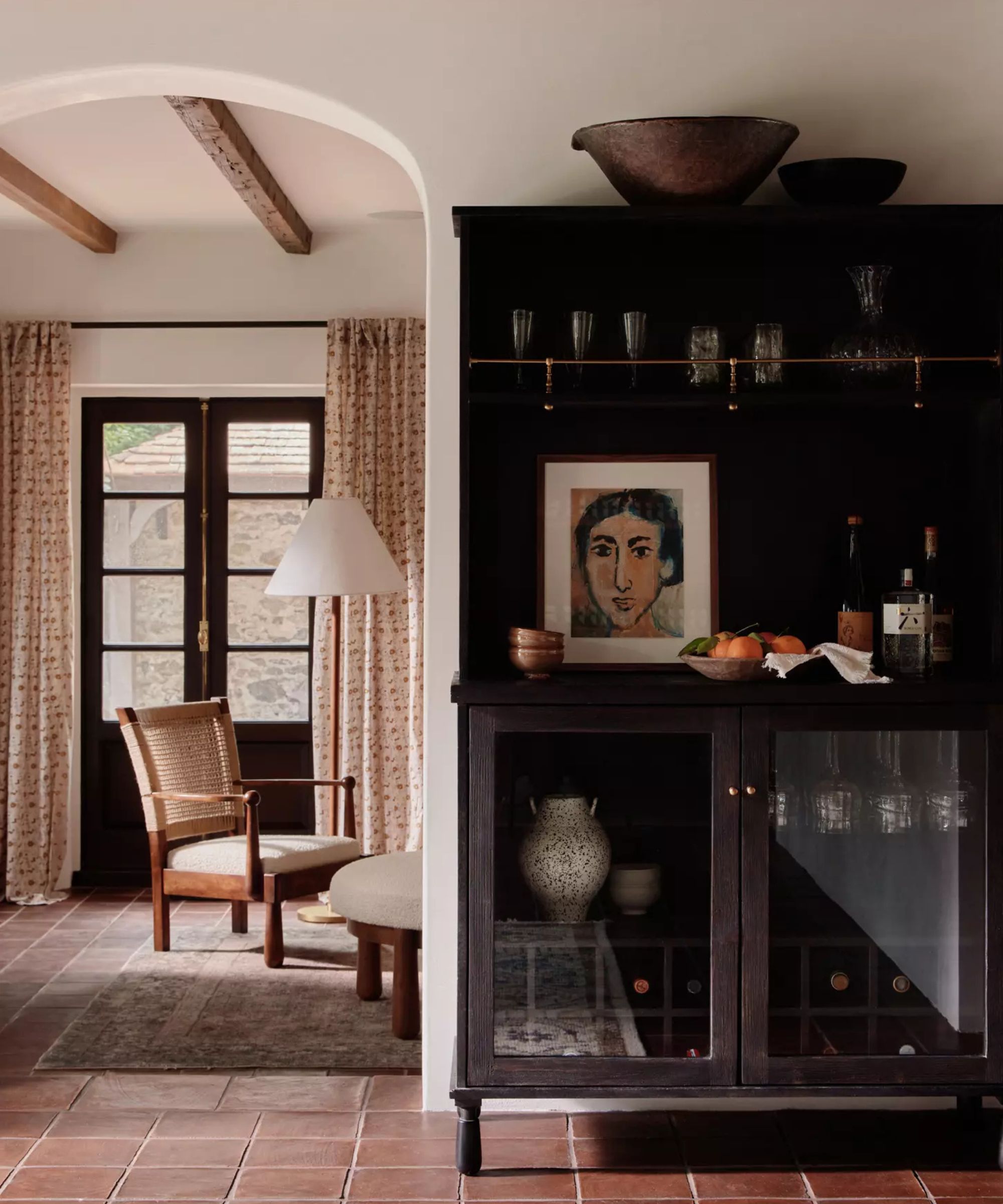
This way you can highlight chosen objects — a set of handmade dishes, a beloved cookbook, or artisanal ceramics — without the space feeling chaotic. Open shelving adds dimension, allows light to move through the space differently, and breaks up large planes of cabinetry in a way that’s visually pleasing but still functional.
Accent Surfaces That Feel Architectural
Beyond seamless countertops, another trend is using material and surface as an architectural gesture. Richly veined slabs, large porcelain panels, and tactile stones provide visual weight without requiring busy patterning. These surfaces become anchors in the room, grounding the design and giving it a calm, deliberate character.
When paired with warmer cabinetry and layered lighting, these surfaces help a kitchen feel both elevated and welcoming — a space that could equally host Sunday brunch or midweek homework sessions.
Design That Feels Personal, Not Generic
One of the things underscored in recent trend conversations — including the kitchen design video overview on trends for 2026 — is the difference between a space that looks like a trend and one that feels like home.
Kitchen design in 2026 is less about ticking boxes and more about layering choices in a way that feels authentic. That might mean mixing metals instead of matching them, or pairing a bold cabinet hue with natural wood so the space feels curated rather than flat. It might mean prioritizing comfort and warmth over stark minimalism, or choosing materials and finishes that have texture and character.
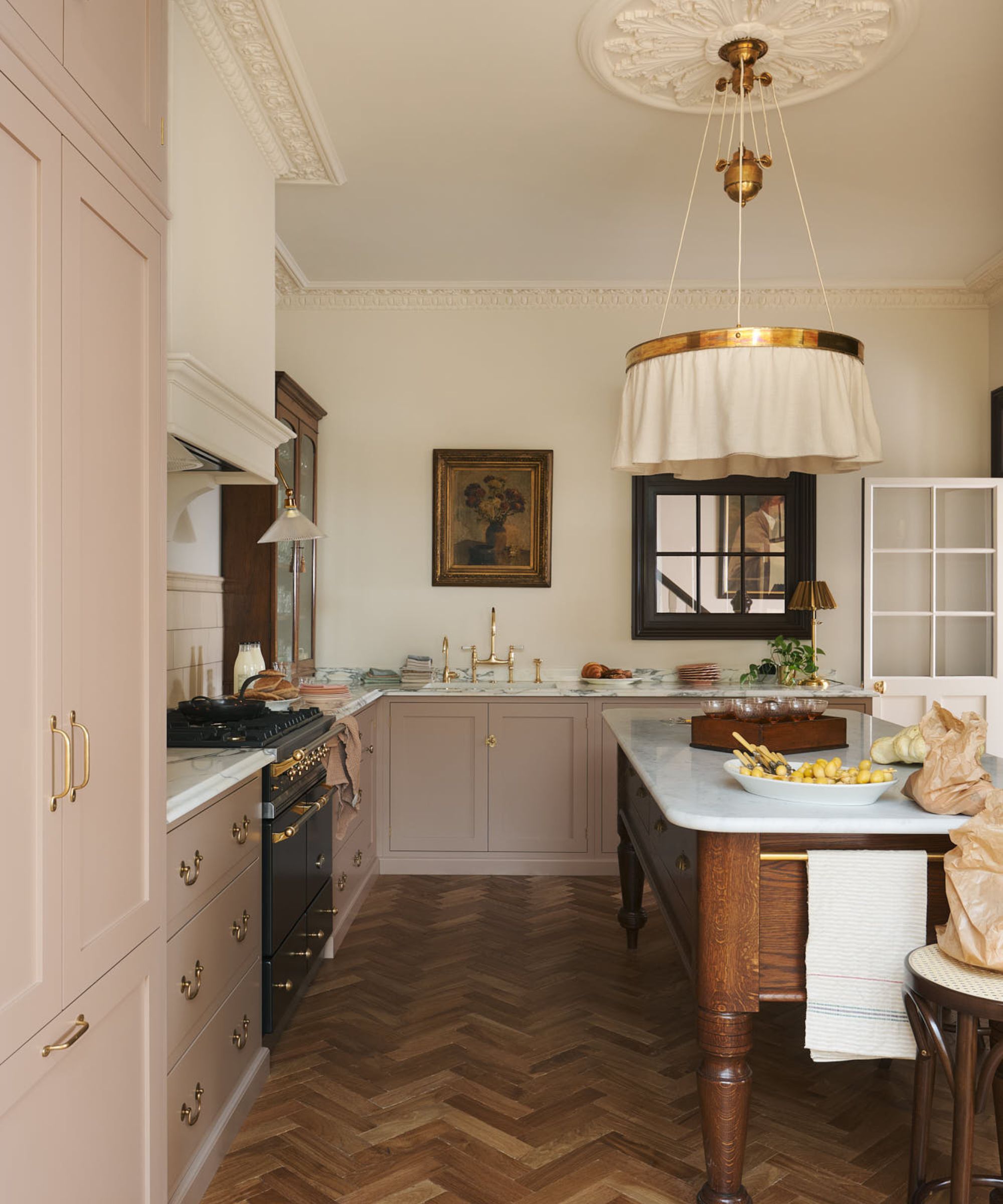
Kitchens are staying multi‑functional too. With open layouts still popular, the kitchen often flows into dining and living areas, demanding a thoughtful balance of utility and style. The best designs feel anchored, purposeful, and sensitive to how we really live — not just how things look in photos.
Thinking About Tomorrow, Not Just Today
What’s exciting about the 2026 kitchen landscape is how it reflects a subtle shift in values. Clean lines and minimalist efficiency remain relevant, but they’re now balanced with warmth, tactility, and personal expression. Kitchens are designed to feel calm and composed, but also life‑ready — spaces that work hard for us without feeling cold or impersonal.
The emphasis on natural materials, muted and expressive colors, integrated technology, and thoughtful storage shows that homeowners and designers are thinking about longevity. These kitchens aren’t chasing a fleeting moment; they’re trying to feel right for years, not just seasonally.
If you’re considering a renovation or even dreaming about one, these trends offer a thoughtful roadmap. Blend visual richness with practical function. Prioritize warmth without sacrificing clarity. Let the space feel intentional without being overly curated.
At the end of the day, the best kitchen designs of 2026 will be the ones that feel like home — grounded in material and mood, but shaped around how you live.