2026 is shaping up to be a year where home design doesn’t just follow fashion — it reflects changing values. With rising awareness about sustainability, a renewed desire for comfort, and growing demand for flexibility and smart solutions, the interior design trends 2026 point toward homes that feel as much alive as the people living in them. Light, comfort, usefulness, and materials that respect the planet are becoming the new markers of a modern home.
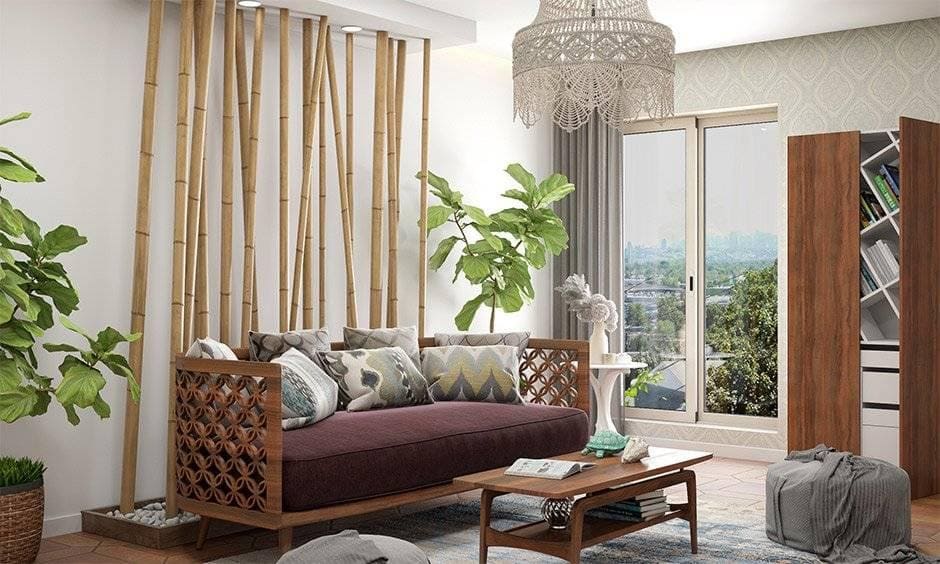
In these homes, sustainable interior design isn’t decoration. It’s intention. Every piece of furniture, every material, every light fixture serves a purpose — to simplify, to comfort, to last. The homes that embrace this mindset become more than just places to sleep and store stuff; they become environments that support daily life, reflect identity, and adapt gracefully with time.
Smart Spaces: When Homes Think Alongside You
One of the clearest signals from the 2026 forecast is that technology will continue to weave itself seamlessly into home interiors. But this isn’t the old “gadgets on countertops” kind of tech. The focus is on homes that quietly adapt: lighting that adjusts to the time of day, appliances that know when to conserve energy, modular furniture that shifts to meet your needs.
These are homes designed around life, not just aesthetics. A small living room can transform into a cozy movie space with hidden storage and adaptive furniture. A bedroom may subtly shift mood from bright morning light to soft evening glow without flipping a switch. In kitchens and workspaces, hidden storage, flexible counters, and multipurpose furniture make the most of smaller square footage. The goal is simple: living doesn’t have to wait on design — design works with living.

In 2026, the dream isn’t a flashy smart home; it’s a home that gently responds, making everyday tasks easier and giving space for what really matters: comfort, connection, rest.
Natural Materials and Sustainable Choices
If technology is the brain of a modern home, then natural materials are its heart. There’s a growing shift toward sustainable finishes — bamboo, cork, recycled materials, natural stone, and reclaimed or responsibly sourced wood. These aren’t just “green” choices on a brochure; they change how a home feels, how it breathes, how it ages.
Walls may feature bamboo or cork panels, floors may hold the warmth of natural woods, and surfaces can show the subtle flaws and textures that make them feel honest and grounded. Rather than gloss and polish, matte, tactile finishes are trending — surfaces you can touch, that age gracefully, that carry a bit of life with them.
This return to natural materials is more than nostalgia. It’s practical. Eco‑friendly materials often insulate better, breathe with the seasons, and present fewer health risks. Choosing them aligns with a broader desire to live lightly, thoughtfully, and consciously.
Calm, Earthy Palettes and Warmth Over Sterility
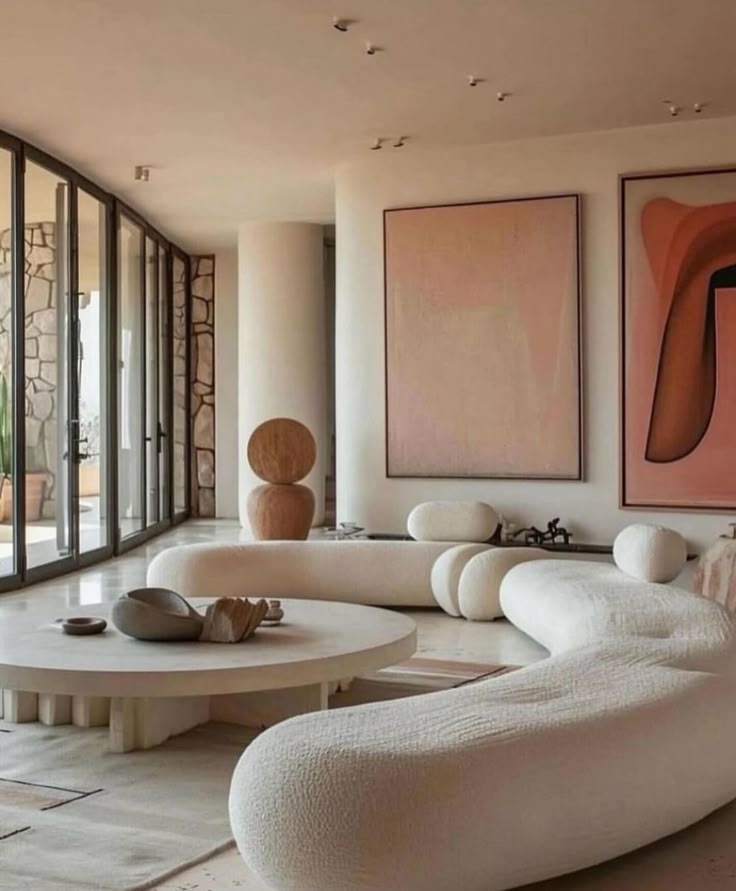
Gone are the days when stark white walls and minimalist coldness were the default. 2026 favors soothing, grounded colors — soft sands, clay-like terracotta, gentle greens, muted earthy tones, warm taupes, and nature‑inspired hues. These colors don’t shout; they settle. They make spaces feel calm, human, alive.
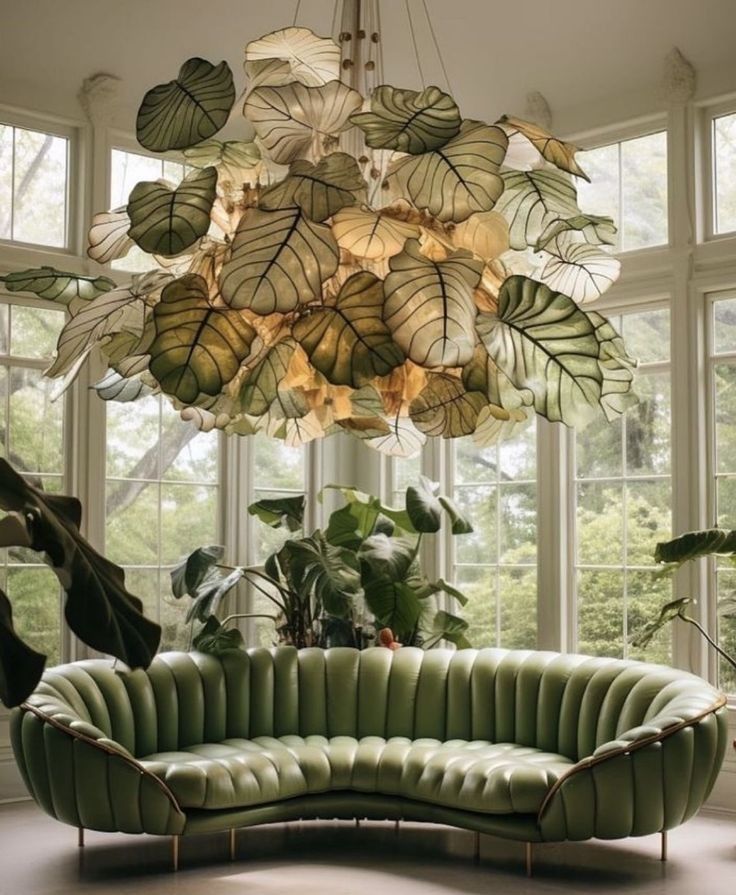
In this context, a deep olive wall isn’t just paint. It’s a backdrop for wood furniture, woven rugs, soft lighting, and the small imperfections that make a house a home. A dusty terracotta sofa becomes more than furniture; it becomes a familiar, comforting presence. These tones invite softness and draw attention not to themselves, but to texture, form, and light.
When paired with natural materials and purposeful design, these color choices transform interiors into warm, welcoming sanctuaries — spaces where you can breathe, decompress, and feel at home, rather than in a staged showroom.
Flexible Furniture and Multipurpose Living
As homes get smarter and lifestyles shift — remote work, modular living arrangements, changing family structures — flexibility becomes more than a convenience. It becomes a necessity. 2026’s interior design trends encourage furniture that adapts.
Compact sofas that convert into guest beds, foldable tables, wall-mounted desks, hidden storage units — these are no longer just for small apartments. They’re embraced for practicality even in larger homes. Designers are leaning into multipurpose pieces because they allow rooms to shift function with ease: from office to lounge, from dining area to studio, from storage to living space.
This flexibility reflects a broader attitude: home isn’t static. Life moves. Priorities shift. A space that adapts gracefully isn’t just smart — it’s compassionate.
Textural Depth: From Flat Surfaces to Layers of Material
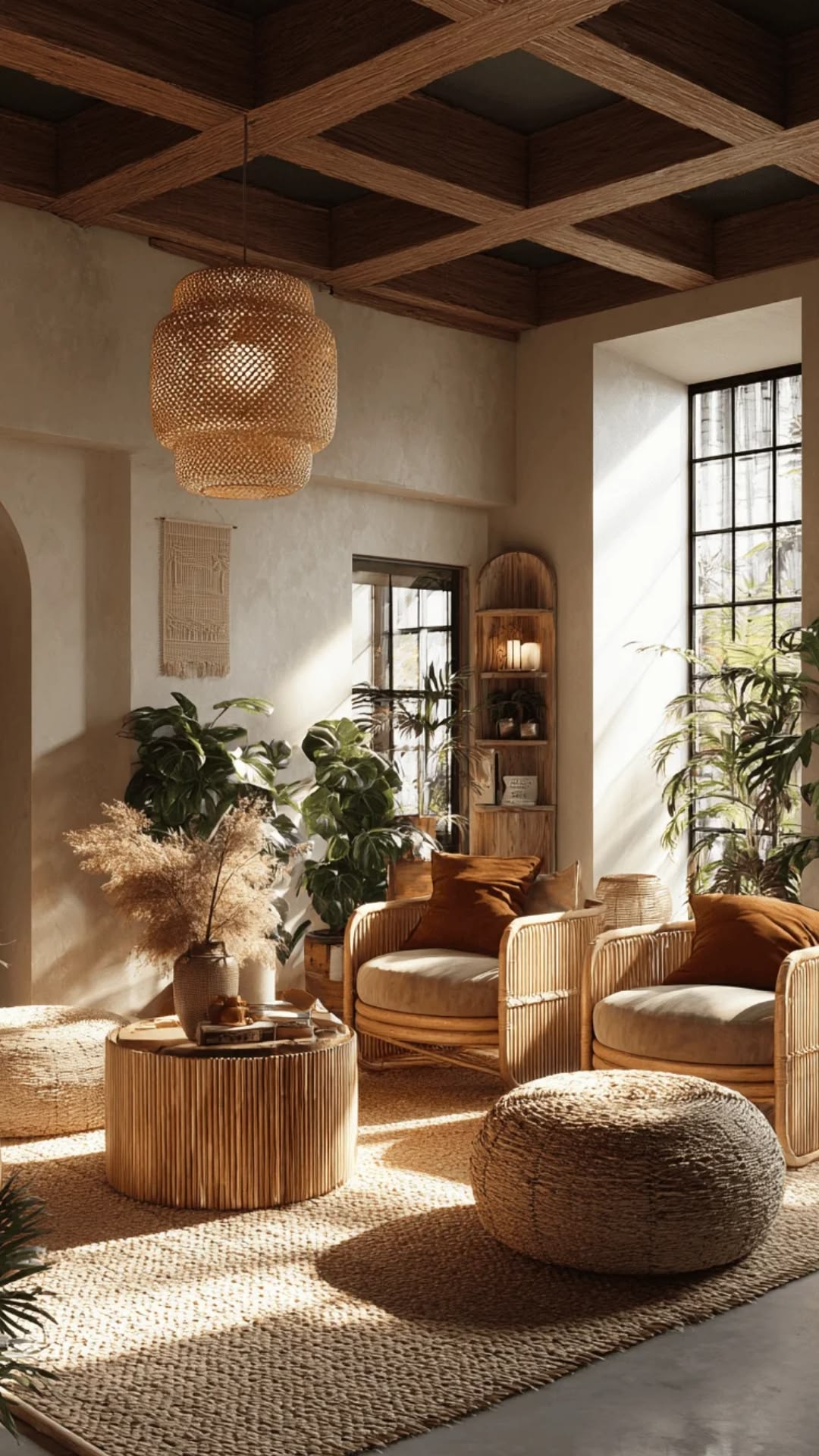
Flat, paint‑on‑paint minimalism is giving way to depth, tactility, and layered material design. In 2026, walls, floors, ceilings — even ceilings — are treated as canvases. Textured wall panels, raw wood, matte stone, woven surfaces, fluted finishes, subtle plaster textures — all add visual and tactile interest.
Instead of smooth sameness, surfaces celebrate variation. A plaster wall might have subtle undulations. A ceiling might use ribbed wood to transition light gently. Rugs and textiles add softness underfoot, and lighting casts gentle shadows that bring out the material depth. The result is a richly dimensional space that doesn’t tire the eye because it doesn’t ask the eye to rest — it invites curiosity.
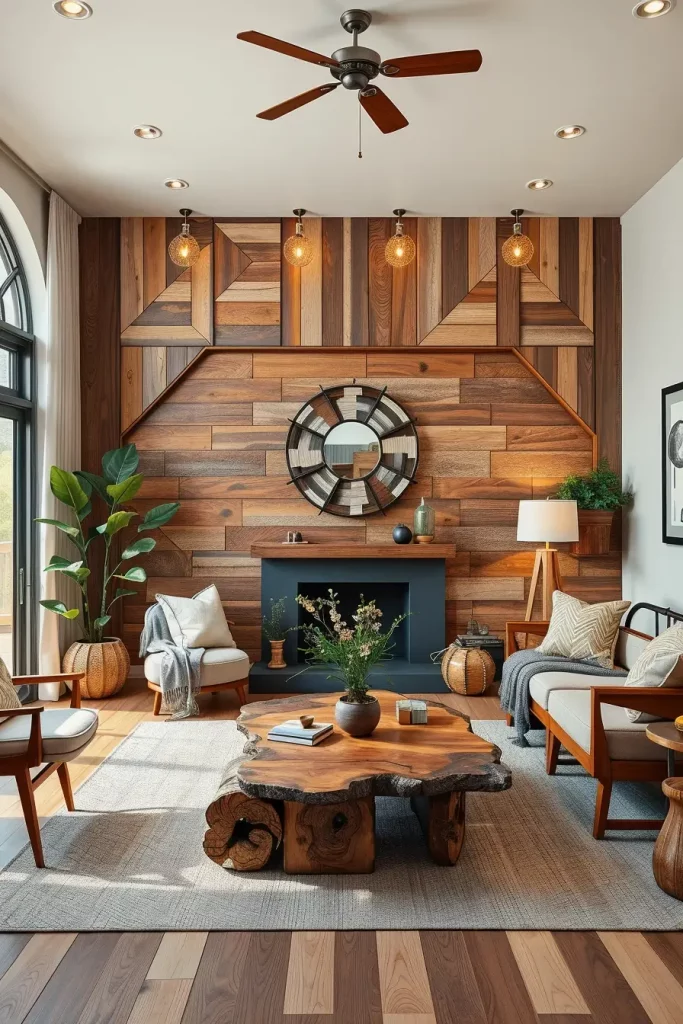
This layering of textures and materials makes a space feel lived-in and grounded. It acknowledges that a home isn’t just a box; it’s a collection of surfaces, materials, light, and shadow that interact over time.
Comfort, Calm & Human-Centered Living
More than anything, the interior design trends for 2026 seem to prioritize human comfort — mentally, physically, emotionally. Homes are designed around how people move, rest, work, and connect. Furniture is soft. Lighting is gentle. Layouts prioritize flow and ease. The whole environment supports well‑being rather than spectacle.
Bedrooms become sanctuaries with colors and materials that soothe. Living rooms invite slow afternoons and easy conversations. Kitchens and dining areas are functional but comfortable, reflecting that cooking and gathering are fundamental to daily life. Even small corners are given attention — a reading nook, a soft chair near natural light, a window that frames a view — these become moments of calm rather than afterthoughts.
In 2026, the smartest home may not be the one packed with tech, but the one that feels like a refuge — a place designed for healing, gathering, and living deeply.
Personalization: Homes That Reflect Their People
If there’s one constant across all the trends, it’s personalization. 2026 doesn’t push toward uniformity. It encourages your home to reflect you — your tastes, your rhythms, your history. A vintage stool tucked next to a modern sofa. A handwoven rug collected on a trip. A sculptural lamp that doesn’t match anything else in the room. These little idiosyncrasies give a home soul.
Because design is mindful and materials are honest, these personal touches don’t feel out of place. On the contrary — they anchor the space. A handmade ceramic vase on a reclaimed wood shelf, a woven basket holding books, a kitchen drawer with mismatched, hand‑selected utensils — they all tell quiet stories.
That’s part of what makes 2026 interiors feel alive. Not staged. Not perfect. Just real.
Balance: The 2026 Approach to Design
What’s surprising about 2026’s forecast is that it doesn’t push extremes. It doesn’t demand stark minimalism, and it doesn’t celebrate clutter. Instead, design leans toward balance — between technology and nature, between comfort and form, between flexibility and permanence, between simplicity and texture.

A sustainable wood floor doesn’t fight smart lighting. A foldable desk doesn’t feel temporary — it feels intentional. A cozy neutral wall doesn’t fade into the background — it supports the layers of furniture, art, fabric, and light that build the mood. Everything has a place, a purpose, and a rhythm.
This balance makes homes functional and beautiful, efficient and warm, modern and human. And that, in many ways, feels like the true spirit behind interior design trends 2026.
How to Try It — Without Starting Over
Adopting these ideas doesn’t mean rearranging your life or launching a full renovation. Many of the principles can be applied gradually, thoughtfully.
Start with color and materials. Swap a stark white paint for a warm taupe. Introduce a wooden side table or a cork wall panel. Bring in a woven rug, or a textured throw on the sofa. See how light plays, how texture feels under foot, how comfort changes a room.
Add multipurpose pieces — maybe a foldable table, a cozy reading chair, or a modular shelf. Let the space evolve with you. Add soft, diffused lighting rather than harsh overhead lamps. Rotate out pieces less, and invest in ones that age well.
And don’t chase perfection. Instead, build slowly. Mix the new with the familiar. Let the home reflect life, not a showroom. Because the beauty of 2026 design is not in instant transformation, but in lasting, living comfort.
Why These Trends Matter — More Than Just Looks
It would be easy to dismiss trends as superficial. But the movement toward smarter, sustainable, human‑centered homes is about something bigger than aesthetics. It’s about taking responsibility — for our well‑being, for the planet, for the way we live.
Homes built with thoughtful materials, with breathing walls and sustainable wood, lessen environmental impact. Flexible spaces reduce waste. Natural colors and textures encourage calm. Smart, adaptive design removes friction from life while letting people stay grounded.
In a world that often feels fast and chaotic, creating spaces that slow time, honor substance, and respect nature is not just design. It’s a kind of resistance — to uniformity, consumption, and haste. The homes shaped by interior design trends 2026 are quietly shapeshifting what living can be: gentle, enduring, personal, alive.
And that’s a future worth building.