There’s a quiet shift happening in the way homes are designed, and it’s one that brings the outside in and the inside out. What used to be just a nice idea — a patio here, a balcony there — has become a whole design approach. It’s called indoor outdoor living, and it’s more than a trend. It’s a way of thinking about space that invites light, air, and nature into daily life.
In rooms that flow freely into gardens, layouts are redefined by elements that bridge the gap between structures and the elements; a large garden parasol becomes more than just shade, acting as a soft, moveable ceiling that extends the comfort of the living room into the open air, while the striking silhouette of a large parasol anchors the terrace, defining a new sense of place. In these spaces where terraces feel like rooms and movement is encouraged, homes start to feel bigger, brighter, and more welcoming.
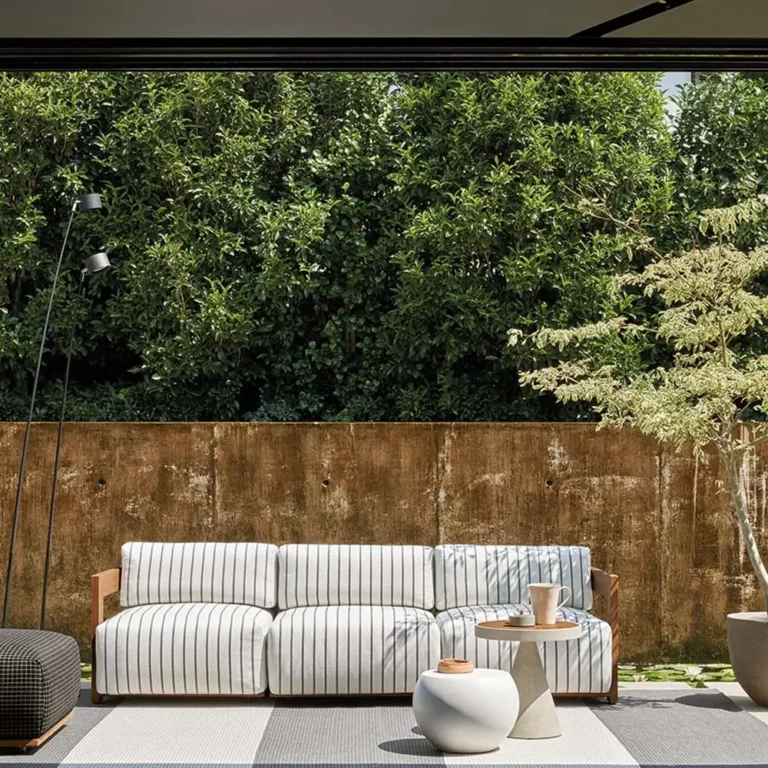
This concept doesn’t require expensive renovations or sprawling estates. It often starts with small choices that change how spaces feel. The way materials work together, how doors open, and how custom outdoor furniture is placed all matter. When these elements come together thoughtfully, indoor outdoor living becomes something you notice in how you use your home — before you even think about it.
What Indoor Outdoor Living Actually Means
At its heart, indoor outdoor living is about reducing barriers. It’s about creating spaces that don’t feel separate from the backyard or garden, but part of a whole. When done right, there’s a smooth transition between rooms and outdoor areas. Indoor rooms seem to extend outward. Outdoor spaces feel just as intentional as interior rooms.
This approach does more than make a house look bigger. It changes how a home feels and how it functions. Rooms near the back of the house can feel connected to nature. A simple meal on the patio feels like an extension of the dining room. Even a morning coffee becomes a moment to enjoy the fresh air without leaving the comfort of home.
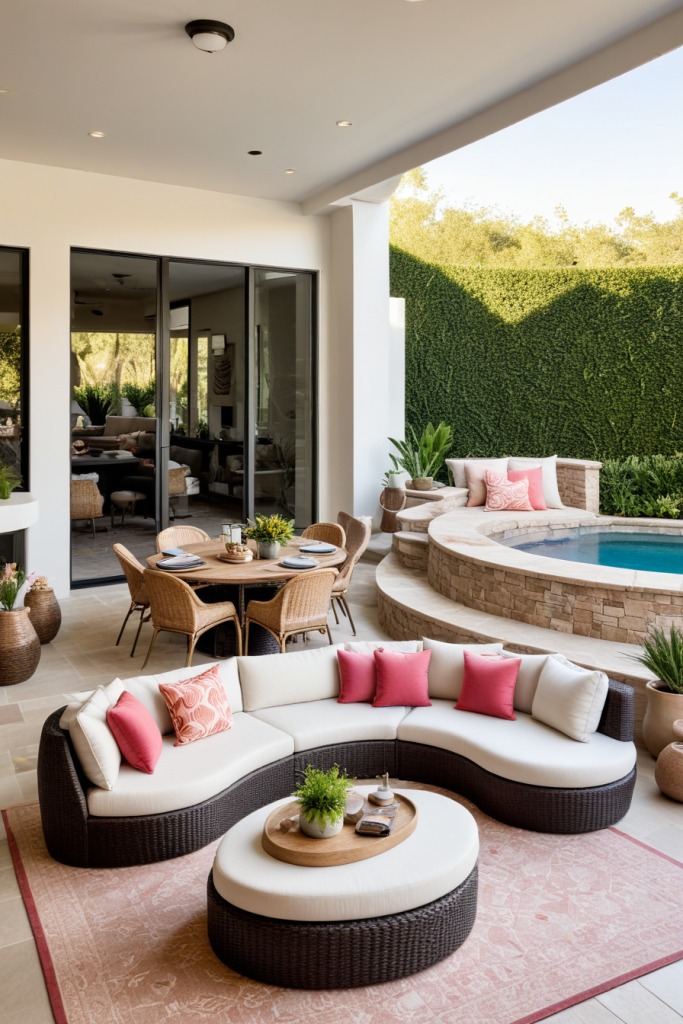
The result is a home that feels open, intentional, and more livable. Indoor outdoor living isn’t just about aesthetics — it influences how people use their spaces. And that’s why it matters.
Designing Smooth Transitions Between Spaces
One of the first things people think about when they imagine indoor outdoor living is doors. Large sliding glass doors or folding panels do a lot of the heavy lifting here. When they open wide, they physically erase the boundary between interior and exterior. But the idea goes deeper than just a wide opening.
Materials matter. When the flooring inside feels similar to what’s outside — like wood tones or stone tiles — it creates a visual continuity. A step down or up might still be there, but your eye doesn’t stop at the threshold. It keeps moving right through to the outdoor space.
Another detail that makes a big difference is shelter. A roof overhang, pergola, or covered patio creates a space that feels protected yet open. It’s an area that feels like a logical extension of the home, not a separate zone that only gets used on perfect weather days.
Choosing Materials That Tie Inside and Outside Together
The materials chosen for floors, walls, and surfaces are key to effective indoor outdoor living. The goal isn’t to use the exact same materials everywhere — that can sometimes feel forced — but to choose materials that complement each other. A living room with light hardwood floors might flow naturally into a patio with warm stone tiles.

Durability is part of the conversation too. Outdoor materials need to handle rain, sun, and temperature changes. That’s why stone, treated wood, and weather‑resistant tiles are common choices. They look intentional and age gracefully.
Inside, materials that reflect the outdoors — like woven textiles, natural fibers, and earthy colors — help tie everything together. The idea is that as you look from inside to outside, nothing feels jarringly different. The spaces feel intentionally connected in look and feel.
Furnishing for Flow and Comfort
Furniture can make or break a space that’s meant to blend inside and out. In successful indoor outdoor living spaces, furniture choices support both comfort and durability. Outdoor furniture today doesn’t look like the old metal patio sets of the past. Today’s choices include soft outdoor cushions, lightweight loungers, and pieces that feel almost like indoor sofas or chairs.
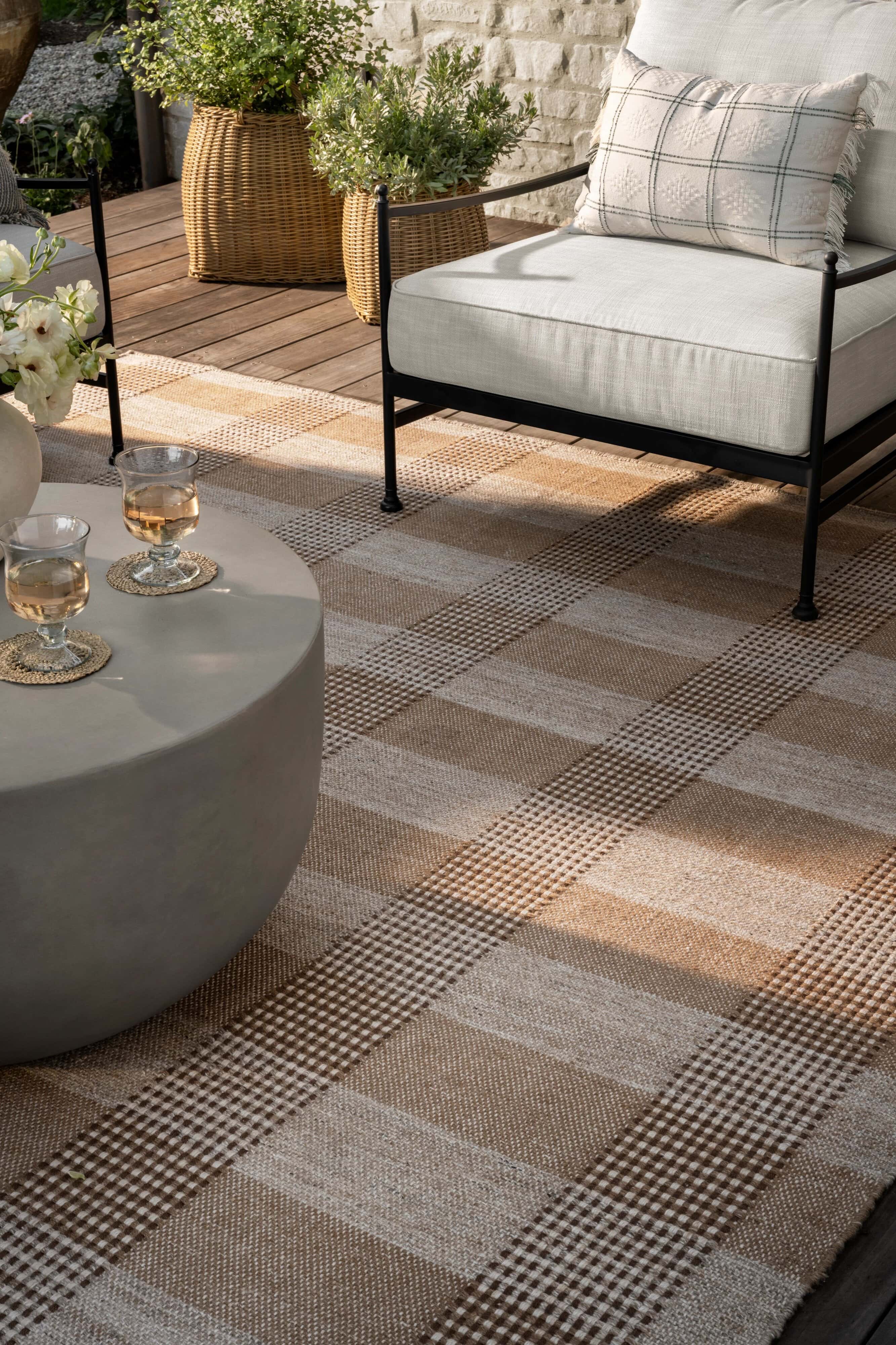
It helps when outdoor furniture echoes interior style. If the living room leans neutral and relaxed, outdoor pieces can follow that same language. Throw rugs that can live outdoors add warmth. Cushions with fabrics made to resist fading keep things fresh while still feeling cozy.

The aim is not to force outdoor spaces to feel like indoor rooms, but to make them feel equally inviting. People should want to linger there — for morning tea, afternoon reading, or evening gatherings.
Lighting for Day and Night
Lighting plays a big role in making indoor outdoor living work at all times of day. During daylight, opening up the home to natural light makes spaces feel open and bright. At night, lighting helps blur the line between inside and outside.
Layered lighting works well here. Inside, recessed lights and pendants keep rooms bright. Outside, string lights, lanterns, and soft path lights add warmth. Keeping similar color temperatures — warm, soft light rather than cold, bright light — connects the two areas visually.
Good lighting also makes outdoor spaces feel usable after sunset. A well‑lit patio can feel as comfortable as a living room, inviting people to stay longer and enjoy the space well into the evening.
Bringing Nature Closer with Plants and Landscaping
Plants are one of the easiest ways to make indoor outdoor living feel natural. A vertical garden near a sliding glass door becomes a living backdrop when the door is open. Potted plants just outside a window connect interior plant choices to the garden beyond.
Landscaping can also shape how outdoor spaces feel. Strategically placed trees, shrubs, and hedges provide privacy without closing off views. They offer shade, soften sightlines, and bring texture to outdoor rooms. Even a tree planted near a patio can feel like part of the indoor view — a living feature that changes with the light and seasons.

The key is to treat plants as part of the design, not an afterthought. When greenery is integrated thoughtfully, it helps make the outdoor space feel like an extension of the interior world rather than a separate space.
Functional Outdoor Zones That Feel Like Rooms
To fully embrace indoor outdoor living, outdoor spaces shouldn’t just look beautiful — they should work like rooms. A dining set under a pergola feels like a dining nook. A seating area with a fire pit becomes an outdoor living room.
Outdoor kitchens make cooking with guests easy. Even simple features like a bar cart that can move between inside and outside make the space feel more versatile. It’s about creating areas that people actually use — not just spaces that look good in photos.
By thinking of outdoor spaces as functional zones, homes gain new “rooms” without building walls. This makes daily life feel more flexible and opens up options for entertaining, relaxing, and living.
How to Blur Visual Boundaries
One of the subtle tricks of indoor outdoor living is how sightlines are managed. When indoor and outdoor color palettes and textures echo each other, the eye perceives them as one space rather than two. Low walls, transparent railings, or even open shelving near outdoor doors can help.
Adding reflective surfaces like water features or glass accents also softens transitions. Light bounces, surfaces connect, and the whole space feels more cohesive. It’s a design detail that doesn’t demand attention, but one that quietly makes the spaces feel unified.

From specific plants to flooring that aligns from room to patio, these choices add up. What looks like small details are actually the threads that stitch the spaces together.
Using Technology to Support Indoor Outdoor Living
Smart design doesn’t ignore modern technology. Retractable screens, motorized doors, and outdoor heating systems all make outdoor spaces more comfortable throughout the year. Music systems that work both inside and outside help bring entertainment outdoors without chaos.
These features aren’t flashy. They simply remove barriers — and that’s the heart of indoor outdoor living. When technology works quietly in the background, it supports the sense that spaces are connected and usable at all times.
Maintenance: Keeping Spaces Fresh
It’s important to think about durability and care when planning indoor outdoor living. Outdoor fabrics need to resist UV rays. Furniture finishes should stand up to moisture. Even plant care matters because lush greenery enhances the sense of connection.
Regular maintenance keeps these spaces feeling as intentional as the rooms inside the home. Outdoor rugs, cushion covers, protective finishes, and seasonal care routines all contribute to spaces that continue to feel inviting long after they’re first set up.
The Benefits of Indoor Outdoor Living
Homes designed for indoor outdoor living feel larger because boundaries are softened. People spend more time outside, enjoy natural light, and feel more connected to nature. It’s a quiet shift, but it changes how spaces are used.
Outdoor areas that feel like part of everyday life invite gathering, relaxation, and enjoyment of seasons. Inside spaces feel connected to the world beyond windows, making homes feel less enclosed and more expansive.
It’s a design that rewards both daily living and special occasions. The more cohesive the spaces, the more inviting the home feels — whether it’s a quiet morning coffee or a weekend gathering with friends.
Bringing It All Together
Designing for indoor outdoor living doesn’t mean copying one space into the other. It’s about creating harmony. It’s choosing materials, lighting, furniture, and landscape that work together. It’s making sure doors open easily, sightlines travel freely, and spaces feel intentional.
The end result is a home that doesn’t feel boxed in. It feels open, adaptable, and full of possibilities. It’s not just about looking good — it’s about living better. When inside and outside are treated as partners instead of separate places, the whole home becomes more welcoming and more versatile.
This way of thinking — blending indoor comfort with outdoor freedom — changes not just how a house looks, but how it feels to live in it.