There’s a subtle shift in the air among designers this year — not the kind that comes with a splashy reveal or a glossy render, but a quiet sense of fatigue. A feeling that certain tropes that once felt fresh have now been played out to the point where they risk aging homes faster than we realize. Trends come and go, sure, but when something feels everywhere, it stops feeling special and starts feeling like wallpaper you half‑hate but haven’t gotten around to tearing down yet. Designers are starting to call out a few of home trends that will look dated by 2026, and you can sense the frustration underneath — not with good design as much as with decoration that masquerades as style.
There’s an inherent tension in design now: how to balance what feels modern with what might look obsolete in just a few years. Warmth, personality, and authenticity have trumped sterile minimalism, but not every early response has aged well. Some elements that once read as chic now read as tired, overedited, or so ubiquitous that they’ve lost their relevance.
Scallops and Matchy Sets
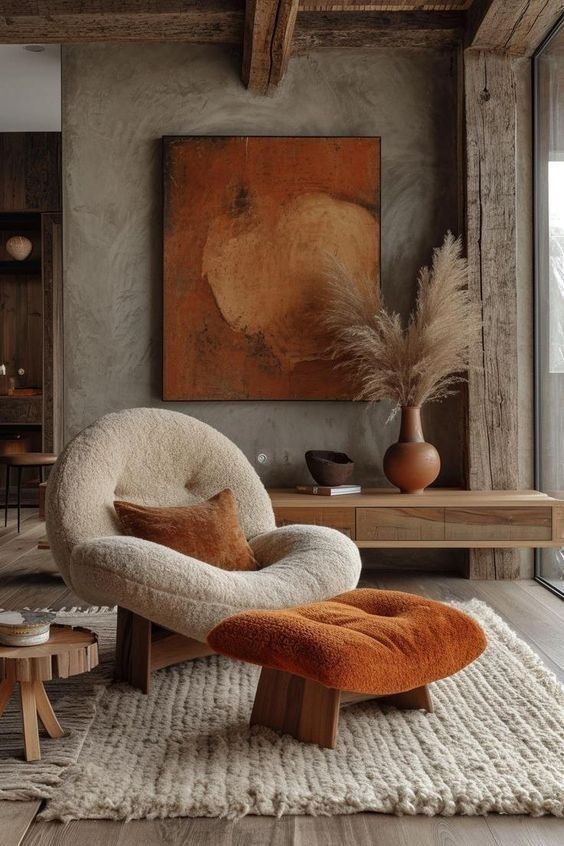
Remember scallops? Not the seafood — the scalloped curves that showed up on chairs, lamps, mirrors, and vanities as if the entire industry had suddenly discovered frills at once. They seemed playful and feminine at first, but when every other piece of furniture started sprouting the same curves, it became clear that their universal popularity might have been a trap. Designers now whisper that these details will visibly date a space by the end of 2026. When something saturates the market that thoroughly, it stops feeling thoughtful and starts feeling formulaic.
Kindred to that is the “matchy‑matchy” aesthetic — sets where every piece is cut from the same block, in the same finish, with carefully coordinated tones. It was safe, it felt polished in a catalog, and it fit neatly into the modern desire for calm and order. But now, designers see that uniformity has flattened personality. Interiors that read like curated collections or custom high-end furniture — even if obvious — feel far more enduring. Spaces where wood tones, metals, and textiles vary and converse feel purposeful rather than borrowed from a showroom.
Minimalism That Suppresses Personality
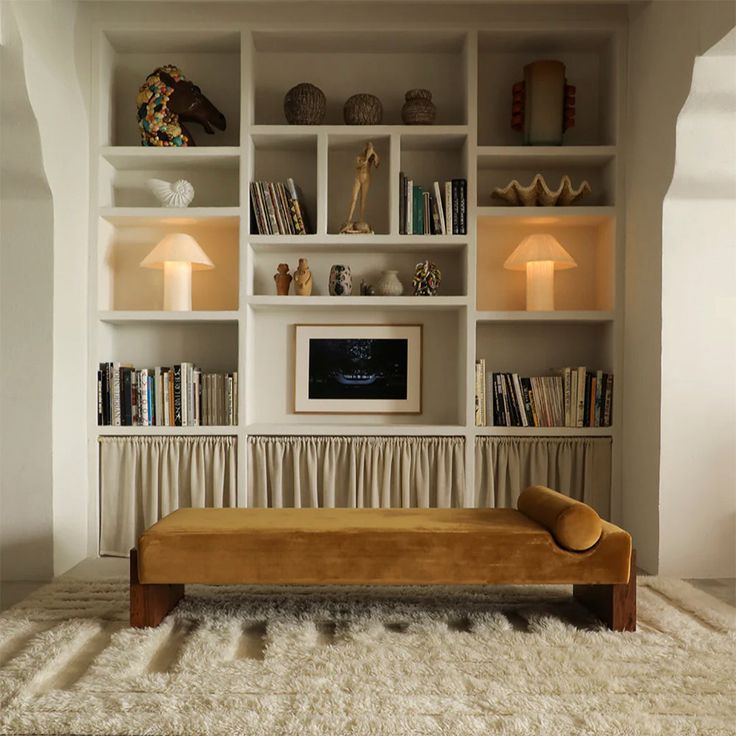
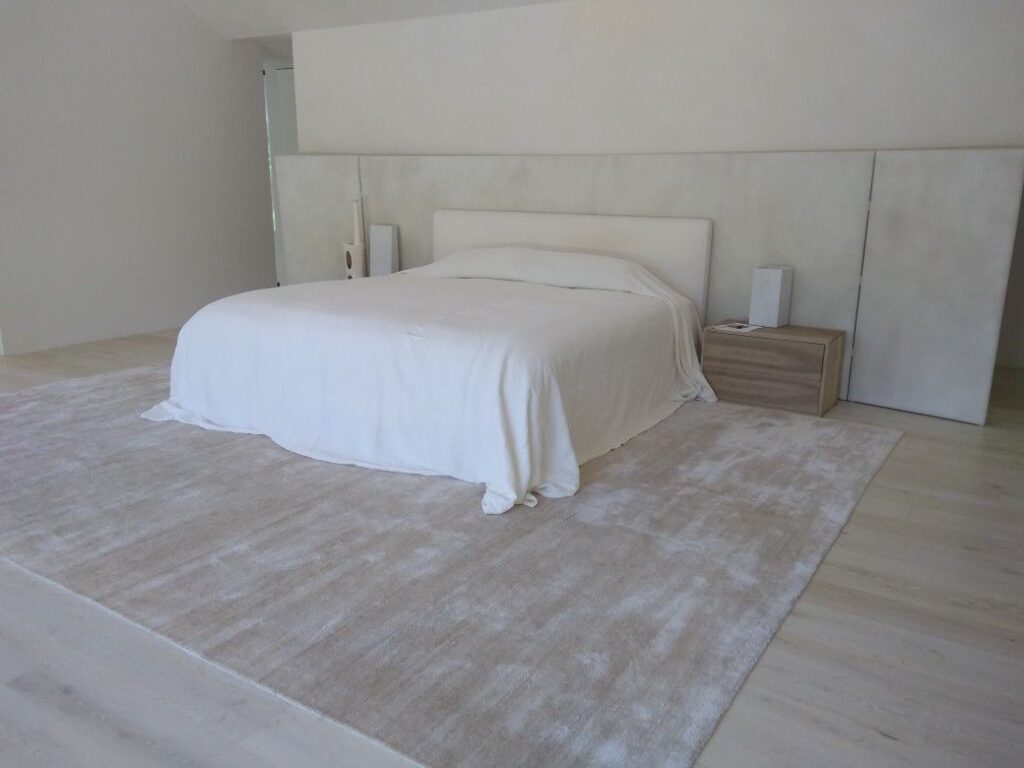
There was a time when minimalism felt like liberation — a pause from clutter and visual noise. Clean lines and bare surfaces offered calm. But minimalism’s pendulum has swung too far into sterility for many designers. Emptiness isn’t always elegance, especially when it suppresses the homeowner’s voice. The current backlash has designers advocating layered spaces that allow personality, pattern, and texture to play together. Rooms that feel measured rather than pared down feel more alive. The move isn’t toward chaos but toward richness — complexity without confusion.
This isn’t an outright rejection of simplicity, but minimalist interiors that look generic — like they could belong to any high‑end developer’s staging unit — now feel dated. When personal expression is sidelined for a sanitized aesthetic, spaces start to look like sets before they start to look like homes.
Matte Black Everything
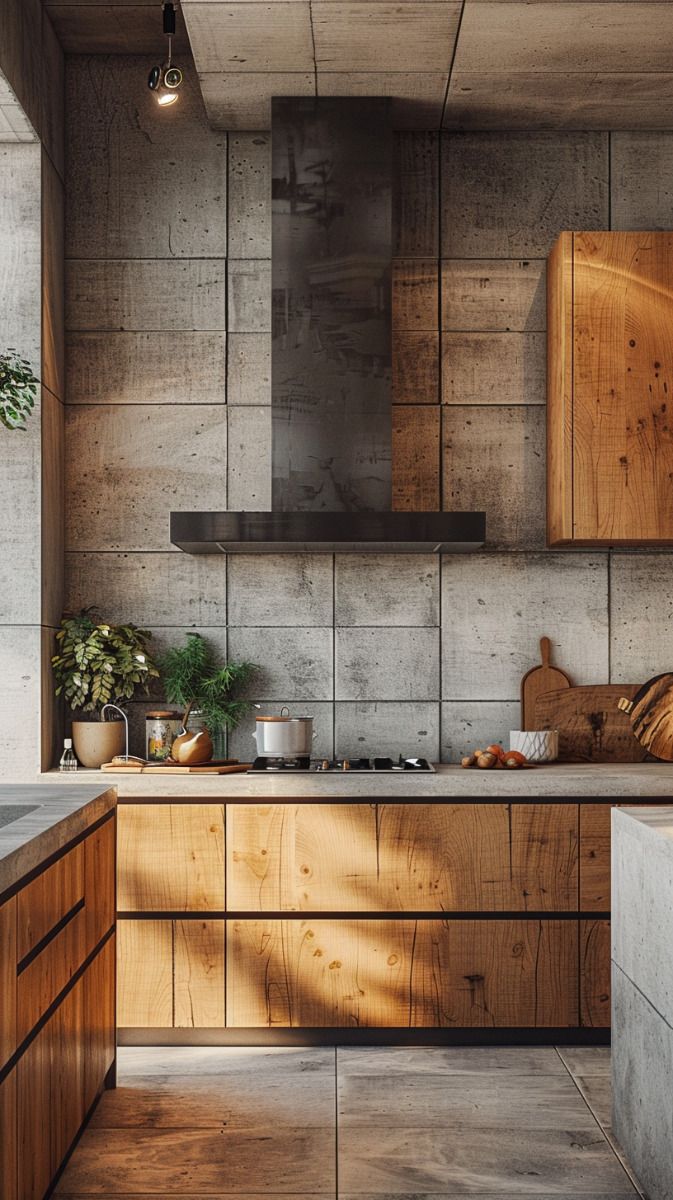
Matte black hardware has been everywhere for years. Cabinet pulls, faucets, light fixtures — all in that flat, inky finish. At first, it felt crisp and modern, a visual punctuation that stood apart from polished chrome or brushed nickel. But having seen it on kitchen after kitchen, designers now warn that its overwhelming ubiquity makes it a timestamp. The magic of a finish is in how it interacts with light and context — and matte black loses its allure when it becomes an expected default rather than a surprising choice.
This doesn’t mean matte black vanishes altogether. But in 2026, design thinking is shifting toward more mixed, nuanced metals — aged brass, antique bronze, warm golds — and layered hardware that feels chosen rather than copied. Context matters more than consistency, and uniform black fixtures are starting to feel like visual wallpaper.
Modern Farmhouse Fatigue
The modern farmhouse aesthetic had longevity most trends can only dream of. Shiplap walls, white beams, chippy paint — this vernacular felt like comfort, like familiarity, even like family. But everywhere you look, there it is — the shiplap ceiling, the barn door, the oversized board nook. The trope that once signaled approachability now starts to register as cliché. Designers are eager for color, pattern, depth, and texture that goes beyond the all‑white palette, which increasingly feels familiar to the point of predictability.
The backlash isn’t a dismissal of rural or vintage inspiration, but rather a move toward spaces that feel collected rather than staged. Nostalgia shouldn’t feel like a costume.
Bland Beige and Tiny Florals
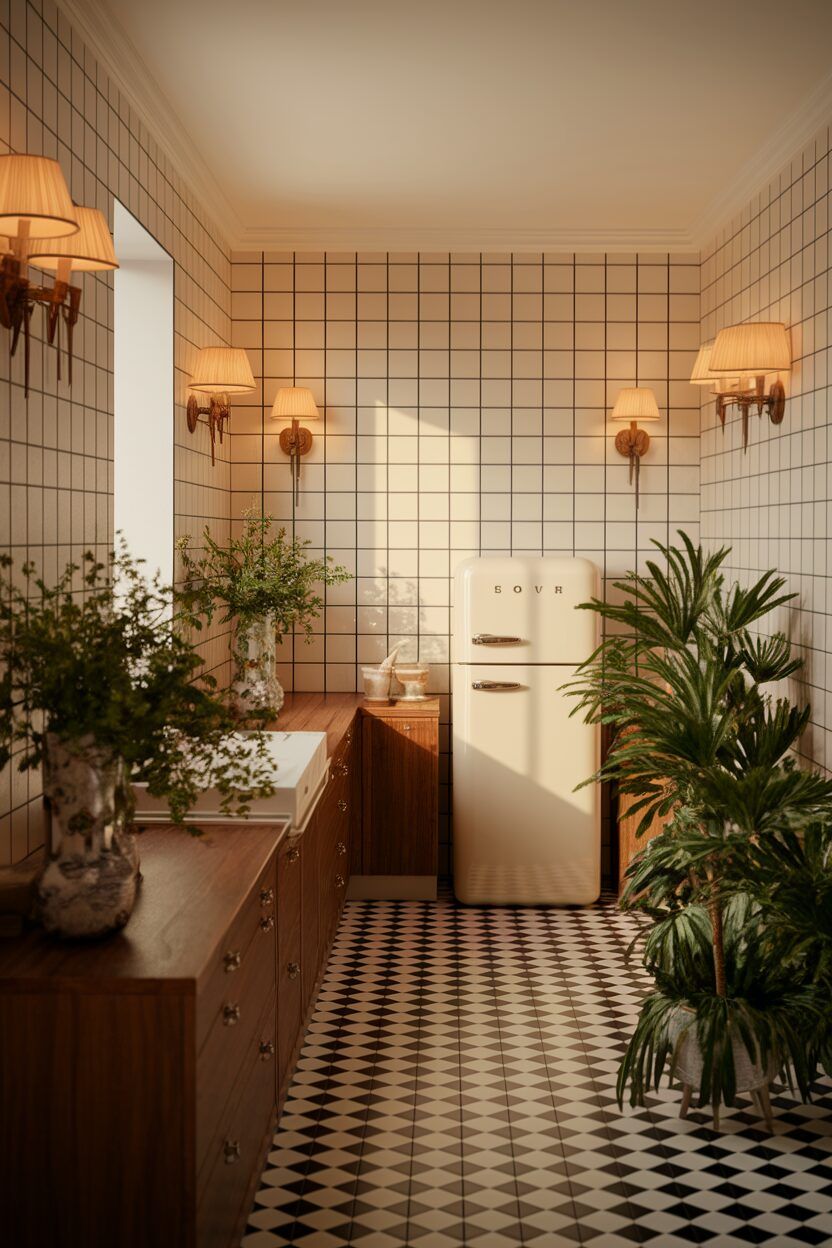
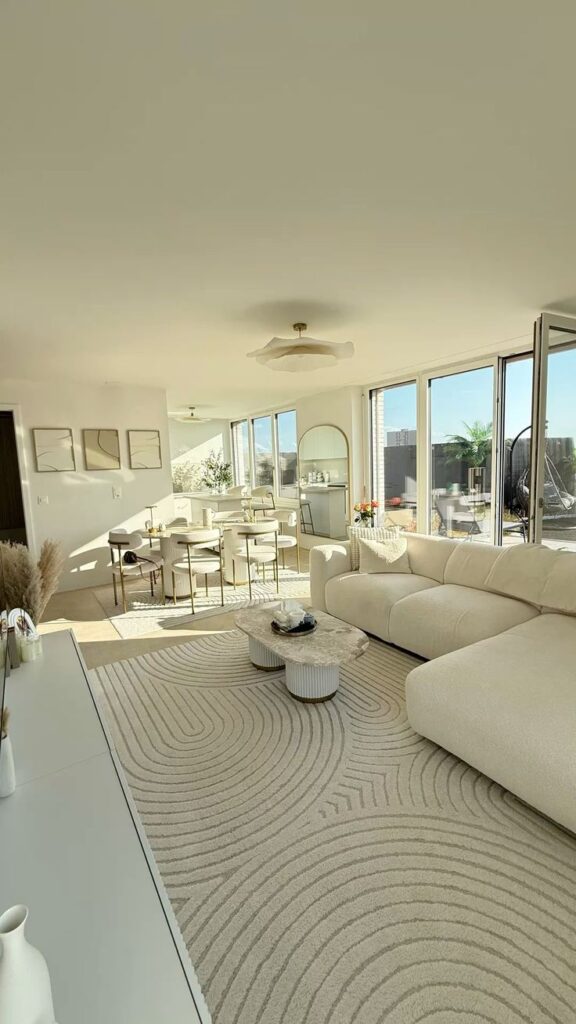
Neutral palettes had their moment, but designers now call out “bland beige” as a look that will feel dated soon. Beige once promised warmth sans commitment, but when interiors begin to look aspirationally cozy but visually indistinct, it becomes forgettable. The move now is toward grounding neutrals with depth — soft taupes, mulch browns, moss greens — which read as intentional rather than default.
Similarly, dainty florals — the tiny chintz prints and repetitive small motifs — are fading out. Pattern mixing still thrives, but the scale and playfulness have shifted. Instead of micro‑designs that read as delicate background noise, larger, more graphic prints that hold their own against layered materials and furniture are coming into favor.
Fast Furniture vs. Lasting Presence
Designers gently scold fast furniture. Not because inexpensive materials lack value, but because disposable aesthetics contribute to interiors that look of the moment rather than of a lifetime. There’s a burgeoning respect for heirloom pieces, for craftsmanship visible in joints and grain, for items you’d rather repair than replace. High turnover leaves a trail in our homes — and in the landfill. In 2026, longevity begins to read like good taste rather than old‑fashioned stubbornness.
The dates on trends aren’t arbitrary. Once something saturates every showroom, every Instagram feed, every builder spec list, it stops signaling creativity and starts signaling conformity. That’s why some of the exits from style this year are less about novel aesthetics and more about boredom.
Kitchens, Cabinets, and Surfaces
Another casualty by the end of 2026: open kitchen shelves. They felt fresh when cabinetry felt too enclosed and uniform, but oversized shelves are now being revisited with skepticism because they don’t solve the real problem — functional storage and harmonious surfaces. Designers are steering homeowners back to closed cabinetry with thoughtful detailing, or else more structured metal shelving that feels intentional rather than ad‑hoc.
This ties back to a broader theme: spaces should feel designed not decorated on autopilot. When a detail becomes so familiar that it blends into the background, it’s no longer design — it’s wallpaper.
Bouclé and Texture Overload
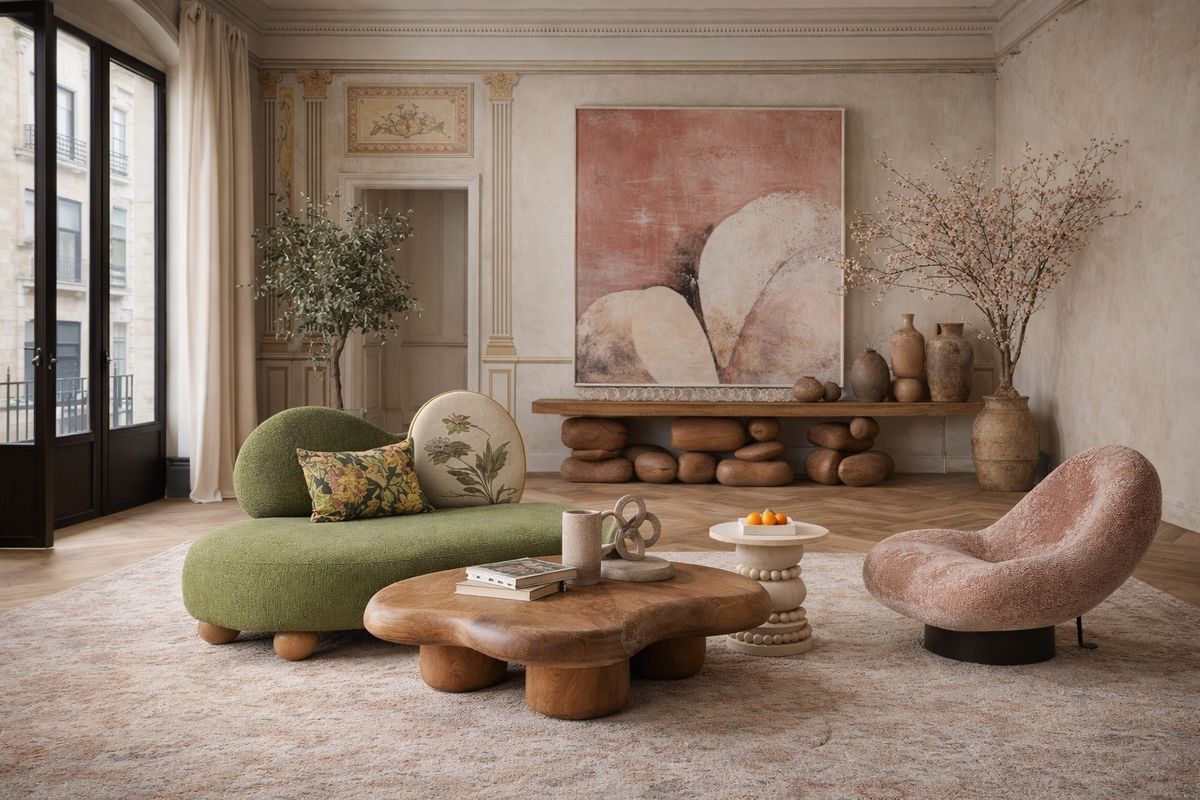
Bouclé, once hailed as the textile cousin of comfort, is losing its monopoly on upholstered softness. It still has a place, experts say, but its once‑dominant position is fading as consumers and designers alike look for materials that reflect authenticity and variation. When everyone’s sofa looks exactly the same under Instagram lighting, that sameness becomes its own aesthetic liability.
Instead, interest is shifting toward fabrics with irregularities — hand‑looms, natural weaves, materials that look and feel distinct. Texture becomes a language, not a stamp. Interiors that embrace tactile variety without relying on a single “signature” fabric read as thoughtful rather than templated.
The Time for Quiet Confidence
The trends fading out in 2026 don’t represent failure so much as exhaustion — a collective sense that homes should reflect people, not the latest viral aesthetic. When scallops saturate every corner, or matte black hardware seems everywhere, or minimalism reads as emptiness, designers push back. Trends aren’t deadlines, but when enough homes start to look the same, you can feel it in the room.
Humans crave depth, complexity, and texture in spaces that feel personal rather than predictable. That’s why designers aren’t just recommending what’s next — they’re pointing out what’s over. There’s a difference between a look and a life, and in 2026, homes that look bespoke, collected, layered, and lived‑in will win out over homes that look simply “of now.”