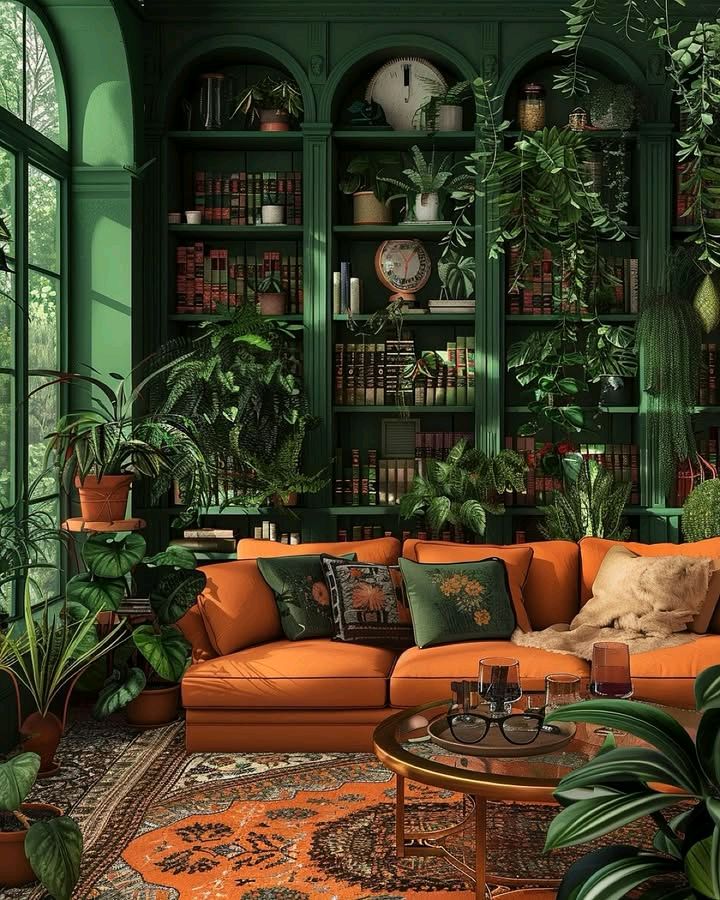
Rooms bathed in saturated color feel alive in a way neutral spaces rarely do. They hum. They thrum. They almost vibrate under the gaze, like a chord that’s just been struck and left resonating. Electric blues, neon greens, hot pinks—they aren’t background colors. They demand attention, they demand commitment, and in return, they reward with rooms that feel emotionally charged, kinetic, and unmistakably personal.
The shift toward electric saturation isn’t subtle. It’s a response to years of interiors designed for safety, resale value, and quiet predictability. The homes that appear in glossy spreads today reject muted palettes and beige neutrality. Instead, color becomes a mood-setting force, a structural component, even a narrative device.
Kitchens in High Voltage
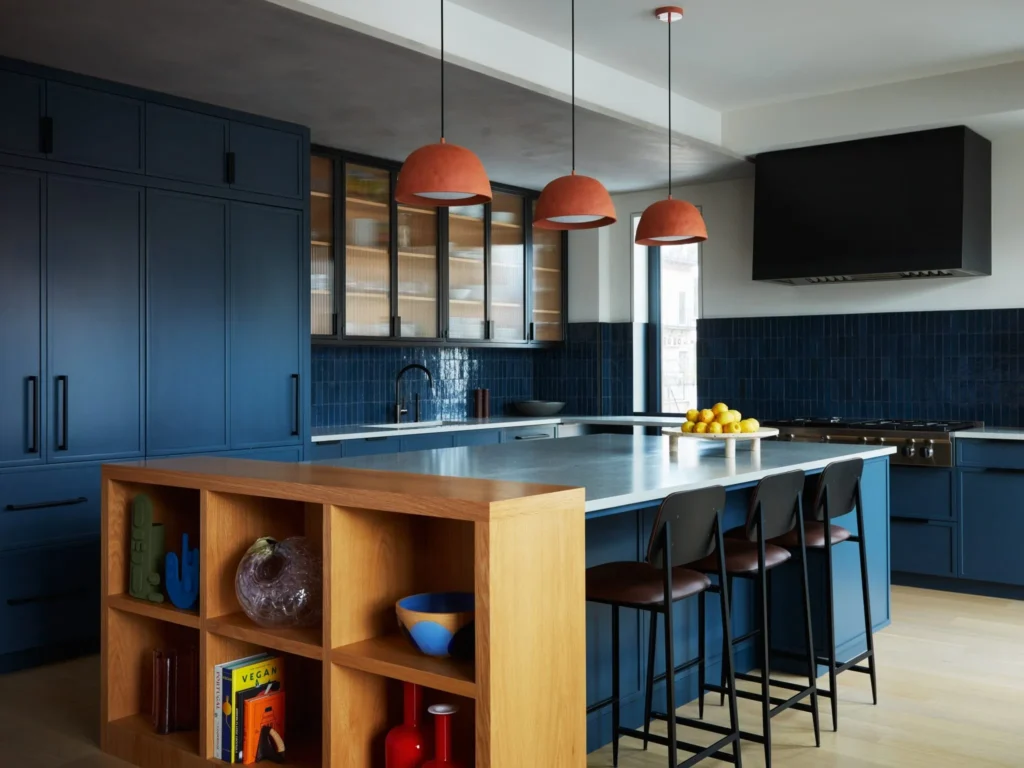
Kitchens have emerged as the proving ground for electric palettes. Custom furniture like cabinets in lime green, cobalt blue, or deep magenta show up in editorial spreads and design blogs. They transform a functional room into an immersive experience. Opening a drawer, pulling out a pan—these everyday actions feel energized. Color is no longer a backdrop; it is a participant.
Professional colorists are careful with undertones. A lime green too yellow can feel garish. A blue too purple can turn cold. The palette works because subtle adjustments balance intensity. Matte finishes, soft metallics, and carefully paired neutrals allow saturation without chaos. In the right hands, these colors feel deliberate, not impulsive.
Dining Rooms That Dare
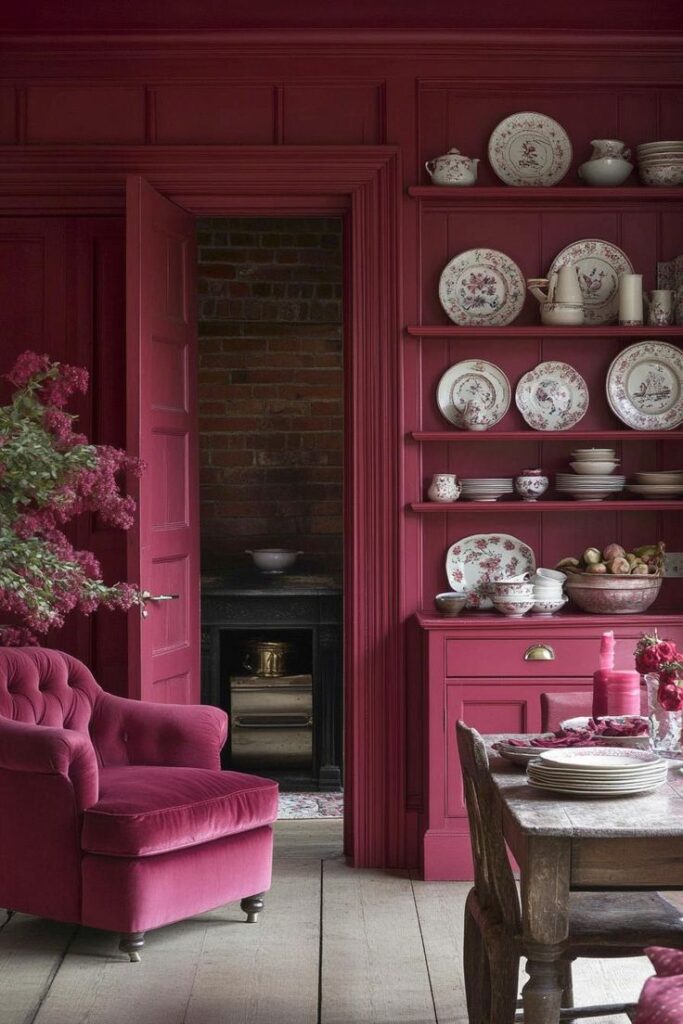
Electric saturation doesn’t stop in the kitchen. Dining rooms are experimenting with hot pinks, vibrant oranges, and chartreuse. These aren’t accents—they’re walls, cabinets, or even ceilings. The effect is immersive and sometimes theatrical.
In these spaces, restraint becomes subtle choreography. A solid wood table, neutral seating, or a rug in muted tones offers visual relief, allowing the saturated backdrop to sing without overwhelming. Light interacts differently in these rooms, bouncing off glossy surfaces, deepening shadows, emphasizing texture. The saturated color becomes part of the room’s spatial experience rather than just a decorative choice.
Mood and the Mind
Bright colors have a psychological impact that soft neutrals simply cannot match. Electric palettes stimulate, energize, and invite engagement. Blue evokes creativity. Lime green hints at optimism and freshness. Pink introduces warmth, sociability, and even playfulness.
These effects are magnified in saturation. A kitchen in electric blue doesn’t just look bold—it encourages experimentation, conversation, and movement. A dining room in vibrant pink can shift a family meal from functional to celebratory. Saturation becomes emotional architecture.
Material and Texture as Balancing Forces
Intensity is rarely about color alone. Material, texture, and finish all play a role. High-gloss lacquered cabinets, matte-painted walls, metallic handles, and natural woods work together to temper bold colors. A lime green cabinet paired with a brushed brass handle or oak shelving feels considered, not overwhelming.
Custom high-end furniture often anchors these palettes. A sculptural dining table, a bespoke sideboard, or an upholstered bench provides grounding points that let color take center stage without feeling chaotic. These pieces create rhythm, visual pauses, and moments of focus in otherwise energetic spaces.
Layering the Palette
Electric saturation isn’t about a single, uniform color. The most compelling interiors layer multiple saturated hues with subtle gradations. Neon greens might coexist with softer chartreuse accents. Magenta cabinets can pair with muted fuchsia textiles. The key is balance: variation keeps the eye moving, prevents fatigue, and maintains sophistication.
Mixing brights with neutrals or natural materials also matters. A high-voltage wall in the living room might be offset by a neutral rug or soft linen sofa. Floors, trims, and smaller accents become mediators, letting the saturated colors feel integrated rather than tacked-on.
Scale and Placement
Saturation changes the rules for scale. One wall, a pair of cabinets, or a single piece of furniture can carry the room. Multiple saturated elements require planning. Designers think in terms of rhythm and visual hierarchy. Lighting is critical. Natural daylight changes undertones throughout the day. Artificial lighting can intensify or flatten colors depending on temperature and direction.
Placement isn’t just functional. Saturated elements act as anchors. A neon green kitchen island or an electric blue bookcase can define a room’s circulation and eye flow. Color shapes perception of space, height, and depth. Saturation is structural as much as decorative.
Extending Beyond Kitchens and Dining
Bathrooms, bedrooms, hallways, and entryways are also embracing electric palettes. Neon cabinets in bathrooms contrast with white fixtures. Hallways painted a single high-voltage color become immersive transitions rather than mere corridors. Bedrooms are more cautious, but even there, rich blues, violets, and corals energize without overstimulation.
The principle is consistent: saturation requires intention. Not every surface should scream. Instead, carefully chosen areas carry the emotional weight, letting the space breathe.
Personal Expression and 2026 Interiors
Electric saturation isn’t just about visual punch. It’s a statement of personal expression. These colors declare a homeowner’s confidence, taste, and willingness to inhabit space fully.
It fits a broader trend in 2026 interiors: rejection of safe, resale-driven design. Rooms are curated for life, not marketability. High-voltage palettes signal that interiors are now about living, feeling, and interacting—not just pleasing potential buyers.
The palette also accommodates eclecticism. A vintage chair, a gallery find, or a custom sculpture can coexist with neon walls if the underlying balance is considered. Saturation isn’t constraint; it’s a binding agent.
The Emotional Impact
Rooms with electric saturation demand engagement. The eye moves differently, the body reacts differently. A bright, intense room can energize a morning routine, inspire creativity, or foster social interaction. Saturation can even redefine furniture. A sofa, table, or cabinet doesn’t just exist; it becomes a color-activated landmark in the space.
The effect is cumulative. A single saturated wall might intrigue. A coordinated palette across cabinetry, walls, and accent pieces produces rhythm. Rooms feel cohesive, even when they’re audaciously bold.
Living with Saturation
The commitment to high-voltage color is part of its charm. You can’t retreat into beige once the cabinets are electric blue. But that commitment pays off. Spaces are memorable. Energetic. Immersive. Rooms change perception of time, mood, and interaction.
Saturation also allows for evolution. A high-voltage room can be adapted with accessories, textiles, and art. Even as tastes shift, the core palette anchors the interior. Custom high-end pieces help maintain continuity and intentionality.
The Takeaway
Electric saturation color palettes are more than a passing trend—they’re a philosophical shift. Color is no longer background. It’s structural. Emotional. Narrative. It demands thought, attention, and even bravery.
In 2026, interiors are electric, unapologetic, and deeply personal. Rooms no longer politely exist—they participate. They energize. They provoke. They reward homeowners willing to commit. Saturation is risky. But it’s also transformative.
Homes embracing this palette don’t just look vibrant—they feel vibrant. And in a world of cautious neutrals, that energy is electric indeed.