There’s something mischievous about color. It can lift a mood, shift a perception, or make a room feel alive in ways light and texture alone cannot. The problem is that most adults stop playing with it the way children do. By the time people are shopping for furniture, they’ve been trained to think in terms of neutrals: beige, gray, white, and the occasional soft accent. And then, somewhere between a gallery visit and a holiday in the South of France, the idea of “dopamine brights” enters interiors—a rich sapphire here, a ruby there, a coral that glows like it means business.
The challenge is using these colors without lapsing into cartoonish or whimsical territory. Bold, saturated tones are easy to overplay. A single misstep, and a space looks like a preschool craft project instead of a sophisticated, adult environment. That’s where the trick lies: restraint, placement, and form. You don’t need every wall to scream color. You need the color to speak.
Shapes That Matter
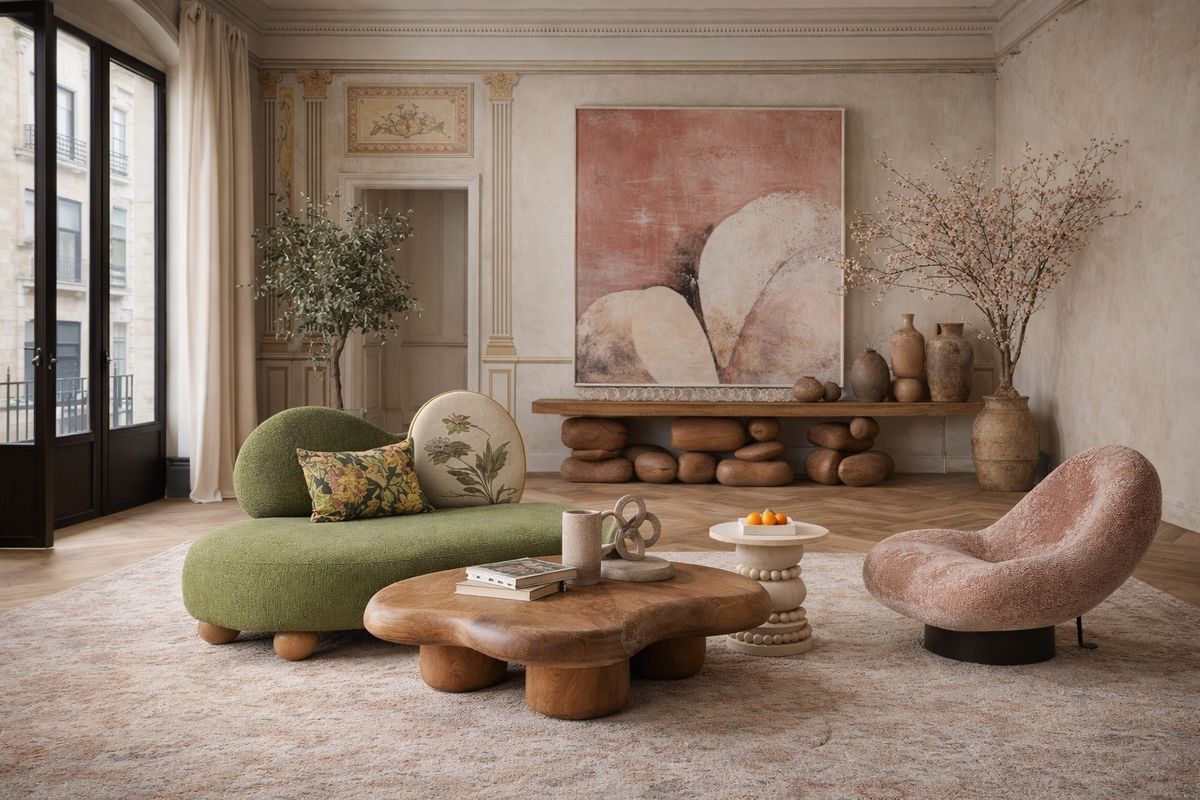
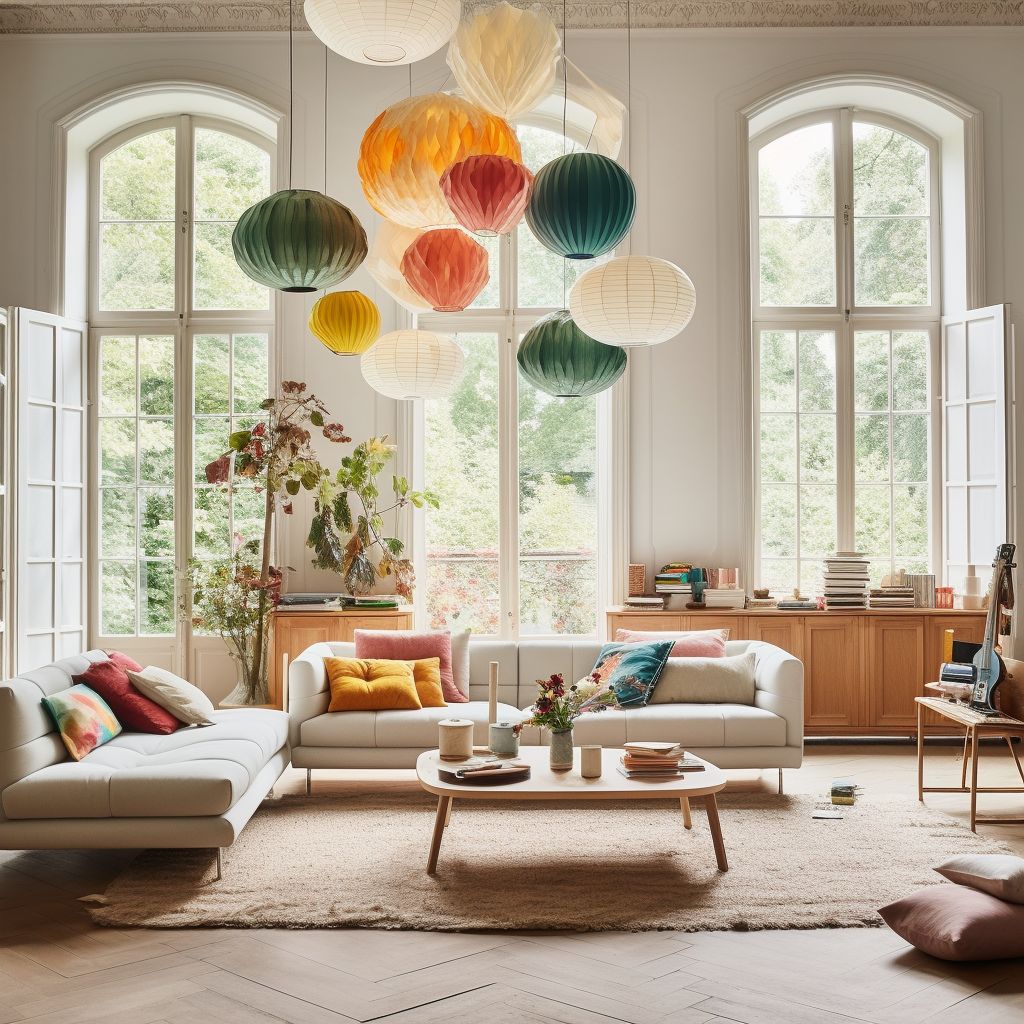
Color doesn’t live alone. In these interiors, it relies on shape to anchor it. Matisse-like silhouettes, the sort that cut through space with a confident, fluid gesture, work best. Think oversized ovals, irregular yet harmonious curves, forms that read as sculptural rather than decorative. A cobalt custom indoor blue lounge chair with a rounded back suddenly becomes a punctuation mark rather than a distraction. A tangerine side table with a softened edge plays against a neutral sofa the way a brushstroke does against canvas.
The geometry itself communicates sophistication. The eye recognizes intention. The brain knows the object is meant to be noticed. This allows the color to be daring without being reckless. Without the weight of form, even jewel tones risk drifting into kitsch. With form, they carry authority.
Placement Is Everything
Dopamine brights succeed in adult spaces when they’re scattered sparingly. A single piece per room is often enough. A pair of sculptural cushions, a single lamp with a curved base, a ceramic vase that demands attention. The pieces aren’t fillers. They’re punctuation. The space breathes around them.
Too many bright elements compete. The room loses coherence. The effect isn’t cumulative. It’s chaotic. But when placed with care, bright accents energize a neutral palette. Gray walls become stage, a cream sofa becomes foil. Jewel tones read as deliberate choices rather than youthful exuberance.
Material Matters
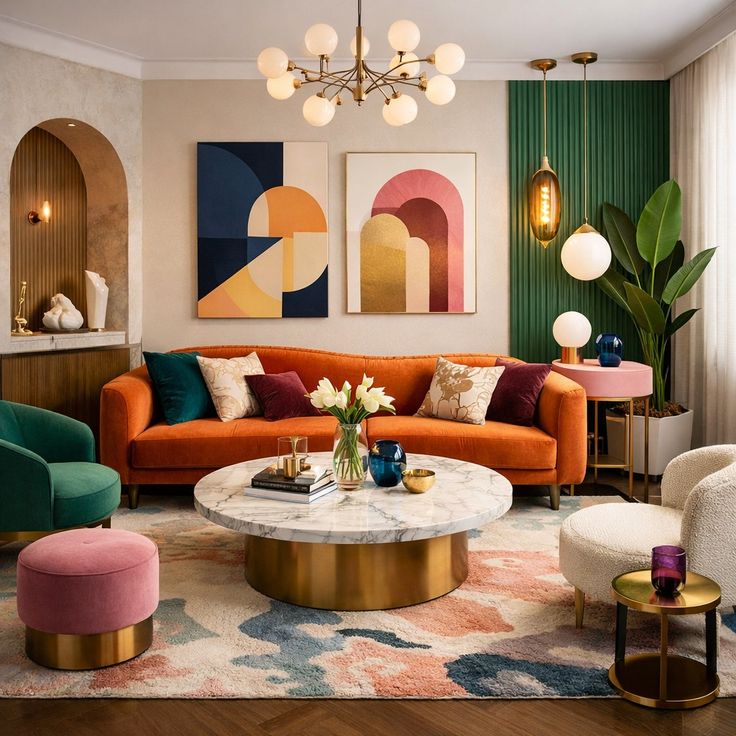
Bold color gains credibility when paired with weighty, textural materials. Velvet, for instance, turns an electric green into something sumptuous rather than cartoonish. A lacquered wood sideboard in ruby reads luxurious. Glossy ceramics, matte stones, leather—each interacts with saturated pigment differently.
It’s why dopamine brights rarely feel convincing in synthetic, cheap-feeling finishes. The moment the surface fails, the color fails. Conversely, a deep sapphire velvet chair or a tangerine leather pouf reads as serious, grown-up, intentional. The eye registers both form and substance. Together, they anchor color in reality.
Balancing with Neutrals
No matter how confident the jewel tones, the surrounding palette has to negotiate their presence. Neutrals aren’t just background—they’re moderators. A warm stone floor, a cool plaster wall, soft wood surfaces—they absorb, reflect, and contain the energy of bright accents. Without them, the room teeters.
The interplay is subtle. Neutrals should vary in tone, texture, and depth. A pale linen curtain diffuses light onto a saturated red chair differently than a flat white wall would. The room feels layered, not theatrical. The brights retain punch without needing to dominate the entire visual field.
Playing With Scale
Scale amplifies color without requiring more of it. A large, sculptural orange chair reads differently than a tiny orange vase. One bold element can define the room if it carries the right presence. Conversely, a cluster of small, scattered bright objects often dilutes impact and risks a playful, juvenile feel.
Jewel tones also demand breathing room. They need negative space around them to assert authority. In a neutral space, one bold object can alter perception of the entire room. Suddenly, everything else—the rugs, the sofa, the walls—feels calmer, more considered, and more expansive.
Layering and Repetition
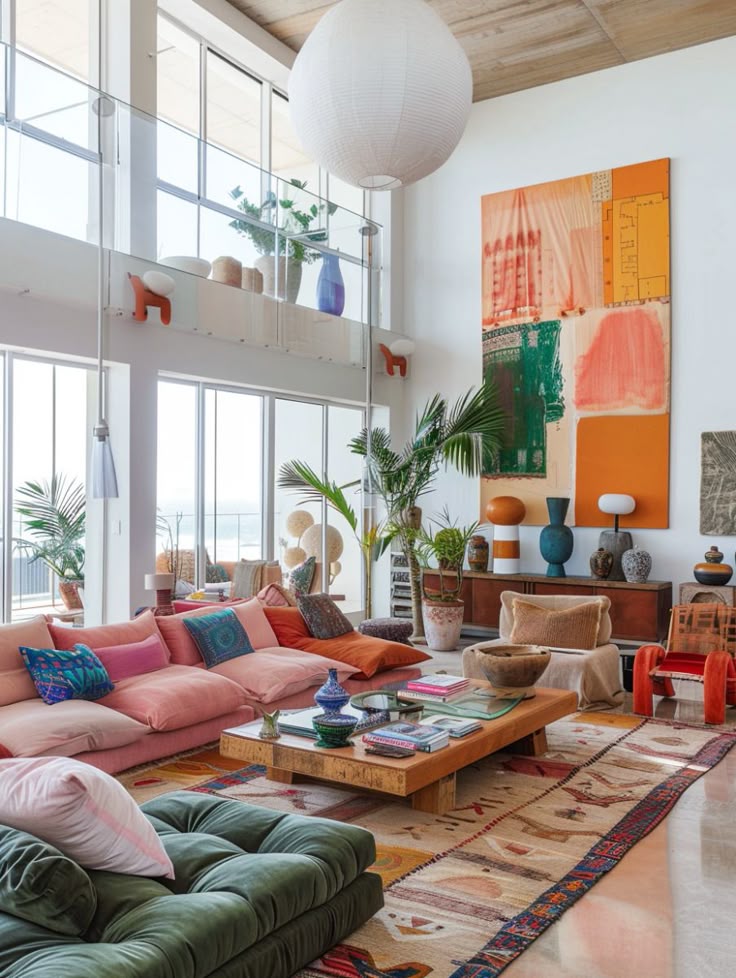
Strategic repetition reinforces sophistication. A single cobalt chair is striking; two or three blue accents echoing that tone create rhythm. Mirrors, metallics, or subtle patterns can pick up hints of the bright accent without competing. The repetition doesn’t have to be literal; a small rug with a streak of magenta, or a throw pillow in the same palette, reinforces coherence.
The goal is conversation, not chorus. Each bright element should feel like part of a larger story, not a scream for attention.
Light and Shadow
Color behaves differently depending on light. Jewel tones are particularly sensitive. Morning sunlight can make ruby appear almost fluorescent; afternoon shadows deepen it to a wine tone. Interior design at this level accounts for those shifts.
Dopamine brights gain credibility when they interact with natural and artificial light, revealing dimension and depth. A matte orange ceramic object in shadow reads richer than the same object under direct harsh light. Velvet, leather, lacquer—all react differently, giving saturated color a living quality. It becomes part of the rhythm of the room rather than a static note.
Color as Mood
Ultimately, bright accents are about emotion. They’re not decoration. They’re punctuation for mood. A deep emerald lounge chair can energize a conversation area. A tangerine side table can spark curiosity in an entryway. Jewel tones invite interaction, attention, engagement.
Adults respond differently to color than children do. The brain reads it intellectually as well as emotionally. When executed well, dopamine brights create sophistication precisely because they’re rare and intentional. They feel alive, yes—but never frivolous.
Context Matters
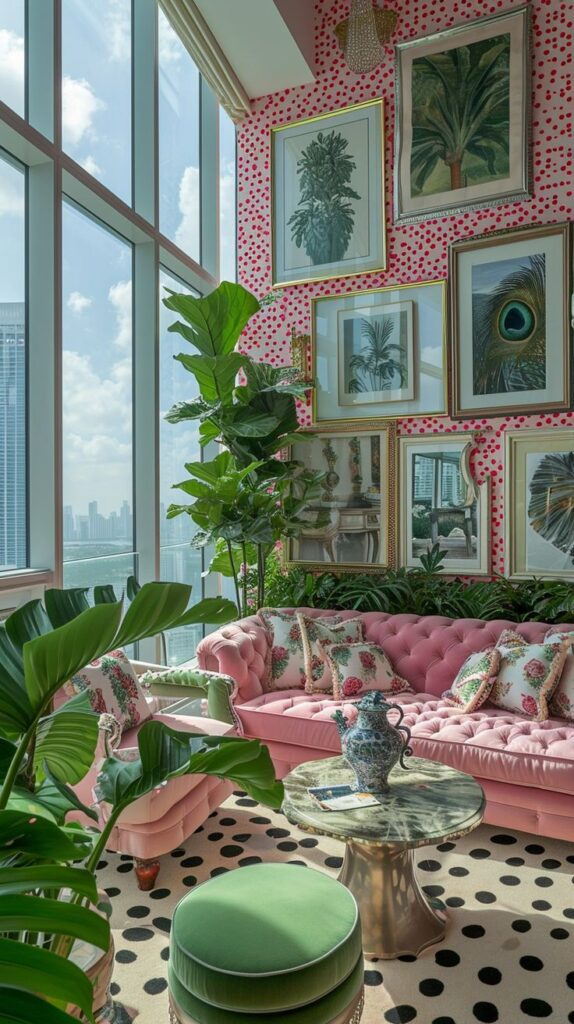
High-end interiors, whether a penthouse or a villa, demand that bright accents fit context. In LA, New York, or international markets, the visual literacy of the occupant is high. That means a boldly colored object needs pedigree: design integrity, materiality, proportion, and placement.
The most successful interiors resist obvious reference points. They don’t copy children’s art, they abstract it. They reference Matisse not literally, but in spirit: curves, contrast, joy. The result is playful yet controlled, exuberant without apology.
Living With It
Dopamine brights work because they encourage interaction. You sit on the chair, you touch the velvet, you notice the curve of the table. The color rewards inhabitation, not just observation. Adults rarely allow themselves this freedom—because color seems risky, because interiors are often curated for style rather than experience.
The trick is subtlety: let one or two well-chosen accents carry the emotional weight. The room doesn’t feel decorated; it feels inhabited. The brights aren’t toys; they’re statements, bold enough to assert presence, quiet enough to leave space for living.
Why This Works Now
There’s a cultural moment for this kind of color play. Interiors are increasingly about personal expression rather than strict adherence to minimalism or neutral uniformity. People crave energy, confidence, and personality in their homes. Dopamine brights, carefully executed, deliver all three without tipping into immaturity.
The “adult” part of the strategy comes from restraint, material, placement, and proportion. Form carries color. Neutral palettes contain it. Scale and repetition reinforce it. Light animates it. And most importantly, the space assumes use. It isn’t precious. It isn’t staged. It’s alive, considered, playful, and serious at once—a rare combination that feels fresh in high-end interiors.