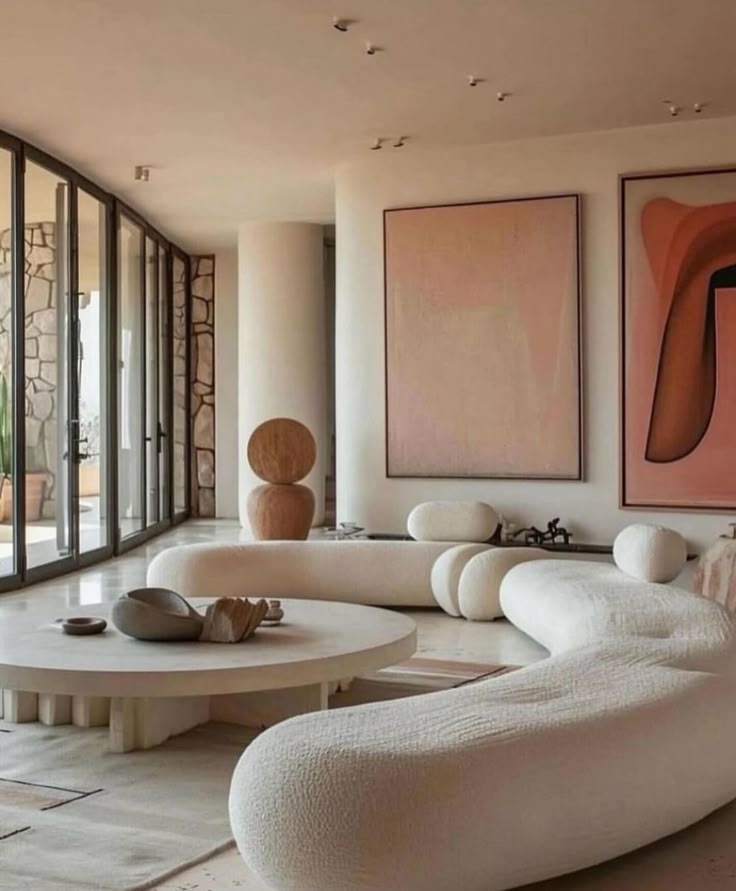
Homes used to treat art like sacred objects. Quiet rooms. Carefully hung canvases. Sculptures on plinths. Lighting precise, controlled. Even in living spaces, the rhythm was similar. Art was framed. Physical. Fixed. Permanent.
Digital art and virtual displays are rewriting those rules in modern homes. Screens have become canvases. Projections wrap walls. Augmented reality places art in corners that don’t exist. A single home can host hundreds of pieces, cycling from one to another. The work is no longer static. It moves. It changes. It responds. Permanence becomes optional.
A Canvas in Flux
What makes digital art compelling in homes is its mutability. A painting can be alive in ways pigment never could. Pixels can pulse, fade, glitch, bloom, rotate. A landscape can shift through seasons in minutes. A portrait can alter its expression depending on proximity.
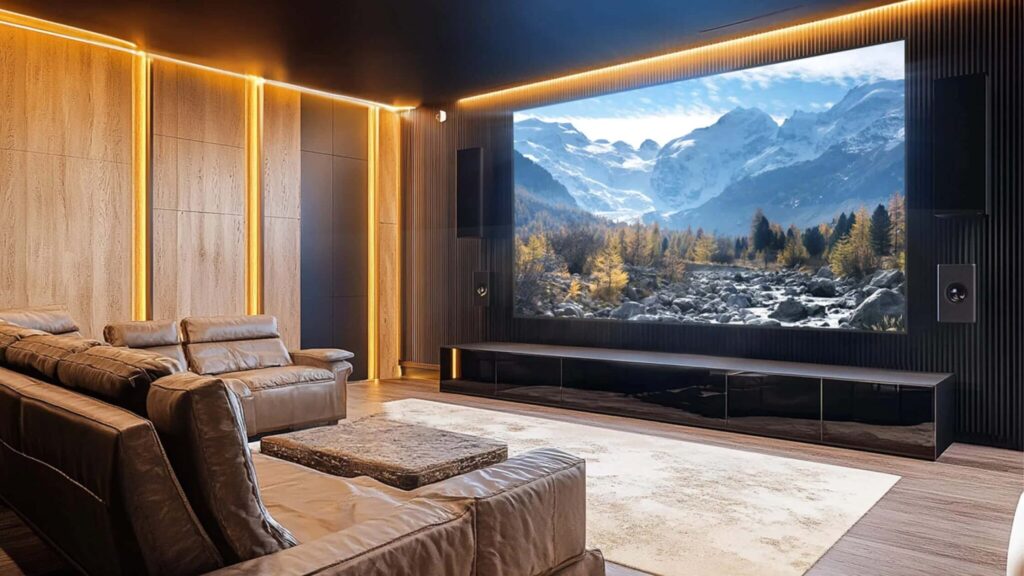
Software is part of the medium. Code, frame rate, resolution, interaction—all shape the experience. The wall is no longer just a surface. It’s a flexible backdrop. Modern homes can host a high-resolution display that alternates works throughout the day. One hour, an abstract digital wash. The next, a hyper-realistic still life.
Rooms are no longer passive stages for static art; they become immersive, evolving spaces. And that evolution can feel intimate, even personal, because homeowners can curate in real time.
Interactivity and Engagement
Digital displays often respond to their environment. Motion sensors, ambient light, even weather data can influence what appears on a screen. A piece might react as you walk past, shift colors with the sunset, or mirror the rhythm of life outside. In modern homes, the viewer’s presence is part of the composition.
This interactivity creates a new kind of engagement. You don’t just look. You participate. Your movement, choices, even time of day, alter the work. It’s a level of intimacy that traditional art rarely offers.
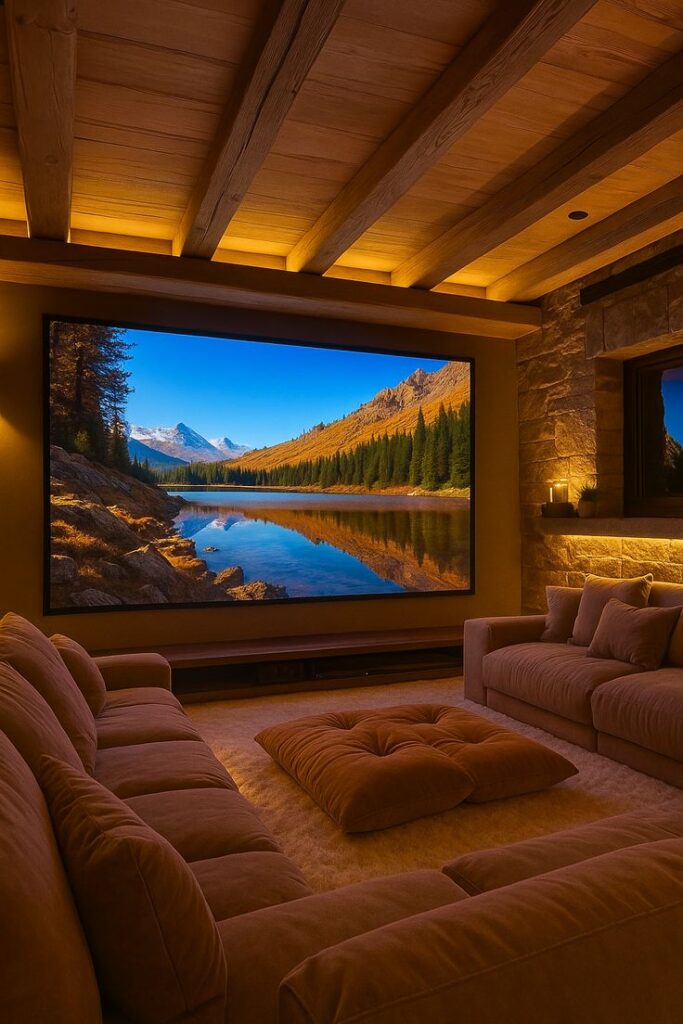
Designers now think about furniture layout, lighting, and circulation differently, supporting interaction rather than just display. Digital art might be positioned lower, wrap corners, or extend across ceilings, because the effect is spatial rather than frontal.
Redefining Ownership
Owning digital art in a home is different. NFTs, subscriptions, or rotating licenses are changing what it means to “possess” a piece. Physical constraints vanish. You don’t need storage, climate control, or insurance. You need software, hardware, and occasionally a reliable internet connection.
The lack of materiality doesn’t diminish impact. A high-resolution display can create scale, texture, and depth that feel immersive. Motion and interactivity replace brushstroke, shadow, and layering. The room changes with the artwork, the time of day, and even the people in it.
Ownership becomes a relationship rather than a transaction. You don’t just hang a painting—you host it. The work occupies space, interacts with light, furniture, and movement. It becomes part of the home’s architecture without being physical architecture.
Curating for the Home
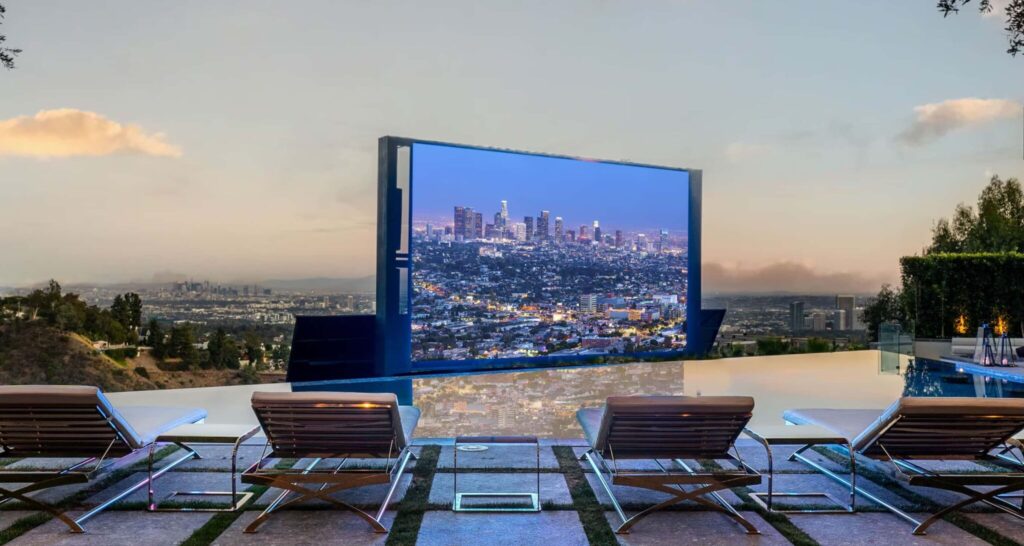
Designers treat screens like walls, but not traditional walls. Placement, scale, and orientation are key. A single display might serve as a dynamic focal point. Multiple screens can create rhythm, like an installation within a private residence.
Curation can be personal, seasonal, or algorithmically guided. Minimalist bedrooms might feature slowly shifting abstract forms. Living spaces might host interactive pieces that respond to motion or sound. Even hallways and staircases can carry virtual displays, giving transitional spaces narrative power.
Custom high-end frames or mounts blur the line between furniture and display. Screens might be flush with walls, recessed like fireplaces, or embedded in consoles. Technology is visible enough to suggest sophistication but subtle enough not to dominate the room.
The Emotional Dimension
Digital art in homes has unusual emotional depth. Interactive portraits can respond to viewer expressions. Animated landscapes mirror the mood of a space. Color shifts subtly alter perception of scale, warmth, or intimacy.
It doesn’t require excess. Minimal gestures—a slow gradient, floating geometric form, ripple effect—can profoundly alter the atmosphere. Rooms feel alive, more responsive, more intimate than traditional static art.
Beyond the Screen
Virtual displays extend beyond physical hardware. Augmented reality overlays bring art into corners, niches, and surfaces that don’t exist physically. You can place a sculpture on an invisible plinth. A painting can float mid-air. AR apps allow exploration of layers, variations, or interactive effects without altering walls or buying more objects.
This allows interiors to stay uncluttered while hosting dynamic art. Furniture, lighting, and circulation remain functional. Art adapts to the space rather than the space adapting to art.
Hybrid approaches are emerging. Physical textures combined with digital overlays. Hand-painted walls might host projection mapping. Tactile sculptures might include sensors triggering visuals. The interaction between materiality and digital content blurs boundaries, creating unique experiences.
Longevity and Adaptation
Digital and virtual art evolves with the home. Move furniture, rotate rugs, or host events—the artwork adjusts. The home becomes responsive, alive.
Sustainability plays a role. No paper, canvas, or shipping. One screen hosts a collection. It’s a living archive that grows without physical limitations. Flexibility is liberating. Pieces rotate, palettes adjust, the mood evolves with time.
Challenges and Considerations
This approach has its challenges. Screens need calibration. Resolution, color accuracy, and viewing angles all affect perception. Motion, interactivity, and sound can interfere with daily life if not integrated thoughtfully.
Digital art is ephemeral. Unlike paintings, it doesn’t age or develop patina. Homes adopting digital displays must adjust the emotional framework. Yet that ephemerality can make the experience more immediate and immersive.
Designing the Experience
Digital art and virtual displays are about experience. Modern homes are curated for light, motion, interaction, and mood. Living rooms can shift from morning to night. Bedrooms can host abstract forms that calm or energize.
The designer becomes orchestrator. How do people move through the space? How does light interact with surfaces? How do screens, projections, and AR layers coexist with furniture and custom high-end pieces?
It’s a discipline combining technology, psychology, and spatial intelligence. The payoff is rooms that feel alive, adaptive, and personal.
The Future of Display
Digital art is no longer confined to museums or galleries. Homes, offices, hotels, and public spaces host living collections. The work is adaptable, responsive, and interactive. It redefines what it means to inhabit a space that includes art.
Unlike traditional media, digital pieces transform the character of a home over hours, days, or months. Walls become canvases, stages, and instruments. Furniture, lighting, and surfaces interact. The home becomes both container and collaborator.
Art moves, it listens, it shifts. The home isn’t just inhabited—it participates.