There was a time when furniture was all about posture, presentation, or precision. Sofas had to be straight-backed, chairs upright, tables austere. Now, comfort is taking the lead. Interiors are thinking less about how a piece looks from across the room and more about how it feels in the body. Comfort-forward furniture doesn’t apologize for its softness. It quietly commands attention, asking the inhabitant to settle in, linger, and actually use the space.
This isn’t about flabby or shapeless forms. The new wave is deliberate. Designers are crafting custom high-end pieces that look composed while accommodating curves, angles, and the human body in motion. A sofa might lean just enough at the back, a lounge chair cradle you without sagging. Every seam, every cushion, every proportion is considered. It’s about more than sitting—it’s about inhabiting the space fully.
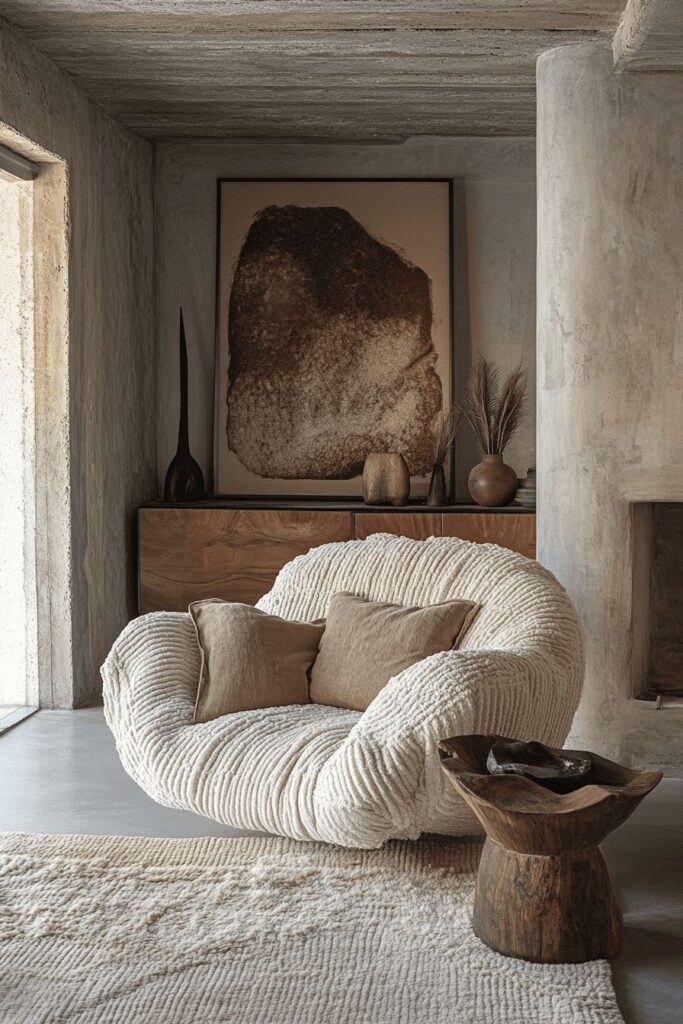
Sofas That Invite
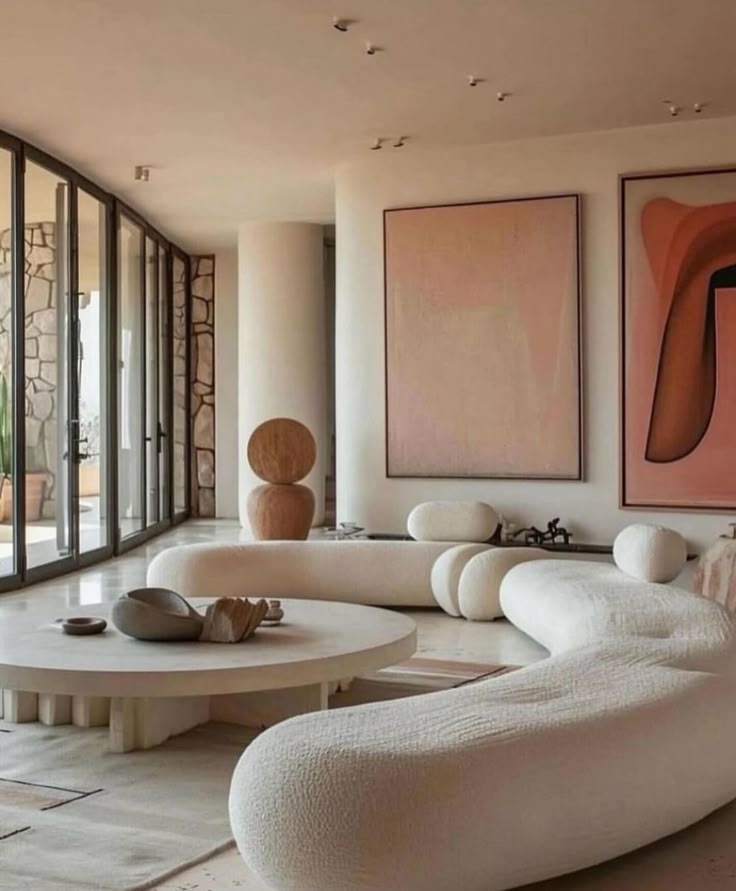
Sofas are the first frontier. Gone are rigid frames and stiff cushions. Now the pieces invite slouch, sprawl, or curl. Deep seats, wide arms, and plush upholstery are the point, not decoration. Designers layer textures—wool, velvet, linen—so the sofa looks as good to touch as it does to see.
Sophistication comes from restraint. Overstuffed doesn’t mean sloppy. Angles are calculated, proportions measured. The sofa keeps its presence, even while surrendering rigidity. It signals that the room is meant to be lived in—but lived in with style.
Chairs That Cradle
Lounge chairs are another area where comfort-forward thinking shines. Curved backs, supportive cushions, subtle tilts—these allow the sitter to relax without thinking about formality. Even a small accent chair can feel like an invitation to pause, curl up with a book, or just lean back.
Custom upholstery, carefully chosen foam, and ergonomic shaping combine here. These aren’t catalog pieces; they’re gestures, designed to bridge comfort with spatial elegance. The chair is both a statement and a container for rest.
Materials Matter
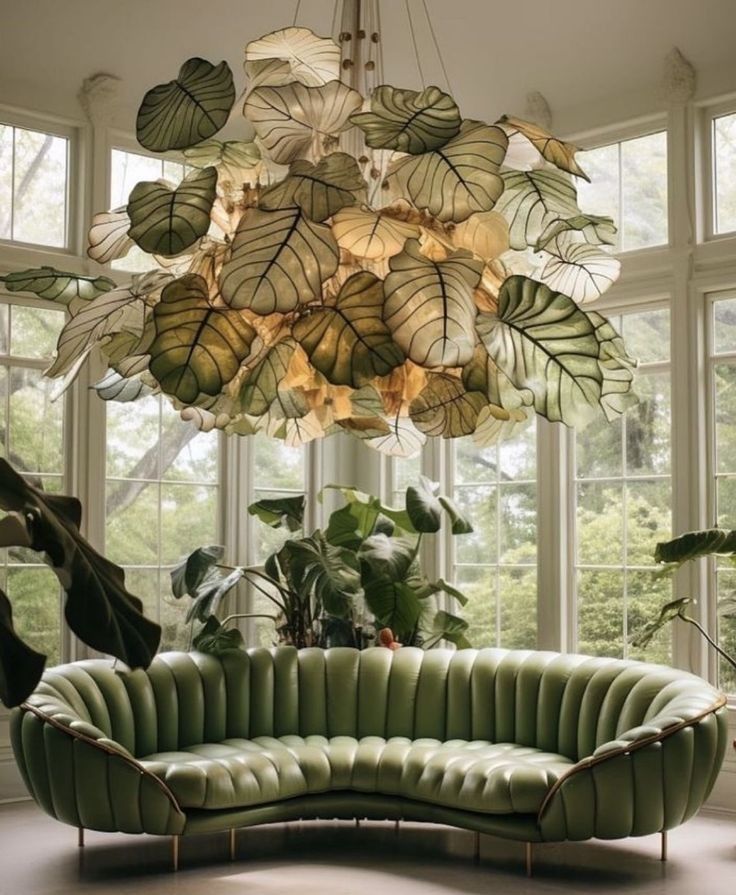
Fabric and finish choices are key. Soft, brushed velvet reads luxurious and cozy. Wool or boucle adds texture, warmth, tactile pleasure. Leather, treated to be supple, molds to the body over time. Even wood and metal, often thought rigid, are softened with contouring, rounded edges, or integrated padding.
Texture layers with comfort. Cushions with contrasting fabrics, subtle piping, or quilted patterns create depth. The room doesn’t just look inviting—it feels inviting. Comfort-forward doesn’t mean boring. It’s rich, tactile, intentional.
Flexible Proportions
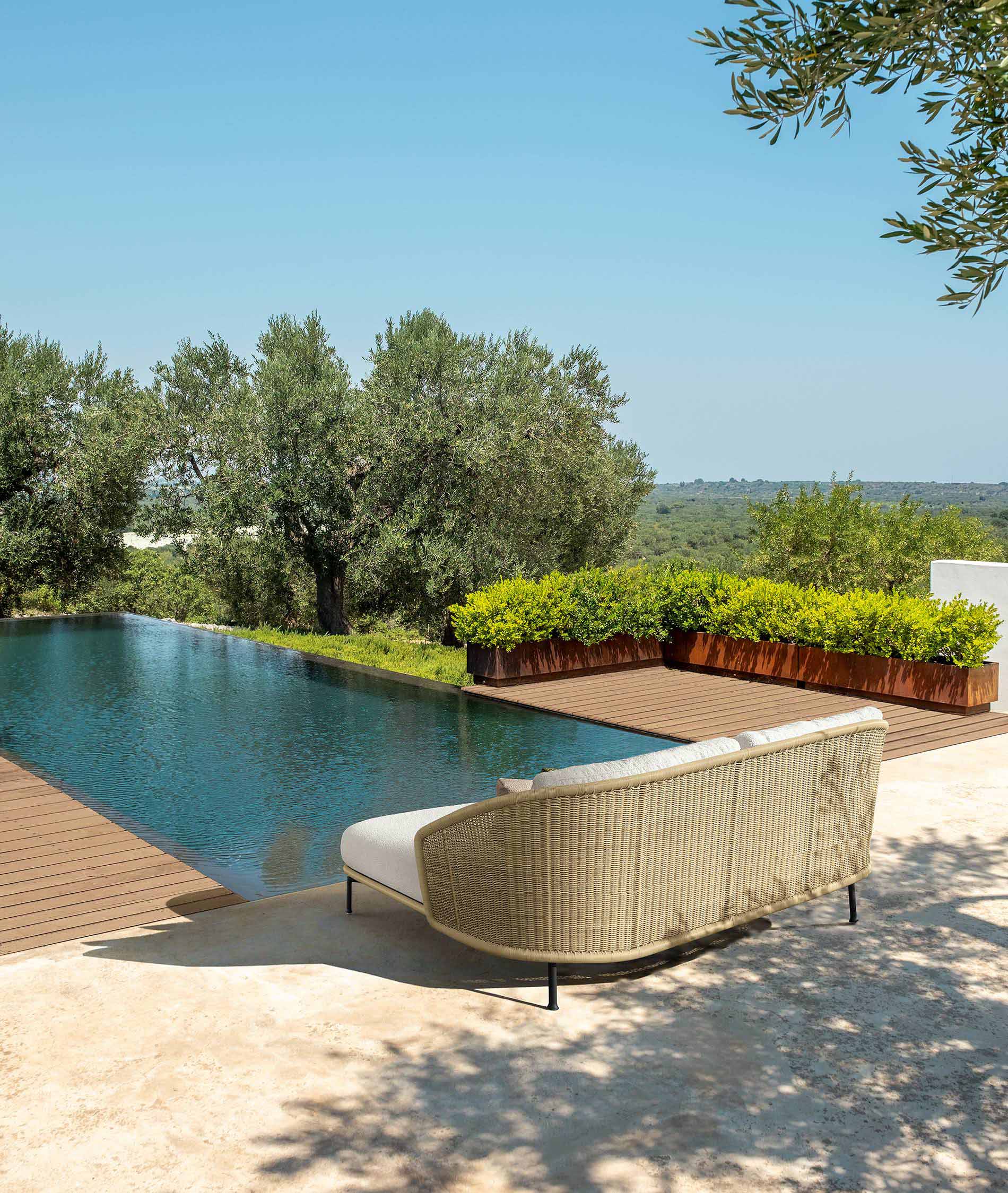
Flexibility is part of the appeal. Modular sofas, adjustable recliners, lightweight lounge pieces—these allow the room to respond to whoever’s using it. A sectional reconfigures for family gatherings, quiet evenings, or sprawling solo moments. Seating adapts without compromising design.
This extends beyond structure. Furniture arranged for comfort considers flow, sightlines, and interaction. Pieces are scaled for the body to stretch or curl without feeling cramped.
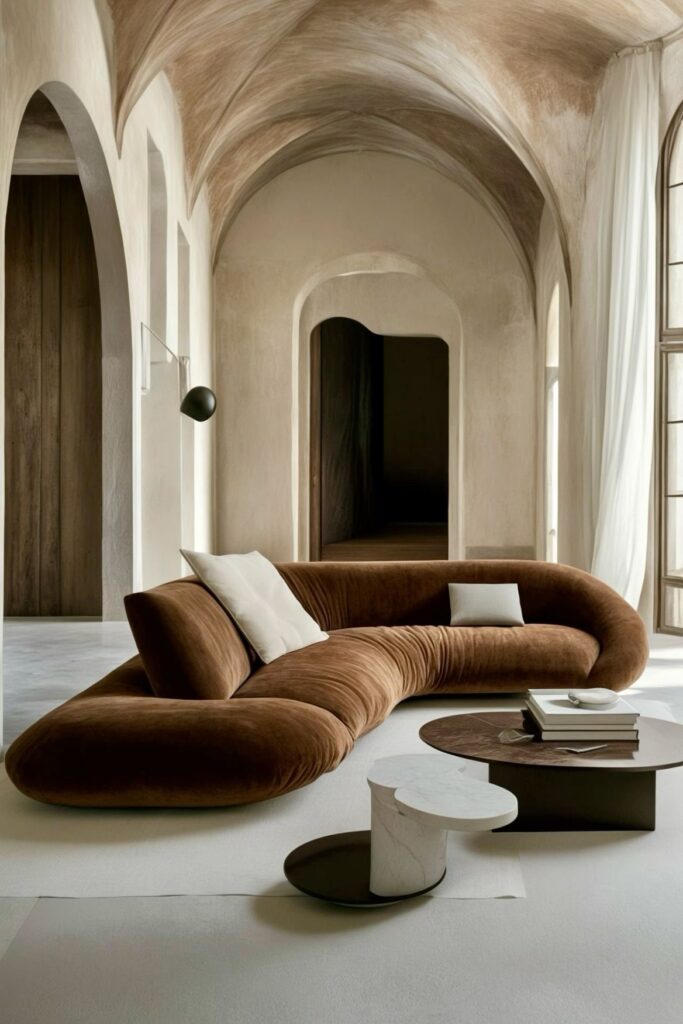
Balancing Style and Ease
There’s tension here. Comfort-forward furniture can’t be sloppy or formless. Style still matters. Silhouettes are curated, lines clean, proportions deliberate. The difference is in the softness beneath the precision. A low-profile sofa may read minimalist but still invite lounging. A sculptural chair may appear rigid but cradles and supports naturally.
Custom furniture often leads this space. Tailored dimensions, thoughtful filling, and material choices reconcile aesthetic clarity with physical ease. The result: a room that looks composed but feels lived-in.
Psychological Resonance
Comfort-forward furniture shapes mood as much as posture. Soft, enveloping forms encourage pause, reflection, stillness. Interiors shift from performative to inhabitable. A plush armchair or deep sofa signals quietly, “Take a moment.” The body responds. Time stretches. Sitting—even briefly—feels restorative.
People connect with this. Interiors designed around comfort feel human. They respond to posture, movement, touch. Design stops being static and becomes interactive.
Layering and Texture
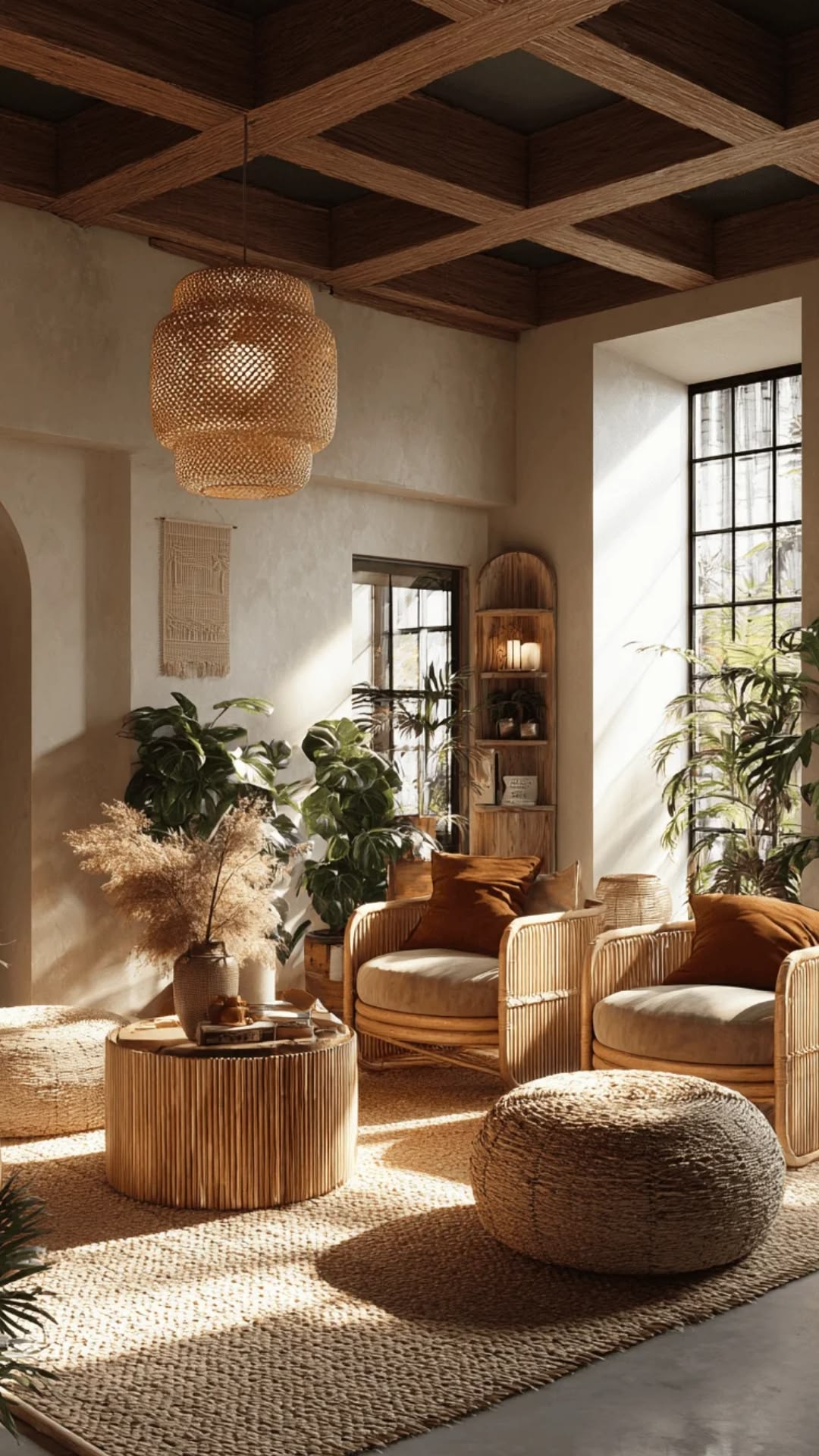
Throws, cushions, and rugs amplify tactile appeal. Weighty wool, soft cotton, velvety textures invite touch. Seating, tables, footstools—arranged for easy inhabitation. Even lighting interacts: lamps near chairs, pendants above sofas, subtle floor lighting—all contribute. Comfort isn’t just material; it’s spatial.
The Role of Custom Furniture
Custom furniture is central to the trend. Standard dimensions rarely account for human variability—height, posture, personal habits. Custom allows deep seats, angled backs, proportioned arms designed specifically for the room and its inhabitants.
It’s more than ergonomics. Custom can echo architecture: a chaise that mirrors ceiling curves, a sofa depth that complements a rug, a lounge chair positioned to catch sunlight just right. Comfort becomes integrated with rhythm and intention.
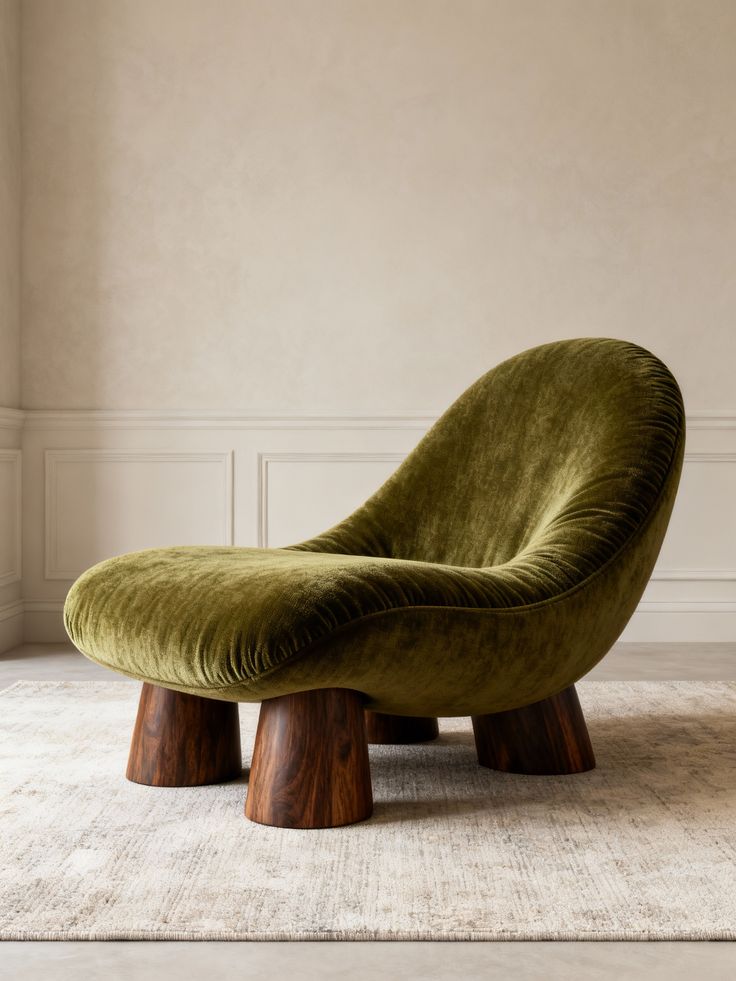
Everyday Luxury
There’s quiet luxury here. Comfort-forward furniture doesn’t scream wealth or trendiness—it whispers ease. Satisfaction is tactile, experiential, emotional. Rooms feel like they invite participation. A chair that lets you curl up, a sofa for stretching, an ottoman for feet or objects—these small choices create richness. Comfort is the new sophistication.
Imperfection and Ease
Slight imperfection is welcome. Cushions settle, fabrics wrinkle, the body leaves marks. The design accommodates life rather than resisting it. Interiors feel less staged, more authentic. This is why people connect with comfort-first spaces. Spaces that prioritize comfort feel alive, responsive, human.
The Takeaway
Comfort-forward furniture is reshaping interiors. Soft but structured forms, tactile surfaces, flexible arrangements, emotionally resonant design. Sofas, chairs, modular pieces invite interaction while maintaining visual integrity.
The point isn’t just to sit—it’s to inhabit. Interiors become spaces where the body is considered, mood is attended to, life is welcome. Furniture leads the conversation, shaping movement, posture, and experience.
Where once design prized precision over ease, now it prizes balance: style that doesn’t fight comfort, aesthetics that support the body, and interiors that reward lingering. Comfort-forward furniture isn’t a compromise—it’s a statement about how interiors should feel: thoughtful, inhabitable, unreservedly human.