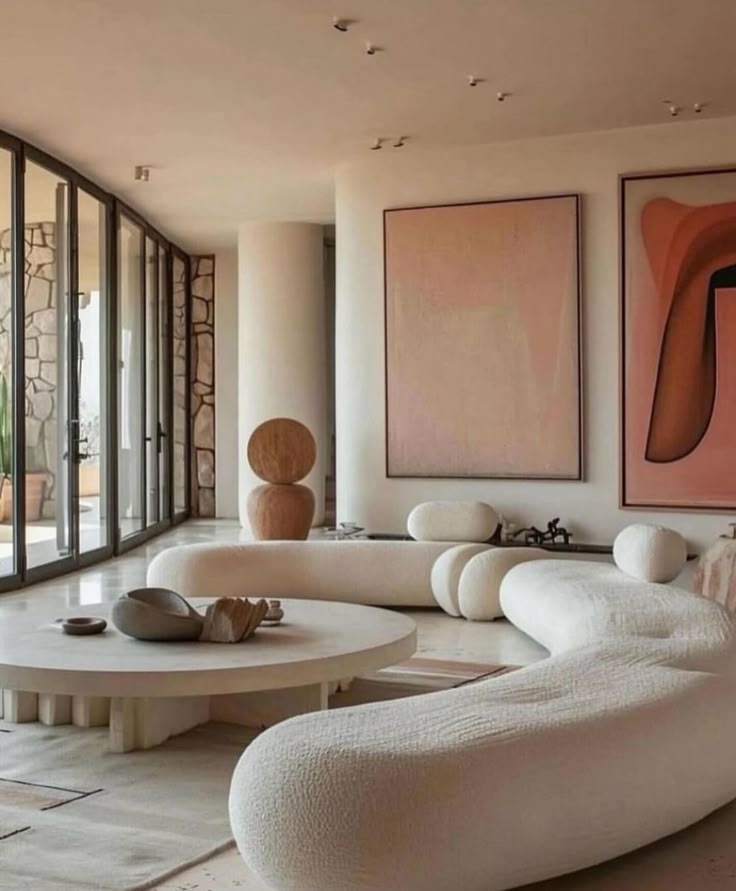
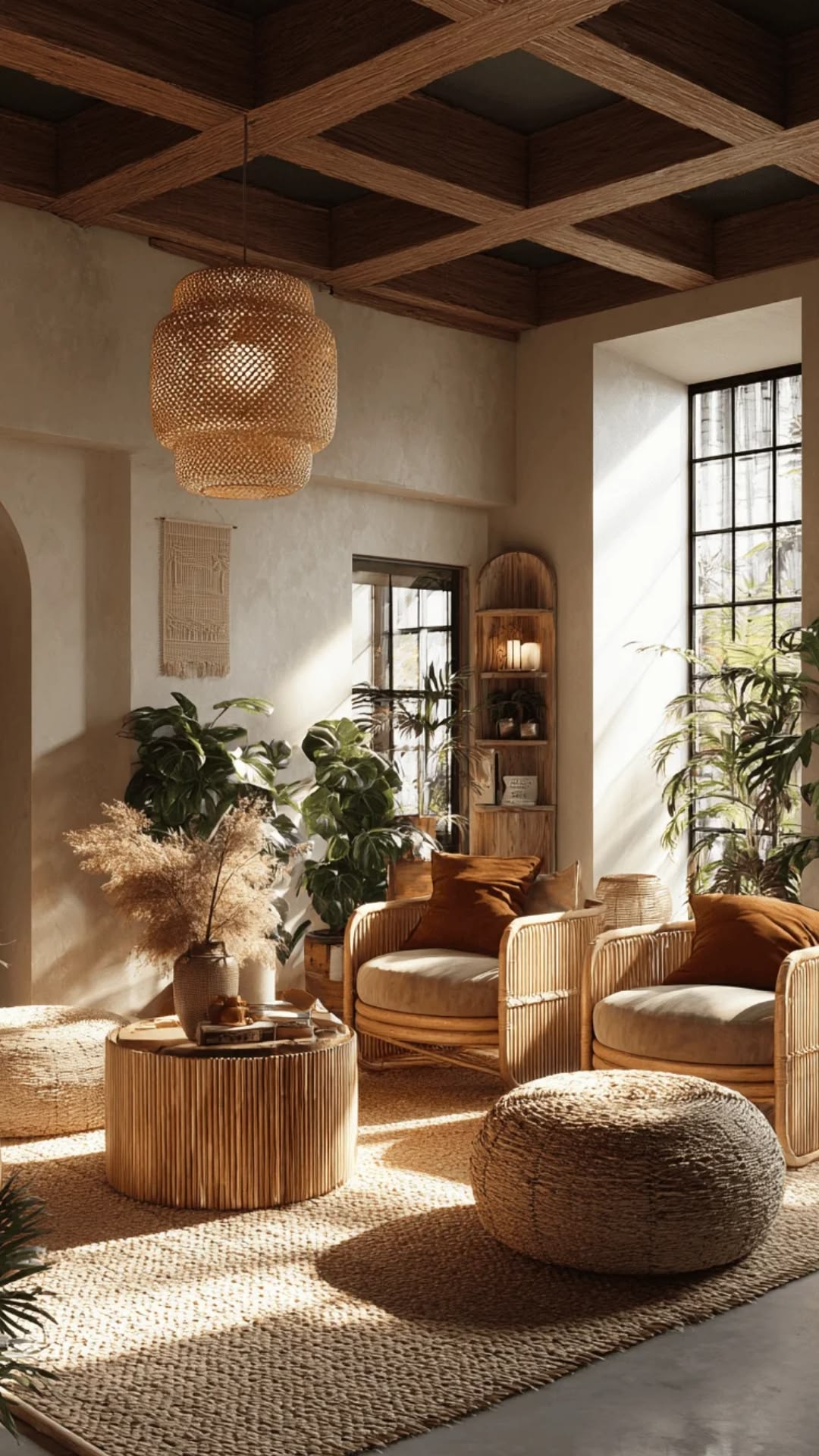
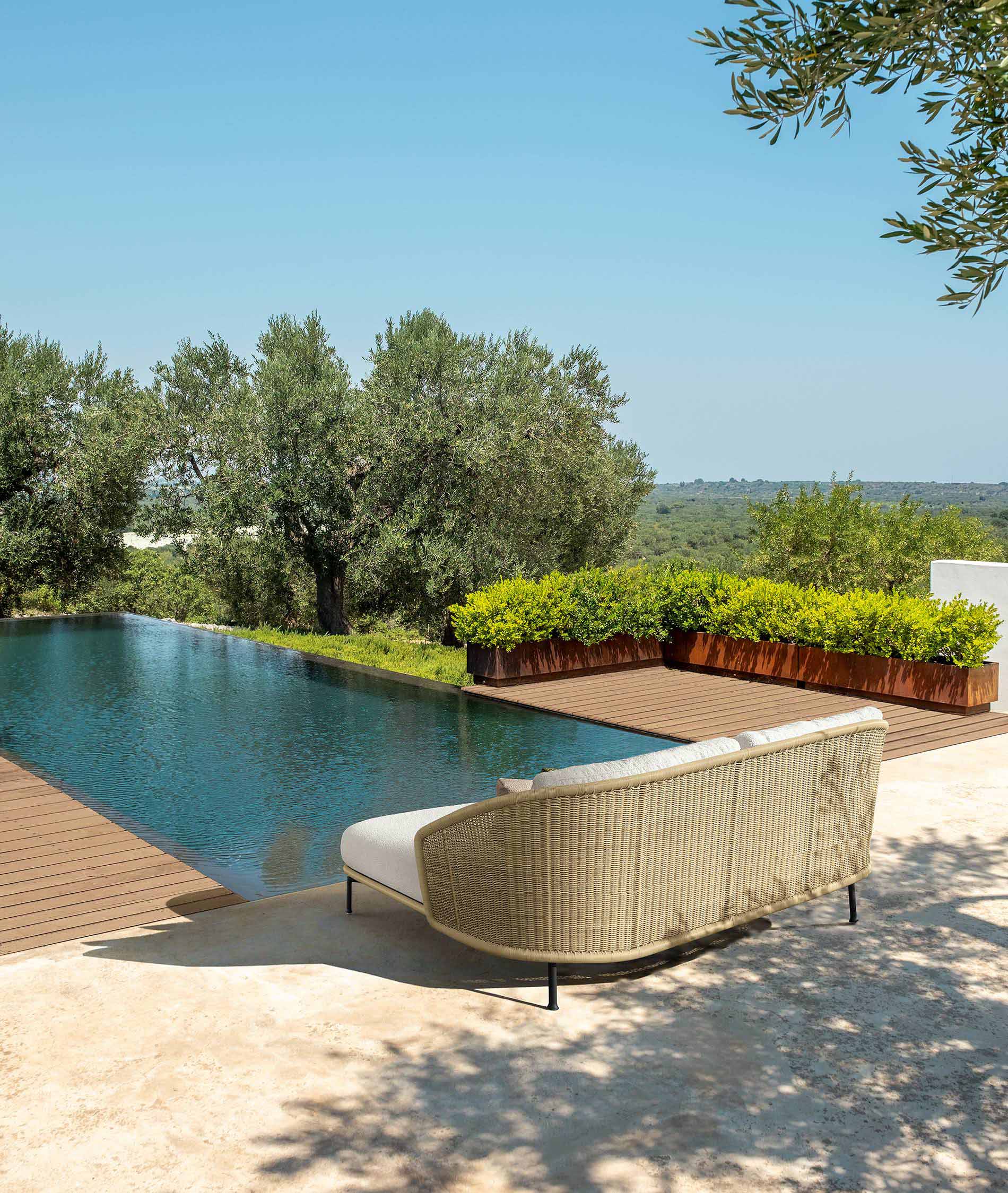
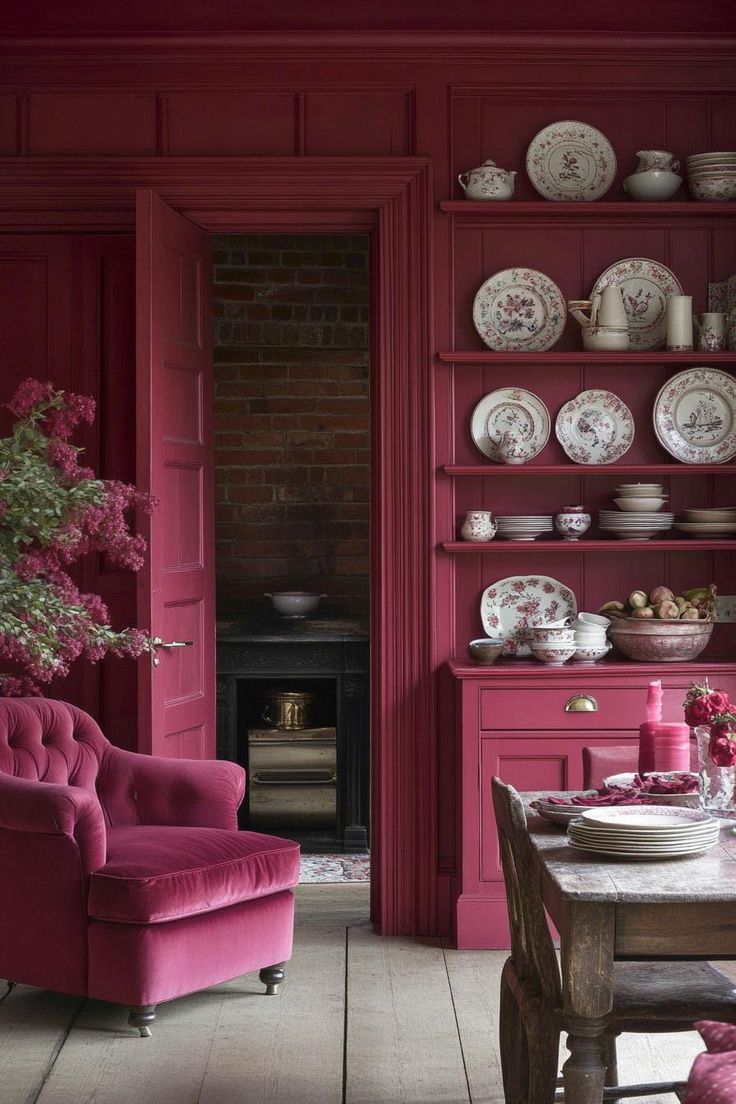
There’s something about how light falls across a room that changes everything. Not just brightness, but how it touches surfaces, how it moves, how it interacts with the body and mind. Biophilic lighting isn’t just adding a lamp and calling it natural. It’s about creating a sense of life, a connection to the outdoors, without actually stepping outside. In 2026 interiors, it’s quietly becoming one of the most transformative trends.
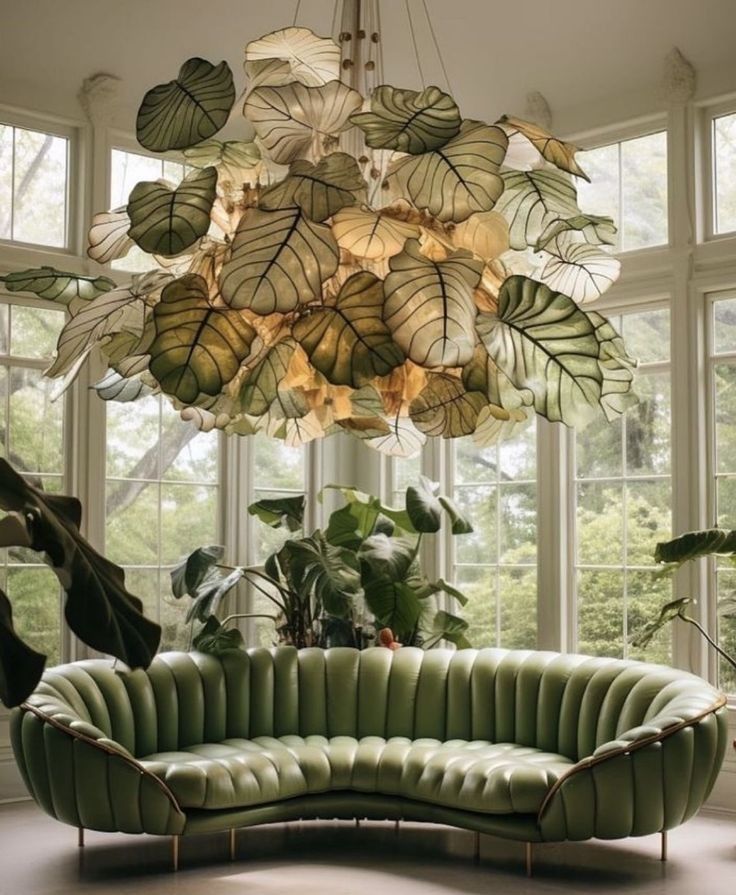
It’s not only the fixtures themselves, though they are interesting—pendants that mimic branches, sculptural floor lamps that look like stems, shades that scatter shadows like leaves. It’s the atmosphere they create. Rooms designed around biophilic light feel alive. They breathe. They guide the eye along surfaces and volumes. You can feel rhythm in the shadows.
Light as Material
For years, lighting was just about visibility. Ceiling fixtures, recessed spots, task lamps. Now, light is thought of as material. Designers mold it like texture. The aim is to replicate qualities of natural light: the softness of morning, the warmth of afternoon, the subtle gradient of dusk. Shadows are just as important as beams. They shape how furniture is perceived, how floors feel underfoot, even how walls read.
Biophilic lighting often emphasizes indirect sources. Light washes across walls, ricochets off ceilings, glows from behind architectural features. It’s never harsh. The eye can wander without strain. The body notices it—calm, connection, alertness depending on intensity and color.
Integration with Nature
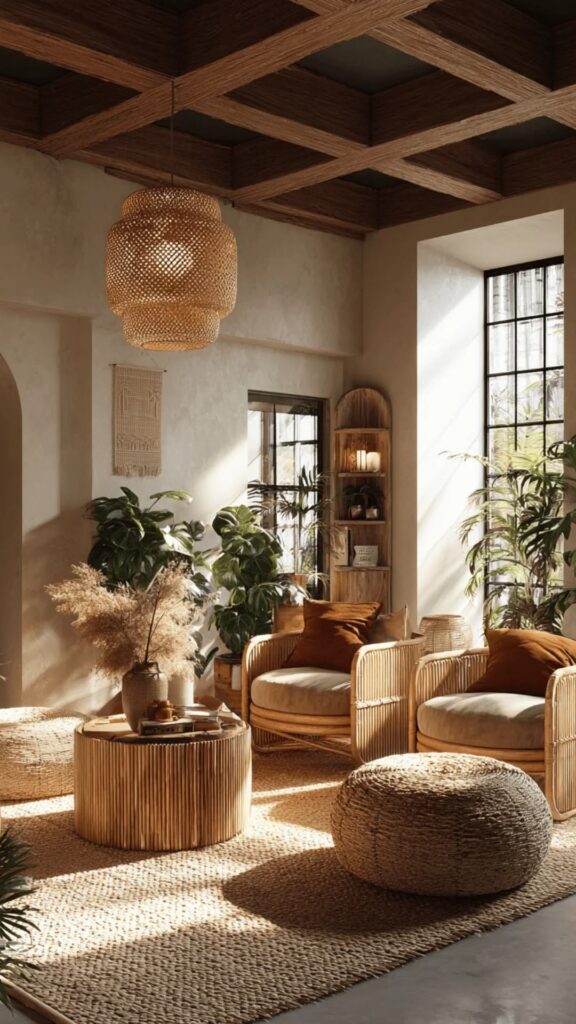
Plants are obvious companions, but not the only ones. Wood, stone, clay—all natural materials respond differently to light. A rattan chair under a soft amber glow becomes part of the room’s texture, almost alive with shadow from a nearby plant. Subtle, almost subconscious, but the body notices it.
Some designers make indoor canopies. Pendants like branches, layered shades like foliage. You don’t always register it immediately, but your body reacts. Shelter, rhythm, scale—things we feel, not see.
Dynamic and Responsive
What’s new in 2026 is that light moves. No longer static. Sensors track daylight, occupancy, sometimes mood. LEDs shift color temperature over the day. Warm morning light, cooler afternoon, amber evening. Some systems even mimic sunlight flickering through leaves. Rooms feel alive, never static.
This isn’t gimmicky. It helps circadian rhythms, supports mood, makes interiors feel bigger or cozier depending on intensity. Designers are using it intentionally—soft low light for evening, neutral bright light for tasks—while keeping the biophilic feel.
Architectural Conversation
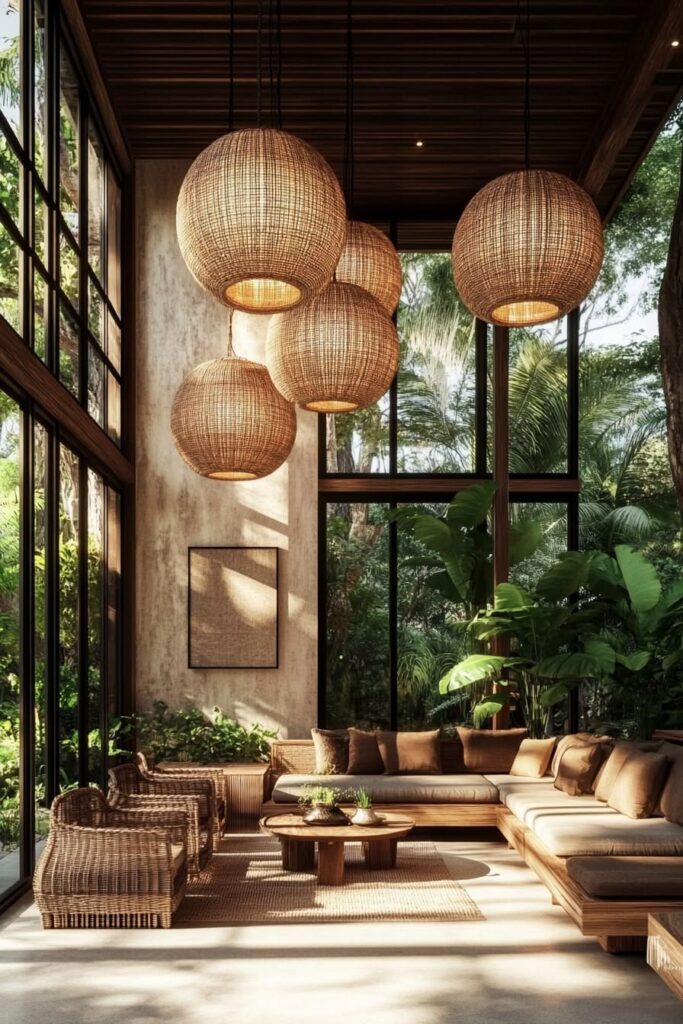
Biophilic lighting talks to architecture. Cove lighting emphasizes ceiling angles. Wall washers highlight texture. Pendant clusters hang like hanging gardens, linking furniture to ceilings. Light defines, frames, punctuates space.
Even shadows matter. Ribbed wood panels under linear LEDs create depth and rhythm. Light follows edges, wraps volumes. In open-plan spaces, small differences in intensity create implied boundaries, guiding movement without walls.
Emotional Resonance
Rooms with biophilic lighting make people linger. Soft diffuse glow encourages conversation, reading, or just being. Dynamic flicker, warm tones, moving shadows—all tap into a primal response: attraction to cycles, texture, movement.
It’s flexible. A dining room can feel intimate under clustered pendants. A living room can feel expansive under indirect ceiling wash. Bathrooms too—diffused wall light, natural materials—turn daily rituals into something meditative.
Complementing Materials
Natural materials and biophilic lighting belong together. Wood reflects warmth, stone absorbs and diffuses, plants respond dynamically. Furniture becomes more than furniture. A rattan chair, a carved stool, a linen bench—all come alive under shifting light. Even simple rooms feel dynamic.
Metals can be tricky—they reflect harshly. Bronze, brushed steel, gold—they can punctuate without stealing focus. Light and material interact, creating layers and tactility.
Custom and Sculptural
High-end custom lighting is big. Oversized pendants, sculptural floor lamps, wall-mounted systems that trace architecture. Almost like installations, but functional. They anchor rooms visually and conceptually.
Hand-finished shades, woven textures, irregular silhouettes—they make light behave unpredictably, more alive. Imperfect shapes diffuse in unexpected ways. Each room ends up unique.
Indoor-Outdoor Flow
Biophilic lighting also blurs the line between inside and out. In 2026 interiors, terraces, sunrooms, patios are part of the home, not separate. Interior lighting extends natural light cues. Living rooms feel like part of the landscape. Furniture, materials, and light respond as one system.
Why It Matters
It works because it’s human. Light affects circadian rhythm, perception, emotion. Biophilic lighting taps into that without calling attention to itself. Subtle, but transformative. Interiors feel breathable, alive, calming.
It’s about intention. In a world of minimalism, precision, sterile surfaces, biophilic lighting brings tactility and unpredictability. Shadows move. Colors shift. Surfaces shimmer. Rooms behave, invite engagement.
Integration with 2026 Trends
It matches broader 2026 priorities: tactile materials, layered textures, human-centered design. Pairs beautifully with rattan, wood, ceramics, plants. Supports flexibility and modularity, creating spaces that can be intimate or expansive without changing architecture.
It encourages slower living. Interiors feel like places to linger, notice, inhabit. Not rushed, not staged.
Light as Life
Biophilic lighting is light as architecture, material, and mood. It shapes rooms like walls and furniture do. Interacts with materiality, scale, movement. Responds to life as it happens.
It’s subtle, human, sometimes unpredictable—and that’s why it feels alive. Spaces furnished with it breathe, shift, and connect. In a world dominated by digital polish and visual perfection, that imperfection, that responsiveness, that slow rhythm—it’s quietly revolutionary.