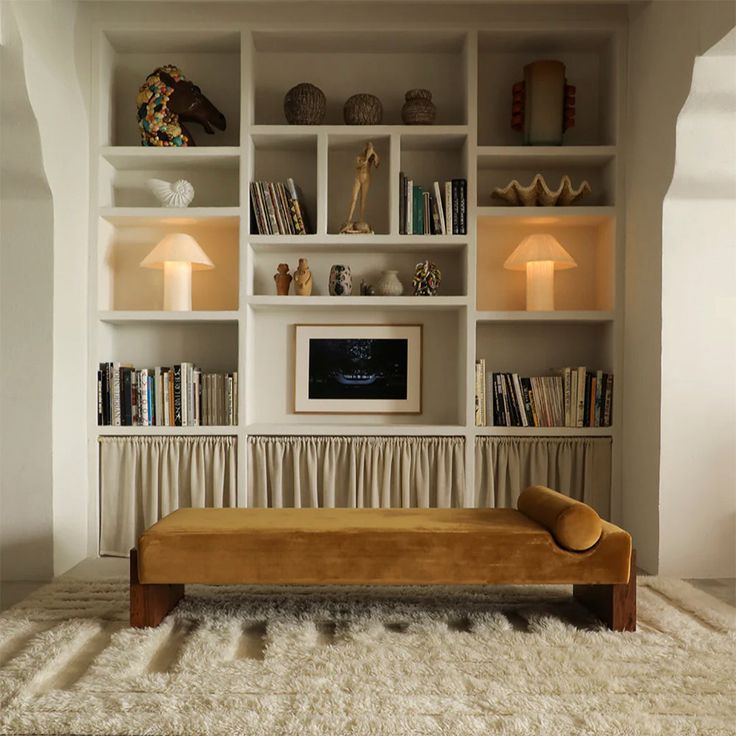
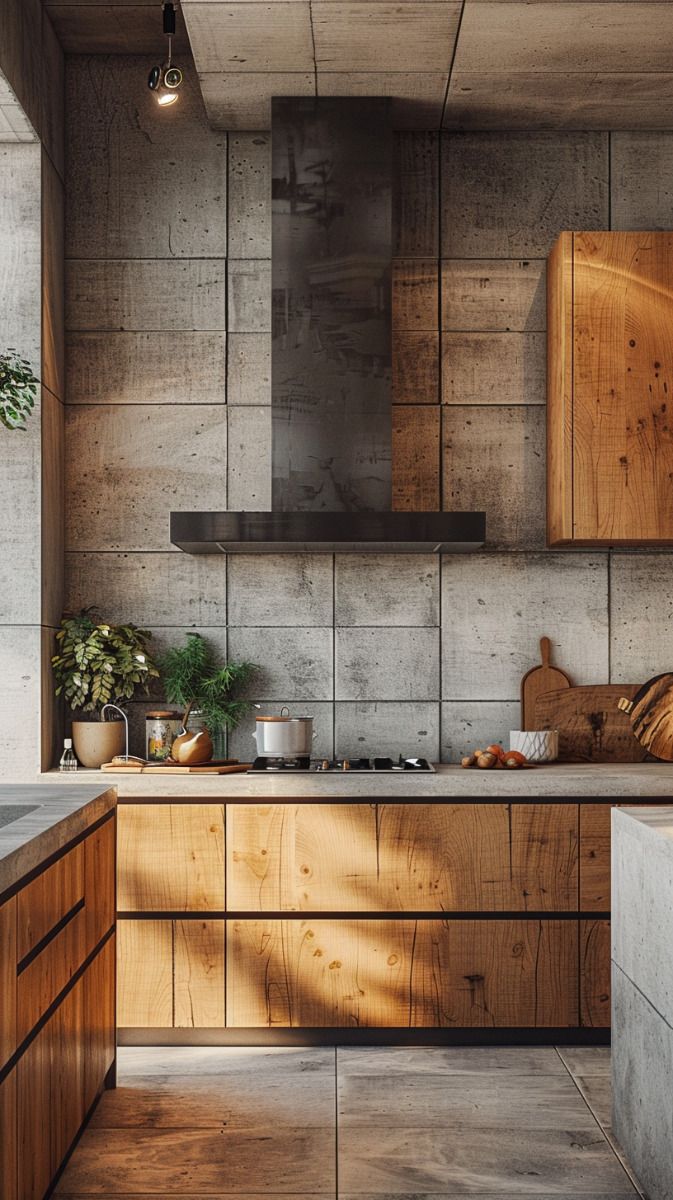
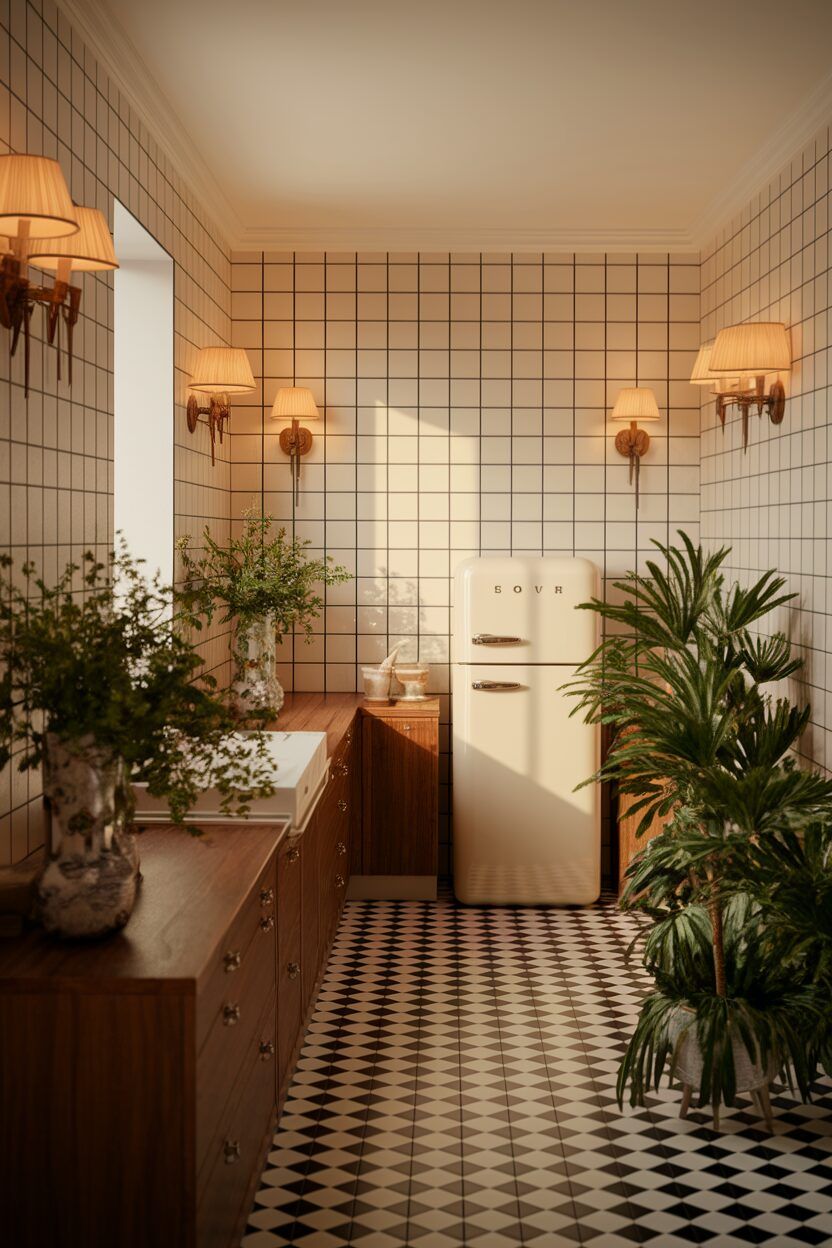
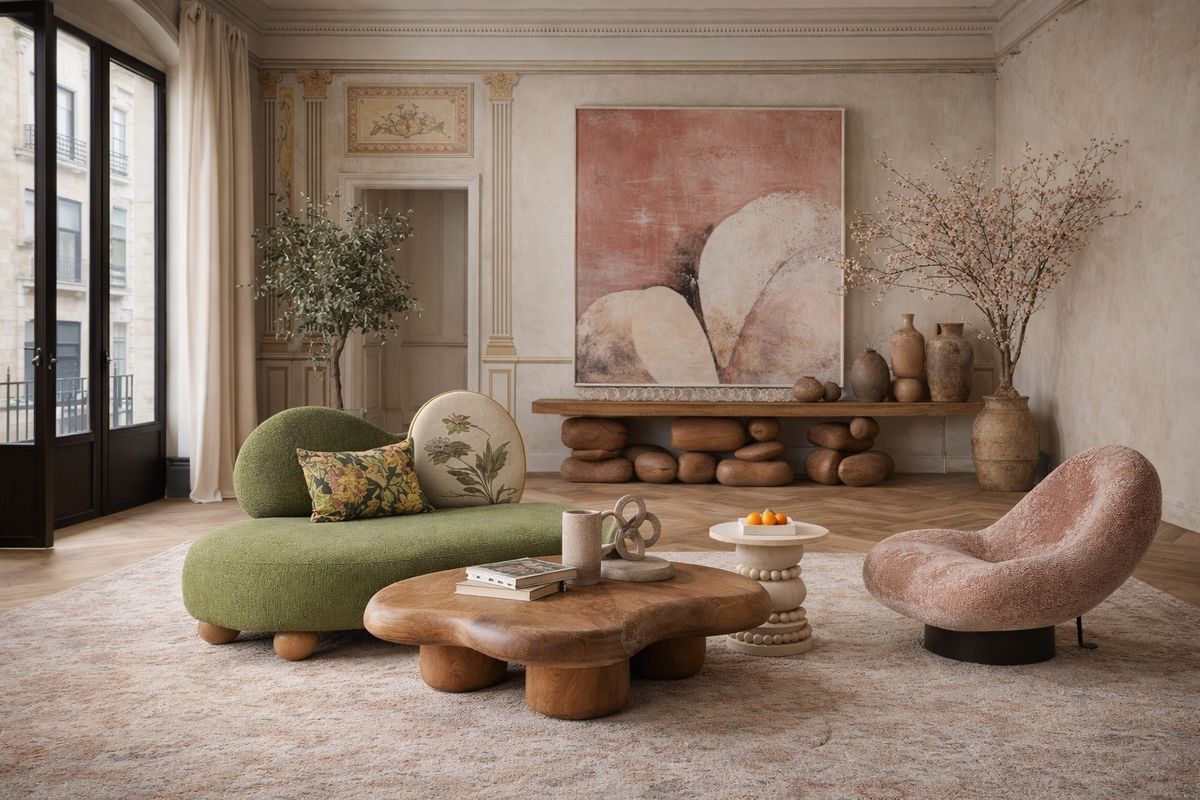
The trouble with most interiors that claim to be “inspired by nature” is that they stop at symbolism. A leaf-print pillow. A potted plant placed carefully in the corner like an afterthought. The room remains fundamentally sealed off from the world outside, pretending that referencing nature is the same as participating in it. Biophilic design, when it works, is quieter and more demanding. It asks the space to behave differently. It asks the materials such as the inclusion of rattan furniture, the light, the proportions, even the air, to do some of the work.
There is a reason older buildings tend to feel calmer without trying. They were shaped by constraint and climate, not by trend cycles. Walls were thick. Windows were positioned for cross-ventilation. Floors aged visibly. You can sense time in them. Modern interiors often erase that evidence, flattening everything into the same smooth, neutral present. Biophilic design pushes back against that erasure. It reintroduces time, variation, and irregularity—not as decoration, but as structure.
Materials That Refuse to Behave
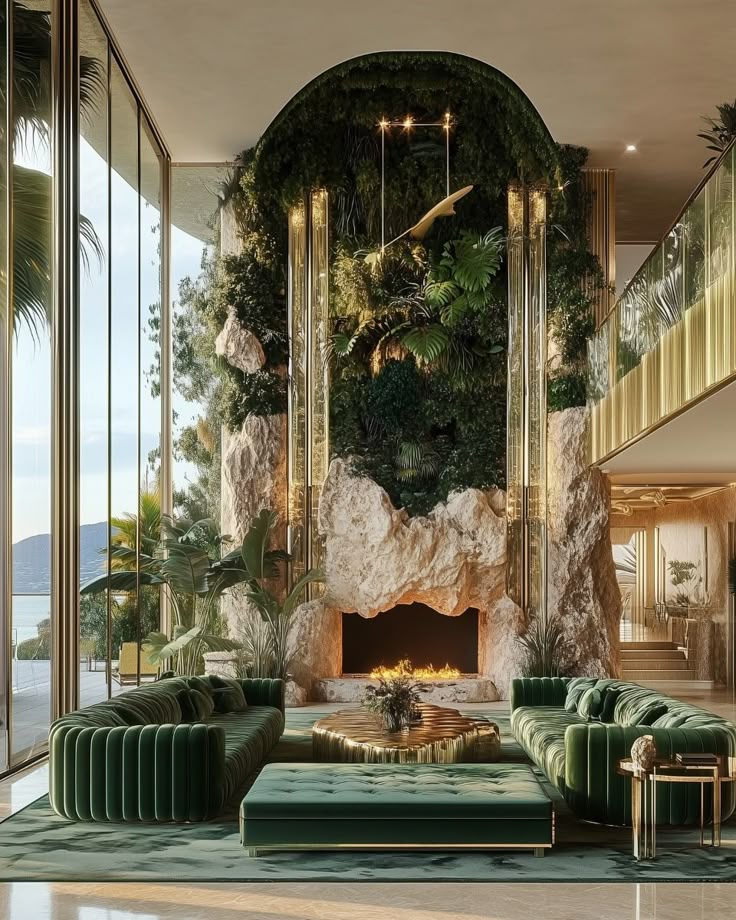
Natural materials misbehave in ways designers either love or try to control. Wood darkens unevenly. Stone stains. Leather creases where people actually sit. These are not flaws to be engineered away; they are signals that a room is being lived in. A space filled with laminate imitations and flawless finishes may photograph well, but it rarely feels generous. There is nothing to read in it.
A solid oak table tells you where hands rest most often. A travertine floor reveals traffic patterns over years. Even plaster walls, imperfect and slightly uneven, catch light differently throughout the day. These materials don’t perform on command. They respond to their environment. That responsiveness is the point.
What’s interesting is how little you need. One honest material, used properly, can change the entire tone of a room. A single slab coffee table can anchor an otherwise restrained living space. Suddenly the upholstered seating feels softer, the metal lamp sharper. The contrast makes everything more present. Nature doesn’t need to dominate; it just needs to be legible.
Plants Are Not the Whole Story
The obsession with plants has flattened the conversation. Greenery has become shorthand for biophilic design, which is unfortunate, because plants alone rarely solve anything. They can even expose how disconnected a space really is. A struggling fig tree in a dark corner is not evidence of nature; it’s evidence of neglect.
When plants work, they feel inevitable. They respond to light sources that already exist. They grow toward windows, lean slightly, cast shadows that move as the day progresses. They are integrated into the room’s logic, not placed on top of it. A shelf designed to hold trailing vines makes sense. A planter aligned with a structural column does too. A random pot dropped into a dead zone does not.
Sometimes the most biophilic design choice is restraint. A single, mature plant can do more than a room full of small ones. Scale matters. So does patience. Letting a plant grow into a space over time changes how the room feels year after year. That slow evolution is something design rarely allows anymore.
Light as a Living Element
Artificial lighting is precise. Natural light is temperamental. It moves, fades, flares, and disappears entirely. That instability is exactly why it matters. Rooms designed without regard for daylight feel frozen, even when filled with expensive furniture.
Biophilic design interiors pay attention to how light behaves, not just where it enters. A narrow window that creates a sharp rectangle of sun across the floor can be more powerful than a wall of glass that washes everything evenly. Shadows are not a problem to eliminate; they are part of the composition.
You notice this most in spaces where surfaces have depth. A rough plaster wall looks different every hour. A ribbed wood panel catches morning light and disappears by afternoon. These shifts register subconsciously. They remind the body that time is passing, that the room is not sealed off from the world.
Furniture That Understands the Body
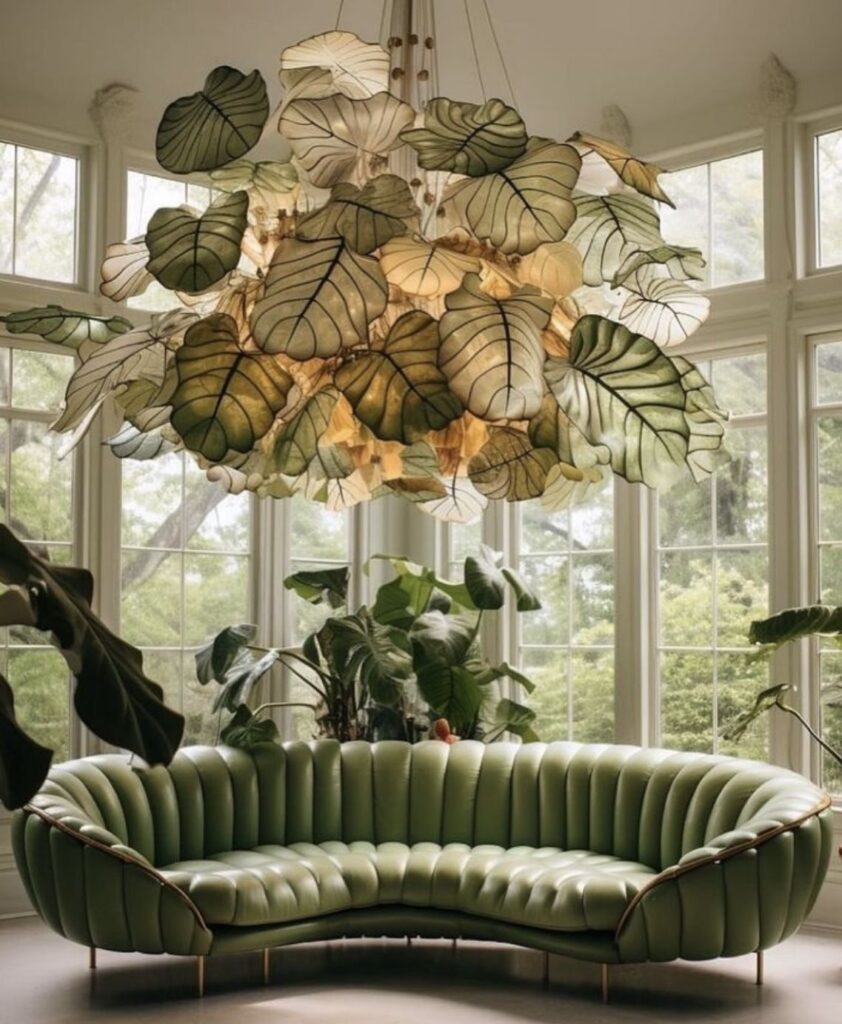
There is a particular discomfort to furniture that looks sculptural but feels indifferent to how people actually sit, lean, or move. Biophilic design tends to favor pieces that acknowledge the body, even subtly. Curves that support rather than constrain. Chairs that invite multiple postures instead of dictating one correct way to sit.
This doesn’t mean everything has to be organic modern or soft. It means the furniture doesn’t fight gravity. A bench carved from solid wood feels stable because it is. A low sofa grounds a room because it lowers the eye line, bringing attention back to the floor, to texture, to material.
Placement matters as much as form. A chair angled toward a window feels purposeful. A table positioned where light falls naturally invites use. These decisions seem obvious until you realize how many rooms ignore them, prioritizing symmetry over comfort, alignment over intuition.
Color That Comes From Somewhere
Nature’s palette is rarely saturated. Even bold colors appear weathered, complex, layered. Greens lean toward gray. Browns shift between warm and cool depending on light. When interiors borrow these colors too literally, they often miss the nuance.
The most successful biophilic design tend to use color sparingly, letting material do the heavy lifting. A warm white wall becomes interesting next to raw wood. A muted clay tone feels richer against stone. When color appears, it feels grounded, not applied.
There is also a relationship between color and scale. Large surfaces benefit from restraint. Smaller elements can carry more intensity. A rust-colored cushion on a neutral sofa. A deep green ceramic object on a pale shelf. These moments feel discovered rather than declared.
Old Things, New Rooms
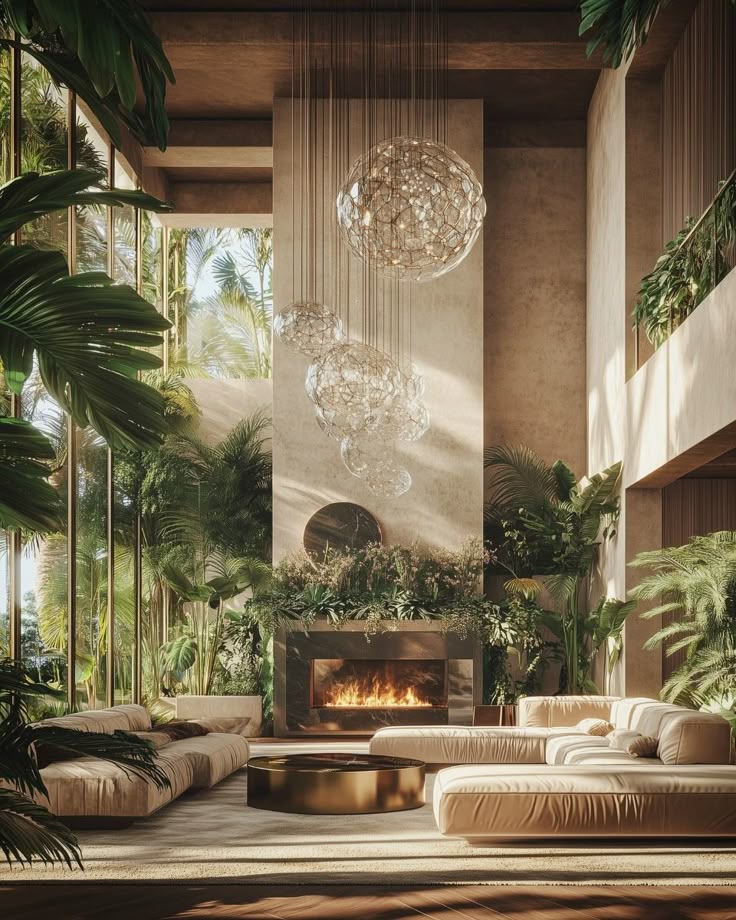
Biophilic design often pairs well with age. Vintage furniture carries evidence of use that new pieces can’t fake convincingly. Scratches, patina, slight warping—these qualities make a room feel less controlled, more human.
A mid-century chair beside a contemporary table doesn’t read as eclectic when the materials speak the same language. Wood next to wood. Leather next to linen. The timeline matters less than the sensory experience. Old pieces tend to ground a room, reminding it that design didn’t start last season.
There is also something quietly sustainable about this approach. Not in a performative way, but in a practical one. Keeping furniture in use acknowledges that objects have lifespans longer than trends. That mindset aligns naturally with biophilic thinking, even if no one says it out loud.
The Room as an Environment, Not an Image
What biophilic design ultimately resists is the idea of the room as a static image. It is not meant to be viewed once and approved. It is meant to be inhabited repeatedly, differently, imperfectly.
Air matters. So does sound. Hard surfaces reflect noise; soft ones absorb it. Open windows change how a room feels, even when nothing else changes. These are not styling details; they are environmental conditions.
A room that truly engages with nature never feels finished. Plants grow. Light shifts. Materials age. Furniture moves slightly over time. The space adapts, quietly, without announcement.
That adaptability is what makes these interiors compelling long after the initial reveal. They don’t rely on novelty. They rely on relationship—between materials, between light and surface, between the room and the people moving through it. The design doesn’t ask to be admired. It simply continues, doing what rooms have always done when they’re allowed to feel alive.