Southern California has a way of exposing furniture. Not immediately, not dramatically, but slowly and without mercy. The sun here doesn’t scorch so much as persist. It shows up every day, at a slightly different angle, bleaching surfaces, heating metals, pulling oils out of wood. What survives this kind of exposure isn’t always what looks best on a showroom floor. The choice between aluminum vs teak becomes a fundamental decision between two different philosophies of resilience: the clinical, thermal efficiency of powder-coated metal that deflects the heat, against the organic, oil-rich endurance of a hardwood that absorbs the environment and turns the sun’s persistence into a silvery, weathered patina.
Luxury custom outdoor furniture or off the shelf products, especially in places like Malibu and Pasadena, lives a harder life than it’s given credit for. These are not seasonal patios. They’re extensions of living rooms, dining spaces that never quite close, places where materials are expected to perform without complaint. The question of aluminum vs teak isn’t theoretical here. It’s practical, almost architectural. It’s about what still looks intentional five years in.
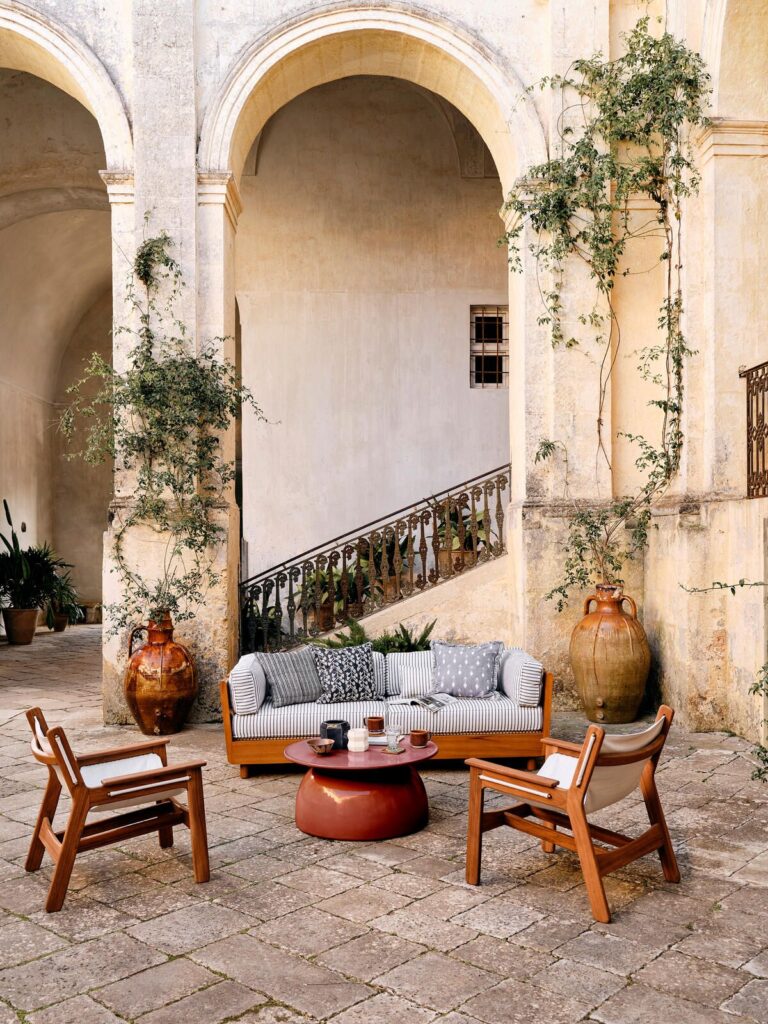
Two Suns, Two Problems
Malibu and Pasadena share a zip code prefix but not a climate. Malibu’s light is filtered, reflective, constantly in conversation with the ocean. Salt hangs in the air. Wind moves everything. Moisture arrives quietly, often overnight. Pasadena’s sun is drier, more relentless, amplified by heat trapped between foothills and streets. There’s less corrosion, more baking. Less rust, more fading.
Furniture behaves differently in each place, and pretending otherwise is how people end up replacing expensive pieces far too soon.
Teak, with its natural oils and density, has long been the romantic choice for outdoor luxury. It references boats, decks, permanence. Aluminum, by contrast, reads more contemporary, more technical, often dismissed as cold or industrial. But those perceptions don’t always align with reality once the furniture lives outdoors full-time.
Teak: Romance, Weight, and the Price of Patina
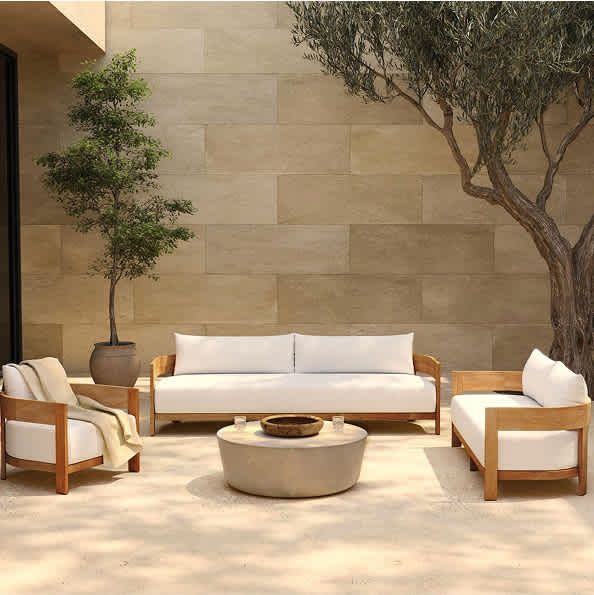
Teak’s appeal is immediate. It has warmth, heft, and a visual softness that works effortlessly with stone, plaster, and landscape. In Malibu especially, teak feels correct. It echoes driftwood, boardwalks, the quiet language of coastal architecture. When new, it glows. When aged well, it silvers into something calm and understated.
But teak is not passive. It demands attention, whether or not homeowners want to give it. Left untreated, it will weather unevenly, especially in coastal environments. Salt air accelerates the loss of surface oils. Horizontal planes fade faster than vertical ones. Table tops rarely age as gracefully as legs.
In Pasadena, teak faces a different challenge. The heat dries it out. Without regular oiling or sealing, small cracks appear. Not structural failures, but visible ones. The kind that make furniture look tired rather than lived-in. Teak can handle heat, but it doesn’t enjoy neglect.
There’s also the question of weight. Teak furniture is heavy, which is a benefit in windy conditions like Malibu cliffs. It stays put. But that same weight makes reconfiguring spaces cumbersome. Dining layouts become fixed. Lounge arrangements resist spontaneity. That’s a lifestyle choice as much as a material one.
Aluminum: Precision, Reflection, and Quiet Endurance
Aluminum rarely wins hearts at first glance. It doesn’t carry nostalgia. It doesn’t patina romantically. But it performs with a consistency that teak can’t always match, especially under sustained sun.
High-quality aluminum outdoor furniture, properly powder-coated, resists UV degradation better than most woods. It doesn’t dry out. It doesn’t crack. It doesn’t absorb moisture or salt. In Malibu, this matters more than people expect. Salt corrosion destroys lesser metals quickly, but aluminum holds up when coatings are done well. The difference between good and mediocre aluminum is enormous and usually invisible until a few years pass.
In Pasadena, aluminum shines. It reflects heat rather than absorbing it. It stays structurally stable even as temperatures swing from cool mornings to blistering afternoons. Colors remain consistent. Joints don’t loosen. The furniture doesn’t age so much as it holds its ground.
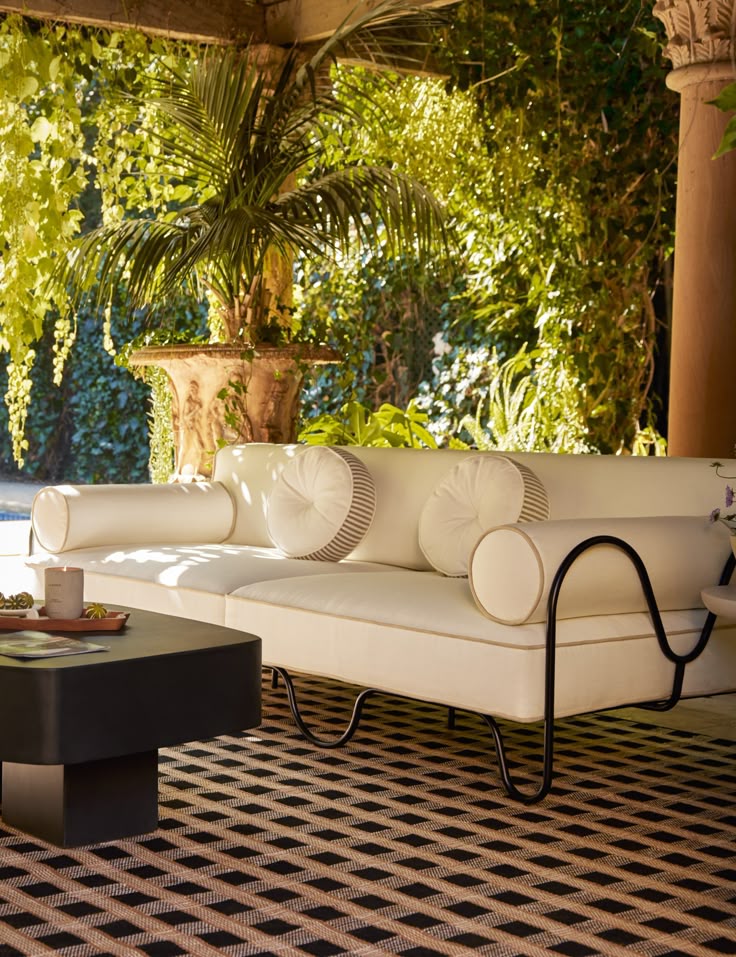
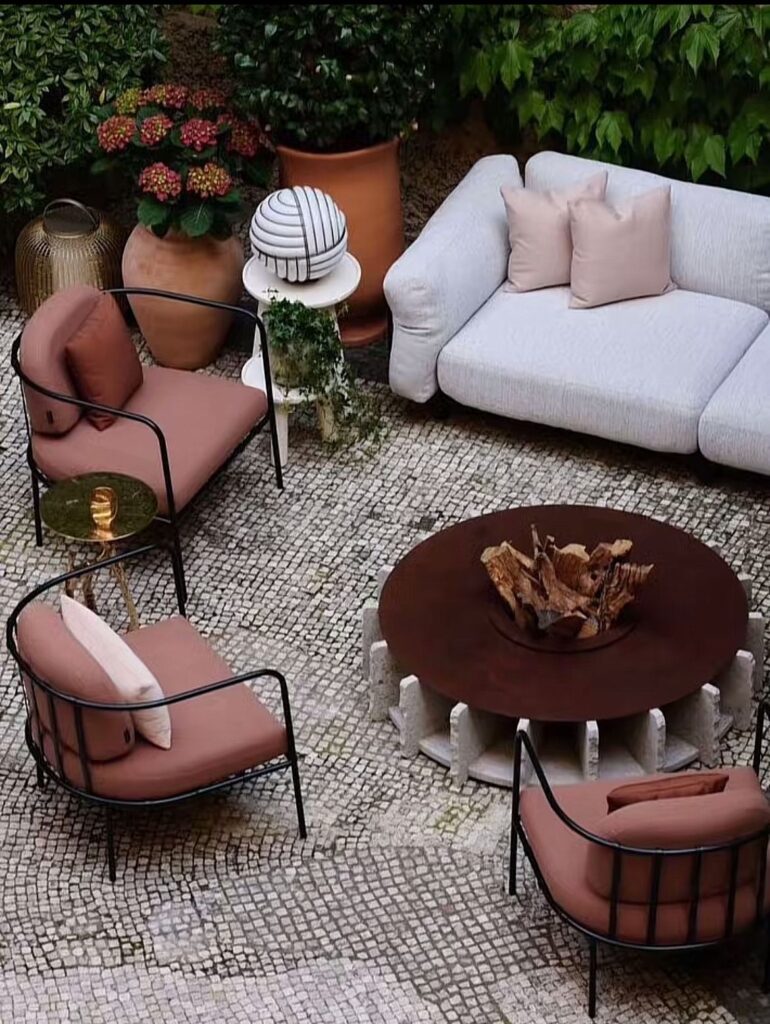
The criticism of aluminum often comes down to feel. It can read cold, especially when paired with minimal cushions or hard surfaces. But that’s less a material flaw than a design decision. Aluminum frames paired with generous upholstery, woven straps, or wood accents lose their severity quickly.
Heat Is Not the Same as Light
One of the mistakes people make when choosing outdoor furniture in Southern California is treating sun exposure as a single variable. Heat and light are different forces. Teak handles light beautifully but struggles more with sustained dryness. Aluminum tolerates heat exceptionally well but can look harsh under intense glare if finishes aren’t considered.
In Malibu, glare is softened by atmosphere. Aluminum often looks better there than expected, especially in lighter finishes that echo sky and stone. Teak, while visually harmonious, shows wear faster near the ocean unless maintained.
In Pasadena, glare is sharper. Dark aluminum finishes absorb heat and can become uncomfortable to touch. Lighter finishes perform better. Teak, meanwhile, can become too dry, losing the richness that made it appealing in the first place.
Maintenance as a Design Choice
Luxury isn’t just about materials. It’s about tolerance for maintenance. Teak requires a relationship. Oiling, cleaning, accepting change. Some homeowners love this. It becomes ritual. Others resent it.
Aluminum asks very little. Occasional washing. Visual inspections. That’s it. For clients who travel frequently or don’t want outdoor furniture to feel like another responsibility, aluminum often aligns better with real life.
Neither approach is inherently superior, but pretending maintenance doesn’t matter is how outdoor spaces start to feel neglected.
Comfort, Temperature, and Use
Material choice affects how furniture feels, not just how it looks. Teak stays cooler to the touch than dark metals in direct sun. Aluminum, depending on finish, can heat quickly. Cushions mitigate this, but in spaces where furniture is used intermittently throughout the day, those temperature differences matter.
In Malibu, breezes moderate surface temperatures. Aluminum benefits from airflow. In Pasadena, stagnant heat amplifies discomfort. Material choice needs to account for how often furniture will be used mid-day versus mornings and evenings.
This is where hybrid designs excel. Aluminum frames with teak armrests. Teak tables with aluminum bases. These combinations aren’t compromises; they’re acknowledgments of climate complexity.
Aesthetics After Five Years
The real test isn’t how furniture looks when installed. It’s how it looks once the novelty wears off. Teak that’s been lovingly maintained looks incredible. Teak that’s been ignored looks apologetic. Aluminum looks largely the same, for better or worse.
In Malibu, patina is more culturally accepted. Weathering feels intentional. In Pasadena, where architecture leans more controlled, weathered teak can feel out of place faster. Aluminum’s consistency aligns better with that context.
Neither material guarantees elegance. Design discipline does. Proportion, finish selection, and how pieces sit within the landscape matter more than the material alone.
Choosing Based on Place, Not Preference
The temptation is to choose based on taste alone. Warm versus modern. Natural versus engineered. But in Southern California, place should lead. Malibu rewards materials that move with the environment. Pasadena rewards materials that resist it.
Teak belongs where its aging reads as character. Aluminum belongs where stability and restraint are valued. Both can fail if misapplied. Both can succeed if chosen with climate, use, and maintenance honestly considered.
The luxury here isn’t in the material. It’s in making a choice that still feels correct long after the sun has had its say.