There’s something freeing about spaces that refuse to be boxed in. Alfresco living isn’t just a patio anymore. It’s a real extension of the home. Rooms that spill out into terraces, kitchens that open onto courtyards, living areas that feel continuous with the garden. The line between inside and outside isn’t a boundary anymore—it’s a suggestion. And suddenly, the way a room feels isn’t just about furniture or color; it’s about how it opens up to life outside.
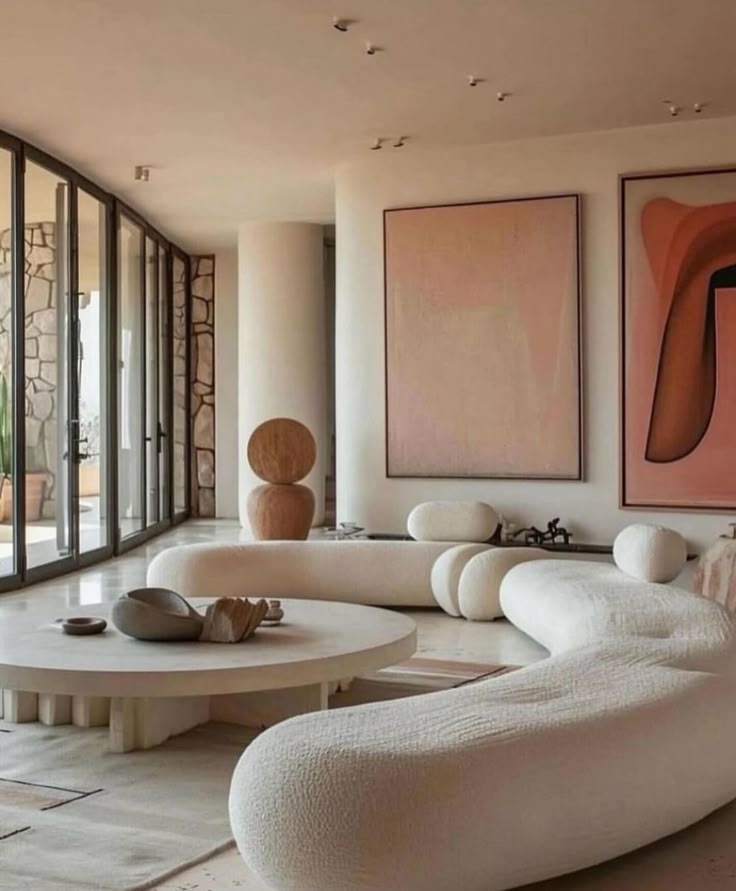
Sliding or folding doors don’t just let air in. They erase borders. A concrete floor inside can flow seamlessly onto a terrace. The eye doesn’t see a threshold—it sees a stage. And furniture isn’t casual. Custom sofas, low tables, even outdoor rugs echo interior choices. It’s choreography. The body moves, furniture anchors, light shifts. The space talks, without words.
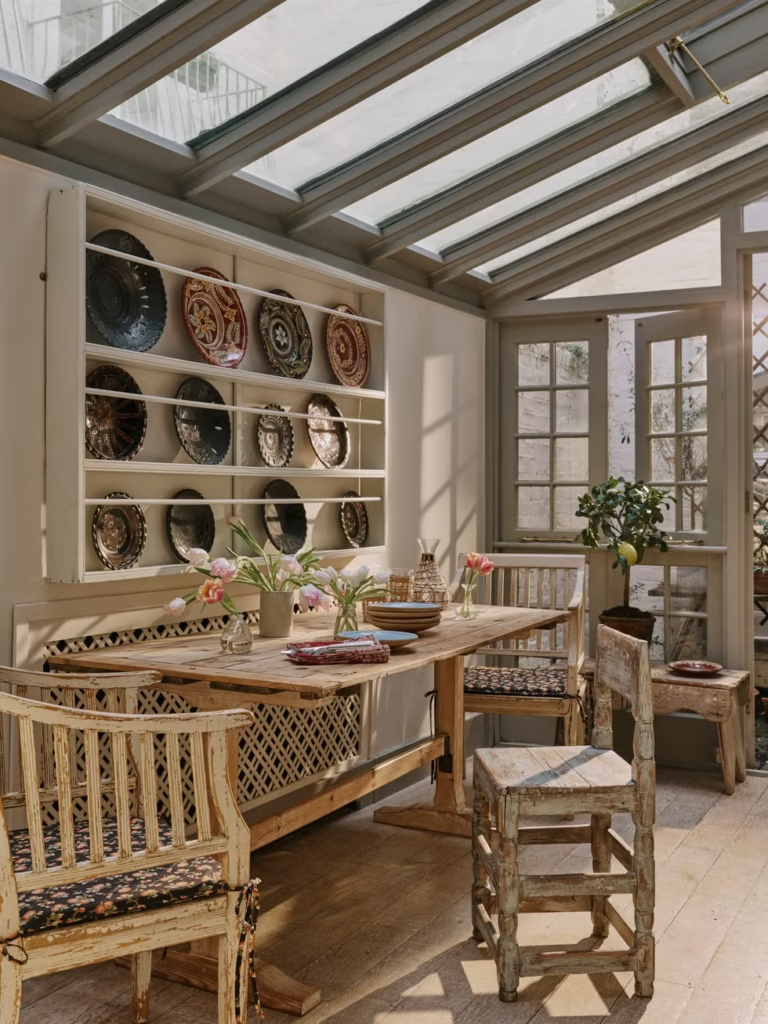
Material Matters
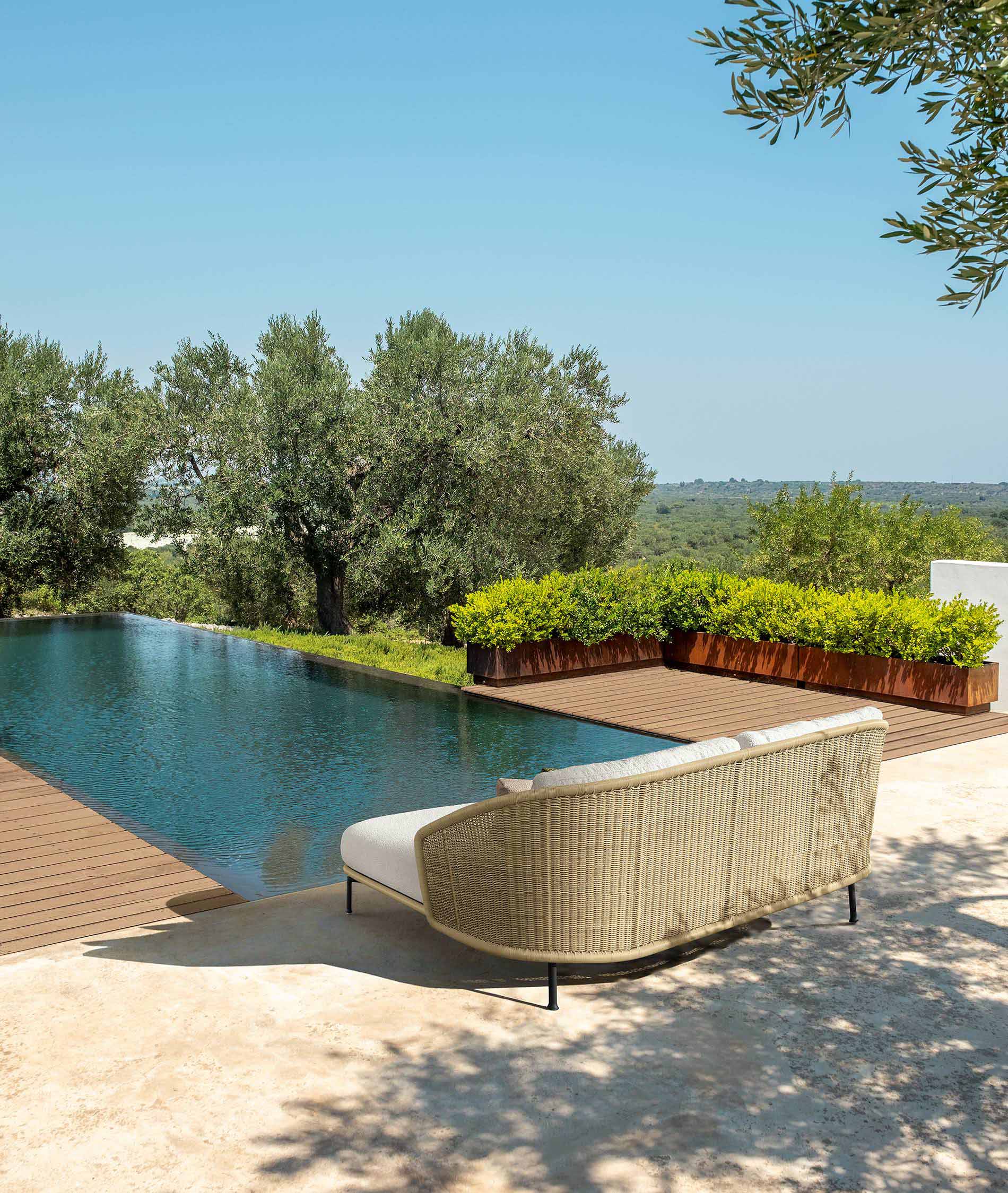
Flooring is the simplest way to connect indoors and out for alfresco living. Wood that continues across, stone that bridges a kitchen to a deck, even subtle changes in texture or seam indicate transition without breaking flow. Outdoors is tougher—timber treated, stone rougher—but the palette can match. Concrete inside sanded, outside brushed. The eye reads continuity, even when the material adapts.
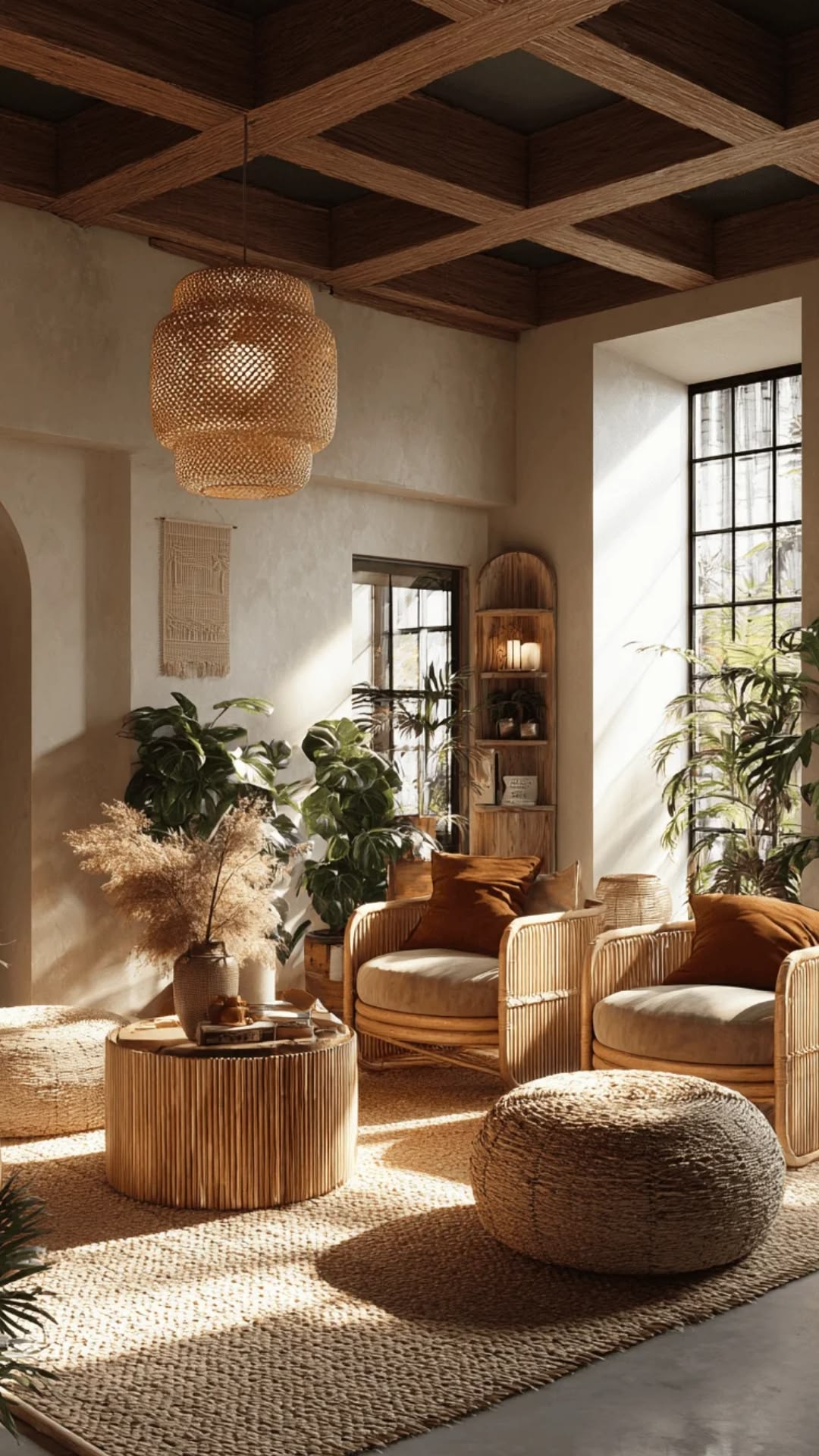
Furniture plays a huge role. Outdoor seating is no longer afterthought. Loungers, dining tables, rattan furniture, even rugs designed for exterior conditions carry interior logic into the open air. A weathered teak sofa outside can answer a walnut cabinet indoors. Cushions in muted terracotta tie back to indoor textiles. It’s not literal, it’s conversation—material, color, scale all talking together.
Light and Shadow
Light is everything. Inside, you control it. Outside, the sun controls it. Shadows move, textures shift, surfaces catch reflections differently. Pergolas, retractable screens, louvered roofs—they modulate intensity, introduce rhythm. Noon can be harsh; evening soft. Interiors anticipate this. Furniture, finishes, color choices—they all respond.
Artificial light extends the day. LEDs along decking, pendants over a terrace table, maybe a subtle glow from inside that mirrors indoor coves. Not symmetrical, but echoing. Spaces feel connected without forcing it.
Color That Travels
Color rarely copies. The point isn’t to match exactly, but to harmonize. A soft ochre wall indoors can be mirrored by cushions outside. A mossy green planter answers a painted wall. Small accents—a ceramic vase outdoors, a throw pillow indoors—anchor connection. Bold choices are moderated by material, light, and scale. Cohesion feels natural, not staged.
White walls outdoors risk sterility without texture or shadow. Timber, stone, natural fibers add warmth. The palette becomes atmospheric rather than decorative. Alfresco design is felt more than it’s looked at. It’s about inhabiting the space, moving through it, living it.
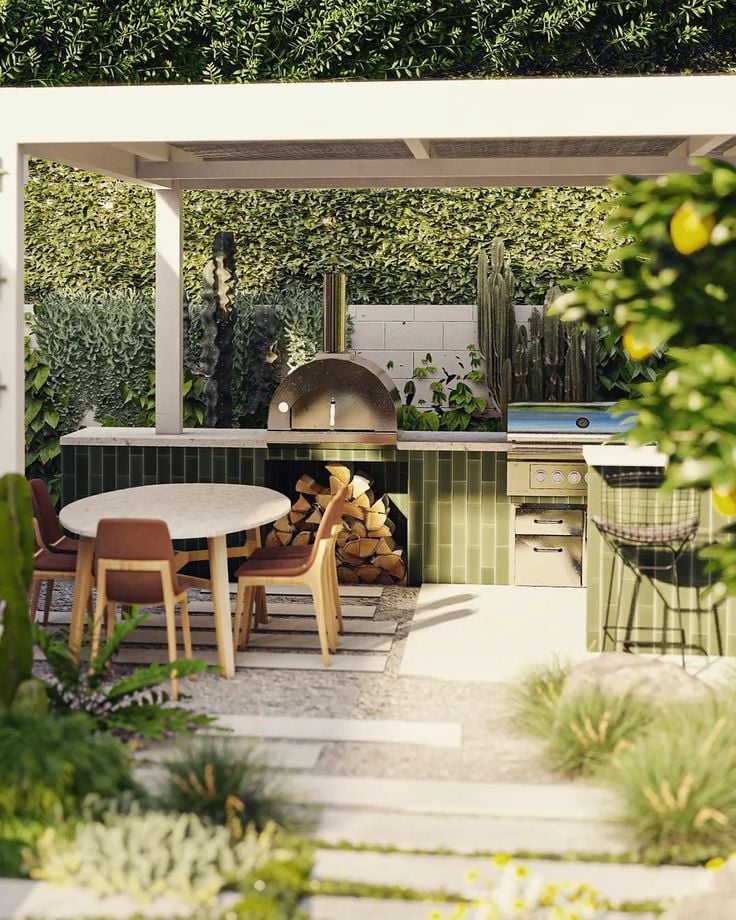
Framing Views
Openings are architecture in miniature. A sliding door isn’t just a door; it’s a frame. What it reveals matters. A sofa oriented toward a garden, a kitchen island facing a terrace, a planted pocket framed by a mullion—these are the moments that connect inside and out. Thresholds aren’t barriers. They’re gestures. Alfresco living is partly about framing what the eye experiences, letting the view speak without walls.
Furniture as Connector
Custom furniture often does the heavy lifting. A dining table that spans indoors and outdoors, benches that can be rearranged depending on openings, modular seating that adapts to flow—these objects tie the two worlds together. They anchor scale, materiality, and proportion. And they do it quietly. A sun-faded teak lounger outside, a muted clay sofa indoors—these choices create rhythm, define activity, and make the threshold feel alive.
Sound, Scent, and Texture
Alfresco spaces are multisensory. Interiors rely on surfaces and light. Outdoors, sound and scent matter too. The rustle of bamboo, water trickling, birdsong, even flowering plants—all change how a space is experienced. Furniture and materials can amplify or soften these effects. Timber cladding carries sound differently than stone. Plantings filter, diffuse, or frame. The space is not just seen—it’s felt.
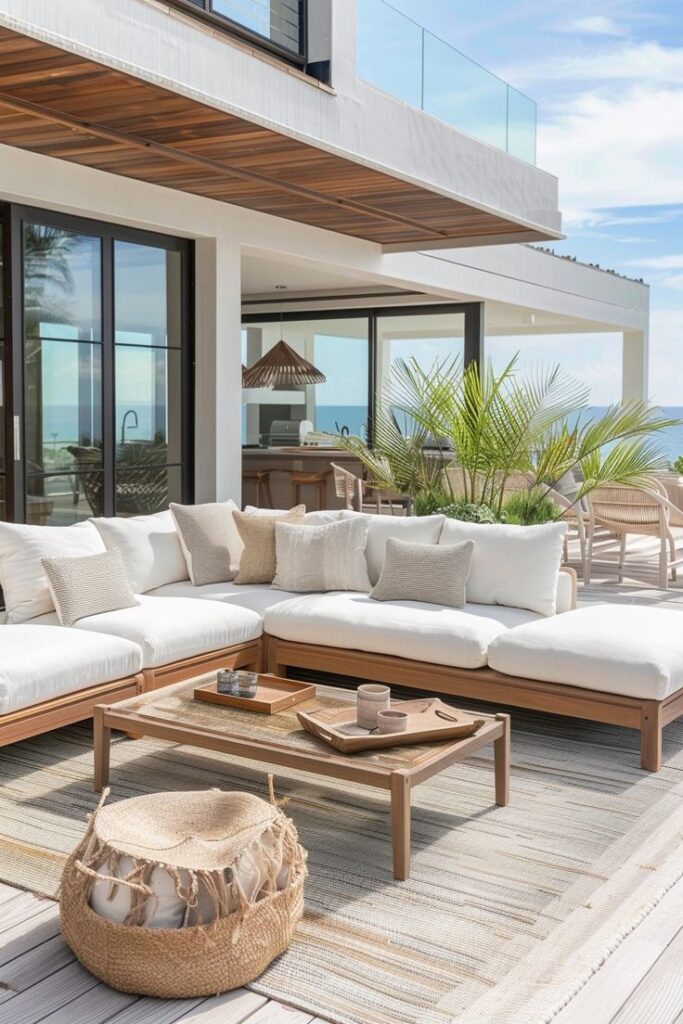
Flexibility and Movement
Movement is the point. Screens, retractable roofs, sliding doors, light furniture—they all allow the space to shift with season, use, or mood. A terrace hosts breakfast in morning sun, lunch spilling from the kitchen, a quiet evening drink. Furniture and thresholds respond, making the transition between inside and outside feel natural rather than forced. Alfresco living is adaptable, fluid, alive.
Plants as Architecture
Plants aren’t decoration. They’re architecture too. Vertical walls of greenery act as privacy and backdrop. Low shrubs mark borders. Planting mirrors interior palette—texture, color, scale. Even a single potted plant is part of the conversation. The right selection mediates light, shadow, reflection. It softens edges, frames views, and completes the dialogue between inside and outside.
Imperfection Adds Life
Outdoors is never perfect. Wood weathers, stone shifts, fabrics fade. These aren’t flaws—they’re charm. Interiors are curated, controlled. Outdoors evolves, adapts, lives. The contrast matters. The polished calm inside makes the spontaneous, living exterior feel intentional. A terrace that changes with sun, rain, or season reads as effortless because it’s real, not staged.
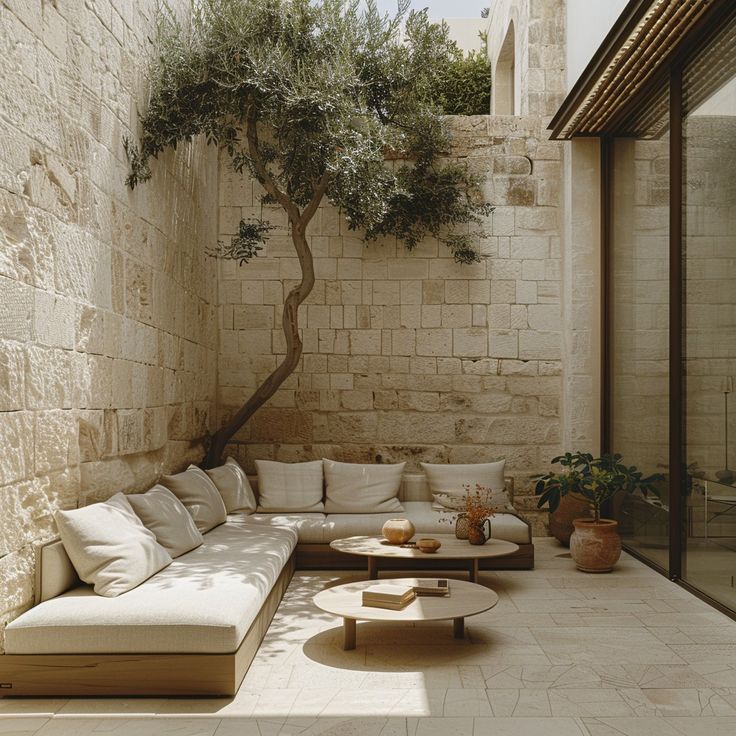
Living Between Thresholds
Alfresco inspiration is about inhabiting thresholds. Rooms spill outside. Terraces borrow interior warmth. Kitchens extend into gardens. The line between inside and outside dissolves. Light, air, sound, materials—they all cross thresholds. Interior and exterior become conversation partners. Furniture, material, light, planting—they orchestrate experience. The space feels larger, fluid, alive. Bodies move differently. Time becomes part of the architecture.
The result is subtle. The transitions, the shadows, the echoes in material, the placement of furniture—these are small decisions that define the success of indoor-outdoor living. It’s not about gimmicks. It’s about life spilling naturally, without interruption.