













Please submit your information to view the hidden files
About Talenti Adam Extending Dining Table
Design
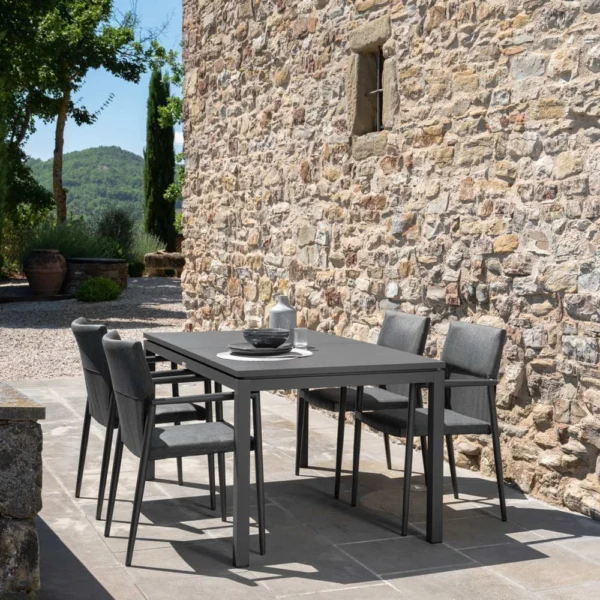
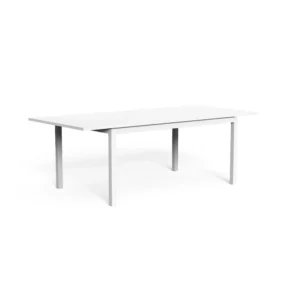
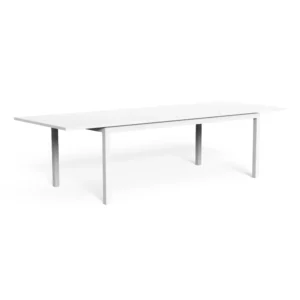
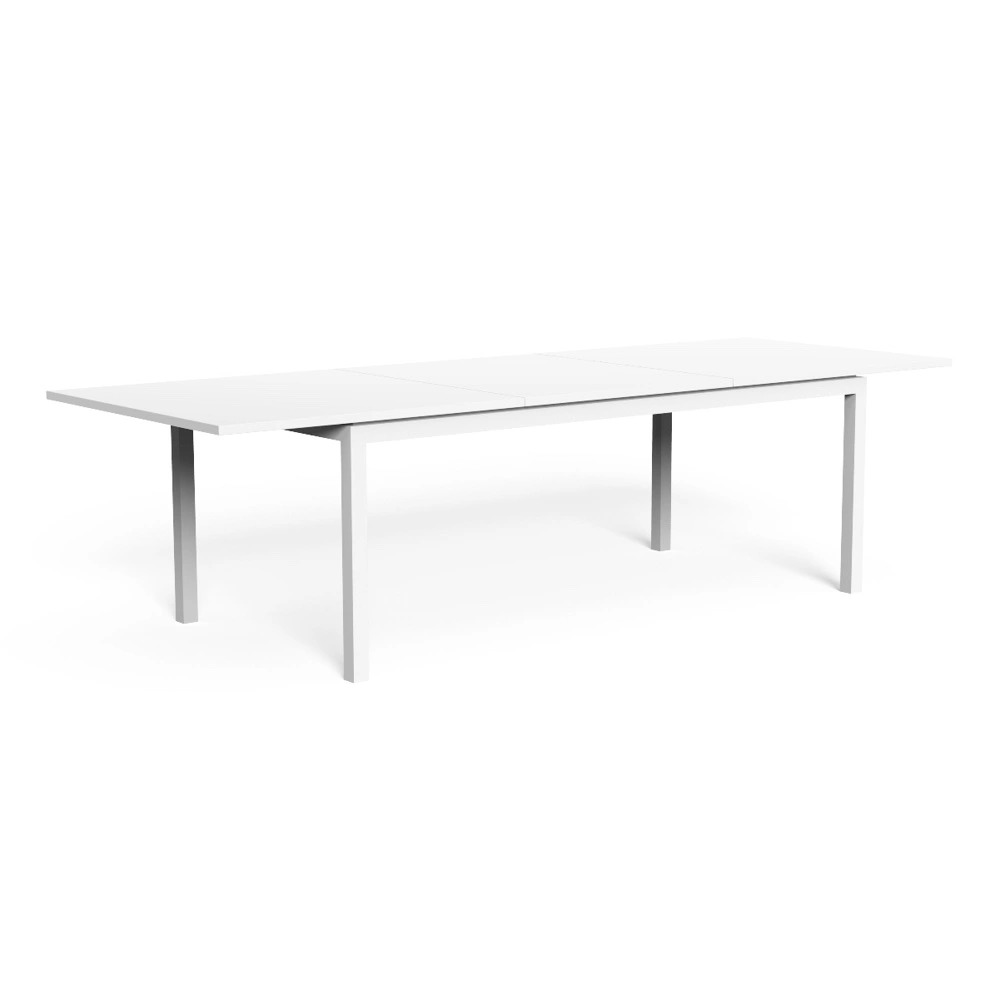
The Adam Extending Dining Table by Talenti keeps a clean profile while quietly expanding the possibilities of a room. Lines are straight, proportions balanced, the look calm and modern. It extends with an ease that doesn’t steal attention, moving from an intimate setting to a generous gathering surface without a visual fuss. At its smaller size, it suits everyday meals. Opened, it becomes a longer stage for family and guests. The silhouette stays consistent either way, so the space feels thought-through, not makeshift.
Materials & build
This table is crafted entirely in aluminum—frame and top—chosen for its strength-to-weight ratio and its poise outdoors. The result is reassuringly solid yet manageable, about 75 lb, so placement is simple and the stance is steady. Surfaces are precise, edges are clean, and joints read as intentional design rather than technical necessity. It’s the kind of engineering that looks effortless because the details are resolved.
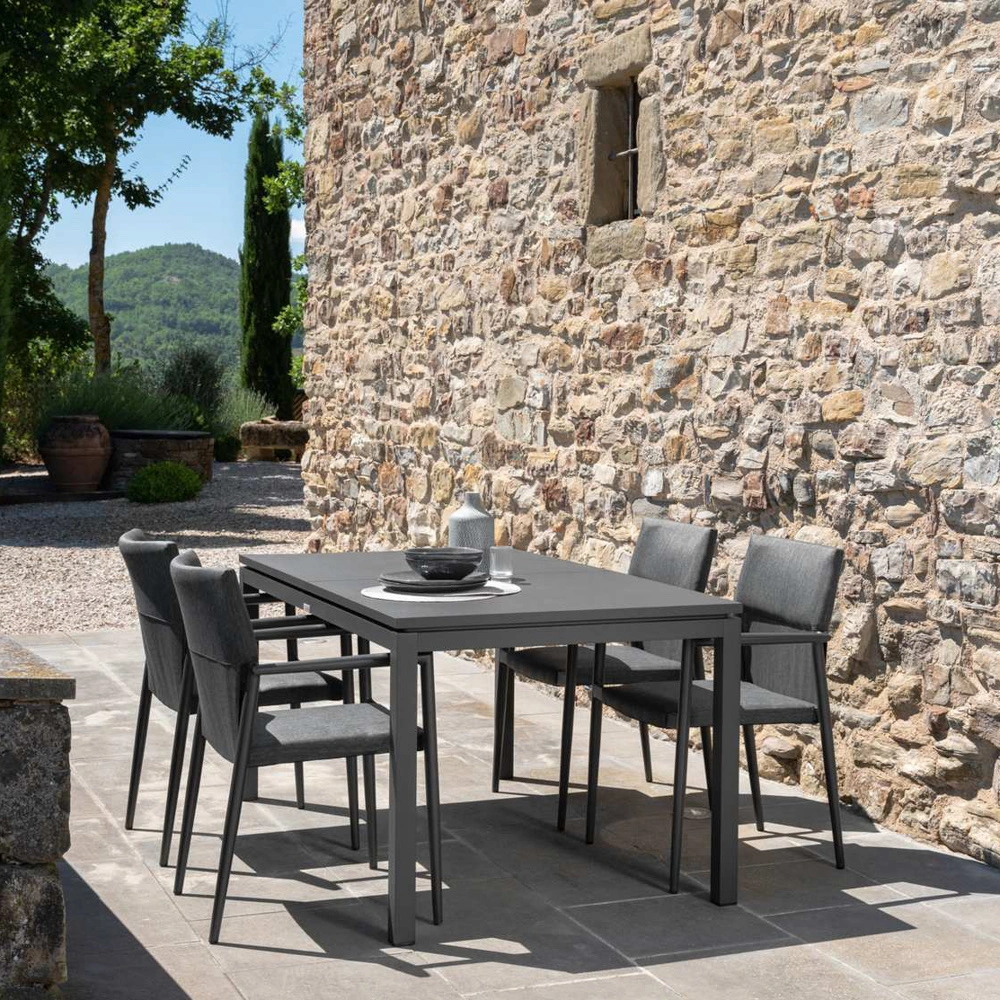
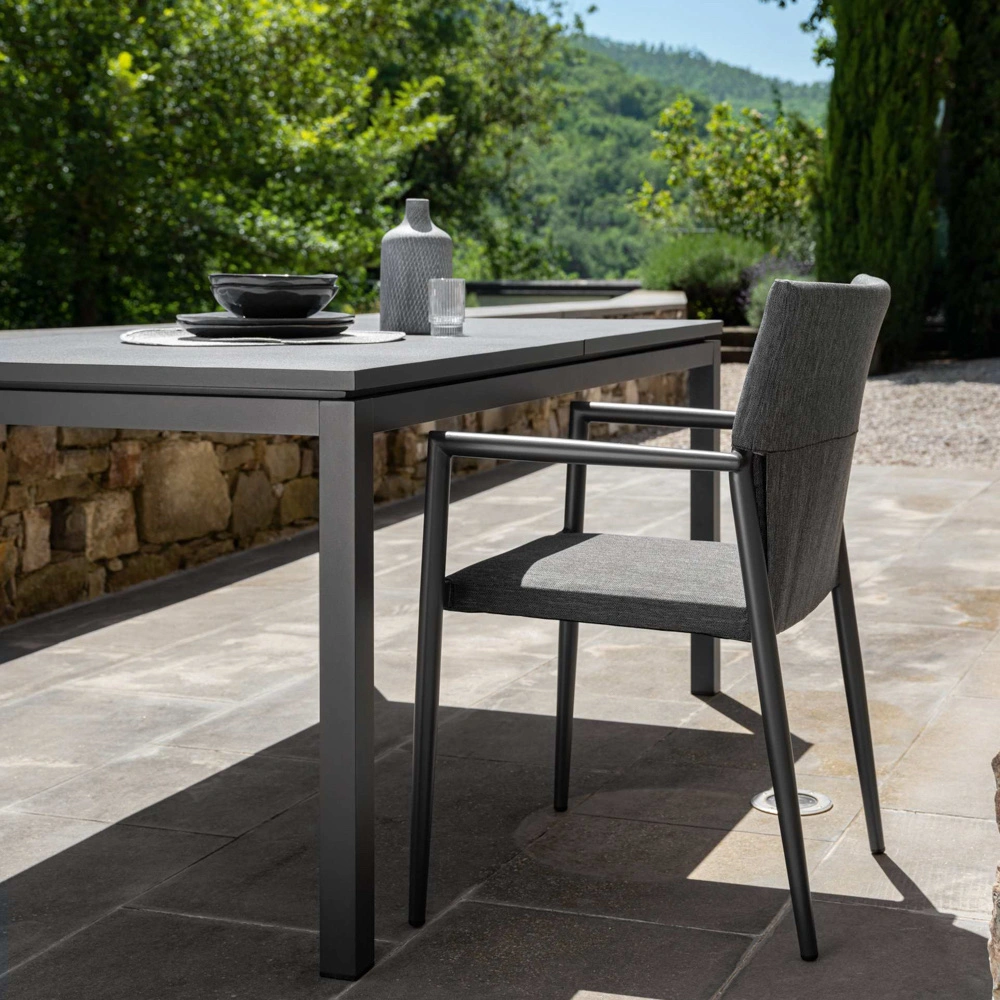
The extension shifts the top from approximately 61.5 inches to 84.25 inches in width, with a depth of about 35.5 inches and a height near 29.5 inches. Those dimensions feel right in practice: enough room for settings and serving pieces, not so wide that conversation drifts. Finishes include crisp white and a deep charcoal, each lending a distinct character—bright and architectural, or quietly graphic—without changing the essential restraint of the form.
Comfort
Comfort here is about room to move and a surface that works as hard as it looks. The height pairs naturally with standard dining chairs, while the footprint leaves space for legs and for sliding in and out without awkward angles. When extended, seating feels continuous rather than pieced together, so everyone keeps the same reach to plates and glassware. And because the top and frame are aluminum, there’s no heavy visual bulk under the edge, which keeps the table feeling open and relaxed.
Placement & lifestyle
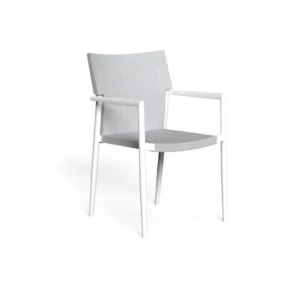
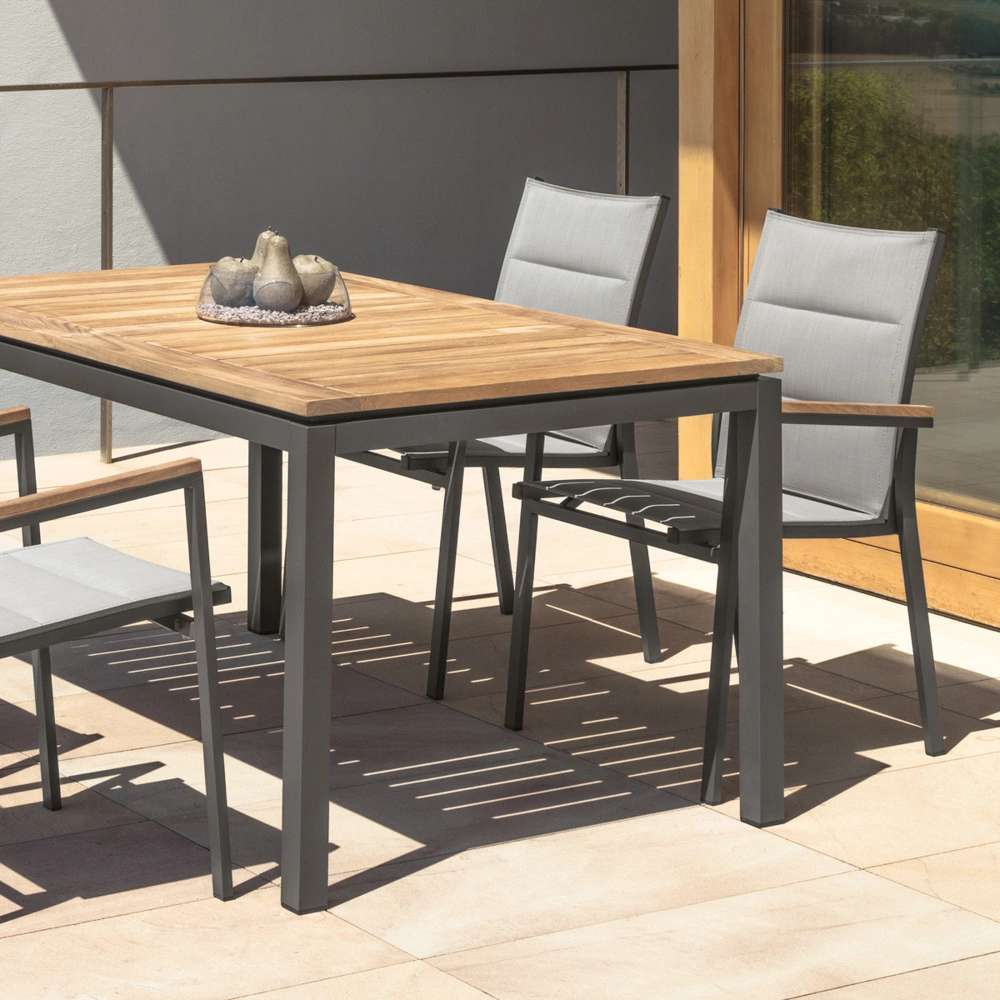
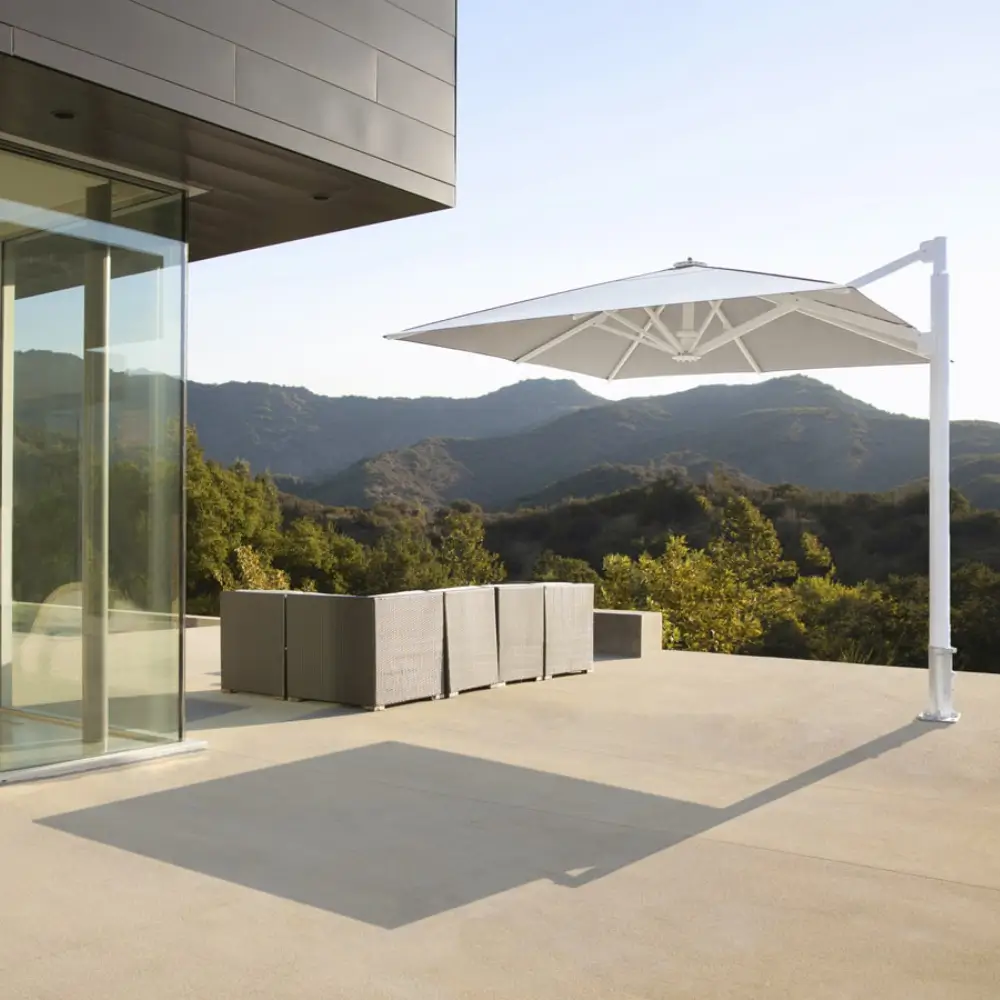
Indoors or out, the Adam Extending Dining Table finds its place with ease. On a terrace, it anchors a lounge setting and still reads light against the horizon. In an open-plan kitchen, it lines up neatly with cabinetry and island stone, offering a crisp counterpoint to softer upholstery around it. It mixes well with woven, metal, or timber chairs—matching finishes aren’t required for it to feel cohesive. Weeknights, it’s a practical surface that wipes clean.