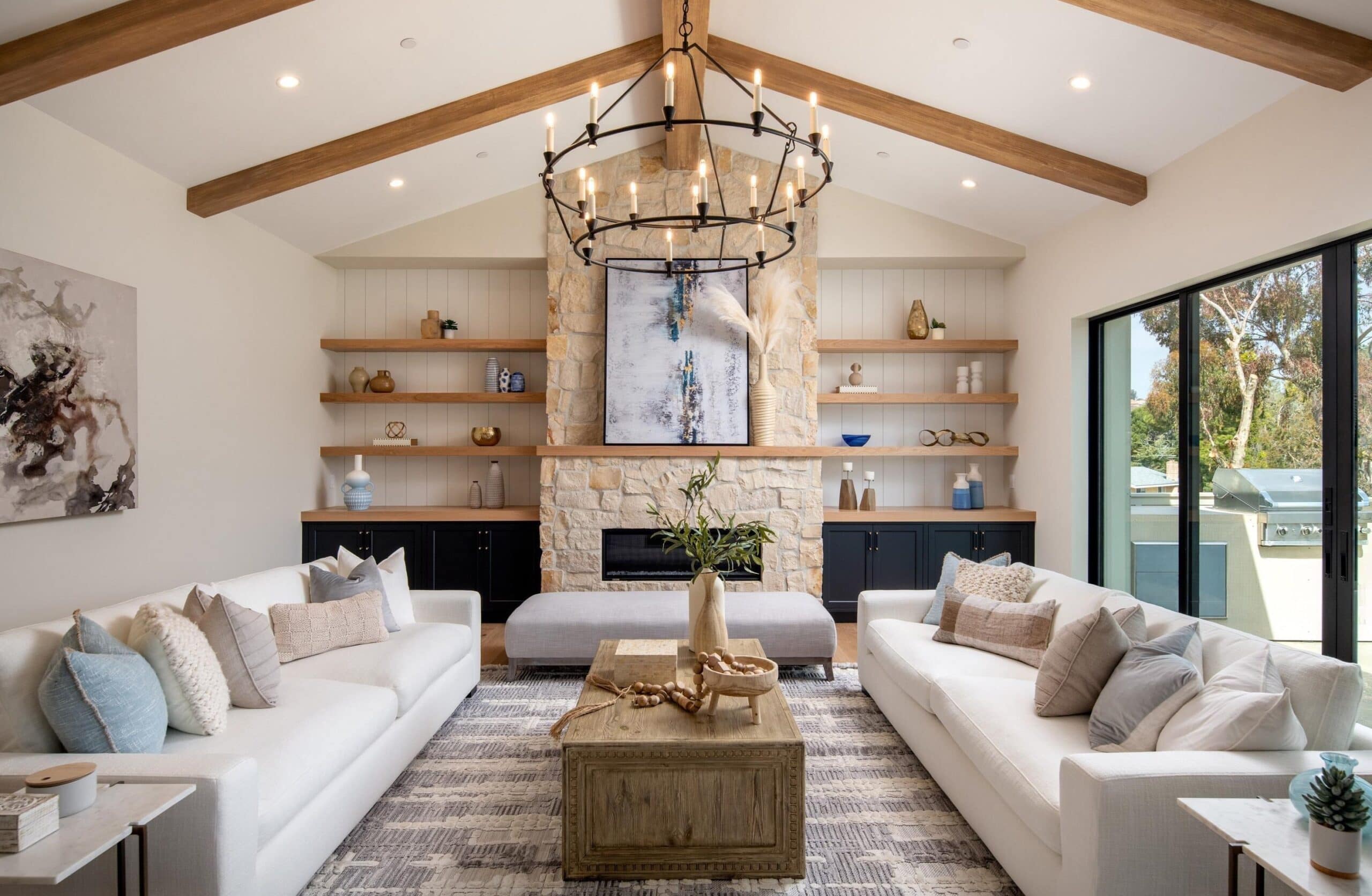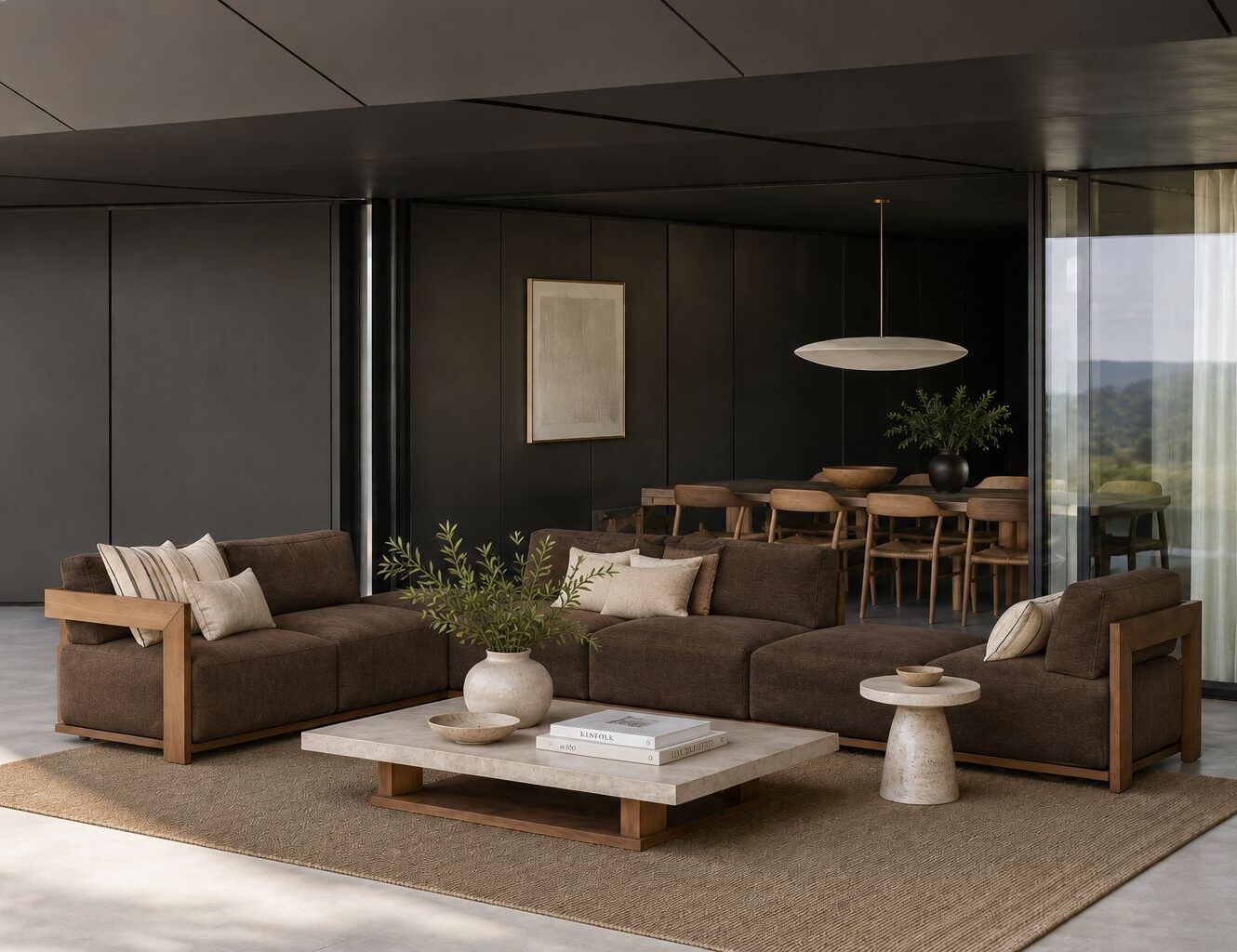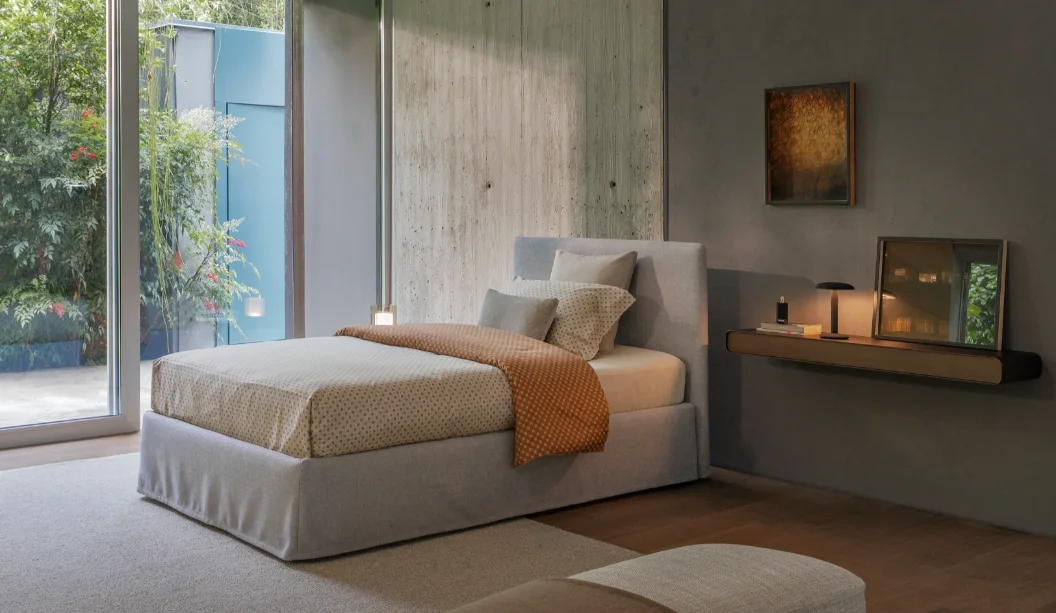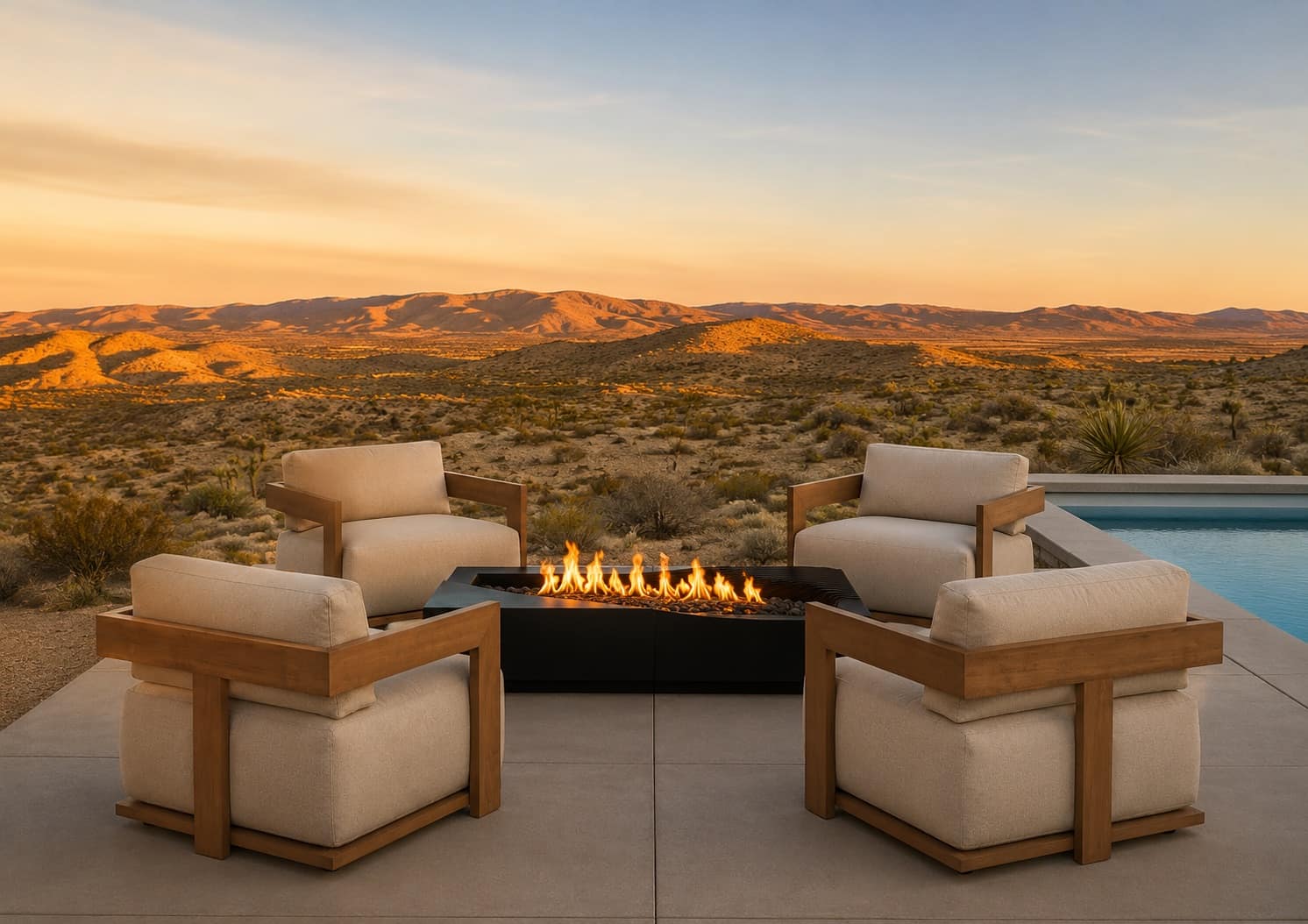



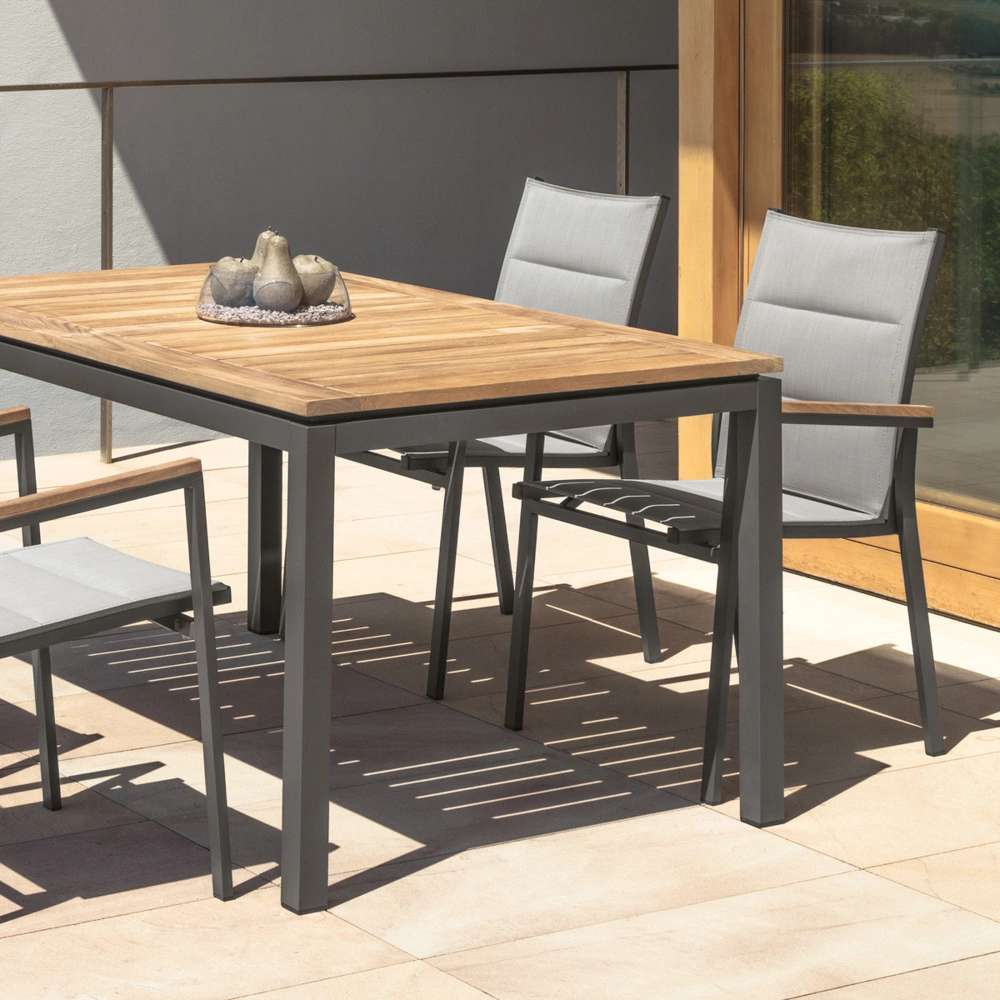
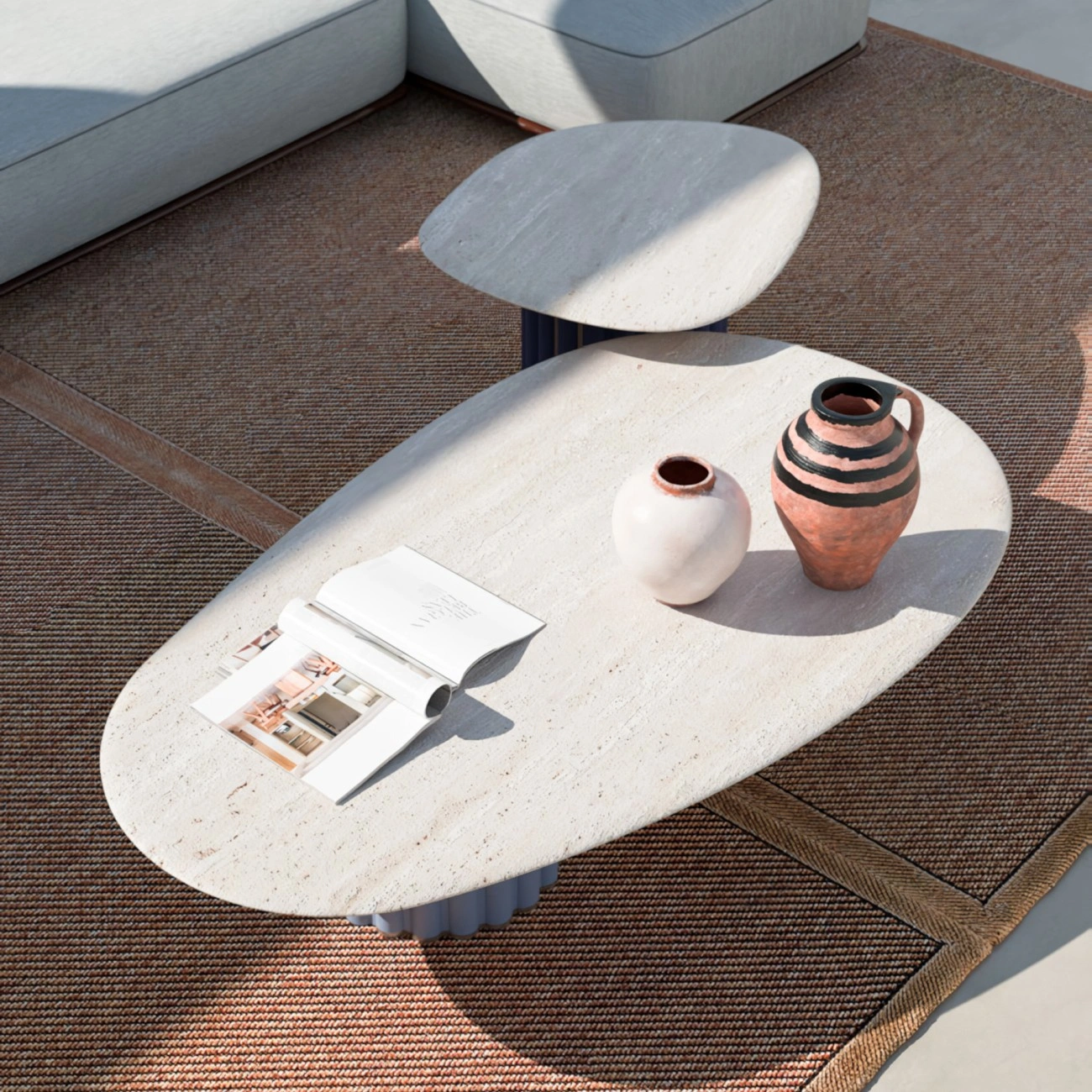


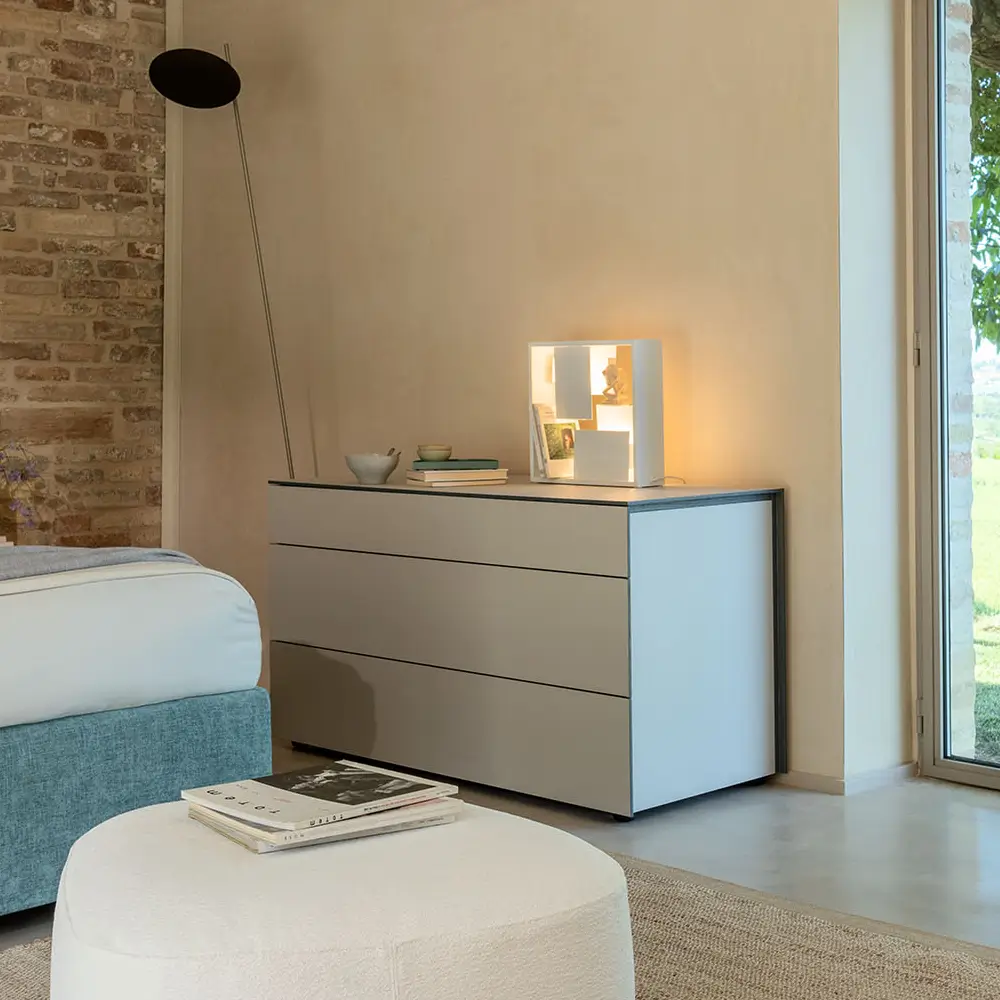
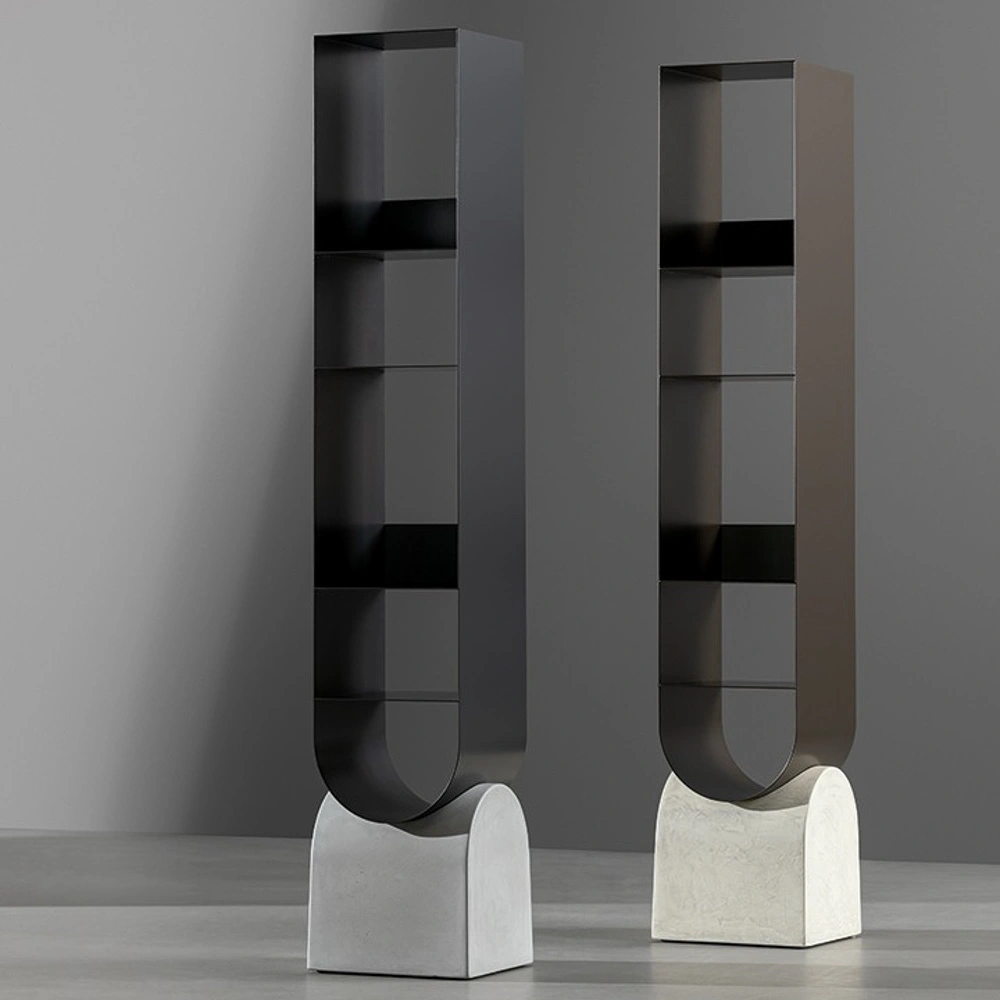






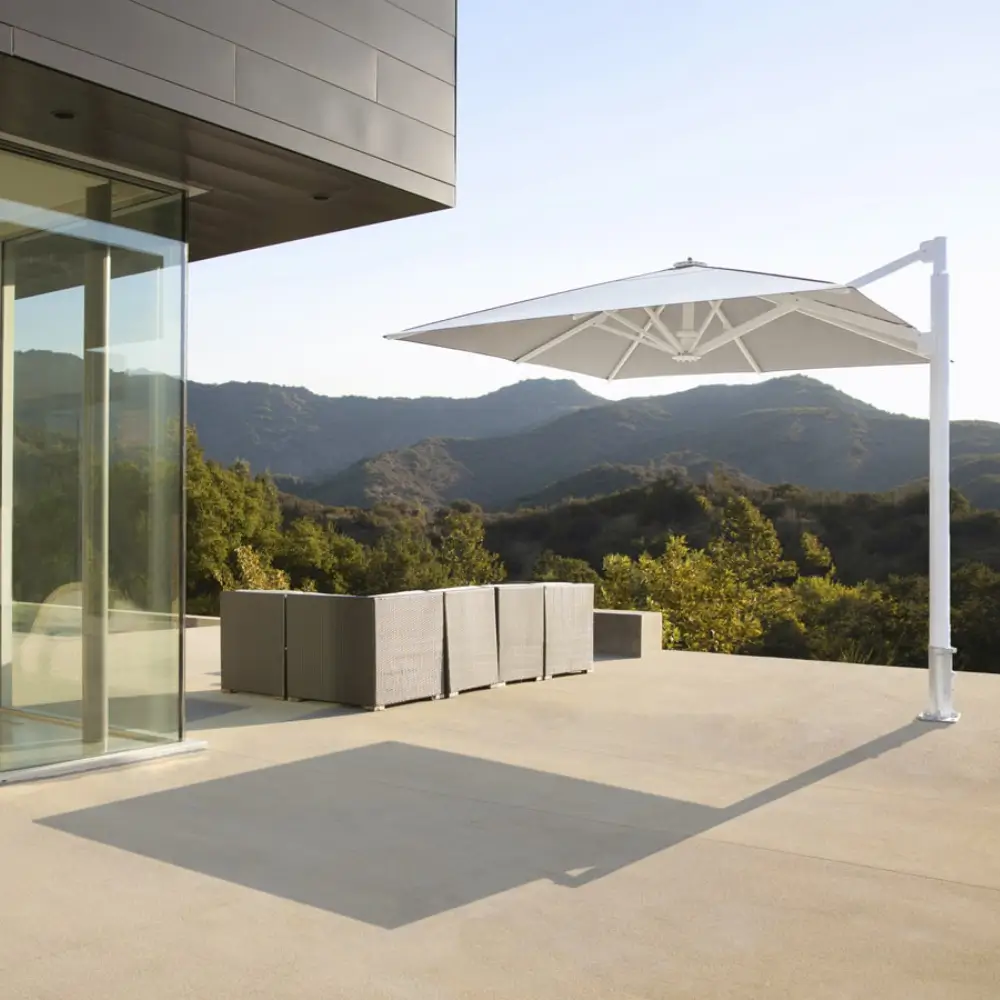


There’s a certain rhythm to a wicker chair when the sun hits it just right. Shadows of the weave scatter across the floor, shifting as the day moves, and suddenly the furniture feels alive. It isn’t just about seating. It’s a moment, a pause, a way to feel the light and air at the same time. That’s what makes wicker the quiet hero of 2026 outdoor living—it’s both sculptural and tactile, simultaneously decorative and functional.
Outdoors have long been a second thought for interiors. A few chairs, maybe a table, usually metal or plastic because it lasts. Wicker furniture changes that. It’s willing to be beautiful and comfortable at the same time. It occupies space differently. A woven lounge chair doesn’t just sit there; it interacts with the terrace, the patio, the deck. You notice how the weave bends, how it catches light, how it shifts under weight. There’s humanity in it. A wooden bench or a steel-framed chair can be elegant, but wicker feels lived in without being sloppy.
Scale and Presence
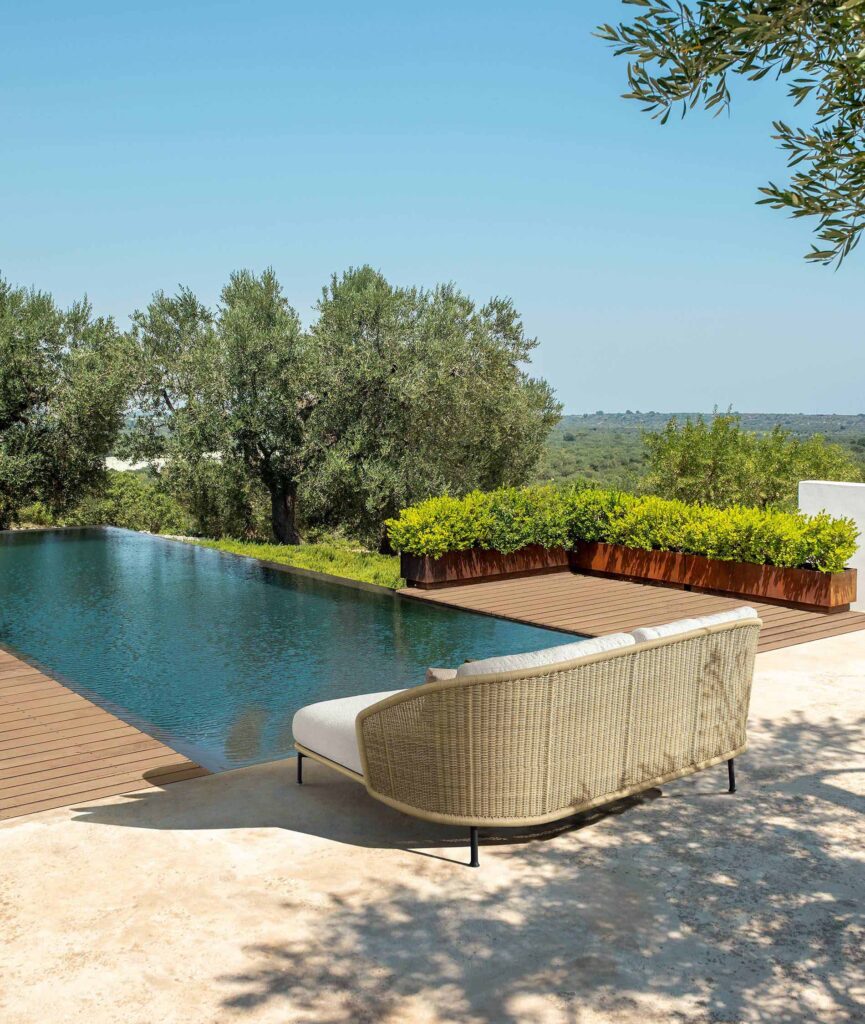
Outdoor living in 2026 is not about dainty chairs pushed against a wall. The furniture is big, oversized, almost sculptural. Deep loungers, wide armchairs, sectional sofas that curve to mimic conversation circles. Wicker handles volume differently than metal or resin. It’s light in presence but substantial in impact. Even a single lounge chair can anchor a terrace. A sectional can define a patio without walls. It fills space while leaving room for air, for light, for movement.
It’s also forgiving. Outdoor spaces are rarely perfectly proportioned. The organic irregularity of the weave makes it adaptable. A slightly angled back or uneven strand doesn’t feel like a flaw—it reads as texture, as depth, as subtle choreography.
Material That Breathes
The renaissance of wicker isn’t purely aesthetic. It’s material innovation. Natural rattan is being treated, synthetic fibers are being woven with astonishing fidelity, and hybrid constructions combine aluminum frames with synthetic strands. The furniture can survive sun, rain, and seasons without losing charm. You can leave it on the terrace, and it will continue to age beautifully rather than deteriorate abruptly.
There’s something human about that. The furniture feels like it can be inhabited, not just admired. Cushions are thick but breathable, soft without collapsing. The furniture bends just enough under weight, cradles without sagging. It’s deliberate. Every curve, proportion, and seam considered. This isn’t flabby outdoor furniture pretending to be cozy; it’s structured comfort, measured yet generous.
Color and Layering
Traditional wicker meant honey and tan. Now, designers experiment with black, muted grey, even deep navy strands. They mix these with cushions in saturated colors—terracotta, olive, mustard—so the effect is lively but anchored. The contrast between natural texture and unexpected color makes pieces feel elevated. Matte finishes, hand-brushed textures, weathered effects all add to that sense of effortless layering. The furniture isn’t shouting, but it’s also refusing to disappear.
Layering is more than color. Rugs, side tables, planters, and lighting all interact with wicker. A woven sofa against a natural jute rug, low ceramic tables, scattered greenery. It reads as curated without being staged. And lighting? Shadows cast by the weave at dusk animate the space. The furniture becomes part of a living canvas, changing from morning to night.
Custom and High-End
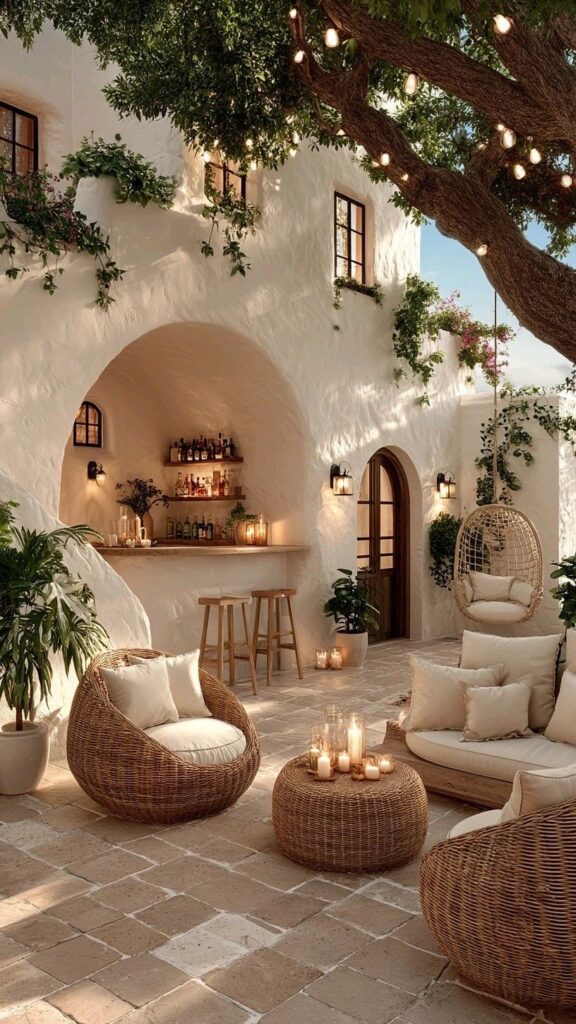
High-end pieces anchor the look. A custom sectional whose proportions mirror the terrace, a bench with an unusual weave, a lounge chair crafted to echo the lines of the dining table. They give the furniture weight, literally and figuratively. They turn outdoor seating into a design statement without turning it into a gallery installation.
Custom doesn’t have to mean ostentatious. The beauty lies in restraint. Selective interventions—a unique table here, a bespoke chair there—carry intention across a terrace without screaming for attention. The outdoor space suddenly reads as authored, not thrown together.
Movement and Modularity
Wicker is forgiving but also surprisingly flexible. Sectionals, ottomans, lounge chairs—they can be rearranged. A terrace for two becomes a terrace for six, then transforms into a lounge for cocktails. The modularity is physical but also visual. The eye follows curves, lines, and repetition in the weave. Nothing feels static. The furniture is alive in a way that a rigid teak bench never quite is.
The interplay between scale, texture, and modularity makes wicker ideal for the kind of outdoor living we crave now. The spaces aren’t formal. They aren’t static. They’re inhabited. Rooms extend beyond walls and windows. The furniture adapts without losing compositional integrity.
The Emotional Layer
You notice how people interact with wicker differently. You linger. You cross legs. You lean back. A child runs a hand across the weave. Someone curls up with a book. Even a brief coffee in the morning feels slow, tactile, grounded. It’s hard to replicate that with metal or plastic. Even concrete can feel imposing. Wicker breathes. It accommodates both conversation and solitude, gatherings and pauses.
It’s subtle, but it shapes behavior. Furniture informs interaction. Loungers face one another. Chairs curve around tables. Shadows of the weave give rhythm to the terrace. The space becomes a stage, the furniture the choreography.
Outdoor Living as Lifestyle
This is more than a material or a trend. It’s a philosophy of outdoor living. Homes increasingly spill into terraces, patios, and balconies. Interiors flow outward. Wicker furniture mediates between architecture and landscape. It carries the comfort and style of indoor furniture while responding to the nuances of sun, wind, and rain.
It’s also forgiving in terms of mix-and-match. A vintage chair, a flea market find, a gallery-ready table—they coexist. Wicker becomes a visual and tactile thread tying elements together. The space can be layered, eclectic, or playful while still coherent.
Why It Works
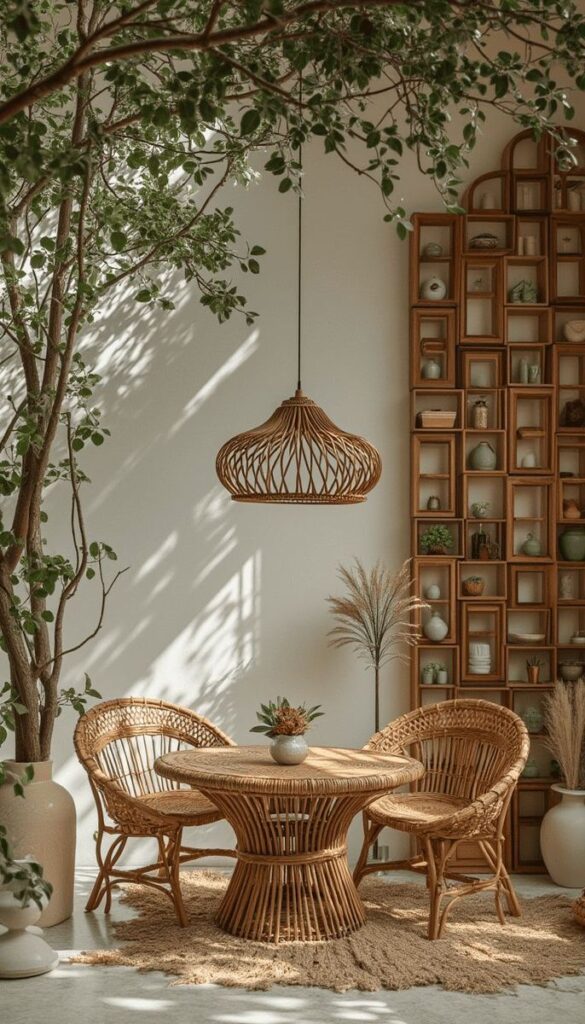
Wicker is human. It’s scale, texture, adaptability, and comfort combined. It accommodates sun and shade, morning coffee and evening cocktails, conversation and silence. It’s tactile, approachable, and alive with shadow and movement. And it’s surprisingly versatile—neutral strands with bold cushions, hybrid frames with classic forms, oversized loungers and intimate chairs.
In a design world increasingly dominated by minimalism, rigid geometry, and flat surfaces, wicker introduces warmth, tactility, and humanity. It’s not a compromise, and it’s not a nod to nostalgia. It’s a material that allows outdoor spaces to be lived in fully.
By 2026, outdoor living isn’t a stage. It’s part of the home narrative. And wicker furniture is the thread that connects it all—the texture, the scale, the comfort, the movement. It’s unassuming, it’s expressive, and most importantly, it’s inviting.