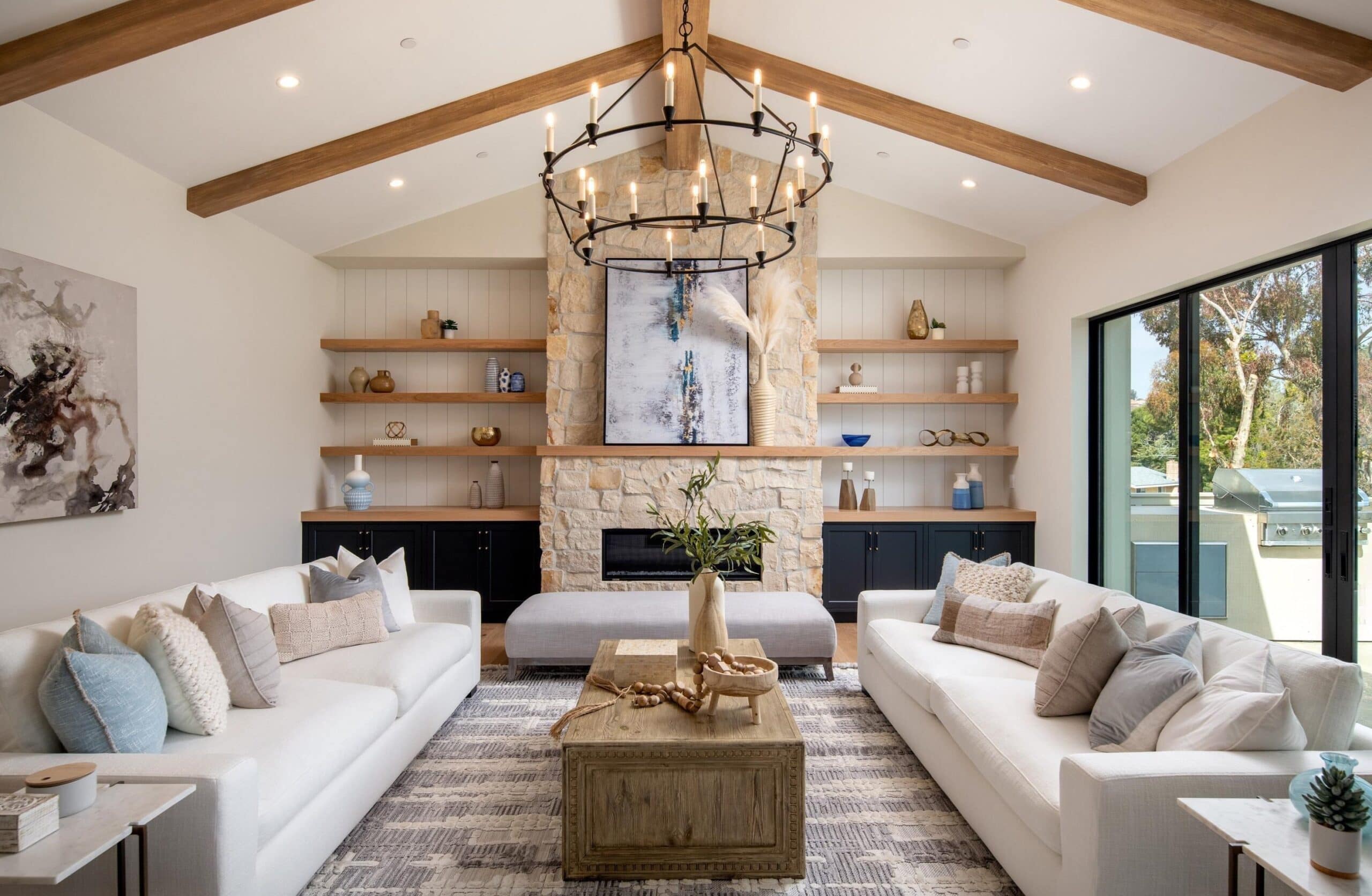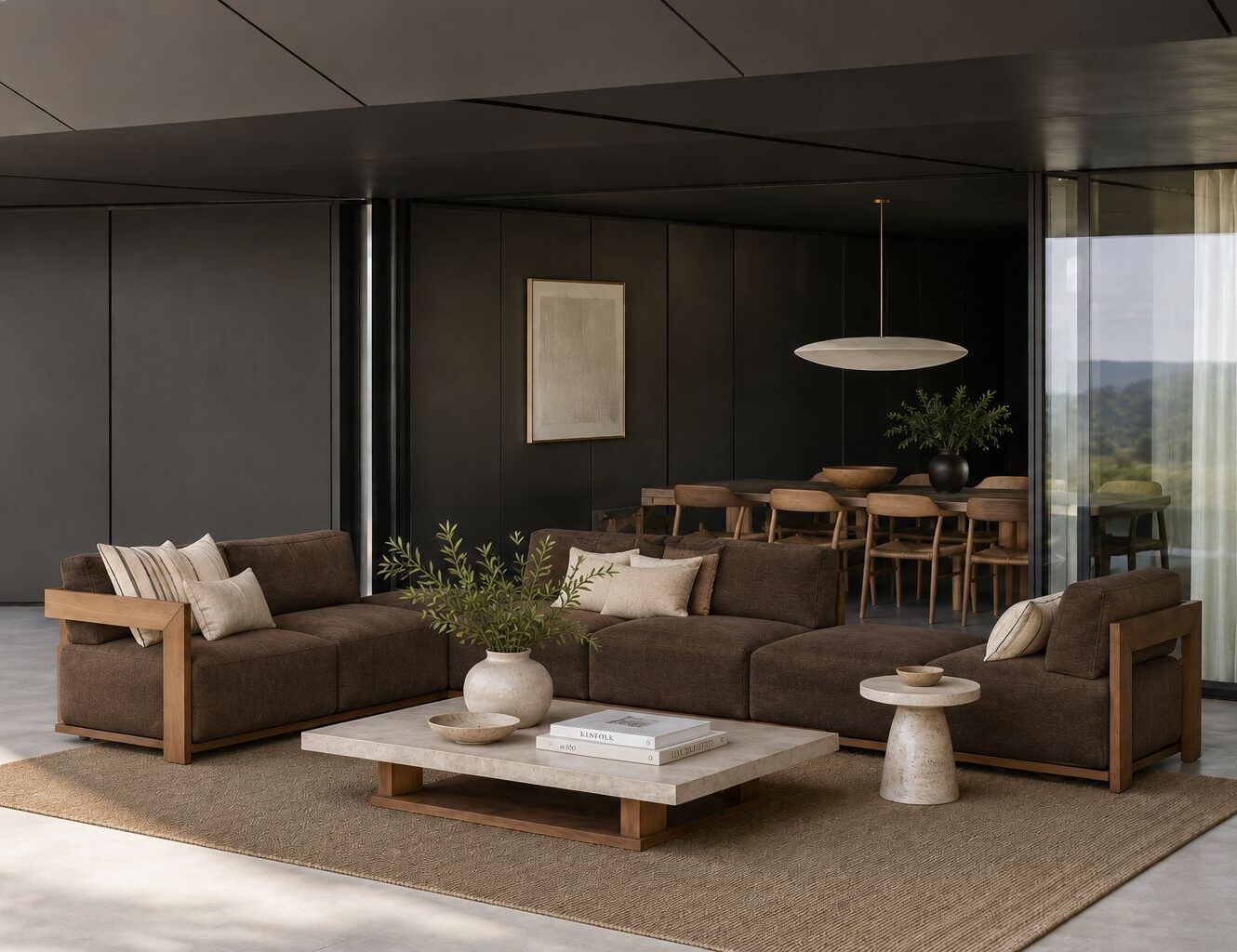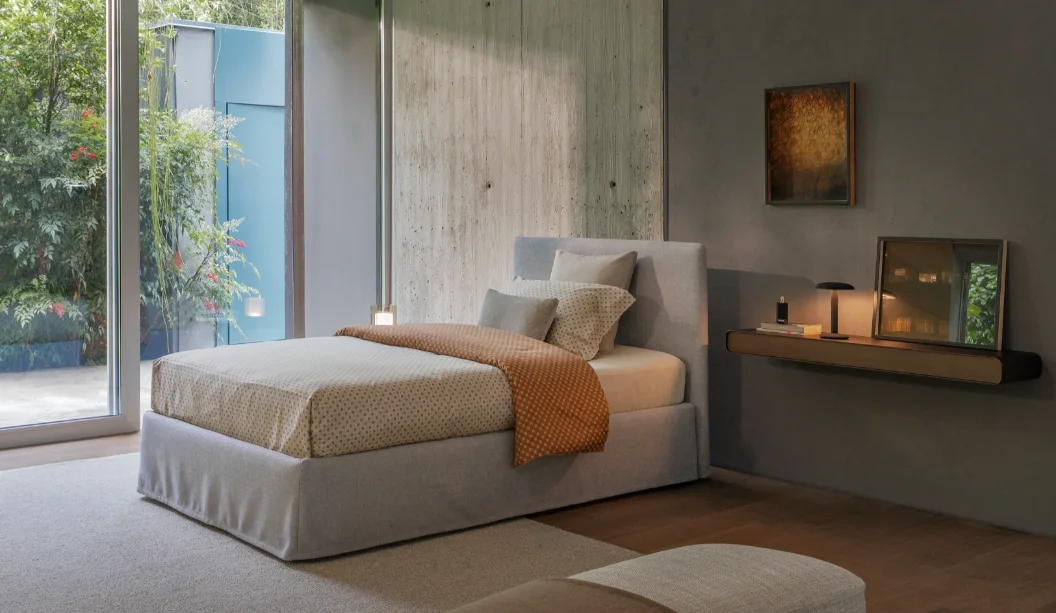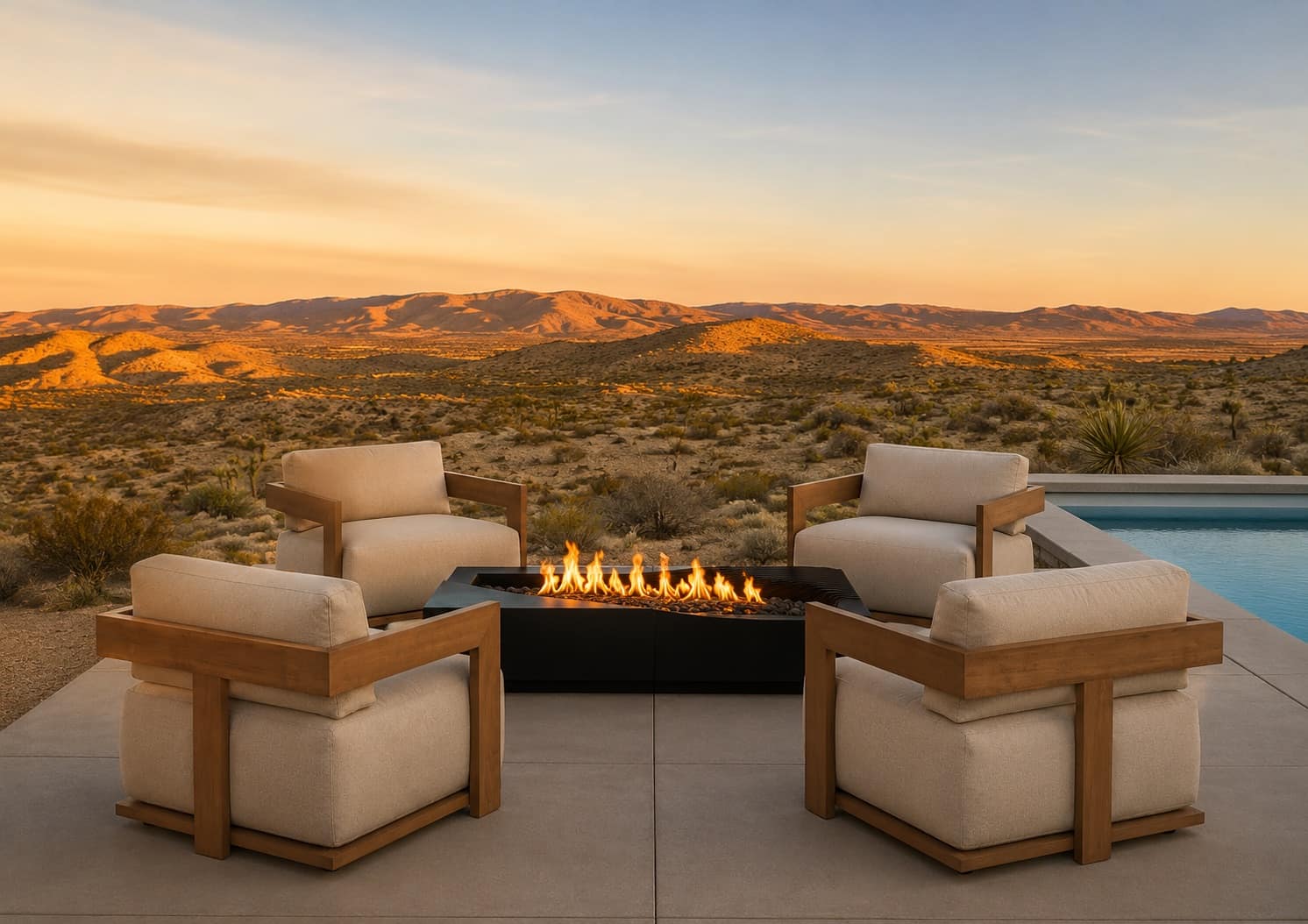

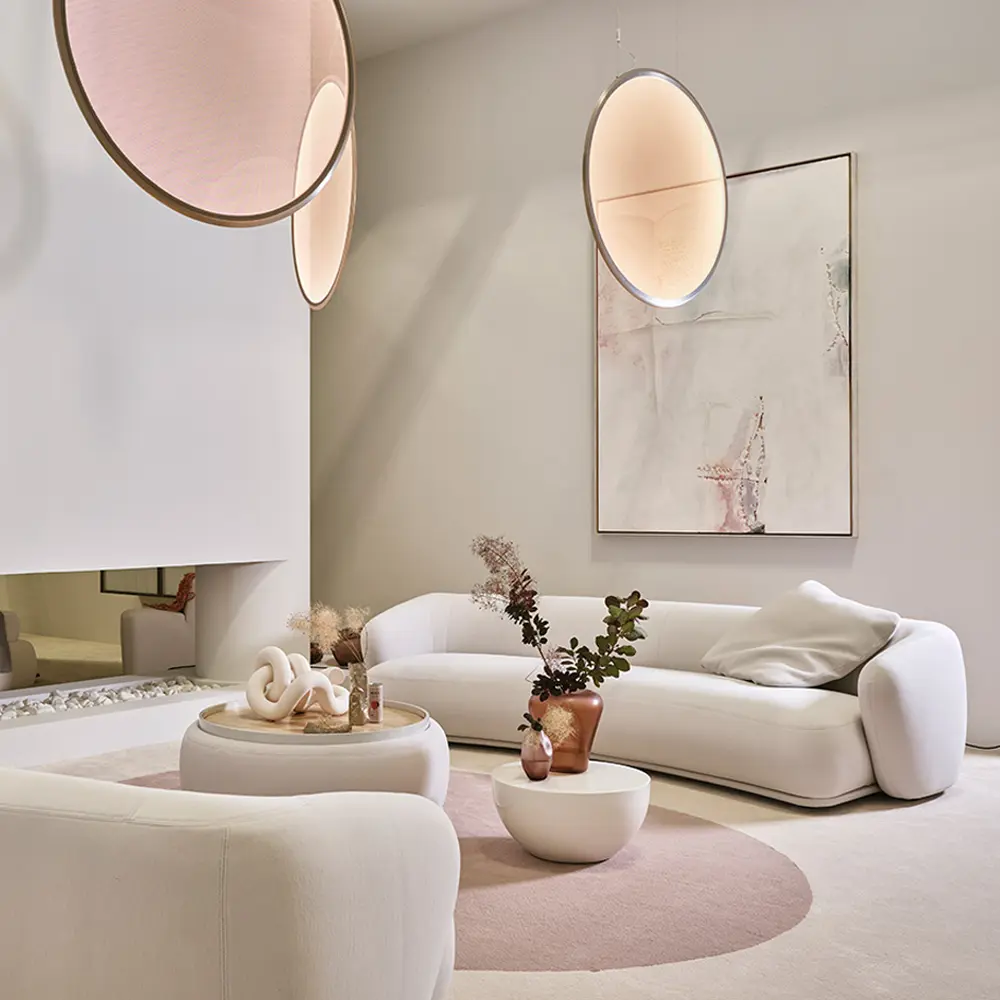
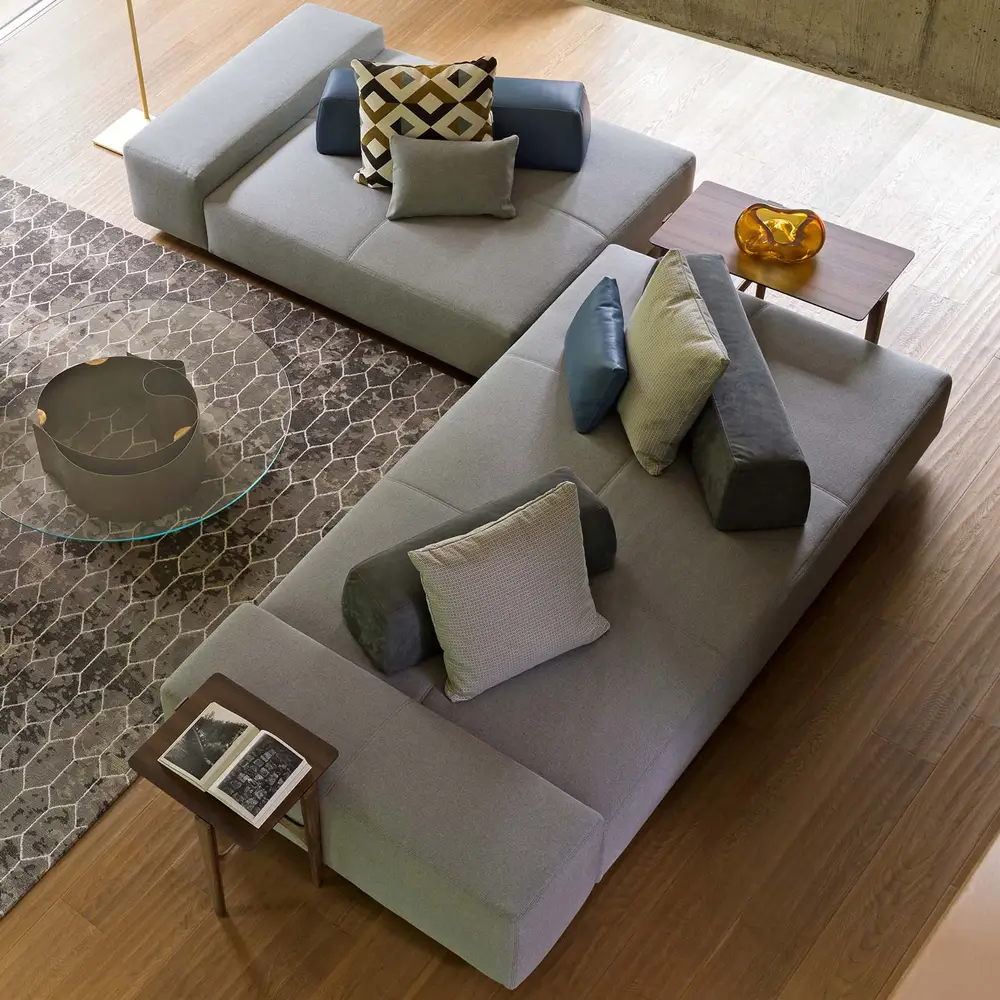
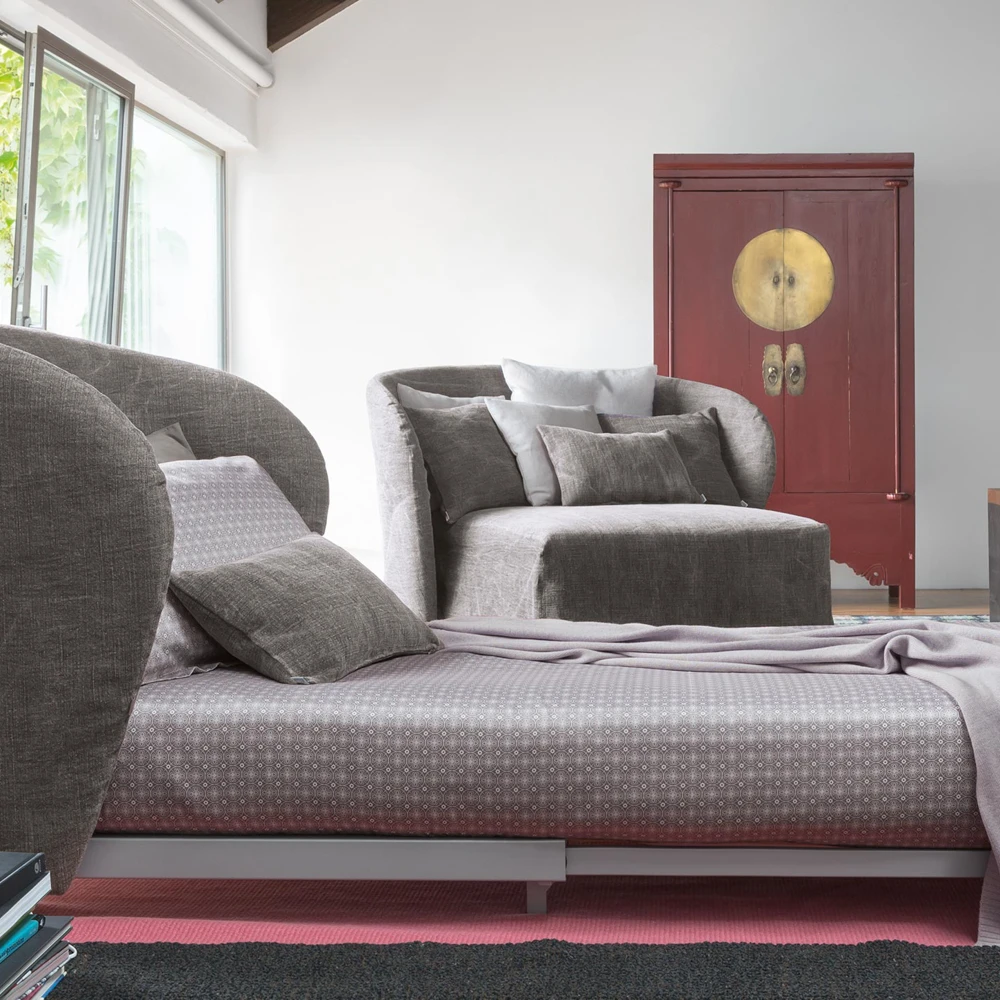
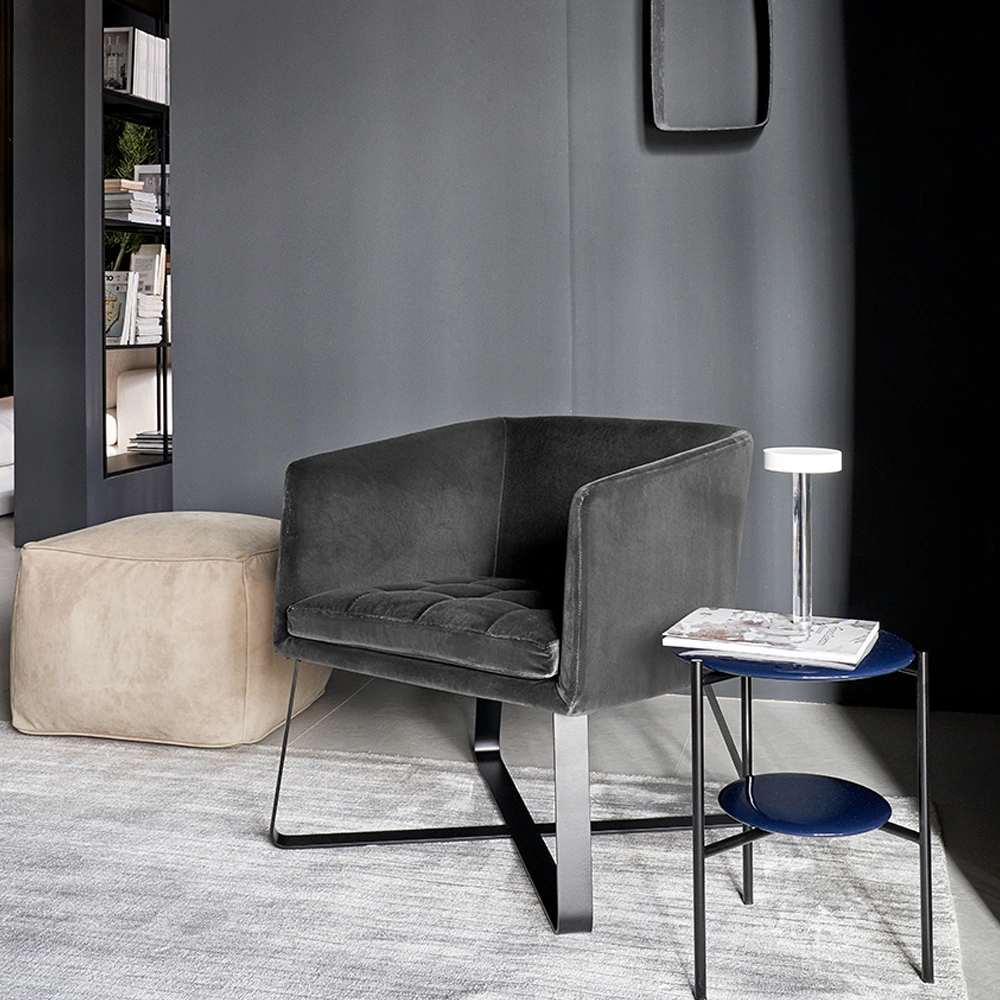


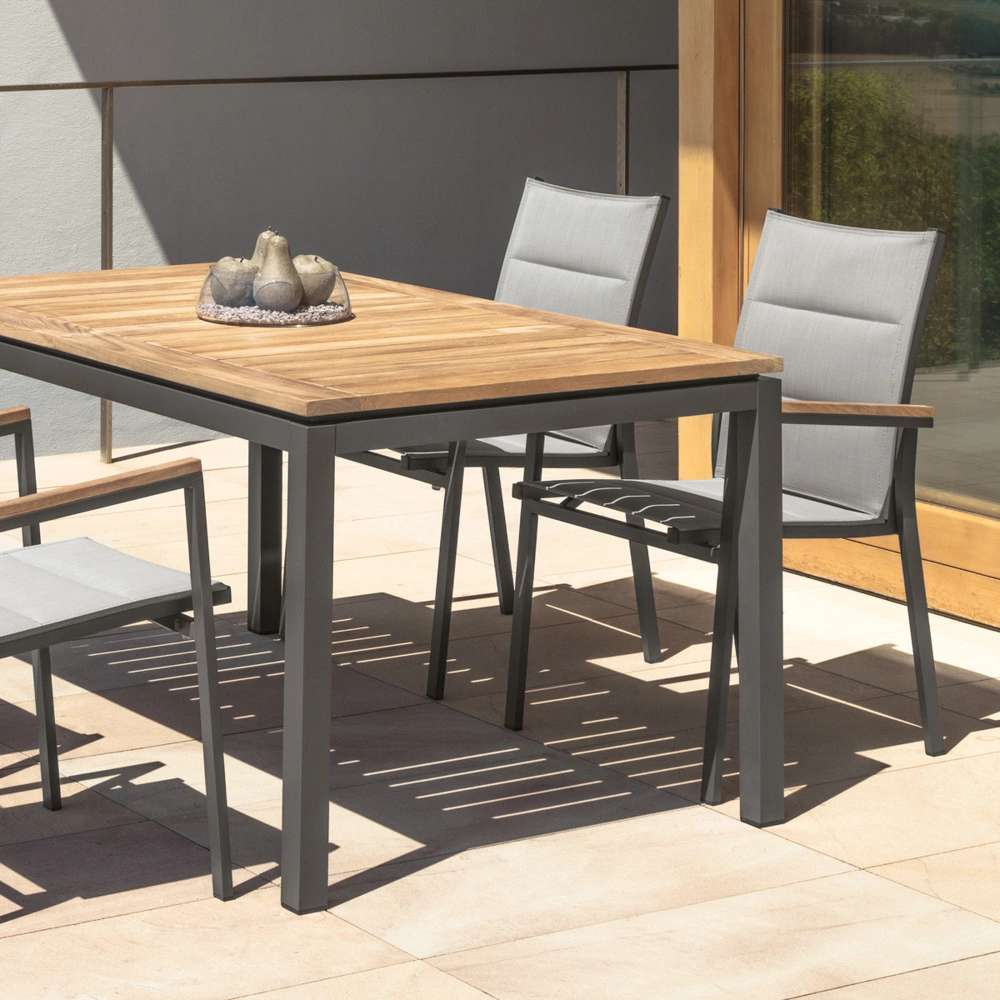
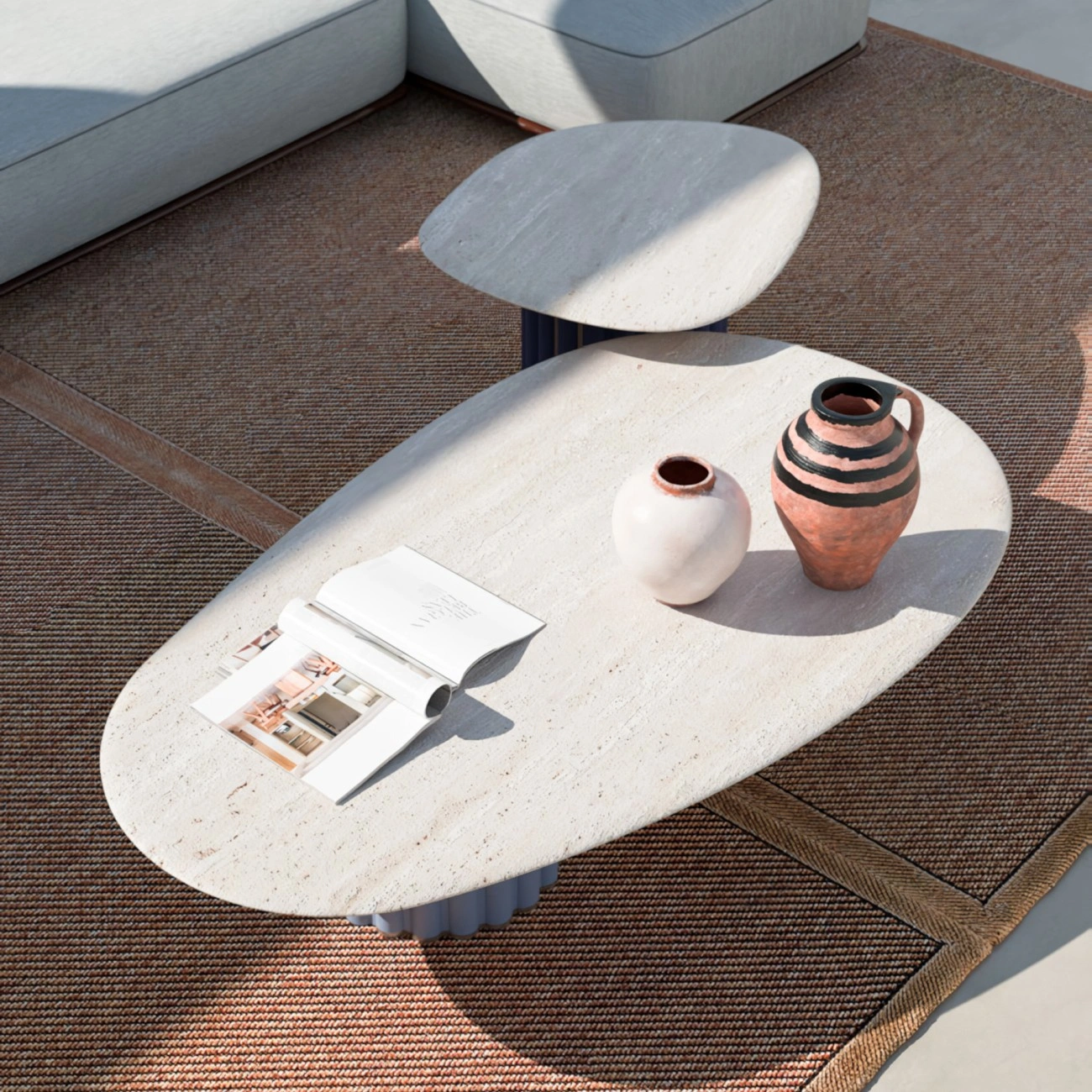


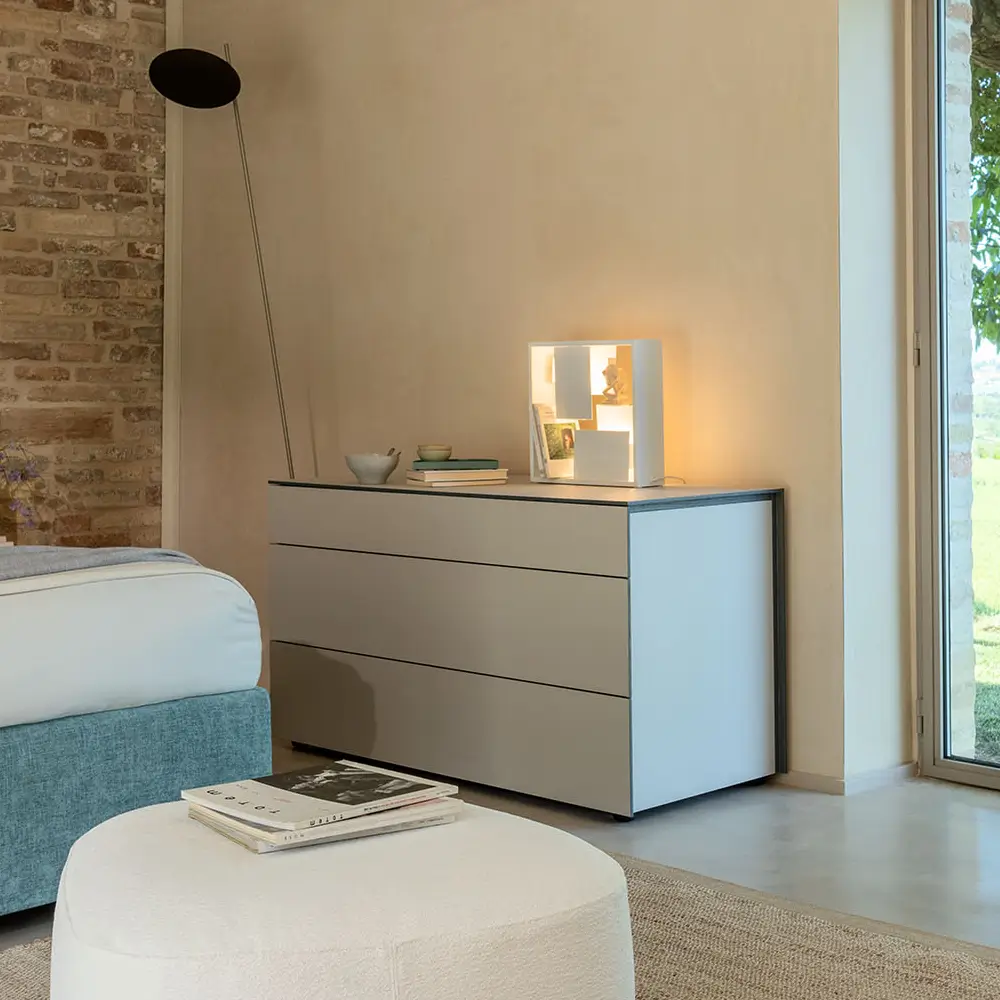
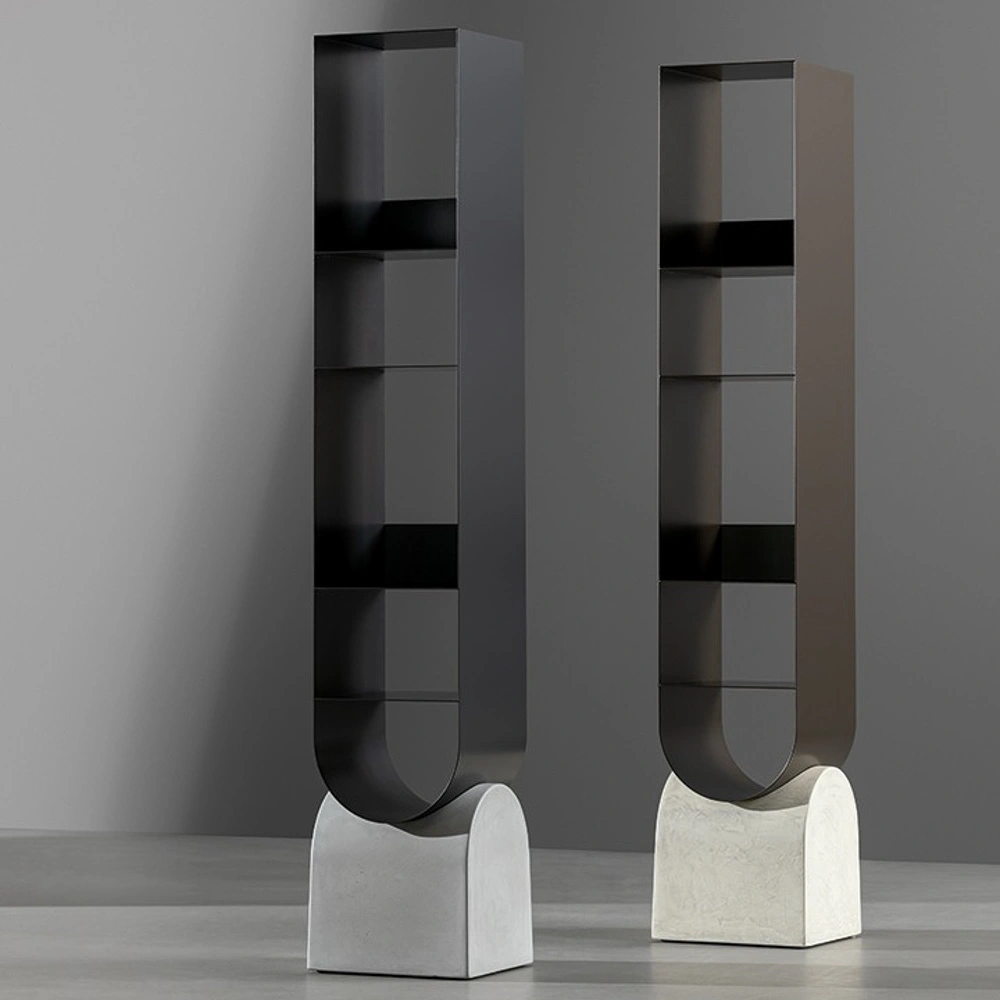
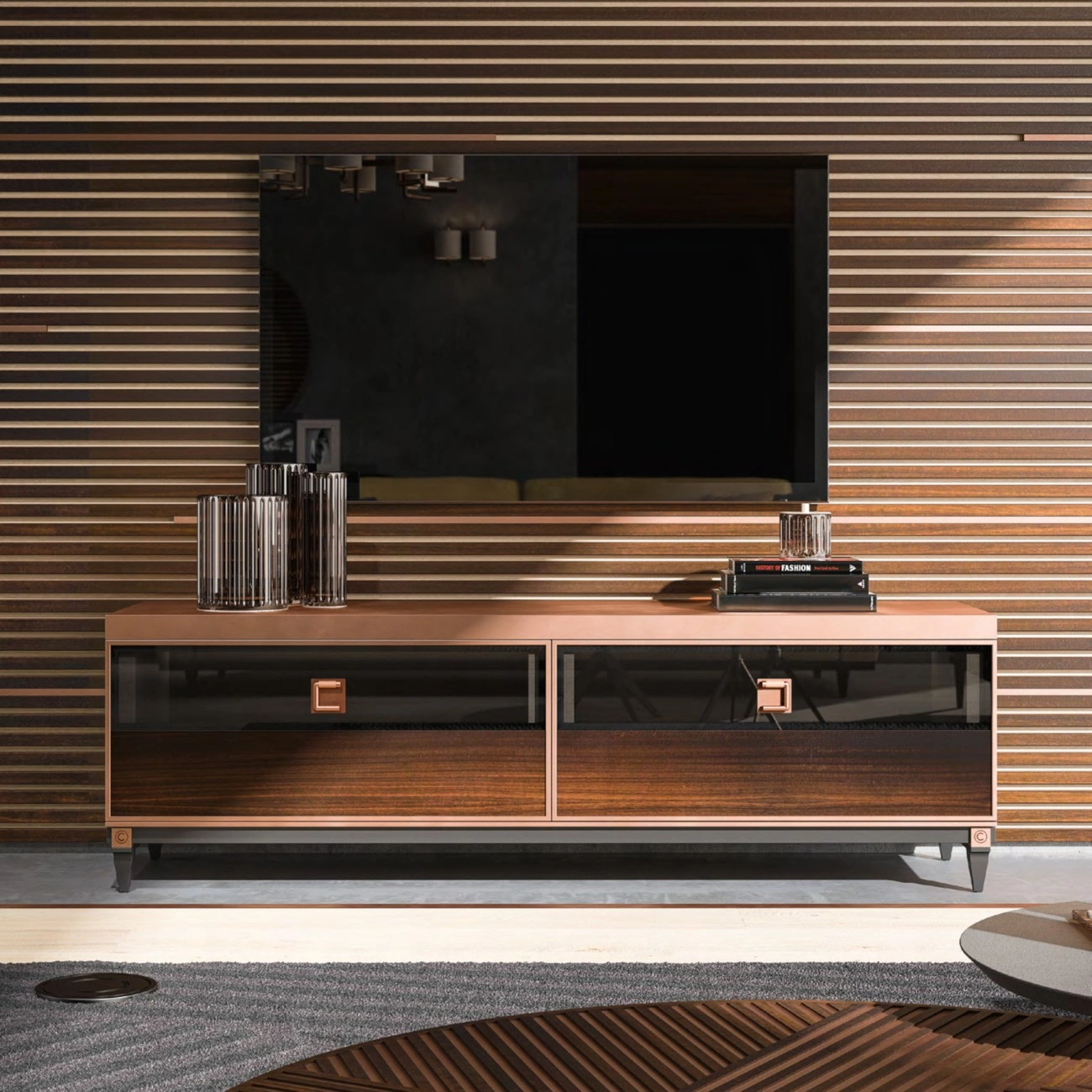
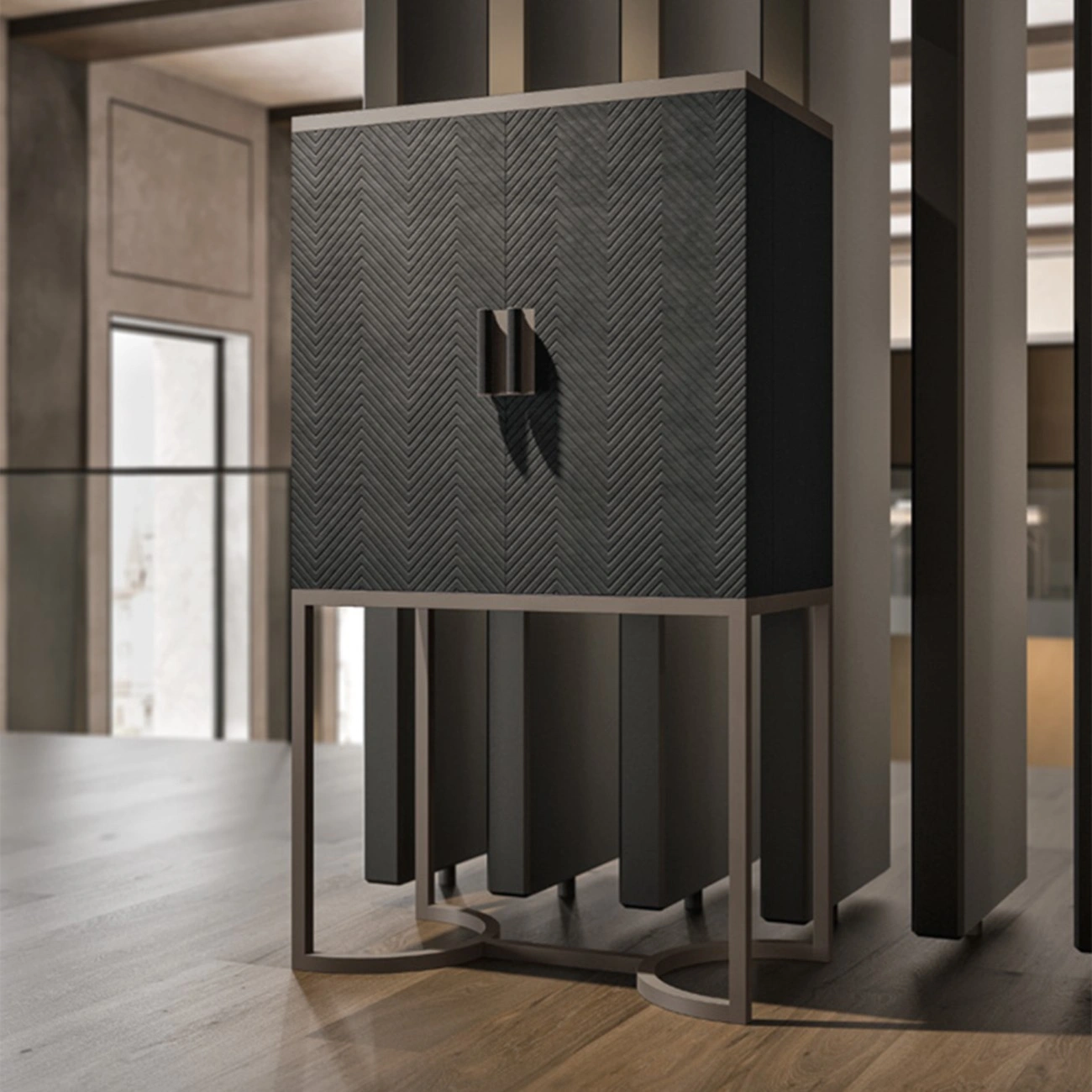

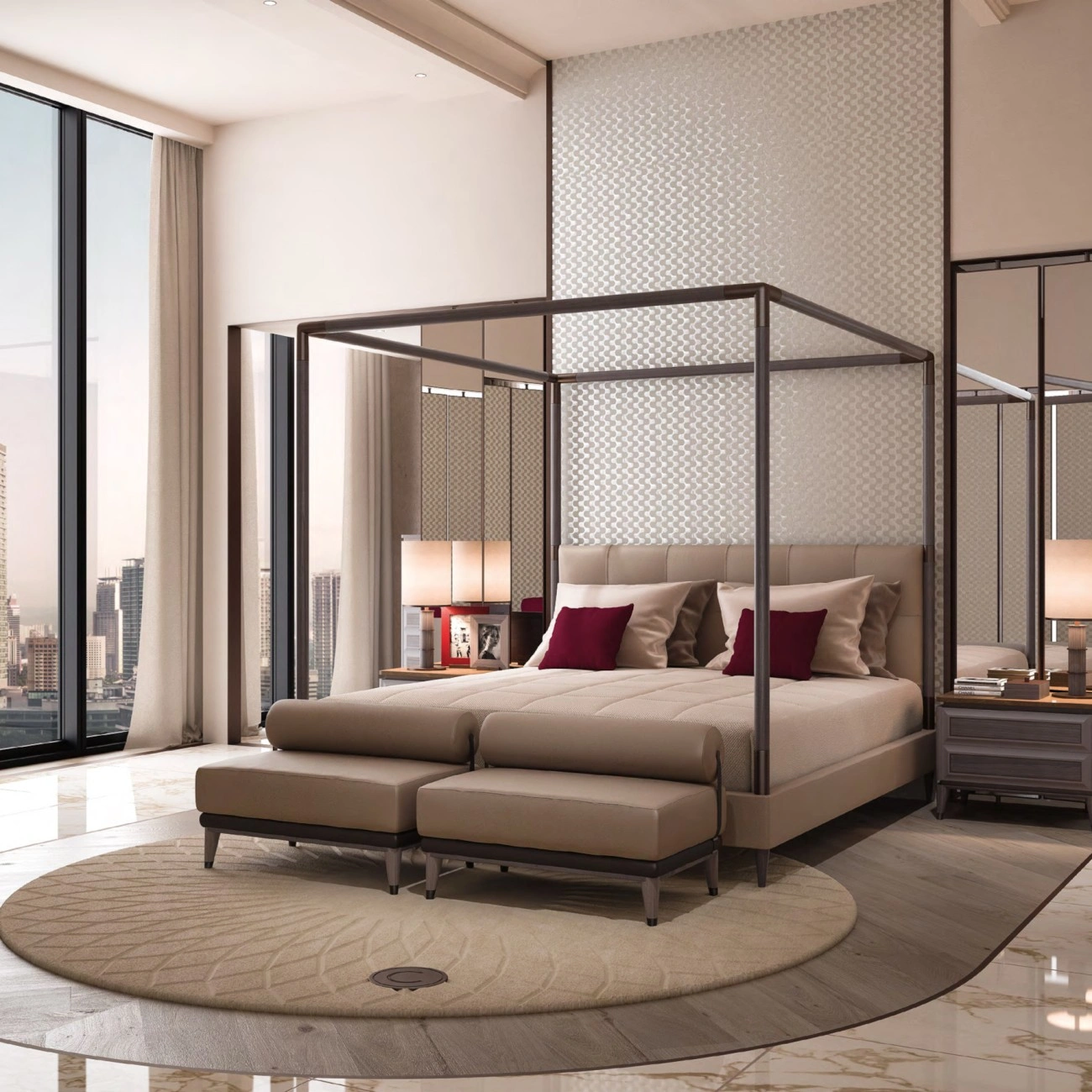
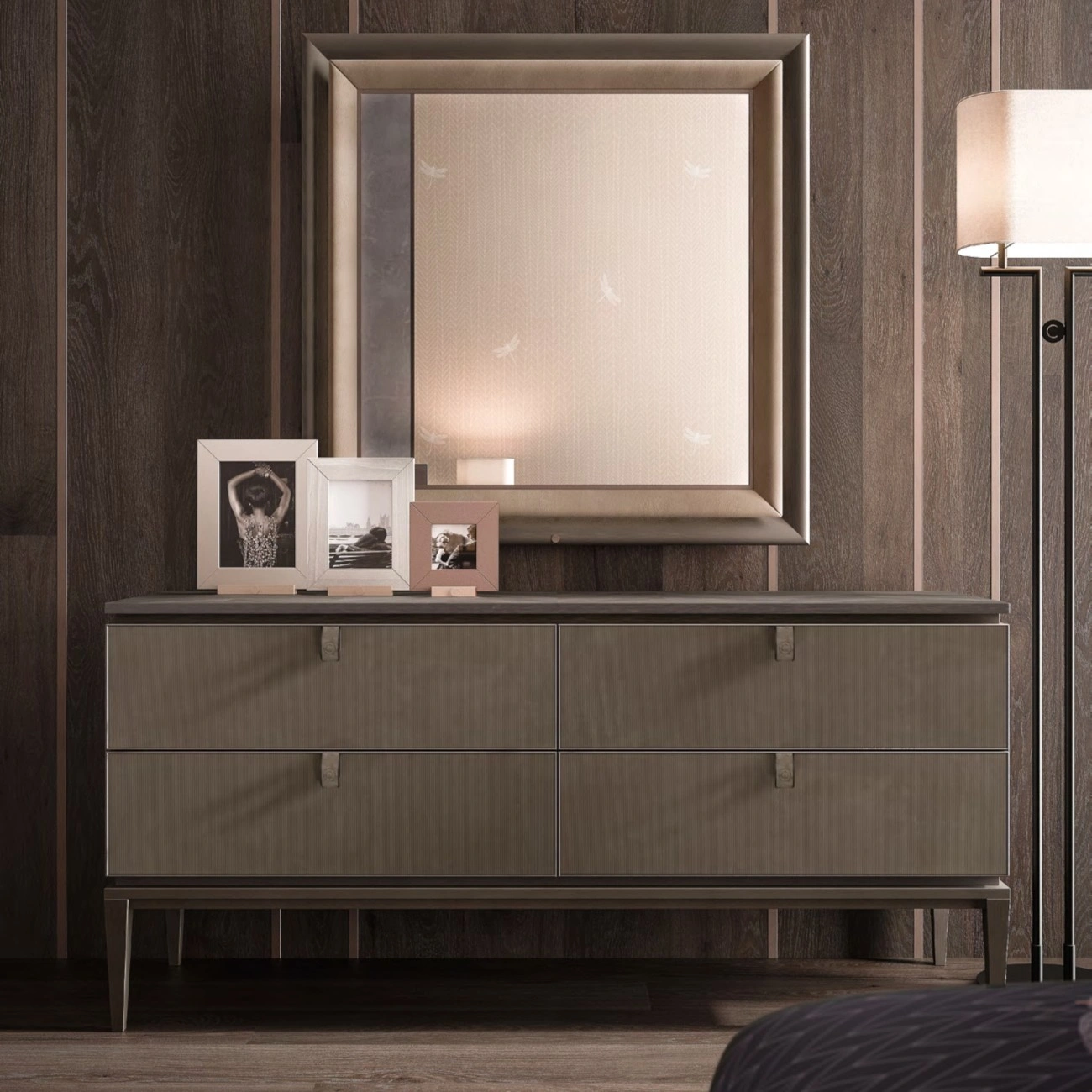

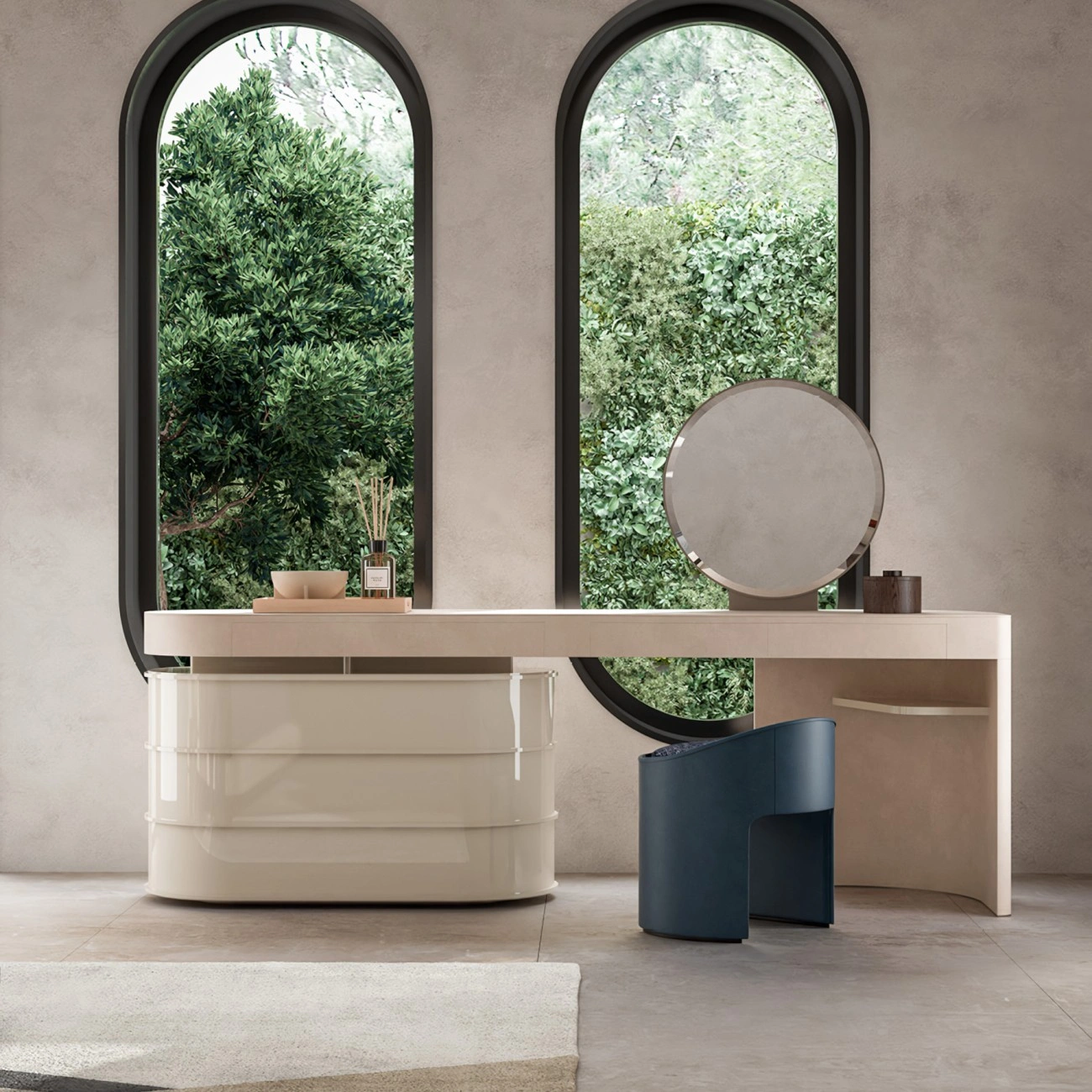
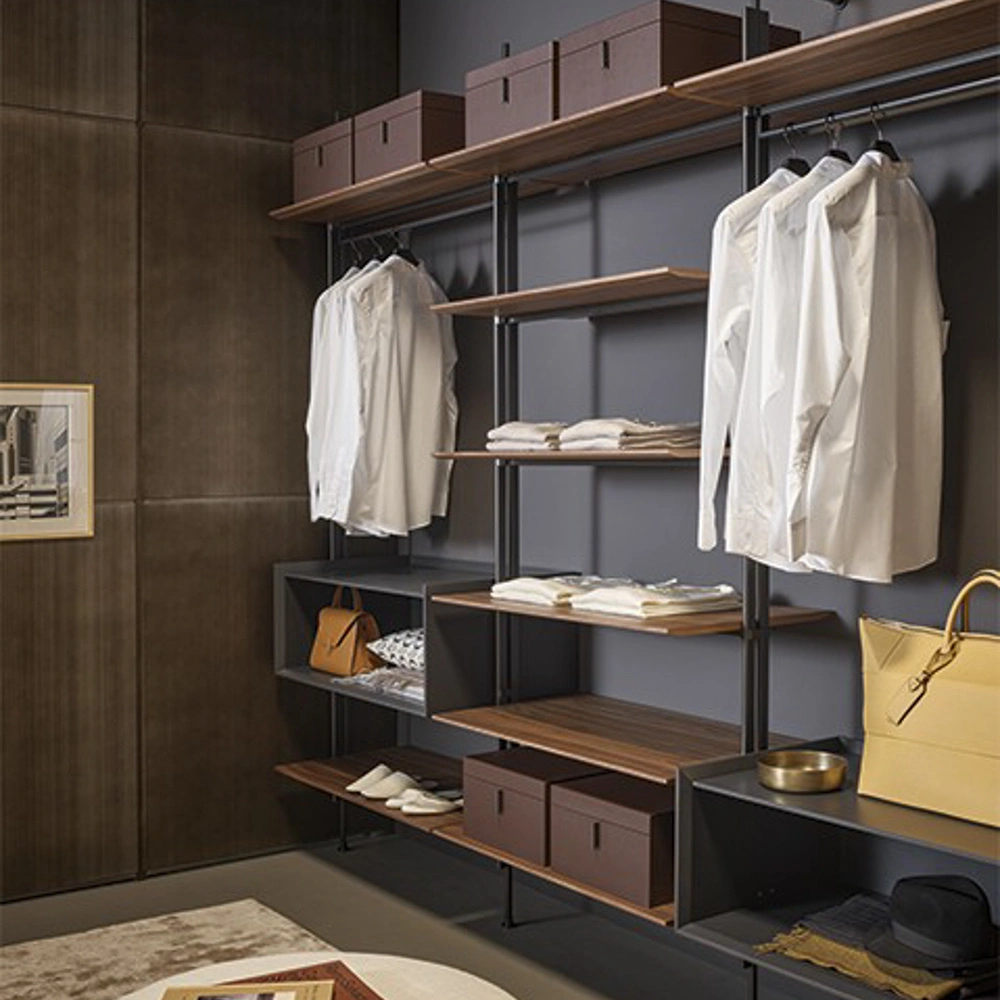
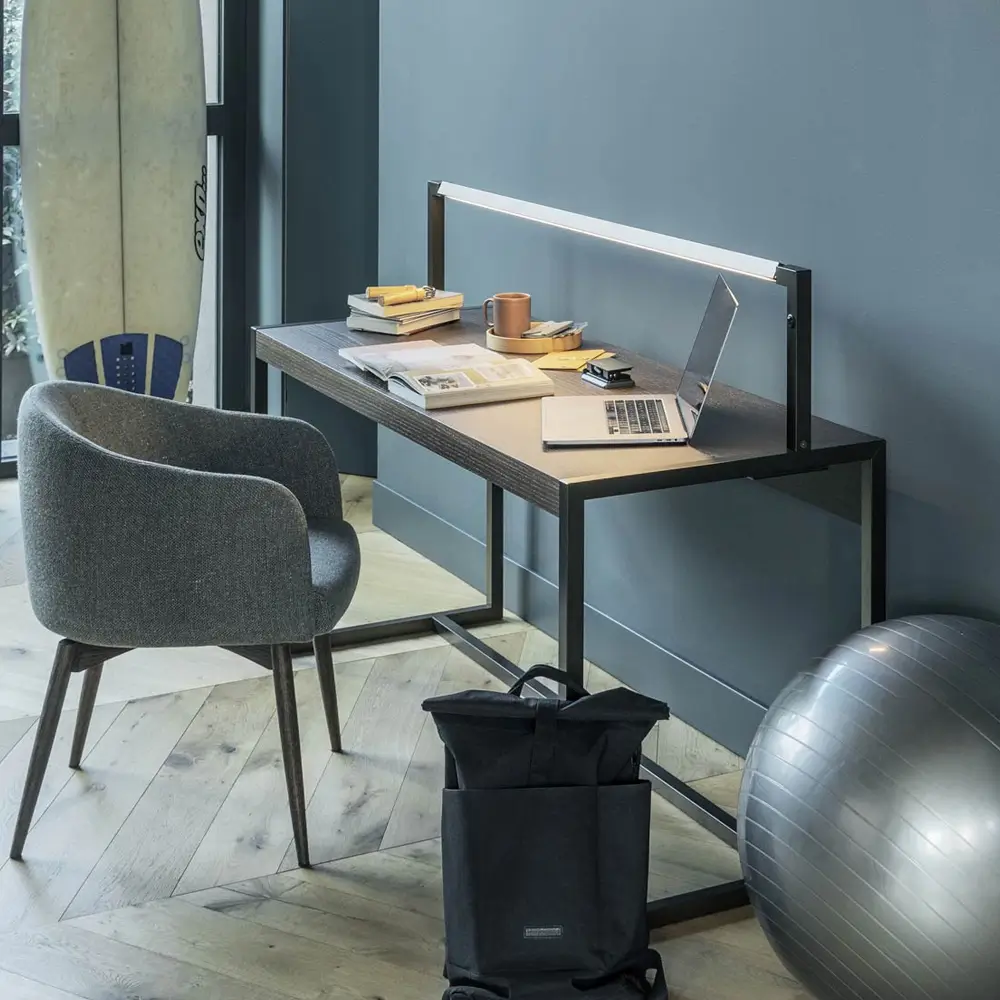






Everyone’s talking about “personal fusion interiors” now, but it’s not a gimmick or a hashtag-ready trend. It’s more like a philosophy. Your home becomes a canvas for memory, taste, and experience. Modern layouts anchor it, sure, but heirlooms, cultural artifacts, and objects collected over time give it gravity. There’s tension. There’s energy. And most importantly, it feels lived in.
Step into one of these rooms and it’s immediately obvious. A sleek mid-century sofa faces a carved Indian cabinet. A steel coffee table meets a rug that probably predates Instagram by decades. At first glance, you think it shouldn’t work. Then you realize—it does. Every piece has presence. Every surface interacts. The room isn’t curated for show. It’s curated for life.
Modern Bones, Timeless Accents
Layouts are modern—open, clean, functional—but the story happens in the details. A vintage teak armchair occupies the corner where sunlight hits perfectly. A grandmother’s sideboard punctuates a long wall. Negative space isn’t empty. It’s breathing room for objects to assert themselves.
Personal fusion interiors are about letting things coexist without forcing them to match. That’s where the magic happens. You see it in how shadows fall across different materials, how textures meet, how small imperfections feel deliberate.
Layering That Feels Natural
Layering is the real trick. Not cluttering, but creating depth. A brass sculpture beside a linen sofa, a woven textile atop a minimalist console, a carved wooden bowl on a glass table. The room is a collage, but one with rhythm.
Materials are crucial. Leather, velvet, rattan, polished wood, metal—they collide in ways that shouldn’t work but somehow do. The friction keeps things alive. It’s not just visual. You feel it when you move through the space, when light shifts during the day.
Color as Memory
Colors aren’t trending—they’re personal. Walls are often muted so objects pop. But pops of indigo, mustard, or deep terracotta appear unexpectedly. Accent colors tether to memory, travel, heritage, or even whim. They’re not loud. They’re meaningful.
And sunlight changes everything. That pillow, that glaze on a vase, that aged wood—they transform across hours. Colors aren’t static. Rooms become temporal, evolving with the day and season.
Art and Objects That Matter
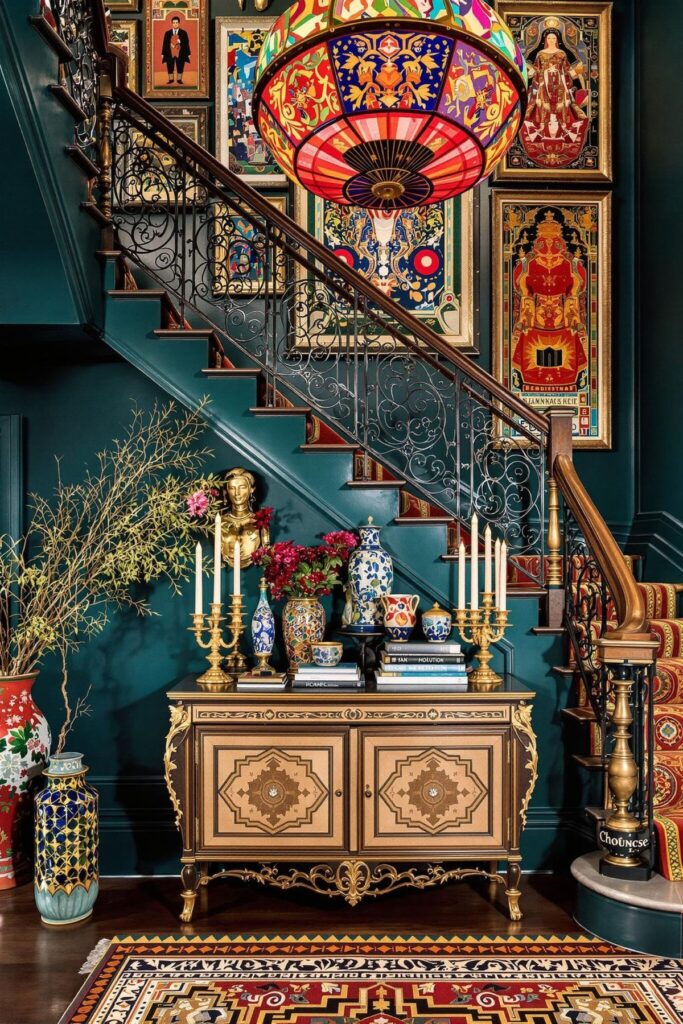
Cultural artifacts are punctuation marks. Not decoration. They anchor, challenge, and humanize. A Balinese textile, a Moroccan lamp, an African mask—they interrupt clean lines without breaking the flow.
Even the smallest object counts. A carved bowl, a weathered book, a photo in a faded frame. They tell stories. The home becomes a narrative of curiosity, history, and life experience.
Heirlooms Give Depth
Heirlooms bring gravity. They’re the silent storytellers. A grandmother’s sideboard isn’t just furniture—it’s rhythm, scale, and material reference. But fusion doesn’t make them star performers. They converse with modern pieces, not overshadow them.
Vintage leather, handwoven textiles, old ceramics—all become participants, not props. The home is temporal, layered, and completely human.
Texture and Touch
Texture is subtle but decisive. Rough meets smooth, warm meets cool, matte meets polished. Linen against leather. Rattan beside steel. Wool rugs under sleek furniture.
Texture moderates visual rhythm. Dense clusters need space to breathe; sleek surfaces amplify rougher, older pieces. Tactile variety makes rooms richer without feeling busy.
Light as a Character
Light is a co-designer. It frames, sculpts, and highlights. Sunlight brushing a carved cabinet, reflections glancing off glass, shadows playing across textiles. Personal fusion isn’t complete without light as an active participant.
Artificial lighting is layered, dimmable, directional. It nudges the eye. It frames objects without announcing itself. Rooms change subtly hour by hour, day by day.
The Tension That Works
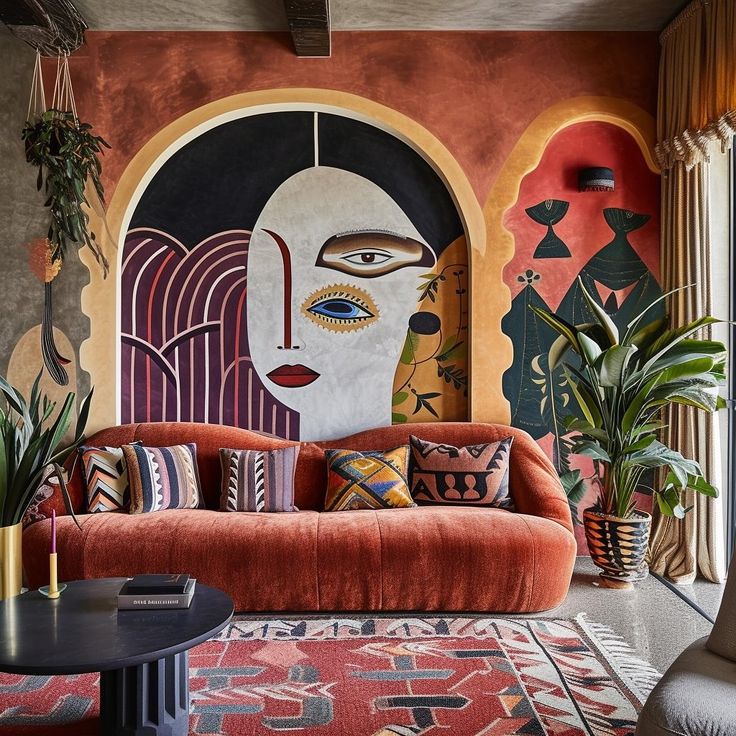
The magic of personal fusion is controlled contradiction. Modern versus vintage. Warm versus cool. Minimalist versus ornate. Objects from different cultures and eras.
Harmony isn’t required. Coherence is. The eye roams, discovers, lingers. Rooms feel familiar but surprising. Nothing overpowers; everything interacts. That’s the alchemy.
Human-Centric Design
This isn’t just about aesthetics. Furniture, circulation, sightlines—they respond to how humans move. Sofas accommodate gatherings without erasing heirlooms. Chairs invite conversation. Rugs guide steps.
Living in these spaces is physical and temporal. Surfaces patina, textiles soften, objects settle. Light interacts differently with each piece over time. Rooms evolve naturally.
Subtle, Quiet Luxury
The luxury of personal fusion isn’t flashy. It’s in depth, narrative, and intelligence. You don’t need high-ticket furniture. The value is in context, presence, and conversation between pieces.
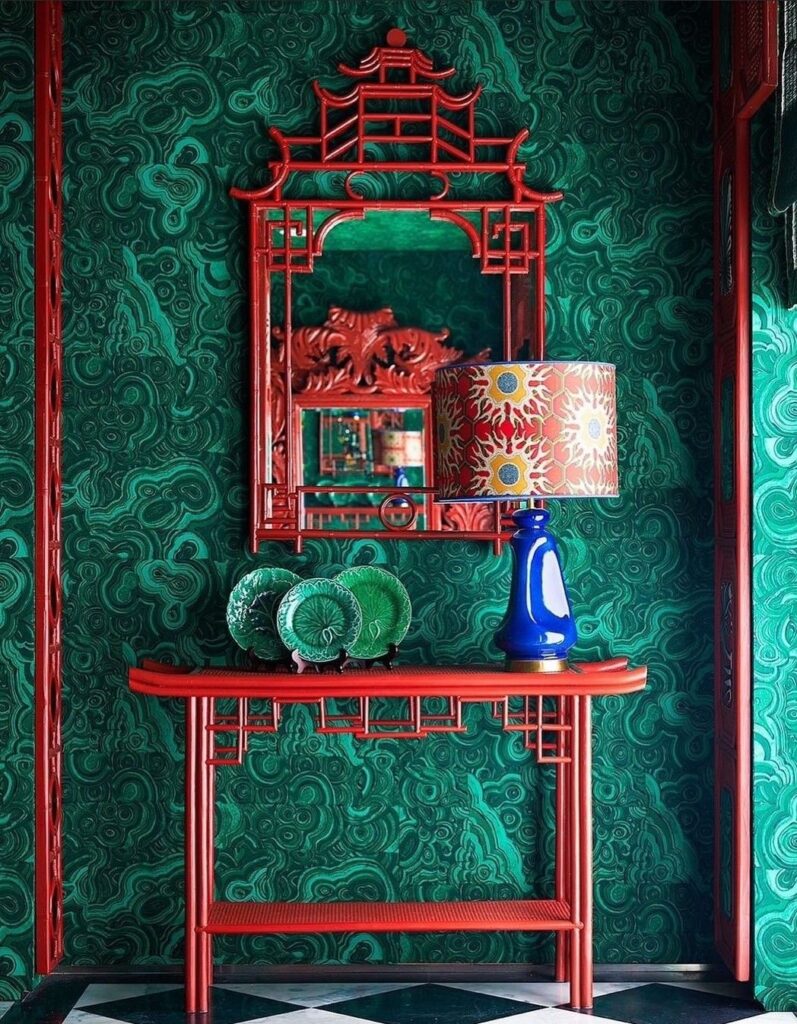
A lacquered table, rattan chair, or textile collected abroad—they’re luxurious in how they animate the room, how they interact, and how they age. The story matters more than the price tag.
Living With Fusion
The best personal fusion interiors are forgiving. They accommodate new pieces, changing tastes, life’s unpredictability. They age gracefully. Objects shift, surfaces evolve, textiles soften.
It’s human. Imperfect. Alive. Rooms like this don’t demand admiration—they invite engagement. Details emerge slowly. Patterns, textures, and artifacts reveal themselves over time. You live in them, not just look at them.