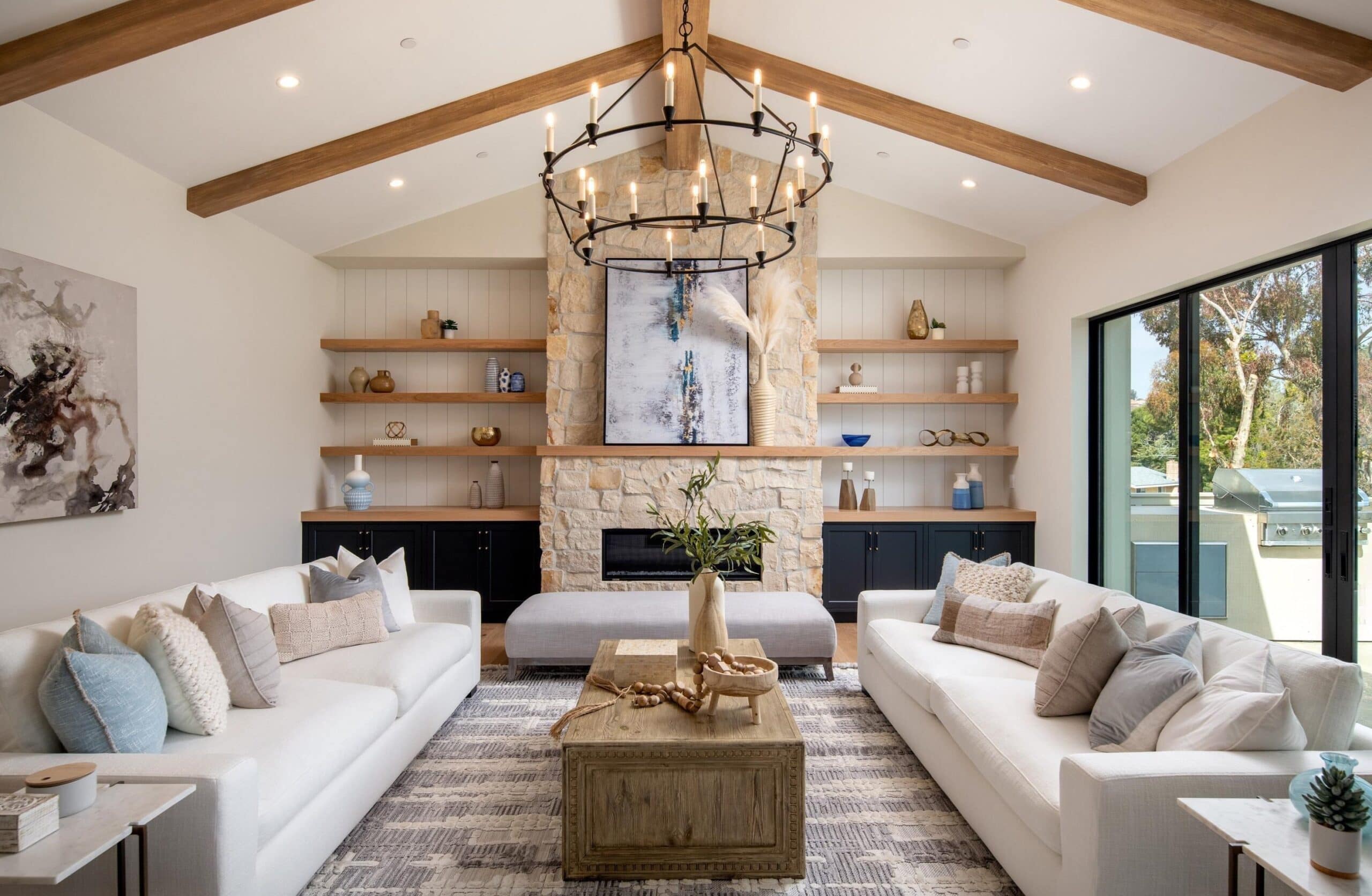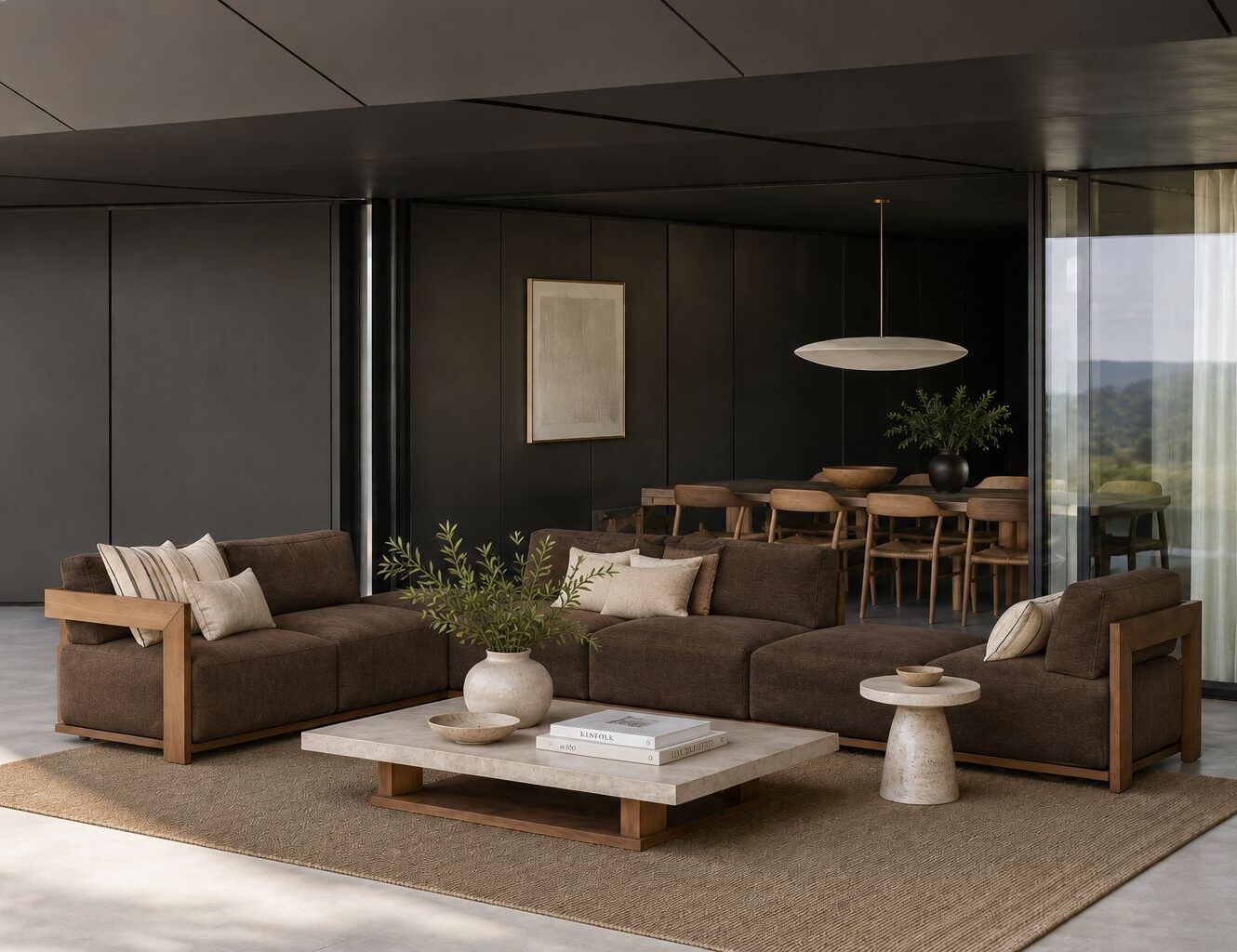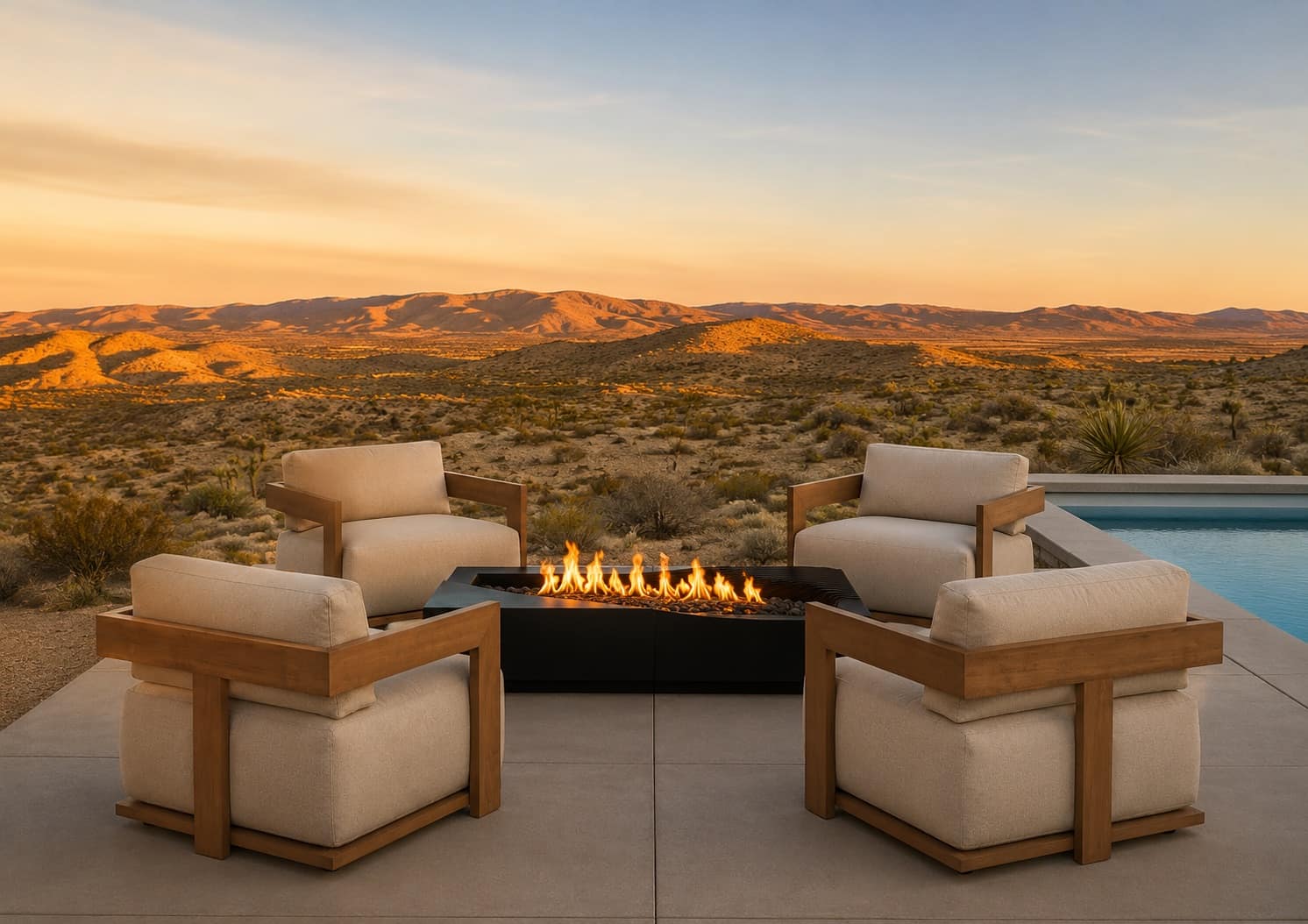



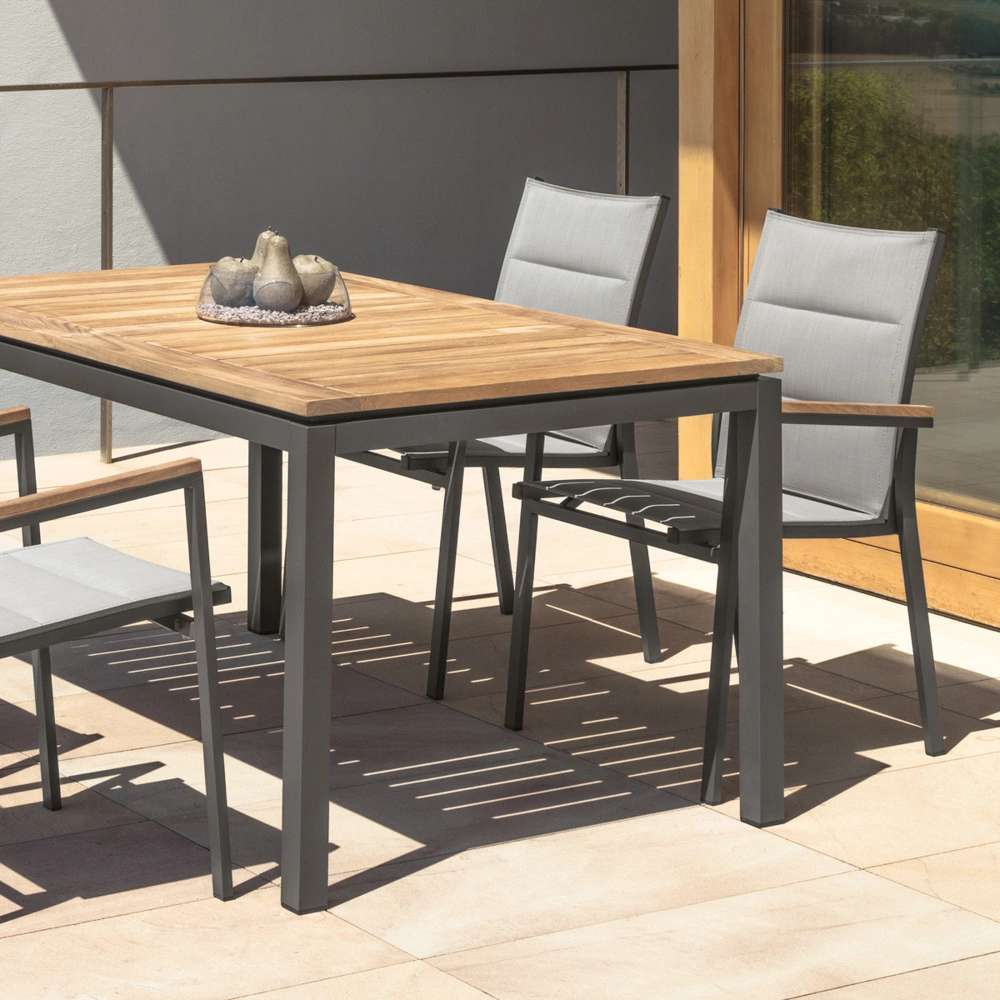
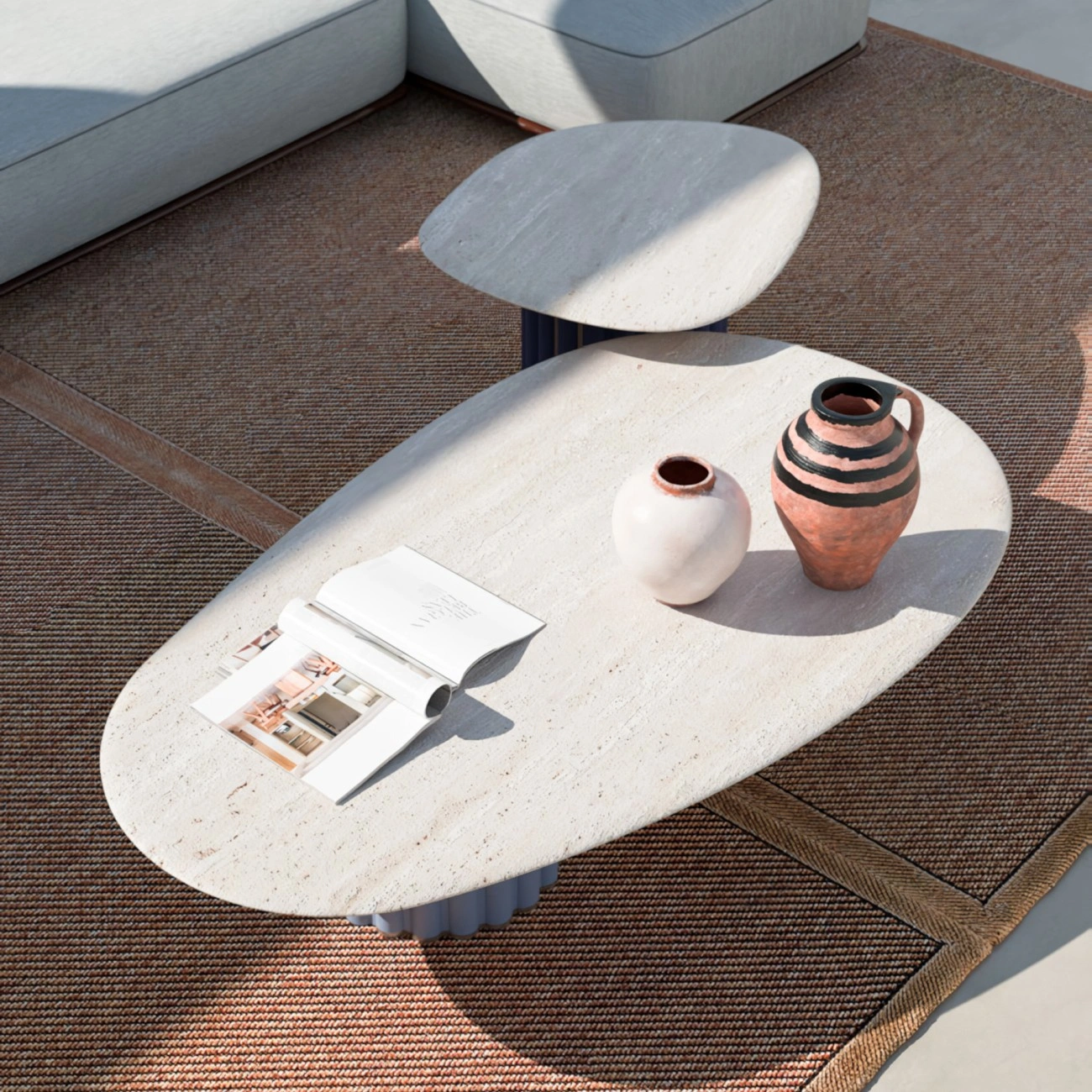


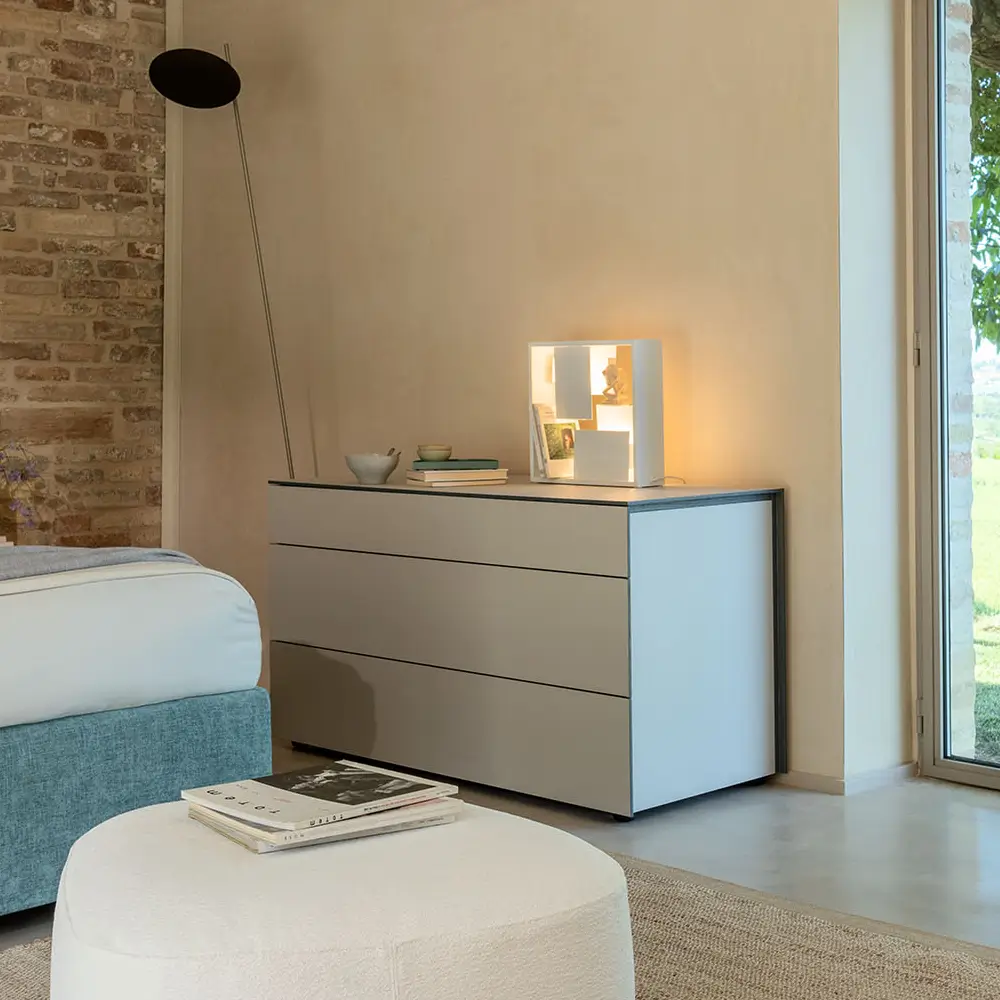


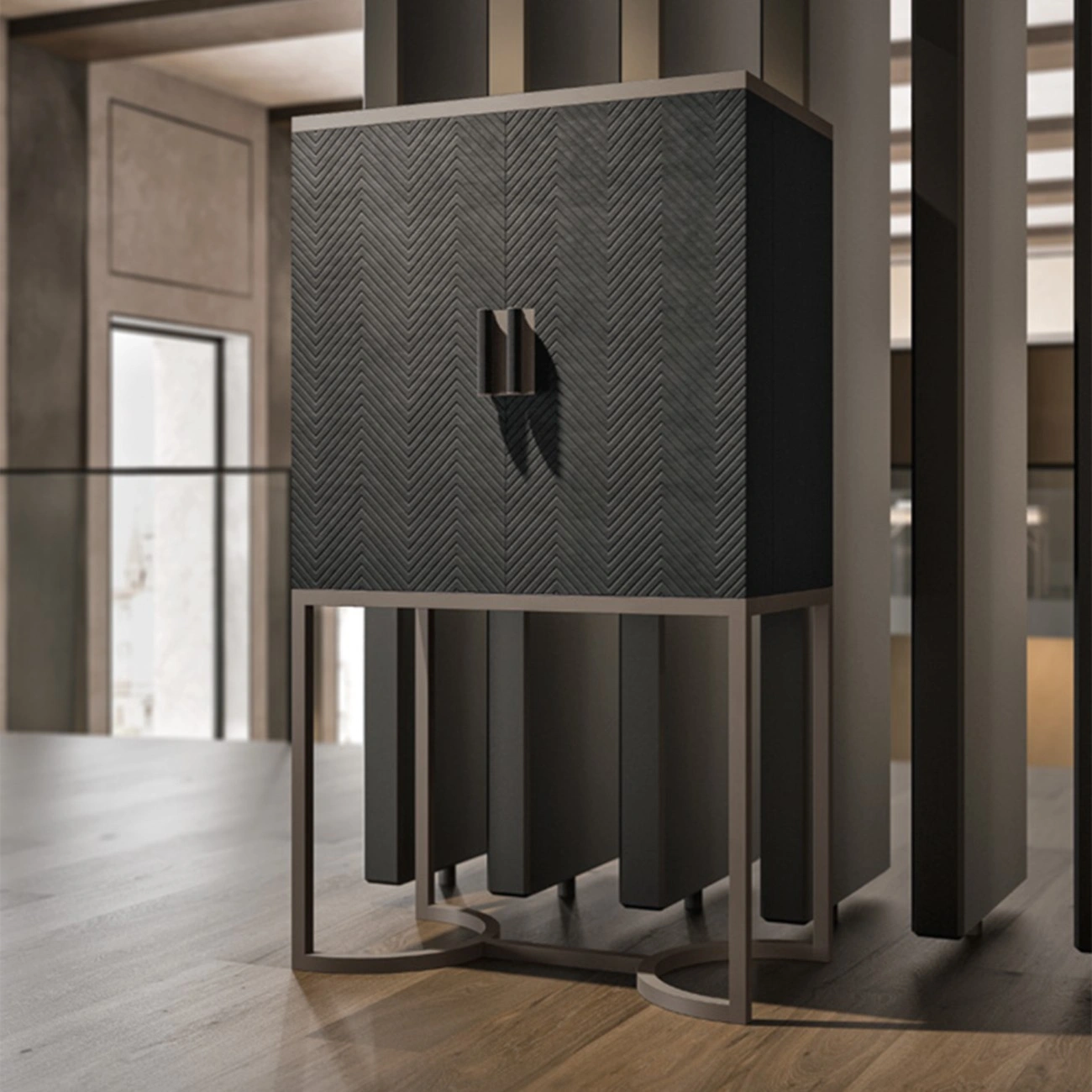











Patios. They’re usually stuck in a rut. The old backyard barbecue setup: grill in the corner, folding chairs, maybe a table that barely holds a bottle of wine. It works, sure. But nobody lingers. Nobody talks in that space for hours. It doesn’t feel inhabited. The “social patio” changes that. It’s not just a terrace or a deck—it’s a place to be, to gather, to exist for more than a quick meal.
Custom furniture like luxury teak sofas is usually where it starts. Wide, deep, resilient, able to survive sun, rain, even spilled cocktails without complaint. They’re not just furniture. They set the tone. The wood’s warmth, the grain, the quiet durability—it commands presence. Other pieces orbit it: tables, planters, subtle lanterns. Everything falls into place around the sofa’s gravity.
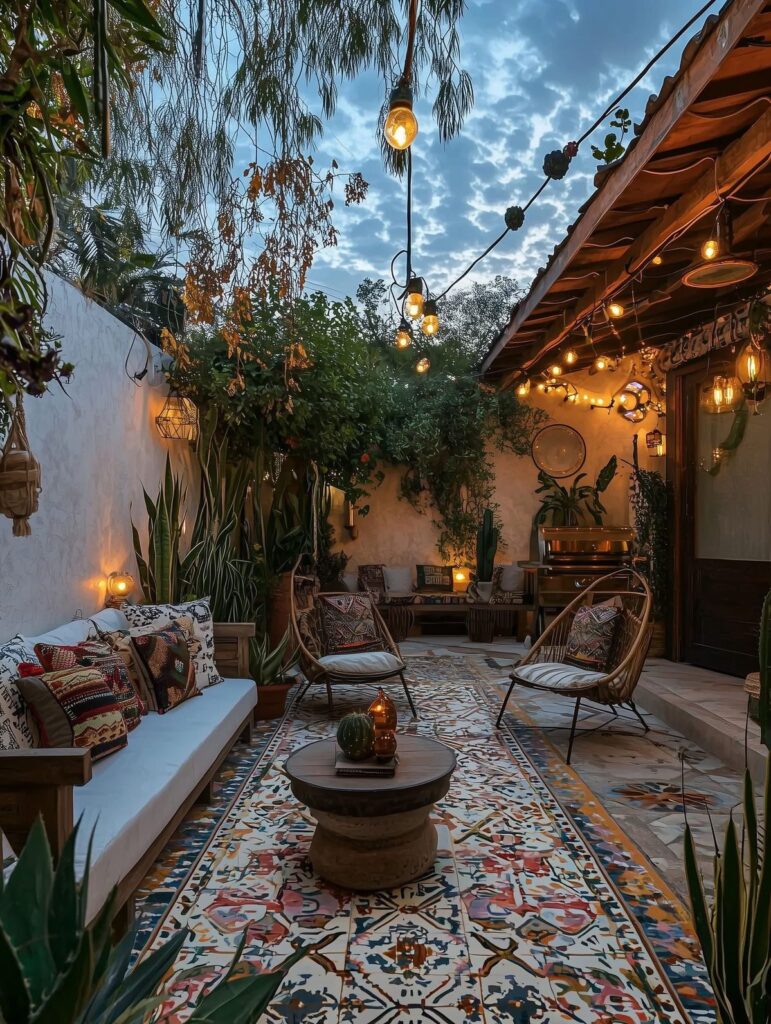
Conversation at the Center
This isn’t about furniture arranged for convenience. It’s about conversation. Not shouting over music, not scrambling to pass plates. Real dialogue. Sofas arranged in a loose circle, maybe a U-shape, work best. Teak invites touch. Armrests that aren’t polished to sterility, surfaces that remember the sun, a little roughened by weather, but not fragile. Cushions soften, of course, but don’t hide the wood’s character.
Negative space matters too. Unlike the cluttered patios with five different chairs and tables, this is about breathing room. Let the teak command it. A low-profile coffee table or a side table is enough—just enough surface without overwhelming. The eye rests on the wood, the cushions, the space between.
Seamless Transitions
The social patio isn’t just furniture; it’s about flow. Teak sofas along the edge of a terrace that stretch into the lounge create a subtle continuity. Indoor and outdoor spaces start to blend. Sliding glass doors, a small elevation shift, or rugs that visually connect spaces can make the transition effortless. Step outside, and it feels like the inside extended.
Materials matter. Teak’s warm tones work with stone, tile, or even pale concrete terraces. Rugs in natural fibers echo indoor textures. Lighting can pull the two together—floor lamps, lanterns, soft LEDs. All of it nudges people to linger.
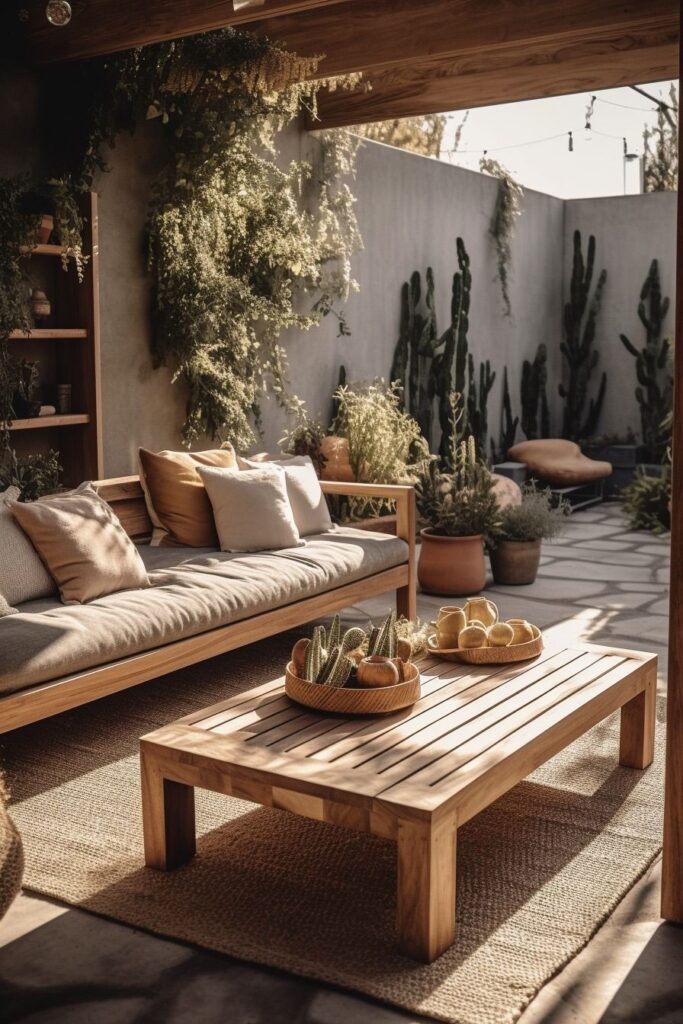
Layering for Comfort
Teak is strong, sculptural, and frankly beautiful, but it can feel stiff without layering. Cushions are obvious, but throw in texture variety: linen blends, soft woven fabrics, muted jewel tones, earthy shades. Nothing too loud. Accent pillows and throws subtly punctuate the space.
Even outdoors, you can encourage lingering. A cool evening becomes an opportunity to stay outside. The sofa isn’t just a seat anymore—it’s a platform for interaction, for comfort, for time. Conversation deepens when physical comfort is literal.
Framing the Space
Walls, trellises, hedges—they frame without boxing you in. A social patio works best when it feels intimate but open. Sofas facing inward reinforce conversation. Planters, benches, low walls guide movement without confining it. Guests feel cozy, not hemmed in.
Fire helps too. A subtle gas fire table, a brazier, or clusters of lanterns draw people in. Shadows dance on teak, emphasizing grain and warmth as dusk falls. Texture, light, and warmth add dimension that a flat, simple patio can’t replicate.
Entertainment Without Noise
This isn’t about a giant TV or booming speakers. The furniture does the work. Teak sofas invite people to face each other, to talk, to stay. Music can drift in from hidden sources, low enough to be background. A tray of drinks, a few candles, maybe a small coffee table—they enhance the experience without dominating it.
Luxury is subtle. Teak makes the statement. Cushions and textiles soften. Layout directs movement and encourages presence. It’s functional, but it’s also beautiful.
Indoor-Outdoor Harmony
Best social patios feel like a continuation of the home. Matching colors, complementary materials, and texture echo indoors. Sofas become bridges between inside and outside. Sliding doors or retractable panels blur boundaries.
Floor elevation matters too—a small step down or up signals transition without interrupting the flow. Teak, stone, and natural fibers tie interior and exterior together. Nothing is jarring. Movement feels natural.

Seasonal Flexibility
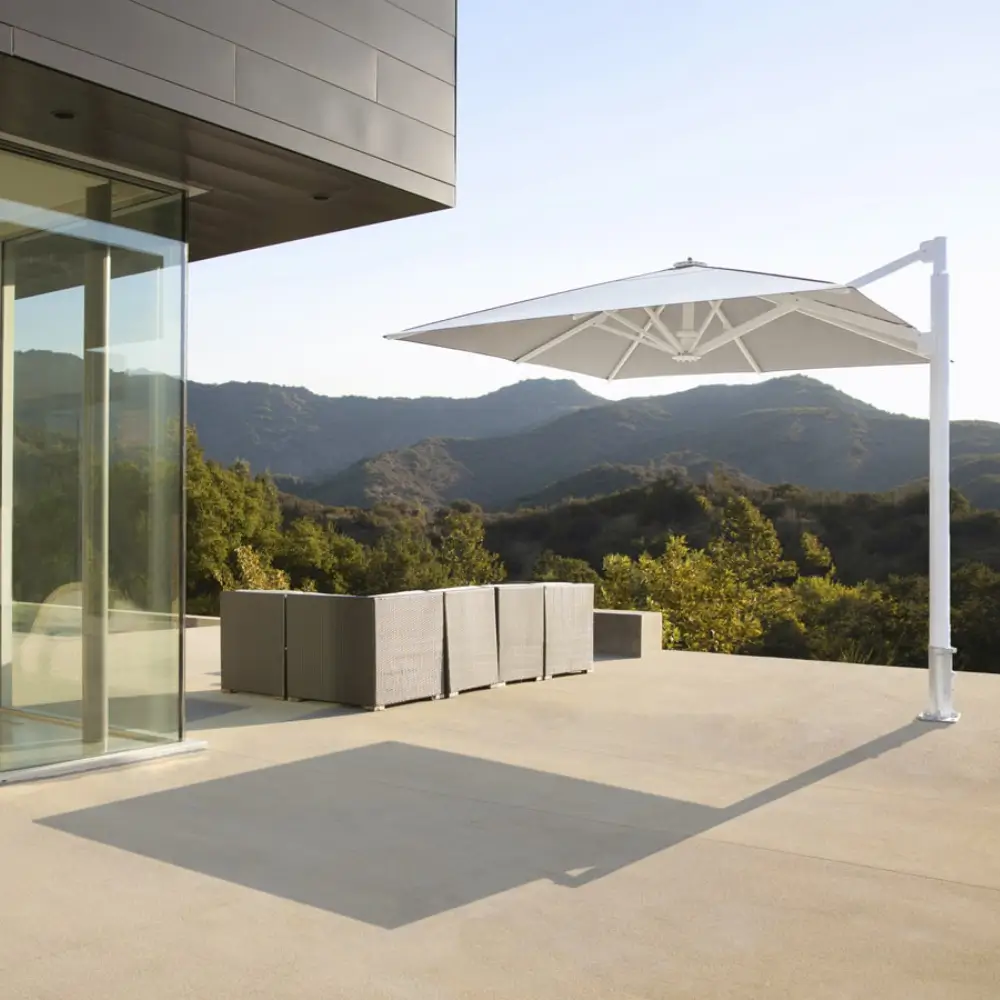
Social patios aren’t just summer spaces. Umbrellas, pergolas, or retractable awnings extend usability. Teak tolerates sun, rain, even coastal salt. Cushions can be swapped seasonally for warmth or pops of color. The sofa ages well; the patio evolves.
It’s about longevity. A teak conversation pit doesn’t feel dated in months. Its subtle luxury and adaptability encourage repeated use. Guests return to it because it works as a living space, not a display.
Psychology of Space
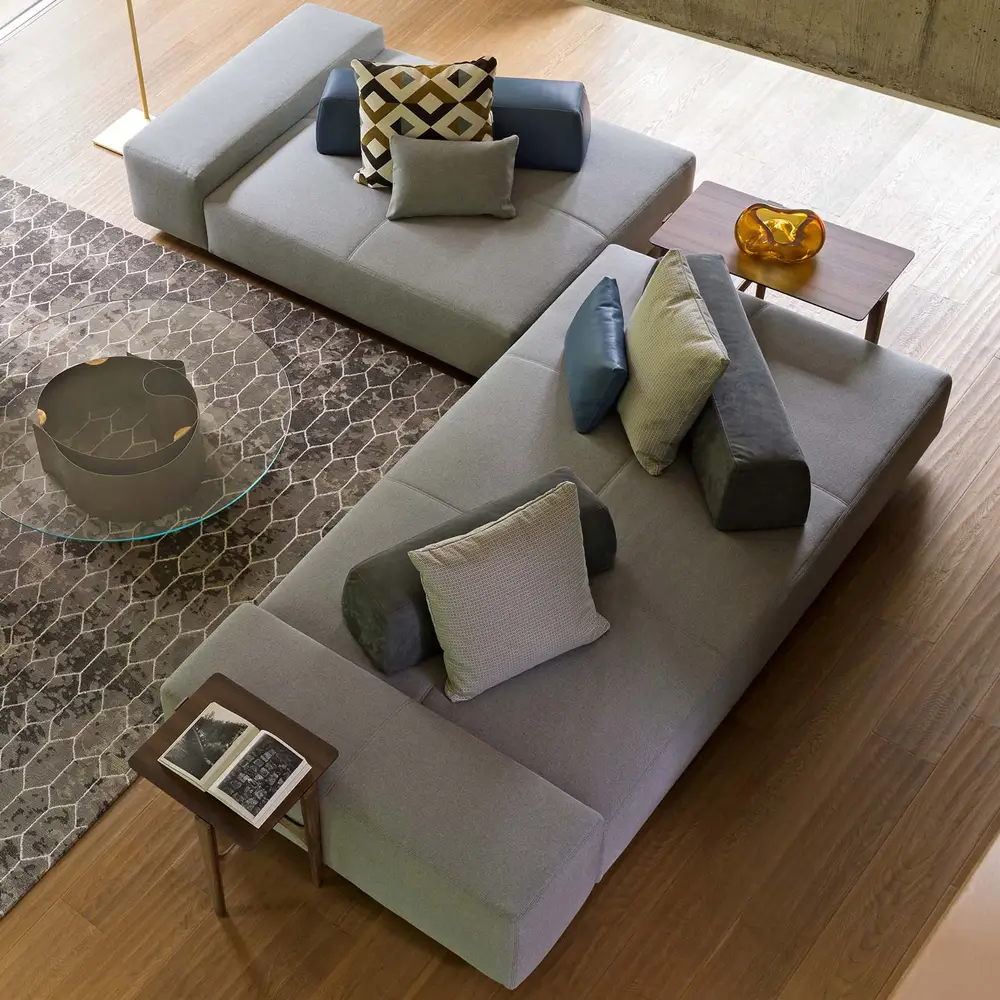
Furniture placement guides behavior. Sofas facing each other encourage dialogue. L-shapes let groups form naturally. People gravitate toward corners with comfortable armrests and views of the terrace. Spacing matters—enough to move freely, close enough for intimacy.
The tactile quality of teak contributes. It’s grounded, familiar, substantial. Guests sense it. They move differently, linger longer, relax more. Unlike synthetic outdoor furniture, it communicates care and presence without trying.
Small Details, Big Effect
It’s not all teak. Side tables, coffee tables, planters—they all matter. A well-placed low table invites drinks and snacks without blocking the view. Planters frame terraces or screen less interesting spots. Lanterns, sconces, fire elements add warmth and shadows.
Every choice should enhance interaction. Nothing distracts. Nothing competes. That’s what makes a social patio different from a traditional deck.
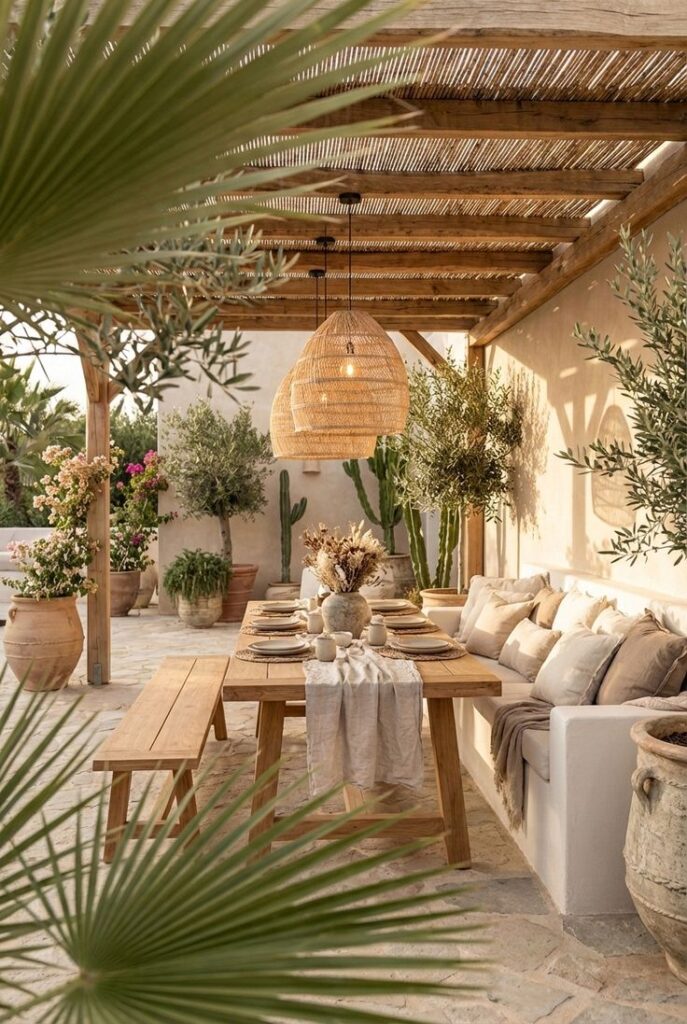
Redefining Outdoor Luxury
Luxury isn’t just expensive furniture. It’s function, presence, and human engagement. A social patio built around teak sofas hits all three. It’s not a stage—it’s a space for life, for lingering, for conversation that actually matters.
Tiles, landscaping, fire pits—they help, but if furniture doesn’t facilitate human behavior, it’s wasted. Teak’s natural elegance, resilience, and tactility let the indoor palette extend outward. The sofa becomes more than furniture; it becomes the backbone of the social experience.
Living With the Social Patio
The best social patios evolve. Guests move through naturally. Children and pets wander without disrupting flow. Teak ages gracefully. Cushions soften and shift. Shadows from lanterns or dusk interact with surfaces subtly, unplanned, alive.
It’s a living, breathing space, not a showroom. That’s why designers are rethinking patios. Moving beyond BBQs, folding chairs, and temporary setups. They design for people. For interaction. For the quiet luxury of presence. Teak sofas anchor it—but the real magic is in how people use the space.