
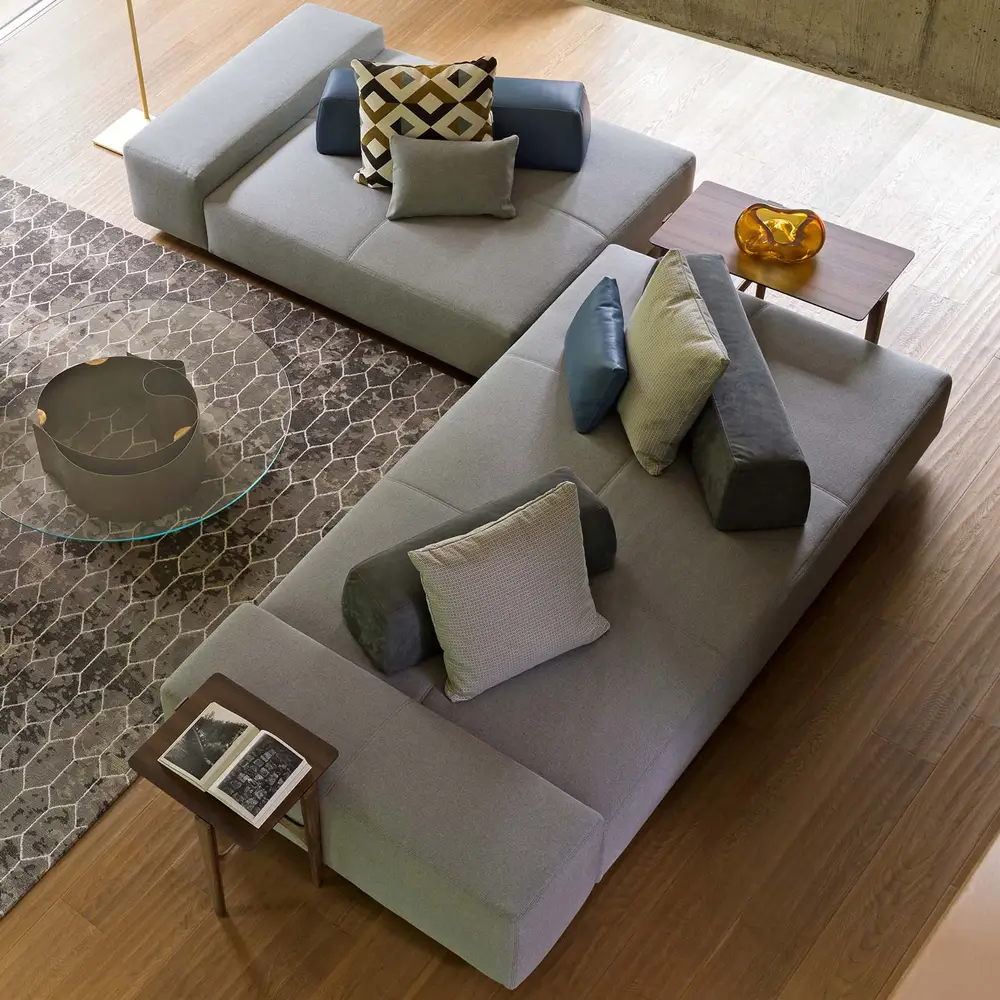
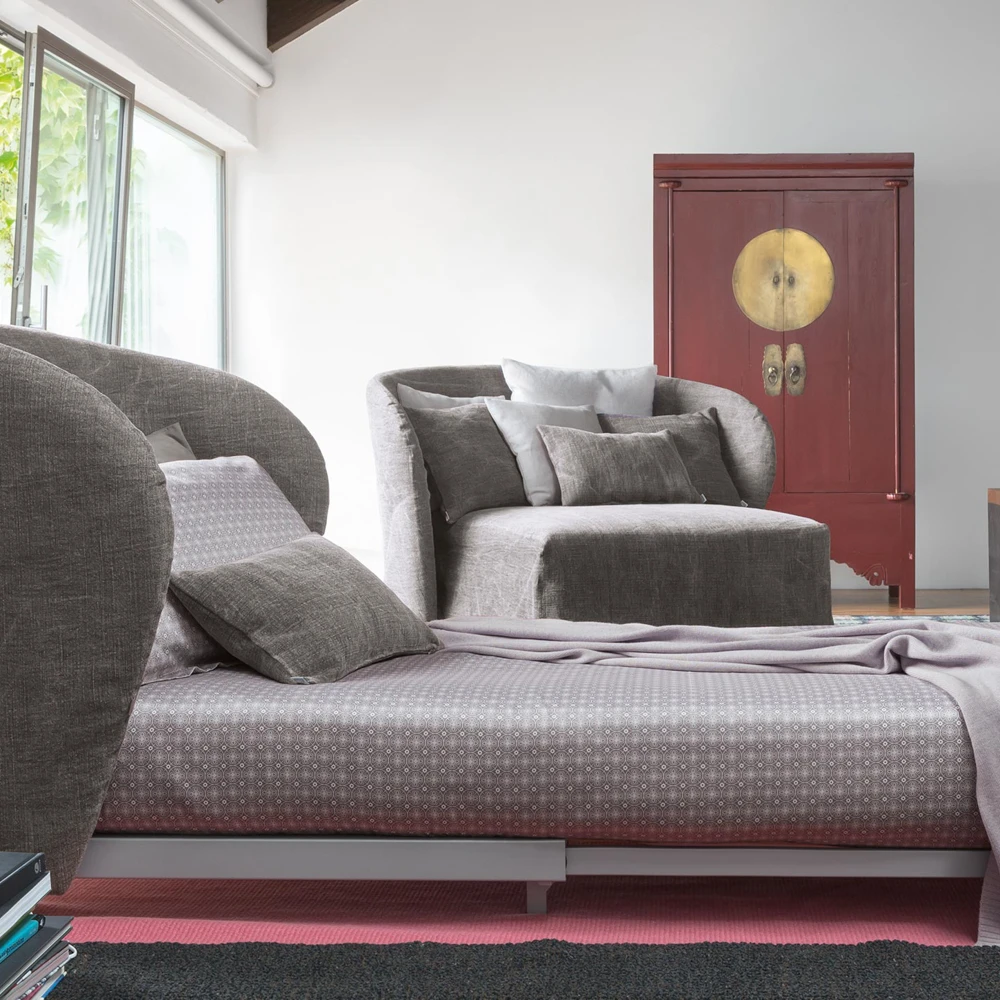
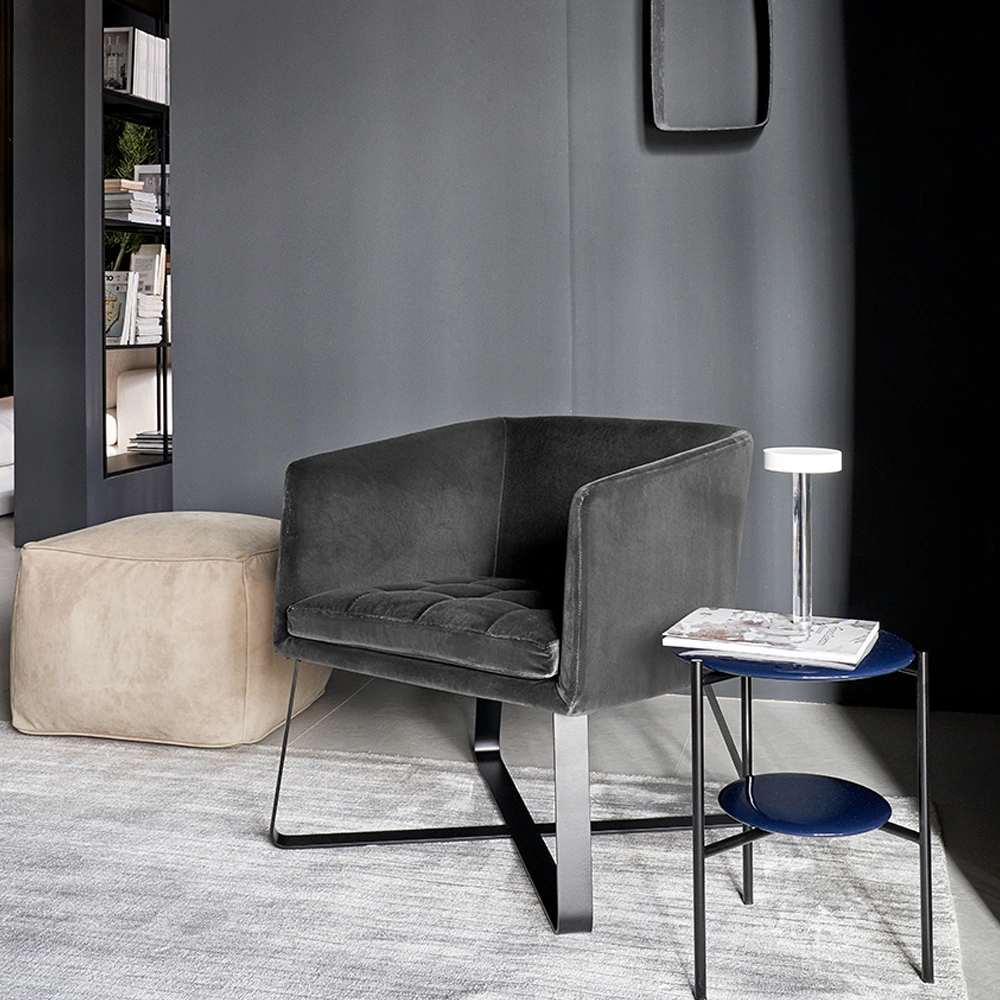


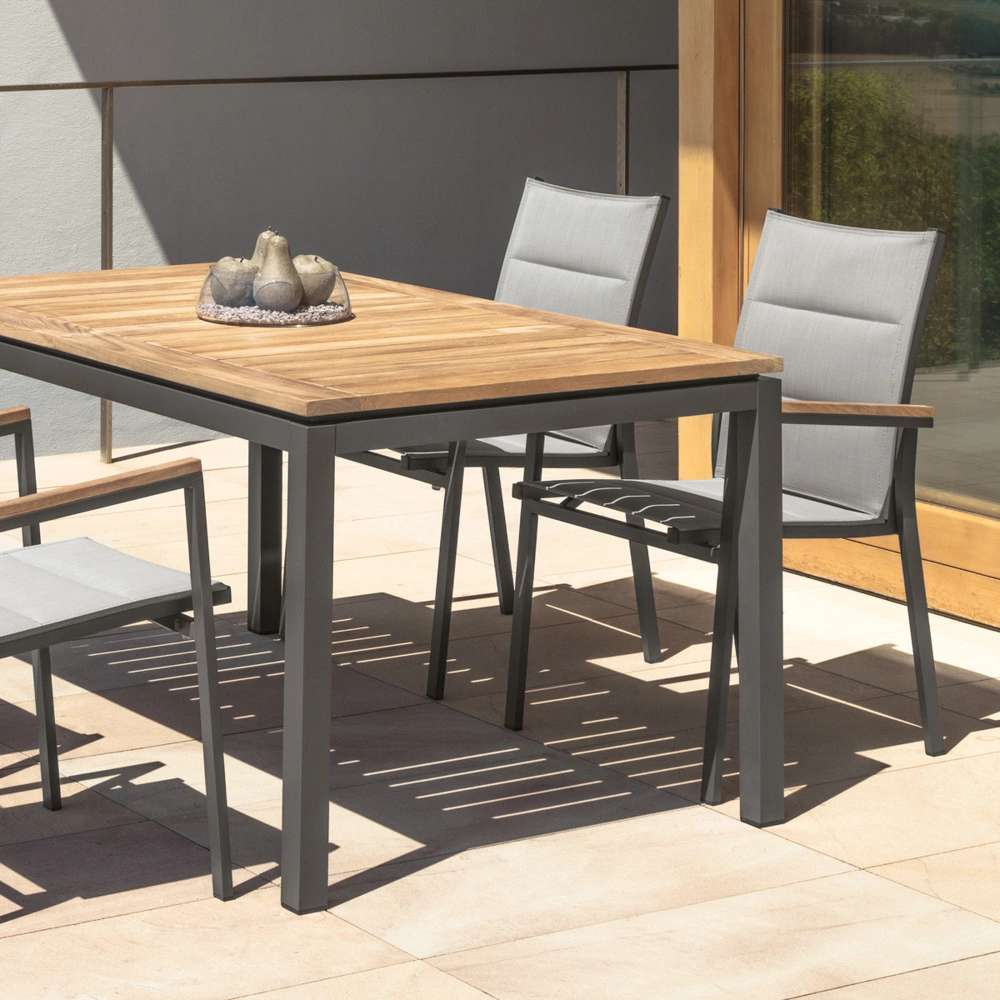










City apartments are rarely generous. Every inch is contested. Ceilings might soar, but storage barely exists. Kitchens are tight. Living rooms barely accommodate the sofa. That’s the reality, and it’s why multi-functional furniture isn’t just smart—it’s necessary. Not the Ikea-hack kind either. The real stuff, the pieces that pull double duty without looking like a compromise.
A sofa bed that converts to a guest bed, a coffee table with storage tucked inside, a dining bench that slides neatly under the table—these are the obvious examples. But the best pieces do more than change form. They change how a room is used, how it’s perceived. They make a 500-square-foot apartment feel like it’s breathing.
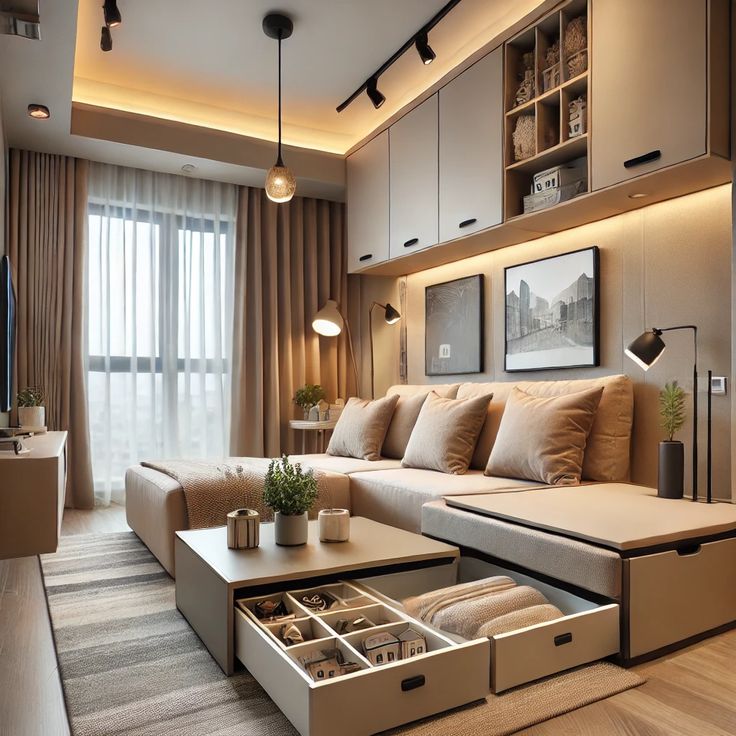
Concealment Is Everything
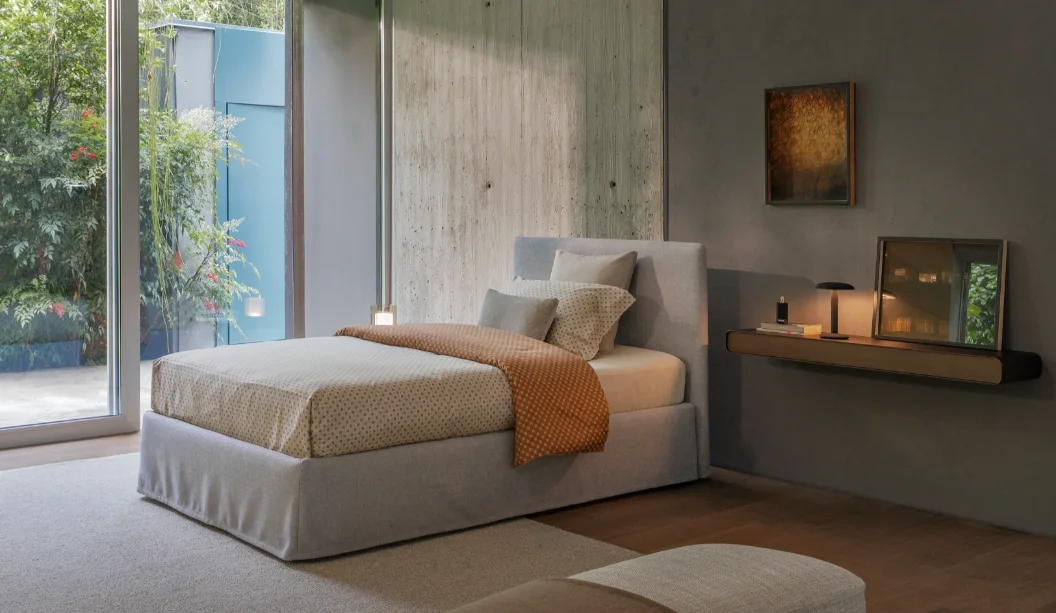
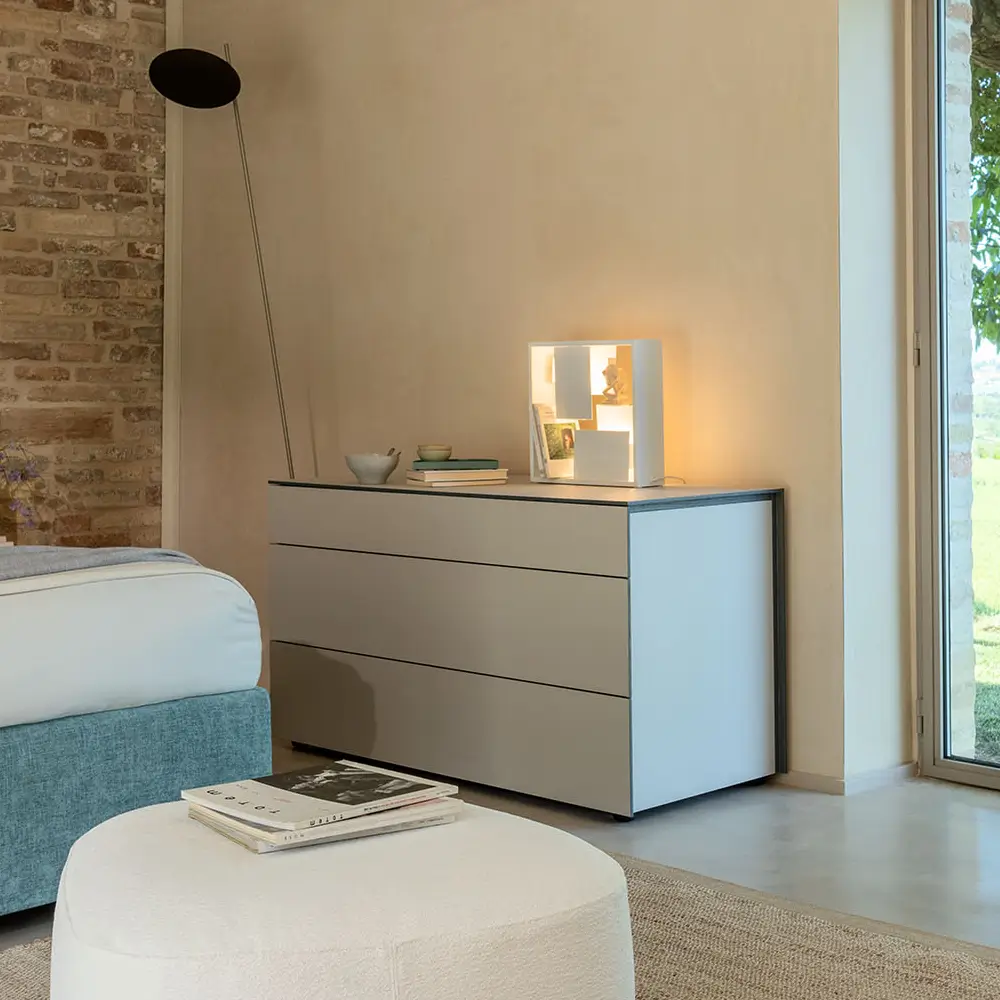
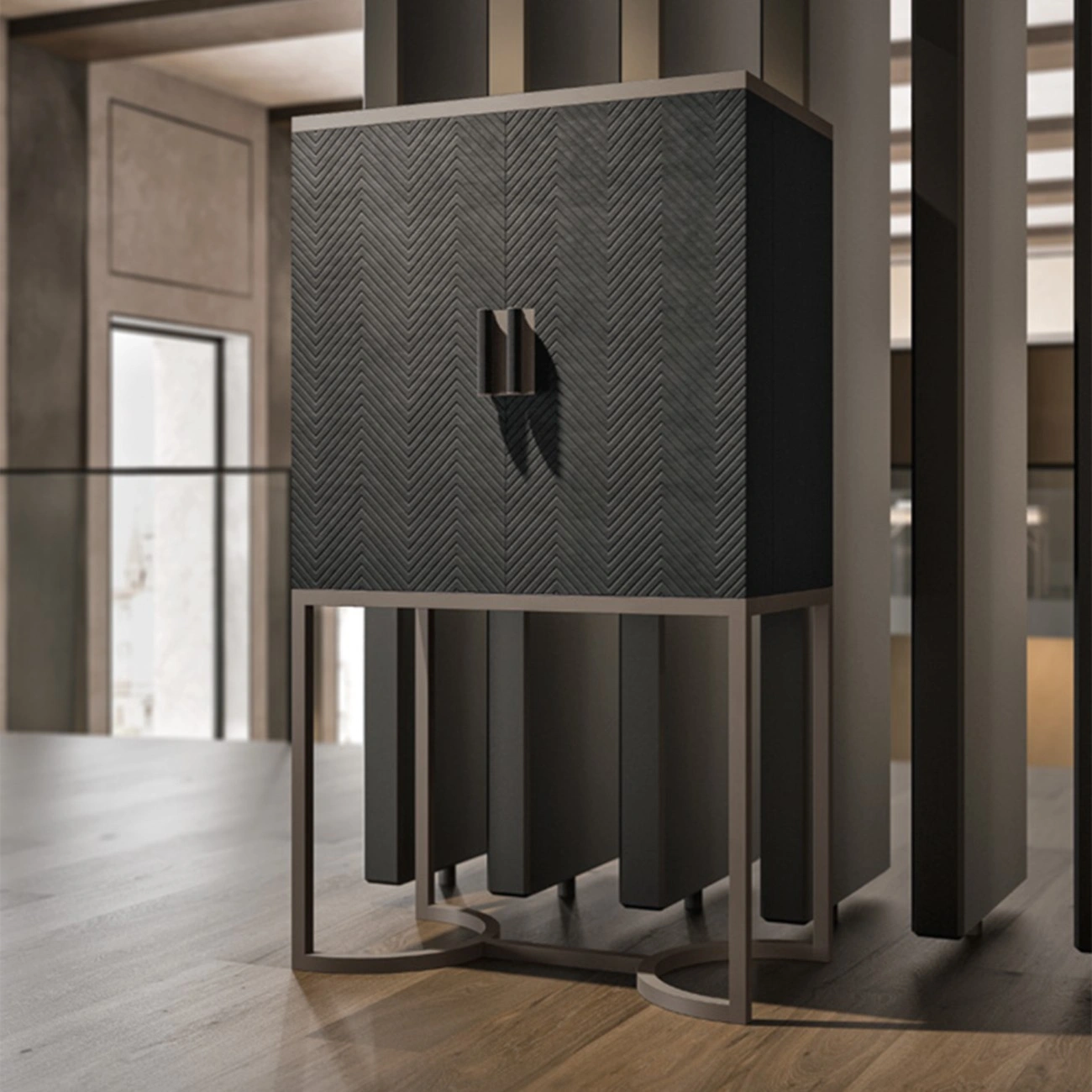
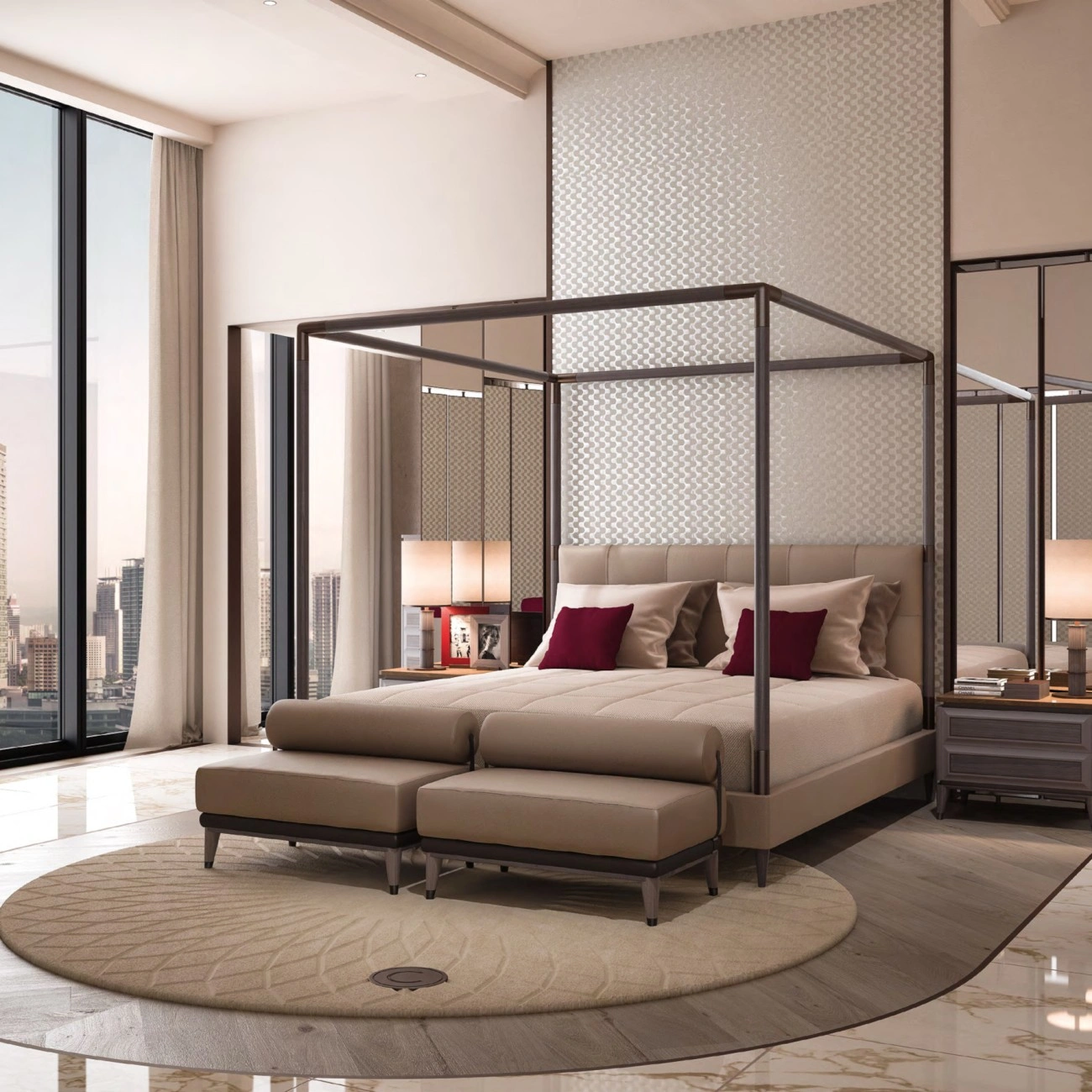
The most compelling furniture doesn’t advertise itself. Storage beds, for example, should feel like sleek, tailored, custom indoor furniture. Not a box with drawers. The compartments exist, but invisibly. Drawers, fold-outs, hidden surfaces—used without fanfare. The room reads as complete, calm. Adaptability becomes essential over time.
Tables that expand, desks that fold into cabinets—they work quietly. You notice only when you need them. That quiet cleverness is what turns city living from a compromise into something that almost feels luxurious.
Form That Supports Function
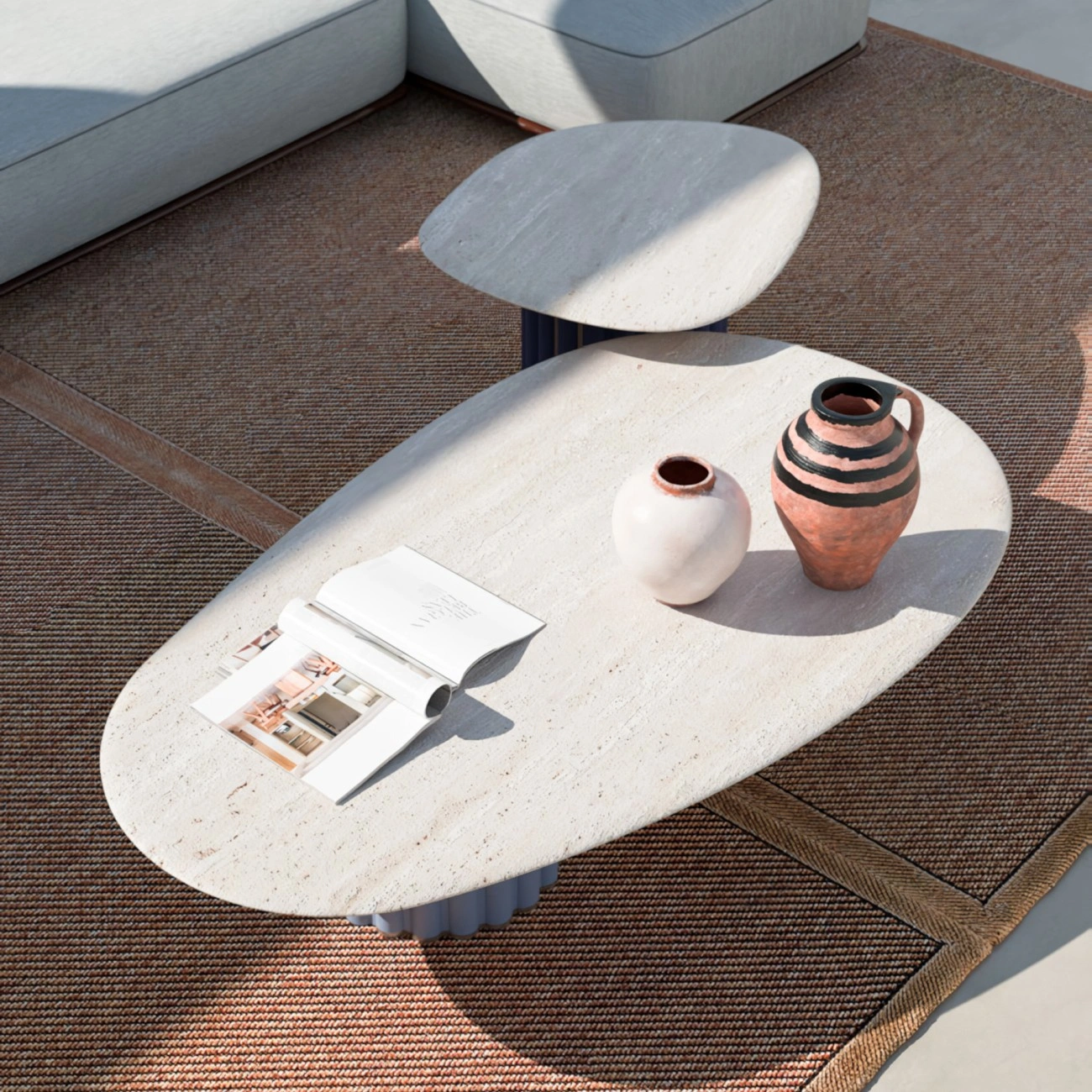
Function can’t look like an afterthought. A folding chair or a lift-top table should feel designed, intentional. Clean lines, proportions that make sense, materials that age well. A velvet storage bench at the foot of the bed, for instance, gives seating, storage, and texture all at once. A coffee table with integrated shelves holds blankets, books, whatever, without reading as cluttered.
The trick is that every function has to feel like part of the design, not tacked on. A lift-up lid or fold-out mechanism should feel inevitable, like the furniture was meant to do it all along.
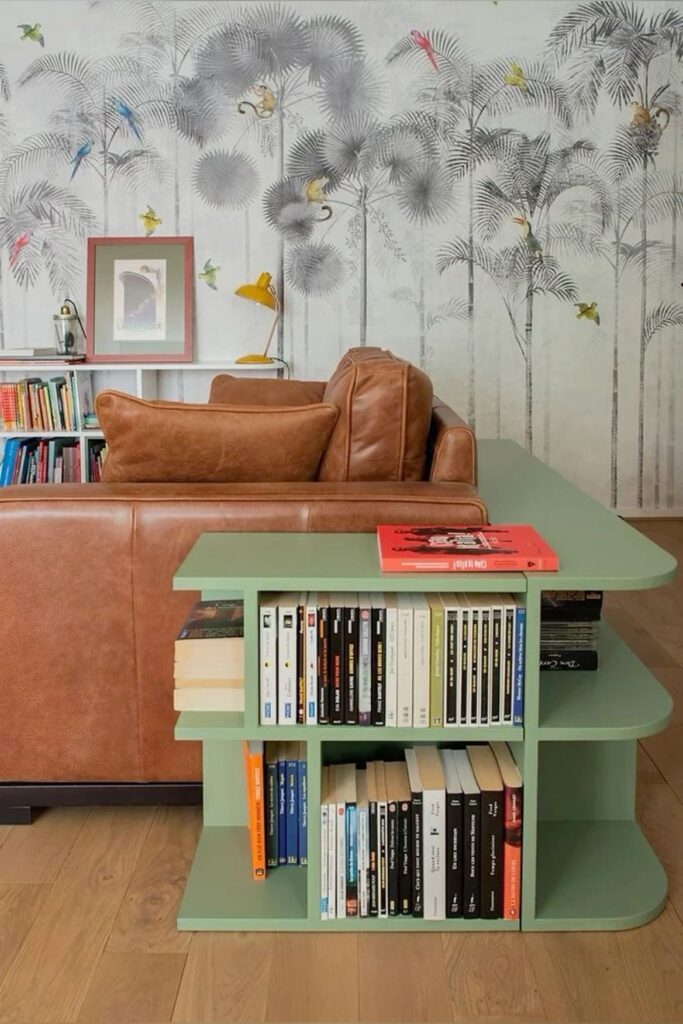
Think Vertical
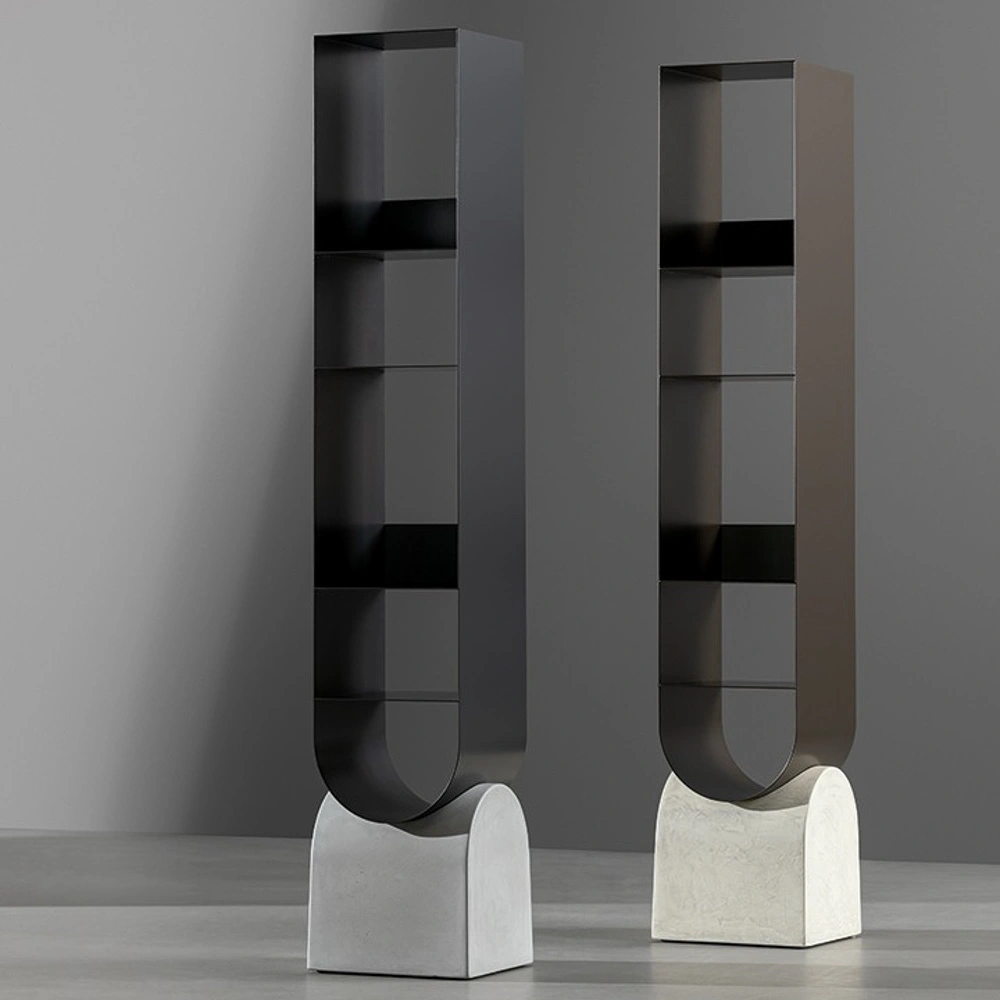
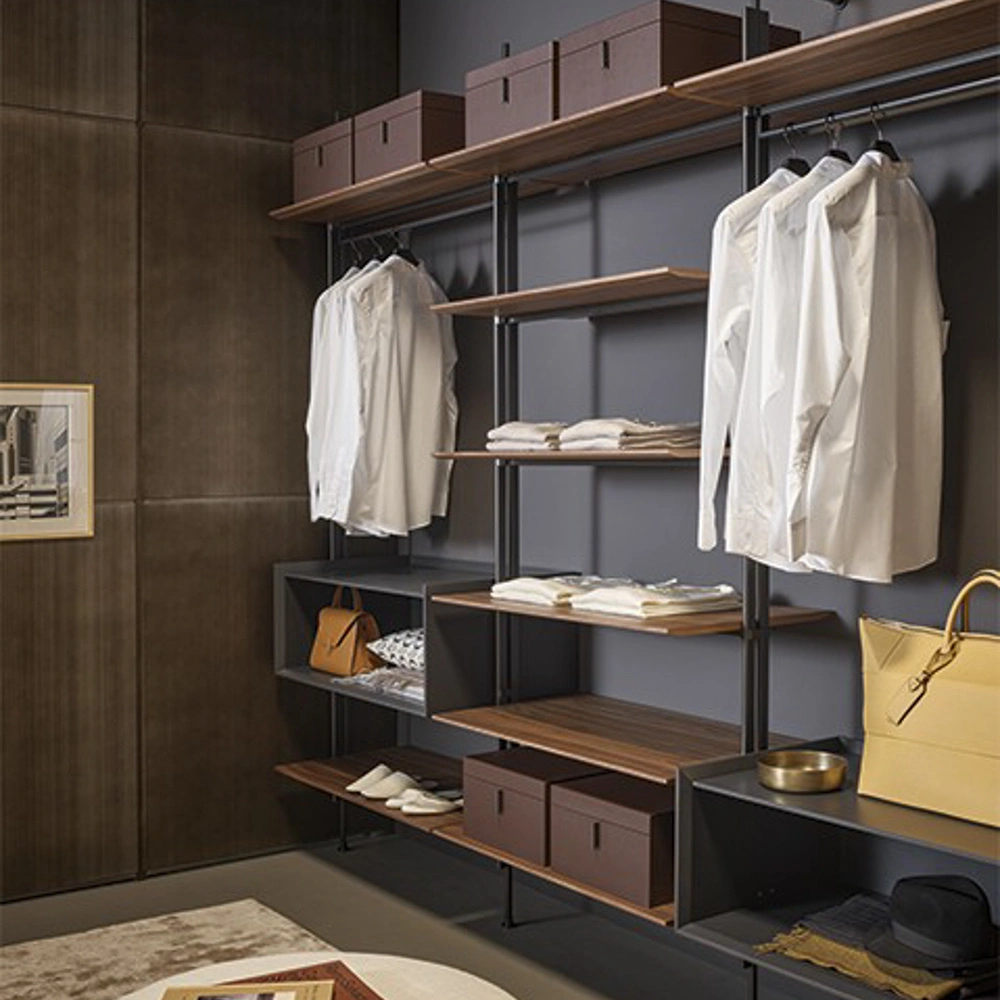
In small apartments, it’s not just floor space. It’s volume. Tall shelving that doubles as a desk, a ladder that stores things, cabinets with sliding doors—these all use height instead of crowding the floor.
Balance matters. Vertical pieces can feel heavy if you aren’t careful. But a bookshelf that hides a reading nook, a wardrobe that contains a pull-out workstation—they create surprise without making the space feel cramped. Architecture becomes furniture, and furniture becomes architecture.
Seating That Pulls Double Duty
Ottomans, benches, chairs—they can do more than offer a place to sit. Storage ottomans hold blankets or pillows. Benches tucked under a dining table make hosting easier. Lounge chairs with hidden compartments keep books or electronics out of sight.
It works best when it feels natural. A bench with a lift-top seat shouldn’t read like a toy. Leather that softens, wood that shows its grain, upholstery that wears evenly—these make functionality feel like style rather than necessity.
Work-from-Home in Tight Spaces
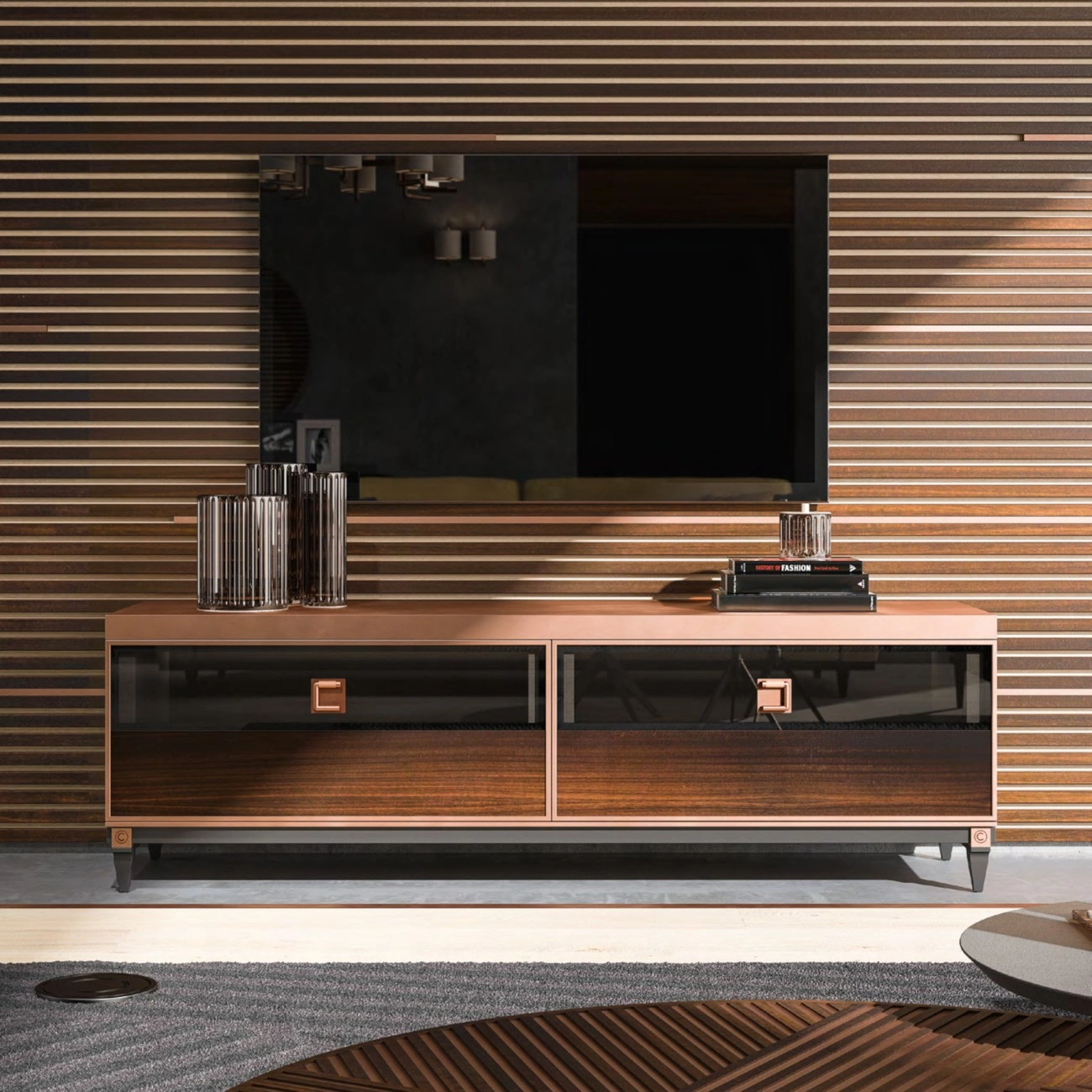
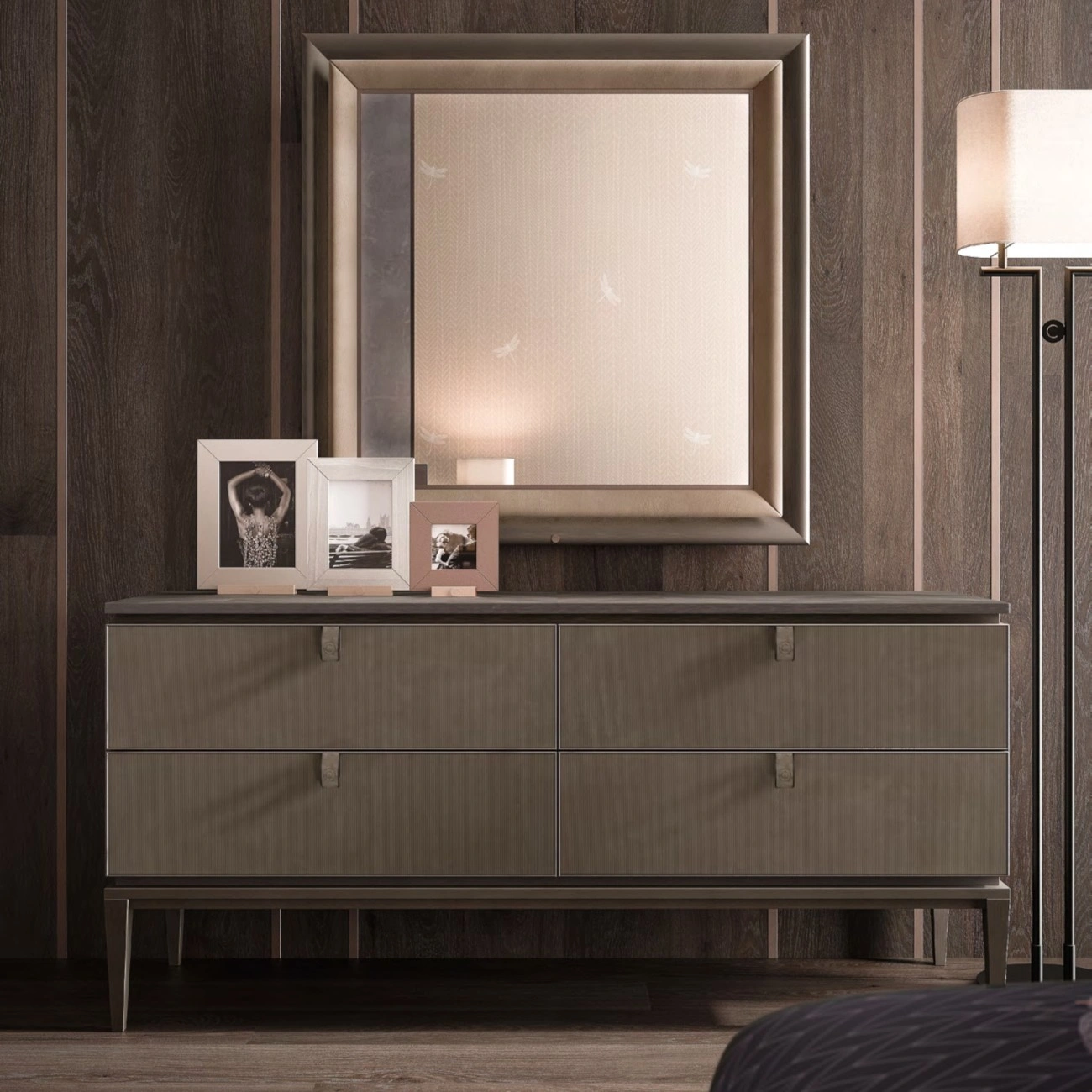
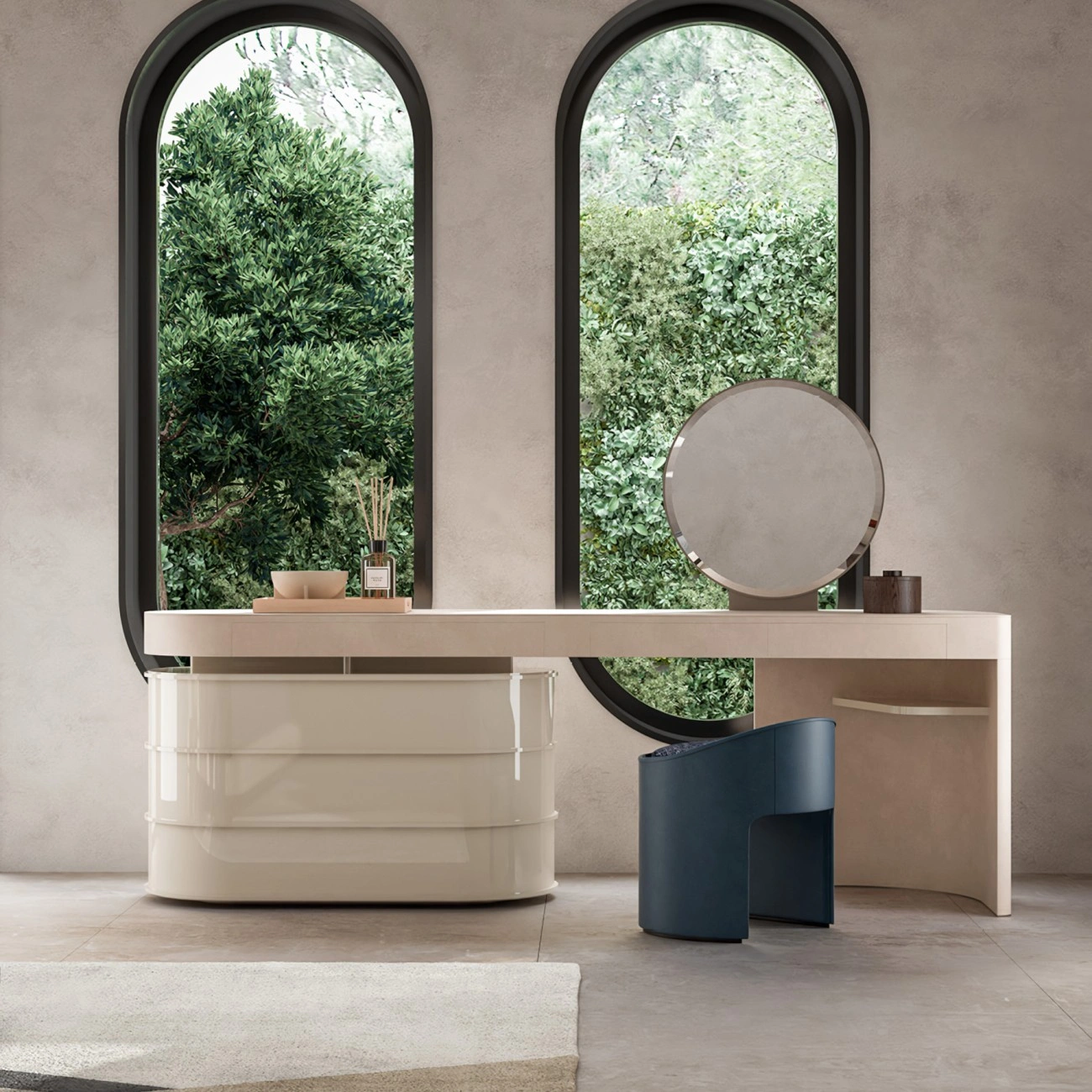
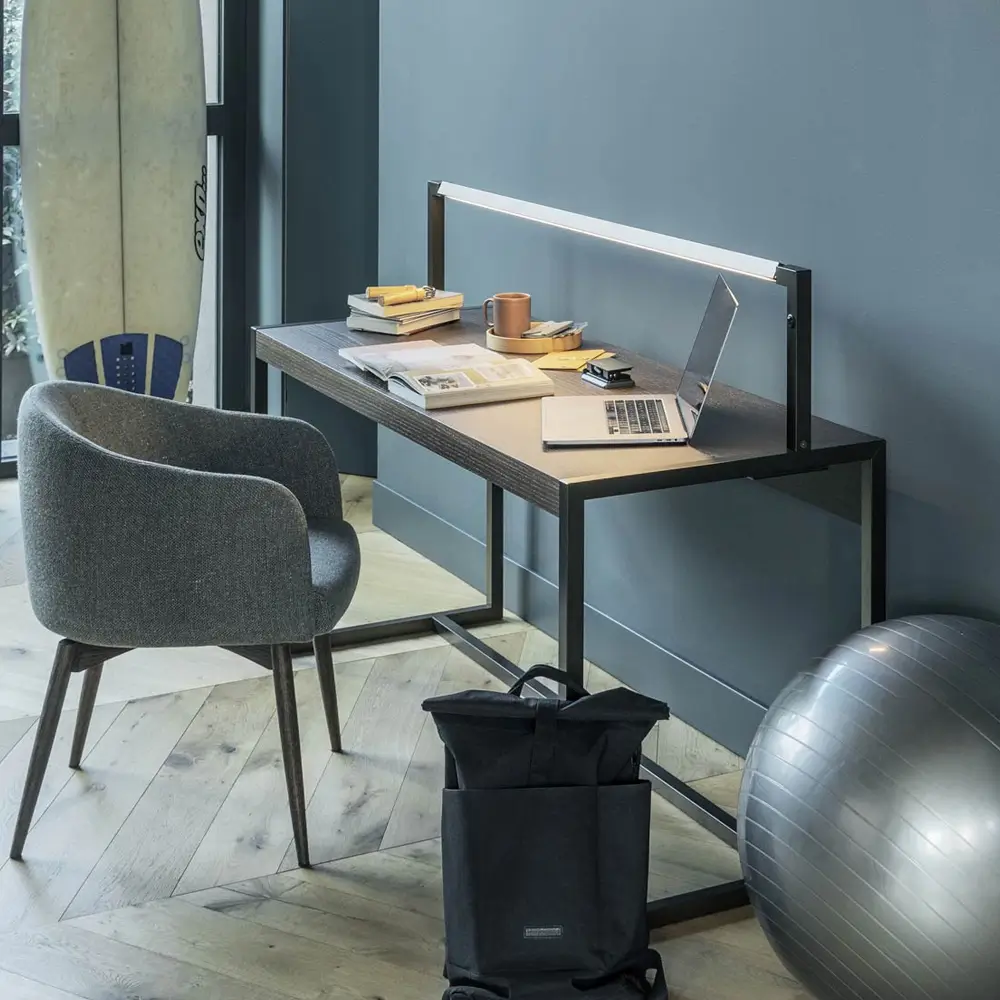
Urban apartments double as offices now. Fold-away desks, credenzas that become work surfaces, console tables that pull out for drafting—all make sense. Placement is key.
A sofa table becomes a laptop station during the day, then a cocktail surface at night. Hidden drawers keep clutter out of view. Function without drama. That’s what makes multi-functional furniture feel sophisticated, not desperate.
Materials That Can Take a Beating
Function introduces wear. Fold, slide, lift—all require durability. Solid wood, treated metal, leather, durable fabrics—these matter.
Cheap furniture fails fast. High-end pieces survive. A velvet ottoman, a solid-wood foldable desk, a leather storage bench—they keep performing without the frustration. The better the materials, the more natural the transformation feels.
Transitional Spaces
Furniture defines zones in small apartments. A sofa with a pull-out table creates a living area and a temporary workspace. A bench in the foyer serves storage and seating. Multi-function creates clarity in ambiguous areas.
Sometimes one strong piece is enough. Replace three small objects with a single, adaptable one. The room breathes. It doesn’t feel empty—it feels smart.
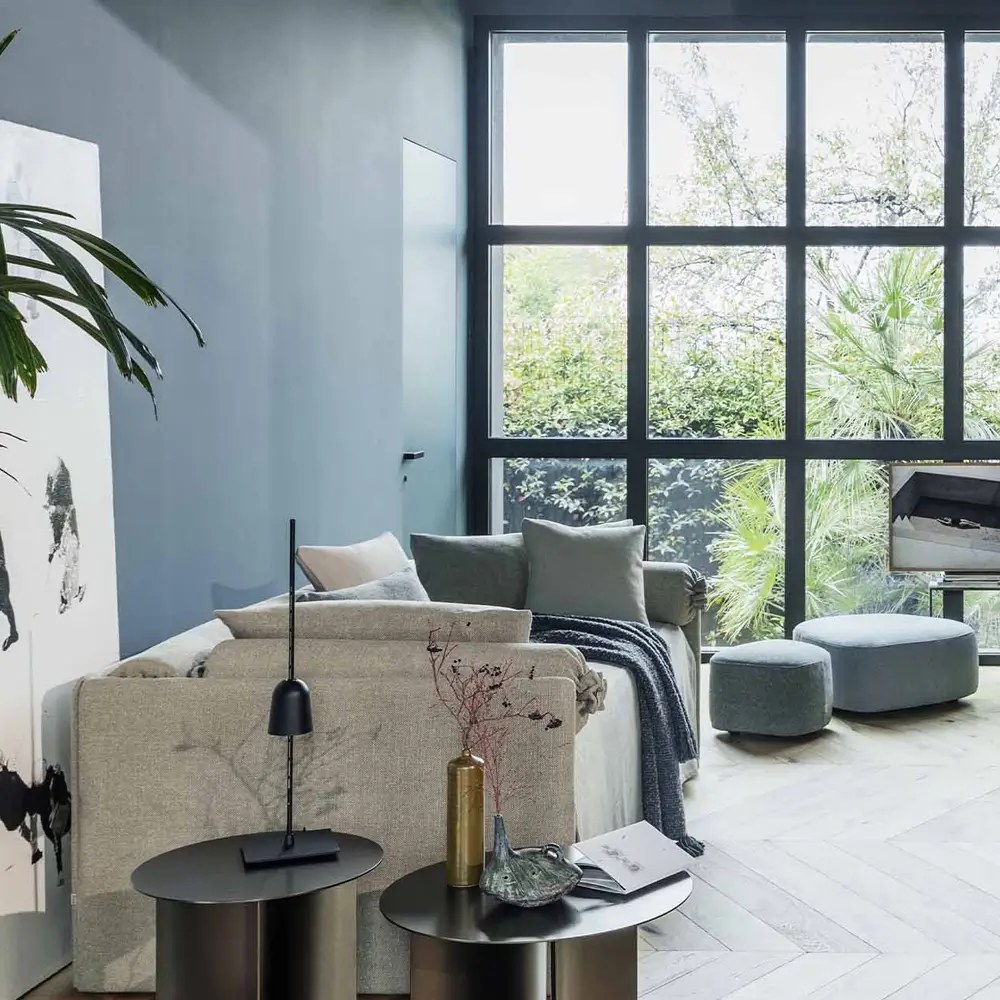
Intuitive Mechanics
The best pieces are intuitive. Lift, slide, fold, reveal. Complexity in mechanism doesn’t equal usability. Elegance is in simplicity. The transformation should feel natural, not like a puzzle.
City living demands that furniture work without constant thought. Multi-functional pieces teach the occupant to interact with space—without frustration. It’s design that makes life easier rather than more complicated.
Longevity and Investment
High-quality multi-functional furniture costs more upfront, but the payoff isn’t just money. It’s spatial. Emotional. Visual. A single well-made piece replaces multiple cheap alternatives that would wear out fast.
Materials, mechanisms, construction—all need to last. For small apartments, where moving is frequent and space tight, longevity isn’t optional. The smartest pieces age gracefully. They don’t scream practicality. They just perform.
Invisible Adaptability
The best furniture disappears when it’s not in use. Fold-out beds look like platforms. Storage ottomans read as tables. Wall desks retract seamlessly. Functionality shouldn’t be obvious.
That’s what separates clutter from flexibility. Adaptability is silent. The room feels calm, collected. Furniture transforms, the apartment responds, and the inhabitant barely notices.
Less Becomes More
City living is about economy. Multi-functional furniture lets spaces operate at full capacity without feeling crowded. Design intentionally, choose pieces that do more than they appear to.
Fold-out tables, storage beds, ottomans, versatile shelving—they all marry form and function. Limit compromise. Maximize adaptability. Create breathing room. Let the space respond to you rather than constrain you.