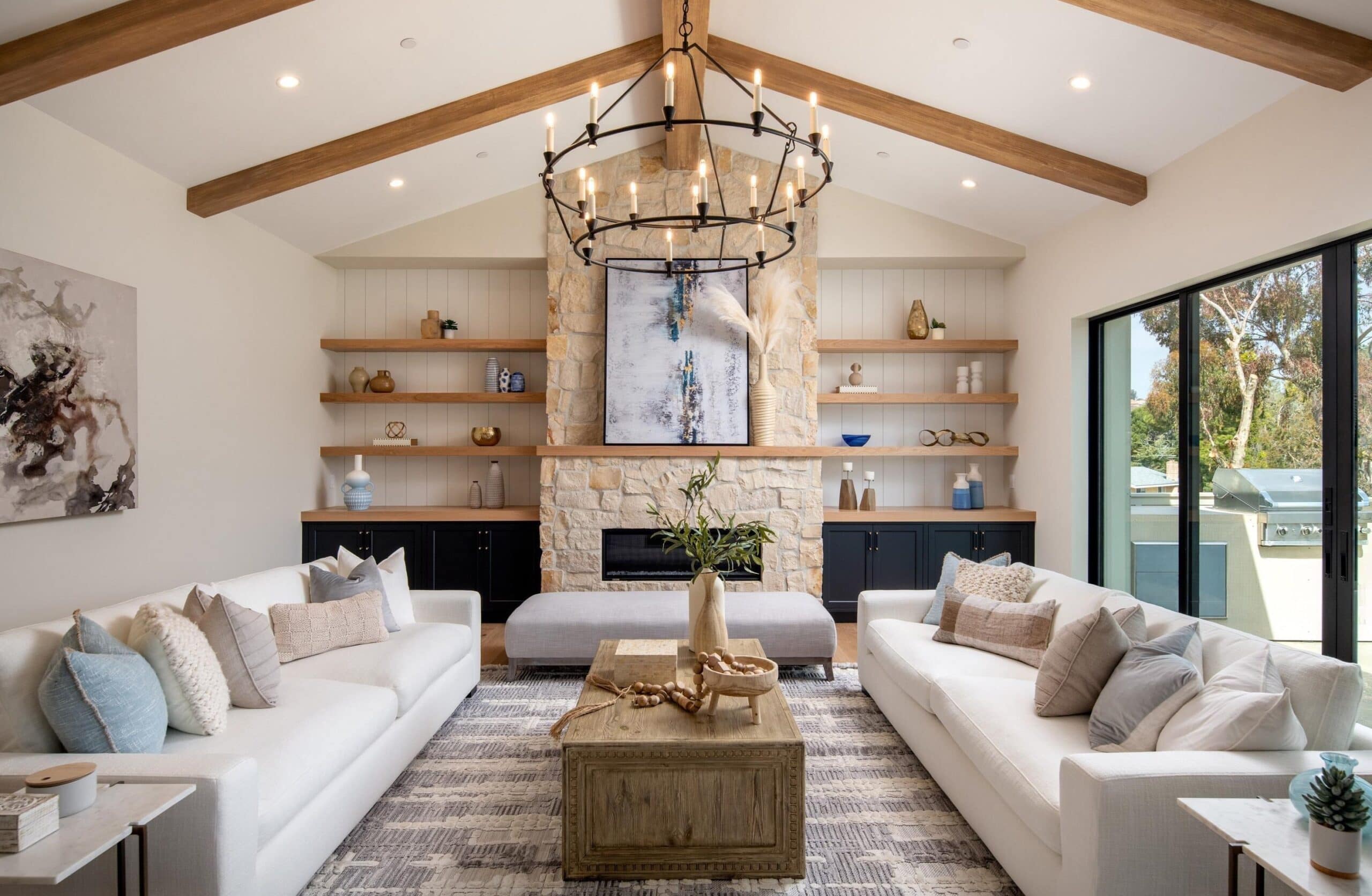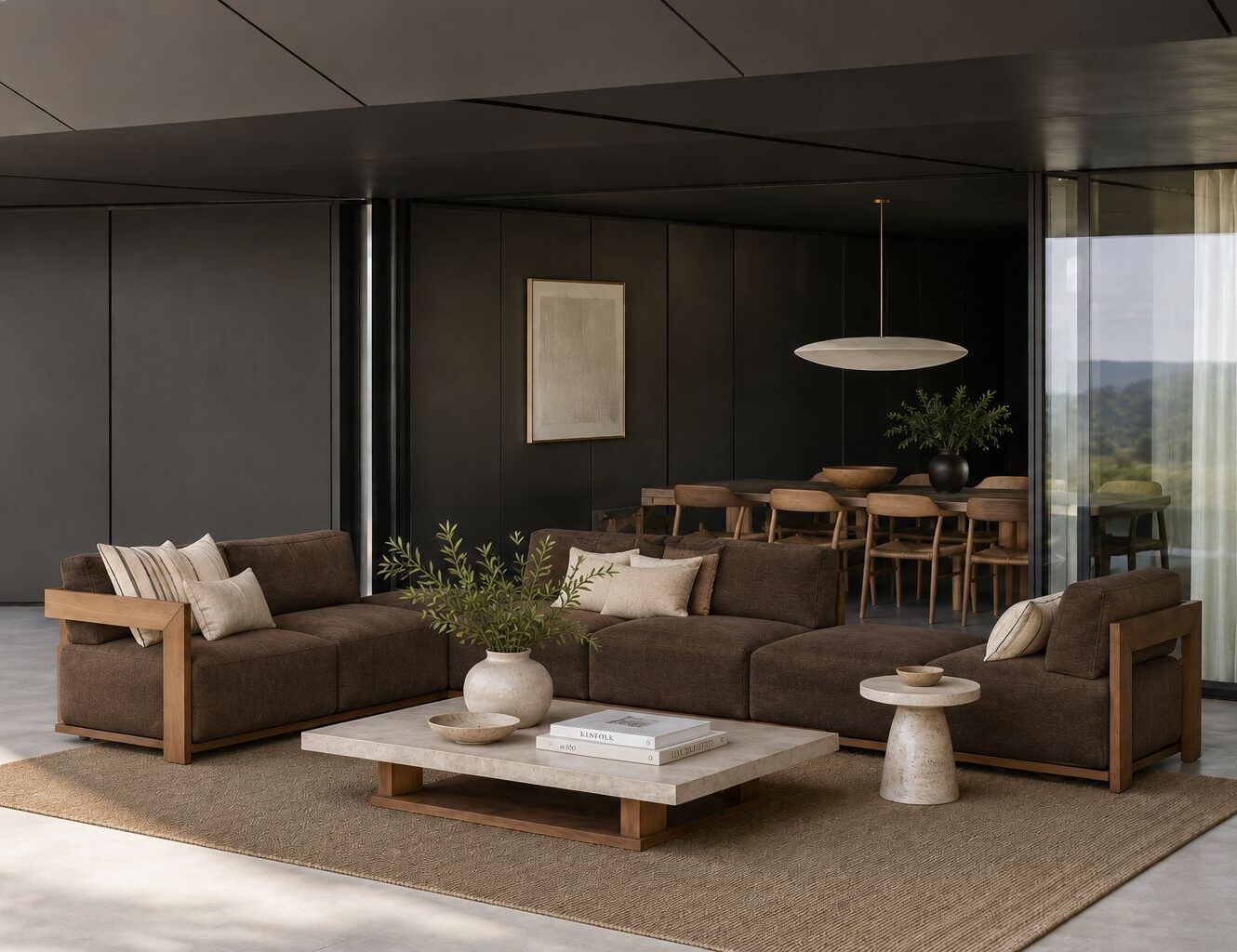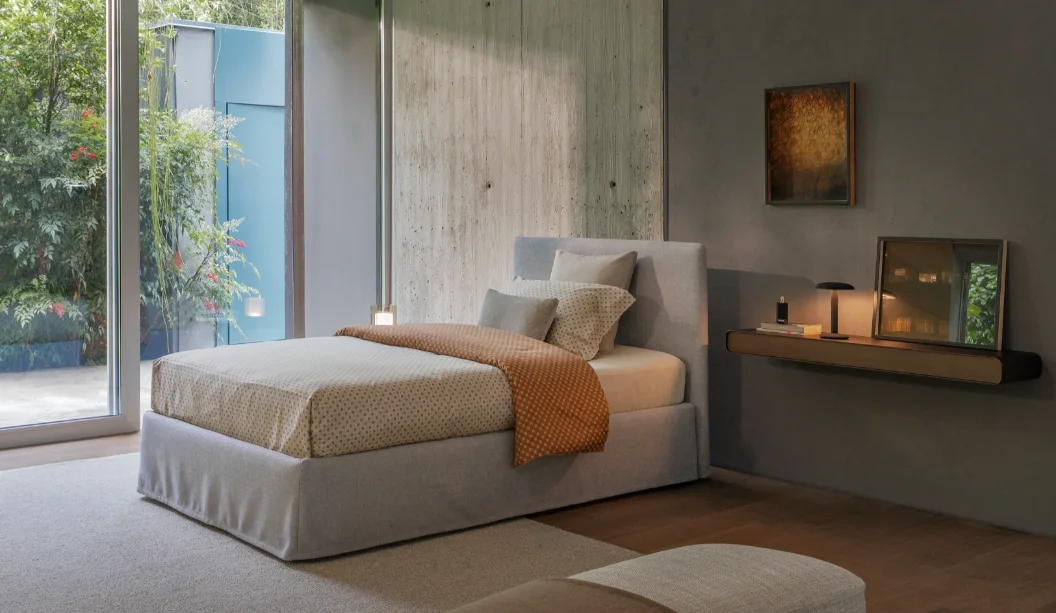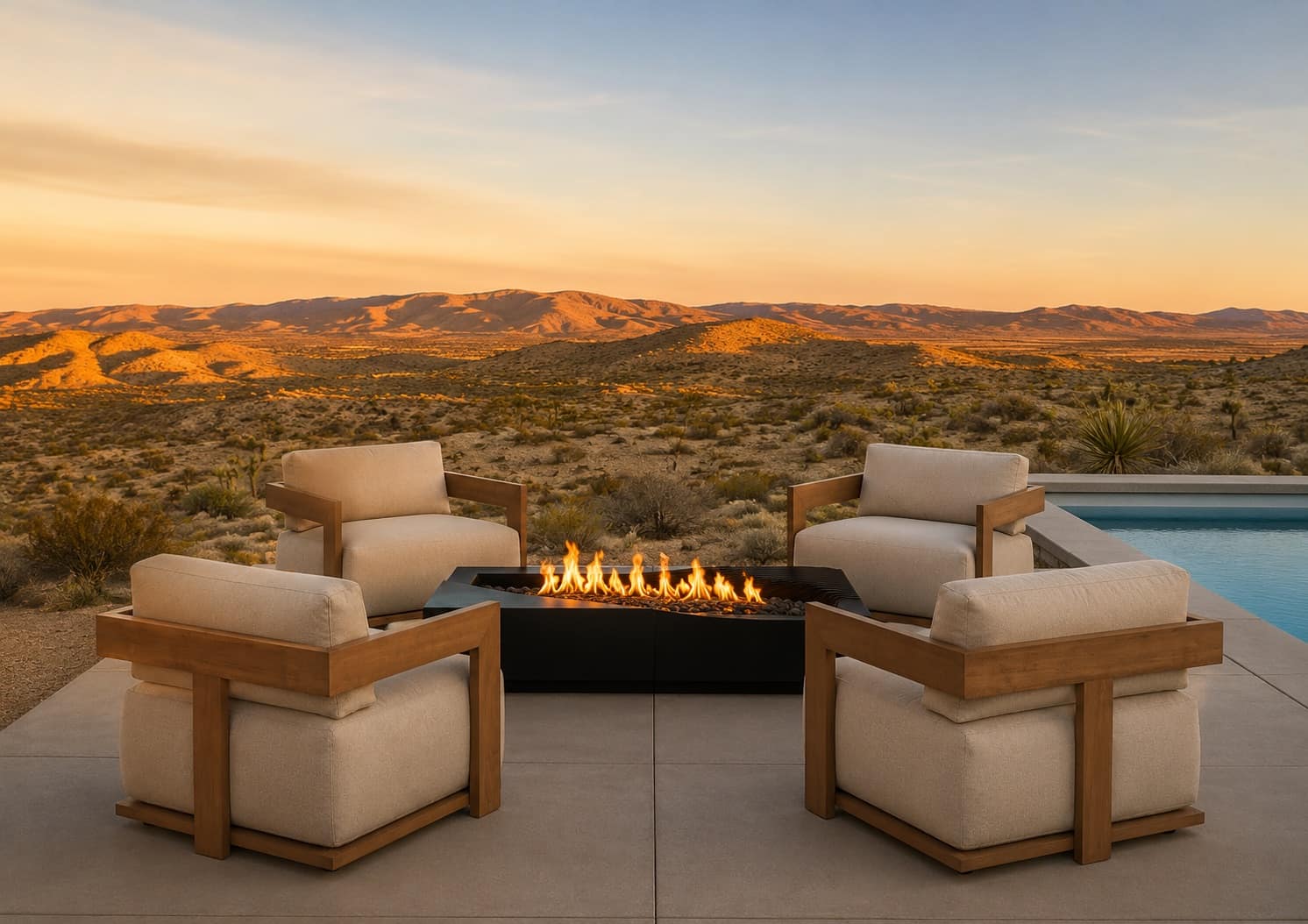

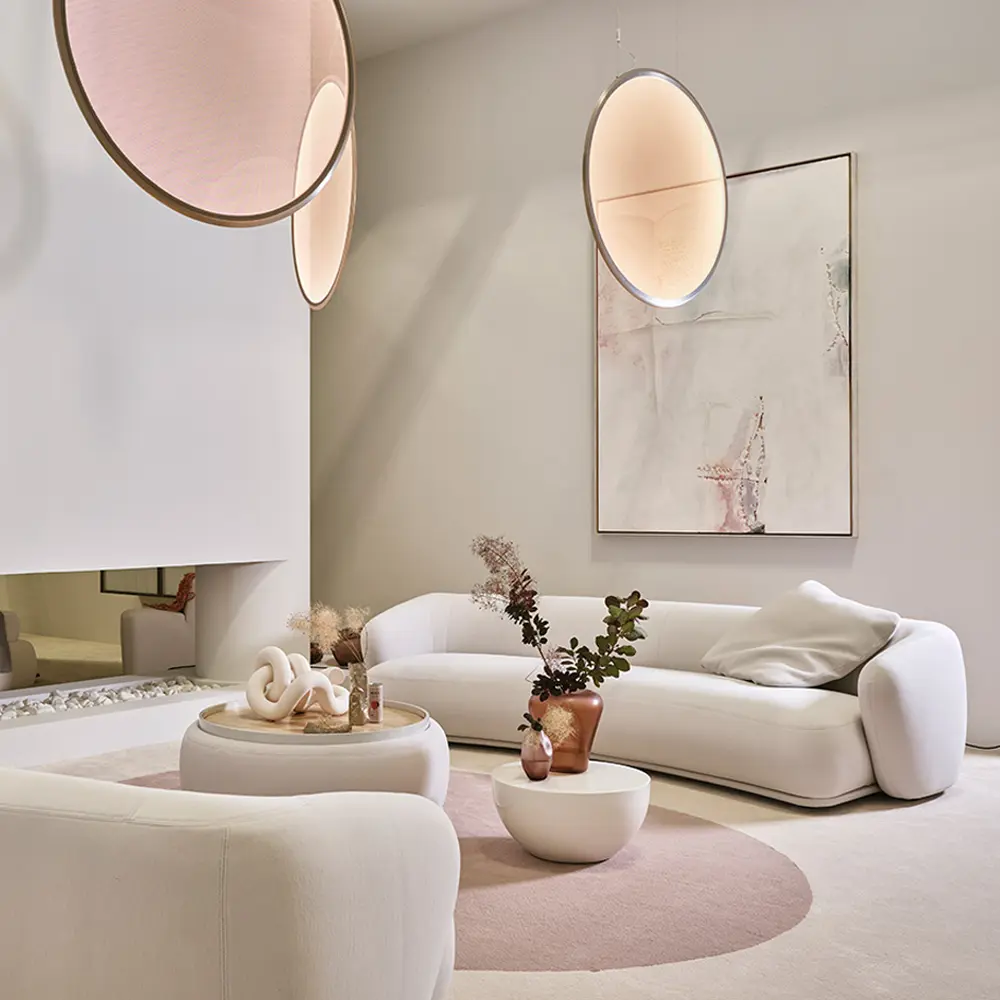
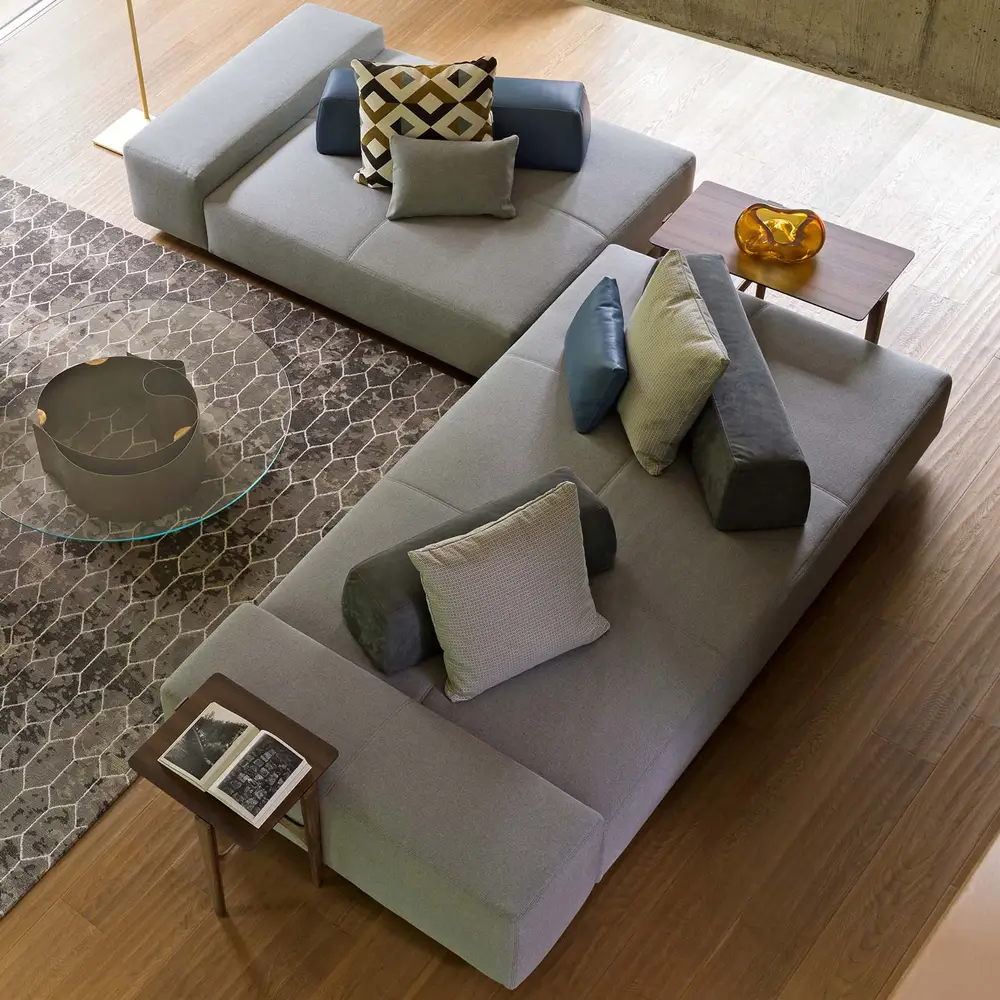
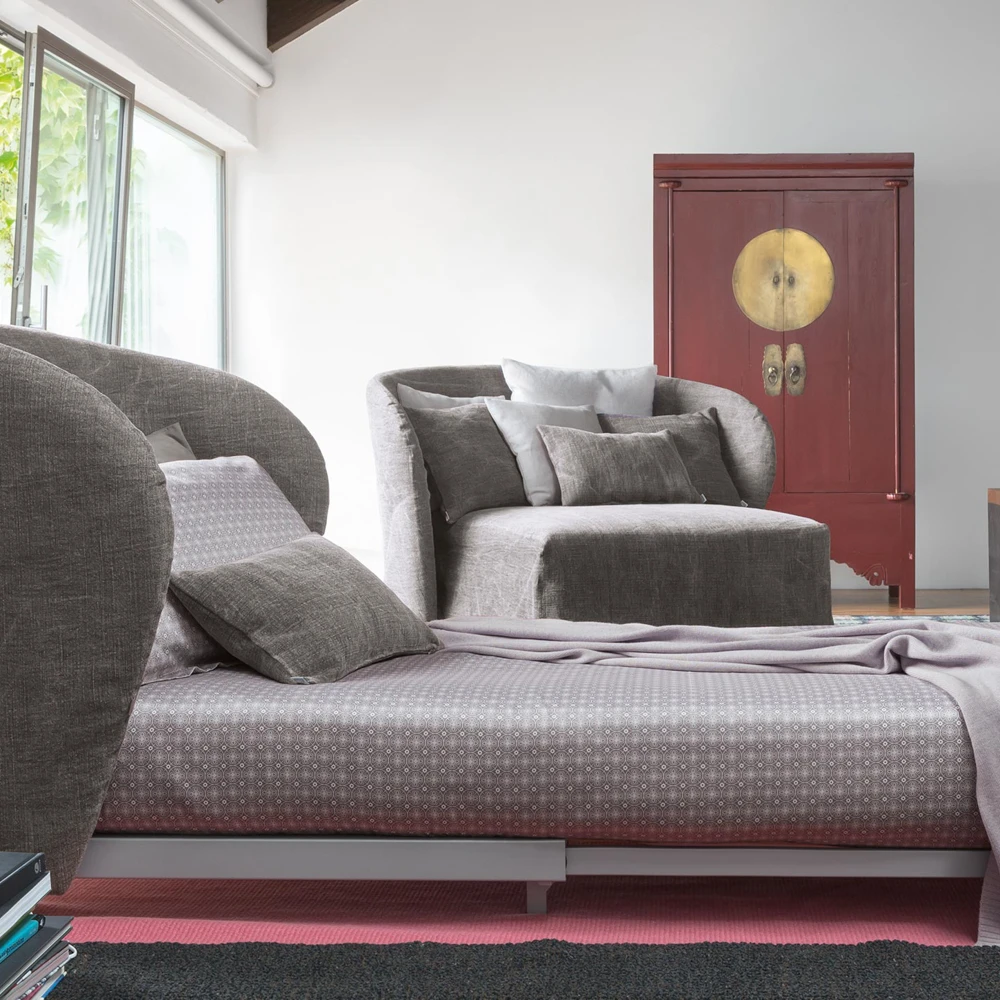
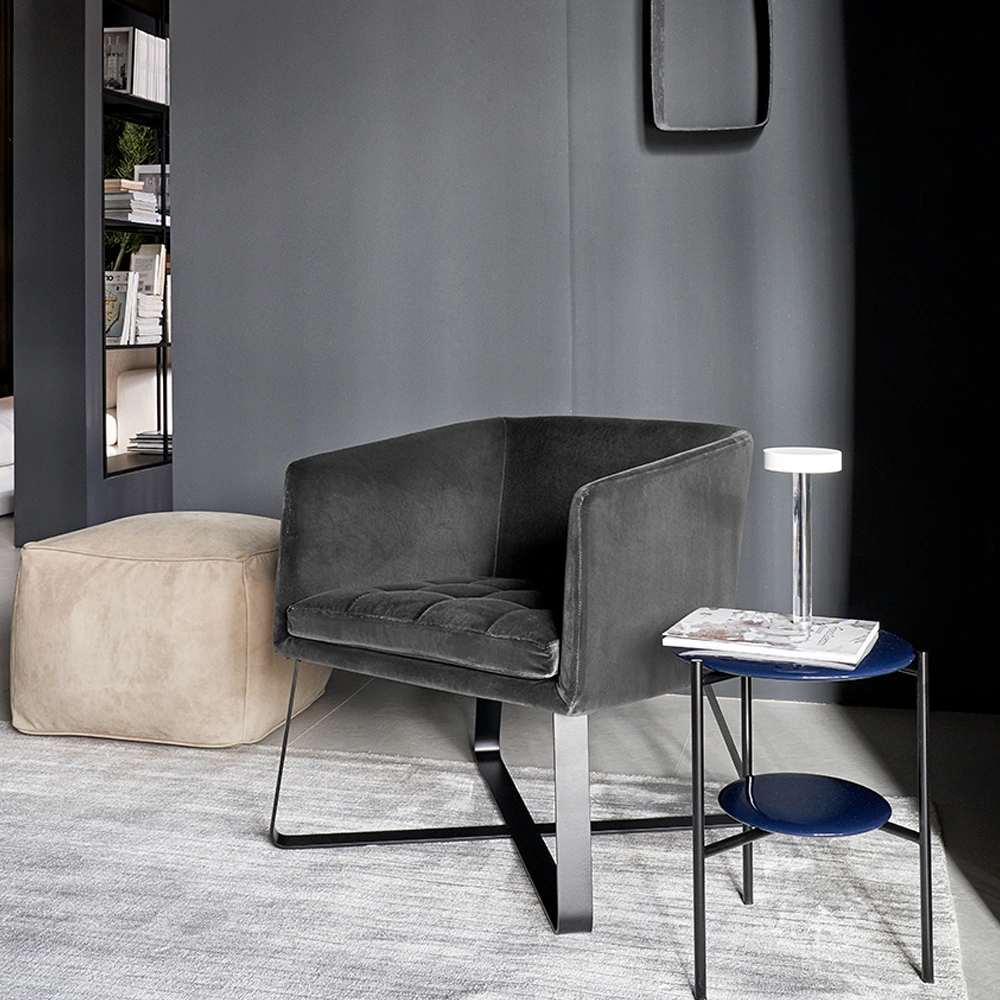






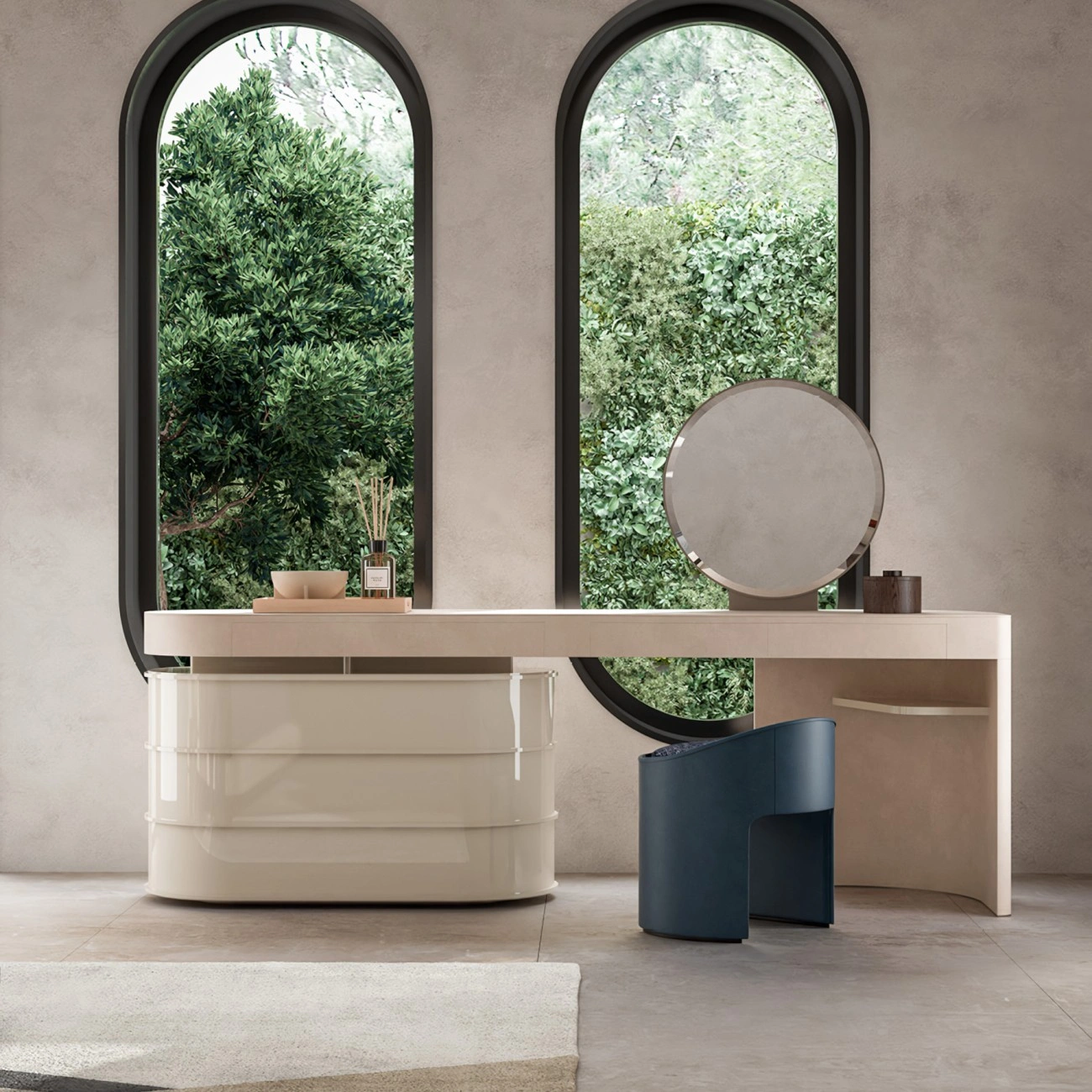
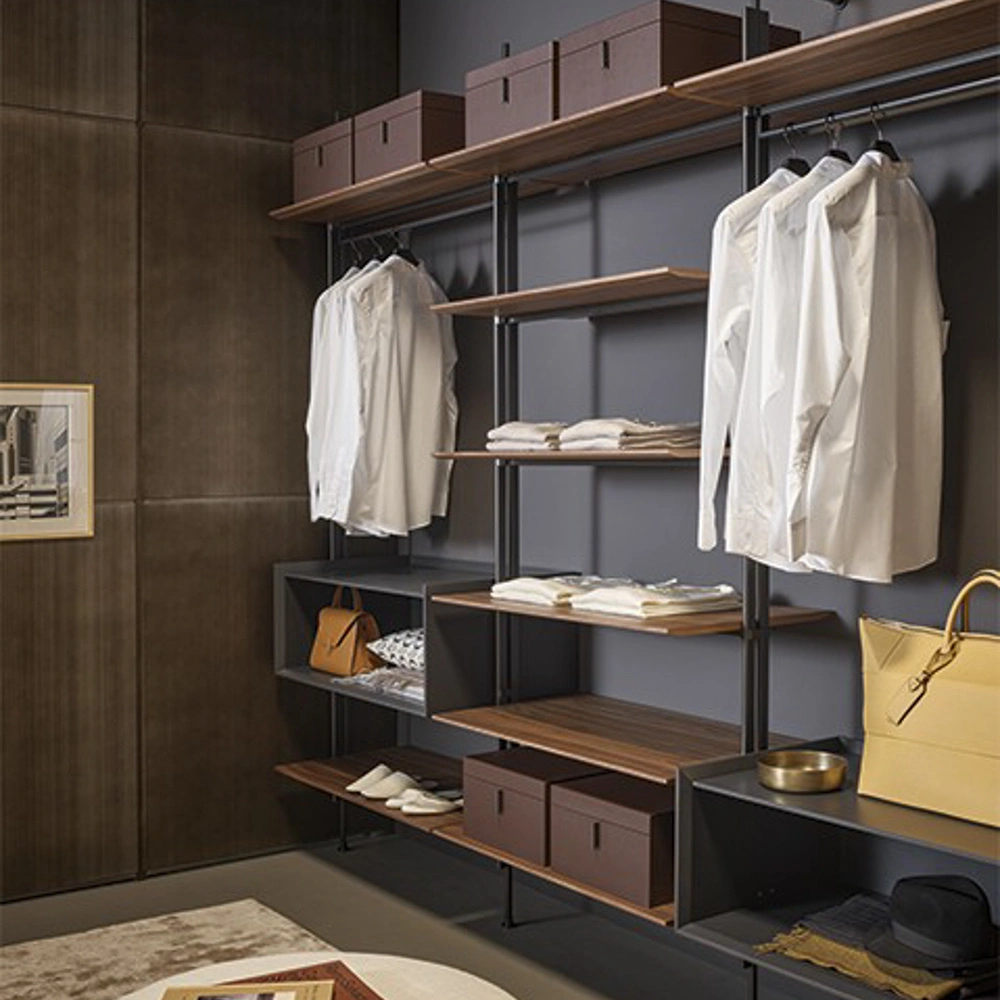
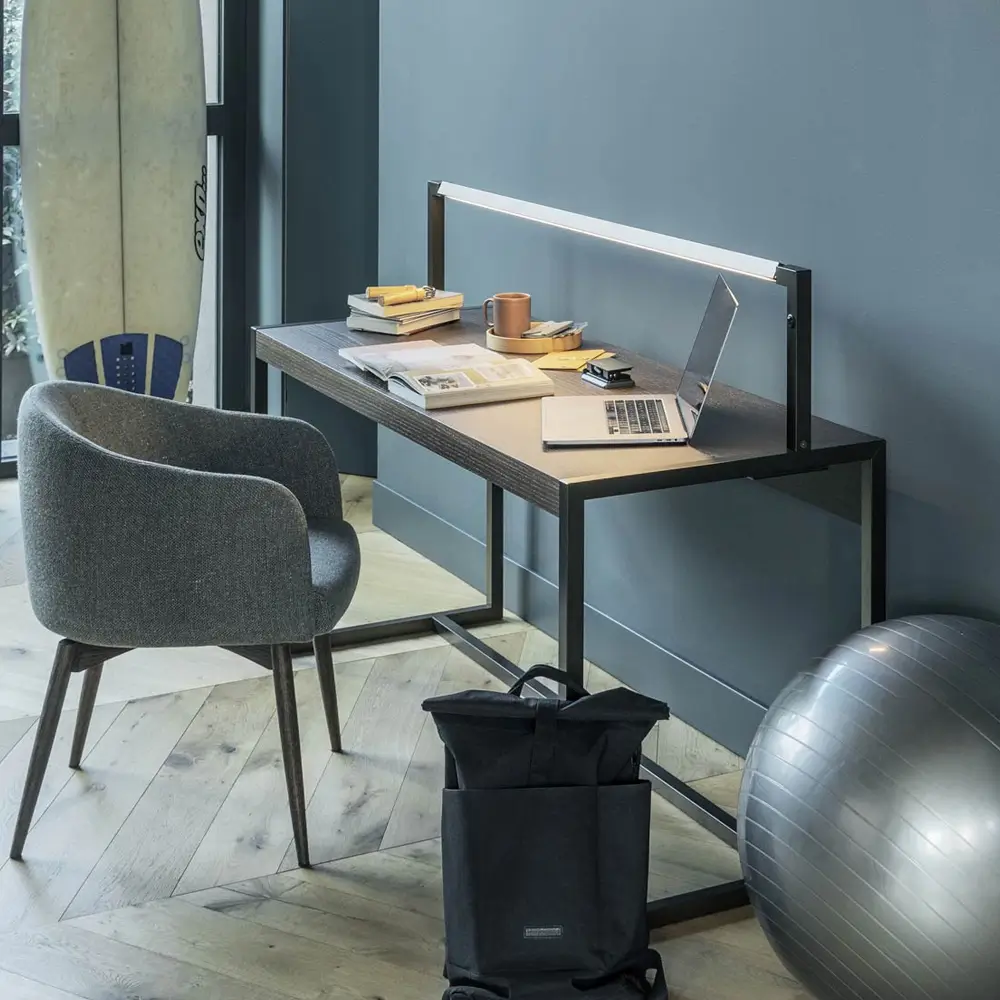






The phrase “cool grandmother” has been circulating for a while now, half-ironic, half-aspirational. It conjures an image that’s oddly specific: oversized sunglasses, a sculptural coat, loafers worn into softness, a custom rattan chair pulled up to the window because that’s where the light is best. It’s not about age, exactly. It’s about confidence that no longer needs to prove relevance. In interiors, the look borrows heavily from the silhouettes of the 60s and 70s—low-slung seating, rounded edges, generous proportions—but filters them through a contemporary understanding of comfort, durability, and use.
What makes this moment interesting isn’t the nostalgia. Designers have always been happy to raid the mid-century archive. What’s different now is the refusal to accept the limitations that came with those originals. The forms remain, but the materials have changed. And that shift says more about how people live now than how they remember the past.
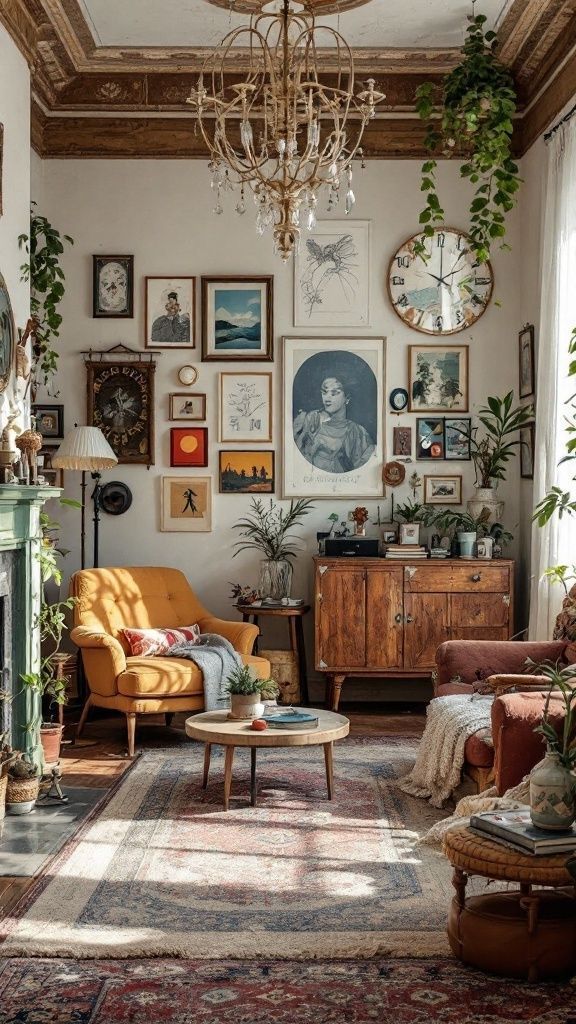
Why Those Old Shapes Keep Coming Back in Cool Grandmother Interior
Furniture from the 60s and 70s was unapologetically physical. Sofas were deep enough to disappear into. Chairs wrapped around the body instead of perching it upright. Tables were thick, grounded, almost stubborn. These pieces weren’t designed for scrolling or staging. They were designed for sitting, leaning, lingering.
Modern interiors keep returning to these silhouettes because they resist the hyper-edited logic of contemporary life. A curved sofa softens a room instantly. A barrel chair breaks the tyranny of straight lines. Low furniture changes how a space is read—it lowers the eye line, calms the room, makes everything feel slower.
But the originals came with trade-offs. Fragile upholstery. Delicate foams that collapsed over time. Fabrics that showed wear immediately and never recovered. The romance faded quickly once real life intervened.
The Fabric Problem No One Talks About
For all the affection directed at vintage furniture, few people genuinely want to live with vintage upholstery. Original mohair, bouclé, or wool blends are beautiful, but they’re unforgiving. They stain, fade, pill, and stretch. They were never meant for pets, children, red wine, or modern heating systems.
This is where the “cool grandmother” look becomes contemporary rather than retro. The silhouette stays nostalgic; the fabric does not. Performance textiles—dense weaves, stain-resistant fibers, washable blends—are quietly doing the heavy lifting. They allow these indulgent forms to exist in real homes without anxiety.
What’s notable is how invisible this evolution has become. The best modern performance fabrics don’t announce themselves. They look tactile, soft, slightly imperfect. They drape like natural fibers and wear in rather than out. The technology is hidden, which aligns perfectly with the ethos of the look: capability without showmanship.
Comfort Without Apology
There’s something deeply unbothered about furniture that prioritizes comfort openly. The cool grandmother aesthetic rejects the idea that elegance must be slim, tight, or disciplined. Cushions are generous. Arms are wide. Seats are low enough to encourage lounging, not perching.
Modern foam technology and internal construction make this indulgence possible without sacrificing longevity. Where vintage pieces sagged or warped, contemporary versions hold their shape. The comfort feels intentional rather than accidental.
This matters because comfort is no longer considered a compromise. It’s a baseline expectation. The room doesn’t apologize for inviting people to stay longer. It assumes they will.
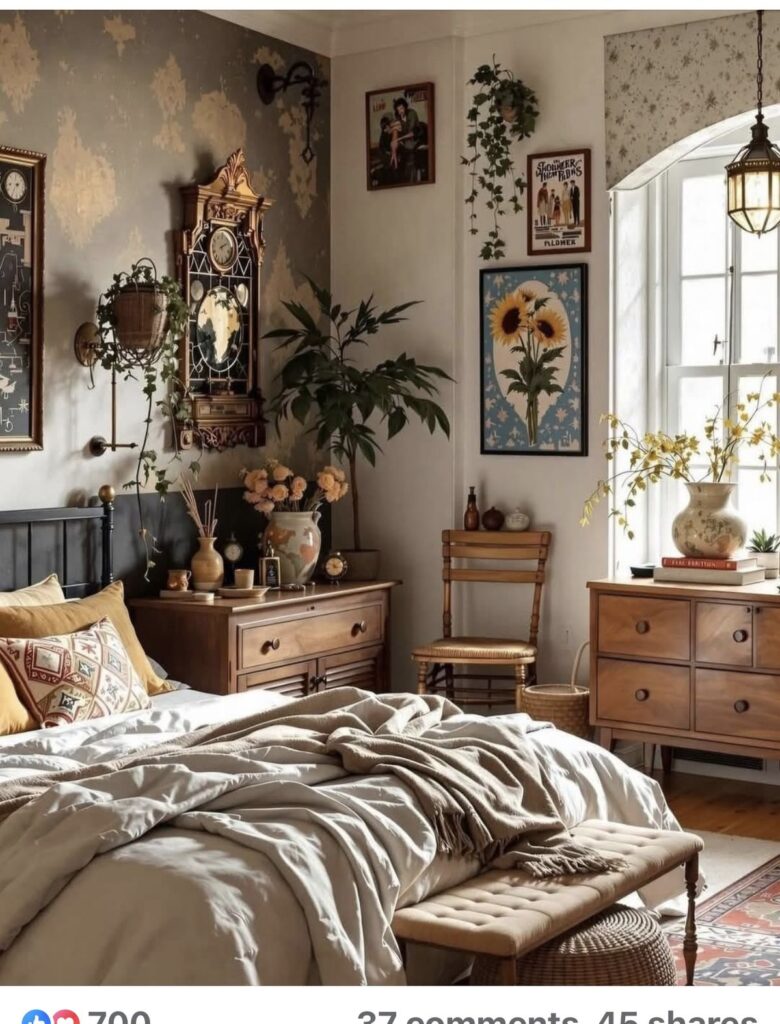
Mixing the Familiar With the Efficient
Blending vintage-inspired silhouettes with modern fabrics works best when it’s not overly precious. A 70s-style sofa upholstered in a high-performance linen blend doesn’t need to sit in a period-correct room. In fact, it works better when it doesn’t.
Pairing these pieces with clean architectural elements—a sharp coffee table, minimal lighting, restrained palettes—keeps the look from tipping into costume. The tension between softness and precision is where the interest lies.
The same applies to color. Earth tones dominate, but they’re rarely literal. Warm browns, muted ochres, olive greens—colors that feel aged even when they’re new. Modern dye techniques give them depth without fragility.
The Role of Wear—and Why It Still Matters
Even with advanced materials, wear remains important. The cool grandmother look doesn’t strive for perfection. It allows furniture to age visibly, just more gracefully than before. Cushions soften. Fabric relaxes. Edges round off.
The difference is that the wear feels intentional rather than catastrophic. Performance fabrics don’t panic at use; they absorb it. That resilience changes how people interact with their homes. They sit without hesitation. They don’t hover nervously with coasters and throws.
That ease is part of the appeal. The room feels lived in quickly, without needing years to get there.
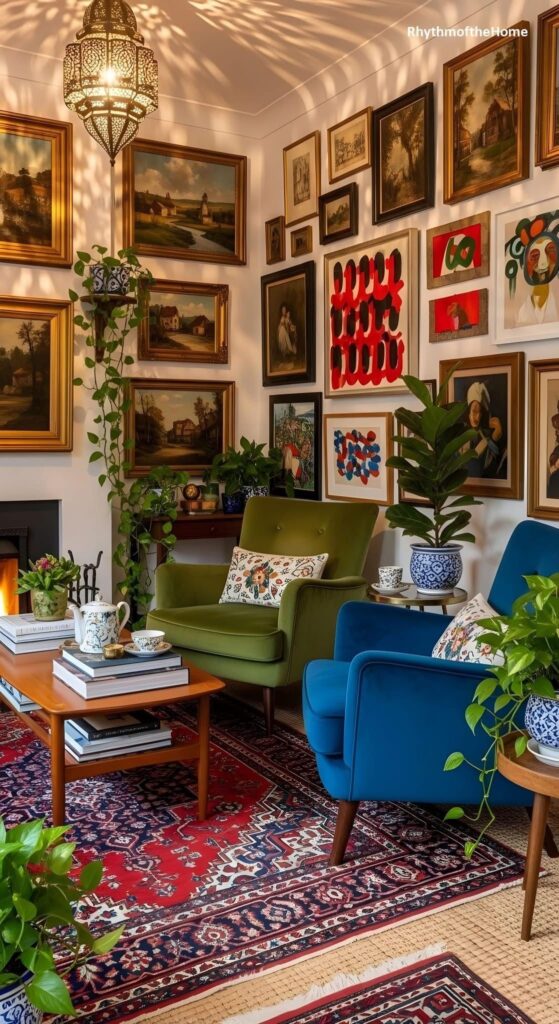
Nostalgia Without Sentimentality
There’s a reason this look resonates now. It offers nostalgia without sentimentality. The shapes reference a past era, but the execution belongs firmly in the present. There’s no attempt to recreate history faithfully. Instead, it’s edited, filtered, and improved.
The look avoids irony. It doesn’t wink at itself. It doesn’t rely on novelty. It feels sincere, which is increasingly rare in interiors shaped by trend cycles.
That sincerity comes from function. The furniture works. The fabrics perform. The room supports daily life without demanding constant maintenance or explanation.
Living With It Long-Term
Perhaps the strongest argument for this aesthetic is its longevity. Vintage silhouettes have already proven their staying power. Modern materials ensure they don’t become burdens. Together, they create interiors that feel settled rather than staged.
This isn’t about chasing youth or referencing age. It’s about adopting a mindset that values ease, confidence, and substance over sharpness or novelty. The room doesn’t need to convince anyone of its relevance. It already knows.
A curved sofa upholstered in a resilient wool blend. A deep lounge chair that forgives heavy use. A space that looks composed even when slightly undone. These choices don’t read as trendy. They read as assured.
And that’s ultimately what defines the cool grandmother look—not the decade it references, but the attitude it embodies. Unrushed. Comfortable. Stylish without asking permission.