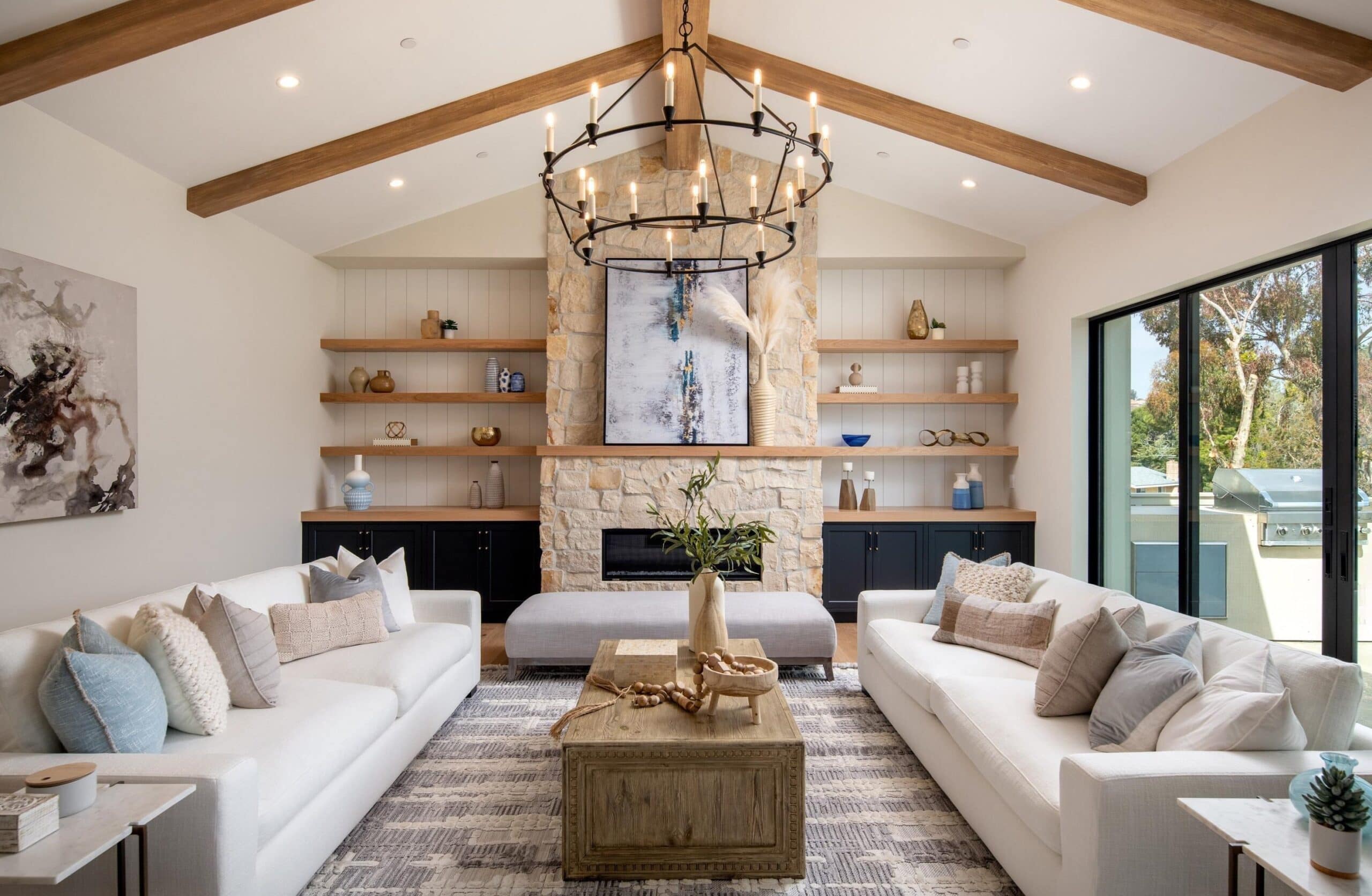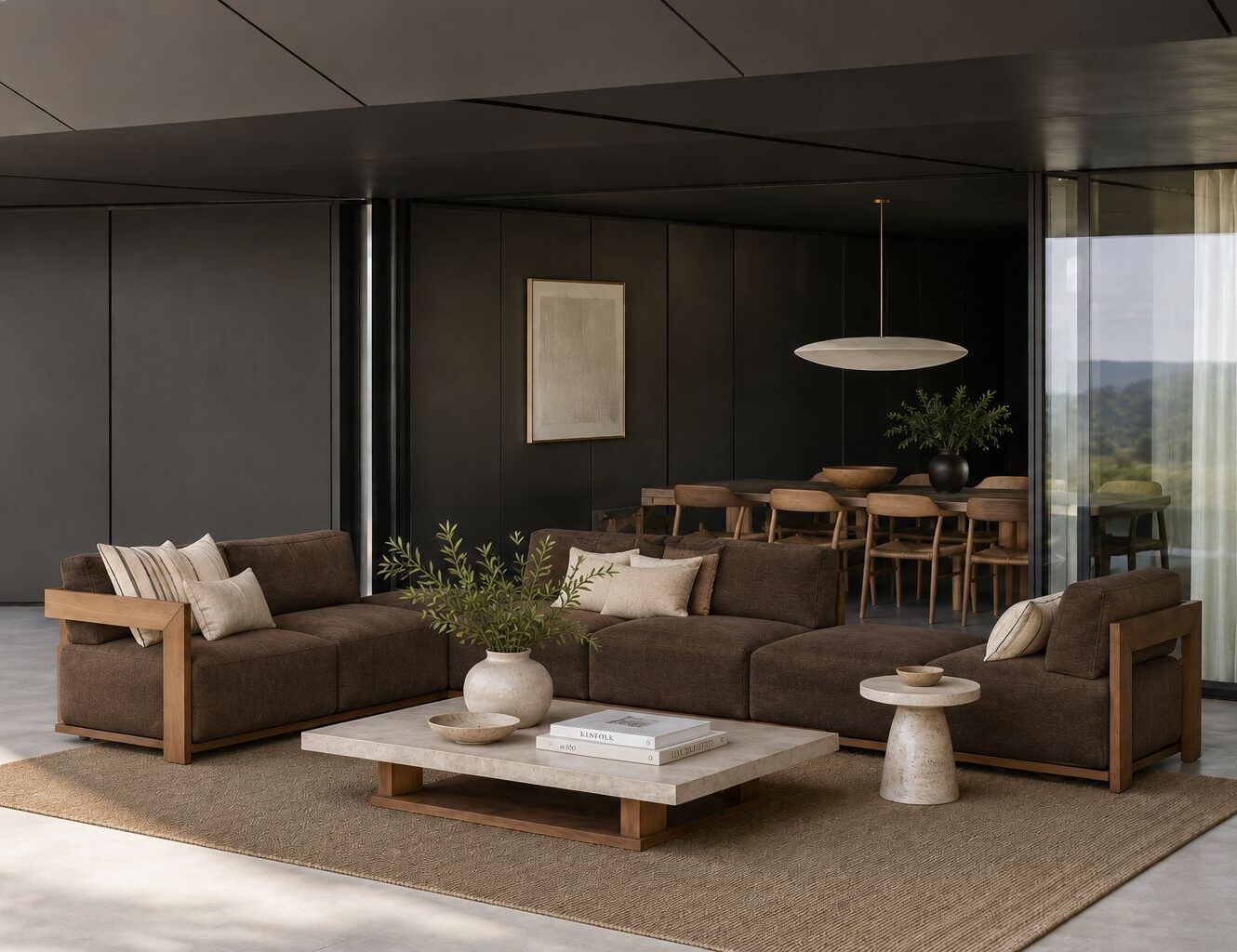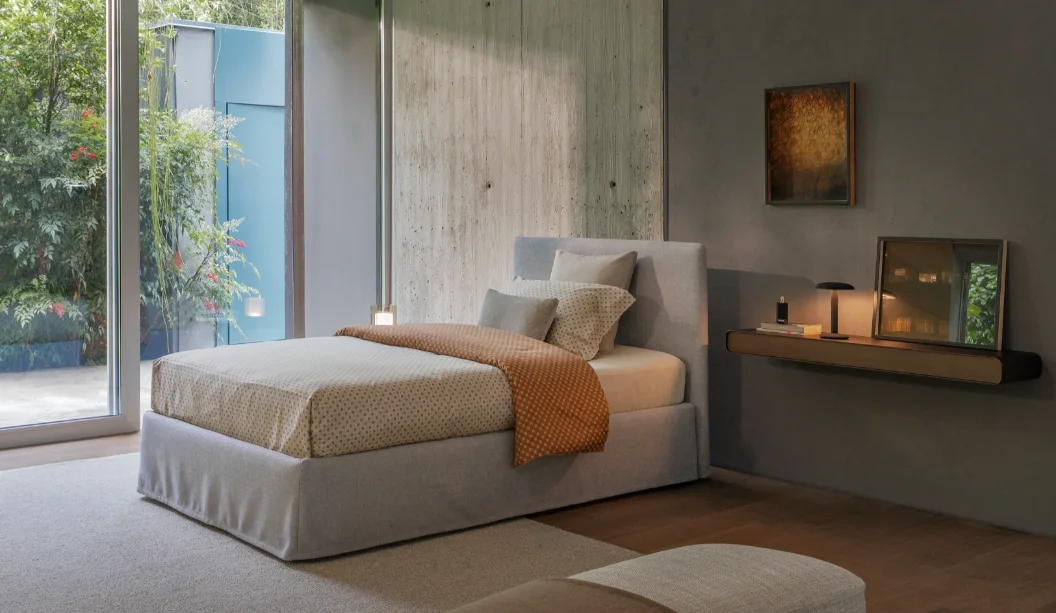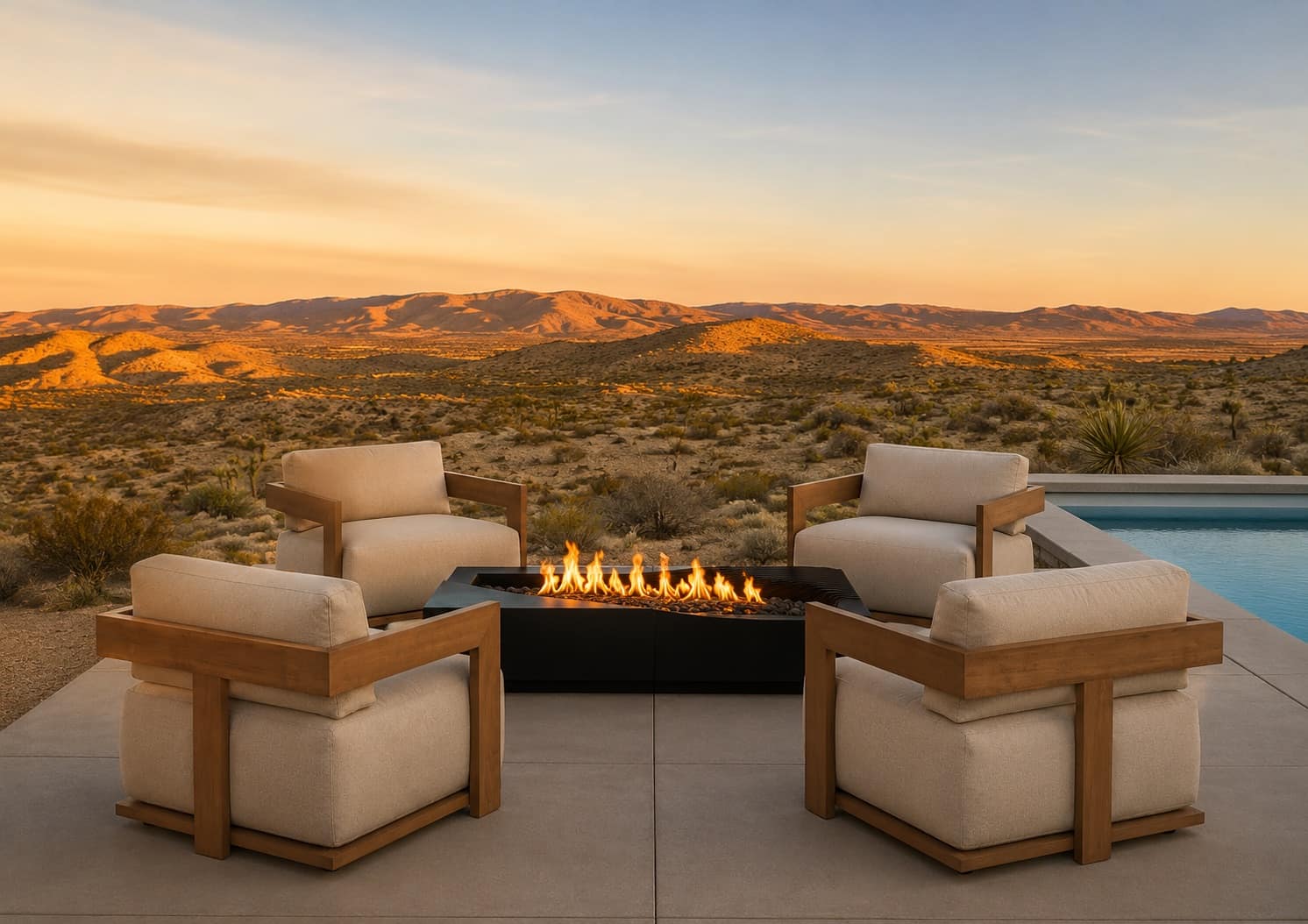





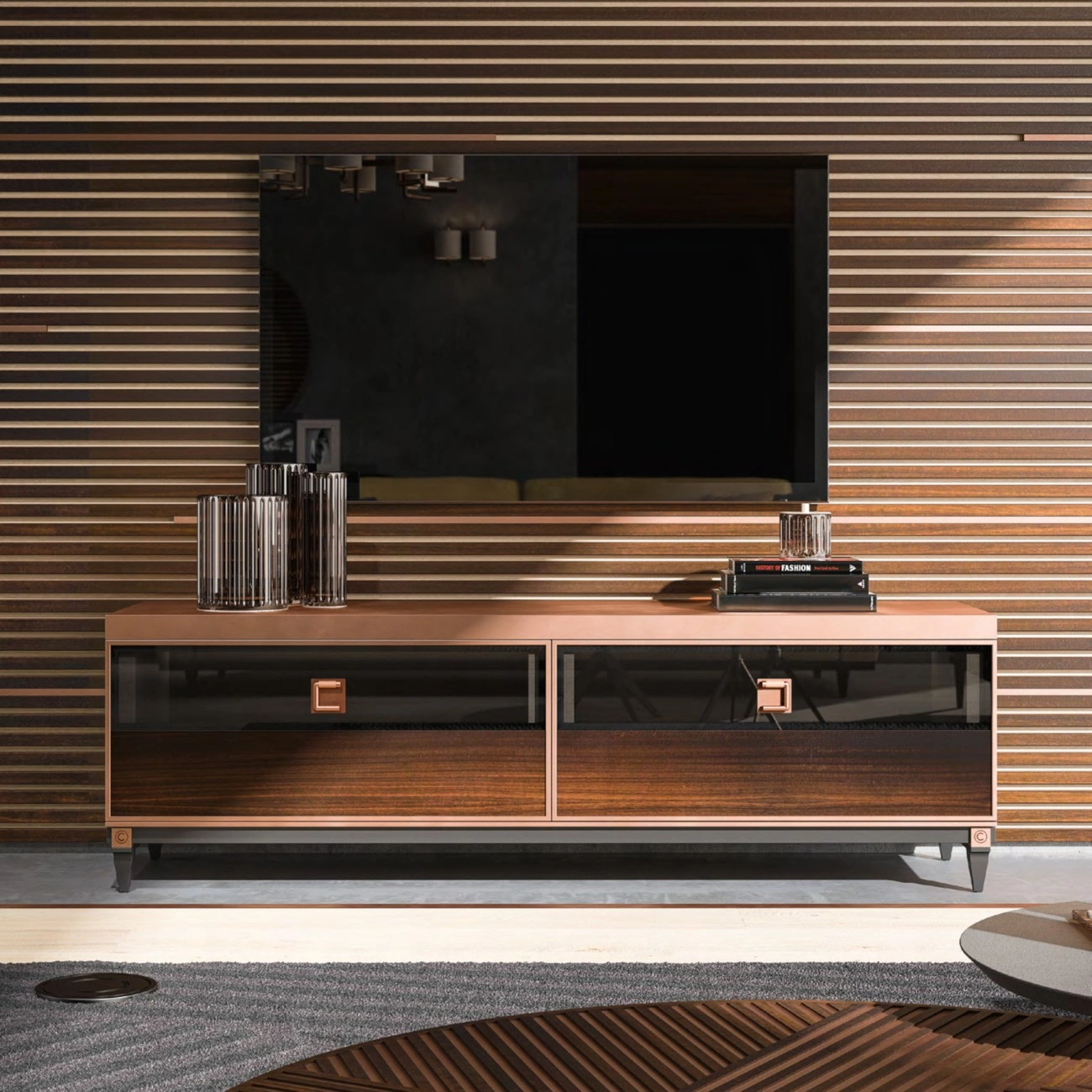
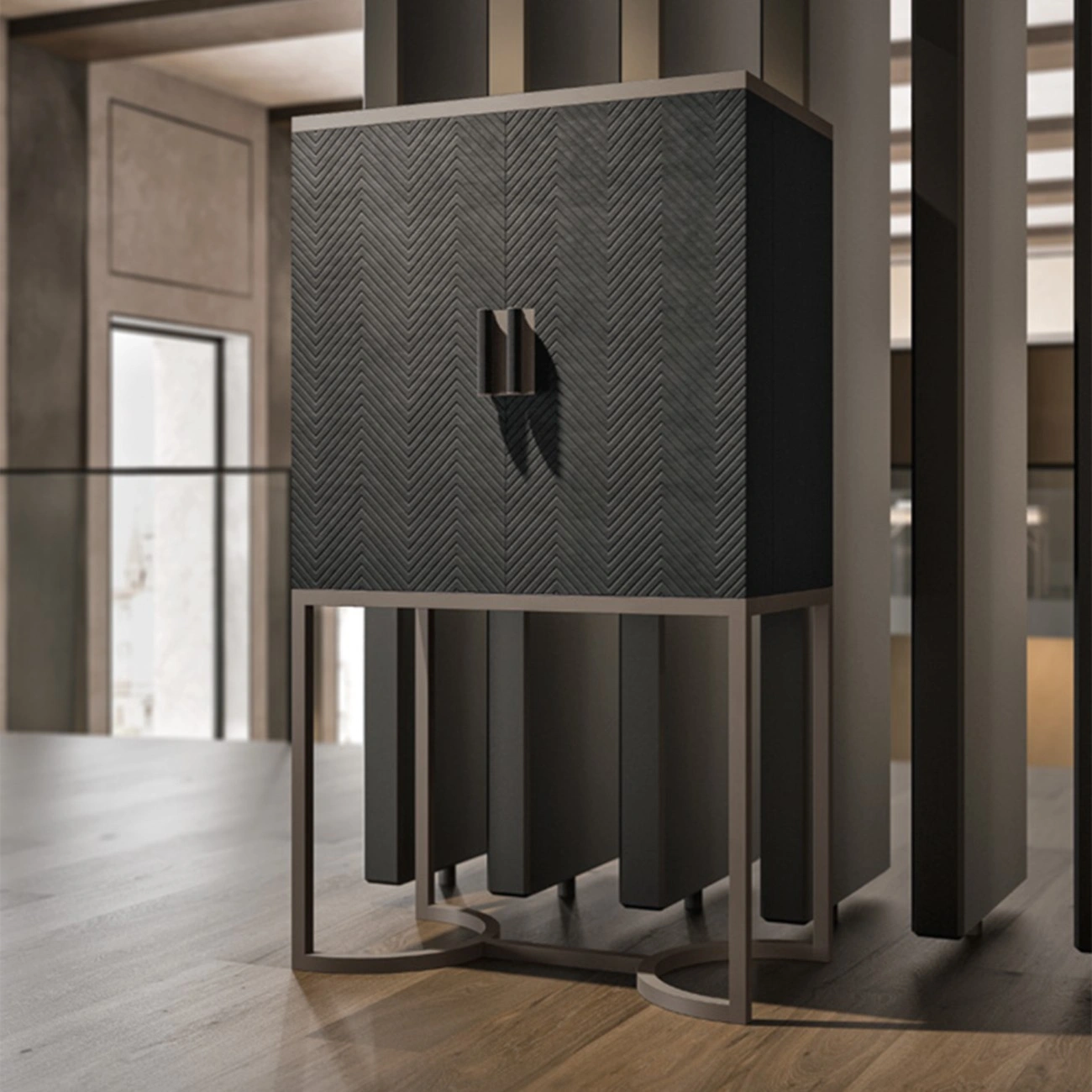

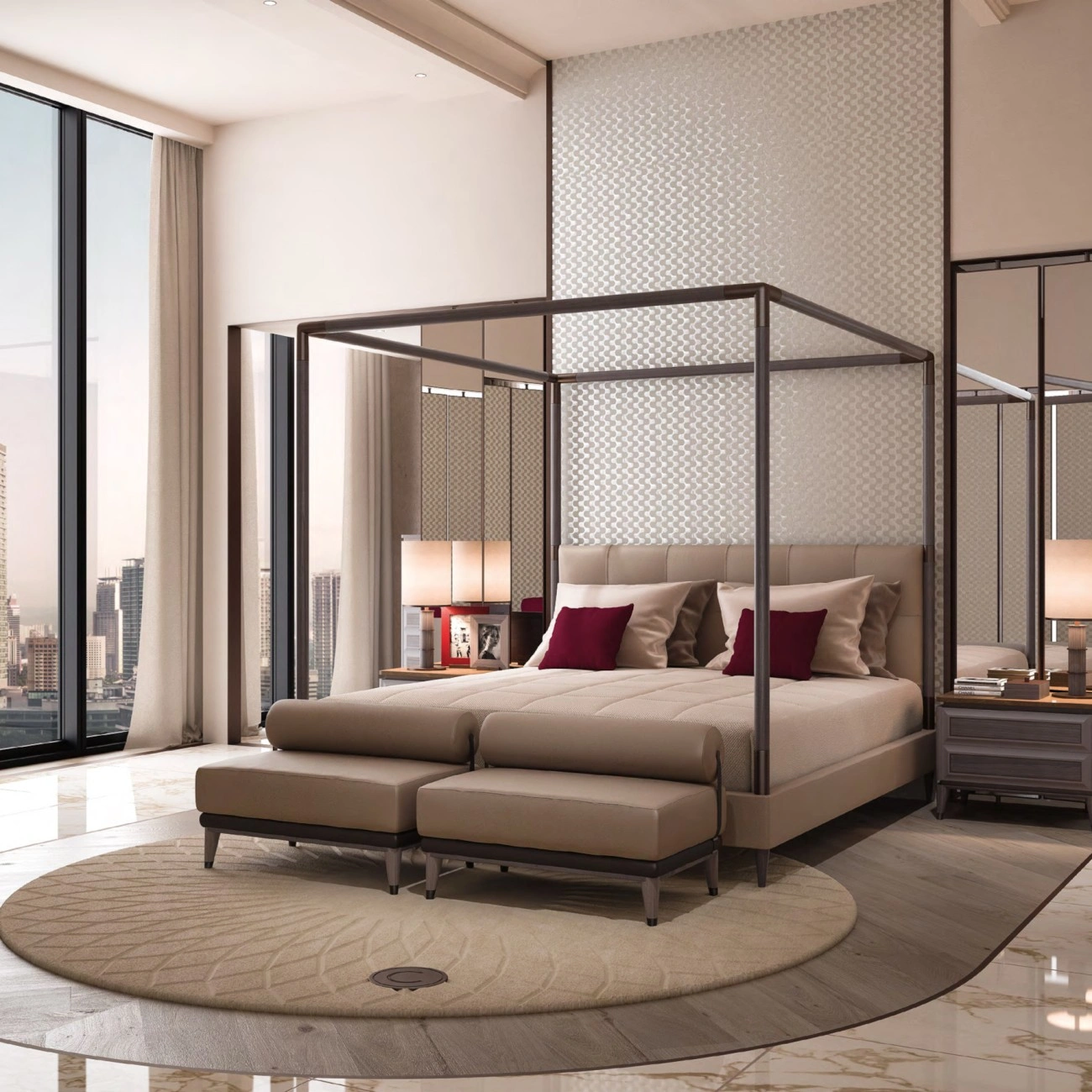
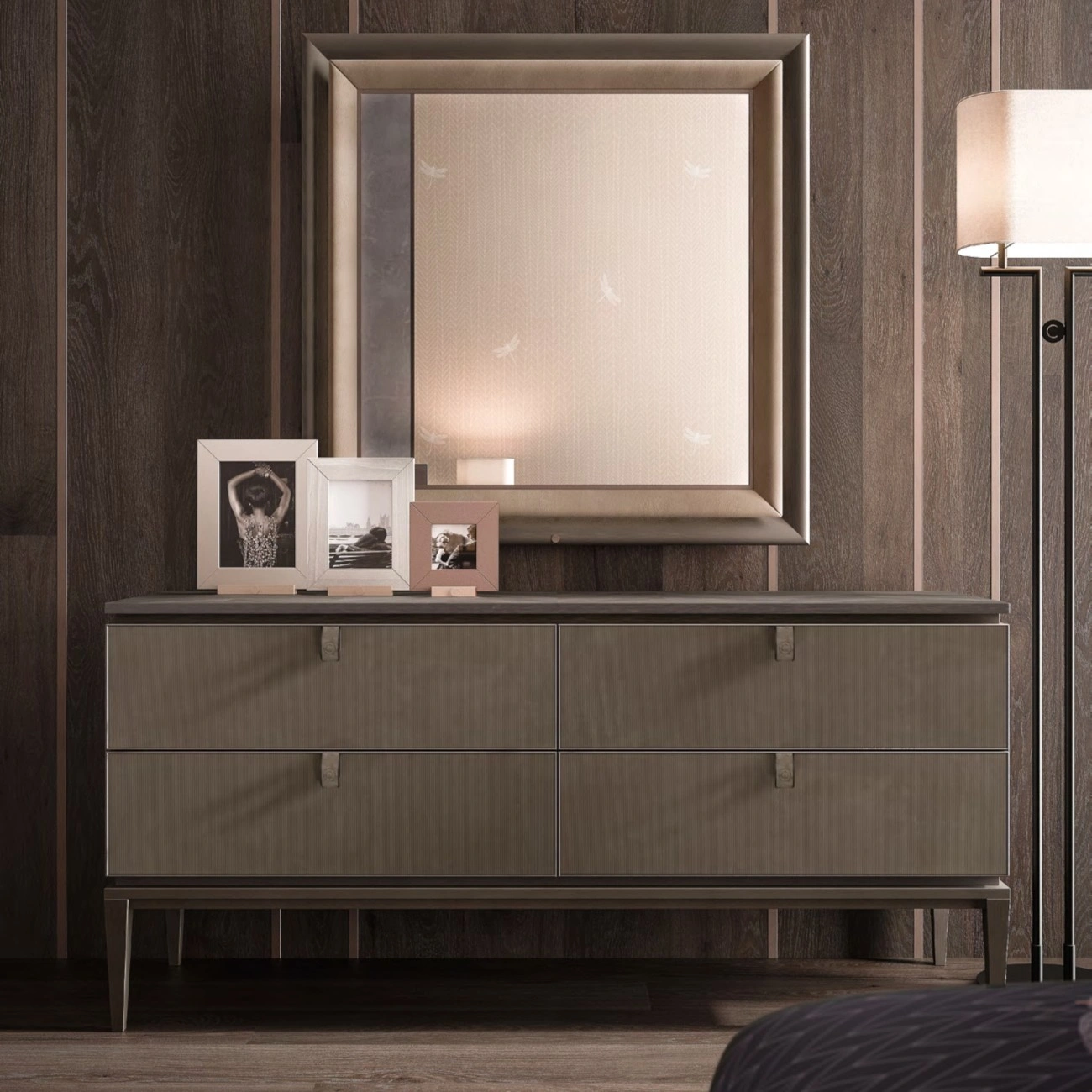





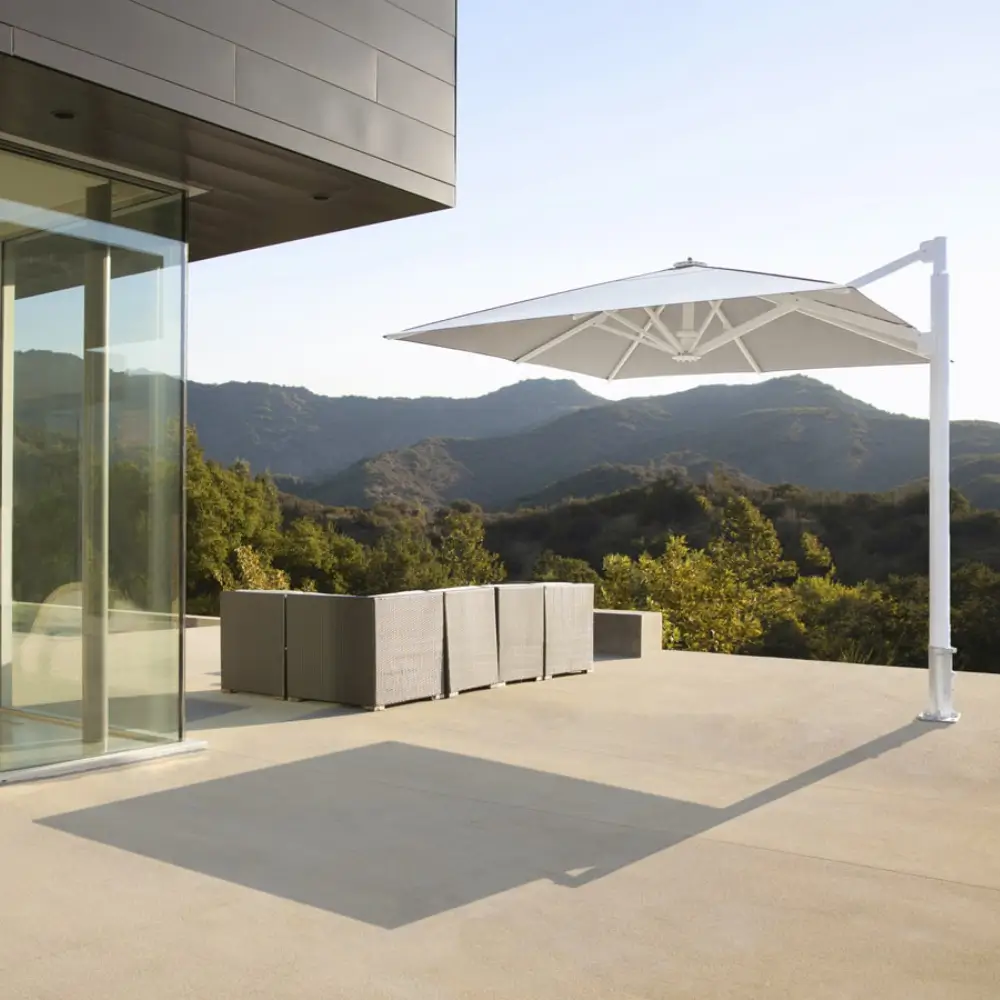


There’s a noticeable shift happening in interiors, and it isn’t loud. It doesn’t announce itself with trend reports or seasonal palettes. It shows up quietly, in rooms that feel calmer than expected, warmer than their square footage suggests. Wood is less polished. Stone is allowed to look like stone. Textiles wrinkle, floors scuff, tables age. Even bamboo furniture and rattan furniture—once dismissed as niche or overly casual—are reappearing with a seriousness that suggests this isn’t nostalgia or novelty, but something more structural.
What’s driving the dominance of natural materials isn’t a single aesthetic movement. It’s fatigue. Fatigue with surfaces that never change, finishes that resist time too well, interiors that look identical six months after installation as they did on day one. Perfect rooms age badly. Materials that respond to life age better.
The Return of Surface Reality
For years, interior design leaned heavily on materials engineered to behave. Composite woods, high-gloss lacquers, synthetic stone. They were durable, predictable, easy to maintain. They also flattened rooms. When every surface reflects light the same way, when textures are printed rather than felt, the eye has nothing to hold onto.
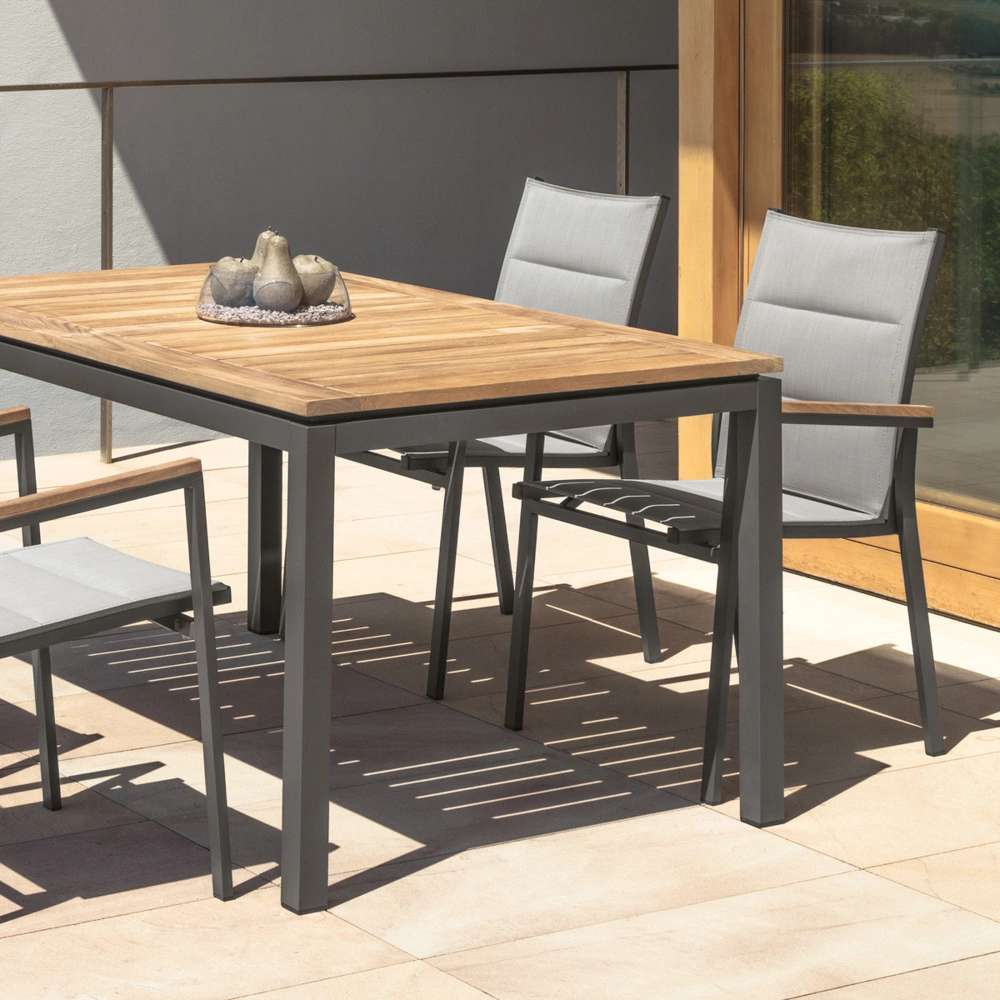
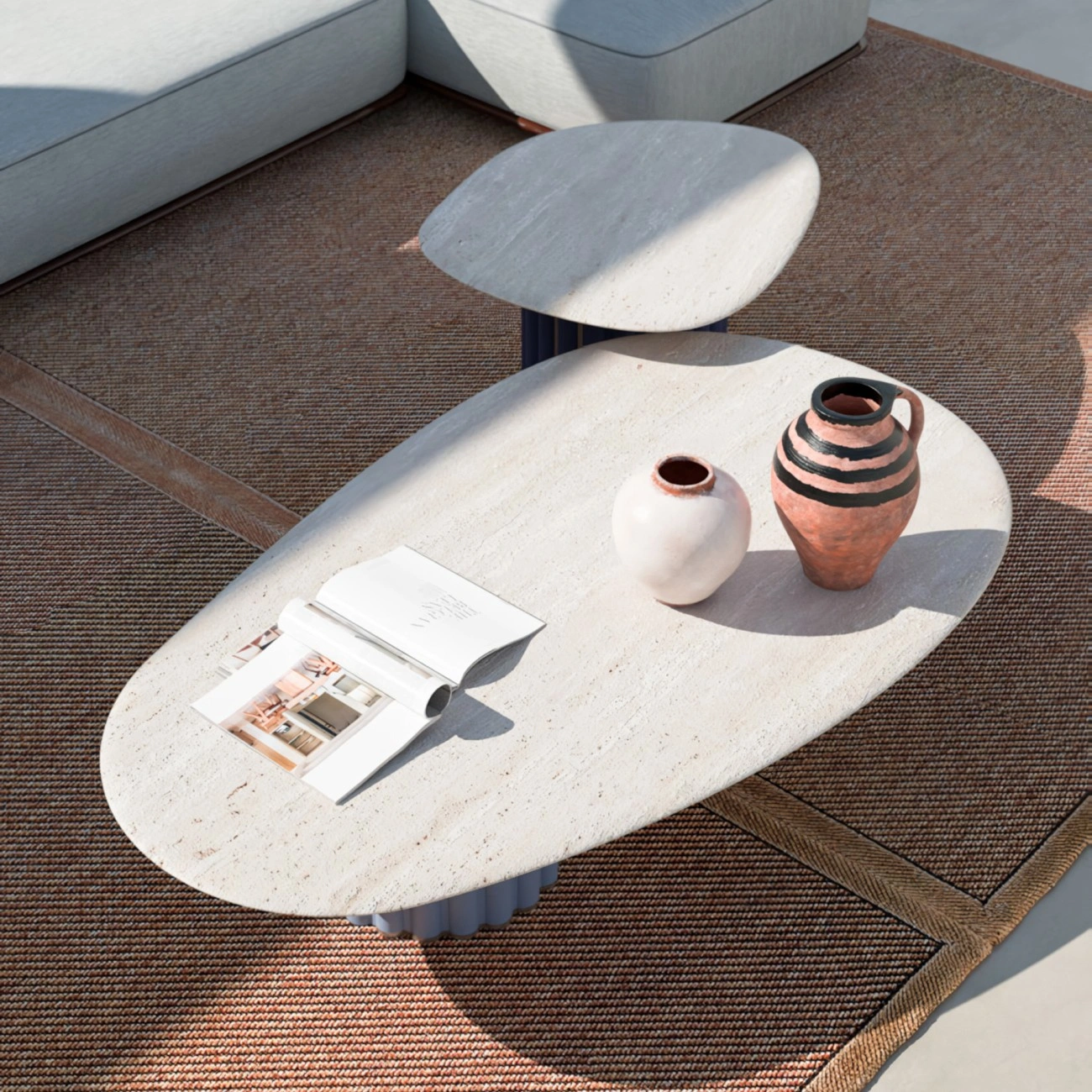
Natural materials reintroduce friction—visually and physically. A solid oak table absorbs light differently along its grain. Limestone floors soften underfoot. Clay walls catch shadows unevenly. These aren’t defects; they’re signals. They tell you where you are, what you’re touching, how the room exists in time.
Designers don’t talk enough about how surfaces teach people to move through space. Glossy floors encourage careful steps. Rough stone slows you down. Soft wood edges invite leaning. Natural materials create subtle behavioral cues that synthetic ones rarely manage.
Imperfection as a Design Asset
There was a period when imperfection was styled, curated, controlled. “Wabi-sabi” was referenced often, usually incorrectly. Now imperfection is less performative and more accepted. A crack in plaster doesn’t need a backstory. A knot in wood doesn’t need justification.
What’s changed is tolerance. Clients are less afraid of materials that evolve. They understand that a dining table will scratch, that leather will crease, that stone will stain. Instead of seeing this as damage, it’s increasingly seen as evidence of use.
Natural materials dominate because they don’t pretend to be eternal. They age at the same pace as the people using them making them more sustainable. That alignment matters more than trend alignment ever did.
Furniture That Feels Anchored
Furniture made from natural materials tends to feel grounded, even when the forms are contemporary. A minimalist chair carved from solid ash feels heavier—visually and emotionally—than a plastic one of identical shape. Weight isn’t always physical; sometimes it’s perceptual.
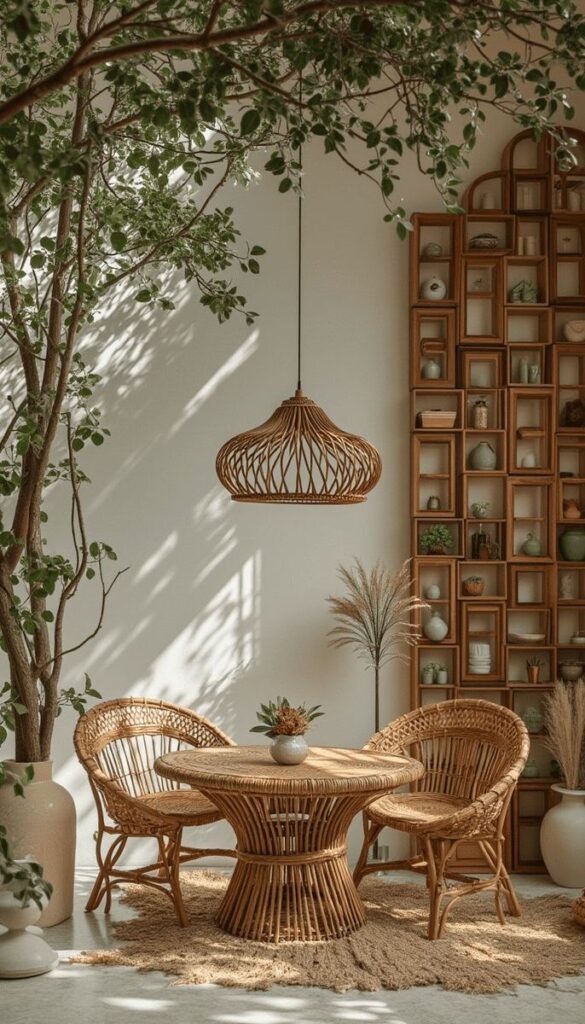
This is where materials like rattan, bamboo, solid wood, and stone re-enter the conversation with new relevance. When used thoughtfully, they don’t read as rustic or casual. They read as intentional. A rattan-backed chair paired with a tailored upholstered seat feels current because the contrast is honest. Bamboo used structurally, not decoratively, feels architectural rather than thematic.
Natural materials allow furniture to participate in the room rather than sit on top of it. They relate to floors, walls, light. They belong.
Light Needs Something to Work With
One reason natural materials are dominating is that they give light something to do. Artificial materials tend to reflect light evenly. Natural ones refract, absorb, scatter. They create gradients where none were designed.
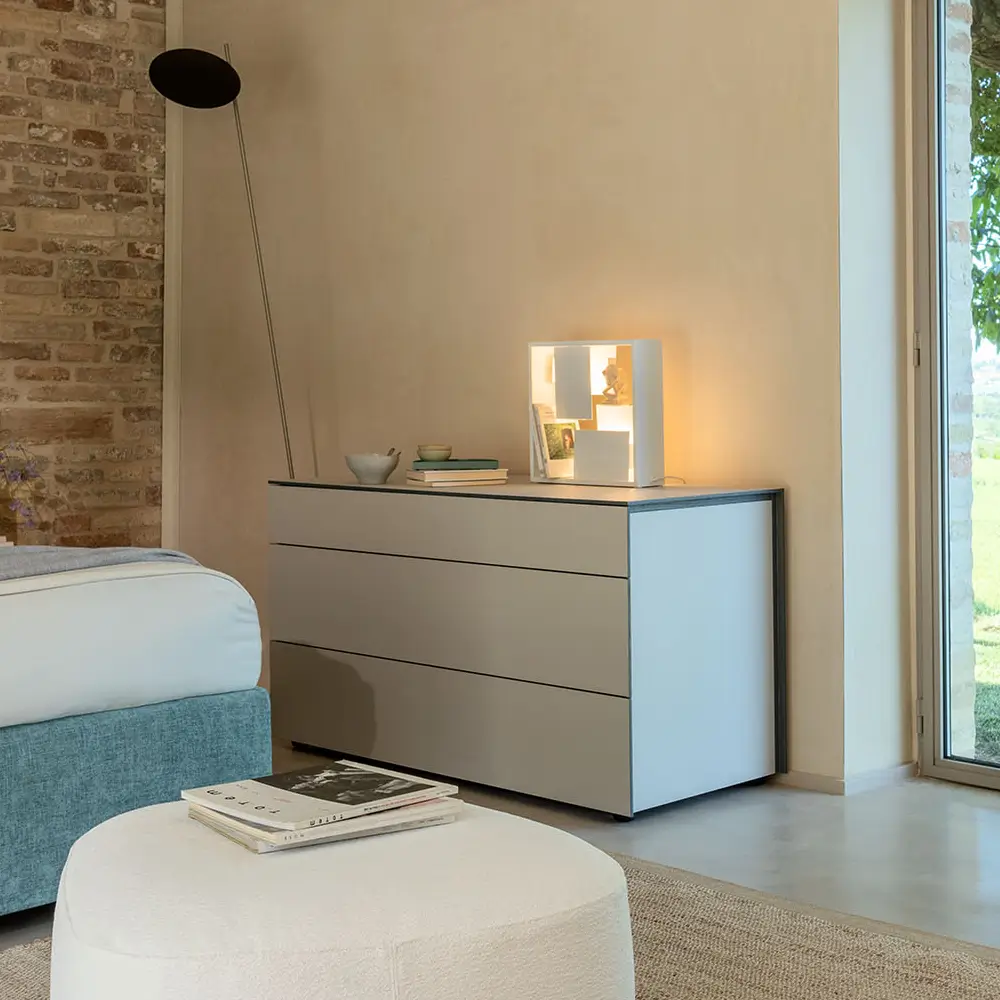
A plaster wall looks different at noon than it does at dusk. A wood floor glows in the morning and dulls by evening. Stone shifts temperature visually as light changes. These variations make rooms feel alive without adding objects.
Designers increasingly talk about lighting plans, but the truth is that materials often matter more than fixtures. The same light behaves radically differently depending on what it hits. Natural materials amplify that effect.
A Reaction to Visual Noise
Interiors have become visually loud. Open shelving filled with objects, statement lighting, layered patterns, competing textures. It’s not that any one of these is wrong; it’s that together they create fatigue.
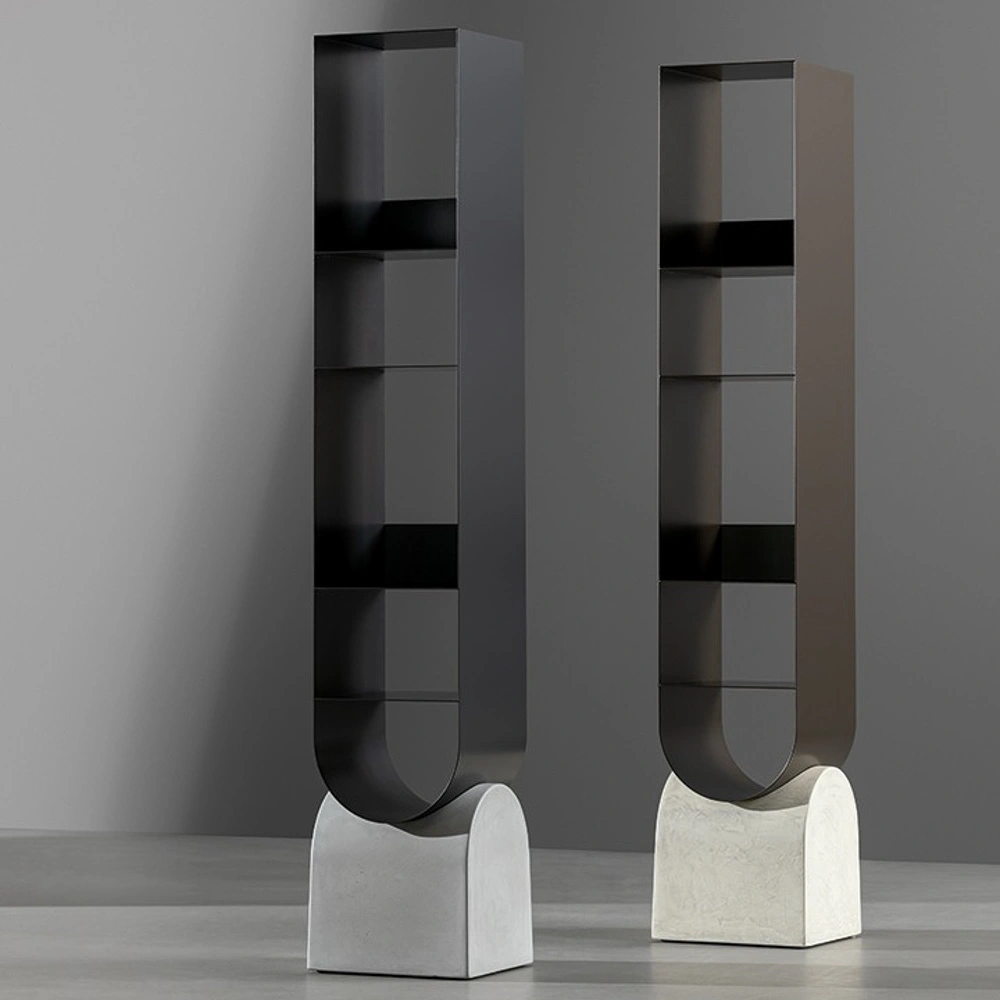
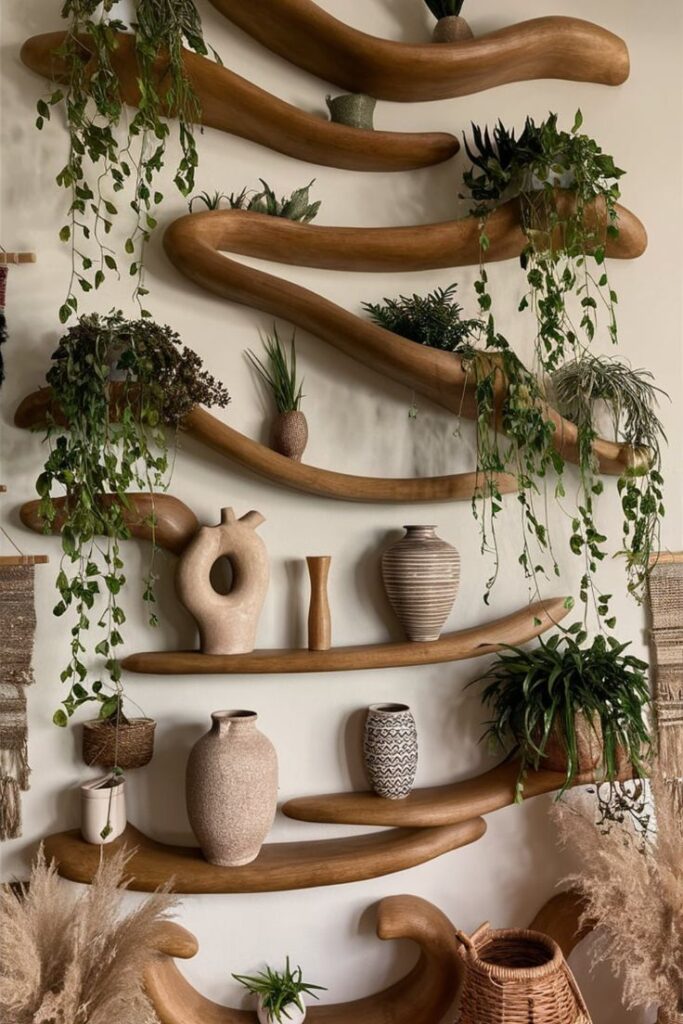
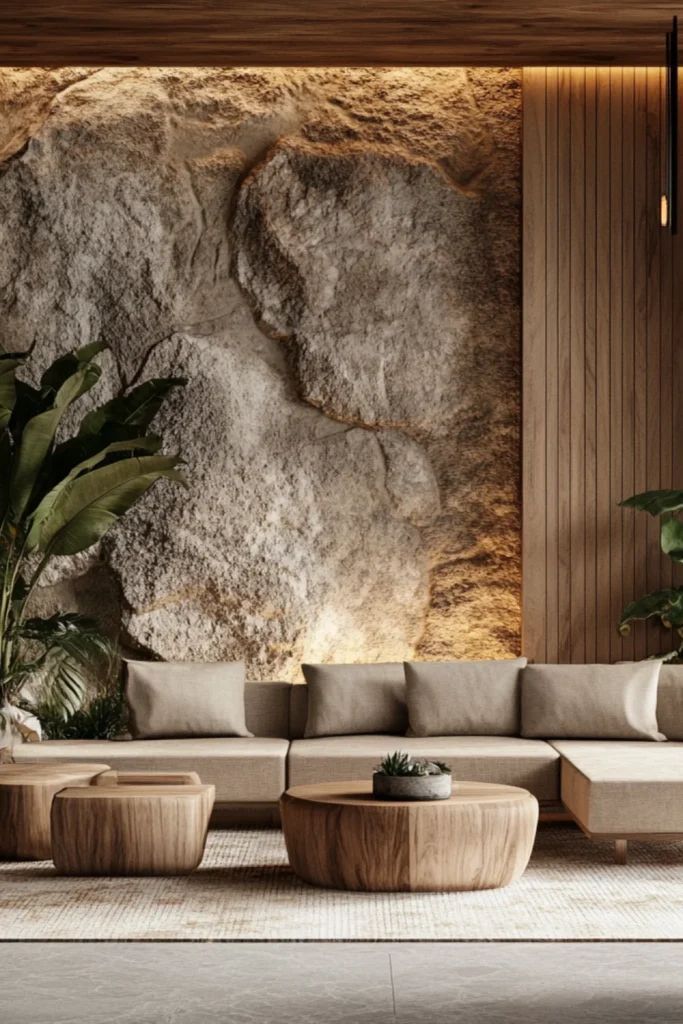
Natural materials simplify without sterilizing. They allow rooms to calm down without becoming minimal in the cold, empty sense. A single material used generously—a wood wall, a stone floor, a linen curtain—can replace layers of decoration.
This is not about stripping spaces bare. It’s about letting fewer elements carry more responsibility. Natural materials are capable of that because they’re never flat. They don’t need embellishment to stay interesting.
The Influence of Time and Craft
Another reason natural materials are ascendant is that they carry an implicit relationship to time and labor. Even when machine-produced, they reference processes older than industrial design itself. Trees grow. Stone forms. Fibers are woven.
In a culture increasingly detached from how things are made, this connection matters. It doesn’t have to be sentimental. It just has to be legible. A hand-finished edge, a visible joint, a variation in tone—these details ground objects in reality.
This is especially noticeable in contrast to mass-produced furniture designed to hide its construction. Natural materials often reveal it, even unintentionally. That honesty reads as confidence.
Sustainability Without Performance
Much has been said about sustainability, often loudly and vaguely. What’s interesting is how natural materials support sustainable choices without requiring constant explanation.
A solid wood table that lasts decades is sustainable by default. A stone floor that never needs replacement is sustainable by virtue of endurance. Furniture that can be repaired, refinished, or repurposed avoids the waste cycle entirely.
This isn’t greenwashing or virtue signaling. It’s pragmatism. Natural materials dominate because they make long-term sense, aesthetically and materially.
Mixing Old and New
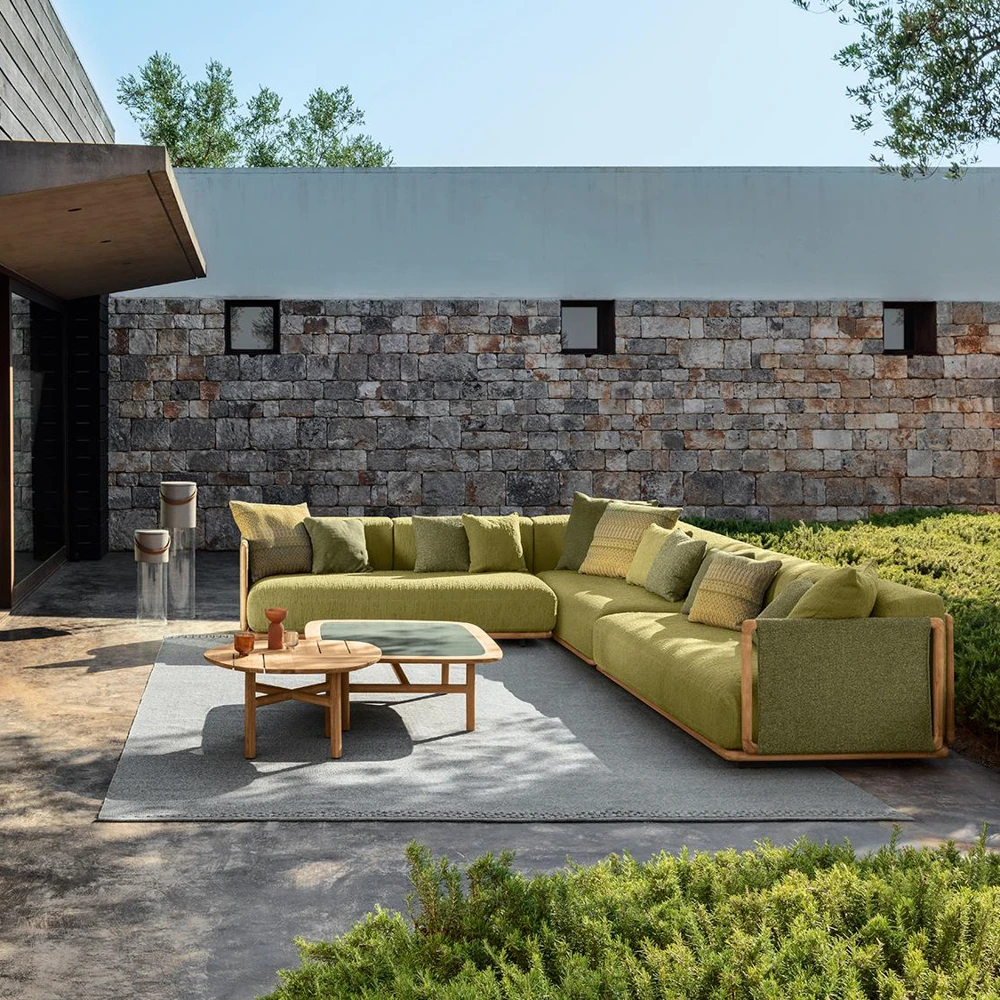
Natural materials also bridge eras more gracefully than synthetic ones. A contemporary sofa looks comfortable next to a vintage wood sideboard. A modern light fixture feels less severe above a stone table. The material continuity smooths stylistic differences.
This flexibility matters as interiors become less theme-driven and more layered. Homes are no longer styled to represent a single moment or movement. They accumulate. Natural materials accommodate that accumulation without friction.
A room with natural materials rarely feels dated in the same way a room built around novelty finishes does. It might feel specific, but not stuck.
The Body Knows
Perhaps the most convincing argument for natural materials has nothing to do with aesthetics. The body responds to them differently. Wood is warmer to the touch than metal. Stone stays cool. Natural fibers breathe. These sensations register even when people can’t articulate them.
Interiors that feel good physically tend to feel good emotionally. This isn’t wellness branding; it’s basic sensory experience. Natural materials support it quietly, without instruction.
Designers sometimes underestimate how much this matters. A chair that looks beautiful but feels wrong will never be used. A table that invites touch will become central to the room, regardless of its pedigree.
Where This Is Heading
Natural materials aren’t dominating interior design because they’re new. They’re dominating because they’re reliable. They absorb change without collapsing. They allow rooms to evolve without constant reinvention.
What’s likely to happen next isn’t a return to rustic interiors or handcrafted maximalism. It’s refinement. Better use of fewer materials. More attention to proportion, placement, and interaction.
Rooms will continue to quiet down. Surfaces will continue to matter. And materials that tell the truth—about where they come from, how they age, how they’re used—will keep winning, not because they’re fashionable, but because they make interiors that last long enough to feel lived in.