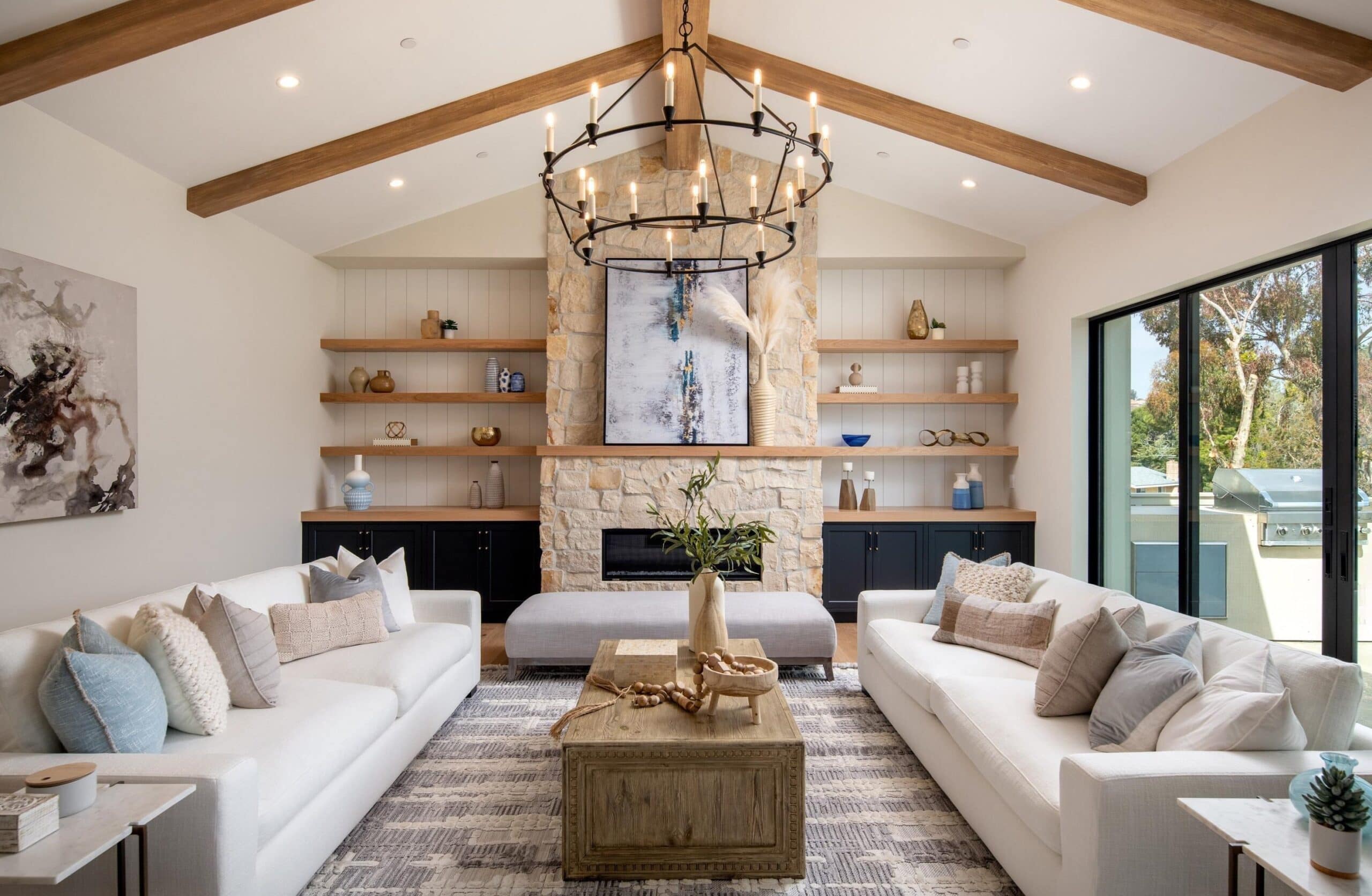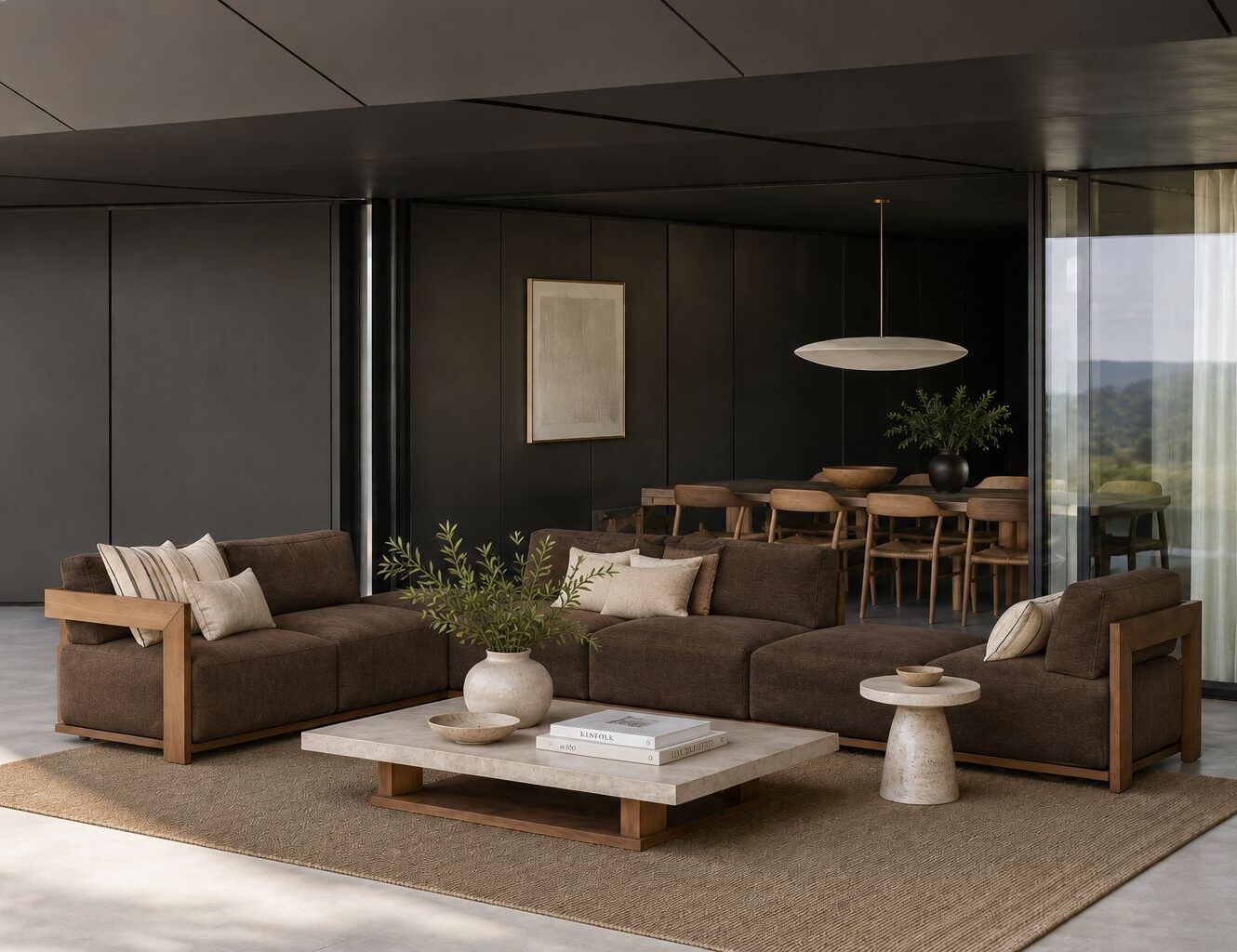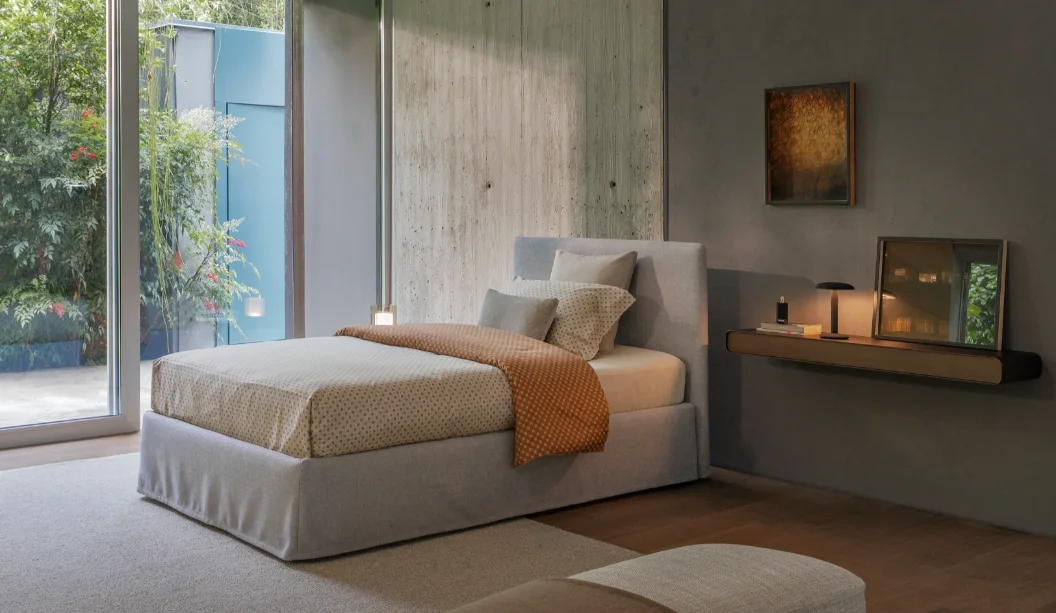

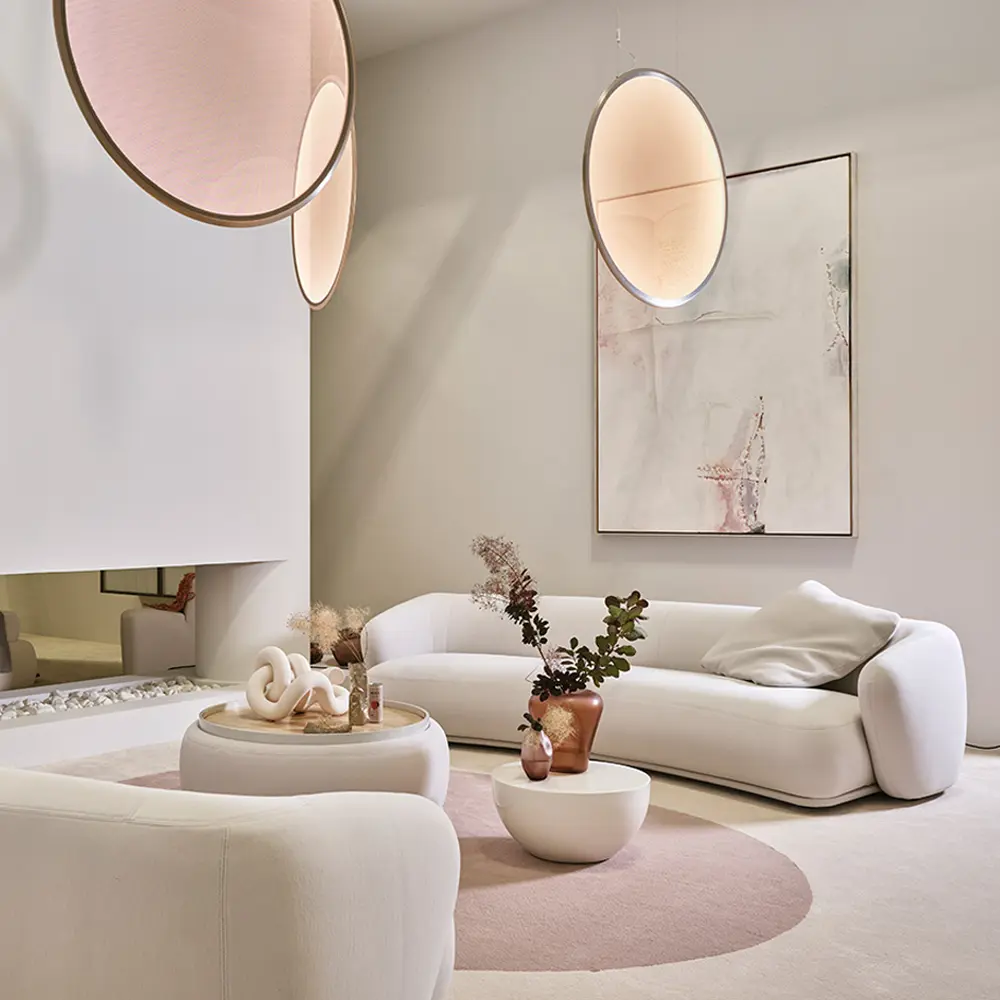
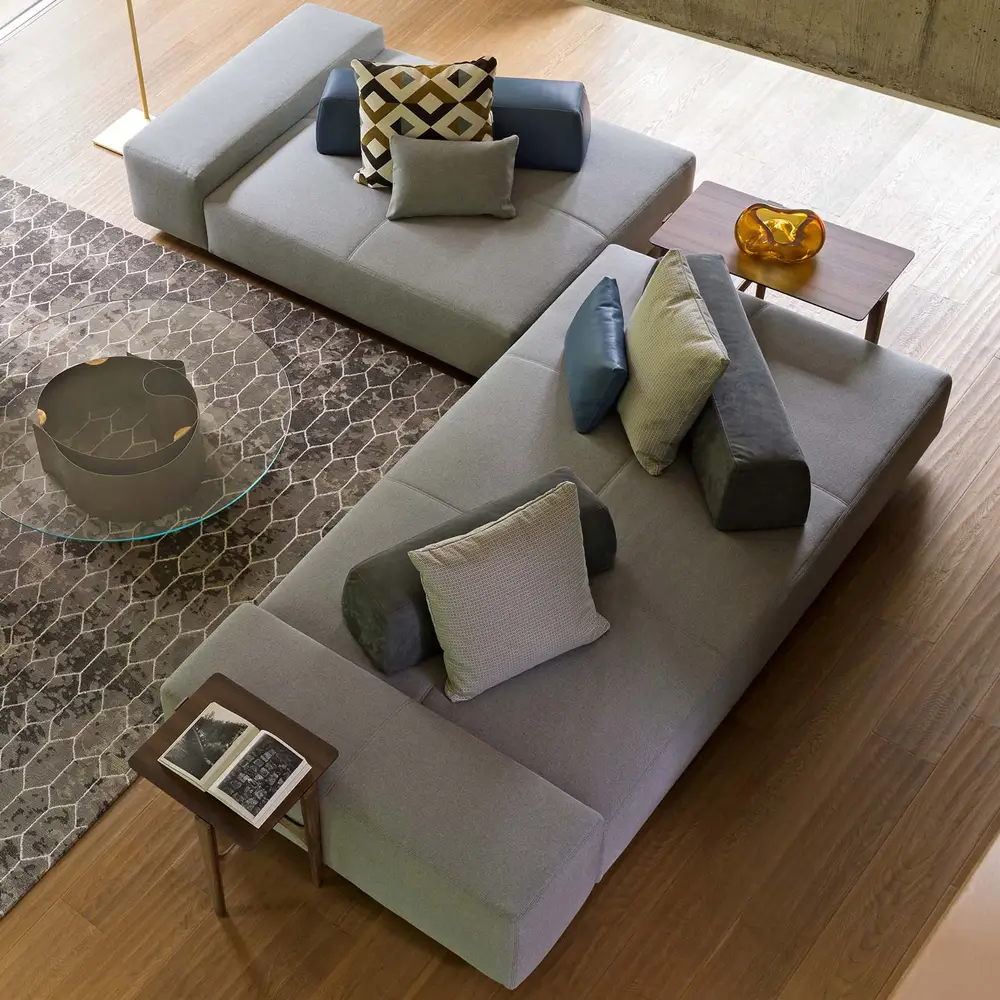
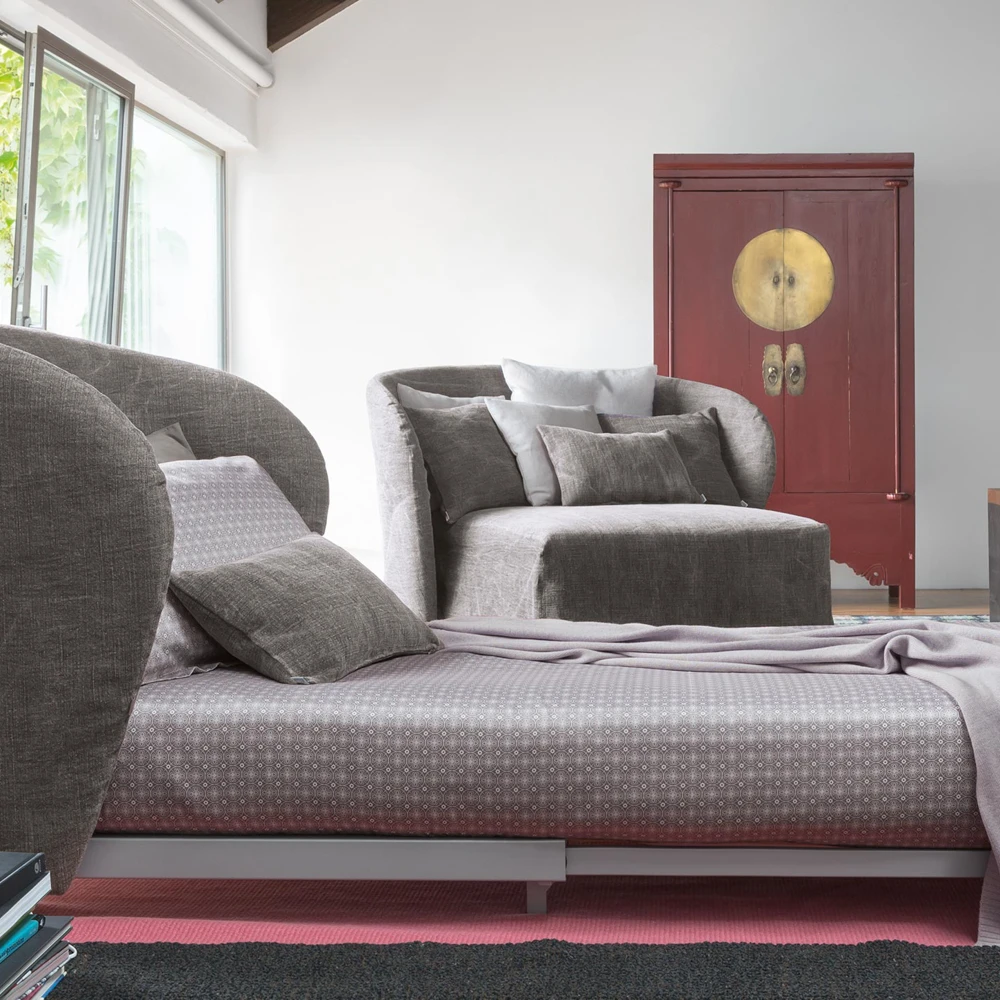
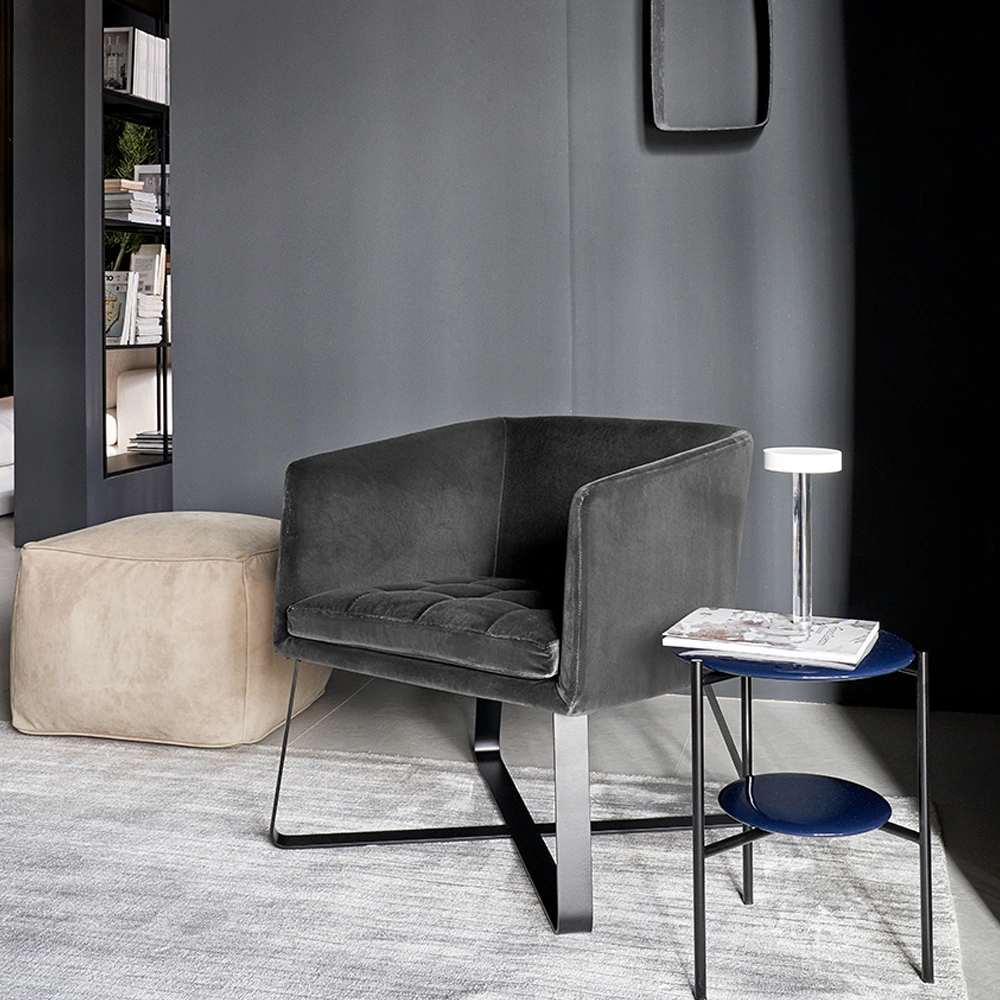


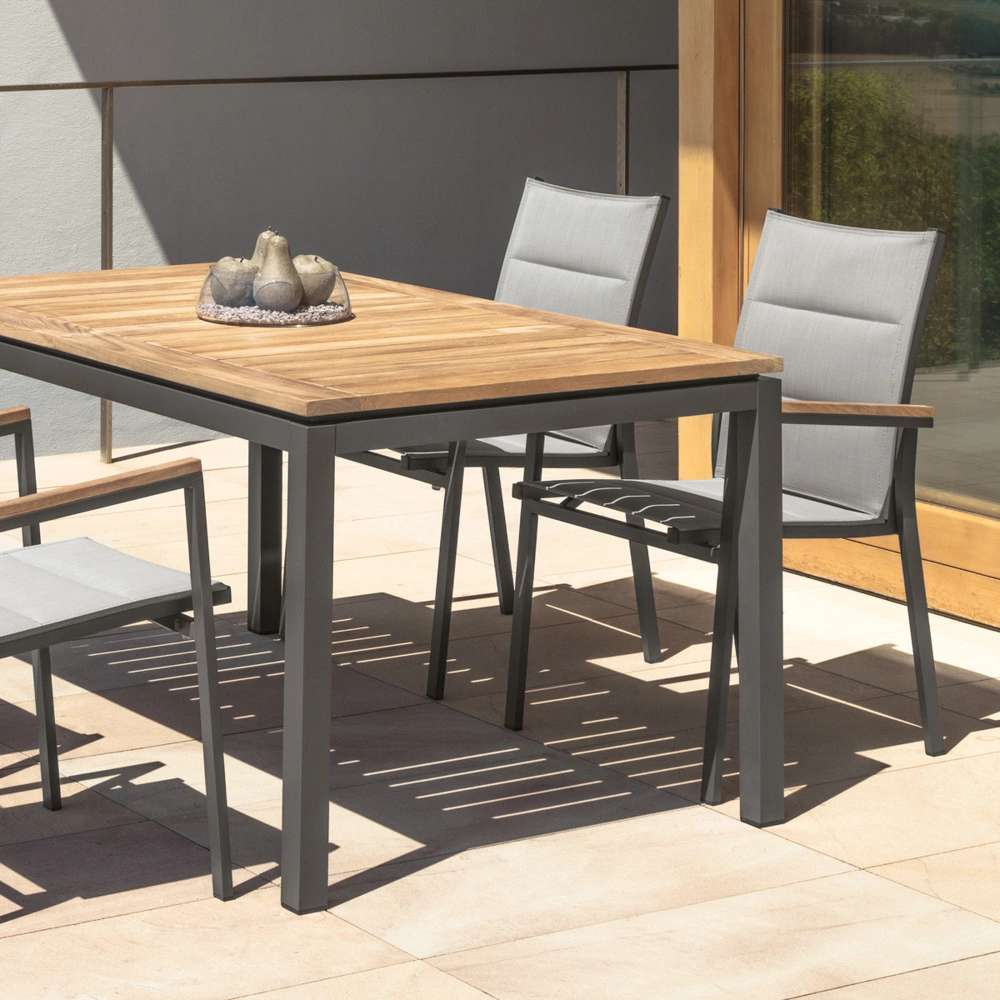
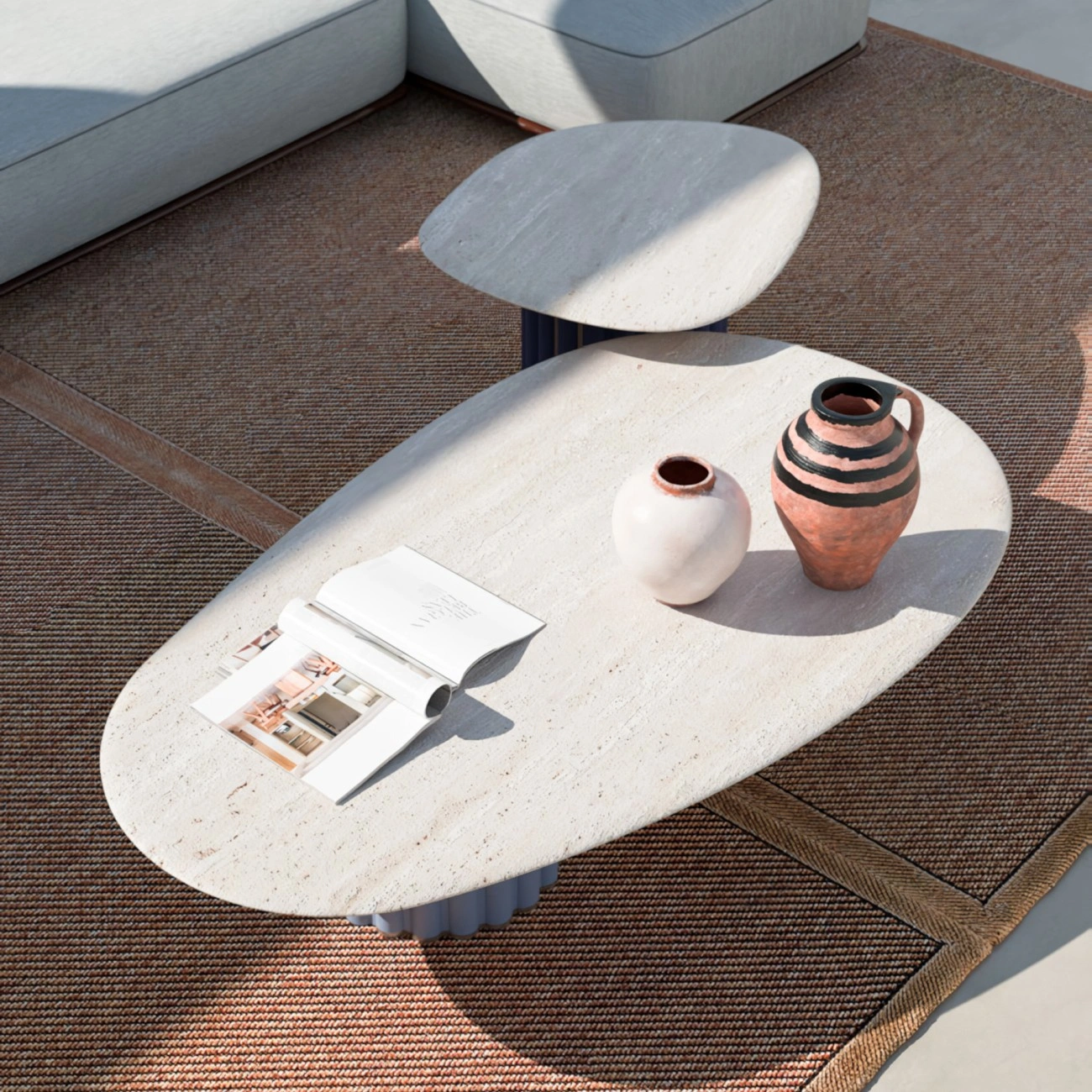


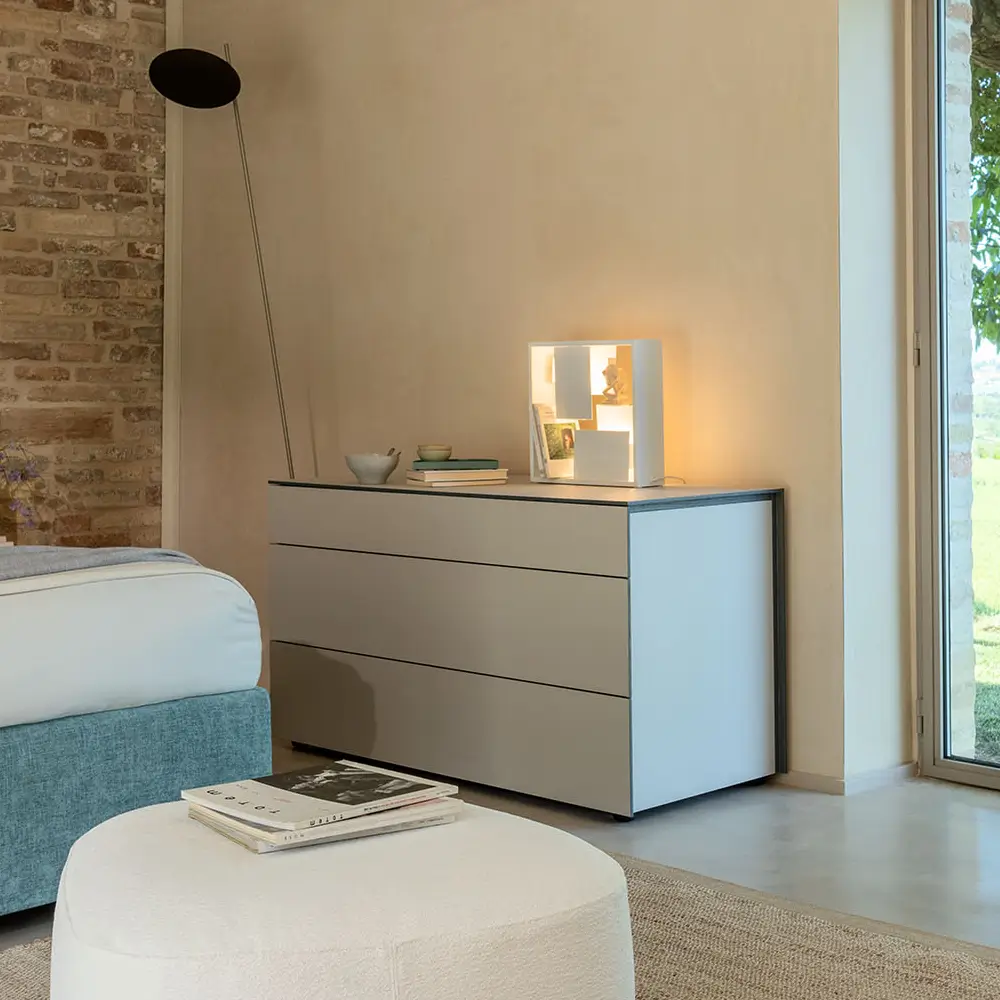
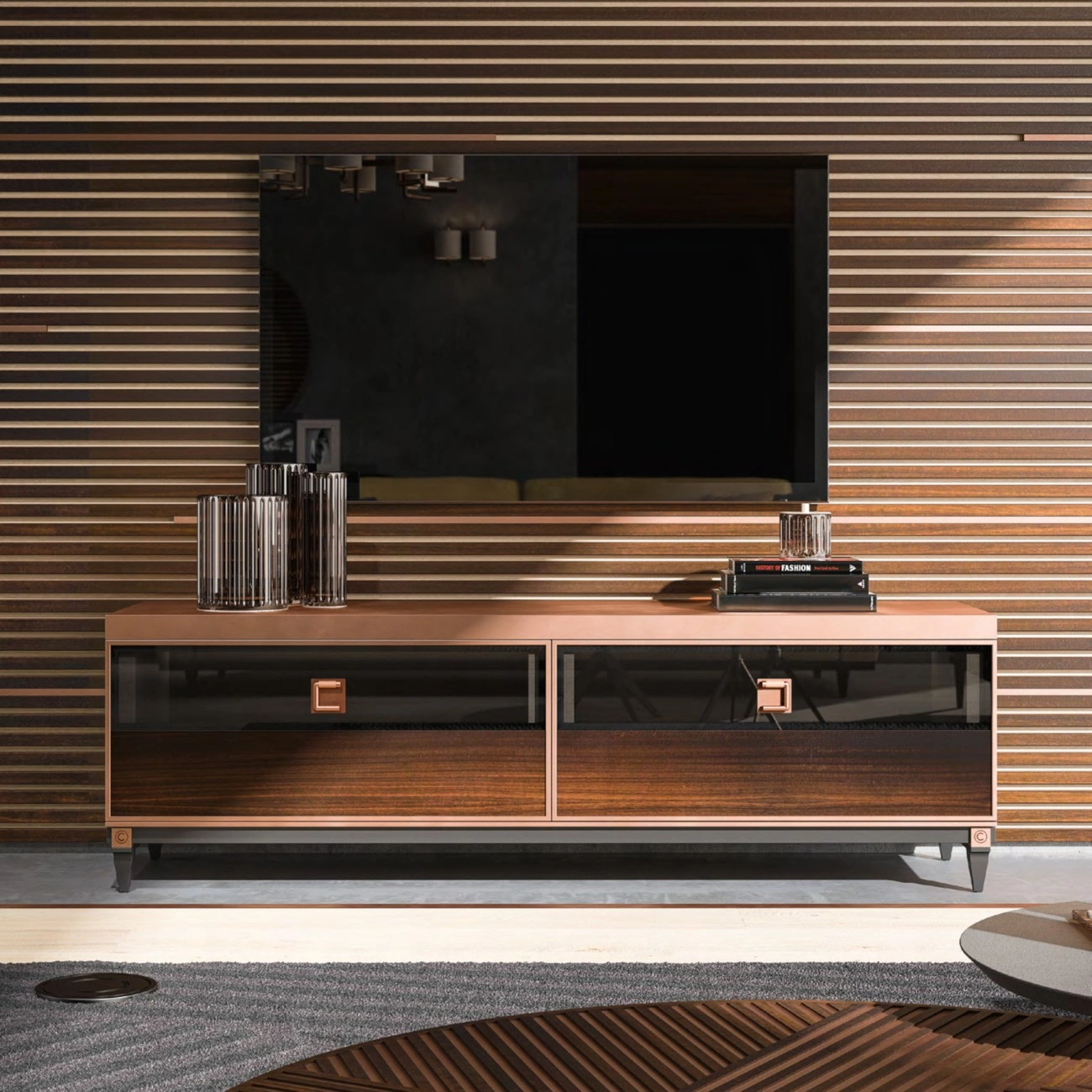
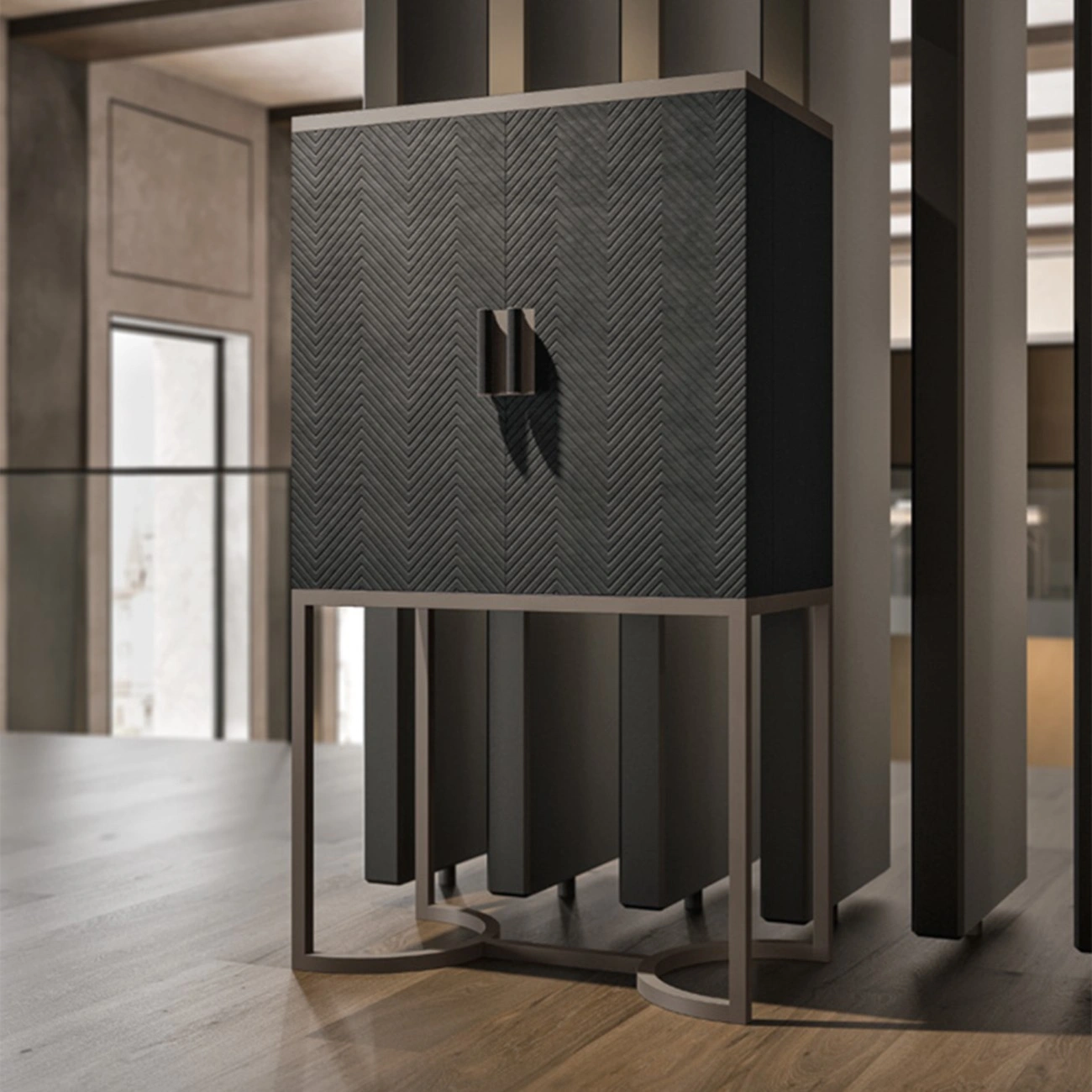

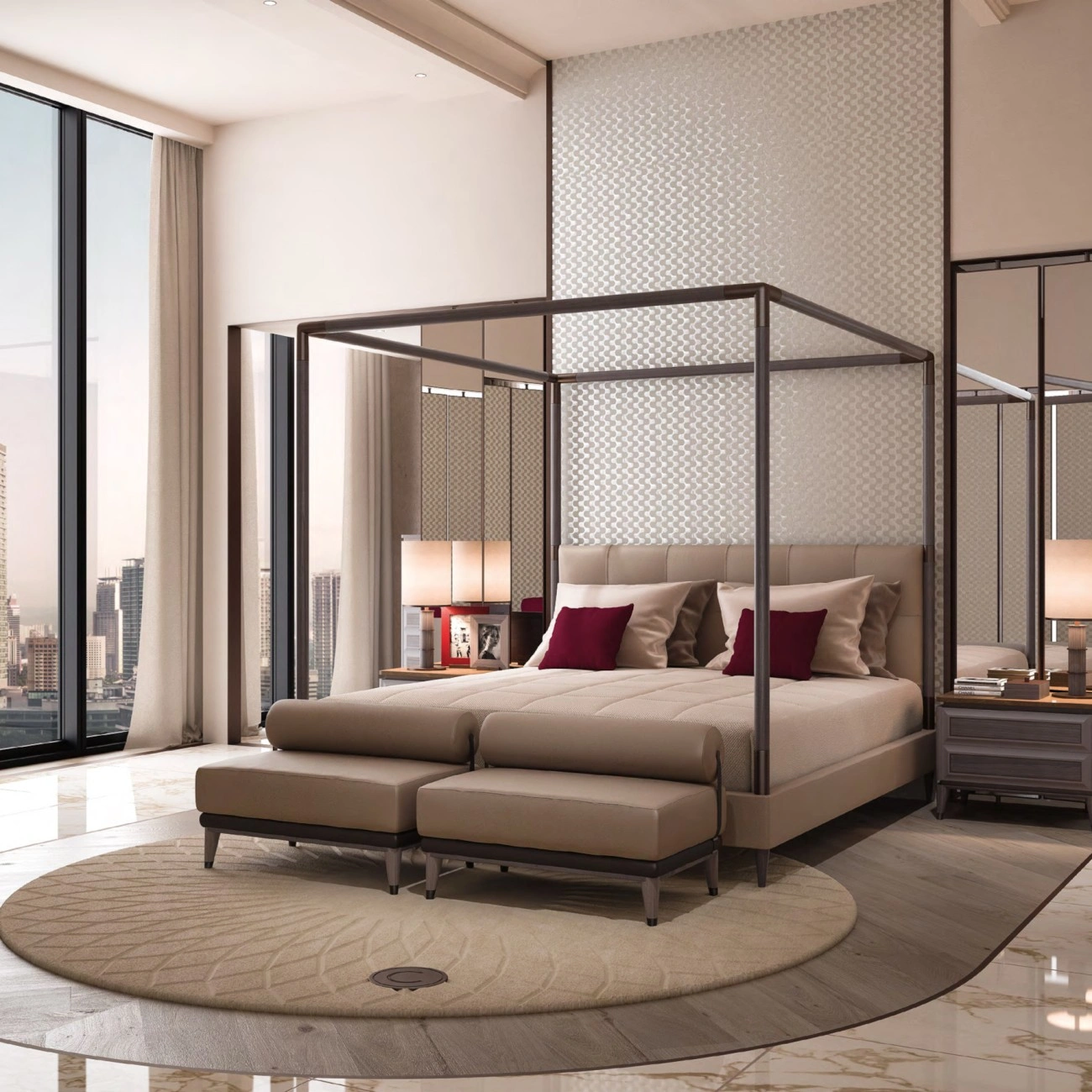

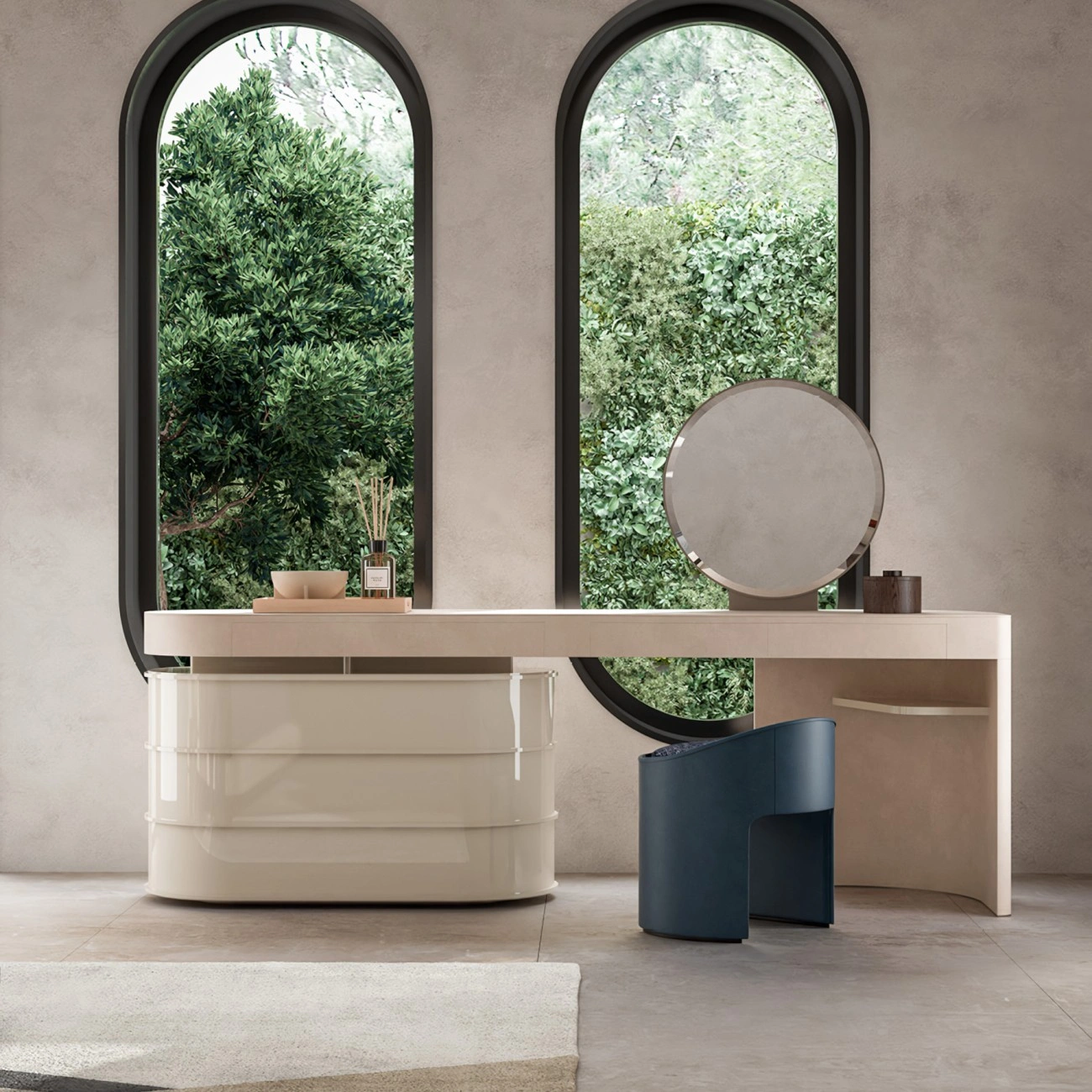






The art of rug for house interior is often underestimated, but the right rug can utterly transform a home — giving it warmth underfoot, a sense of cohesion, and a feeling of comfort that invites you to stay a while longer. As interior design evolves, rugs are no longer treated merely as functional floor coverings — they’ve become an integral part of a home’s style language, tying together furniture, texture, color, and atmosphere into a unified whole. This synergy is best felt when a rug anchors a specific moment of relaxation, such as a cozy reading nook defined by a luxurious rocking chair. In this post, we will explore how rugs work their magic, why they matter, and how to choose and place them so your house truly becomes a home.
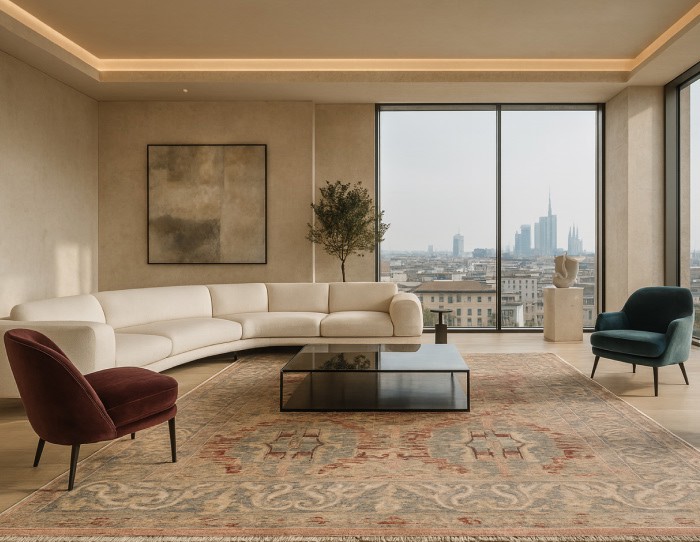
Why Rugs Matter: More Than Just a Floor Covering
For many, a rug might seem like a finishing touch — something to soften a hardwood floor or cover cold tiles. But the art of rug for house interior goes far beyond that simple utility. Rugs offer a compelling blend of practical benefits and aesthetic power, making them essential in thoughtful home design.
First, rugs soften and warm a space. Hard floors — wood, tile, or stone — can feel cold, unwelcoming, and sterile. A well-chosen rug adds softness underfoot, offering a small daily comfort: it feels inviting to step onto. This added warmth works especially well in bedrooms, living rooms, or anywhere you often walk barefoot.
Beyond comfort, rugs help with noise control and acoustics. In rooms with hard surfaces, sound tends to bounce and echo, which can make the space feel harsh or empty. Rugs absorb sound — footsteps, voices, even furniture movement — creating quieter, calmer environments that feel more intimate and restful.
They also protect your floors. Tiles, wood, or stone floors might be beautiful — but daily foot traffic, pets, furniture movement can scratch or dull them over time. A rug acts as a protective layer, preserving flooring, reducing wear, and concealing any existing imperfections.
Importantly, rugs anchor and define spaces. In homes with an open floor plan or large rooms, it’s sometimes hard to make areas feel distinct — where does the living area end and the dining area begin? A rug can visually demarcate zones: under a sofa set it defines a living area, under a dining table it marks the eating space, or in a reading nook it indicates a cozy corner. This spatial organization creates order and intentionality without adding physical barriers.
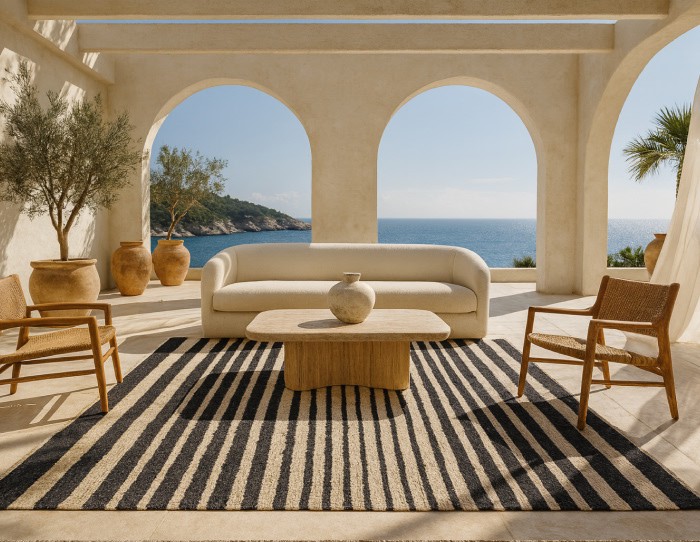
Rugs as Style and Personality
Beyond function, rugs are a powerful tool for expression. With their colors, patterns, textures, and materials, rugs offer a way to reflect personality and aesthetic sensibility — often more subtly and cost‑effectively than expensive furniture or large decor.
Rugs act like textile‑based artworks underfoot. A patterned rug with floral motifs, geometric shapes, or bold abstract design can become the visual anchor of a room — drawing attention, adding rhythm, and giving the space identity. Even simpler rugs — solid‑color, tonal, or textured — contribute richness through their weave, fiber, and feel. As one rug‑design guide puts it, rugs are “the art underfoot.”
Through their presence, rugs can introduce layers of texture and depth. For example, pairing a flatweave or natural‑fiber rug with a plush patterned rug or layering rugs of different size and style brings complexity and dimensionality to interiors. This layering approach has become a hallmark in modern interior‑design thinking — letting surfaces engage with light, shadow, softness, and pattern in a way that furniture alone rarely achieves.
Rugs can also reflect cultural or artisanal roots. Traditional handwoven rugs — whether oriental, tribal, or flat‑woven — often carry stories of heritage, craftsmanship, and history. Using these rugs brings character and narrative into a home, reminding occupants and guests that design can be more than about trends: it can be about legacy, culture, and identity.
Finally, rugs make interiors feel finished. Without them, a room can look hollow or unfinished — a collection of furniture floating on bare flooring. With a rug, everything feels grounded, composed, and intentional. The art of rug for house interior is, in many ways, the art of making a house truly feel like home.
How Rugs Fit into Contemporary Interior‑Design Trends
Interior design evolves constantly, but rugs remain a quiet constant — shifting in style, technique, or context over time. Recent trends shed light on how rugs are being reinterpreted for modern homes.
According to a recent review of design directions for 2026, one emerging movement emphasizes solid area rugs rather than busy patterns. In this sensibility, rugs act as a subtle foundation — a calm base on which more expressive elements (upholstery, wallpaper, decor) can shine. The emphasis is on material quality, texture, and tonal richness rather than bold prints.
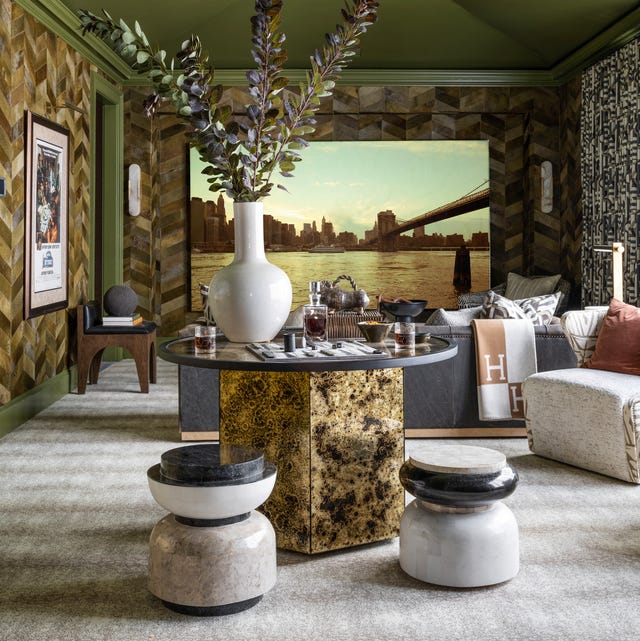
This reflects a broader aesthetic shift: interiors that favour heritage, craftsmanship, layered comfort, and timelessness over fleeting, flashy trends. Rather than chasing novelty, the focus is returning to durable materials, thoughtful layering, and curated spaces that age gracefully. Rugs — especially high‑quality wool, natural‑fiber, or hand‑crafted ones — are central to this vision.
Simultaneously, there’s a resurgence of texture and tactility. Natural fiber rugs (like jute, sisal, or flat‑woven cotton) and handcrafted rugs offer earthy texture, warmth, and a grounded aesthetic that pairs well with contemporary interpretations of comfort, minimalism, or “heritage‑modern” style.
In other words: rugs remain relevant not despite changing design tastes — but because they adapt. They provide continuity across eras, while offering versatility to reflect evolving lifestyles and aesthetics.
How to Choose a Rug: Style, Material, Placement
Given how much a rug can influence a space, choosing wisely matters. Here are some guidelines grounded in design thinking — the art of rug for house interior, in practice.
Think of Purpose First
Before picking color or pattern, consider what you need the rug to achieve. Are you aiming for warmth and softness underfoot? Sound absorption? Floor protection? Spatial definition? Or aesthetic emphasis? The intended function influences what type of rug will suit your space best.
- For comfort and warmth (e.g. bedrooms, living rooms) — choose plush rugs, wool or thick‑pile rugs.
- For noise reduction or softening acoustics — rugs with dense weaves or thicker underlay work best.
- For defining spaces (especially in open plans) — a mid‑sized or large area rug can anchor furniture groupings.
- For floor protection or hiding imperfections — a sturdier, tightly woven rug, or one that covers the problematic area, is ideal.
Choose Material and Weave with Care
Material affects not only look and feel, but also maintenance, durability, and comfort. Wool rugs — classic and durable — offer warmth, resilience, and longevity. Natural‑fiber rugs (like jute, sisal, or flat‑woven cotton) give earthy texture and a cozy, organic vibe. Hand‑crafted rugs, whether hand‑knotted or hand‑woven, often age beautifully and bring unique character — ideal if you want your rug to feel like a one‑of‑a‑kind piece with history behind it.
Consider Color, Pattern, and Texture — But in Balance
If your room already has patterned wallpaper, bold upholstery, or varied decor elements, you might want a solid or tonal rug to keep the space from feeling chaotic. This approach aligns with recent design trends favoring subtle, high‑quality rugs as calm foundations.
On the other hand, if the room is minimal or neutral, a patterned rug can serve as the room’s focal point — injecting personality, rhythm, and energy. Rugs offer an opportunity for visual storytelling through design, color, or cultural motifs.
Texture matters too. A flat‑weave rug, a chunky natural‑fiber rug, or a plush wool rug each touch the room differently. Mixing textures — for example, a natural jute rug under a vibrant sofa — can create contrast and richness without needing much else.
Placement and Scale
The size and placement of the rug influence how grounded and cohesive a room feels. A rug too small may look like an afterthought; too big may dominate or overwhelm. As a general rule: in a living room, aim for a rug that allows the front legs of major furniture pieces to rest on it — this anchors the seating area. In a dining room, it should extend beyond the table so chairs remain on the rug even when pulled out. In bedrooms, let it peek out from under the bed to frame and soften the space.
Also, don’t hesitate to layer rugs. Combining a neutral natural‑fiber rug with a patterned wool rug, or placing a smaller decorative rug on top of a larger plain one, can add depth and a collected, layered feel — often more interesting than a single rug alone.
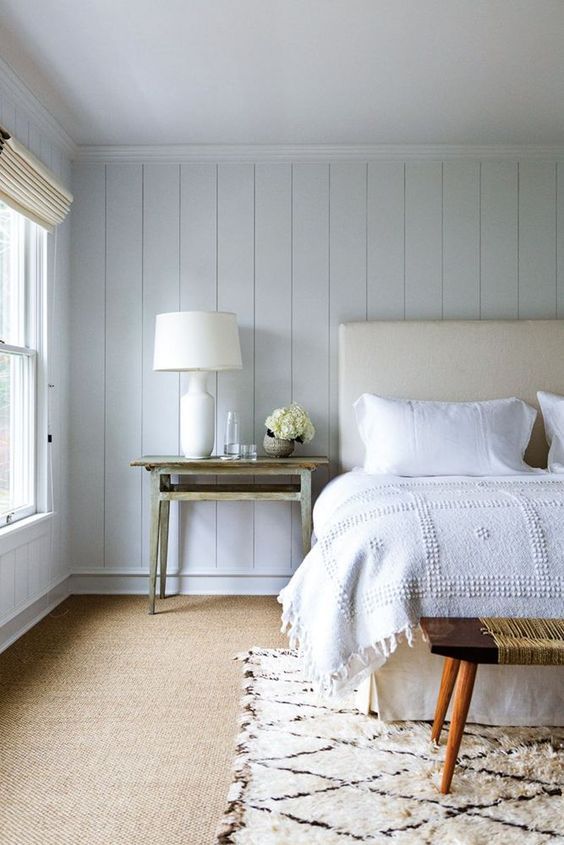
The Emotional Dimension: Rugs as Home Storytelling
What makes a rug more than just a textile underfoot is the emotional and narrative dimension it adds to a home — the invisible layer of comfort, memory, aesthetics, and identity.
A rug can make a room feel welcoming, cozy, and lived‑in. Think of walking into a living room where the light hits a softly textured rug, where furniture feels grounded, and where the room whispers invitation instead of shouting décor. That subtle warmth — softness underfoot, muted acoustics, visual depth — can shape how a home feels to both inhabitants and guests.
Rugs also allow for expression and history. Choosing a rug with handcrafted qualities or cultural motifs can reflect taste, heritage, and values. A vintage, hand‑woven rug might whisper stories of places and people, giving a sense of continuity and timelessness. A flat‑woven natural‑fiber rug may evoke breezy simplicity, commitment to sustainability, or love of understated beauty.
Rugs help spaces feel intentional and curated. Because they’re moveable and changeable, they give homes flexibility: you can swap a rug seasonally, refresh a room’s mood, or completely rethink a space without ripping up floors or repainting walls. In that sense, rugs are low‑commitment but high‑impact design tools.
Common Mistakes (and How to Avoid Them)
With all their potential, rugs can also disappoint — if chosen poorly. Here are common mistakes and how to sidestep them, drawing on lessons from design‑oriented and real‑life discussions.
One mistake is prioritizing style over practicality. A delicate, patterned rug might look beautiful under a sofa — but if your living room is high‑traffic, with kids or pets, the rug may wear out quickly, stain easily, or demand frequent cleaning. Design advice suggests balancing aesthetics with your lifestyle: choose durable materials and weaves if the room gets heavy use.
Another mistake is letting the rug come too late in the design process. When a rug is an afterthought — chosen only after furniture and colors are fixed — it can feel like an add‑on, not an integral piece. Many designers recommend selecting the rug early, or at least treating it as a foundational element of the décor.
Also, some homeowners hesitate to pick bold rugs, defaulting to safe neutrals. But rugs don’t have to be subtle — they can be statements, conversation starters, or playful accents. If your space allows for it, a bold or patterned rug can inject life, personality, and flair.
Finally, neglecting texture and layering can make a room feel flat. A single, flat rug might not provide the richness or depth a layered approach offers; combining rugs or choosing textured weaves can dramatically elevate a room’s feel.
Bringing the Art of Rug for House Interior Into Your Home
So — how do you make rugs work their full magic in your own home? Here are a few actionable steps, inspired by the principles above:
- Start by imagining the mood you want: cozy and intimate? refined and minimal? bold and expressive? Let that guide the rug’s material, pattern, and placement.
- Measure the space carefully, and pick a rug size that grounds the furniture rather than floats awkwardly.
- Choose materials appropriate to your lifestyle: plush wool for comfort, natural fiber for an earthy feel, flat‑weave or durable weave for high‑traffic areas.
- Balance pattern and texture: if the room has many visual elements, opt for a calm, textured rug; if the room is minimal, consider a vivid pattern or strong color.
- Don’t shy away from layering rugs — a natural‑fiber base with a smaller patterned piece, or overlapping rugs with different textures, can add depth and invite touch.
- Remember the practical benefits — warmth, acoustics, floor protection, spatial definition — and let them guide placement, especially in living rooms, entryways, and bedrooms.
Conclusion: Why the Art of Rug for House Interior Matters
In the search for style, comfort, and identity in a home, rugs offer something uniquely powerful: they’re both practical and poetic; utilitarian and expressive. The art of rug for house interior lies not in choosing the most expensive carpet, but in choosing the right one — the one that feels like home under your feet, harmonizes with your furniture, defines your space, and resonates with your personal story.
A rug can anchor a living room, ground a dining space, soften footsteps, mute echoes, warm bare tiles, or simply give you a cozy corner to curl up and read. It can reflect your taste — calm minimalism, bold eclecticism, rustic warmth, or crafted heritage. And best of all: rugs give you flexibility. They’re among the most versatile, changeable, and impact‑rich decor elements you can invest in.
If your home feels like it’s missing something, it might just need the touch of a rug: the art of rug for house interior — underfoot, but always felt.