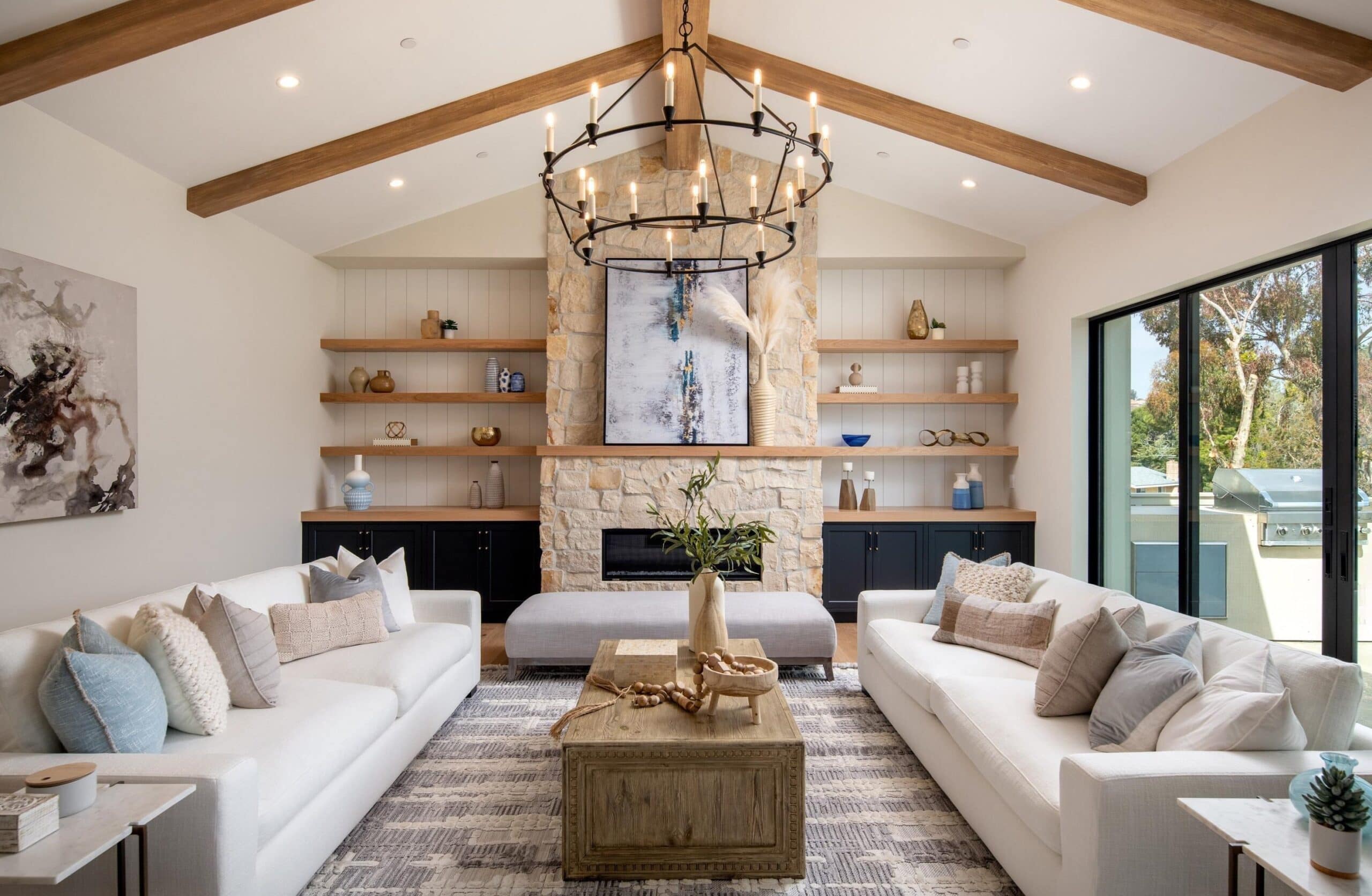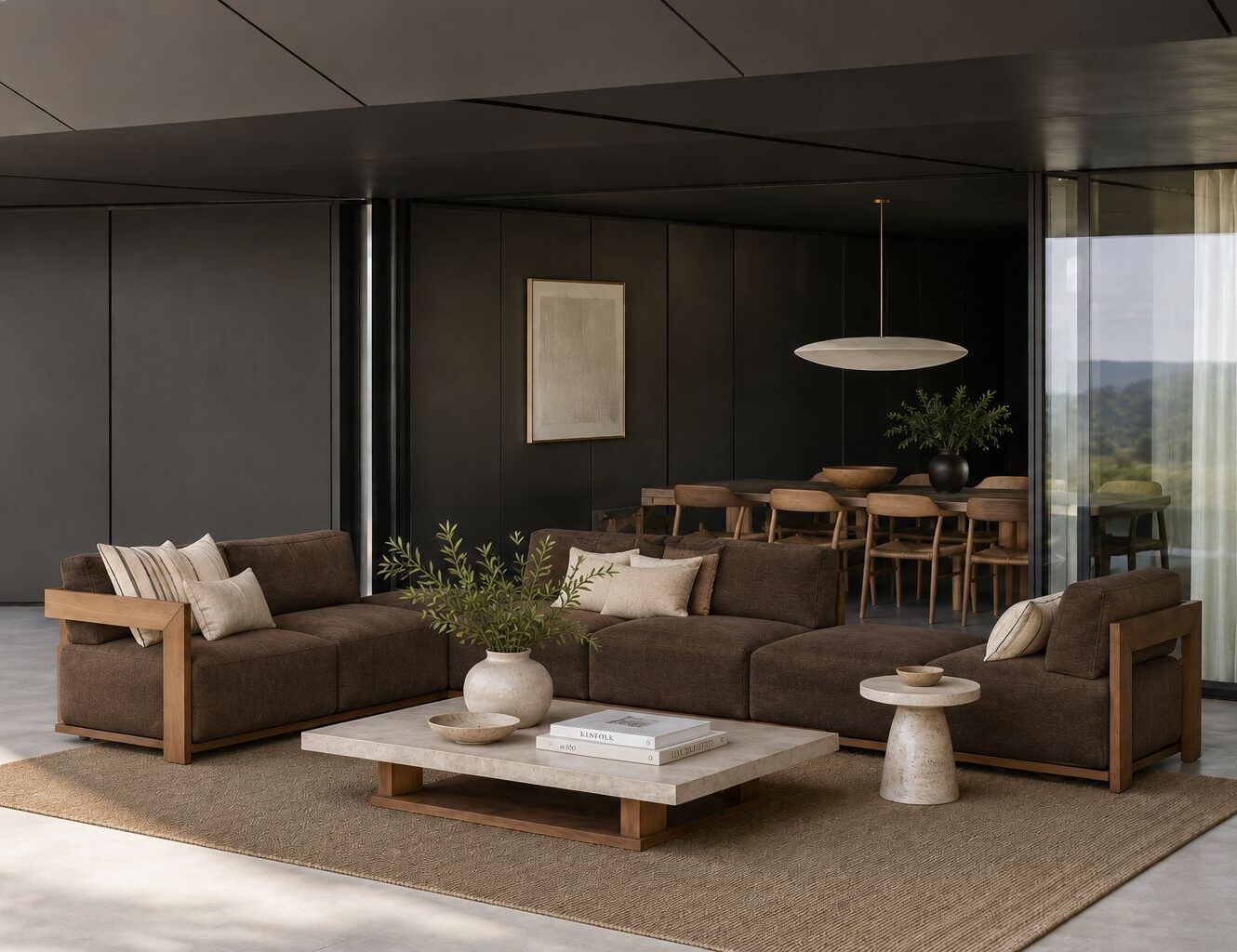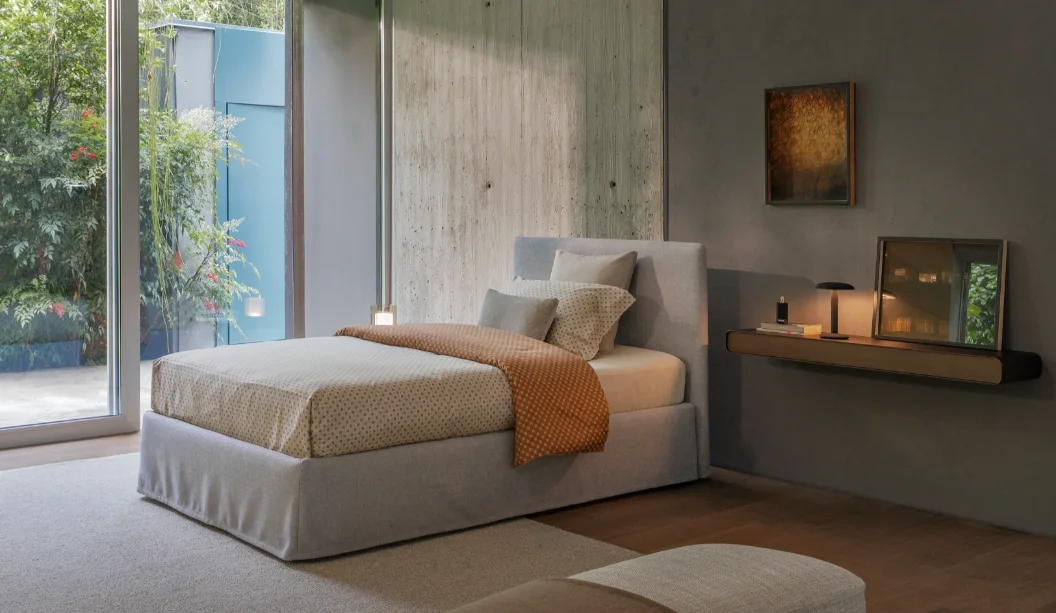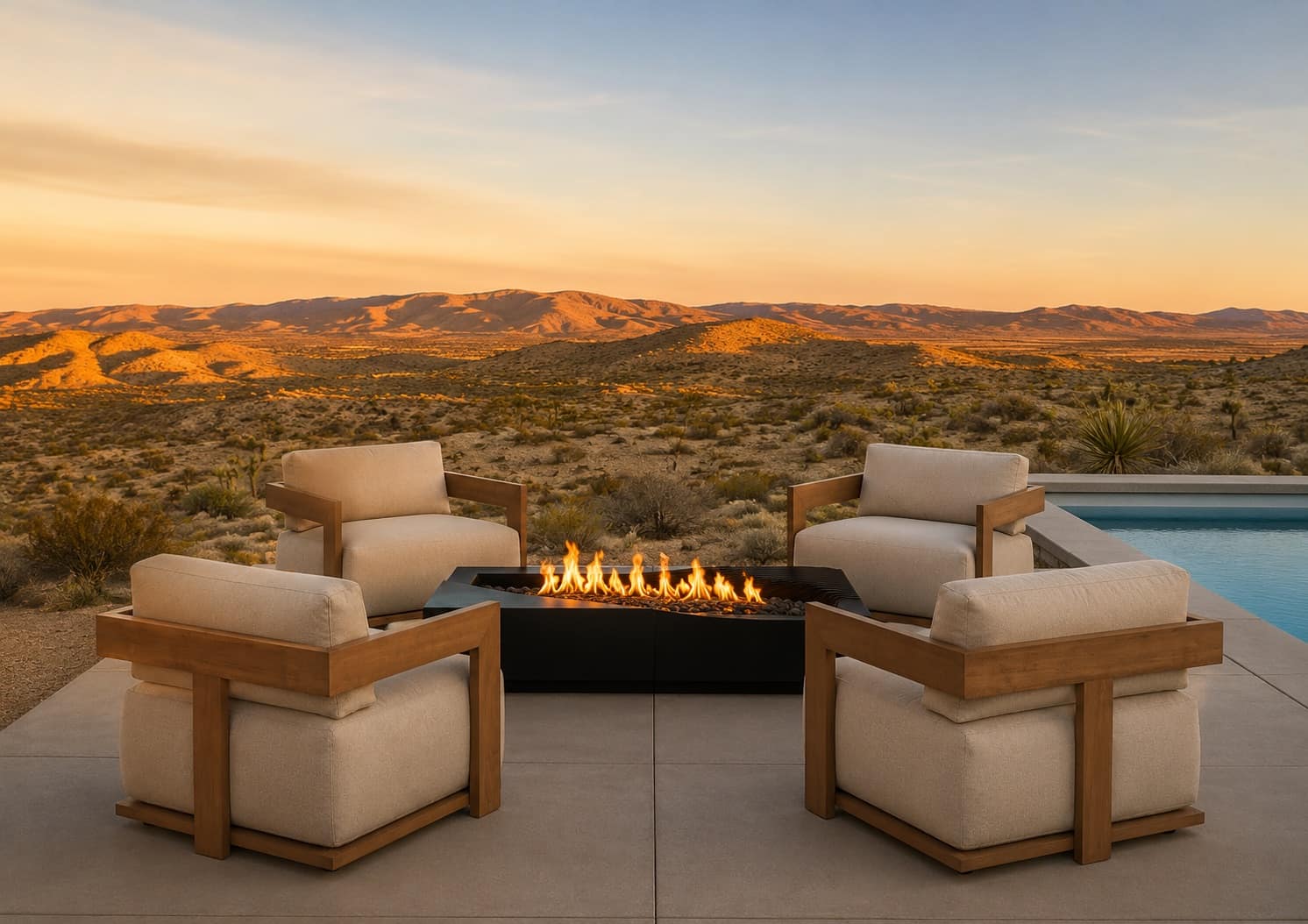

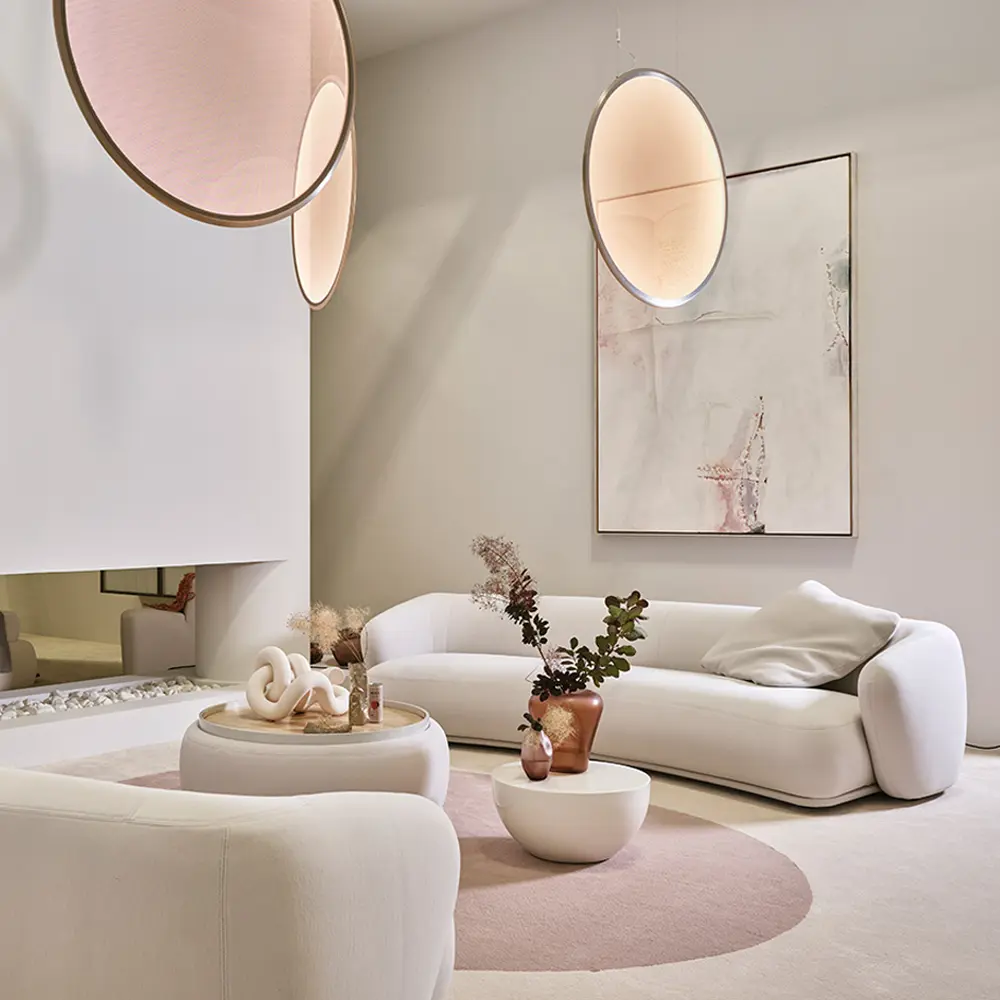
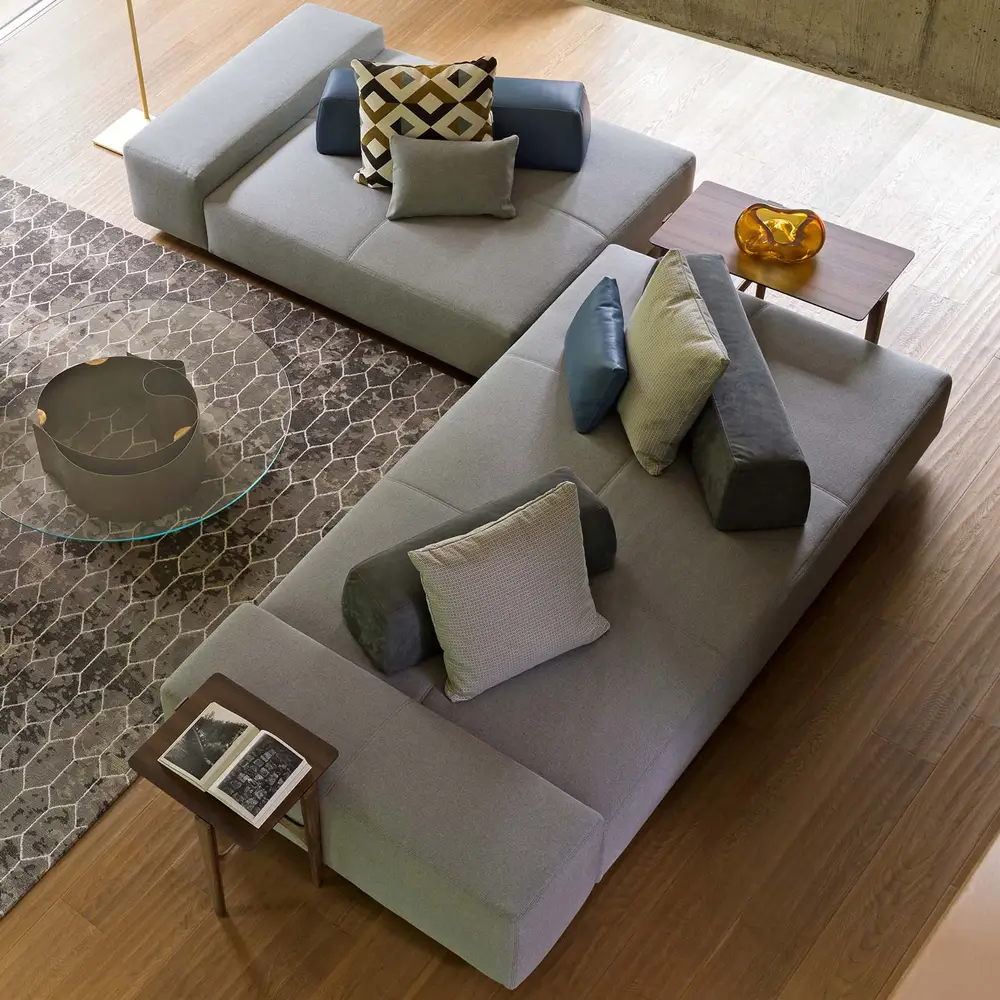
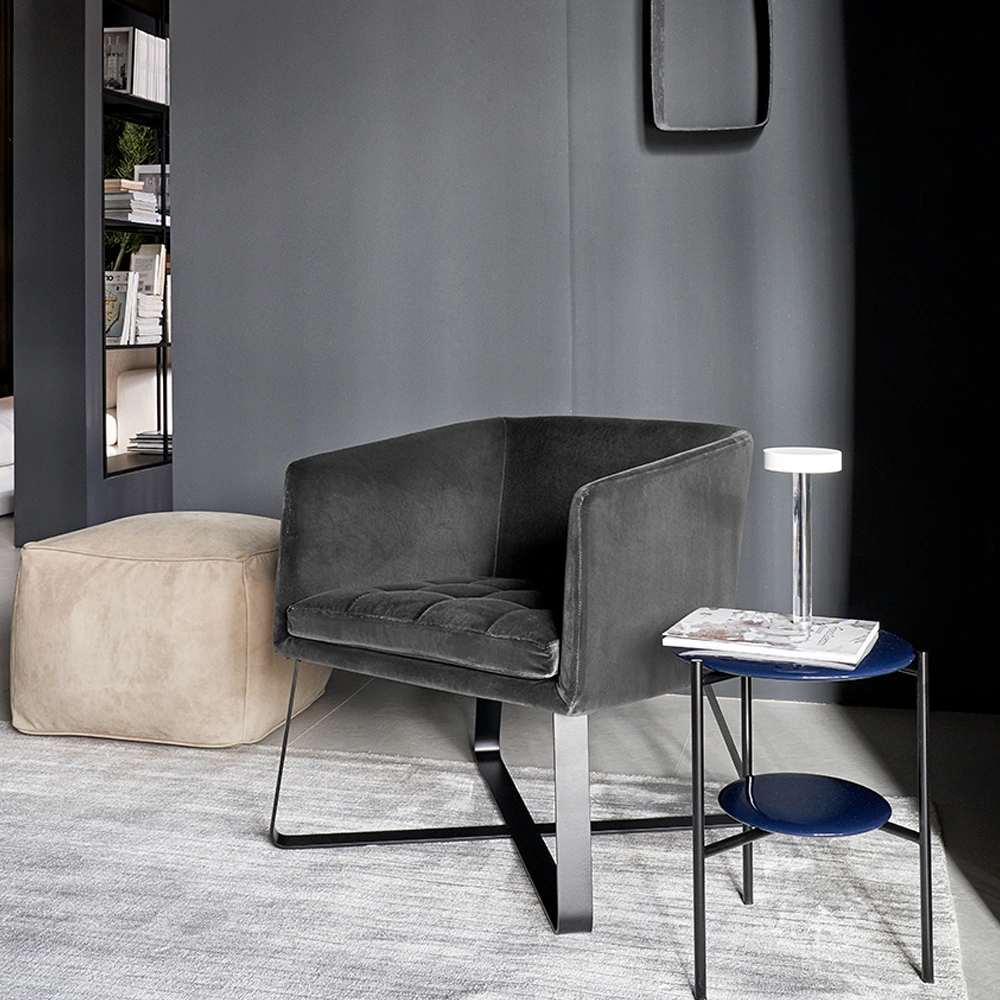




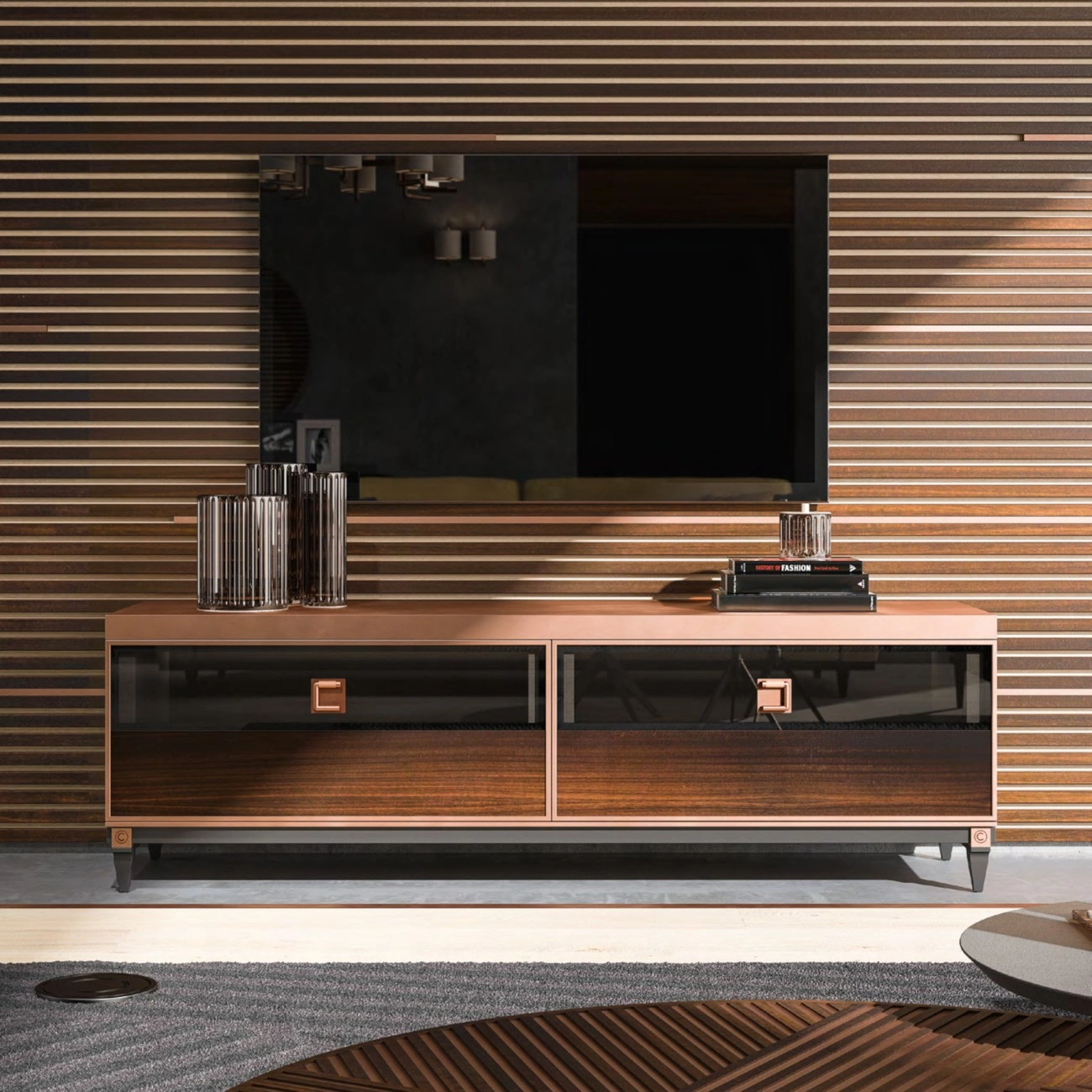
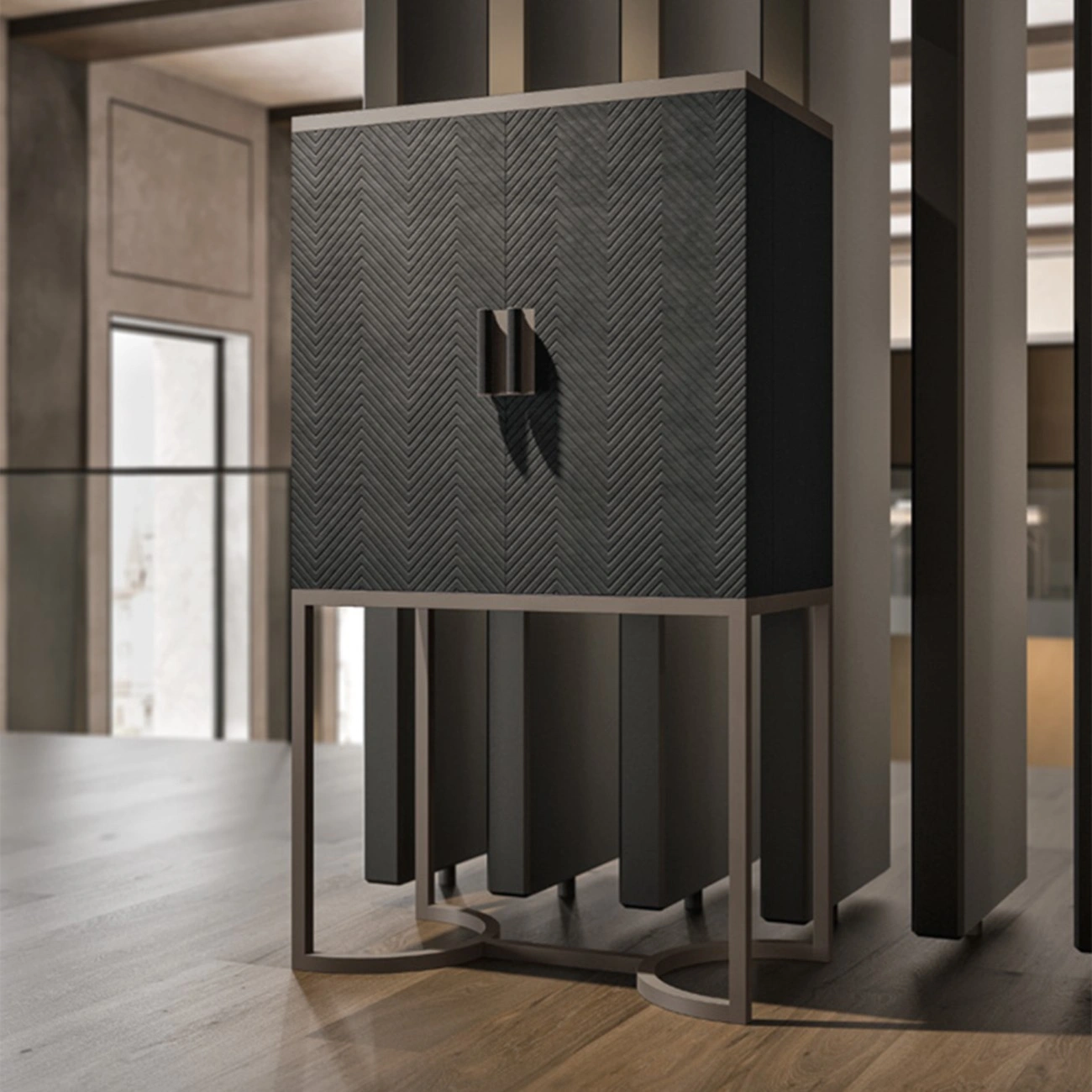

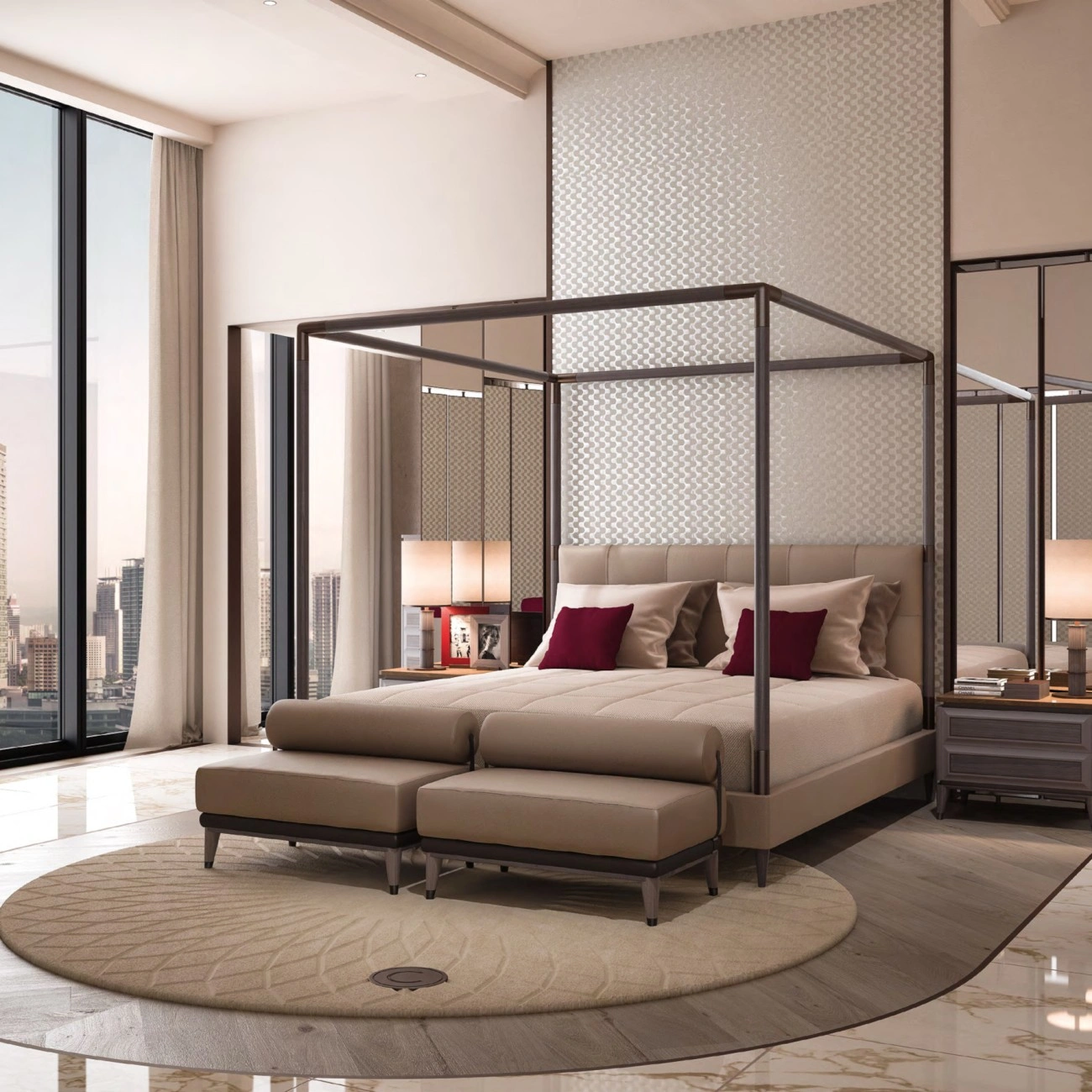
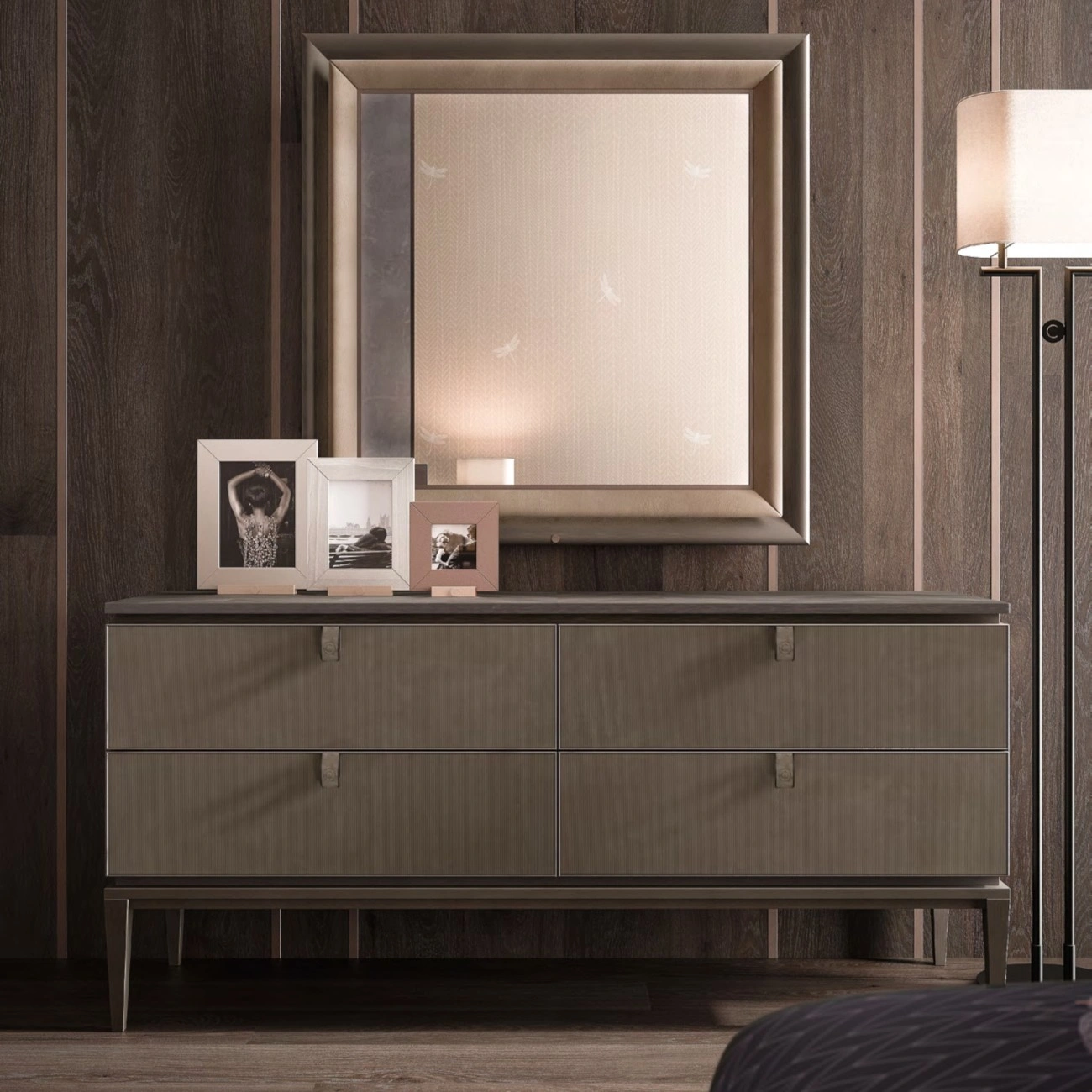







The rise of maximalism didn’t happen overnight. It crept in slowly, almost quietly, as people realized that the minimalist homes we all admired—those blank walls, those sparse shelves, those endless white rooms—didn’t necessarily feel like the homes we wanted to live in every day. For a while, minimalism’s clean, gallery-like calm had its moment. But life isn’t always minimal, and the spaces where we spend our time usually carry far more emotion than a single plant on an empty surface. So, the pendulum swung back toward something richer, more layered, more personal. That change is where the current version of maximalist house design found its footing.It is an aesthetic that celebrates the “more,” where a plush luxury pouf isn’t just an extra seat, but a vital opportunity to introduce a new texture, a bold jewel tone, or an intricate pattern into the room’s dialogue. By embracing these tactile, multi-functional pieces, we move away from the staged and toward the soulful, creating environments that feel gathered over time rather than curated for a photo.

What we’re seeing today is a reinterpretation of that spirit — modern maximalist interiors that feel expressive without heaviness or dustiness. Old European homes, Victorian rooms, even certain traditional interiors around the world always leaned into abundance—art, collections, layered fabrics, saturated color. Few people looked at those rooms and thought they were too much. They felt warm, expressive, lived-in. What we’re seeing today is a reinterpretation of that spirit, but without the heaviness or dustiness those older styles sometimes carried. Instead, today’s maximalism feels spirited yet intentional. Not chaotic, but also not shy.
People want color again. They want personality. They want rooms where stories are visible the moment you walk in. And with that shift, maximalism became something of a quiet revolution: a way to rebel against the sterile perfection we all tried so hard to maintain for so long, even if it never truly reflected how people actually lived.
Why Maximalism Works Right Now
Homes are emotional places, whether we admit that or not. The last several years have made that clearer than ever. We’re spending more time in our spaces, noticing things we once ignored. Minimalism can be beautiful, but it doesn’t always offer warmth. Empty surfaces don’t necessarily comfort. Perfect symmetry doesn’t always feel like a hug after a long day.
Maximalism introduces the opposite sensation. It makes a home feel alive. When you step into a maximalist room—one that’s done thoughtfully—you feel surrounded by texture and color, yes, but also by personality. A room might have artwork climbing up the walls, books stacked like small architectural details, fabrics that feel touchable, a mix of pieces collected over time. That human quality is what people are craving.

At the heart of maximalist house design is expression rather than excess. It’s a celebration of individuality. If minimalism was about editing down to only the essentials, maximalism is about allowing in the things that feel meaningful—sometimes even the things that serve no purpose beyond simply being loved. That shift back toward emotional connection has made maximalism far more relevant than most design “trends,” because it grows naturally from who people are.
Color as the True Foundation
Color is usually the first element people notice, because maximalism house design doesn’t whisper when it comes to color. It embraces saturation, depth, contrast. But not every maximalist room is painted in jewel tones or vivid wallpaper. The real secret is that the approach to color is intentional. Even the boldest maximalist rooms tend to rely on a palette that feels cohesive.

Deep greens, navy, amber, plum, rich teal—these are common foundations. But so are softer tones layered with pattern rather than plain surfaces. The goal isn’t to overwhelm the senses but to give the eye something to travel across. Color creates warmth, and warmth invites presence. That’s why color is rarely used sparingly in maximalism. It’s layered, repeated, echoed.
Some rooms start with dark walls to create a backdrop that allows everything else to shine. Others begin with a brighter tone and then layer pattern on top. The approach depends more on personality than rules. The only real mistake is choosing colors that don’t speak to each other. When there’s some relationship between the shades—even a loose one—the room feels vibrant instead of loud.
The Layering That Brings Maximalism to Life
Maximalism house design thrives on layers, and layering requires both instinct and patience. It isn’t something that happens all at once. It grows. A patterned rug might be added, then a textured throw, then a new lamp, then art, and slowly each addition adds dimension.
Layers can happen in multiple directions. Vertically, art stacks and climbs. Horizontally, surfaces carry books, candles, trays, vases, textiles. The layering makes a room feel full, but not stuffed. It creates depth, like the difference between a flat photograph and a painting with thick brushstrokes.
Texture matters as much as color. Velvet against rough linen, ceramic beside lacquer, natural wood next to polished stone—these contrasts soften the abundance. They make the room feel warm instead of heavy.
When layering works, the room feels collected rather than styled. You don’t see “decor.” You see pieces that seem to have meaning. That’s when maximalism becomes not just a trend but a way of living with objects you genuinely enjoy.
Art as a Vital Piece of Maximalism
In many homes, art is the soul of maximalism. It’s the loudest or softest voice in the room depending on how it’s used. A single oversized artwork can transform a space instantly. A collected gallery wall tells a story that can’t be replicated anywhere else.
Gallery walls are often associated with gallery wall interior design because of their ability to energize blank spaces. They shift the emotional tone of the room. And because maximalism doesn’t demand uniformity, art can mix eras, styles, colors, and frames without losing cohesion. Modern beside vintage, neutral drawings beside bright paintings—it all works when chosen with intention.
Art doesn’t have to stay on the walls either. Leaning art against shelves, placing small pieces on side tables, or layering frames creates a relaxed, human rhythm. And this is where maximalist house design feels alive. There’s a sense that the room is constantly evolving, like it has its own heartbeat.
Furniture That Brings Character
Maximalist furniture isn’t merely functional. It usually has personality. Curves, carving, strong silhouettes, unusual upholstery—these details add presence. A maximalist room doesn’t shy away from pieces that make a statement, whether it’s a velvet sofa, a vintage armchair with ornate woodwork, or a modern piece used in a surprising way.
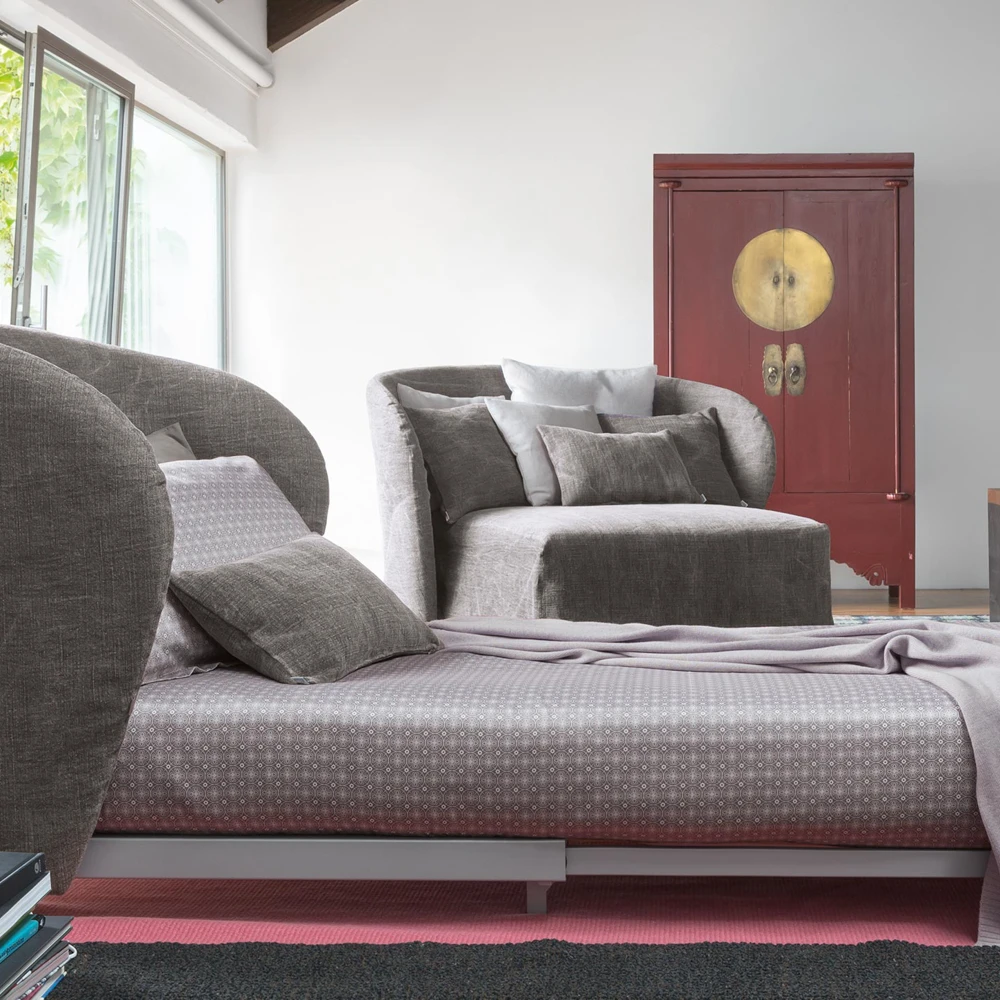
The furniture doesn’t have to match. In fact, matching sets often flatten the room. Instead, cohesion comes from the invisible thread connecting everything—maybe it’s color, maybe it’s shape, maybe it’s era. A vintage cabinet beside a contemporary sofa can work beautifully if the surrounding space supports the combination.

Scale also matters. Large pieces ground the room, giving the eye an anchor. They prevent the space from feeling too busy by creating strong focal points. When the room has a well-defined centerpiece, the surrounding elements can be bolder without fighting for attention.
Editing: The Part People Don’t See
Editing might sound like the opposite of maximalism, but it’s what separates thoughtful abundance from simple clutter. Editing in maximalism is more emotional than practical. It isn’t about asking whether something is essential, but whether it belongs.
When a room feels slightly too energetic, removing one or two items can restore balance. Sometimes the room needs more negative space in one corner. Sometimes it needs one strong object rather than several smaller ones. Good maximalist rooms breathe. Editing makes space for that breath.

This part of the process can take time—weeks, even months. And that’s perfectly fine. Maximalism isn’t meant to be rushed.
Maximalism as Personal Storytelling
The most compelling part of maximalist house design is that it encourages people to live with objects that matter to them. Homes that follow this style often become deeply personal. A stack of old books passed down through family, a ceramic bowl picked up on a trip, a chair found unexpectedly at a flea market—these things create emotional texture.
A maximalist home can feel like stepping into someone’s memory. The pieces don’t simply decorate the space; they tell a story. That’s why maximalism rarely feels repetitive. Each home looks different because each life behind it is different.
This storytelling is what makes maximalism feel warm rather than overwhelming. When items carry meaning, their presence feels comforting instead of busy.
Making Maximalism Work in Real Life
If you’re trying to bring maximalism into your own home, the best way is to start small and let the room grow naturally. One bold rug or one large piece of art can set the tone. From there, let the room unfold slowly. Add something only when you love it. The process should feel like collecting rather than decorating.
Maximalism doesn’t need to be perfect. In fact, perfection would probably make it less interesting. A slightly uneven gallery wall, a mix of old and new furniture, a worn book beside a polished vase—these touches give the room its humanity.
At its core, maximalism is about embracing fullness without losing intention. And once that balance clicks, you’ll see that maximalism isn’t overwhelming at all. It’s expressive, warm, emotional, and surprisingly comforting.
The beauty of maximalist house design is that it grows with you. It evolves as your interests evolve. It becomes richer as you add pieces that reflect your experiences. And in a world that often pushes for simplicity, there’s something refreshing—even grounding—about creating a home that dares to look like your own life.