












It’s hard to ignore how much our relationship with our homes has changed in the past decade. Rooms aren’t simply rooms anymore—they’re workspaces, resting places, backdrops for video calls, and, for many people, one of the only places where the constant noise of the outside world doesn’t feel so overwhelming. Maybe that’s why there’s been such a strong shift toward interiors that feel calmer, lighter, and more grounding. And this is where Scandi and Japandi interior design keep finding their way into the spotlight.
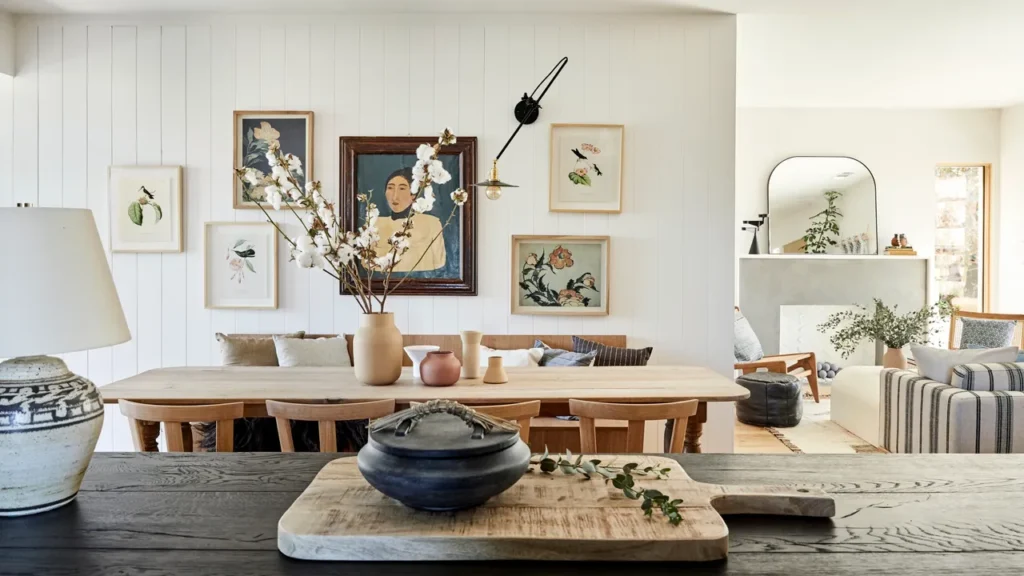
Both styles, Scandi and Japandi interior design came from very different places, but somehow they speak the same language. They don’t shout for attention. They don’t lean on dramatic colors or heavy decoration to make a point. Instead, they focus on how a space feels when you step into it. And right now, that kind of quiet, warm minimalism seems to be exactly what people are looking for.
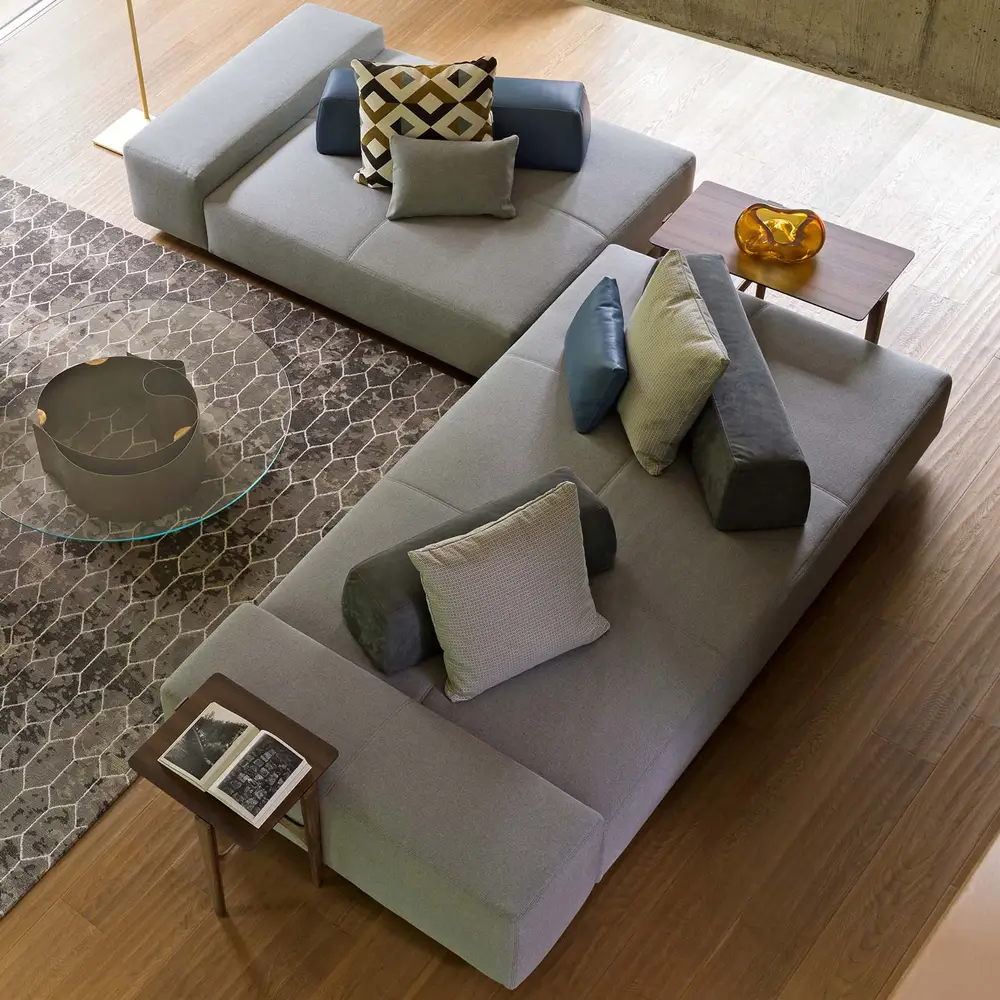
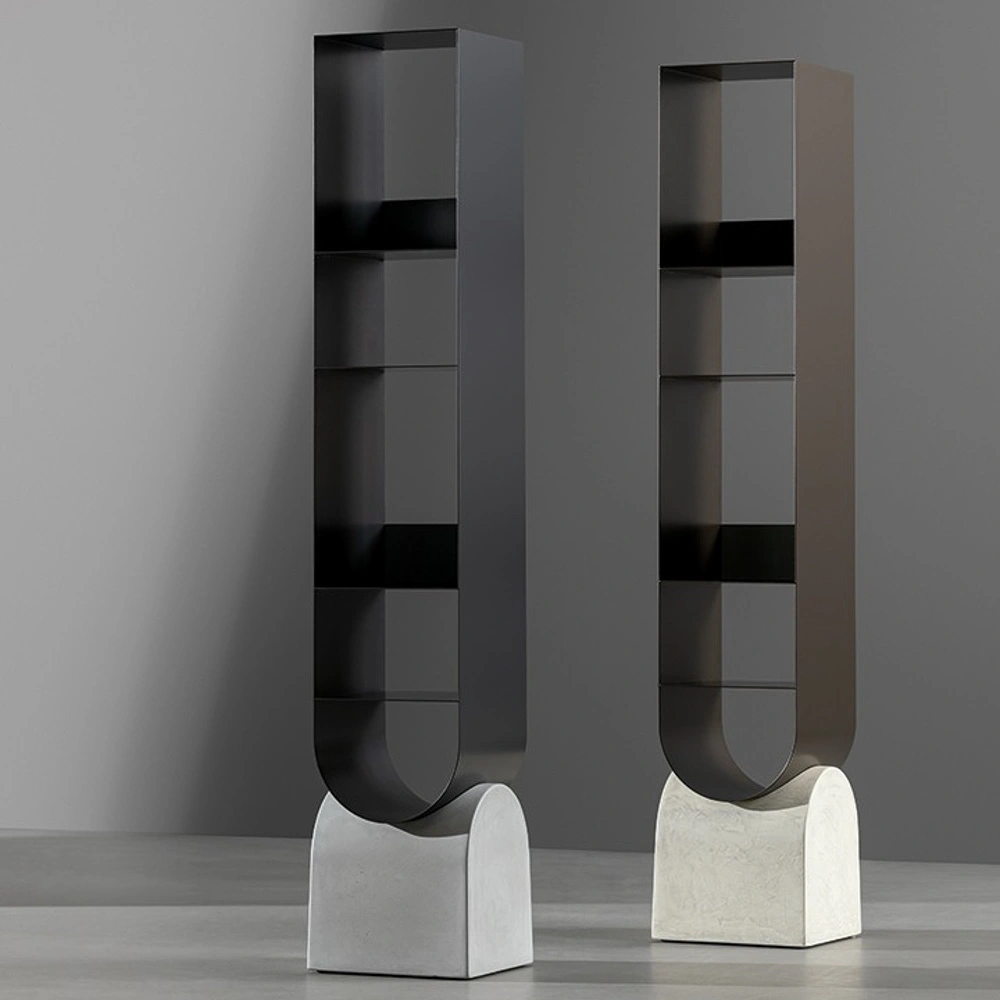
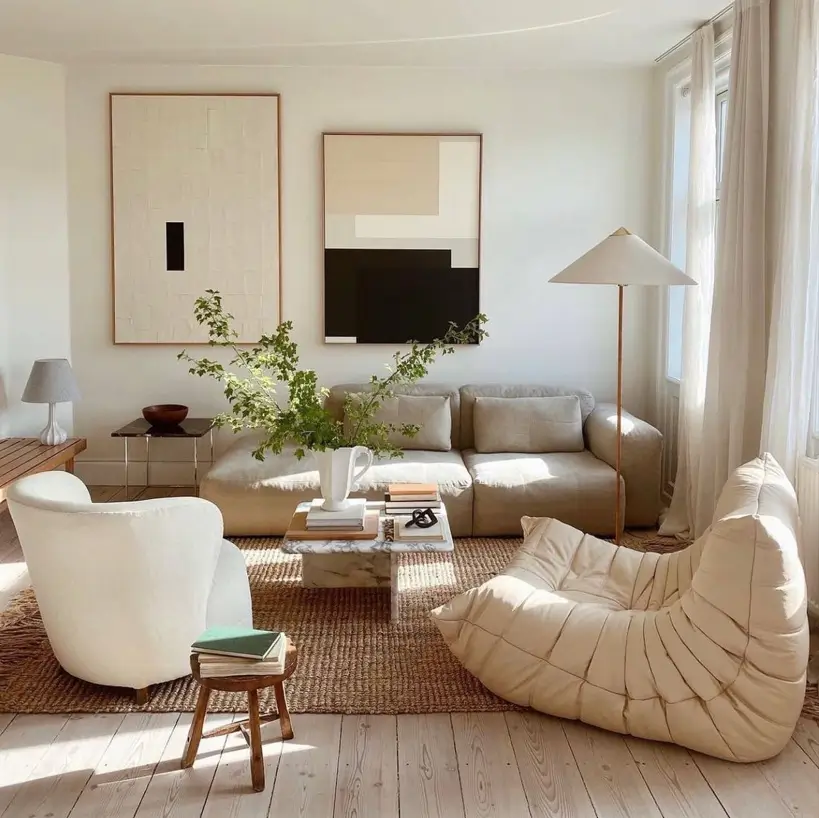
Scandinavian interior design has long been admired globally, though its modern expression has softened significantly over time. But the version most people are familiar with today has softened dramatically from what it once was. Early Scandinavian interiors, especially the ones from mid-century designers, could be unexpectedly bold. They loved modular shapes and unusual silhouettes—low leather sofas that almost hovered near the floor, sharp-angled side tables, and storage pieces with futuristic curves. The effect was crisp, modern, clean, sometimes even a little cold, at least visually.
But as time passed, the style began absorbing more warmth—literally and figuratively. Pale woods replaced darker tones. Inclusion of wicker furniture. Natural light became one of the defining features of the style. Texture began to matter in a way it hadn’t before. Instead of everything being sleek and streamlined, rooms started to feel more touchable. That evolution is what most people picture now: a soft, bright, airy interpretation of Scandinavian interiors that feels easy to live with.
How Scandi Achieves Its Warm Minimalism
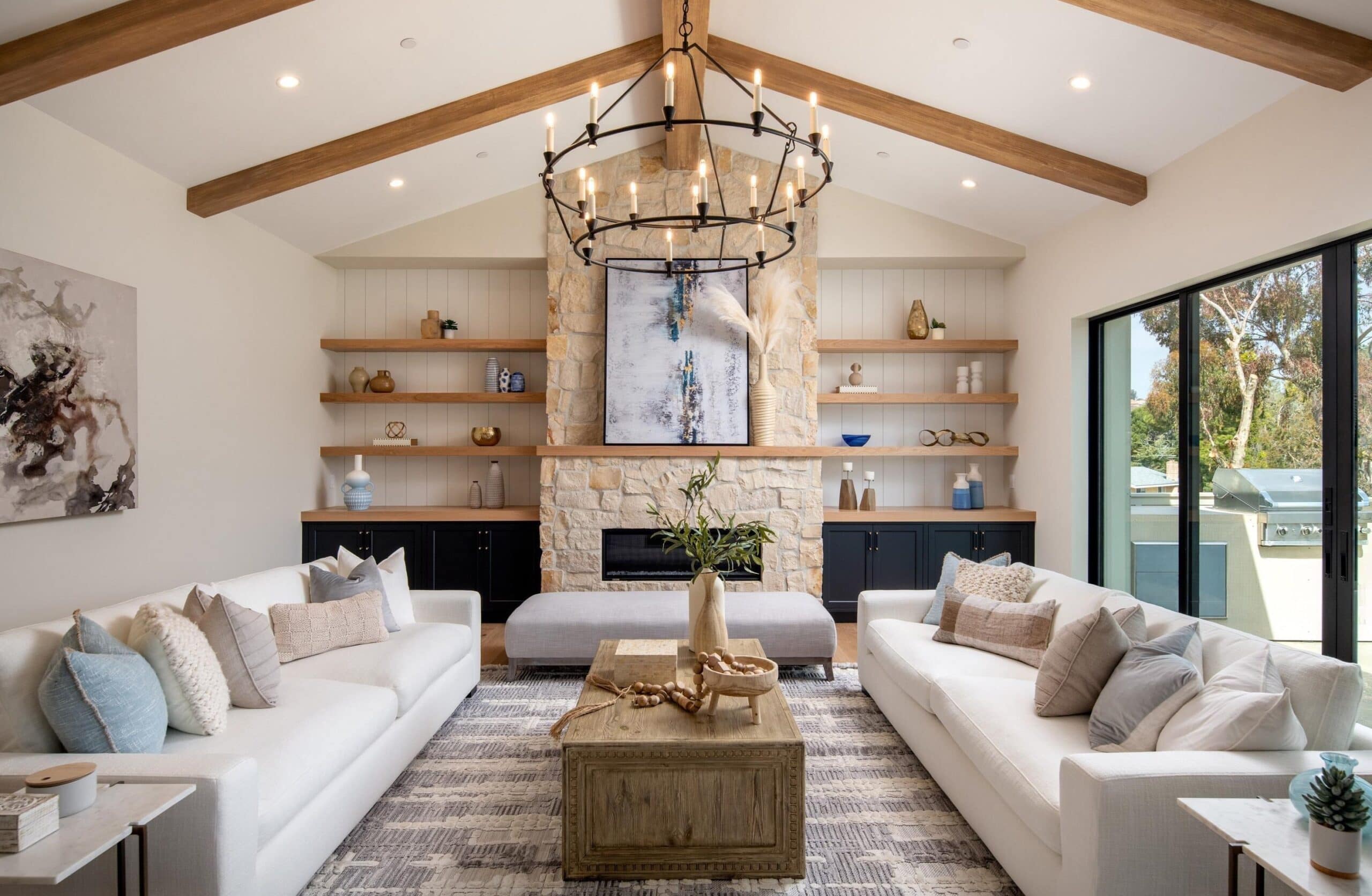
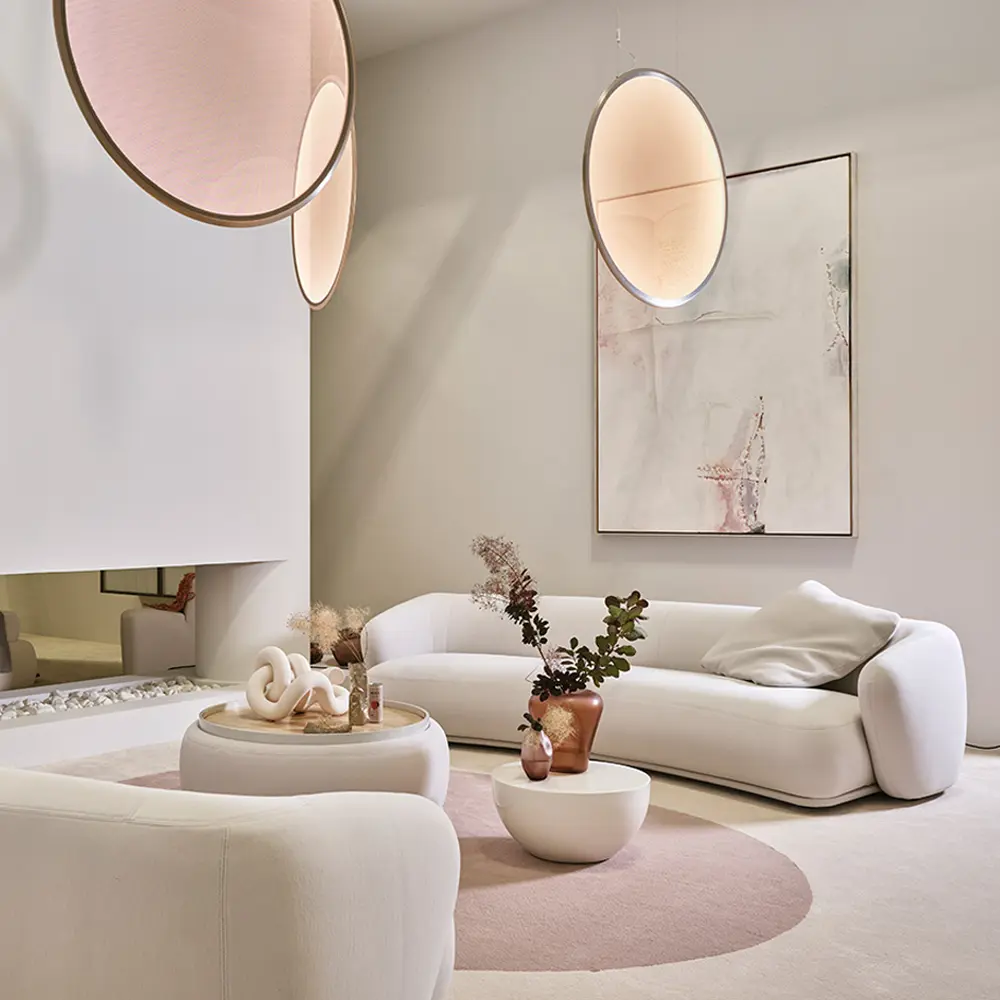
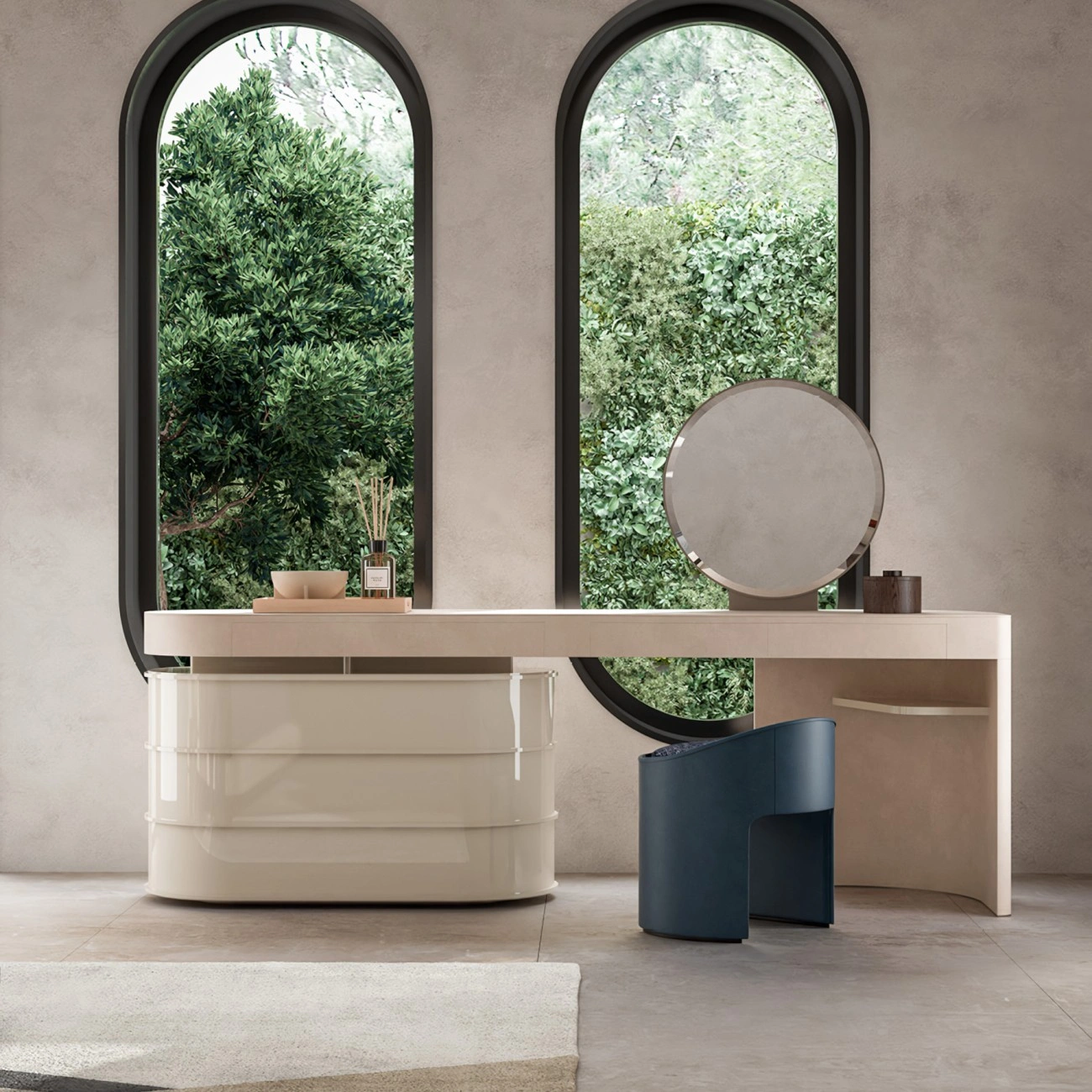
One of the things that makes Scandi so appealing is how unforced it feels. The rooms look tidy, but never staged. They feel uncluttered, but not empty. The colors tend to stay within a familiar family—creamy whites, gentle beiges, pale grays, soft browns, an occasional muted green from foliage. Black appears only in small doses, almost like punctuation.
:strip_icc():format(webp)/cdn.cliqueinc.com__cache__posts__252735__scandinavian-interior-design-ideas-252735-1521559308997-image.700x0c-75c9aad91deb426eb16a8d92f36cabd0.jpg "Scandi and Japandi Interior Design: A Quiet Shift Toward Calm, Warm Homes 2")
Light plays a major role in why Scandi interiors feel the way they do. In northern Europe, daylight isn’t something that can be taken for granted, so interiors are designed to welcome every bit of it. Pale walls reflect it, light wood floors amplify it, and furniture tends to be arranged in a way that doesn’t block it. There’s something honestly optimistic about a room that embraces daylight so openly.
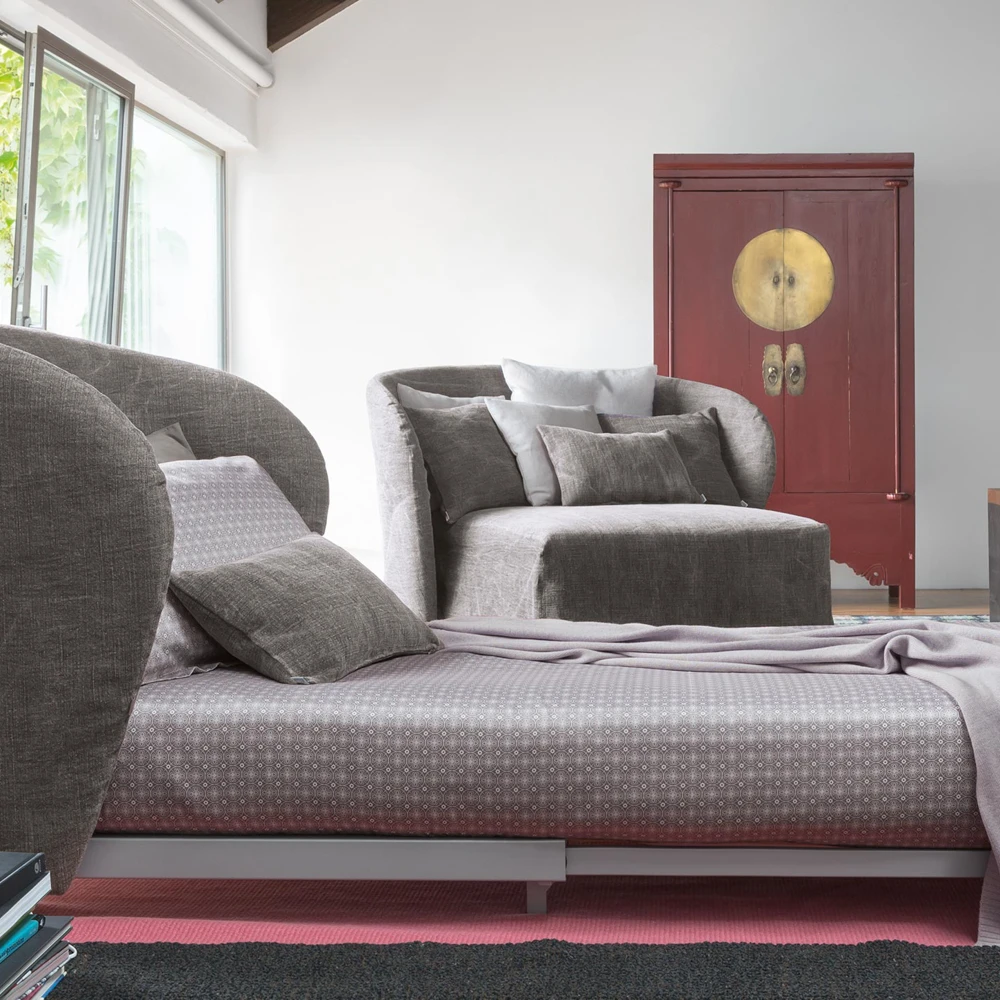
Textures add warmth without overwhelming the minimalist base. You might notice a woven rug or a subtle linen throw, or a sofa with a slightly nubby texture. It’s all understated, but it matters. It prevents the simplicity from feeling sterile.
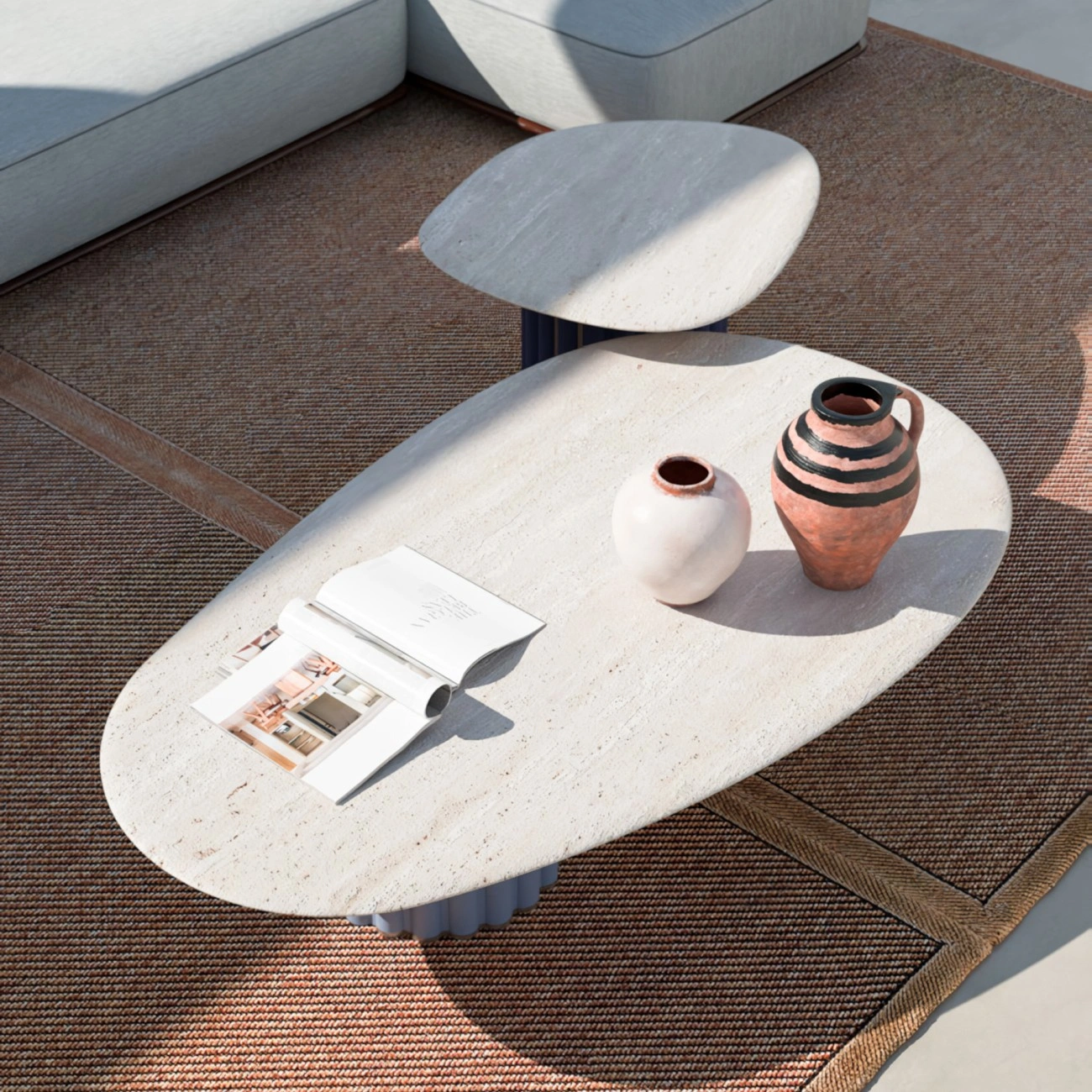
Art is rarely the focal point. Sometimes a single, quiet piece hangs on the wall; other times, the wall is left blank because the negative space feels intentional. Decor in general is kept to a minimum. A handmade ceramic vase, a piece of natural wood used as sculpture, or a single plant might be enough. Nothing feels like filler. Items are chosen with a sort of calm, steady logic.
Japandi: The Meeting Point of Two Cultures
If Scandi is airy, Japandi brings a sense of gravity. The term itself is a blend—Japanese + Scandinavian—and the design philosophy follows the same fusion. What makes this pairing work so naturally is that both styles value simplicity and craftsmanship, yet they express those values differently.
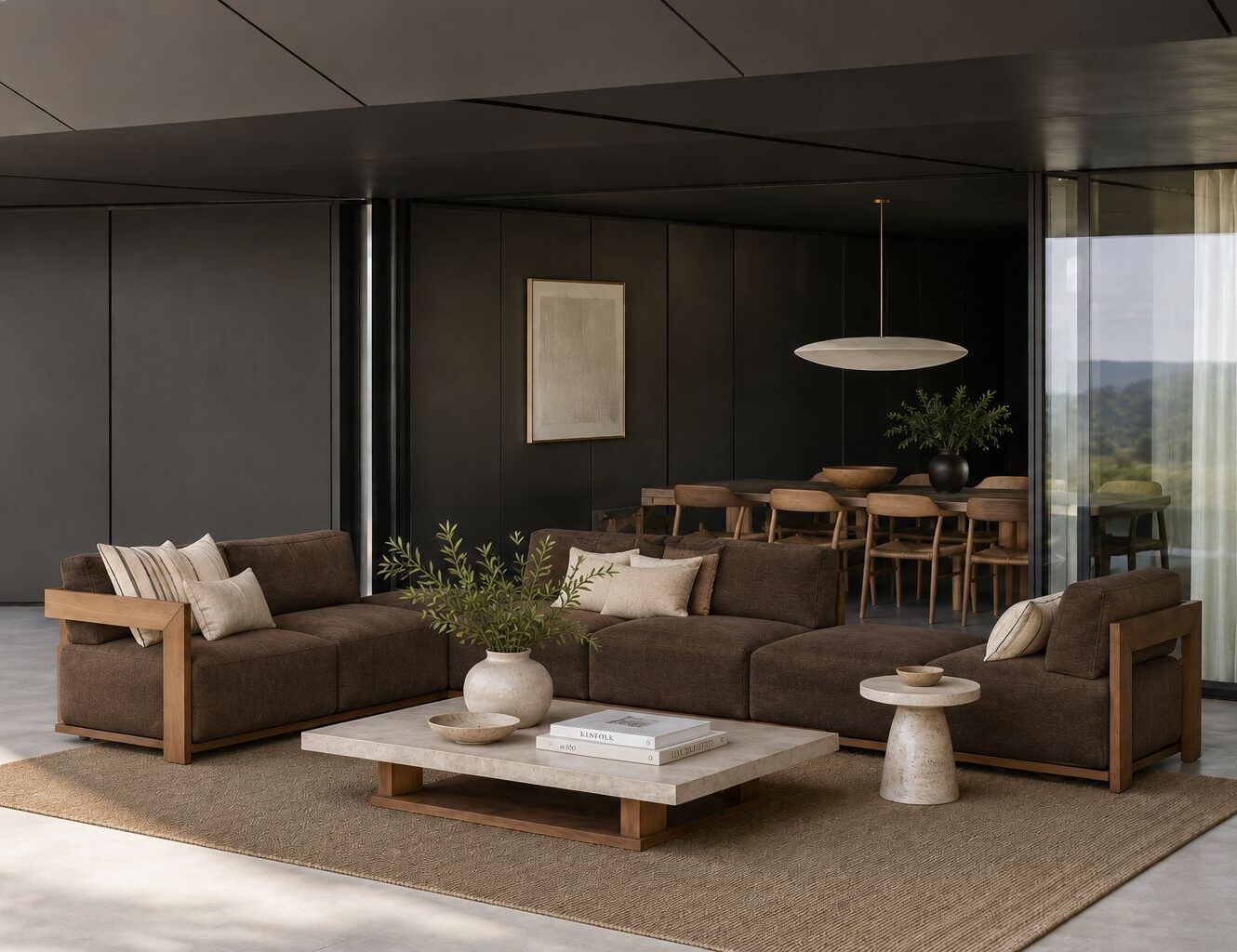
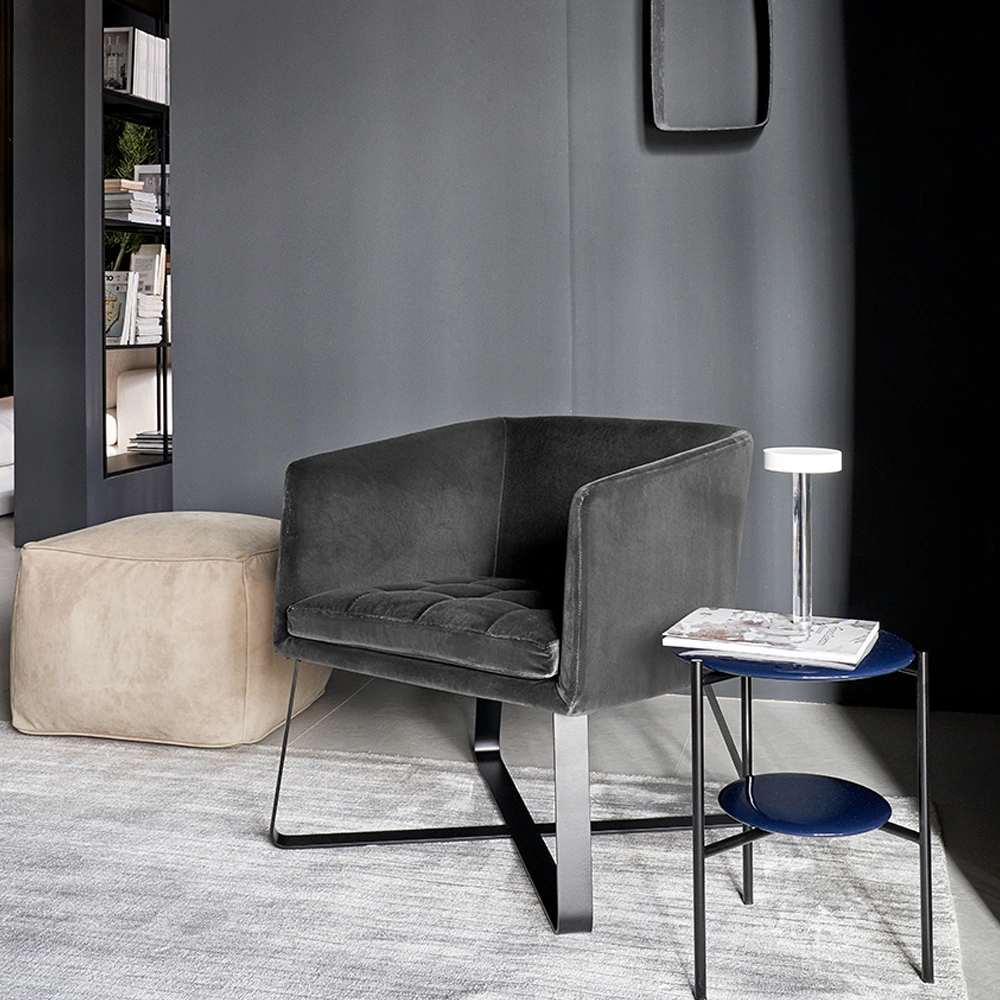
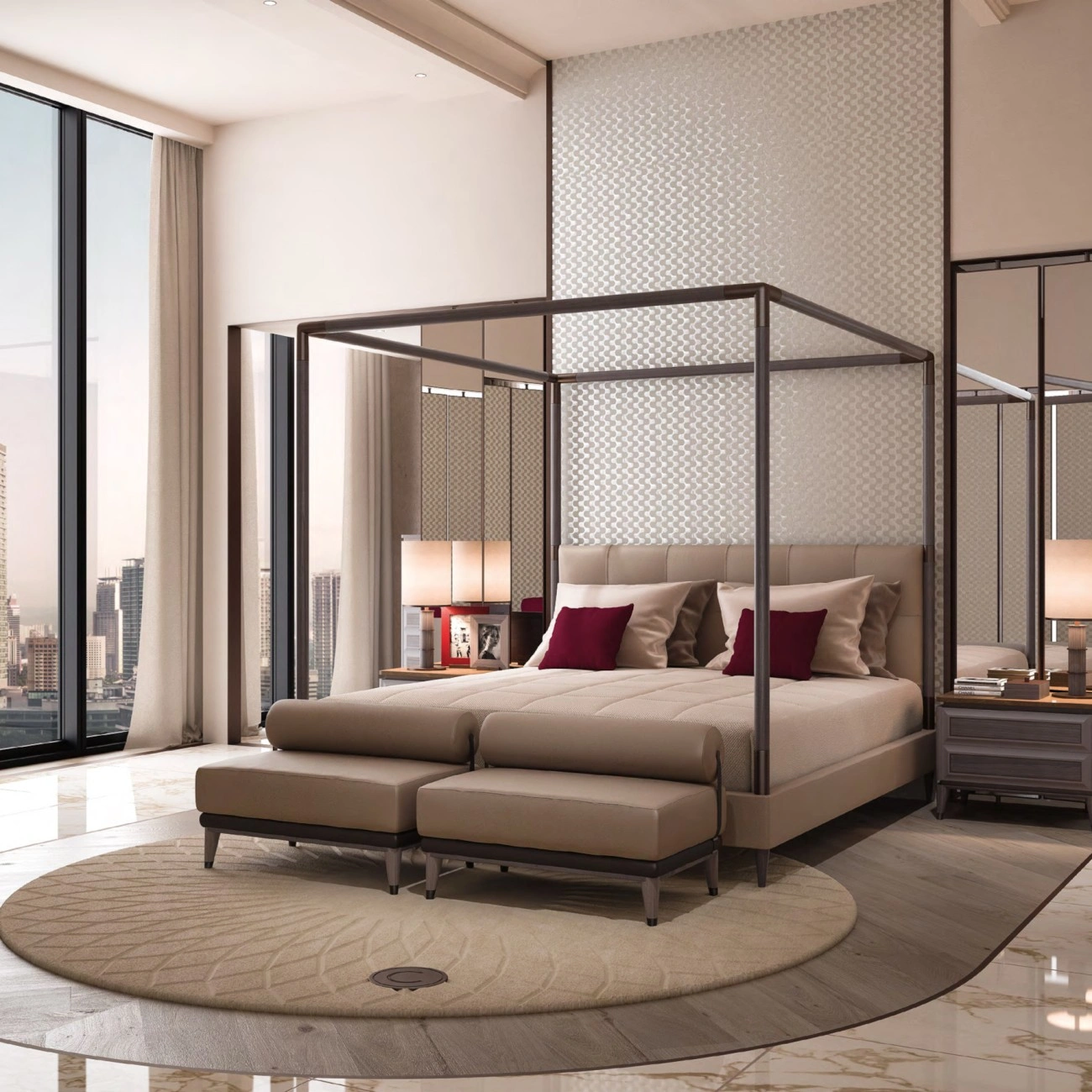
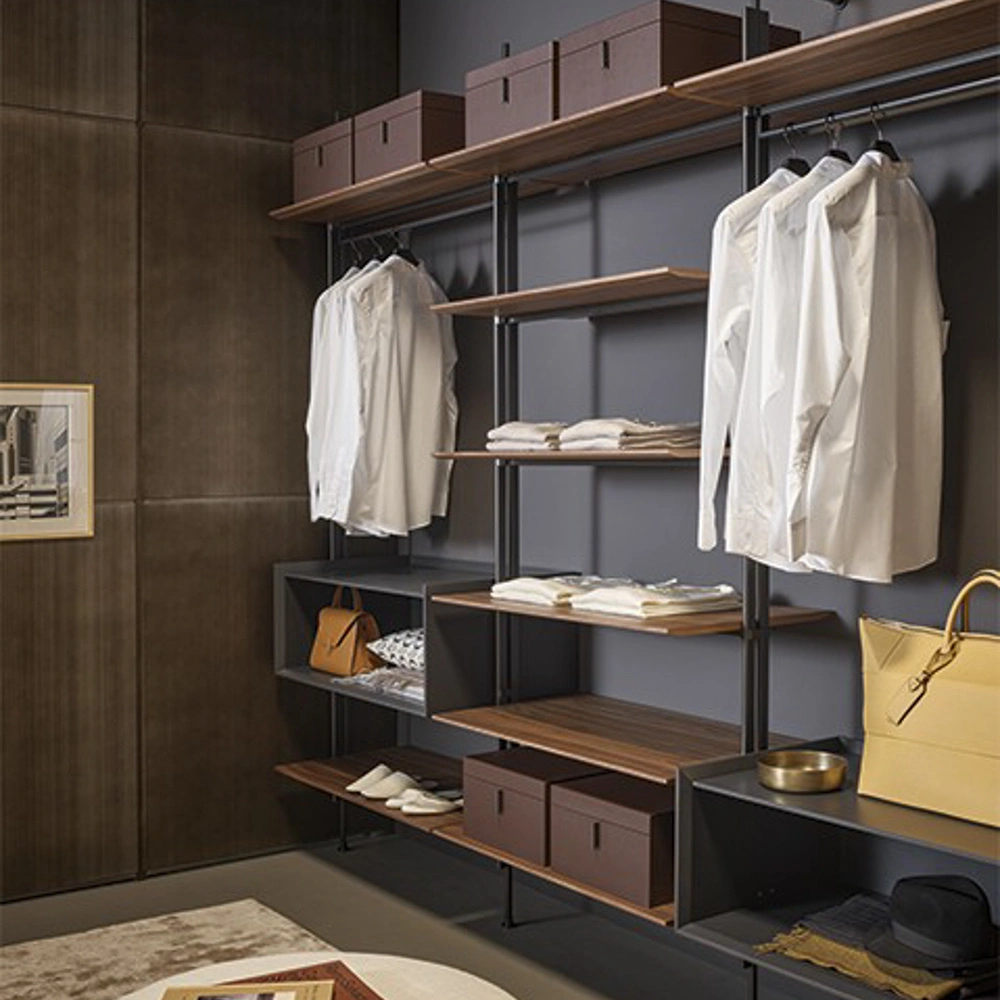
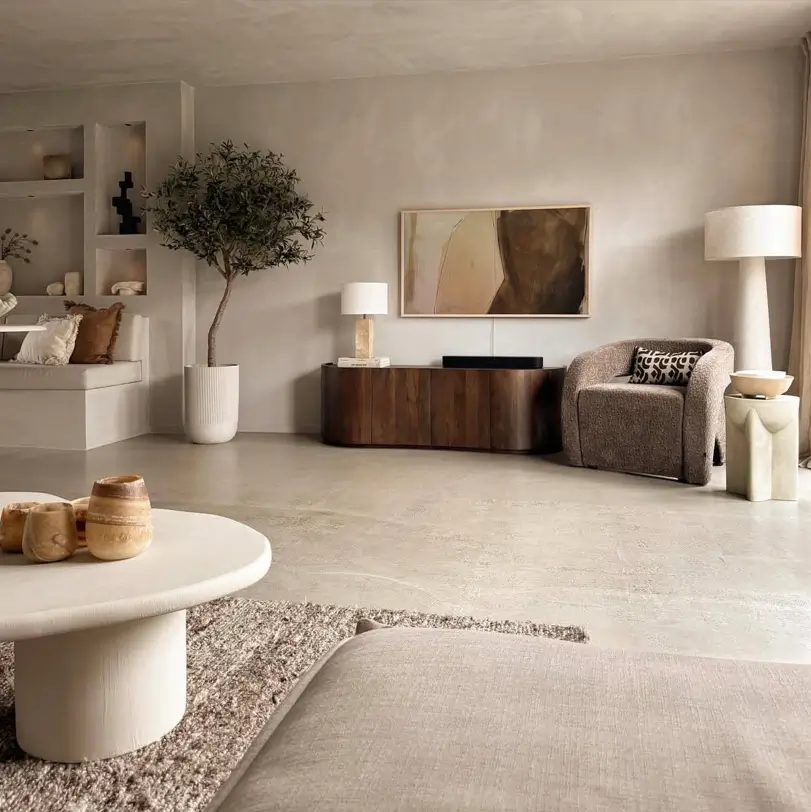
Japanese interiors tend to lean deeper and earthier in tone. Where Scandi celebrates brightness, Japanese spaces find comfort in shadow. Japandi adopts a bit of both. You’ll see the gentle whites and light woods of Scandi, but also the warm charcoals, muted greens, and soft browns inspired by Japanese design. The result is a palette that feels calm but grounded, peaceful without being pale.
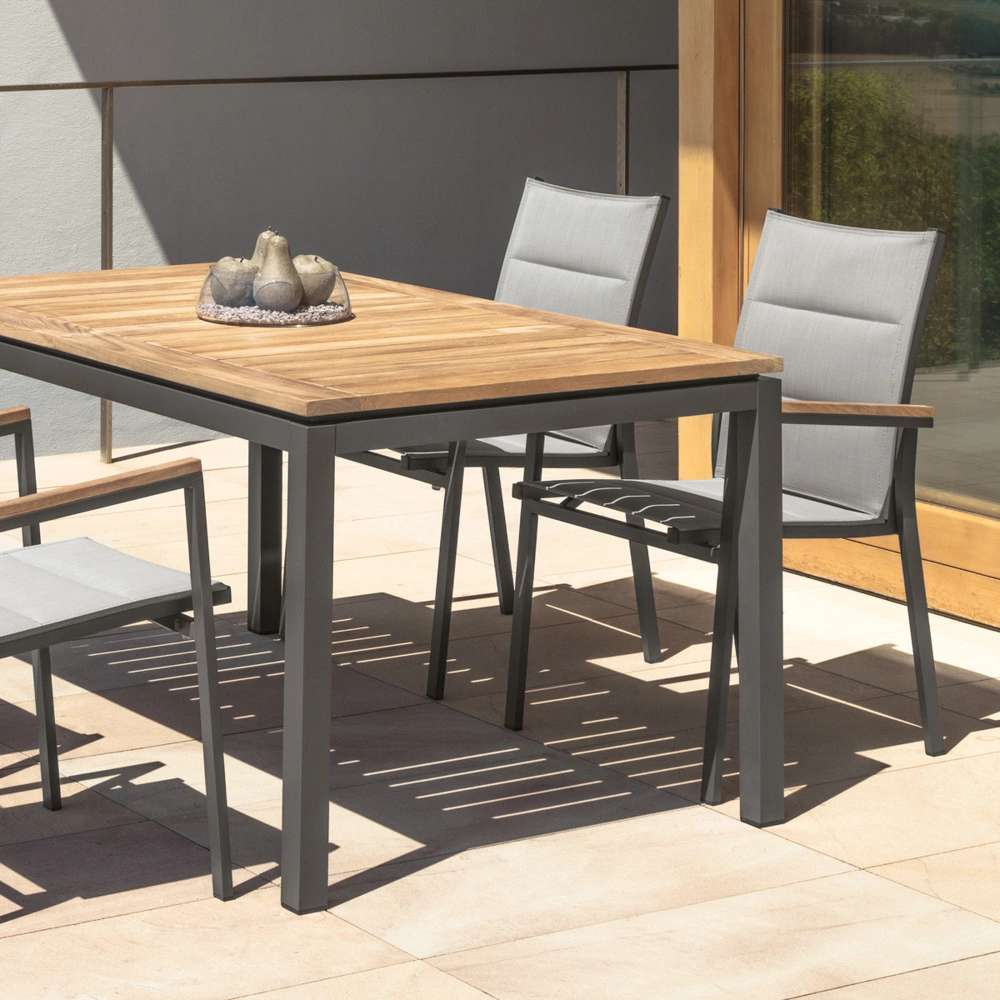
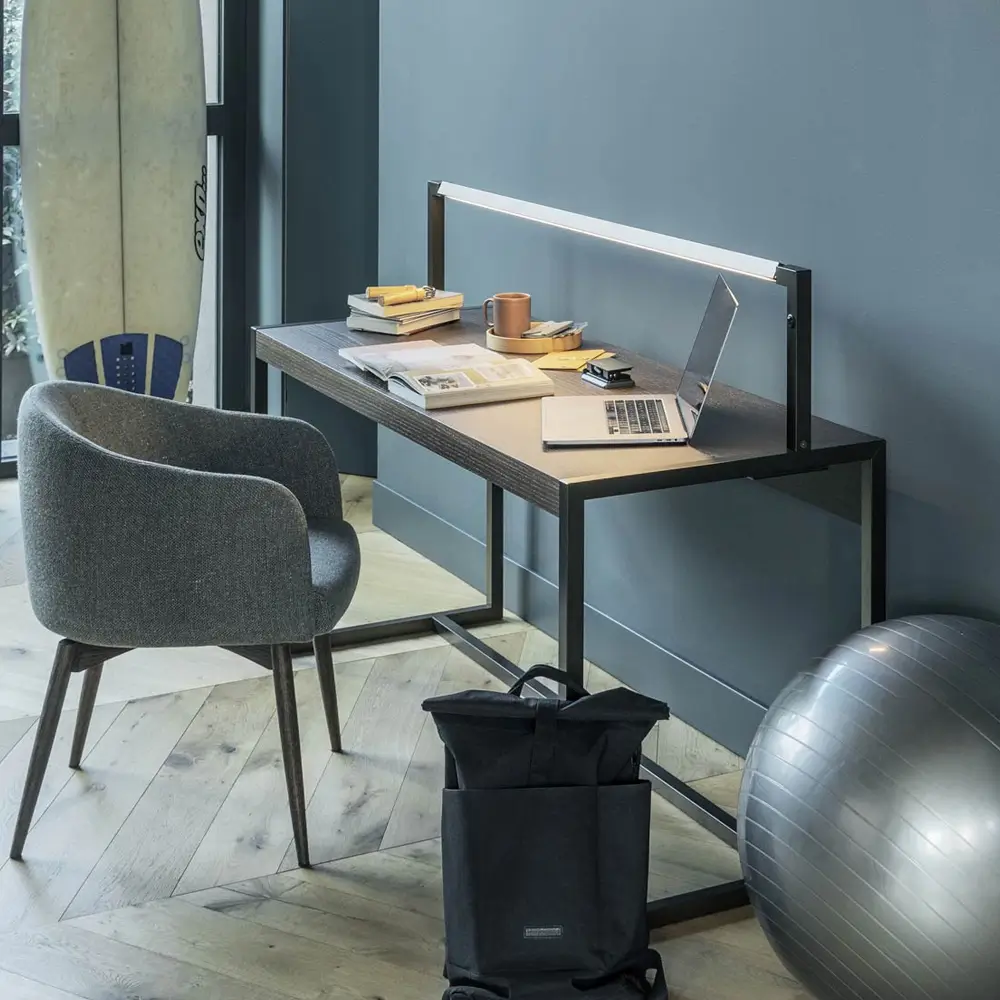
Furniture in Japandi spaces often sits low to the floor, echoing traditional Japanese interiors, but the forms remain streamlined the way Scandinavian pieces are. Woods tend to be natural or lightly stained, with rounded edges and visible grain. Rattan appears fairly often, not as a statement piece but as a texture that adds softness to the room.
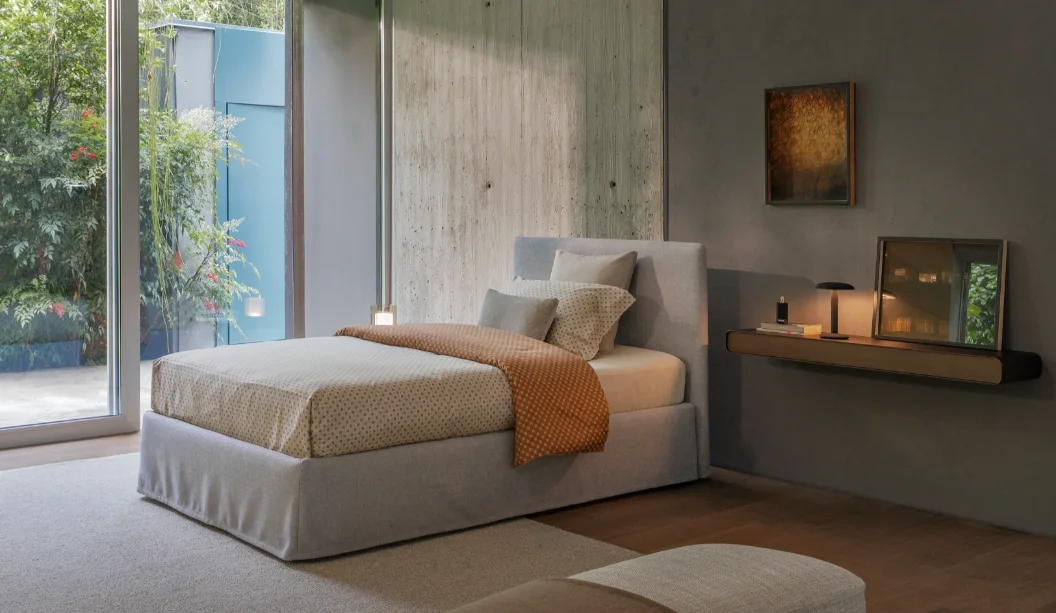
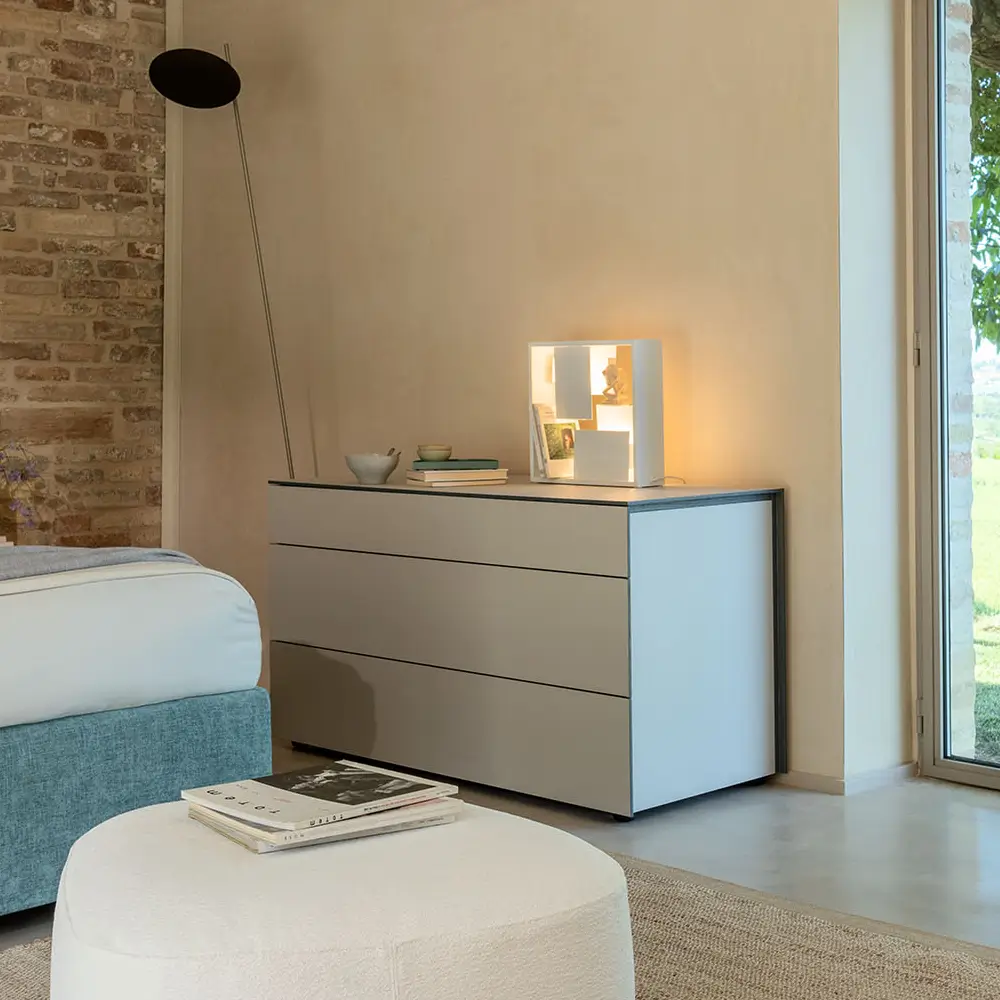
One of the most defining traits of Japandi is the type of light it favors. Instead of bright overhead fixtures, you’ll find diffused lighting—paper-like pendants, soft-glow table lamps, natural fiber shades. The mood is quiet, but not dim. It’s the kind of light that makes a space feel still, like the calm you feel right after waking up before the day has fully started.
Nature as the Quiet Backbone
Nature plays a meaningful, almost symbolic role in both styles. In Scandi interiors, nature appears mostly through materials and light. Houseplants are used to soften corners or add freshness. Wood is everywhere—floors, furniture, shelves—often left in its most natural form. The emphasis is on honesty and ease.
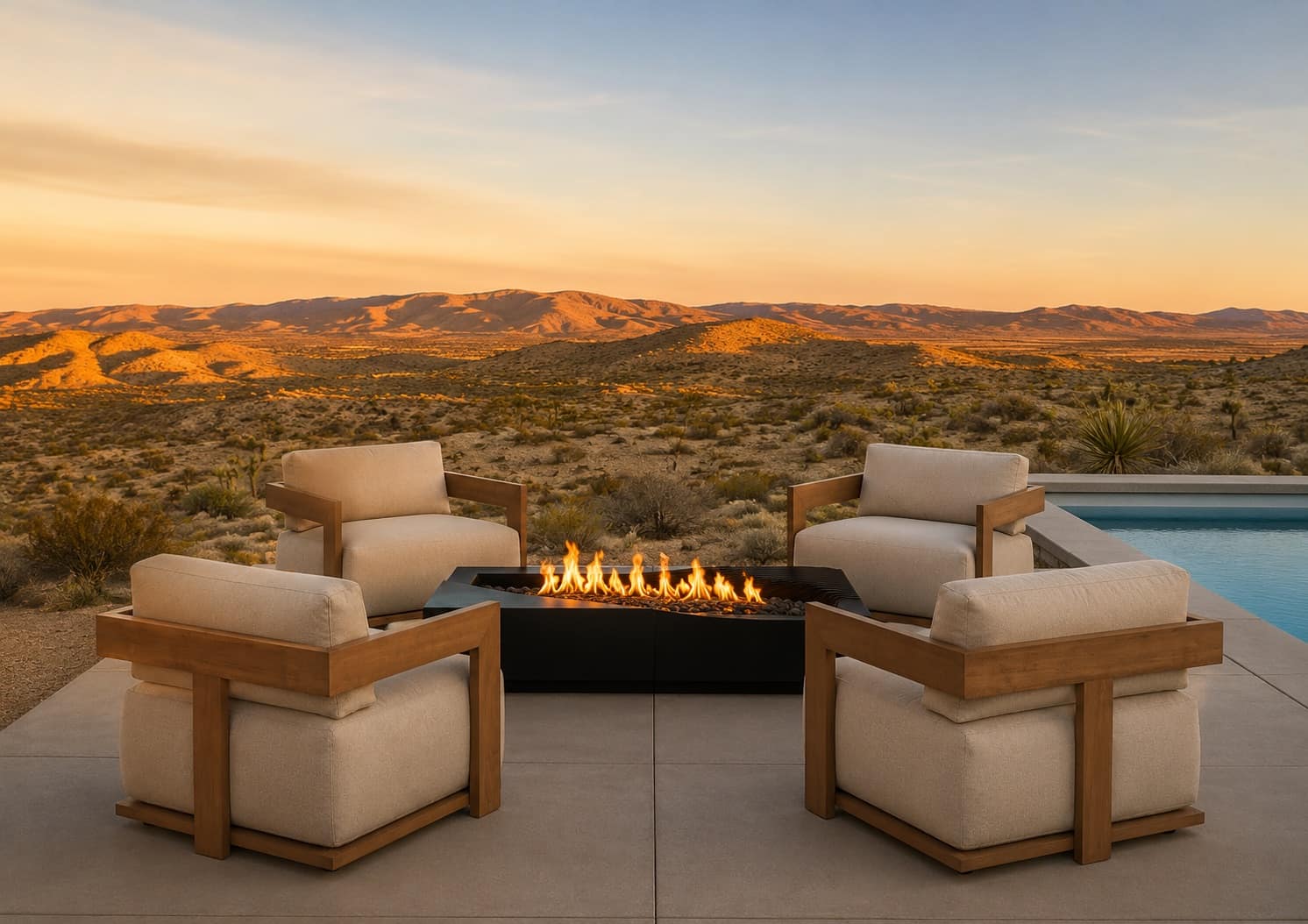
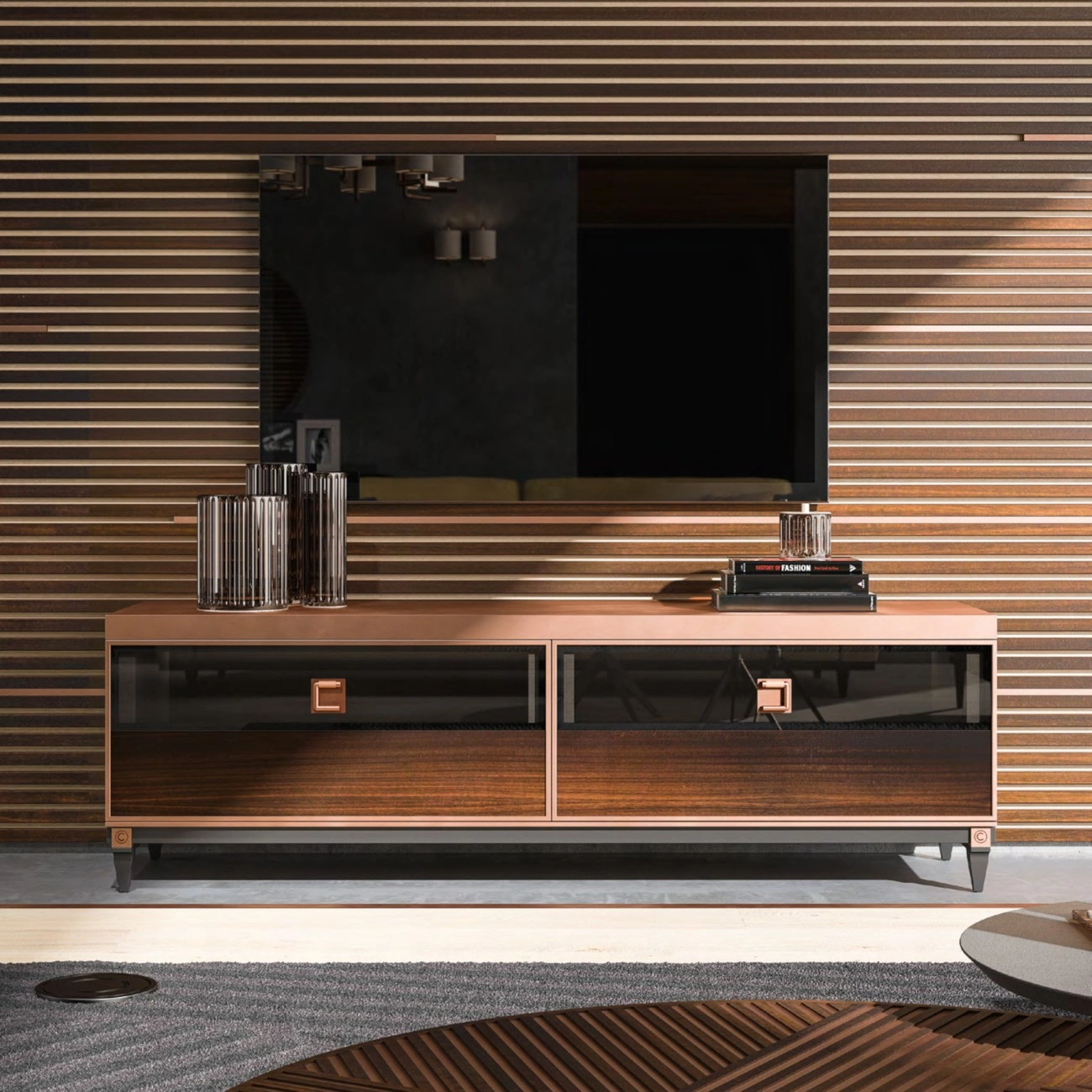
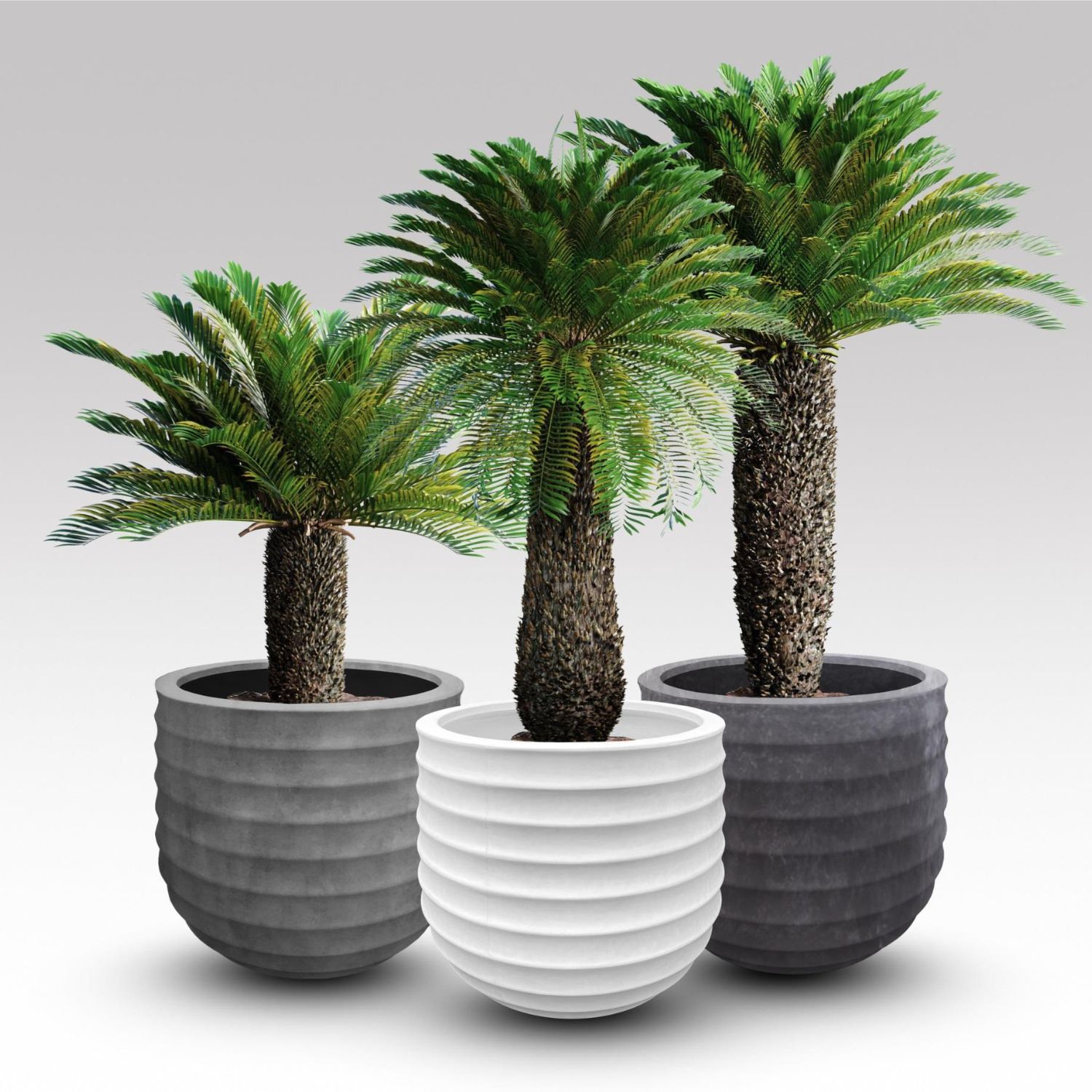
In Japandi interiors, nature feels more deliberate, almost ritualistic. Instead of several small plants scattered around the room, you might find one thoughtfully shaped branch placed in a tall vase, or a sculptural plant that adds height and drama without needing much company. The connection to the outdoors is strong. Window treatments are minimal so nothing interrupts the view. Slatted wood, bamboo, and stone often find a place in the design. There’s a sense that the indoor and outdoor worlds are meant to reflect each other, even if subtly.
This shared respect for the natural world is part of why Scandi and Japandi interior design have resonated so much with people globally. They bring something grounding into everyday life, even if that’s simply a piece of unfinished wood or a beam of natural light.
Why These Styles Feel So Right Now
It’s not a coincidence that warm minimalism has become such a dominant influence. For many people, home is the one place where they can control the atmosphere. With everything outside moving fast, interiors that feel gentle are a relief. Scandi and Japandi interior design offers clarity without being cold, and simplicity without being stark.
These styles also adapt easily. A small apartment can feel larger when decorated in a Scandi or Japandi way. A bigger home can feel more intentional and less chaotic. The rules—if you can call them that—are more about attitude than aesthetics. Choose pieces carefully. Let light in. Keep the palette steady. Respect the materials. Make space for breathing room.
The flexibility is one reason these styles have moved beyond “trend” status. They aren’t tied to any particular decade or moment. They don’t depend on seasonal colors or fast-changing decor items. They evolve quietly in the background, growing with the people who live in the space.
Bringing the Styles Home Without Reinventing Everything
You don’t have to renovate an entire home to bring in elements of these styles. Most people start with the palette. Light neutrals for Scandi, earthy neutrals for Japandi. From there, editing the room becomes easier. Removing unnecessary objects creates instant clarity. Replacing busy textiles with simpler, tactile ones brings calm. A well-chosen piece of furniture—a low wooden coffee table, a textured chair, a linen sofa—can shift the mood on its own.
You might not even need anything new. Sometimes rearranging furniture to allow more natural light in is enough to change the feeling of a room. Or replacing one harsh light fixture with something softer. Or even swapping out fake plants for a single, real, thoughtfully placed one.
The beauty of Scandi and Japandi interior design is that it doesn’t demand perfection. In fact, a little imperfection—an asymmetrical branch, a wrinkled linen cover, a piece of handmade pottery—is part of the charm.
A Style That Feels Less Like a Trend and More Like a Breath
What makes these Scandi and Japandi styles endure isn’t just how they look, but how they make people feel. Calm. Unrushed. Clear-minded. A home shaped by warm minimalism acts almost like a quiet companion rather than a showpiece. And that feels increasingly valuable in a world that rarely slows down.
Scandi and Japandi homes don’t try to impress. They simply offer space—space to think, rest, move, breathe. And maybe that’s why Scandi and Japandi interior design continue to spread. They’re not a trend trying to outshine another trend. They’re a reminder that beauty can be simple, and that home can be peaceful without losing personality.