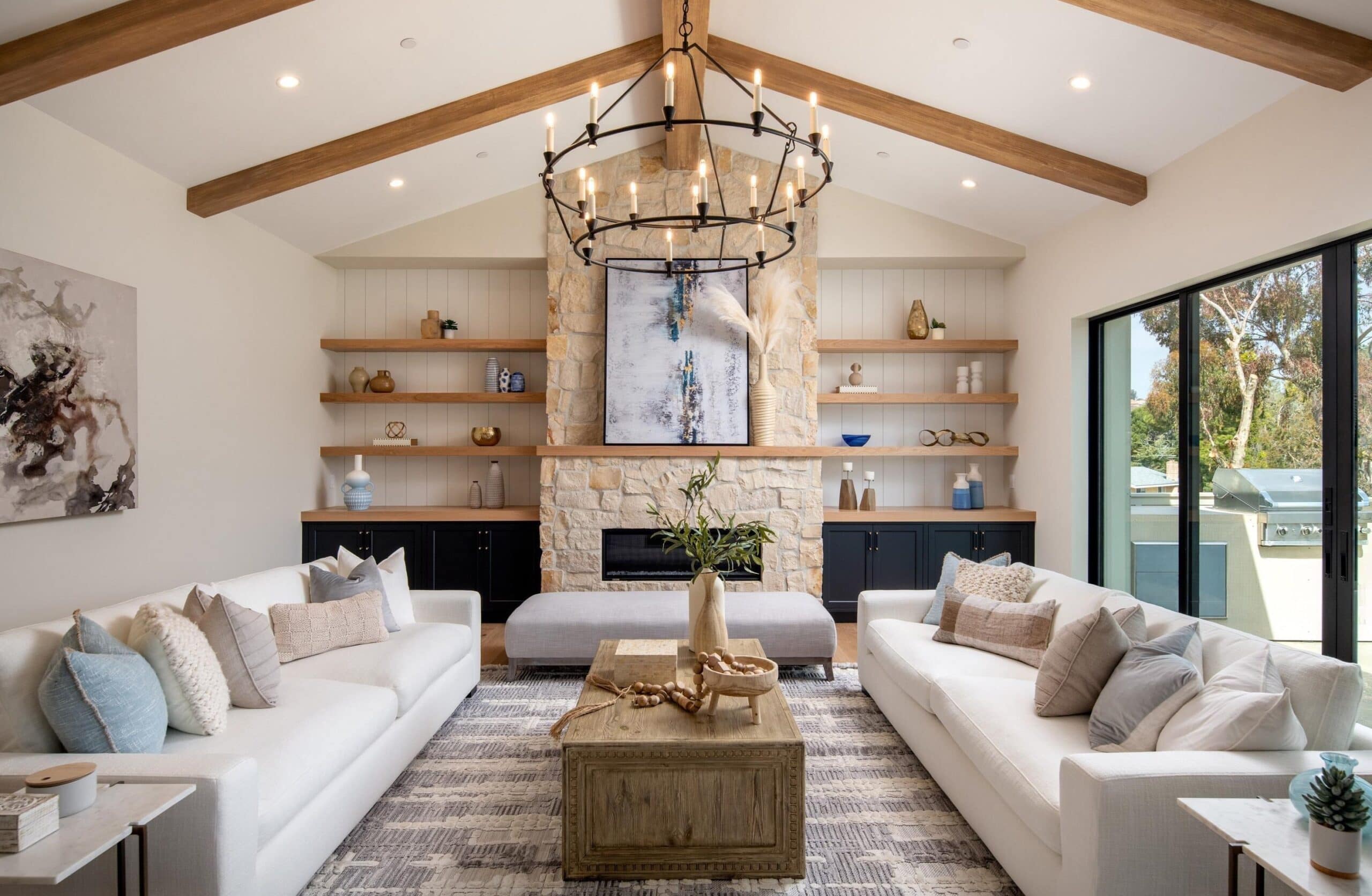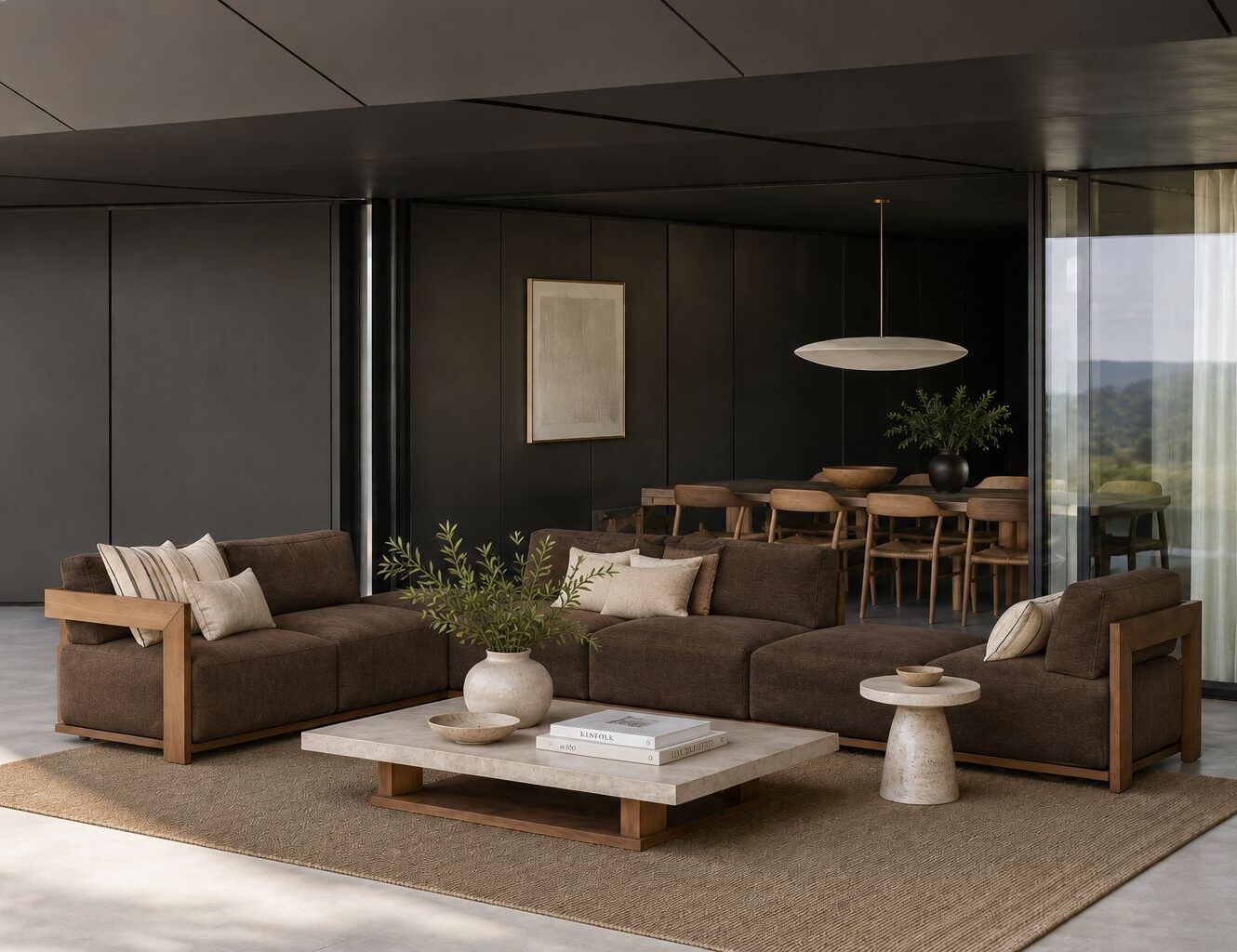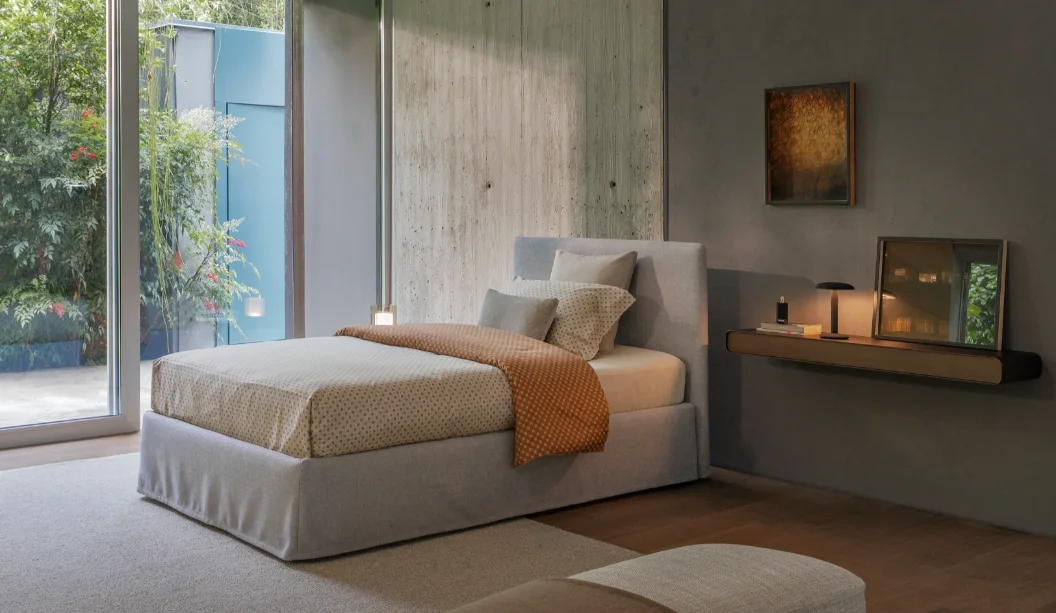













There’s something charming about small homes. They’re personal. They’re intimate. They force you to be thoughtful about every corner and decision. But at the same time, they can also be frustrating—especially when you’re trying to make a compact space feel comfortable, calm, and just a little bit luxurious.
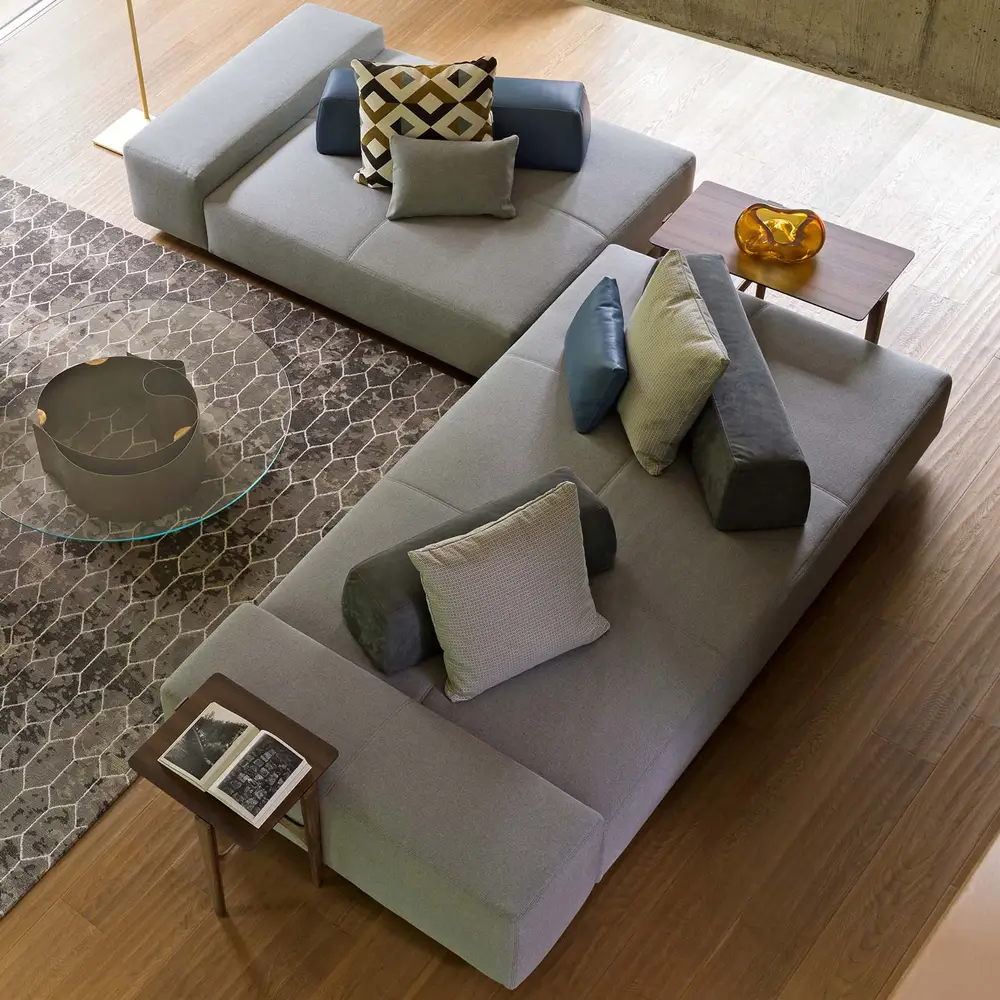
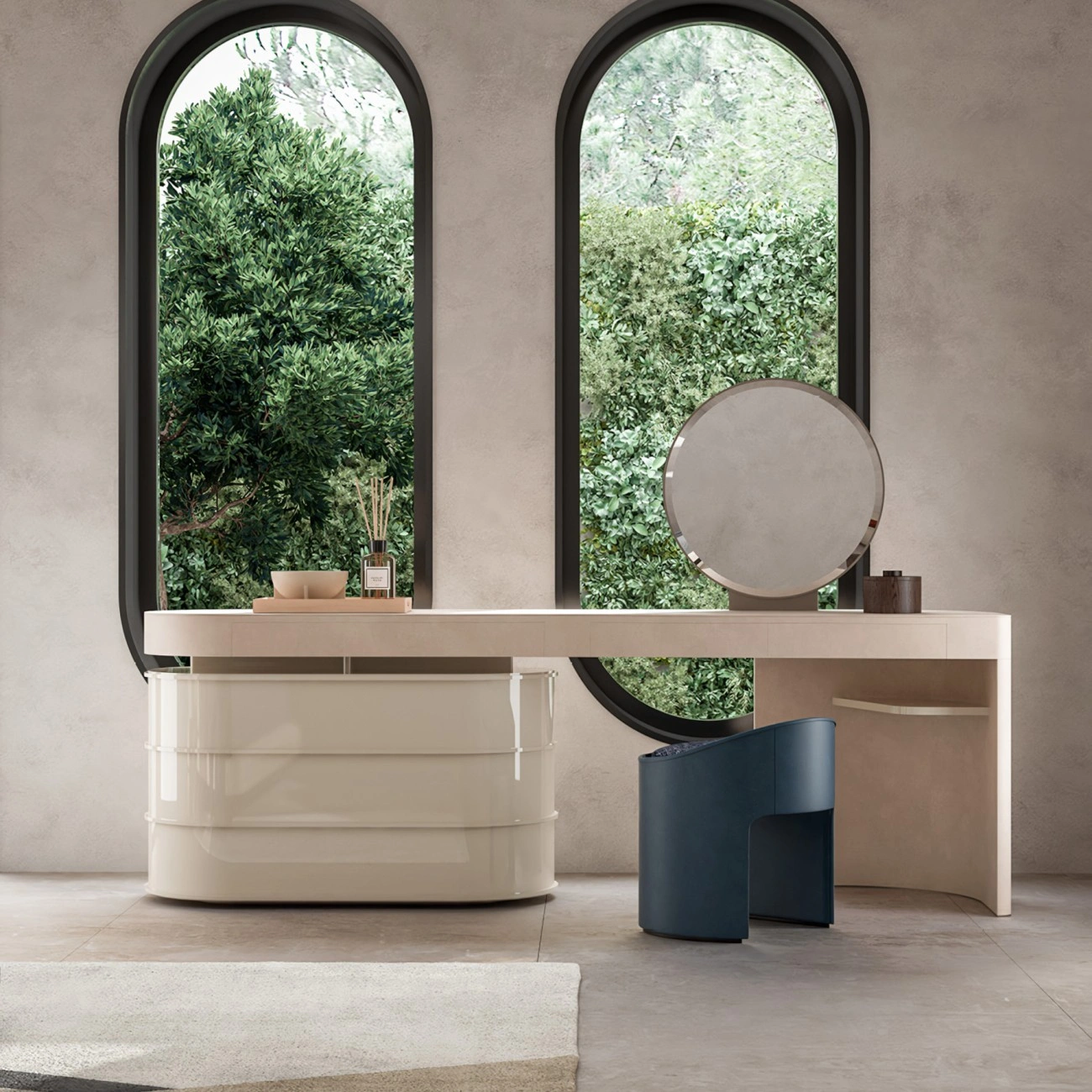
Many people assume luxury requires big rooms and tall ceilings, but the truth is, even the smallest apartments can feel refined with the right choices. Often, this means moving away from bulkier, mass-produced items and toward the slim, intentional silhouettes offered by luxury Italian furniture brands. These makers prioritize “visual lightness”—the idea that a piece of furniture can provide immense comfort without swallowing the floor plan.
These small home design tips are not the kind of rigid rules you might find in design textbooks. They’re more like gentle reminders—ideas that help you avoid the most common mistakes and guide you toward creating a home that feels beautiful, intentional, and deeply livable.
Let’s take a slow walk through the five tips that really make a difference.
1. Light Is Everything—Truly
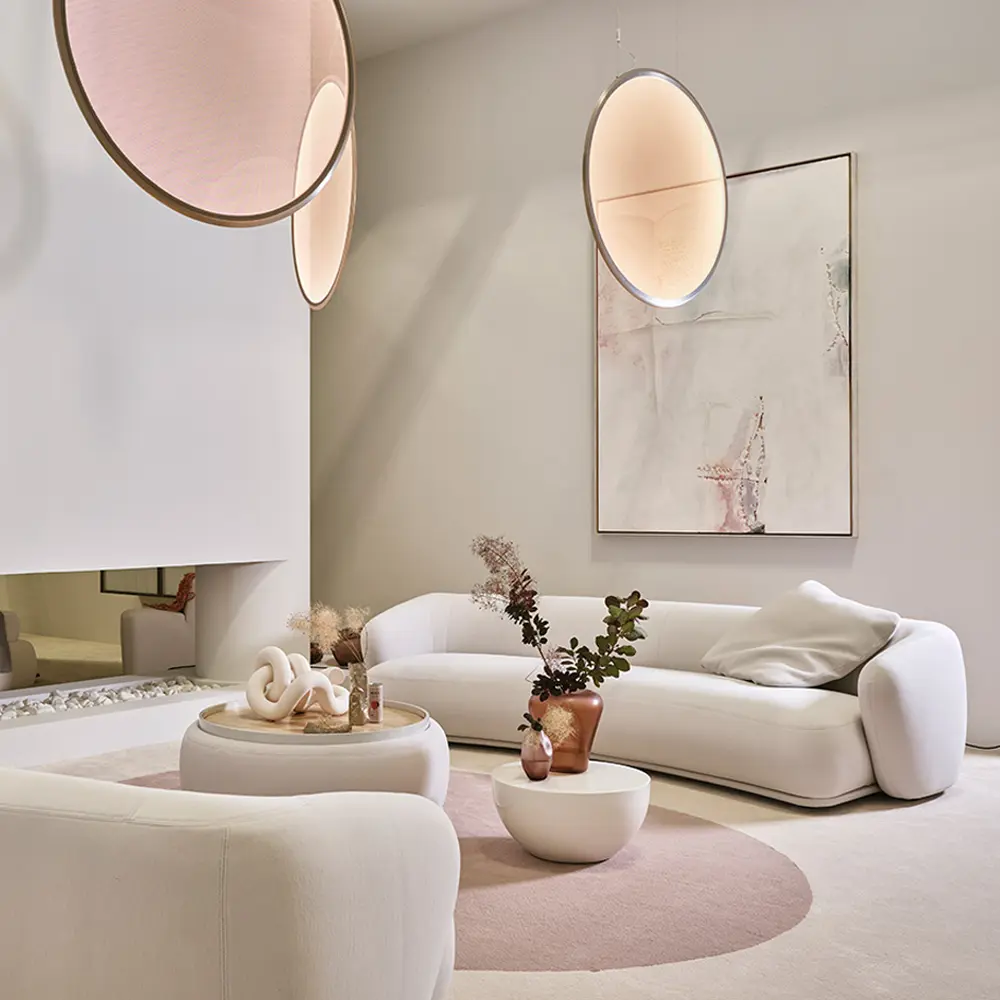
Anyone who has lived in a small home knows this: bad lighting can ruin a space faster than any piece of furniture. A room that’s already compact becomes even smaller when the lighting is harsh, too dim, or coming from only one direction. Good lighting, on the other hand, changes everything. It can actually make you forget the size of the room for a moment.
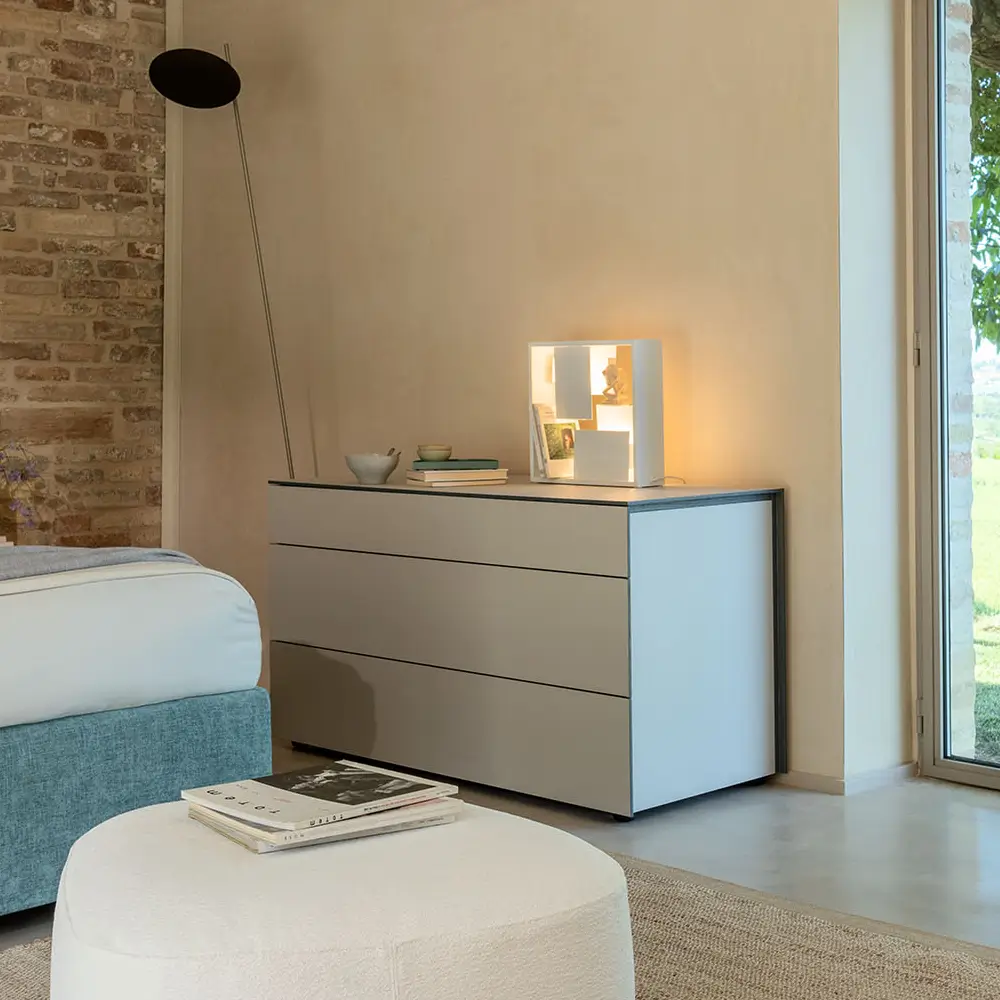
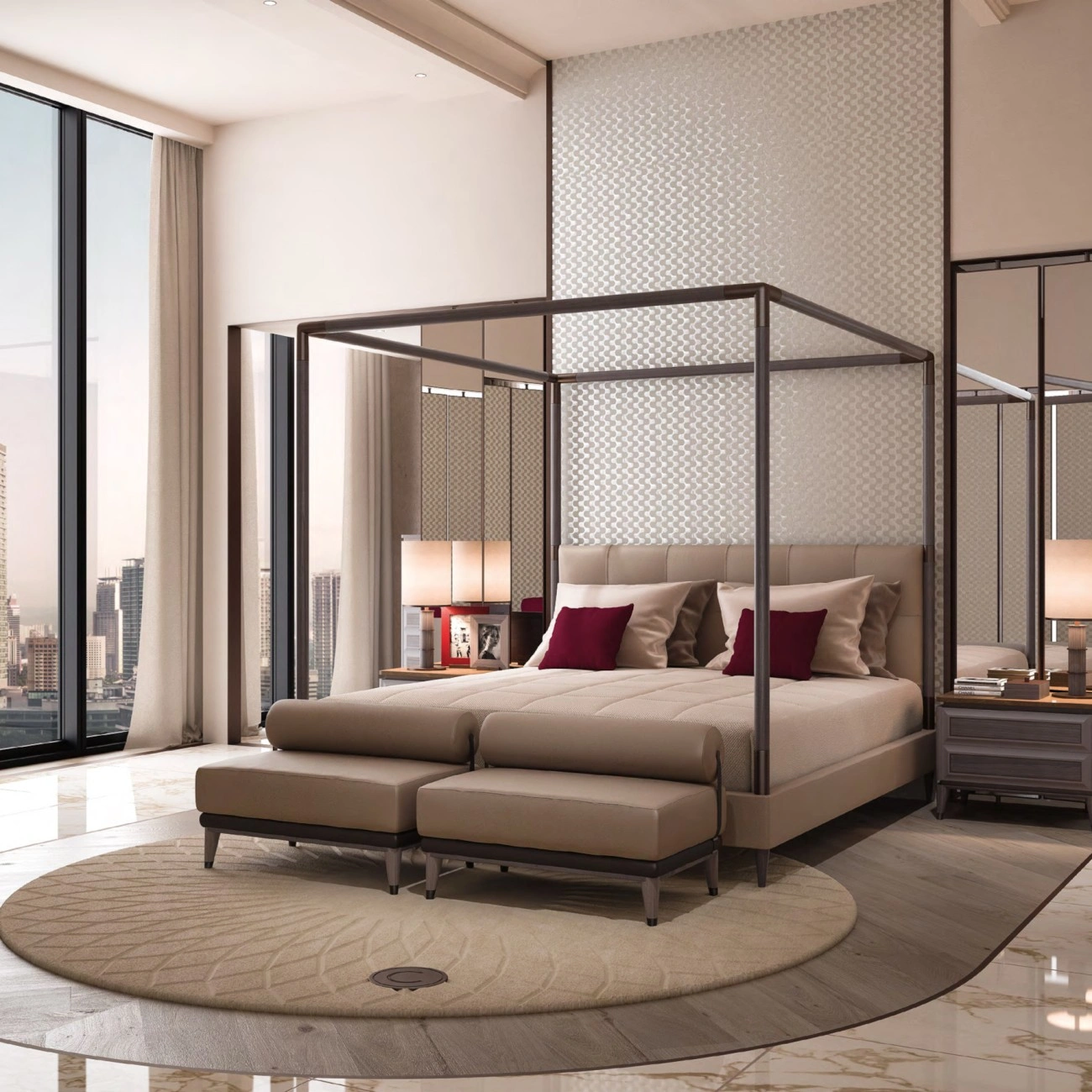
One of the most effective small home design tips is to treat lighting like layers, not a single solution—an approach often described as layered lighting for small spaces, where different light sources work together to create warmth, depth, and flexibility instead of relying on one harsh overhead fixture.The coziest homes usually rely on a blend—some warm floor lamps in living areas, soft bedside lighting that doesn’t scream “hospital,” a subtle kitchen task light that makes late-night cooking feel peaceful rather than blinding.
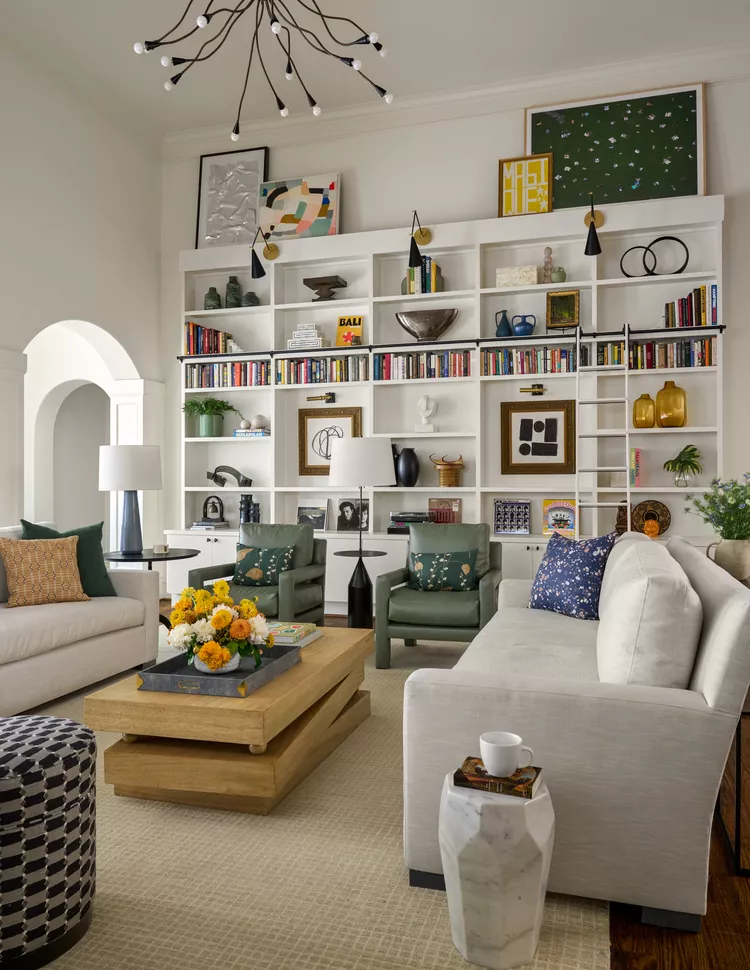
Think of lighting as mood-setting rather than brightness-making. Even small shifts can create a big emotional difference. A dimmable lamp next to the sofa or a warm bulb in the entryway can instantly make the place feel more inviting. You walk in and immediately feel like the room is exhaling. This type of atmosphere doesn’t happen by accident; it comes from layering your lighting in a thoughtful, human way.
And when the light is good, almost everything else—even old floors or dated doors—starts looking better.
2. Pick a Color Story and Stick to It
There’s something satisfying about a home with a consistent color flow. When the tones gently shift from one room to the next, the space starts to feel bigger and more peaceful. It’s the kind of harmony you notice only when it’s missing.
Color is one of the simplest small home design tips, but it’s also one of the most commonly misunderstood. Many people end up mixing too many palettes because something looked beautiful in a showroom or on social media. But in small homes, every room is visually connected to the next, whether you realize it or not. When each room takes on a completely different personality, the overall space can feel chaotic—not because the elements are individually wrong, but because they clash when placed close together.
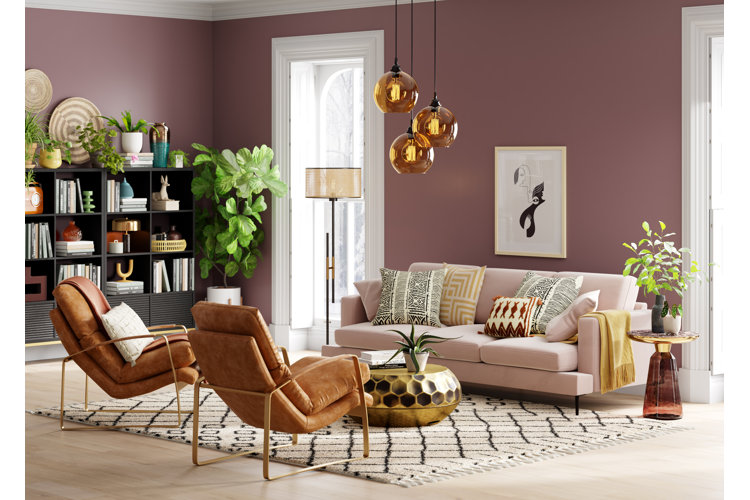
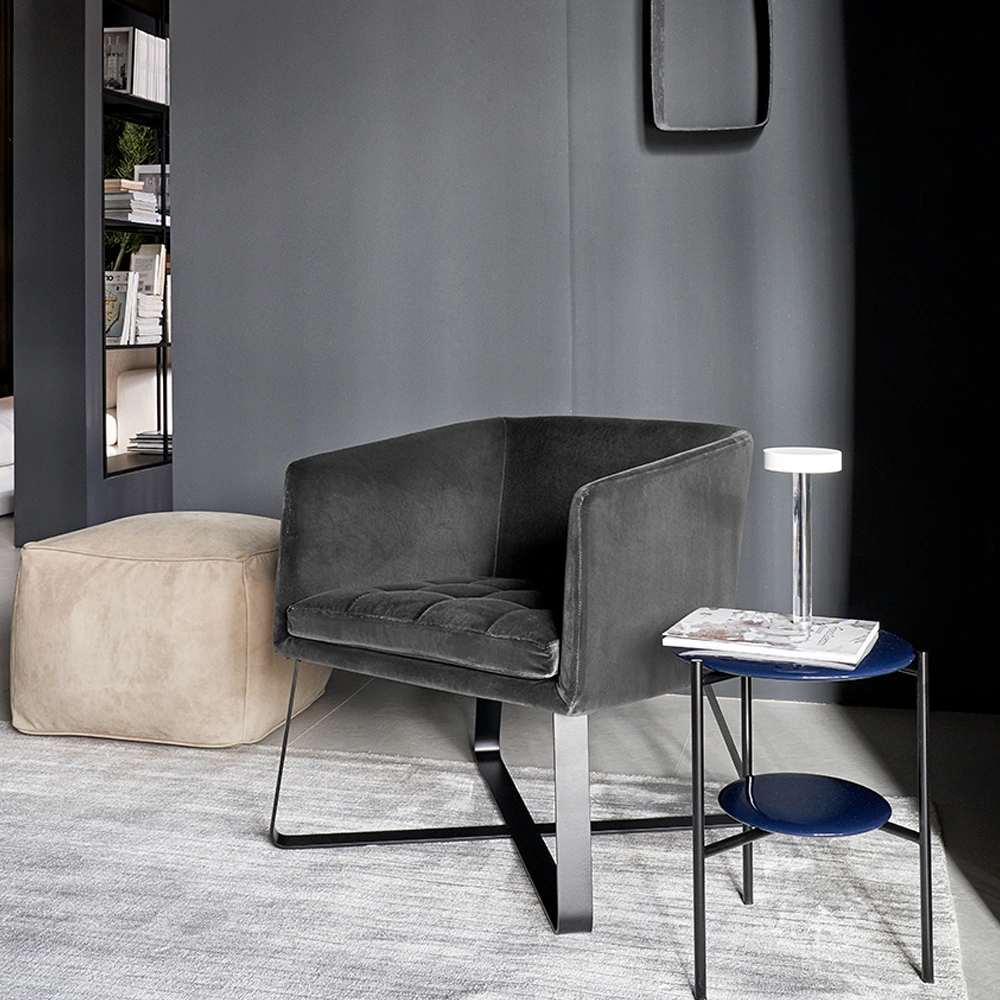
A monochromatic palette—different shades of one base color—always works beautifully. It brings a sense of calm and quiet elegance. Creams flowing into beiges, light greys leading into darker charcoals, soft greens fading gently into deeper olives. Even if you want color, picking a controlled range helps everything feel unified.
It’s not about being boring. It’s about choosing a calm visual language. When your eyes don’t have to constantly adjust to new tones from one room to another, the space naturally feels bigger.
If you love contrast, you can still have it—just choose wisely. One dramatic wall or a bold piece of furniture can make a beautiful statement. It’s the difference between a single confident stroke and scribbling everywhere. The key is to create connection, not confusion.
3. Let Texture and Focal Points Do the Heavy Lifting
Small homes don’t need a “wow” moment in every corner. In fact, doing that almost always makes the home feel smaller. The more competing statements you have, the more your eye doesn’t know where to land. It’s visually exhausting.
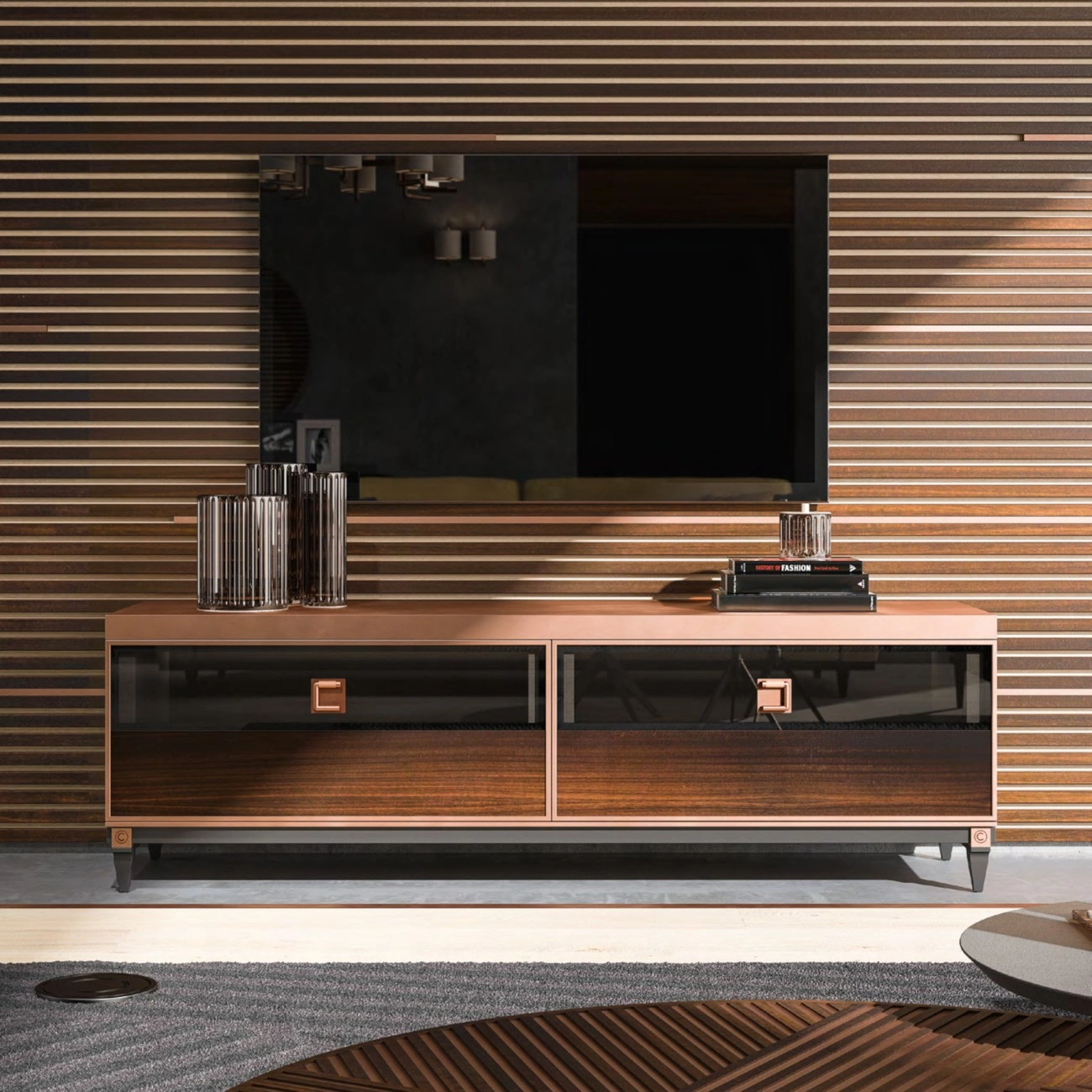
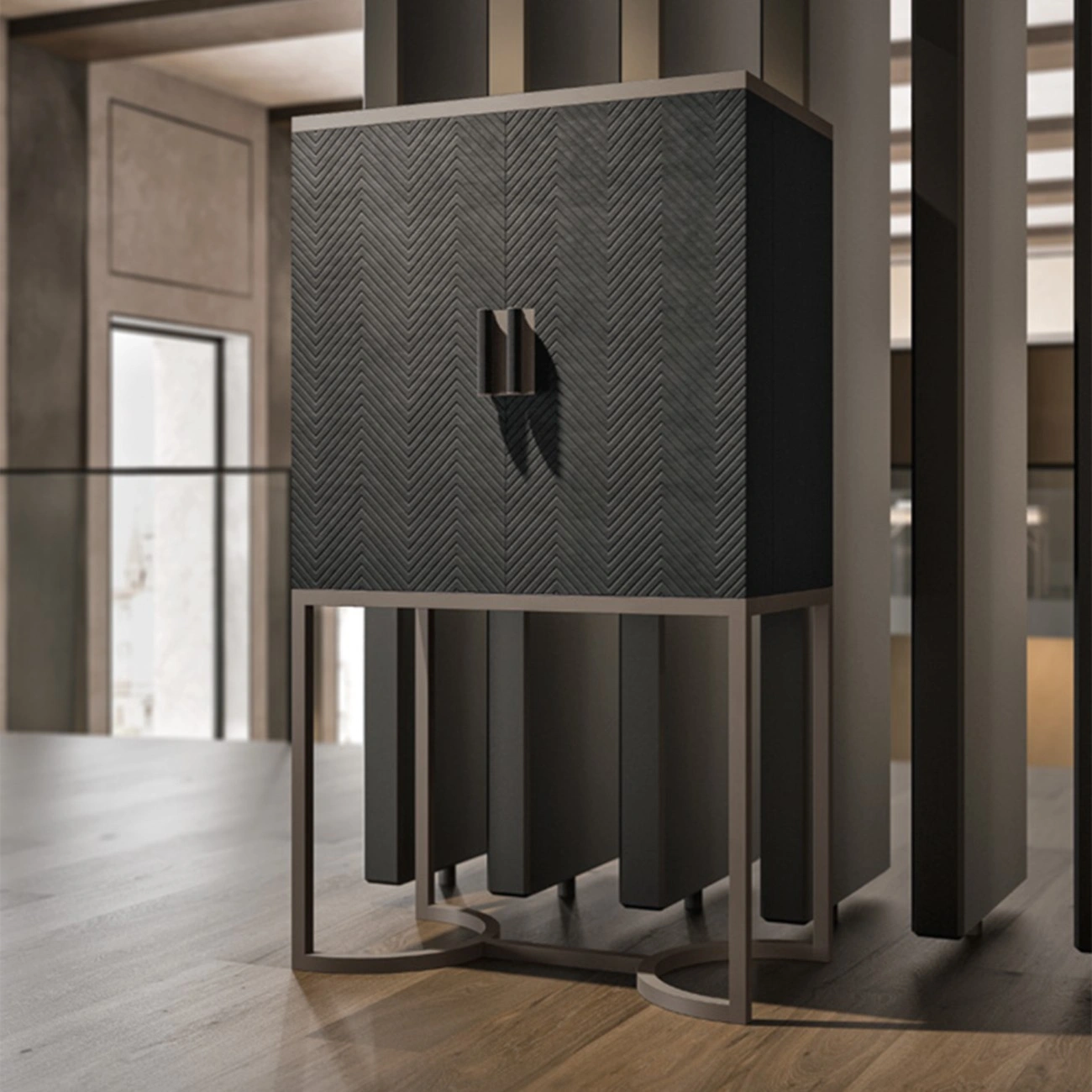
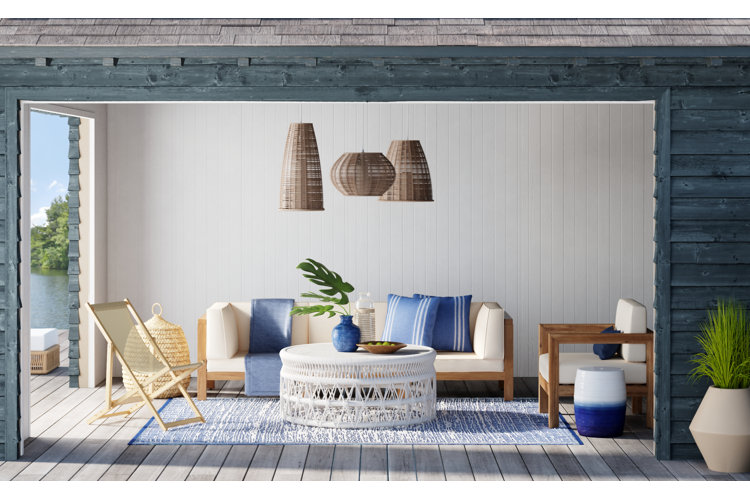
Instead, one of the smartest small home design tips is to choose your focal points intentionally. Maybe it’s a textured feature wall behind the TV that adds quiet depth. Maybe it’s a display cabinet with a curated collection that tells a little story. Maybe it’s a beautiful bar-height island that feels like the heart of the home.
:max_bytes(150000):strip_icc():format(webp)/fin-3-gray-black-blue-5a6273fcc7822d00378d1708.jpg "How to Make a Small Home Feel Luxurious: Honest, Practical Advice That Works 4")
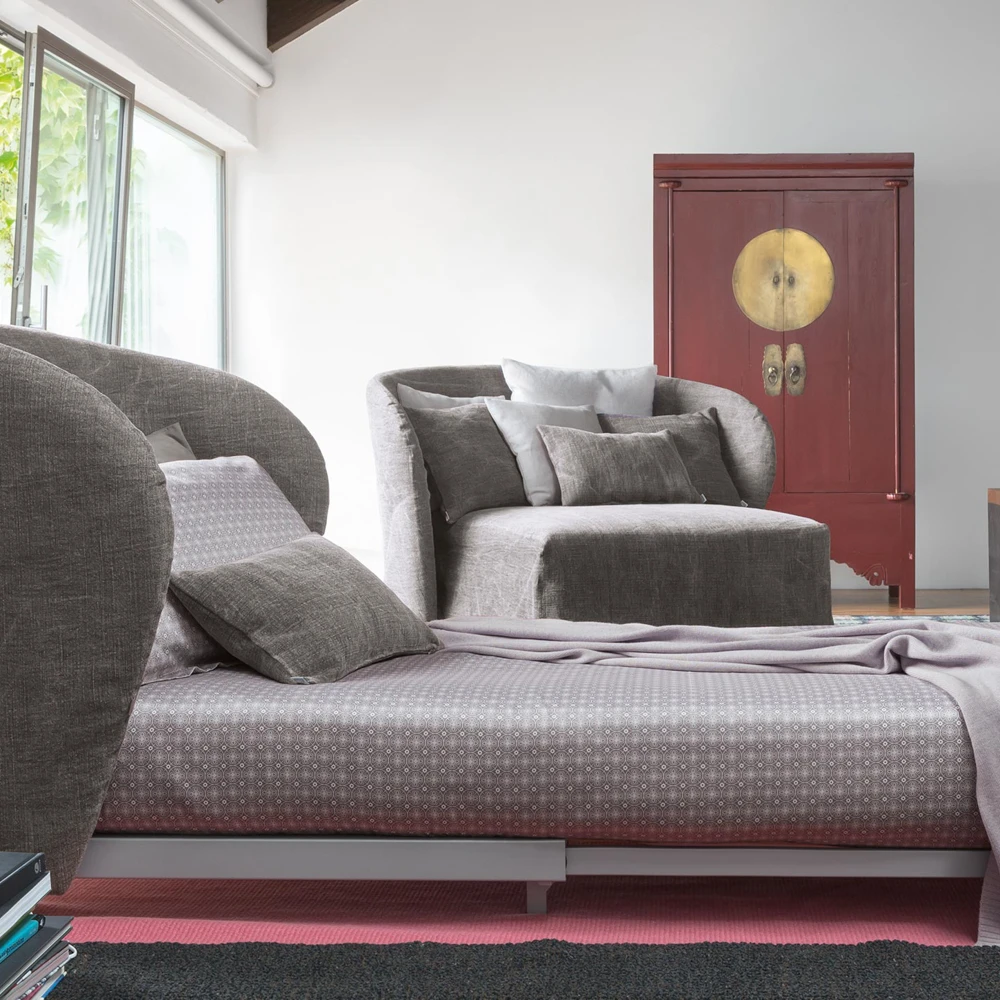
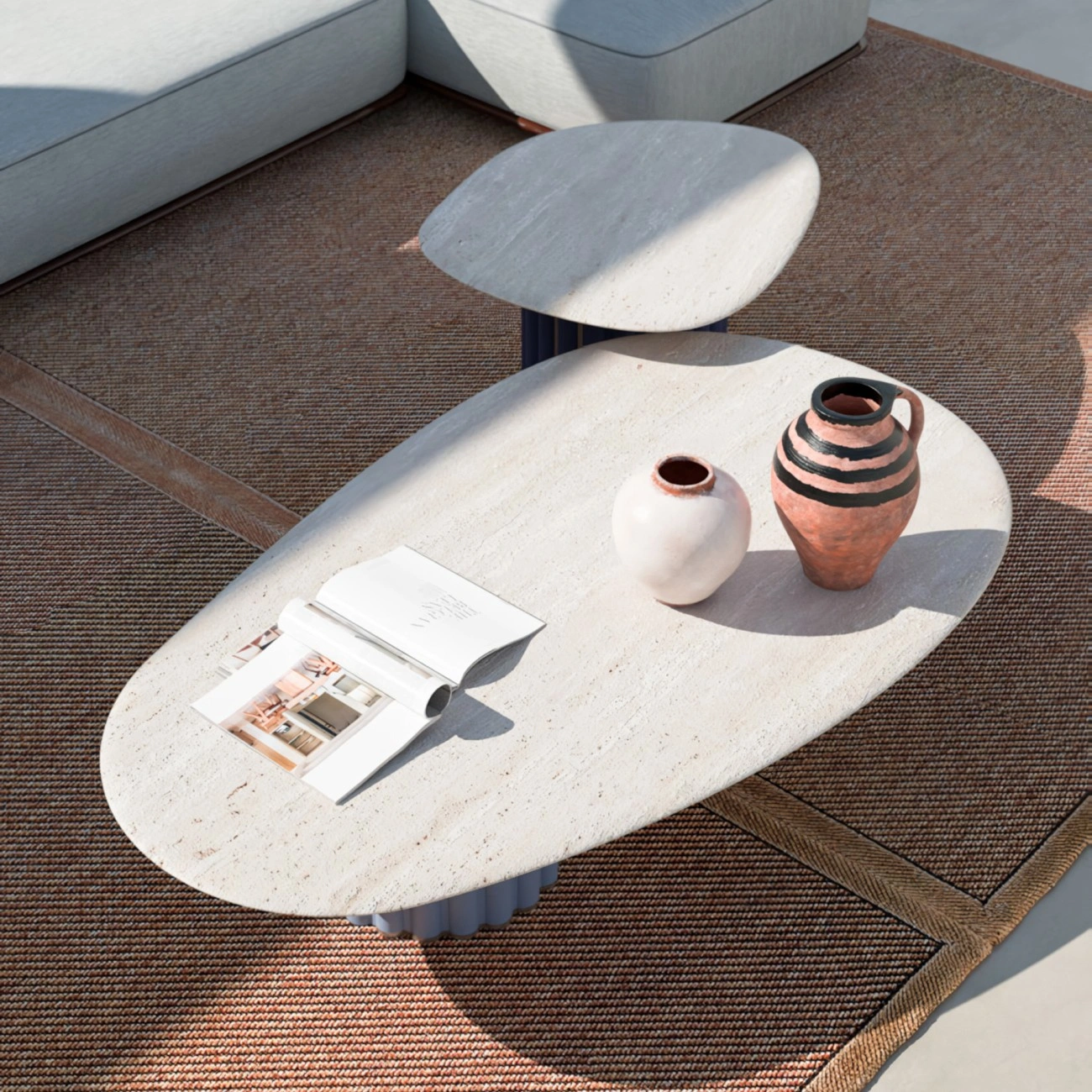
Texture is powerful because it adds richness without adding clutter. A fluted panel, a stone surface, a woven rug, a matte cabinet door—these things create movement and warmth. They make a space feel considered, even if it’s just one or two pieces.
You don’t need to redo your floor tiles unless they actively clash with your design. Many times, leaving them as is and adding a generous rug is enough. If the tiles feel cold or too shiny, a rug instantly softens the room. If you want a more uniform flooring look, installing floorboards over existing tiles is usually faster and more budget-friendly than replacing the entire surface.
Good design isn’t about doing everything. It’s about doing the right things—and letting the rest be simple.
4. Mirrors: The Old Trick That Still Works Wonders
If there’s one design trick that truly earns its reputation, it’s mirrors. They reflect light, they expand the sense of space, and they bring a feeling of openness that small homes often crave.
A large mirror in the bathroom, for example, can completely transform the room. Suddenly it feels wider, brighter, and more polished. Placing a mirror in a narrow hallway can double the visual width instantly. And when mirrors catch natural light from a window, they bounce it deeper into the home, creating a gentle brightness that feels effortless.

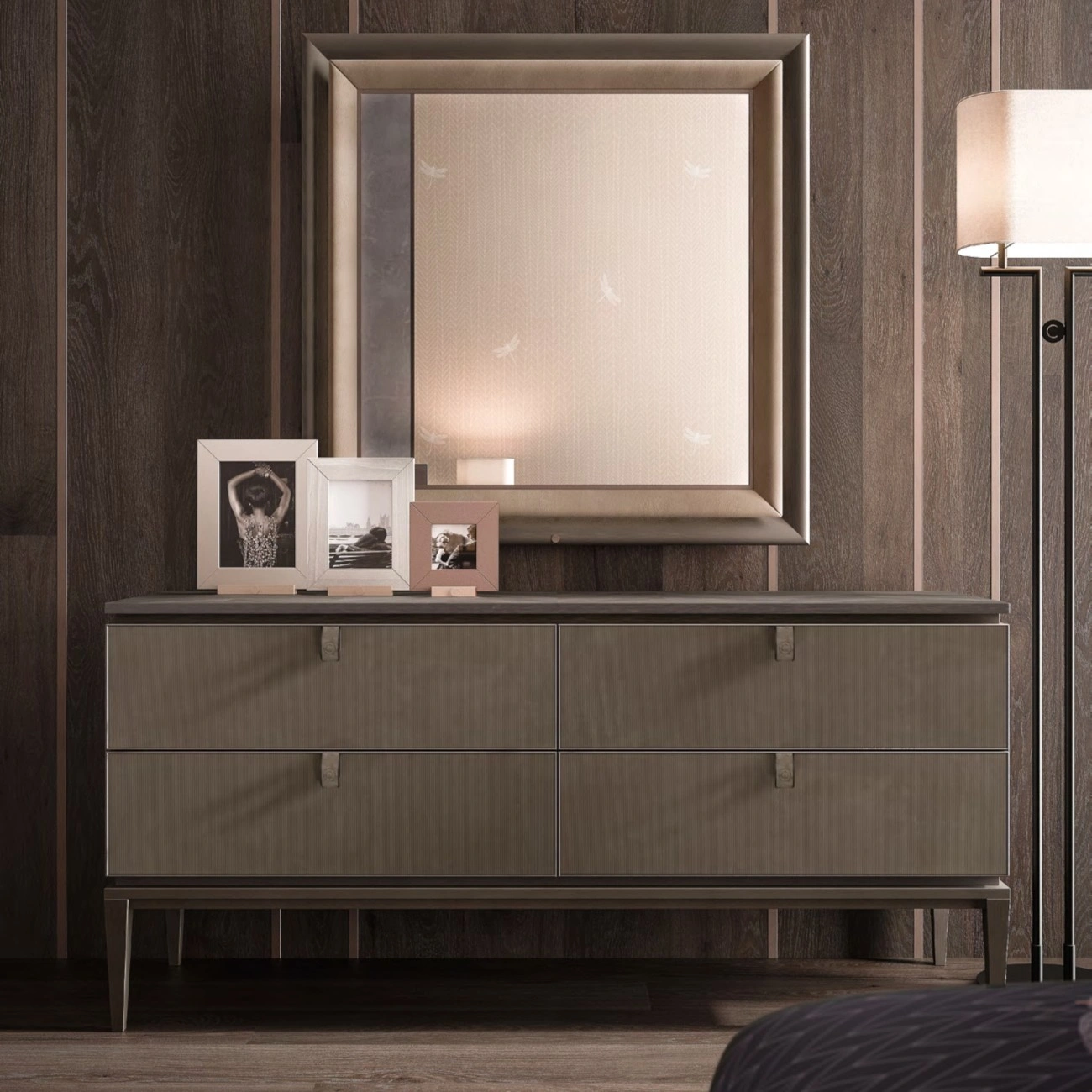
This might be one of the most practical small home design tips, especially for people who don’t want major renovations. The right mirror in the right spot can do more for your space than many expensive changes. And because mirrors have such a clean, timeless appeal, they almost always elevate the overall mood of a home.
The key is size. Tiny mirrors tend to look like afterthoughts. A large mirror feels intentional, like part of the architecture. And in a small home, that sense of intention makes a noticeable difference.
5. Personalize Your Space, But Do It with Purpose
This is the part many people overlook. Personalization isn’t about recreating something you saw elsewhere; it’s about shaping your space around your own habits, your own routines, your own rhythm of living.
In small homes, this idea becomes even more essential. There’s simply no room for decisions that don’t make sense for your lifestyle. That oversized island you’ve always liked might look amazing in a big house, but in a compact apartment it could quickly turn into a clutter zone. On the other hand, a standing bar or a bar-height dining table might work beautifully because it serves your real day-to-day needs.

Among all the small home design tips, this one feels the most personal—and the most rewarding. When you design with intention, the home suddenly feels more like an extension of yourself instead of a collection of random ideas.
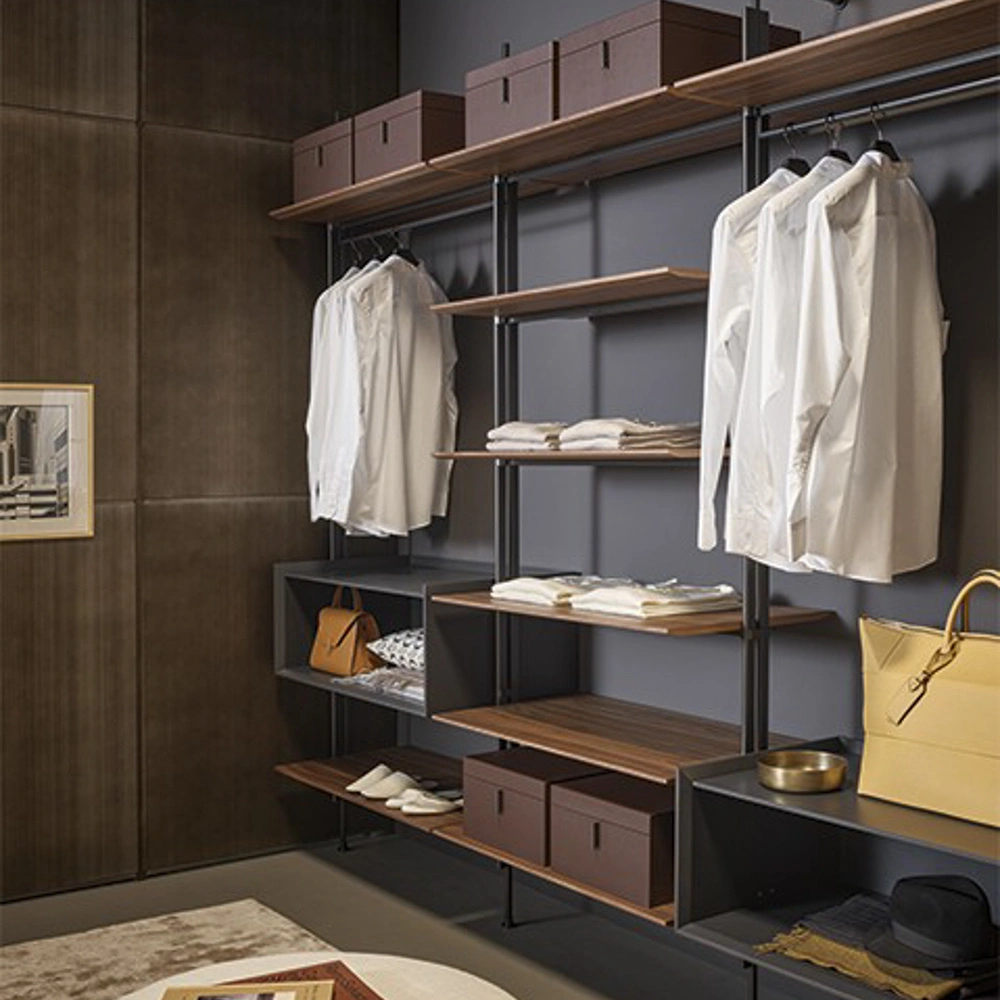
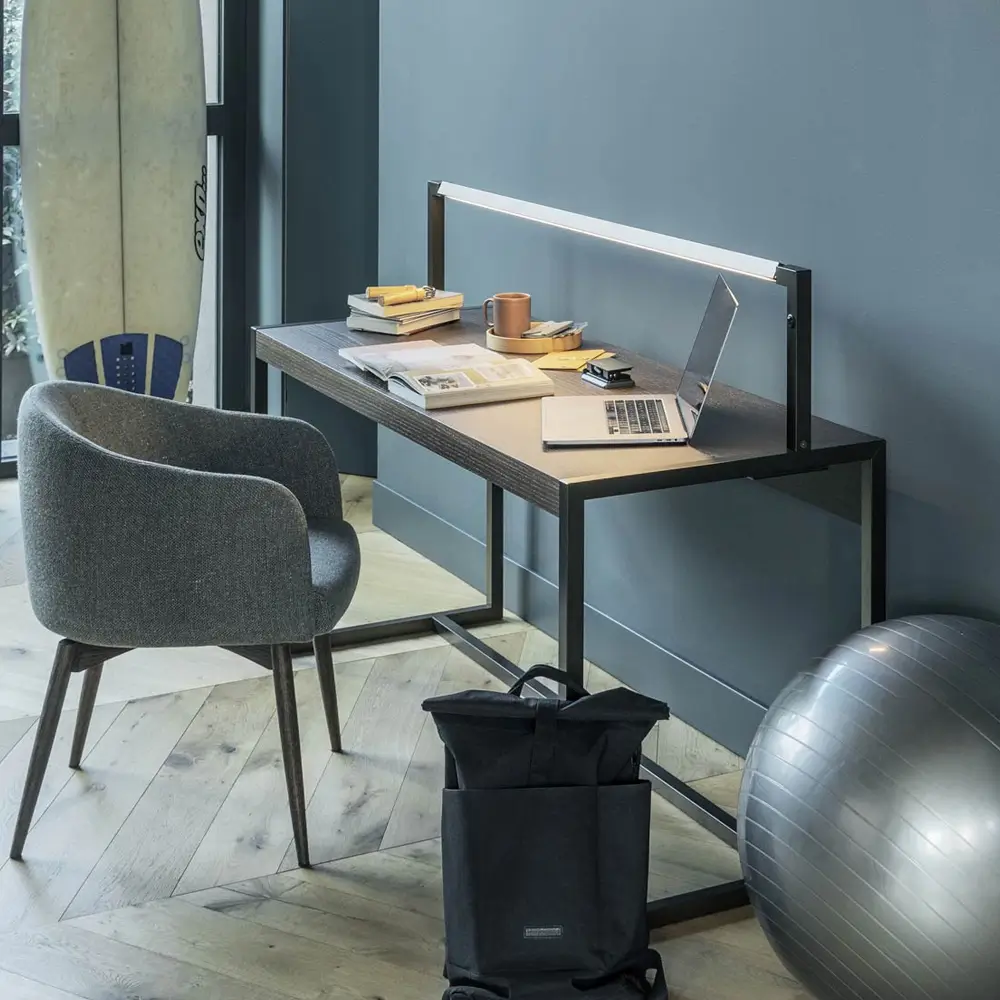
Think about the flow of your home. How you move through it. Which corners you actually use. Which areas feel underutilized. Maybe a third bedroom would serve you better as a walk-in wardrobe or a small office. Maybe the dining area works better as an expanded kitchen island. Homes are flexible. They don’t have to remain exactly as they were drafted on a floor plan.
Purposeful design also helps keep clutter under control. And in small homes, clutter is the fastest way to lose that feeling of calm. Every corner should matter—but not every corner needs to be filled.
Bringing It All Together
Designing a small home is less about rules and more about rhythm. It’s about finding the flow that feels right for you and making choices that support that feeling. Good lighting, a consistent color palette, thoughtful focal points, the quiet magic of mirrors, and personalized layouts—all these small home design tips work not because they follow trends, but because they respect how people actually live.
Small homes can be gorgeous. They can be luxurious in a way that feels grounded and authentic. They can be warm, open, and full of character when the design is intentional. You don’t need endless space for that. You just need clarity about what matters most.