There’s something incredibly comforting about a kitchen that feels like it could belong to any era. Not frozen in time, not trendy to the point of aging overnight—but confidently, quietly classic. That’s the magic of timeless kitchen design. When done right, it’s a style that doesn’t beg for attention, yet somehow becomes the heart of the home the moment you walk in.
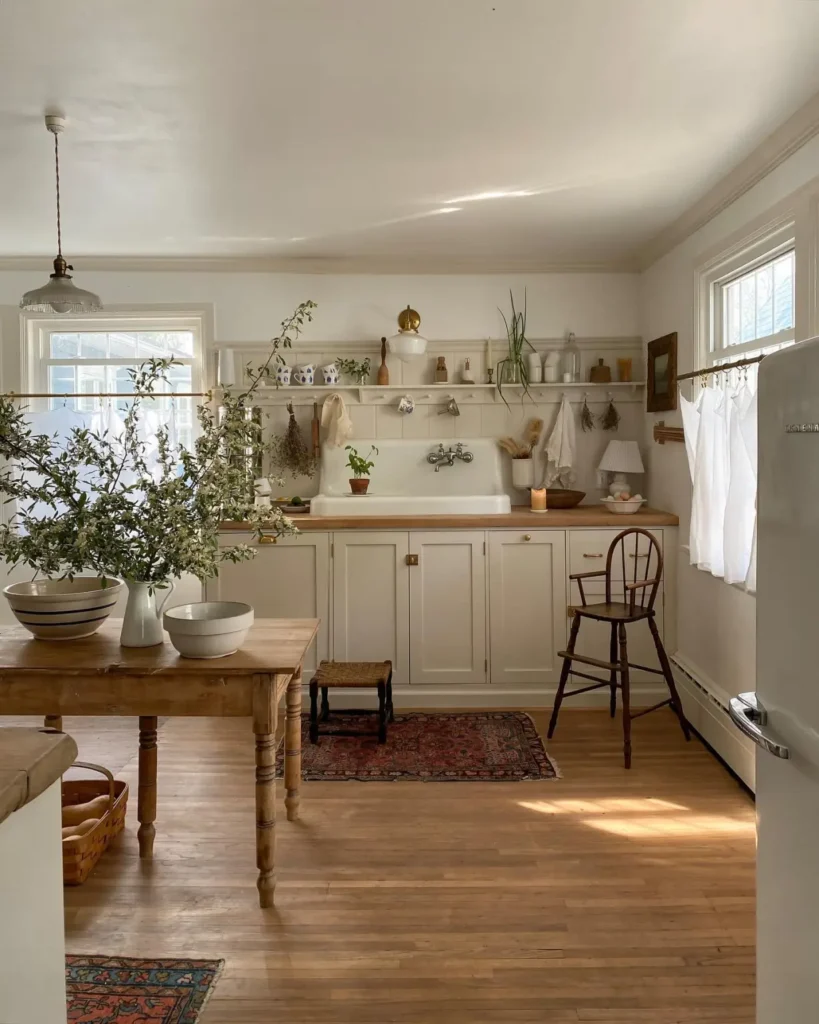
The truth is, most people don’t want a kitchen they’ll feel obligated to renovate in five years. They want something functional, beautiful, comfortable, and capable of growing with them. And that’s exactly what timeless design offers. It’s less about following rules and more about choosing elements that hold up—visually, emotionally, and practically.
What follows isn’t a rigid formula. This is more like a conversation about what makes a kitchen stay relevant no matter how much time passes.
A Timeless Kitchen Doesn’t Try to Impress—It Welcomes You In
One of the first things you notice in a timeless kitchen design is how settled it feels. Nothing screams for attention. Nothing feels overly decorated. There’s a quiet confidence to the space, as if every choice was made intentionally but without fuss.
At the center of this approach are honest materials: real wood, natural stone, quality metals, and soft, neutral finishes that allow the textures to speak for themselves. These elements have been used for generations not because they’re “safe,” but because they age with character. A marble countertop develops a gentle patina. A wooden island softens at the edges over the years. The kitchen doesn’t lose beauty—it gains life.
Trends often go for “wow factor.” Timeless kitchens go for comfort and authenticity.
Start With a Simple, Classic Layout
Layouts are probably the least glamorous part of a kitchen conversation, but they make or break the space. Interestingly, the layouts that have lasted longest—L-shaped kitchens, U-shaped kitchens, galley kitchens, and large islands—didn’t survive because they were fashionable. They survived because they work.
If you study almost any era of kitchen design, from early farmhouse kitchens to mid-century modern homes to contemporary spaces, the same fundamental logic appears again and again: keep movement efficient, keep prep zones clear, and keep the flow intuitive.
A timeless kitchen design embraces the “working triangle” without being obsessive about it. The stove, sink, and refrigerator naturally fall into a smooth relationship. There’s ease in how you move. Nothing feels forced.
And if there’s one element nearly every timeless kitchen benefits from, it’s a well-proportioned island. Not oversized. Not overloaded. Just functional enough to feel like both a prep zone and a gathering place.
Why Neutral Palettes Outlast Every Trend Cycle
Color trends come and go faster than most people replace their dish towels. One year it’s sage green; the next it’s navy; then suddenly everyone wants terracotta or espresso or “greige.” But neutral palettes—soft whites, warm taupes, gentle grays, and natural wood—are the quiet heroes of long-lasting kitchens.
This doesn’t mean your kitchen needs to be pale or sterile. In fact, a timeless kitchen design looks warmer when you introduce layers: warm-toned wood cabinets, cream-colored walls, natural-textured backsplashes, earthy stone countertops.

Neutrals aren’t about playing it safe—they’re about allowing the room to grow with your tastes. When your palette isn’t locked into a specific era, it can breathe, shift, and evolve around you. Add black hardware, brass sconces, vintage rugs, or modern barstools—nothing fights the foundation.
Neutrals are a way of saying, “This kitchen is going to be with me for a long time.”
Cabinetry: Keep the Lines Clean, the Style Honest
If there’s one element that determines whether a kitchen ages well, it’s the cabinetry. And the cabinets that stand the test of time almost always have three things in common:
- Clean, unfussy lines
- Quality materials
- Subtle detailing rather than ornate decoration
Shaker cabinets have earned their iconic status for a reason. They’re classic without being old-fashioned, modern without being cold. But slab-front cabinets in real wood, simple inset styles, and gently framed doors are also beautiful long-term choices.

Timeless kitchen design isn’t about denying personality. It’s about avoiding styles that scream a particular year. High-gloss lacquer, ultra-modern handleless systems, or heavily carved traditional cabinets tend to timestamp a kitchen. You can still appreciate them, but they rarely last more than a decade without feeling “of a moment.”
The sweet spot lies in simplicity—cabinet doors that look just as good 15 years from now as they do today.
Natural Materials Make a Timeless Statement Without Trying
There’s something almost instinctive about gravitating toward natural materials. Marble, quartzite, wood, brick, limestone, and polished concrete possess a staying power synthetic materials struggle to mimic.

A marble countertop feels classic in a way engineered stone rarely does. Real wood cabinets, even with their imperfections, develop character with time. Handmade tiles look charmingly irregular, and they age beautifully.
One of the key lessons of timeless kitchen design is that real materials don’t need to pretend. Their beauty comes from what they are, not how they’re engineered to look. Even when they mark, scratch, or patina, they stay visually relevant.
In fact, a kitchen that ages naturally often becomes more loved—not less.
Lighting: The Secret Ingredient People Overlook
Lighting is a part of the kitchen that people tend to treat as an afterthought, but in timeless design, it plays a starring role. The best-lit kitchens don’t rely on a single giant fixture or dramatic pendants meant purely for aesthetic appeal. Instead, they layer light:
- Soft overhead lighting (not too harsh)
- Under-cabinet illumination
- Warm sconces or small lamps for evening ambiance
- Thoughtful pendants over the island—not oversized, not trendy
The shift from functional brightness during the day to warm glow in the evening is part of what makes a kitchen feel calm and lived-in. A timeless kitchen design doesn’t chase lighting fads; it prioritizes comfort, clarity, and warmth.
Hardware and Fixtures: Classic Shapes, Quality Finishes
Hardware trends move incredibly fast—black, gold, bronze, nickel, back to gold again. But the trick to choosing hardware that lasts is not the finish—it’s the shape.
Simple knobs, gently curved pulls, and classic bar handles have remained relevant for decades across countless kitchen styles. Once the shape is right, the finish can be swapped down the line if tastes change. This keeps the kitchen grounded while allowing small modern updates.
Similarly, a timeless faucet usually has a balanced silhouette—neither ultra-modern nor excessively vintage. Slight curves, high functionality, solid metal construction… these details matter far more than color trends.
Small details like this aren’t flashy, but in the long run, they make a kitchen feel intentional and enduring.
Open Shelving: A Little Goes a Long Way
Open shelving is a divisive topic—either you love it or you think it’s an open invitation for dust. But in timeless kitchens, it’s used sparingly and with purpose. One or two shelves near a window, a couple above the coffee station, maybe a small ledge for cookbooks or pottery.
Not the entire upper wall system.
Not a full display library of kitchenware.

Just enough to bring warmth, personality, and everyday items within reach. It softens the cabinetry and gives the kitchen a lighter, more lived-in feel without overwhelming the space.
Timeless kitchen design isn’t about perfection. It’s about ease.
Why “Timeless” Doesn’t Mean “Boring”
A misconception people often have is that a timeless kitchen must be plain or minimal. But the truth is, many classic kitchens have warmth, personal touches, and small imperfections that make them feel deeply human.
Think vintage rugs under the sink.
Glass jars filled with grains and spices.
Seasonal flowers on the counter.
A stack of cookbooks you actually use.
Timelessness doesn’t come from stripping away personality—it comes from avoiding elements that look outdated the moment a new Pinterest trend emerges.
The charm of a timeless kitchen design lies in its ability to evolve slowly, gracefully, and naturally.
In the End, It’s About How the Kitchen Makes You Feel
The most successful kitchens—the ones people love for decades—don’t try to be showpieces. They’re workspaces, gathering spaces, conversation spaces. They hold messy mornings, late-night snacks, family birthdays, and quiet cups of coffee.
A timeless kitchen design respects the rituals of daily life. It feels warm, grounded, and welcoming. It gets better with age. And most importantly, it allows you to grow without needing a renovation every time your tastes shift.
That’s why timeless kitchens endure: they’re built for real living.