There are moments in interior design trends when the momentum shifts—quietly at first, then unmistakably. The years 2025 and 2026 mark one of those turning points, a period where interiors move away from performative styling and return to something richer, more grounded, and infinitely more meaningful. Across studios, showrooms, and material libraries, a consistent design language is emerging, one shaped by craftsmanship, intention, and a profound respect for the sensory experience of home.
This isn’t a trend cycle built on internet noise or fast-changing aesthetics. It feels more enduring—almost inevitable. And while many ideas have circulated online, only a few have risen above the chatter and proven their staying power. The interior design trends for 2025–2026 reflect a collective instinct toward depth rather than novelty, material honesty rather than visual overload, and spaces that allow people to feel rather than simply look.
Below, an editorial deep dive into the seven defining movements reshaping the future of interiors.
1. The Architectural Return of Art Deco
Every era has its revival, but what we’re witnessing now is not nostalgia—it’s refinement. Art Deco has re-entered design conversations repeatedly over the decades, but its 2025 iteration is quieter, more architectural, and worlds away from cinematic clichés.
Gone are the lavish Gatsby reinterpretations and gleaming fan motifs. In their place: a distilled, structural expression of Deco geometry. The look is dramatic, but controlled; glamorous, but never excessive. This modernized Deco honors the movement’s origins—precision, symmetry, craft—while shedding its flamboyant caricatures.
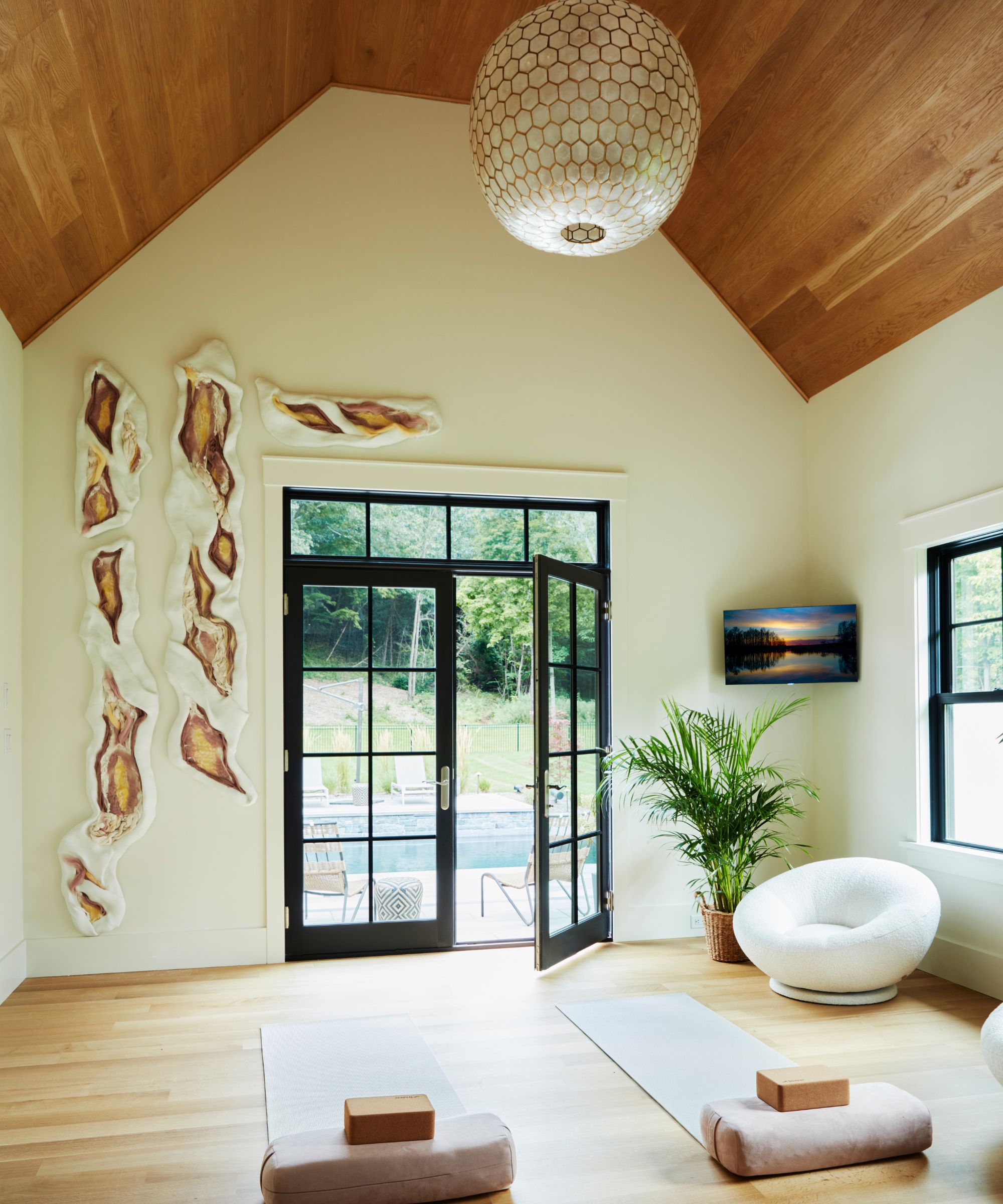
Across luxury hospitality and high-end residential projects, this evolution appears in stepped silhouettes, sculpted millwork, clean-lined tiered forms, dark polished woods, and lacquered finishes applied with restraint. Lighting takes on a directional quality—linear, symmetrical, and quietly moody.Rather than relying on a single statement fixture, designers are beginning to treat lighting like layers, not a single solution—an approach that becomes especially powerful in compact interiors, as explored in layered lighting for small spaces.
The charm of this new Deco lies in its discipline. Rather than replicating a period, designers are borrowing its backbone: a belief that geometry, materiality, and proportion can elevate a room without shouting. It’s Deco without the drama—timeless, sculptural, and remarkably modern.
2. The New Neutral: Warmth as a Foundation
The cool-toned palette that dominated the early 2020s is fading, replaced by an entirely different emotional register. Warmth has stepped forward—not in a nostalgic, sepia-toned way, but in a grounded, contemporary one for the recent interior design trends.
Brown has returned with surprising conviction and sophistication. Its presence is felt in latte-toned walls, espresso-stained woods, taupe upholstery, buttery leather, clay-toned textiles, and natural wool. This “new neutral” offers a stability that grey never quite delivered. It feels calm, natural, and intrinsically human.
Designers are approaching neutrals the way a stylist assembles a monochromatic outfit—through tonal layering. Matte finishes meet plush textures. Ashy woods give way to oiled oak and walnut. Bleached timbers are replaced by species with body, soul, and long-term relevance.
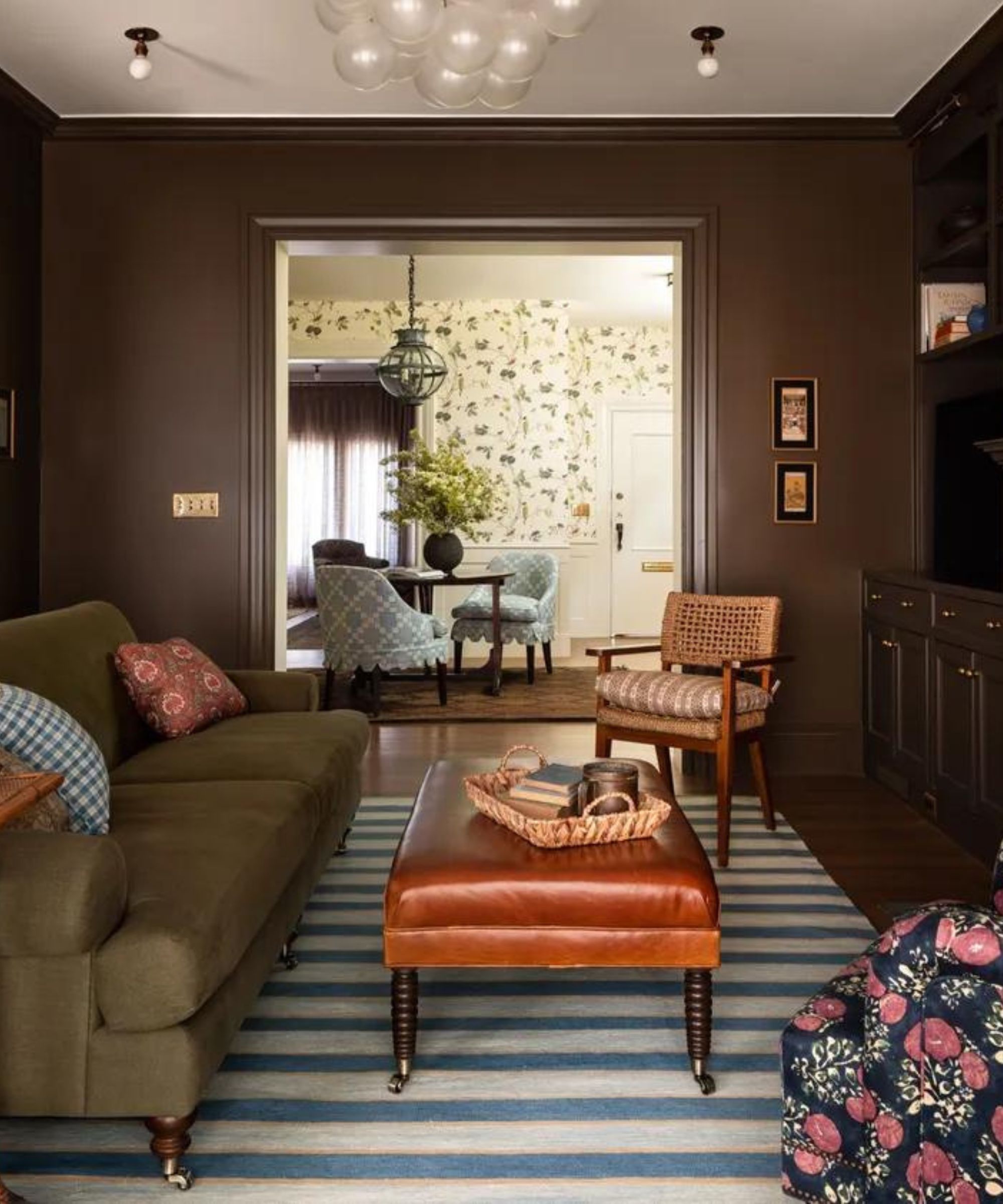
This human-forward palette responds to what people are craving: homes that feel enveloping, expressive, and authentic. The new neutral isn’t a color but a sentiment—the desire for comfort without sacrificing sophistication for interior design trends.
3. Sculptural Ceramics and the Rise of Clay Craft
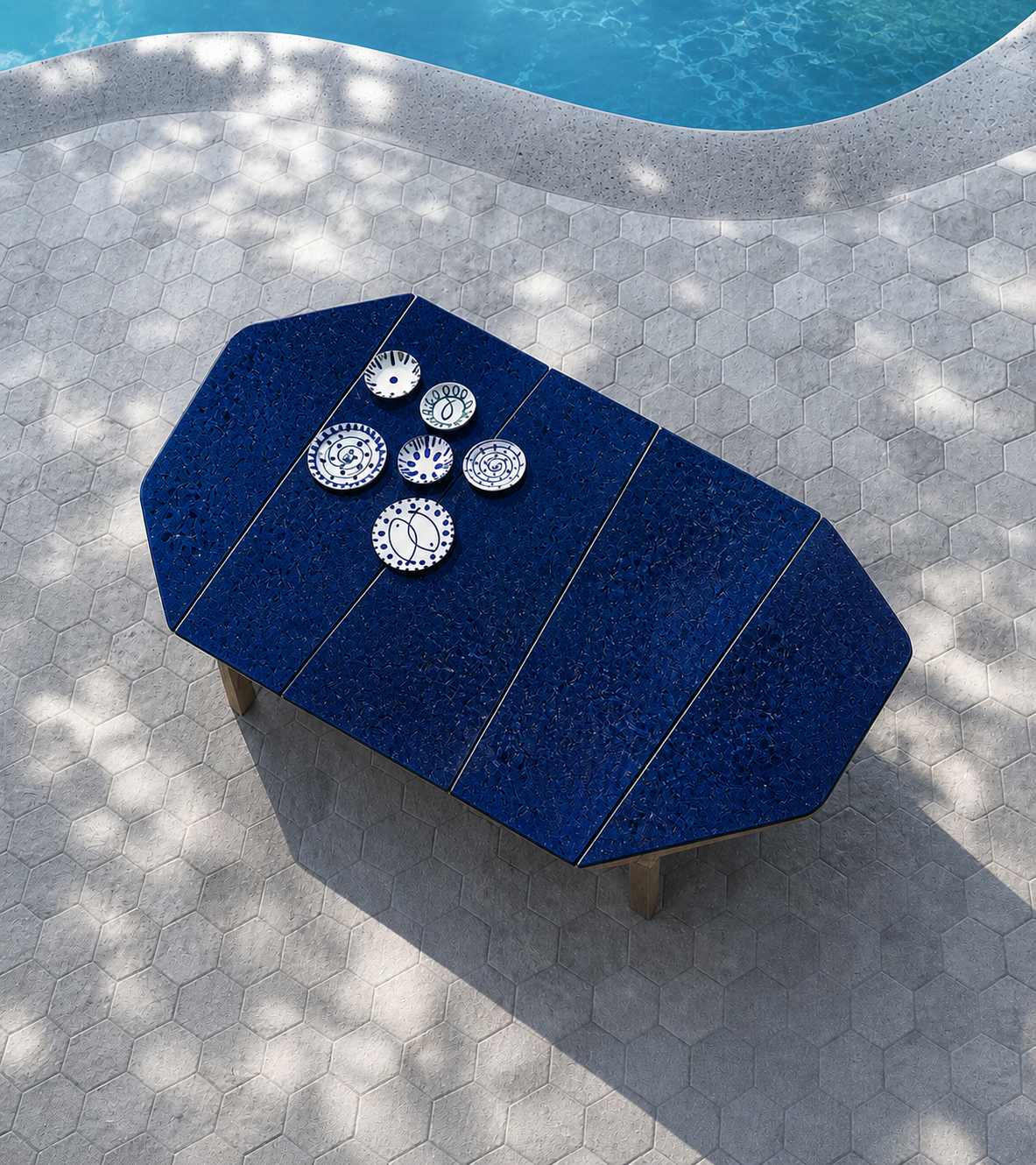
The presence of clay in interiors is not new. What is new, however, is its role. No longer confined to small vases or decorative accents, ceramics now shape the visual language of entire rooms.
Designers are turning to pieces that feel formed by hand, celebrating the subtle irregularities and tactile qualities that industrial production can never replicate. This shift reflects a broader cultural movement toward honoring the maker—valuing imperfection, tactility, and provenance.
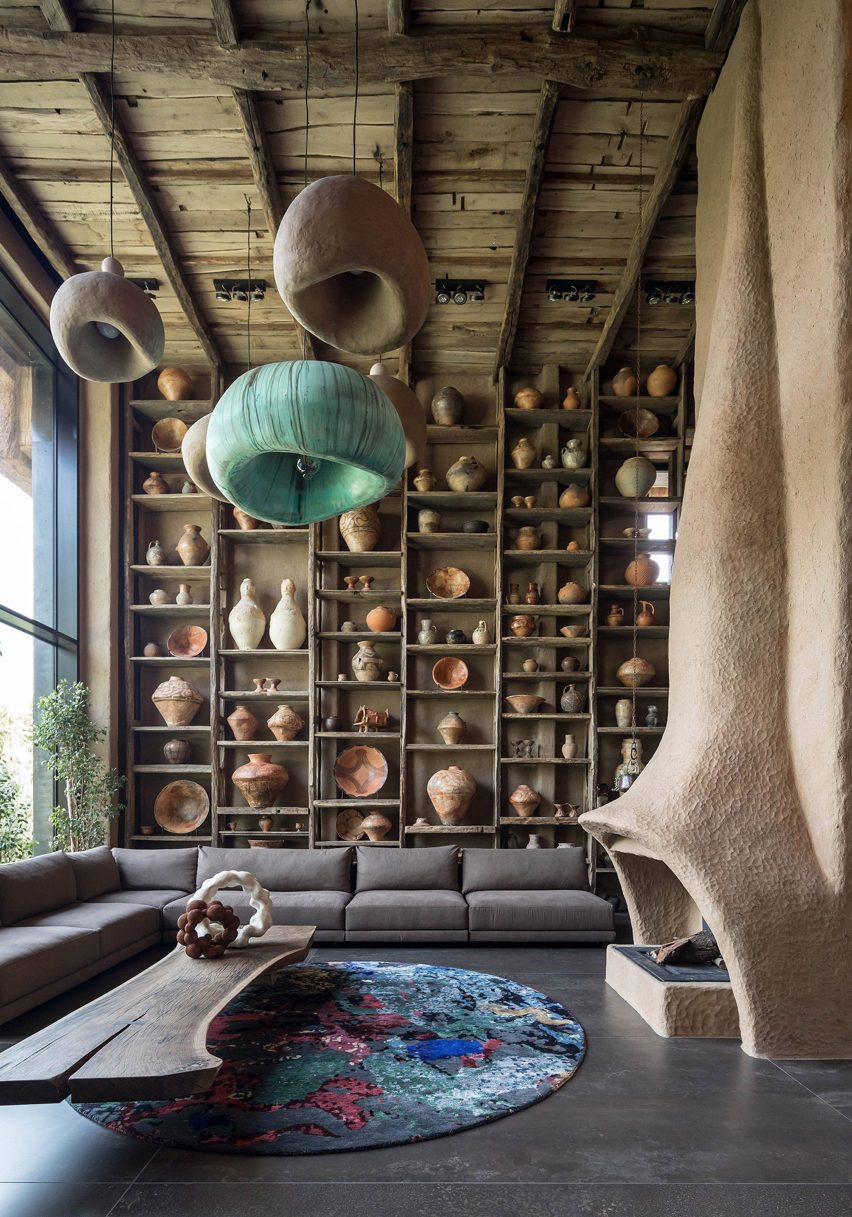
Oversized ceramic vessels define consoles and entryways. Clay pendant lights cast diffused, atmospheric glows. Terracotta forms—smooth or brutalist—anchor corners with sculptural quiet.
Ceramic dishware, tiles, and lighting slide seamlessly into daily life, adding texture and grounding without overwhelming the senses. These pieces speak to something ancient yet modern: the appeal of earth, the beauty of touch, the humanity of craft.
4. The English Kitchen Revival: Character Meets Intentionality
After years of sterile minimalism, kitchens are shifting toward warmth, story, and lived-in charm. The English-style kitchen, once an aesthetic confined to cottages and centuries-old manors, has re-emerged in a way that feels unexpectedly fresh.
This isn’t “grandmother chic” nor a reenactment of the past. It’s the blending of heritage detailing with contemporary function. Think inset cabinetry, exposed hinges, tactile hardware, and paint colors inspired by English gardens—deep olives, muddy taupes, atmospheric greens.
Surfaces are intentionally imperfect. Natural stone with veins and patina is celebrated rather than disguised. Countertops that age are not considered failures but markers of life.
The appeal of this trend is rooted in emotion: people want spaces with history, even if they’re newly built. They’re choosing charm over sterility, character over perfection, and rootedness over trend-chasing. The English kitchen revival is more than a look; it’s a philosophy of living with materials that feel human.
5. Pleated Details: Fashion’s Soft Influence on Interiors
One of the more nuanced interior design trends for 2025–2026 shows how fashion continues to shape the home. Pleated detailing, once confined to couture skirts and silk blouses, now finds its way into furnishings, lighting, textiles, and architectural elements.
It’s a softening force—something sculptural, rhythmic, and quietly luxurious.
Designers are experimenting with pleated lampshades, folded headboard upholstery, fluted panels, upholstered walls, and even pleated doors in custom millwork. The look introduces movement without chaos, giving spaces a sense of tactile intimacy.
This trend works best when used sparingly, like a well-chosen accessory. A single pleated textile or lamp can reshape the tone of a room, adding a whisper of elegance without demanding attention.
It’s detail, not drama—exactly the balance defining this moment in design.
6. Custom Banquettes and Built-In Seating
As lifestyles evolve, seating is becoming more integrated, sculptural, and personalized. The rise of custom banquettes marks a broader shift in how people envision comfort and connection within the home.
These aren’t the rigid built-ins of the past. Today’s banquettes are fluid, upholstered, and curved to soften rectangular rooms. They carve out intimate corners in kitchens, dining nooks, hallways, and stair landings. They allow homes to adapt to gatherings, long conversations, and moments of pause.
The appeal is practical as much as aesthetic: banquettes maximize seating, save space, and look undeniably sophisticated. Upholstered in performance velvets, linens, or textured fabrics, they become focal points that elevate the entire architectural rhythm of a room.
As people seek both beauty and functionality, banquettes are becoming one of the most enduring interior design trends of 2025–2026—and one that’s likely to last far beyond.
7. Material Drenching: The Immersive Monomaterial Room
Every design era has a defining statement, and for the mid-2020s, this is it.
Material drenching—wrapping a space in one material, one texture, one visual identity—is emerging as the most daring yet sophisticated trend of the moment. Unlike paint drenching, which relies solely on color, material drenching immerses a room in a full sensory experience.
Imagine a powder room enveloped entirely in travertine, turning the space into a sculptural cave. Or a room draped in velvet—walls, upholstery, curtains—inviting a sense of warmth and luxury. Or cabinetry rendered in tone-on-tone wood, with handles, panels, and architectural features all carved from the same species.
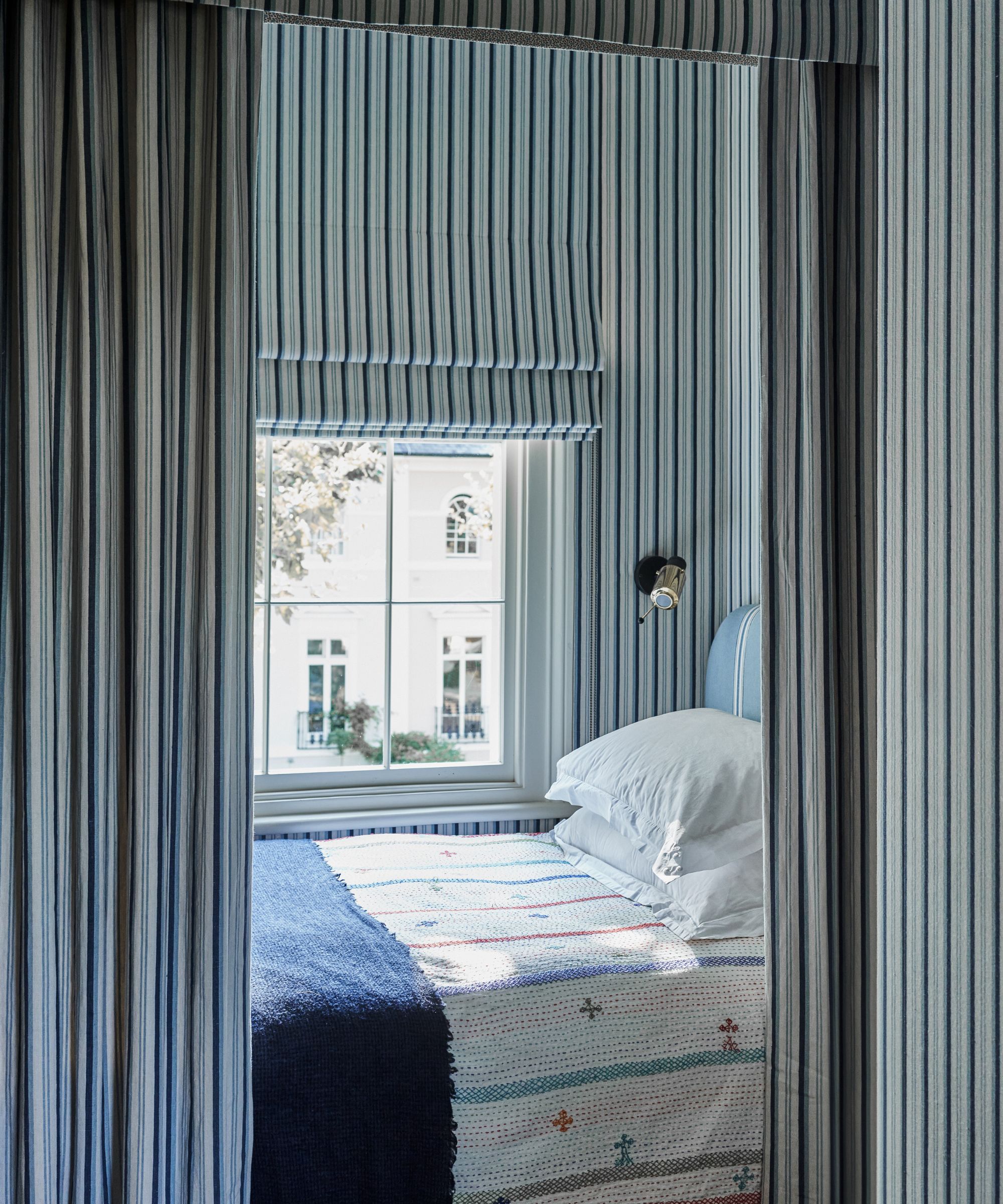
The effect is dramatic, but never chaotic. It’s editorial, emotional, and deeply intentional.
Material drenching speaks to a desire for immersive environments—spaces where materiality becomes the narrative. It’s the architectural equivalent of monochromatic dressing, but elevated to a sensory art form.
Of all the interior design trends for 2025–2026, this one feels the most innovative and the most likely to define the decade.
A New Chapter in Living
What unites these interior design trends is their commitment to timelessness rather than novelty. They celebrate craft, tactility, immersion, warmth, and the emotional intelligence of good design. They move away from disposable aesthetics and toward spaces that hold meaning—homes built from materials that age well and details that matter.
The design world is collectively stepping into a quieter, more resonant era. It’s not about chasing what’s new, but about rediscovering what feels true. And as the interior design trends for 2025–2026 unfold, one thing becomes clear: the future of design isn’t louder. It’s deeper.