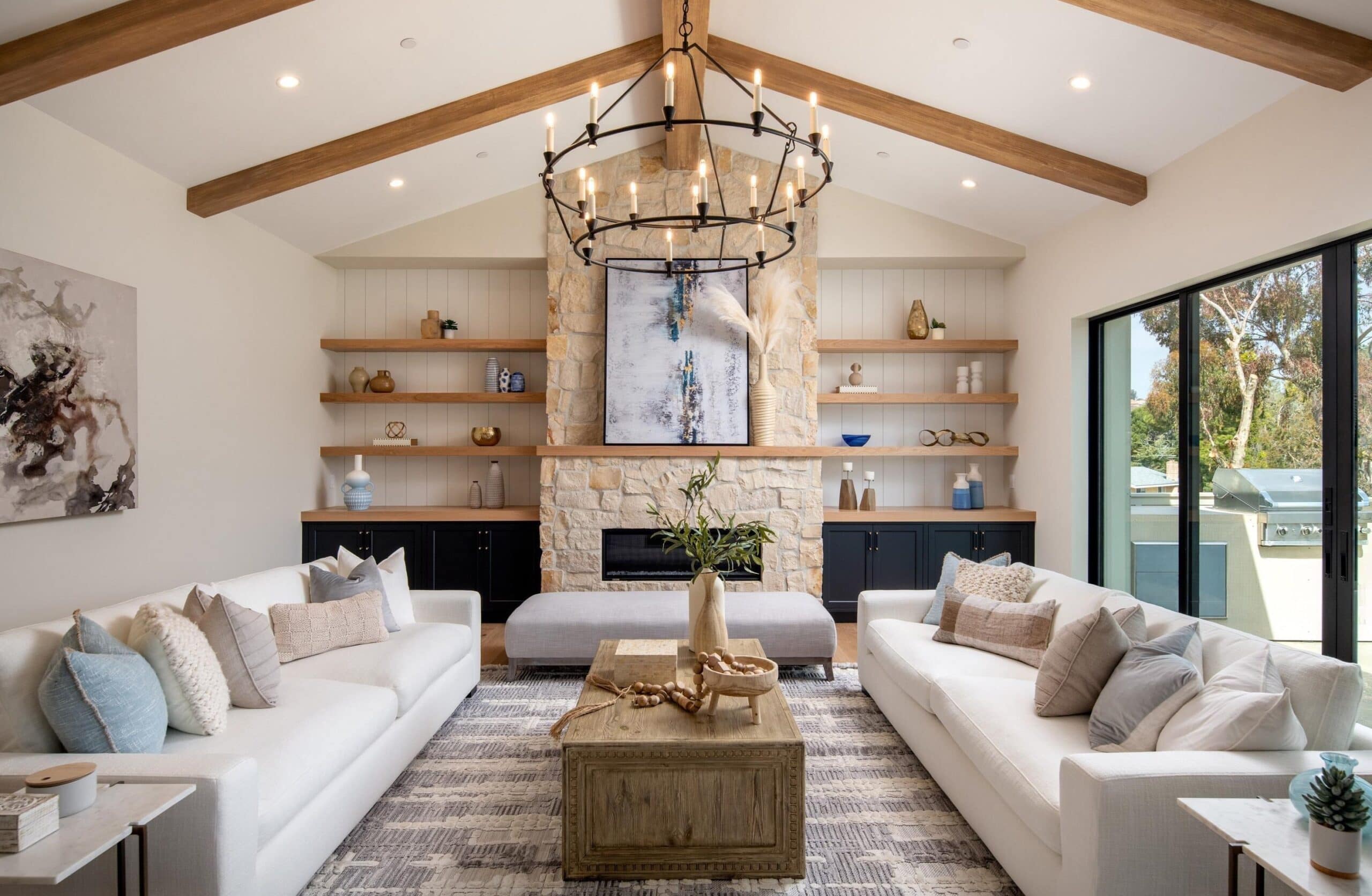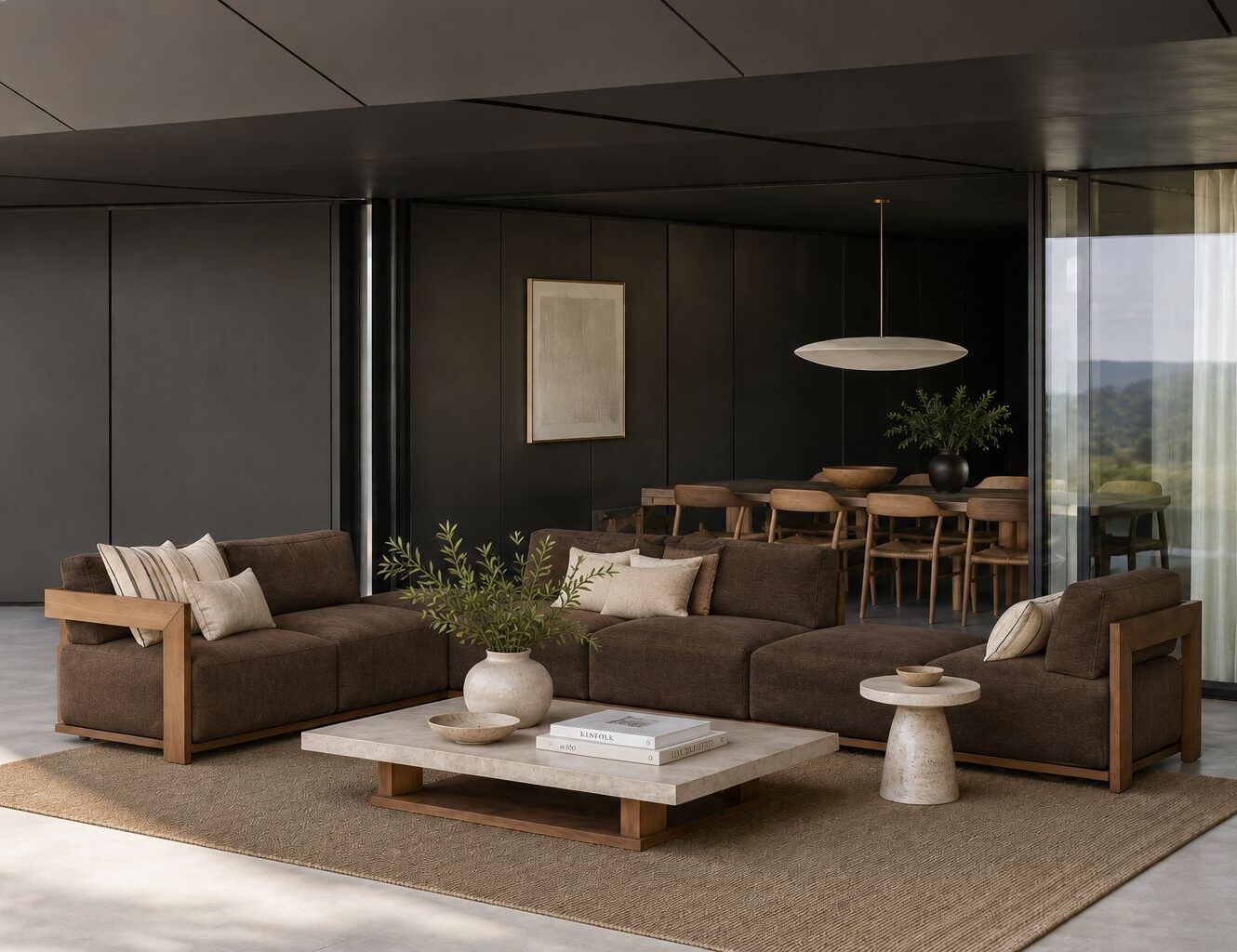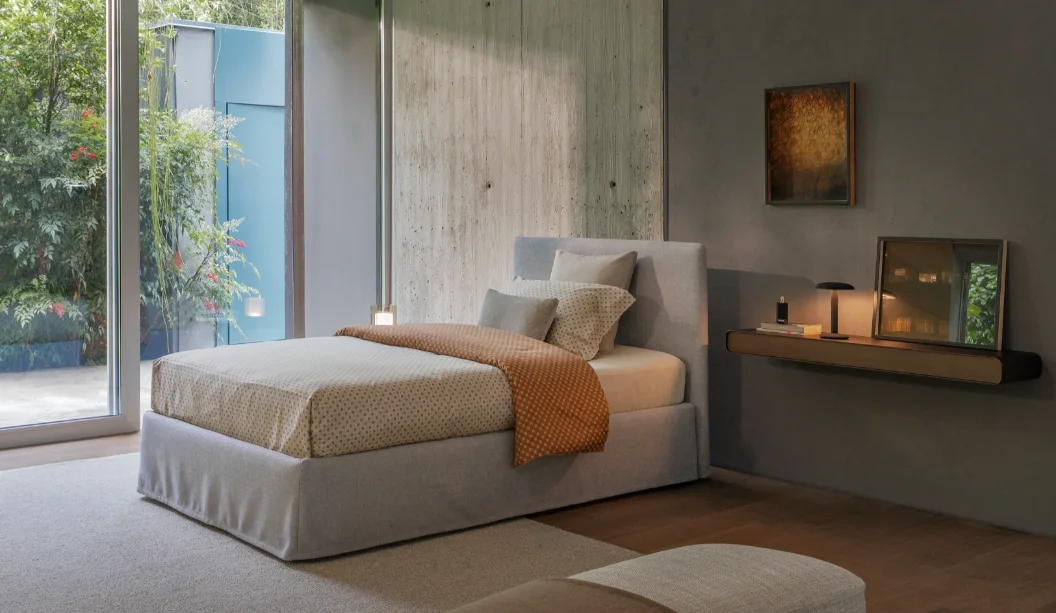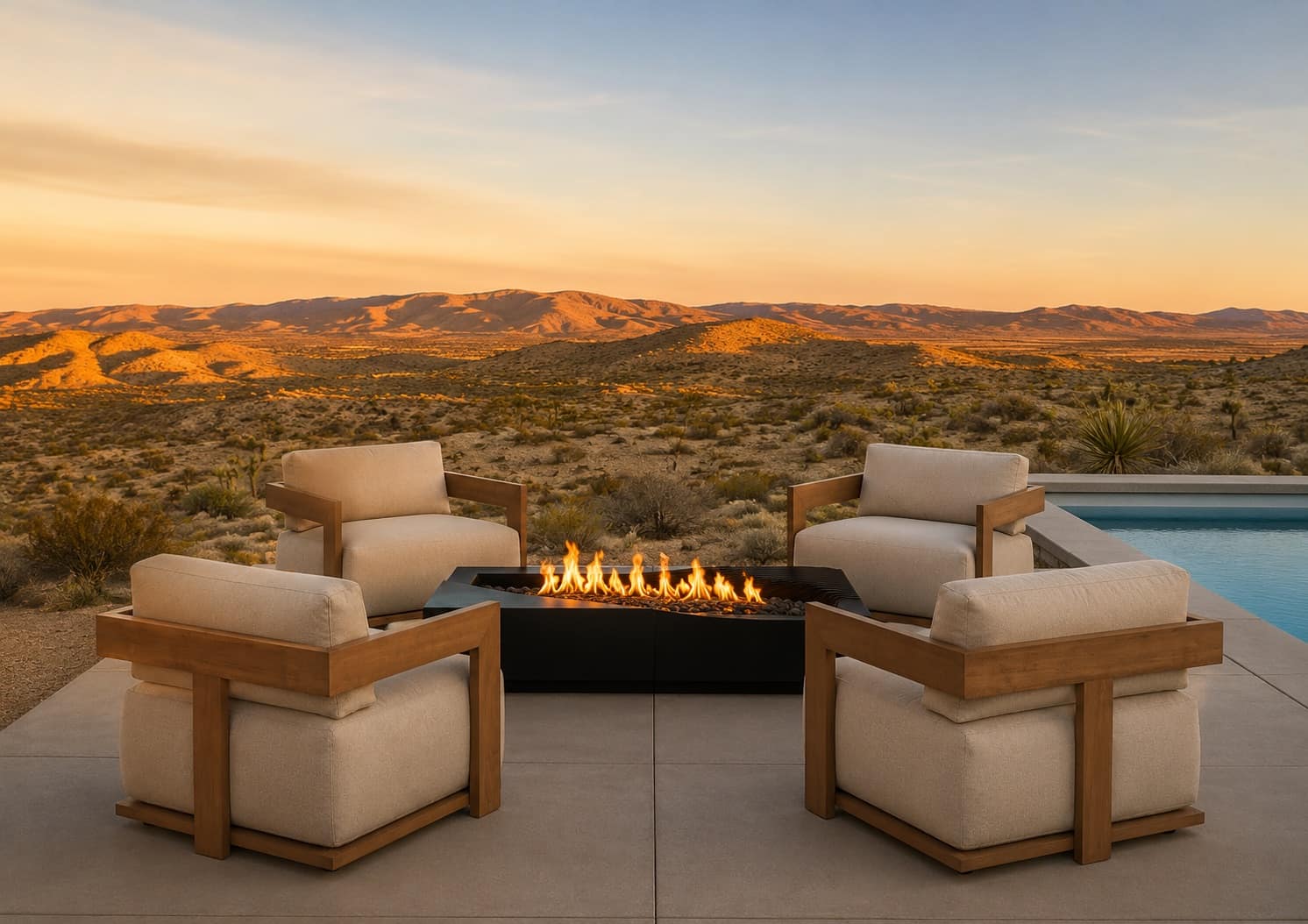



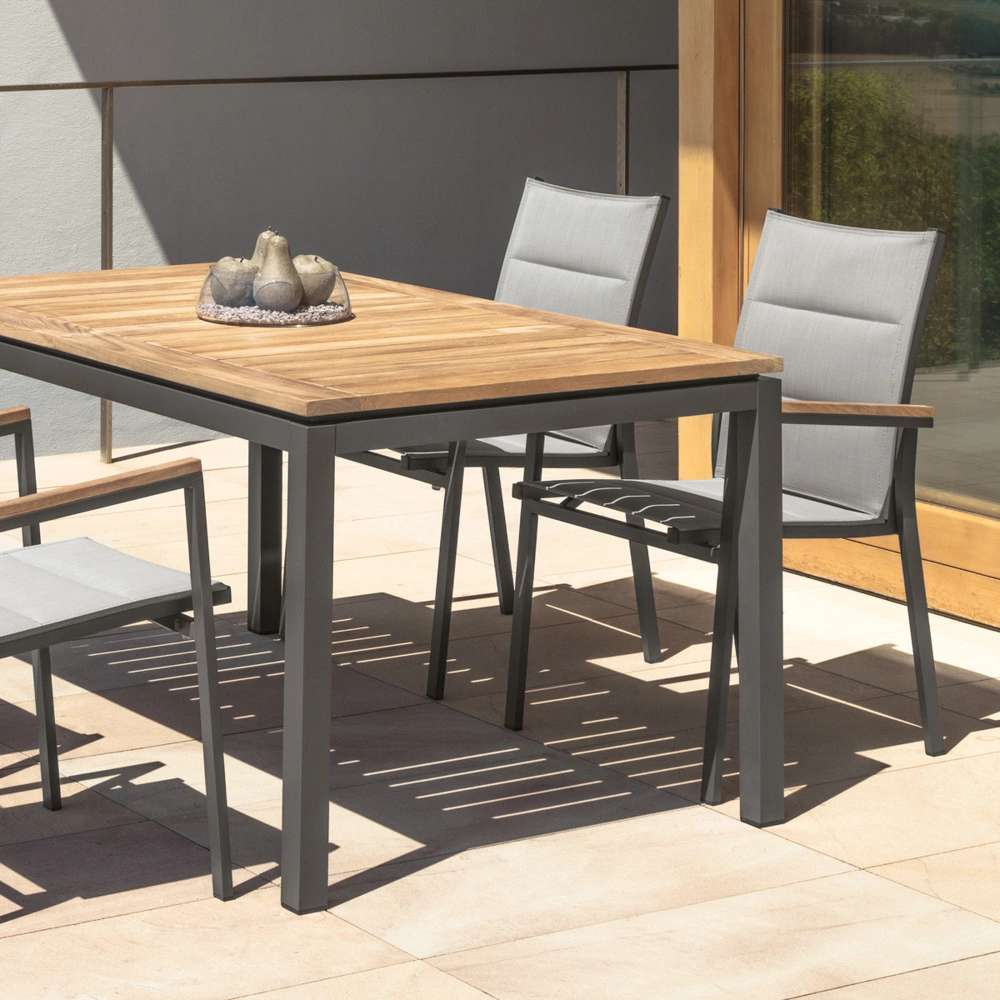
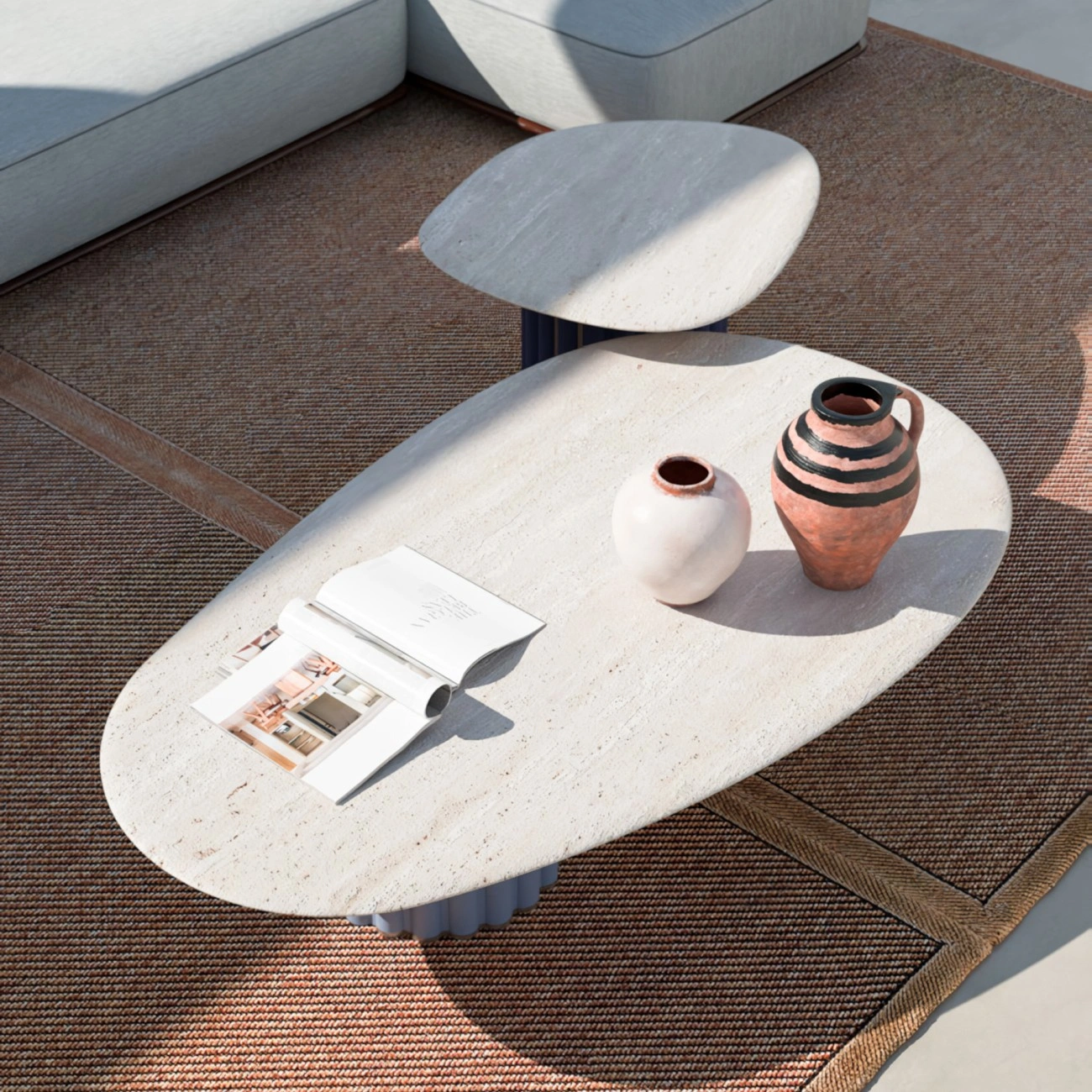


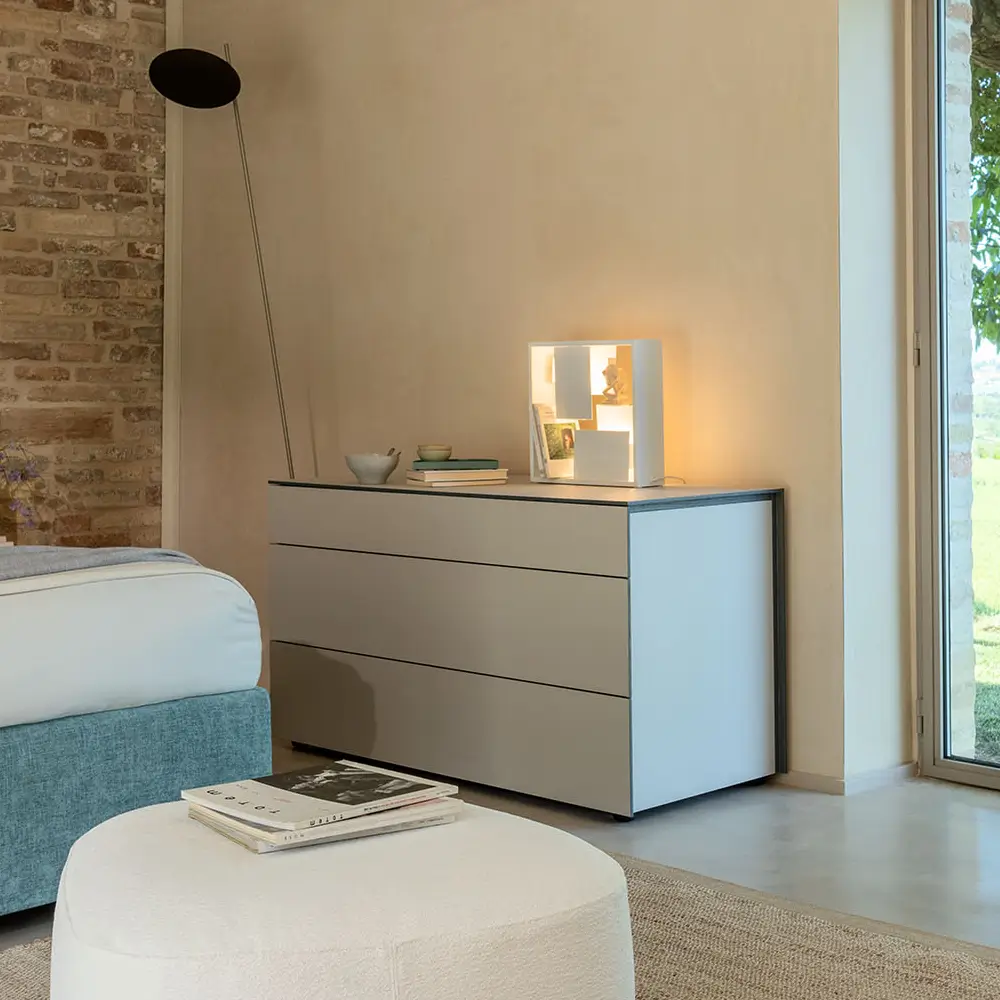
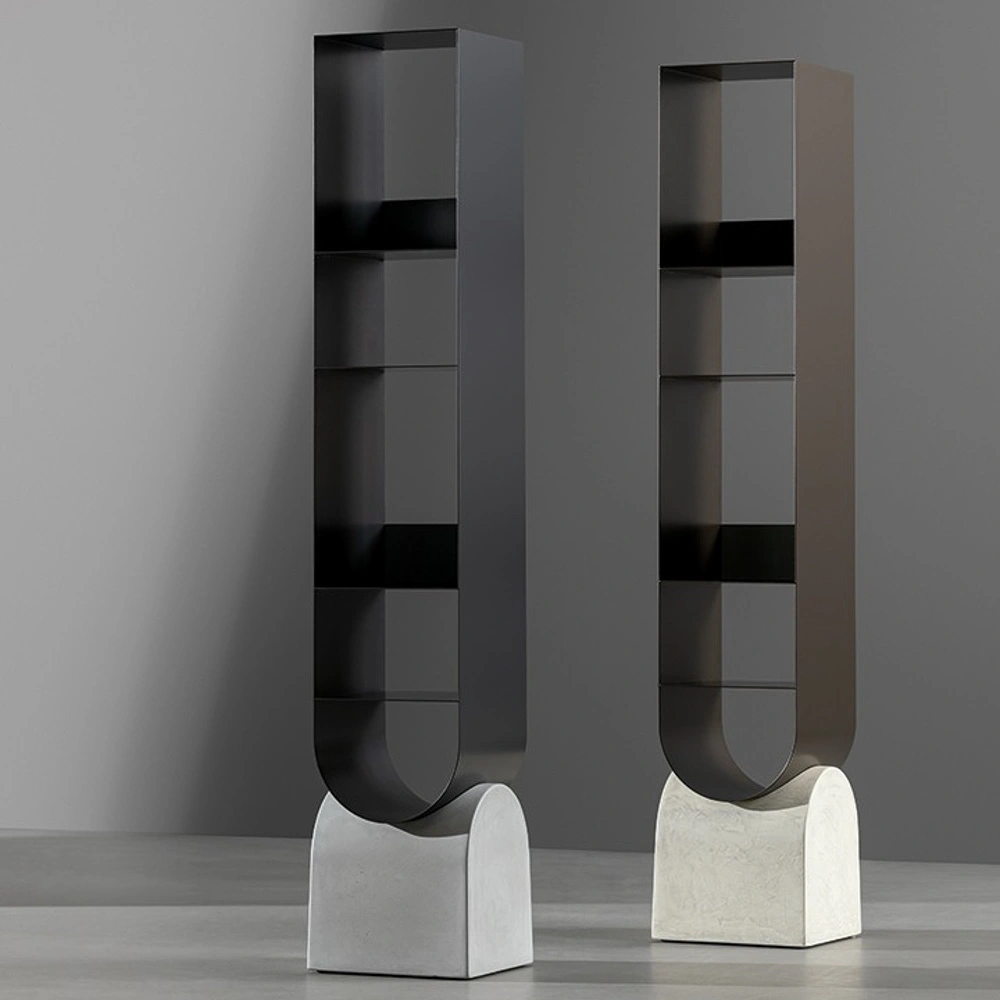
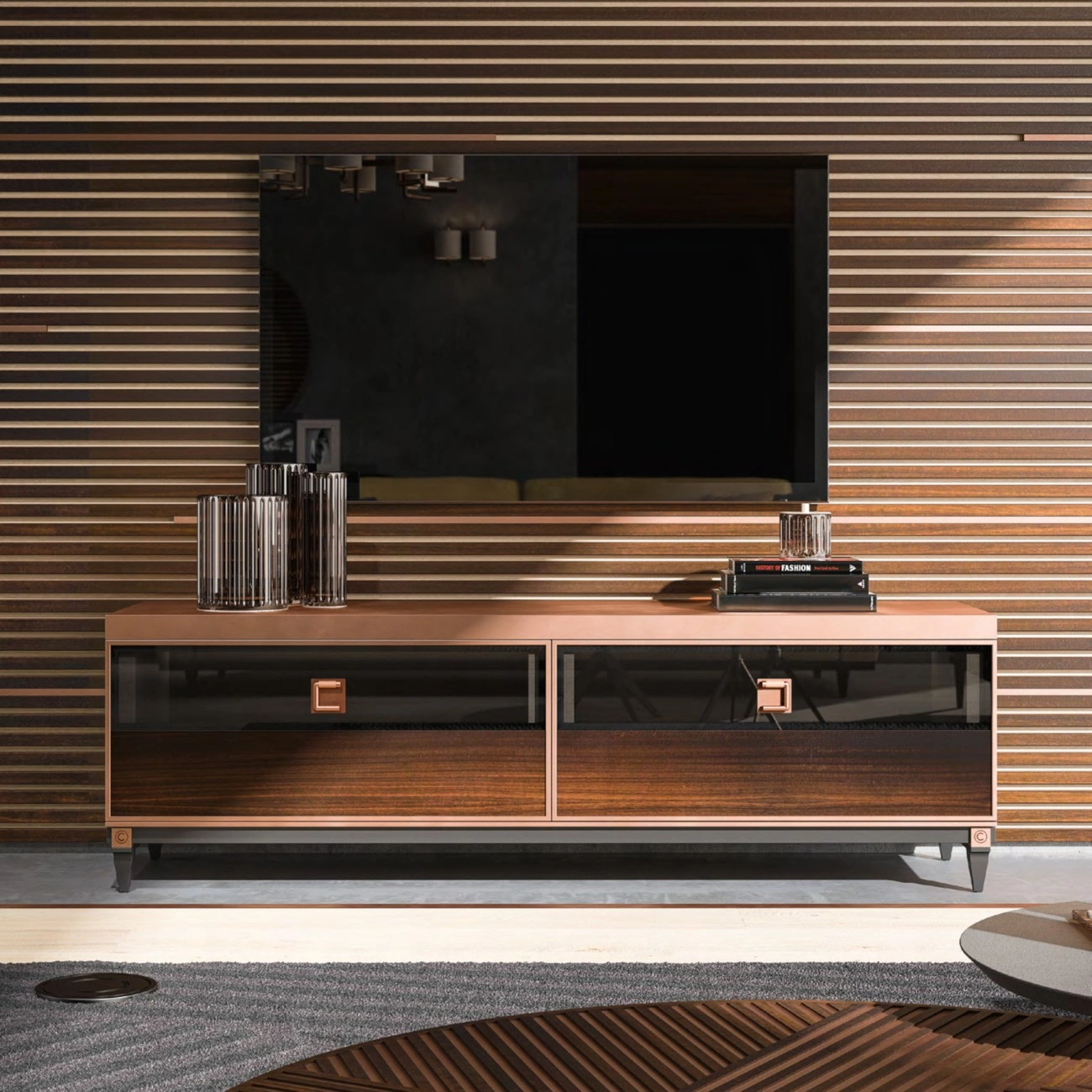
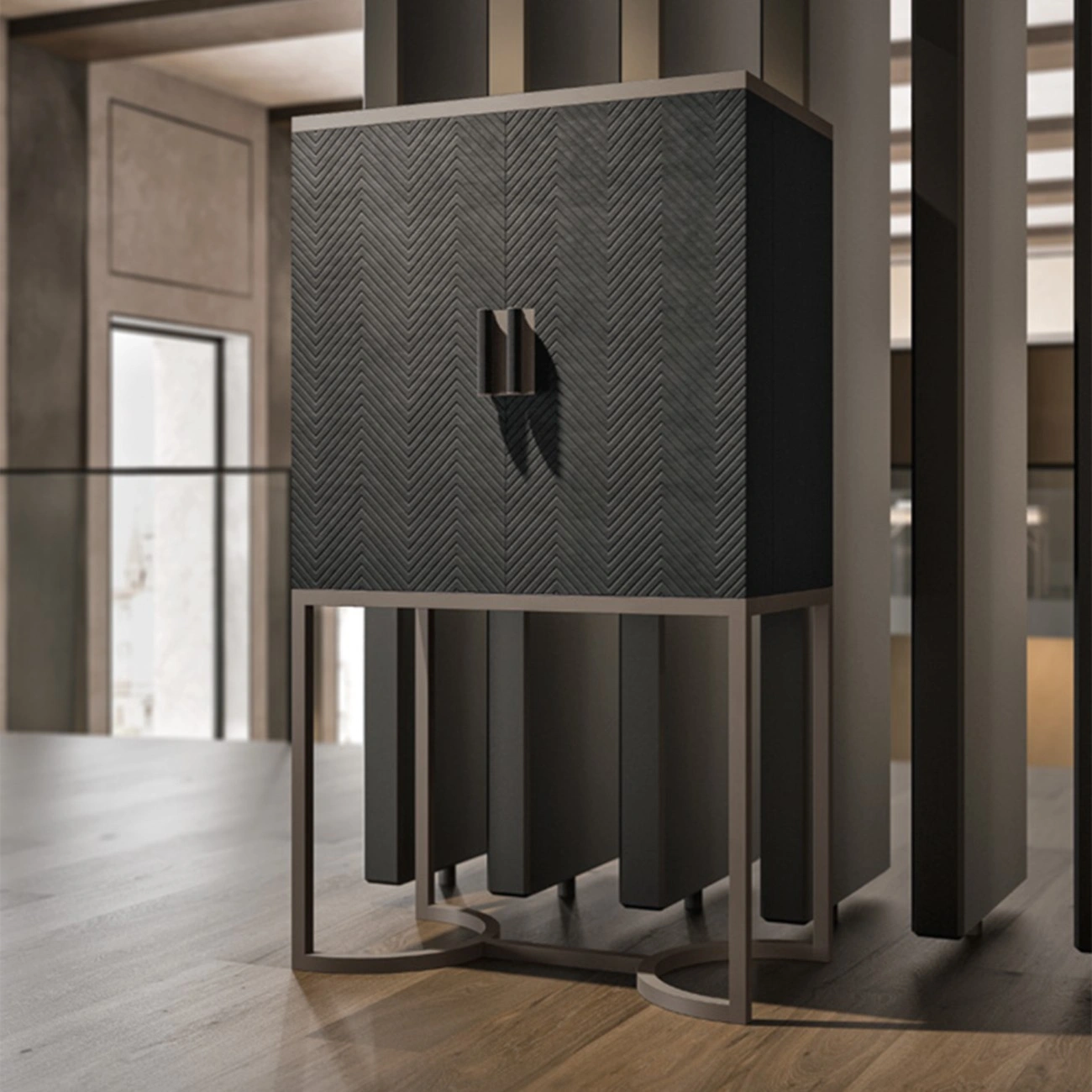

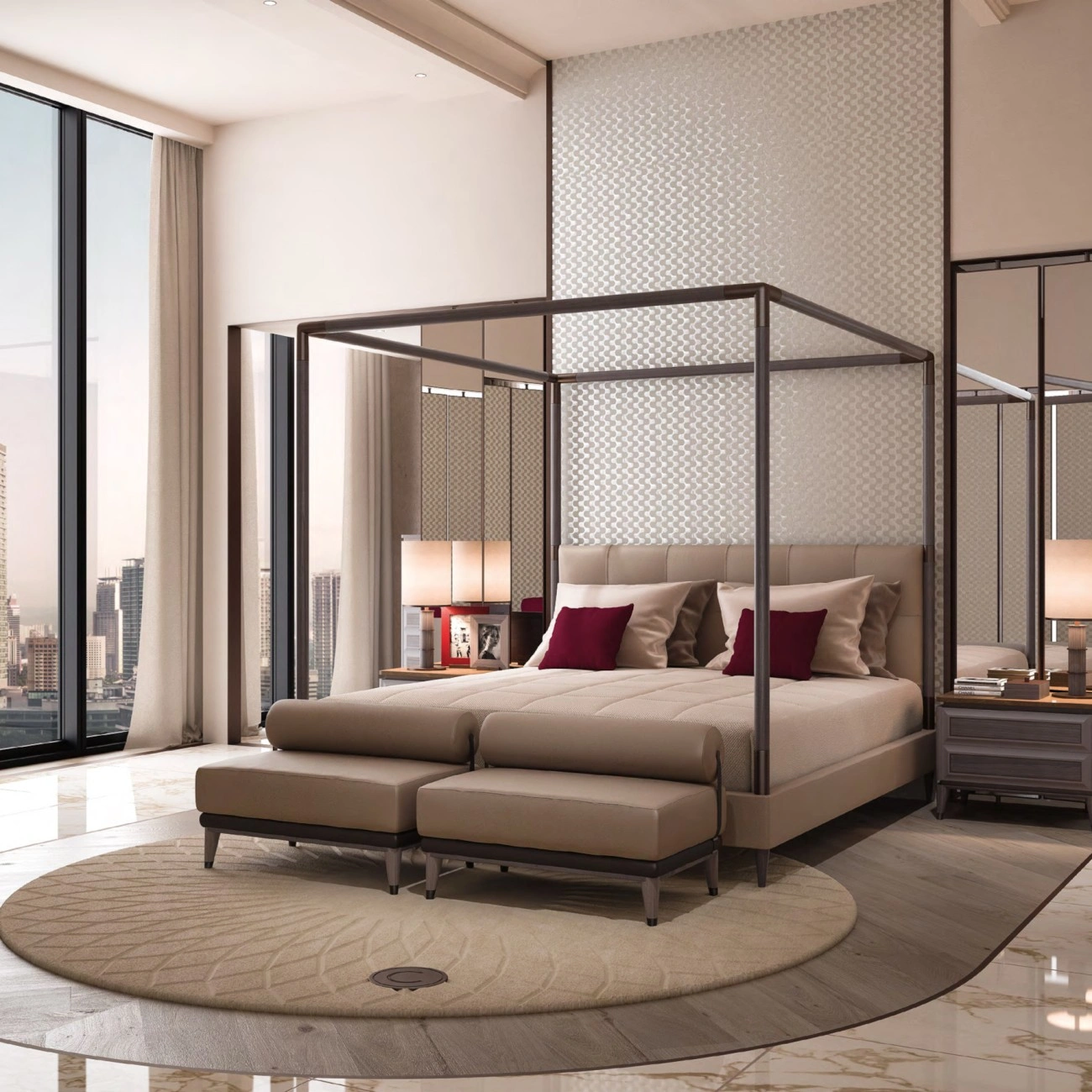
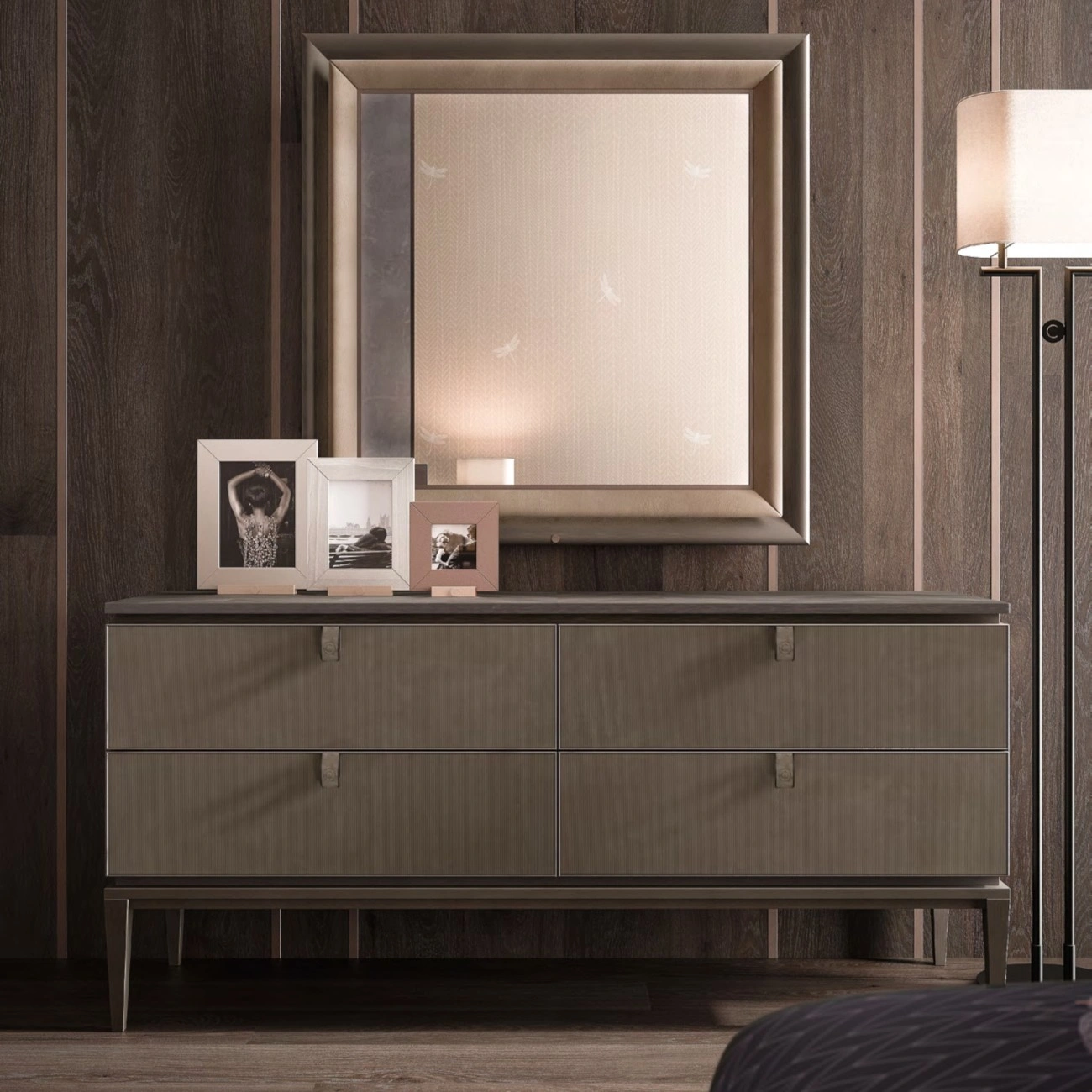

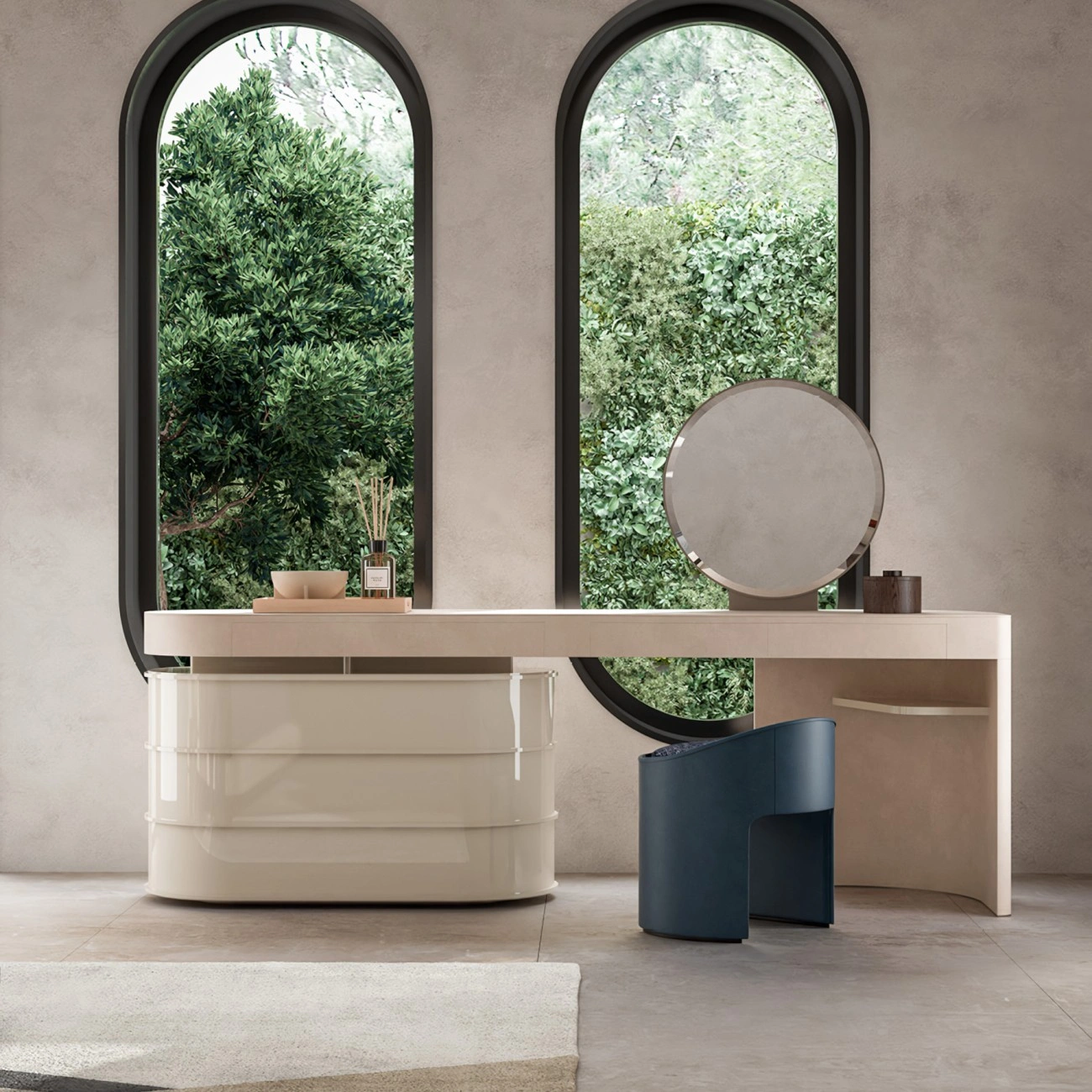
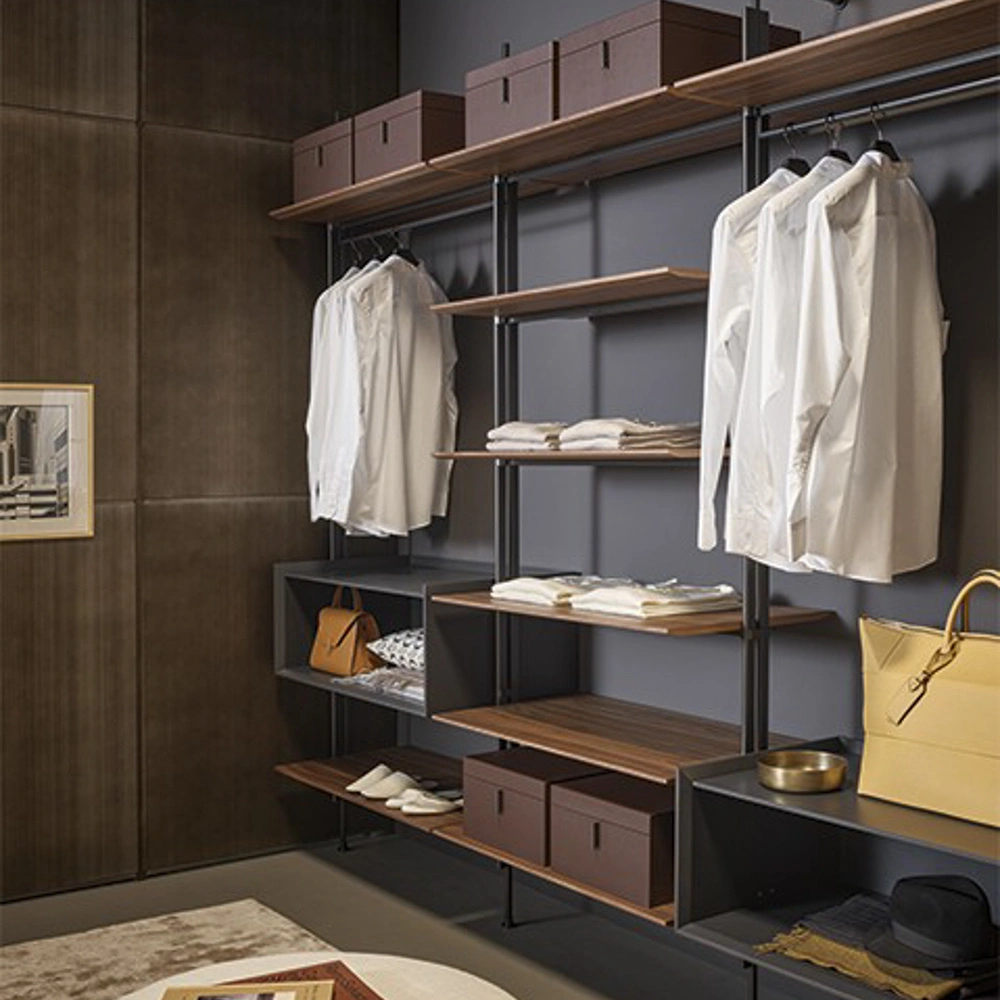
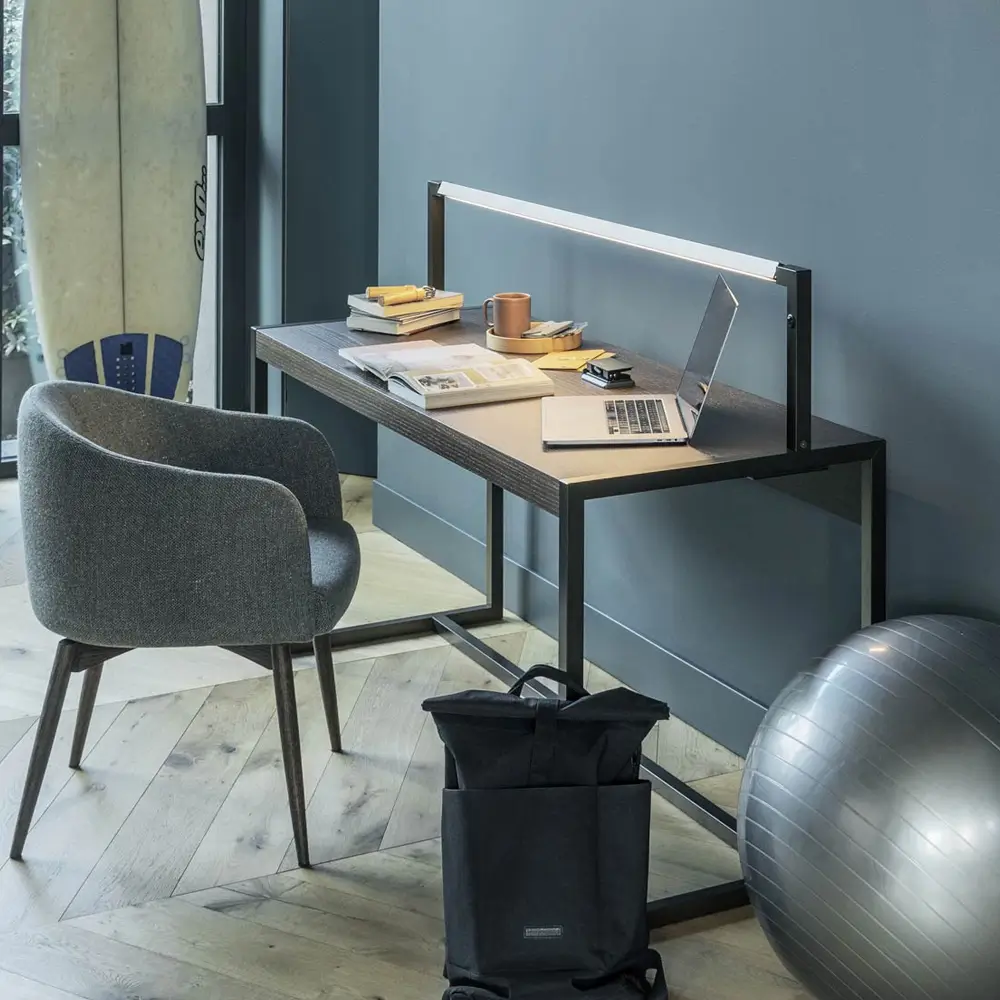






In luxury design, some materials scream for attention. Teak doesn’t. It just sits there, quietly, aging better than the people who bought it. This understated endurance is why Talenti furniture has made teak a cornerstone of its most iconic collections. By blending the organic warmth of the wood with high-performance Italian engineering, Talenti creates pieces that don’t just endure the elements—they embrace them. Over time, as the golden hues shift into a sophisticated silver patina, the furniture takes on a storied character that feels less like an outdoor purchase and more like a permanent part of the landscape.

Teak furniture has become shorthand for serious intent: you’re not buying something “for this season”; you’re buying the piece that survives every season. For clients who expect their homes, terraces, and yachts to feel both effortless and engineered, teak is one of the few materials that actually delivers.
This is not just about a pretty golden-brown surface. It’s a story of biology, engineering, and long-term value packed into a single timber.
What Makes Teak Different From “Nice Wood”
Teak comes from Tectona grandis, a dense hardwood native to South and Southeast Asia. The heartwood is naturally saturated with oils and rubber-like resins, which is where the magic happens: those oils make teak highly resistant to moisture, rot, and insects, even without lacquered armor on top.
On the Janka hardness scale, teak typically lands around 1,000–1,150 lbf – in the same league as or slightly above English oak. Translation: it’s tough enough to handle daily abuse, but not so hard that it becomes a nightmare to work with or sits there like a stone slab.
Architects and shipbuilders have used teak for centuries because:
- It resists warping and splitting.
- It shrugs off rain, sun, and rapid temperature changes better than most woods.
- It holds its shape in structural applications where failure is not an option.
If a wood can endure saltwater, UV exposure, and constant movement on a boat deck, a rooftop terrace or poolside lounge is not going to intimidate it.
Outdoor Teak Furniture: Where It Earned Its Reputation
Most people’s first encounter with teak is outside: a teak dining set on a terrace, a lounger by the pool, perhaps a yacht deck disguised as a “patio” — which is exactly why outdoor teak furniture has become a staple in high-performance exterior spaces.
Teak is basically purpose-built for this:
- Weather resistance
The natural oils in teak act like an integrated weatherproofing system. They repel water, slow down rot, and discourage insects – without layers of synthetic coating. - Dimensional stability
The dense, close grain minimizes expansion and contraction. In practical terms: fewer warped arms, fewer split joints, fewer calls to customer service. - The patina
Left untreated, outdoor teak gradually shifts from golden brown to a silvery grey patina. Designers lean into this; it’s considered an asset, not a defect. The piece starts to look like it belongs to the architecture, not just “placed on top” of it.
This is why serious outdoor collections – sun loungers, modular sofas, dining tables, accent chairs – so often default to teak. It simply lasts. Many high-end brands quietly expect their teak pieces to serve for 15–25 years with basic care. Some can go far beyond that.
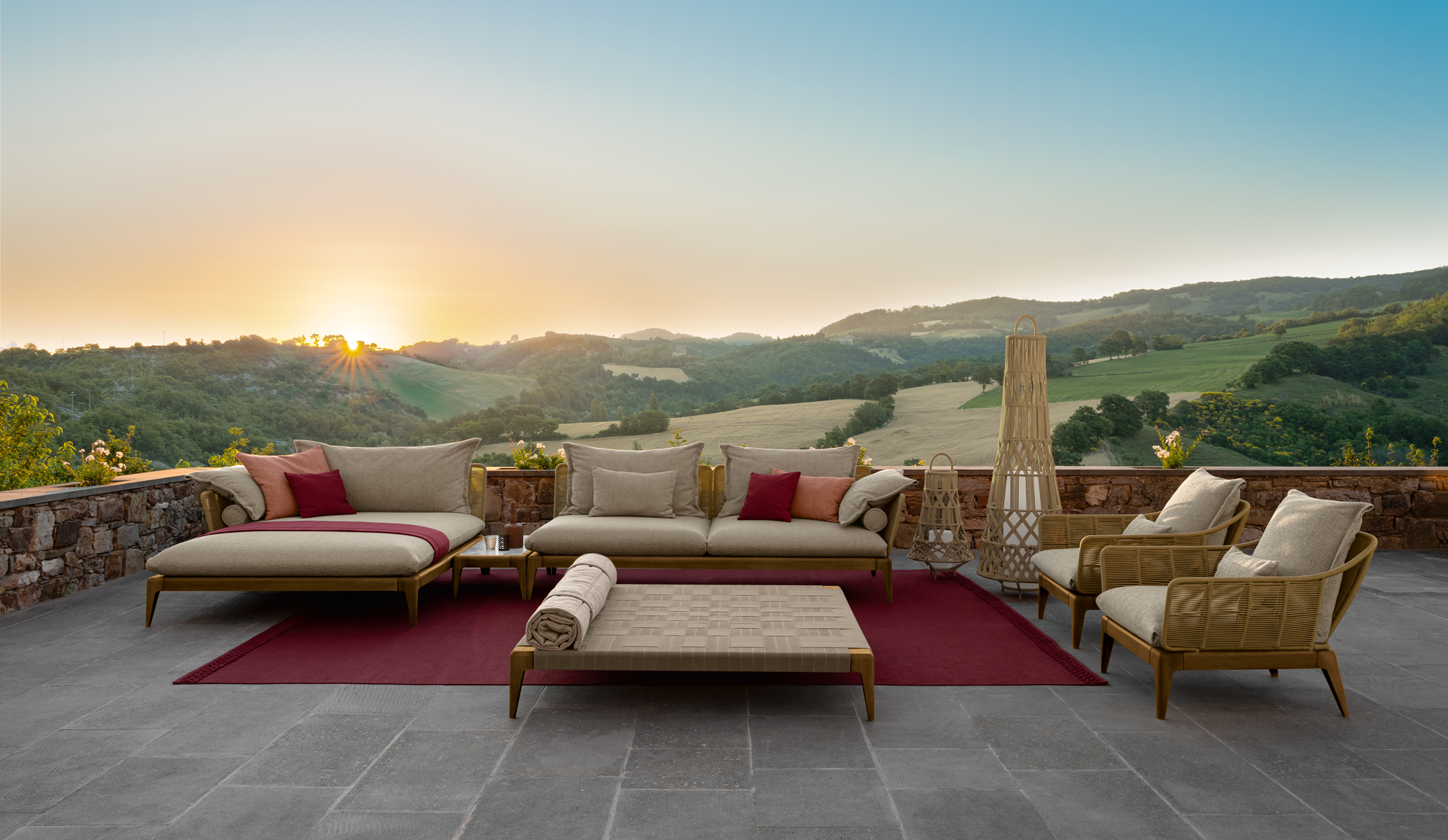
If you want a material that looks expensive on day one and still feels correct after a decade of rain, sunscreen, and spilled cocktails, outdoor teak furniture is one of the very few answers that doesn’t feel like marketing fluff.
Indoor Teak Furniture: Understated, Not Rustic
Inside the home, teak behaves differently but carries the same attitude: low drama, high performance.
Teak’s grain is usually straight with occasional figuring, the tone ranges from honey to deeper brown, often with subtle streaks.
You don’t need aggressive staining, heavy gloss, or gimmicky finishes. Sanded correctly and sealed with a clear, matte or satin finish, a teak dining table or sideboard reads as quietly luxurious rather than rustic.
Where it works especially well:
- Dining tables and benches – Teak’s hardness and dimensional stability mean fewer dents and fewer wobbly joints over time, which is why teak dining tables are often chosen for homes that expect heavy, everyday use.
- Credenzas and sideboards – The grain reads clean and modern, but not cold.
- Bed frames and nightstands – Especially in minimal interiors that still want warmth.
- Accent pieces – Coffee tables, console tables, sculpted stools, and trays that tie indoor and outdoor spaces together.

For luxury interiors, teak is a strategic material: it bridges the gap between outdoor teak furniture and indoor furniture, allowing a consistent design language from the terrace to the living room.
Solid Teak vs “Teak-Washed” Furniture
Not everything labeled “teak” deserves the name, and the distinction matters even more when investing in solid wood furniture intended to last decades rather than seasons.
In the market, you’ll see a spectrum:
- Solid teak furniture – Built entirely from teak boards or blocks. This is what serious buyers look for in core pieces like dining tables, loungers, or armchairs.
- Teak veneer – A thin layer of teak on top of another wood or MDF substrate. It can look good but will never have the same lifespan or repairability as solid teak.
- “Teak finish” – No. This usually means a generic wood finished in a brown tone that vaguely resembles teak when photographed from 3 meters away.
For long-term investment, solid teak furniture is the rational choice. It can be sanded back, refinished, repaired, and even resized over time. Veneer and “teak finish” pieces are essentially consumables by comparison.
If you’re specifying for clients or your own property, the baseline questions should be:
- Is this solid teak in the structural elements, or just veneer?
- Is the teak heartwood, not just sapwood?
- Is the source certified and traceable (FSC or SVLK, ideally both)?
That’s the difference between a piece that will be in the family photos for 20 years and something that becomes clutter in three.
Sustainability: The Real Teak Question in 2025
Teak’s popularity has a cost. Natural forests in parts of Asia were heavily logged in past decades, which is why the conversation around teak furniture today is inseparable from sourcing and certification.
There are three main categories you’ll see:
- Plantation teak
Grown on managed plantations, particularly in Indonesia (Java), parts of Africa, and Central America. Properly managed plantations can offer stable, legal supply with shorter rotation cycles and documented chain-of-custody. Certificates like SVLK (Indonesia’s Timber Legality Assurance System) ensure the wood is legally sourced and compliant for export. - FSC-certified teak
FSC (Forest Stewardship Council) certification goes further than legality. It evaluates environmental and social criteria: biodiversity, local community rights, and long-term forest health. Many premium brands now highlight “FSC teak” as a key differentiator. - Reclaimed teak
Pulled from old buildings, bridges, and industrial structures, then milled into new furniture. This is arguably the most compelling story for sustainability-focused clients: reduced pressure on forests, plus a unique patina and character that new timber simply doesn’t have.
From a luxury positioning standpoint, “we only use FSC or SVLK-certified teak and reclaimed teak where possible” is not just a sustainability bullet point; it’s an insurance policy for the brand. The more conscious your customer base, the less tolerance there is for vague answers about where the wood came from.
The Economics of Teak: Why It Costs What It Costs
Teak is not cheap. Per board foot, it lands toward the upper end of the hardwood spectrum – often significantly more expensive than oak, ash, or acacia.
Where the price comes from:
- Slow-growing, high-density hardwood
- Limited geographies and regulated exports
- Certification costs and legal compliance
- Skilled labor needed to machine and join dense, oily timber
But the conversation with clients shouldn’t be “why is teak so expensive?” The right question is: what is the cost per year of ownership?
If an acacia outdoor set gives you 4–6 good seasons before looking tired, and a well-built teak set gives you 15+ years with minor maintenance, the economics flip. On a per-year basis, teak is often cheaper than mid-tier alternatives that seem “affordable” at checkout.
Luxury buyers instinctively understand this: they don’t want to buy the same thing twice.
Maintenance: How Much Work Is Teak Really?
Teak has a reputation for being “low maintenance, not no maintenance.”
Here’s the reality:
- If you like the golden-brown look:
You’ll need occasional cleaning plus application of a teak-specific sealer or oil, depending on the manufacturer’s recommendation. Too much oiling can actually attract dirt, so this needs to be done with restraint, not enthusiasm. - If you’re happy with the silver patina:
Basic cleaning with mild soap and water, and perhaps a light scrub once or twice a year, is usually enough. The structural integrity remains; only the surface color changes. - Indoor teak furniture:
Even easier. Dust it, avoid extreme humidity changes, use coasters, and it will age gracefully.

The honest pitch: teak is one of the few materials where “minimal maintenance” isn’t code for “you’ll be replacing this in three years.”
Where Teak Furniture Makes the Most Sense
If you’re curating a collection or advising clients, teak is not the answer to everything — but within well-considered indoor and outdoor furniture, it consistently outperforms materials that prioritize short-term appearance over longevity.
High-conviction use cases:
- Outdoor lounges and dining areas – Terraces, pool decks, penthouse rooftops, yacht decks.
- Transition zones – Covered patios, loggias, winter gardens where interior and exterior blur.
- High-traffic interiors – Family dining rooms, hospitality spaces, boutique hotel lobbies, and suites where furniture takes real impact.
- Statement pieces – A single solid teak dining table or coffee table that anchors a room.

Pairing teak with stone, metal, or high-performance fabrics keeps it modern and prevents the “tropical resort cliché” look. Luxury design in 2025 is less about matching sets and more about curated contrast.
How to Evaluate Teak Furniture Like an Insider
If you want to sound like you know what you’re doing – with clients, suppliers, or salespeople – focus on the questions that actually move the needle:
- What grade of teak is this?
Look for references to Grade A (dense, oily heartwood) for exposed surfaces. Lower grades and sapwood are acceptable in non-visible structural components, but they shouldn’t dominate the piece. - Is the teak certified, and how?
- SVLK for legal Indonesian teak
- FSC for broader sustainability criteria
Both together is ideal when you’re specifying for high-end projects or ESG-conscious clients.
- What’s the construction like?
Mortise-and-tenon or strong dowel joinery is a good sign. If you see flimsy metal connectors trying to hold substantial solid teak elements together, that’s a red flag. - Is it designed for repair and refinishing?
Solid teak furniture that can be sanded back, re-oiled, or reassembled will hold value far better than disposable construction built with veneers and glued-on components. - What’s the aftercare plan?
A serious brand will give you straightforward care instructions, not a vague “just wipe it down.”
Once you start filtering pieces through these questions, the market suddenly looks a lot smaller – in a good way. The noise falls away, and the genuinely well-made teak furniture stands out.
Teak Furniture as an Asset, Not an Impulse Buy
Teak doesn’t fit the “fast furniture” cycle, and it’s not supposed to. It sits much closer to the way people think about a mechanical watch or a well-built car: there’s an upfront cost, but it’s amortized over a long, useful life.
From a design and investment point of view:
- It protects the look of a property for years without feeling dated.
- It reduces replacement cycles, which matters in both residential and hospitality projects.
- It signals intent – to guests, clients, and buyers – that corners weren’t cut in the places that matter.
In a market full of things that look good for six months and then quietly deteriorate, teak furniture is almost contrarian. It’s designed to stay.
If you’re building a space – not just decorating it – teak is one of the few materials that can keep up with the architecture, the climate, and the way people actually live. That’s why, decade after decade, it keeps reappearing in the projects that matter.
Not loud, not flashy. Just quietly, stubbornly, correct.