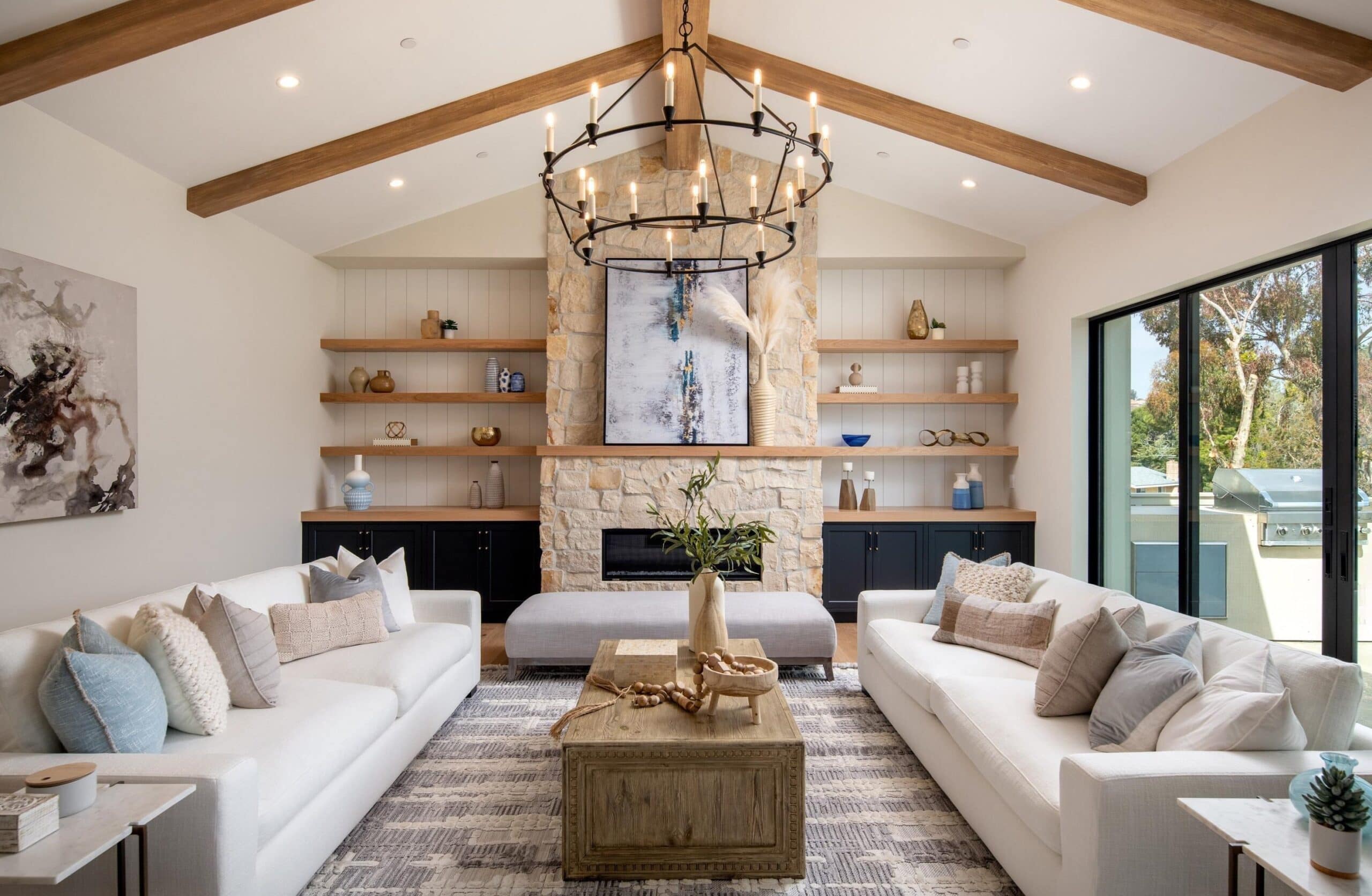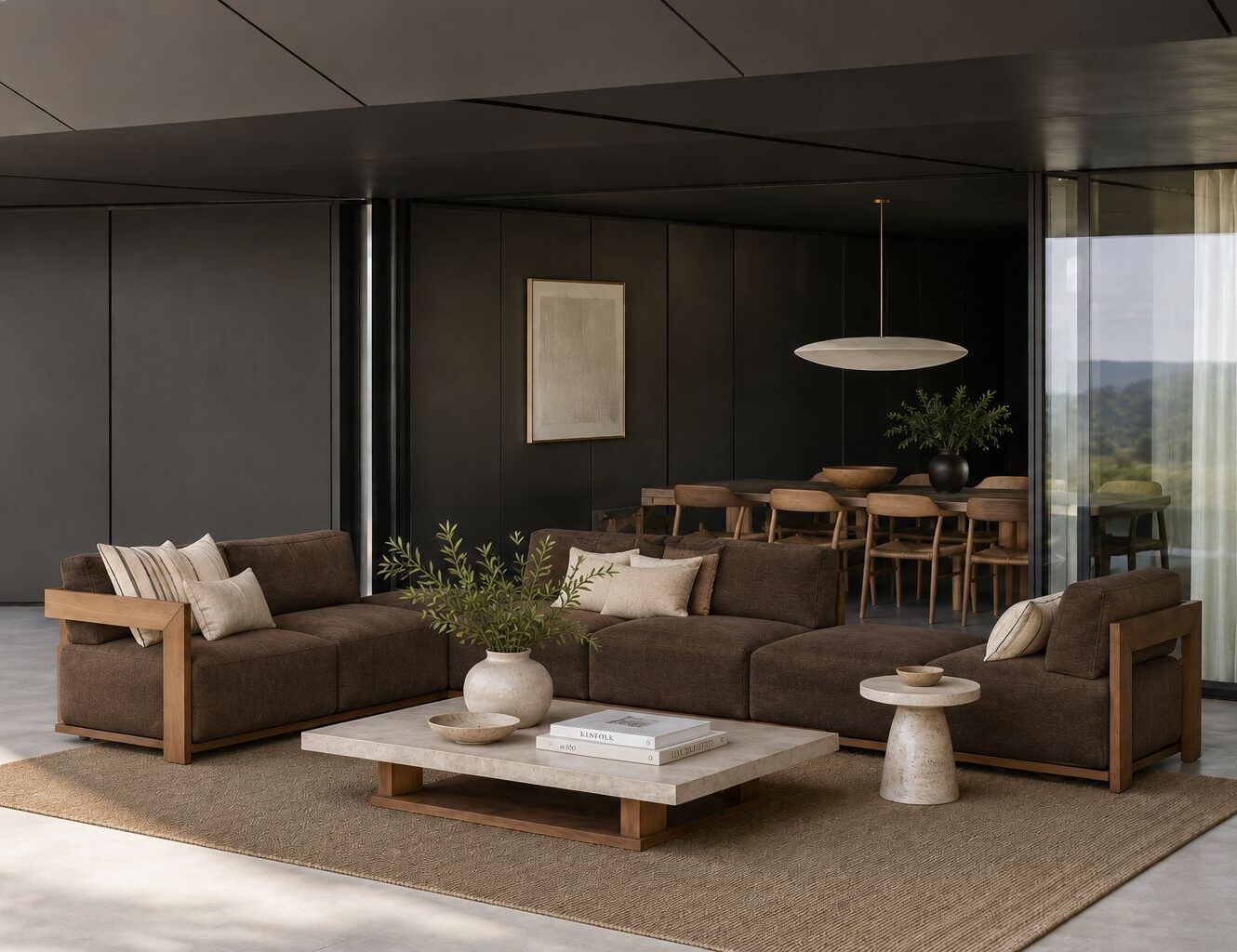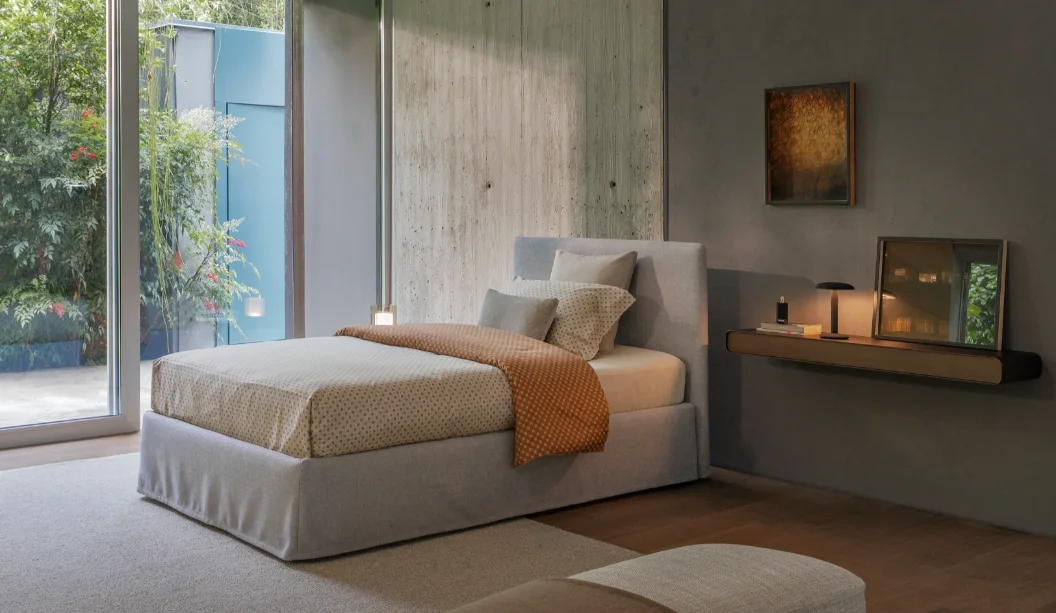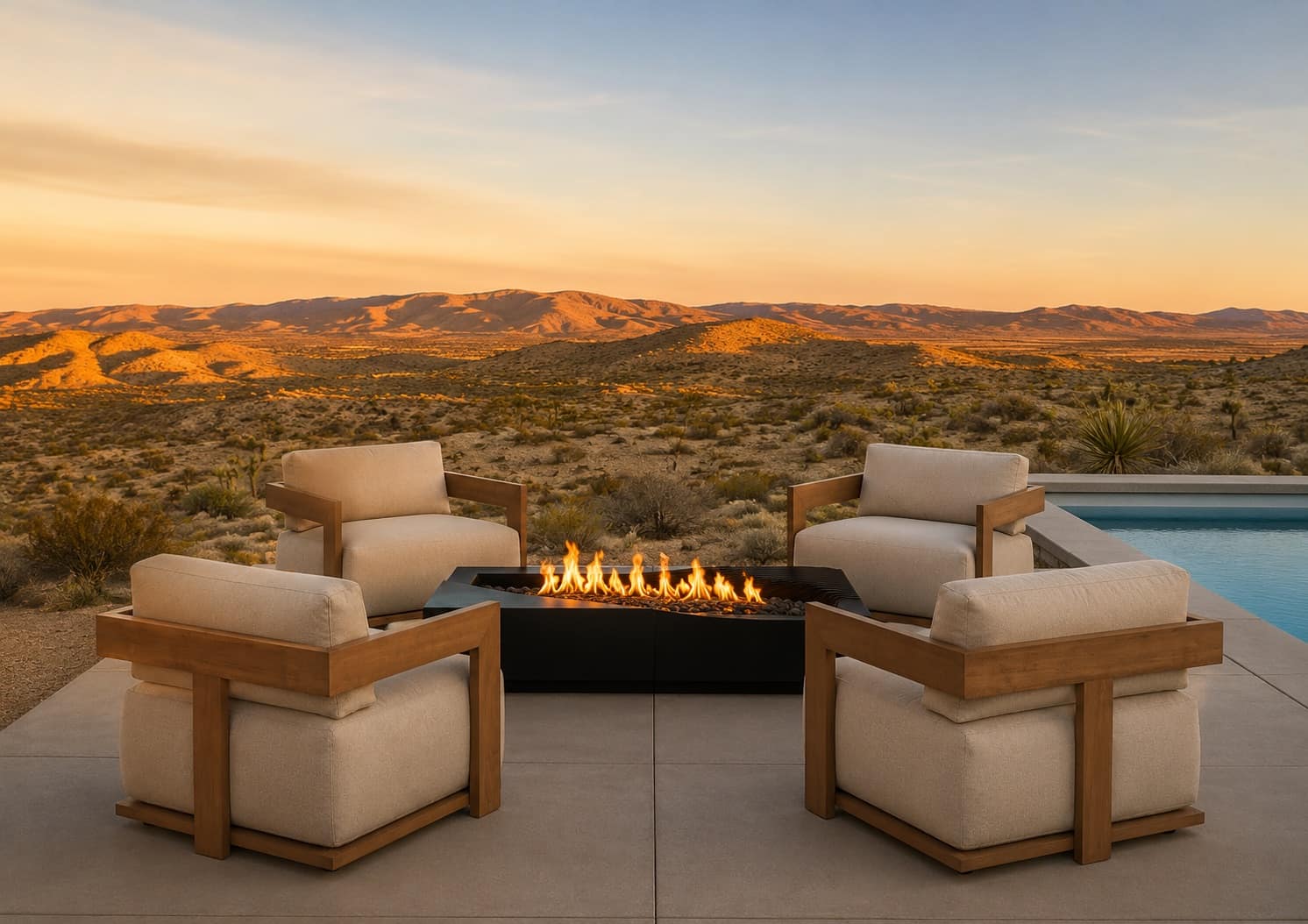

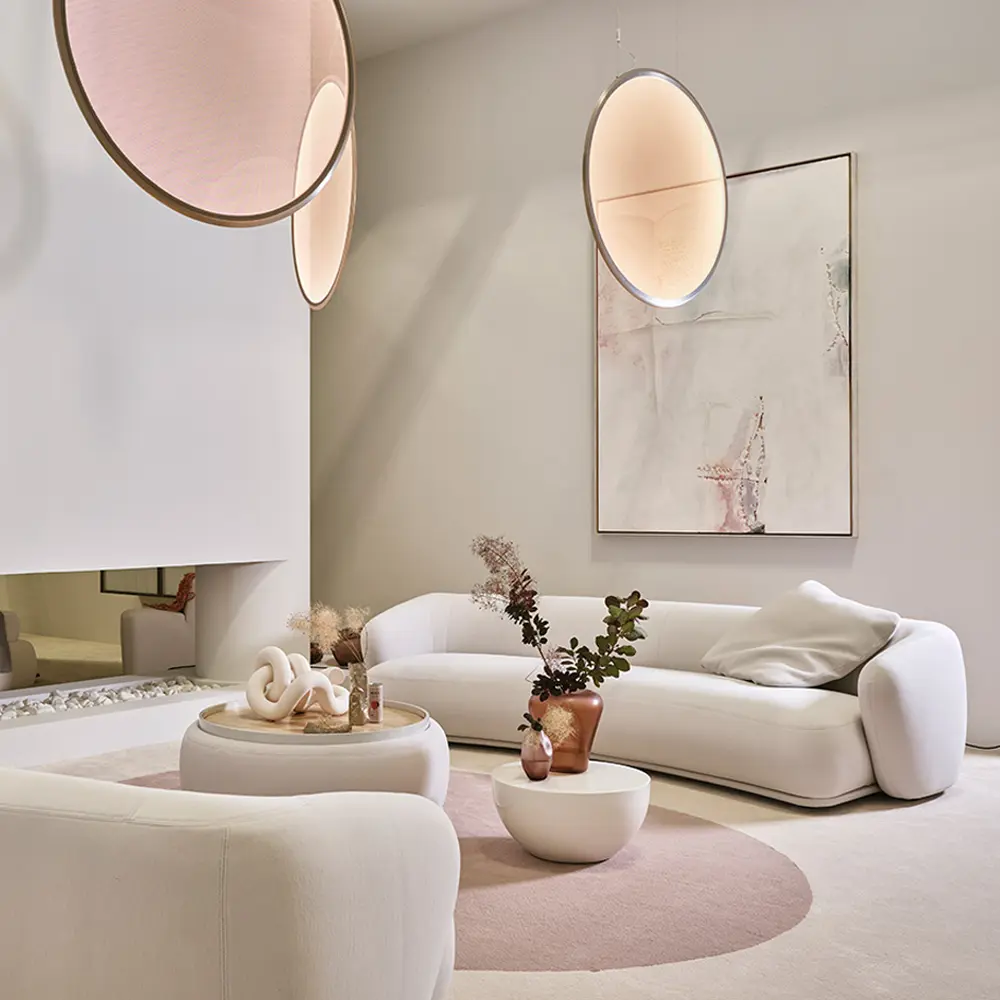
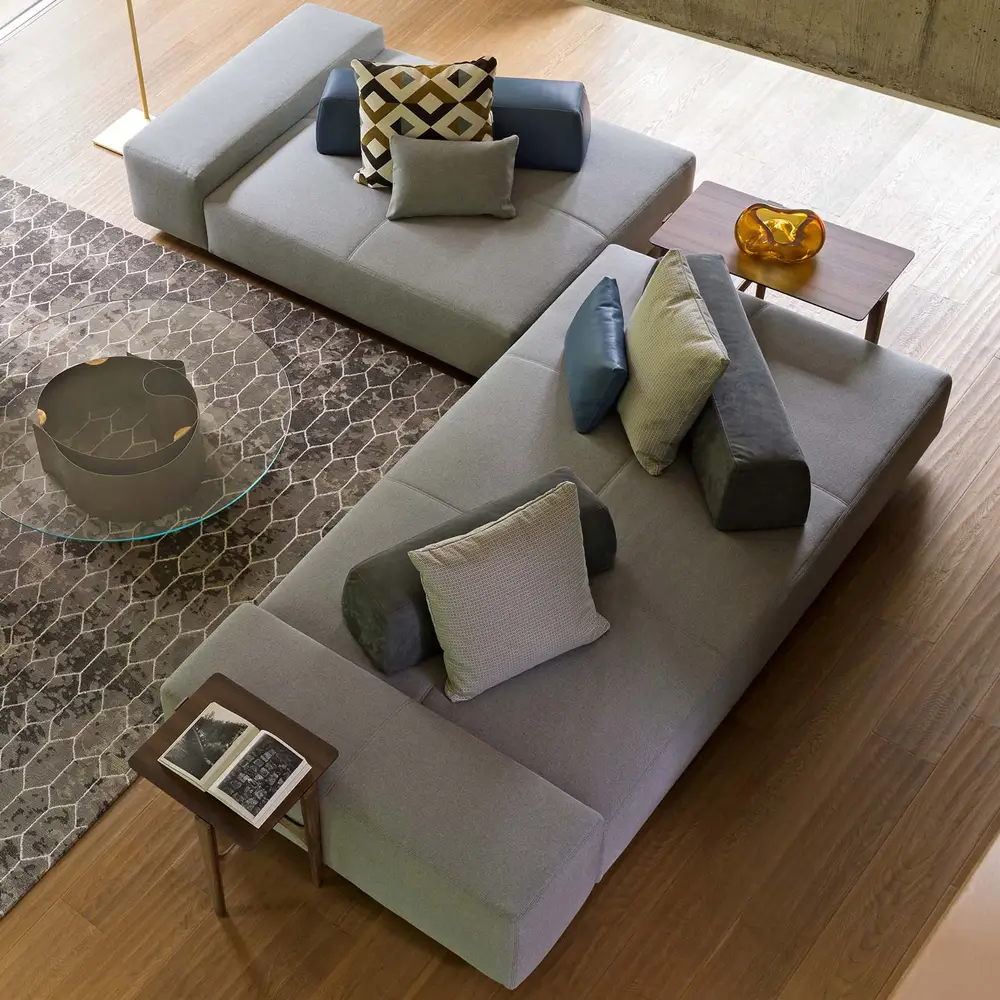
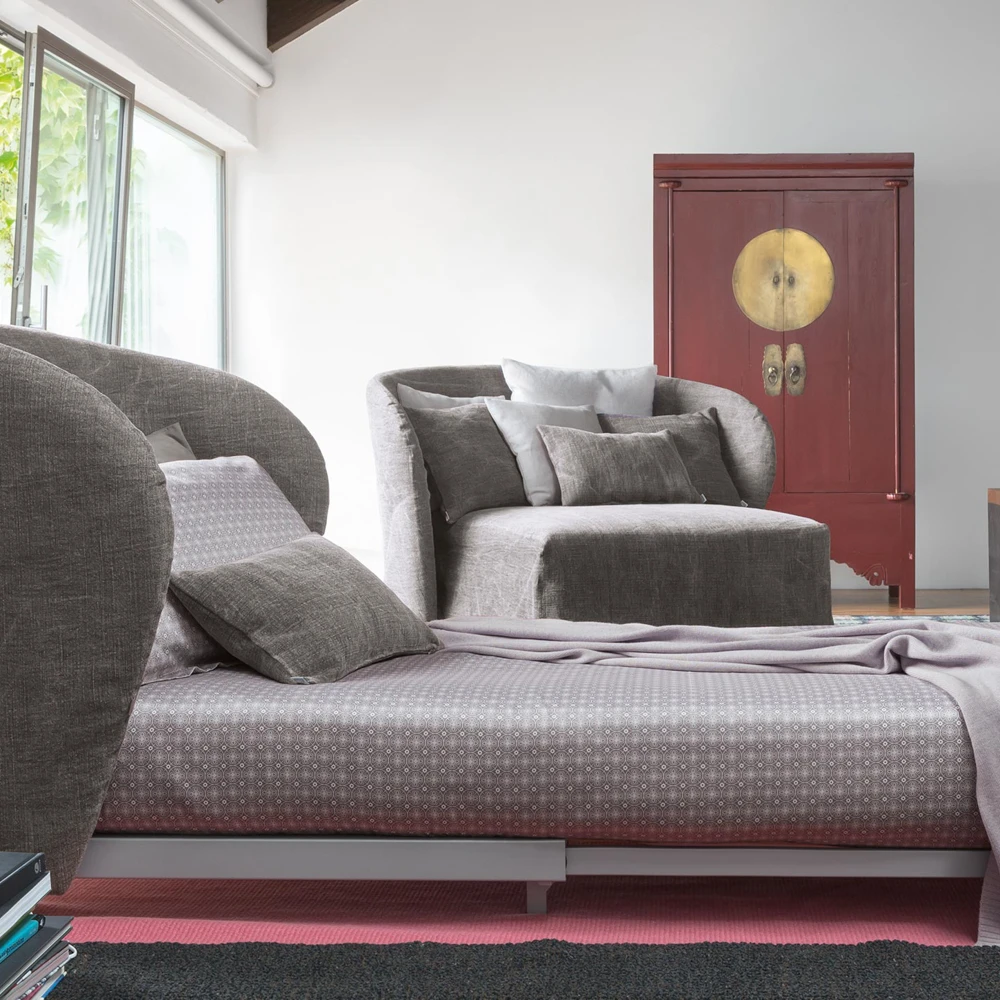
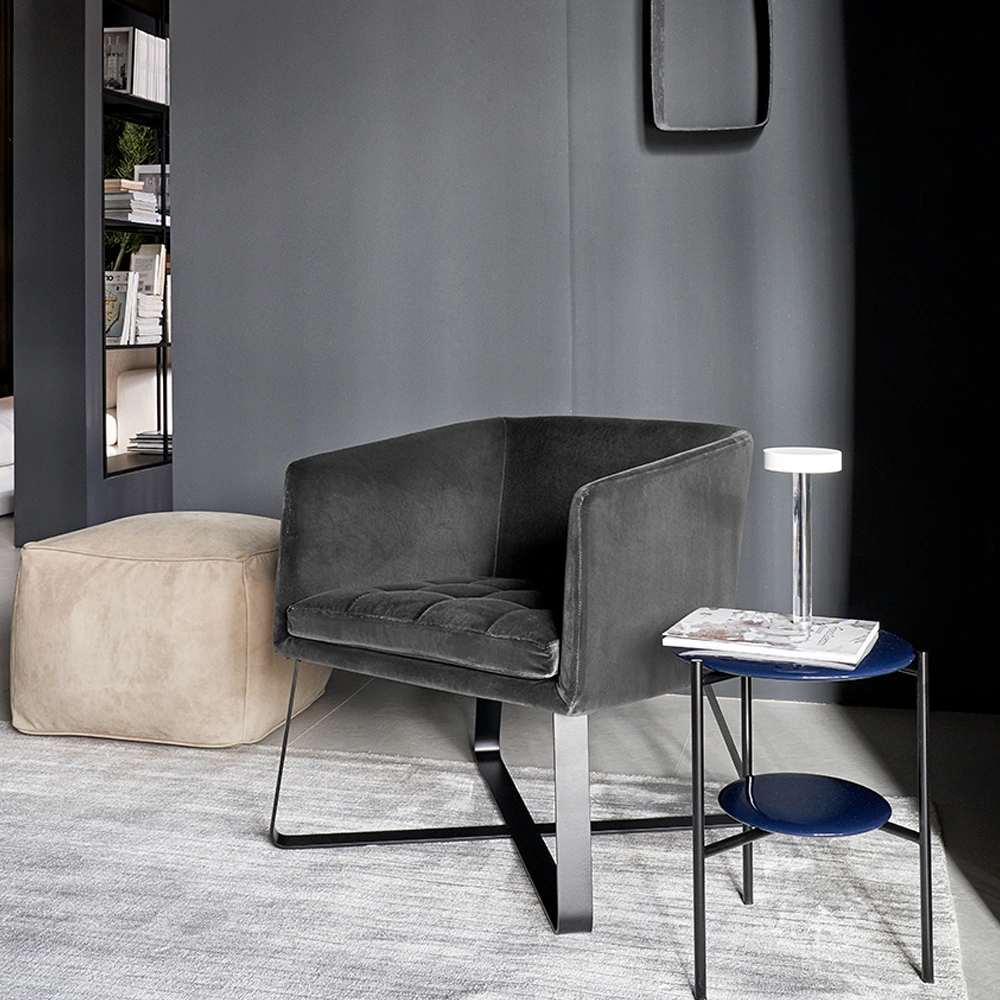


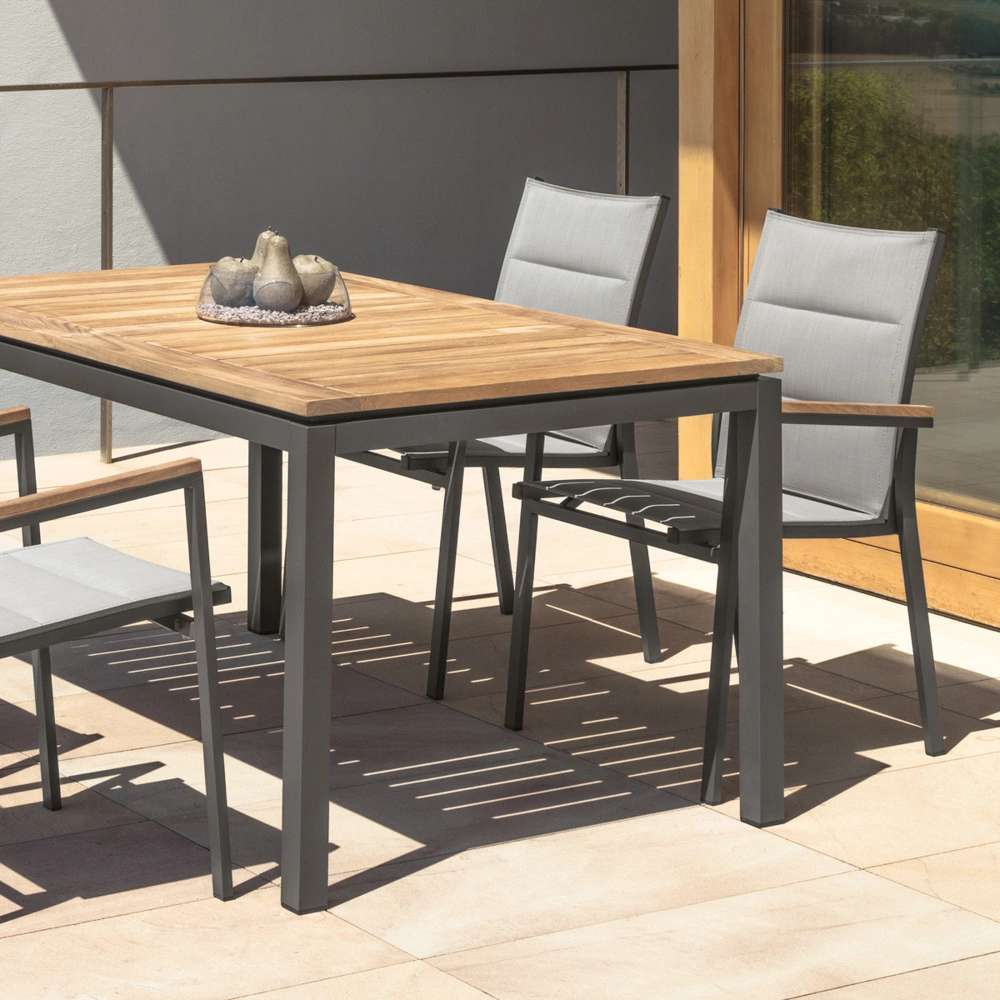
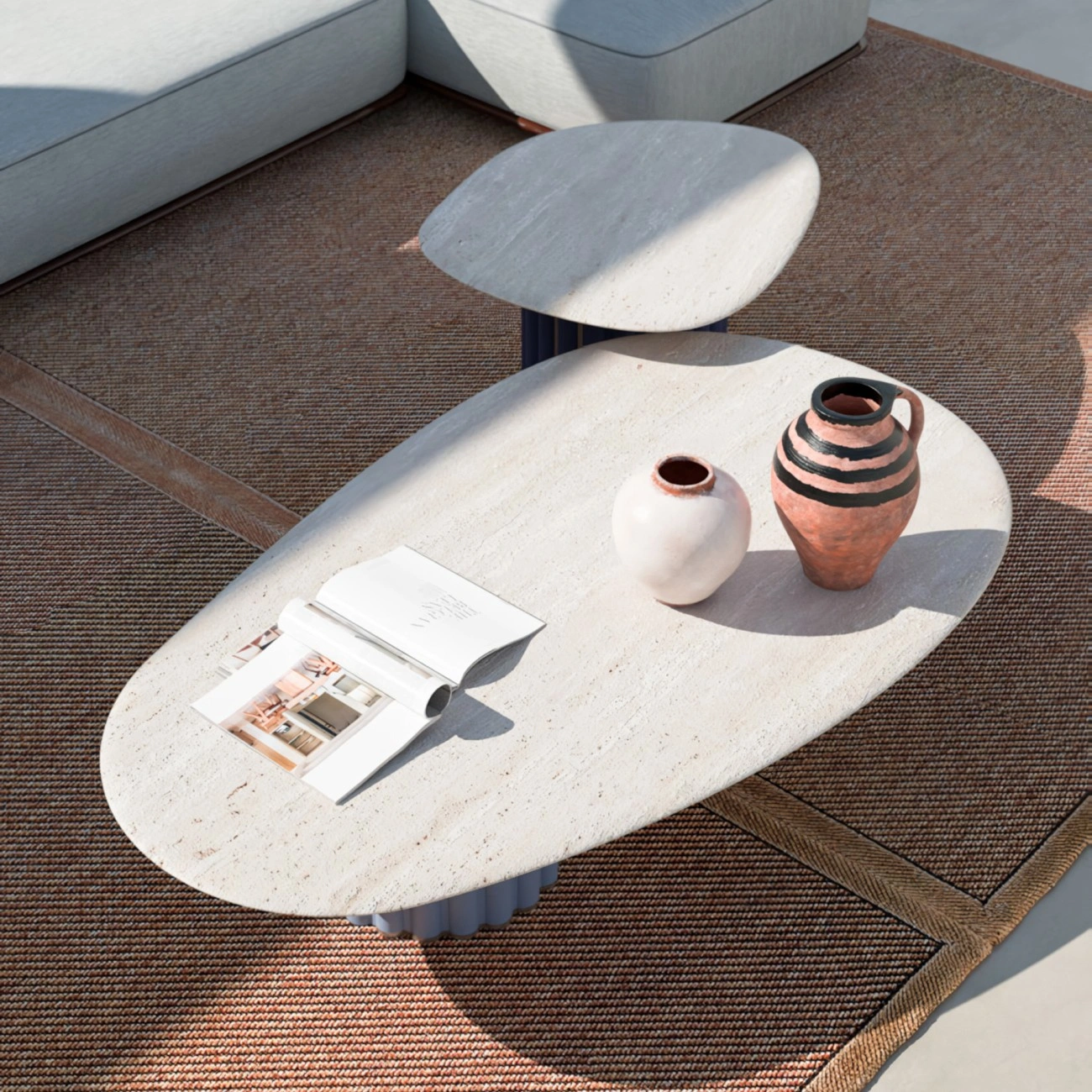


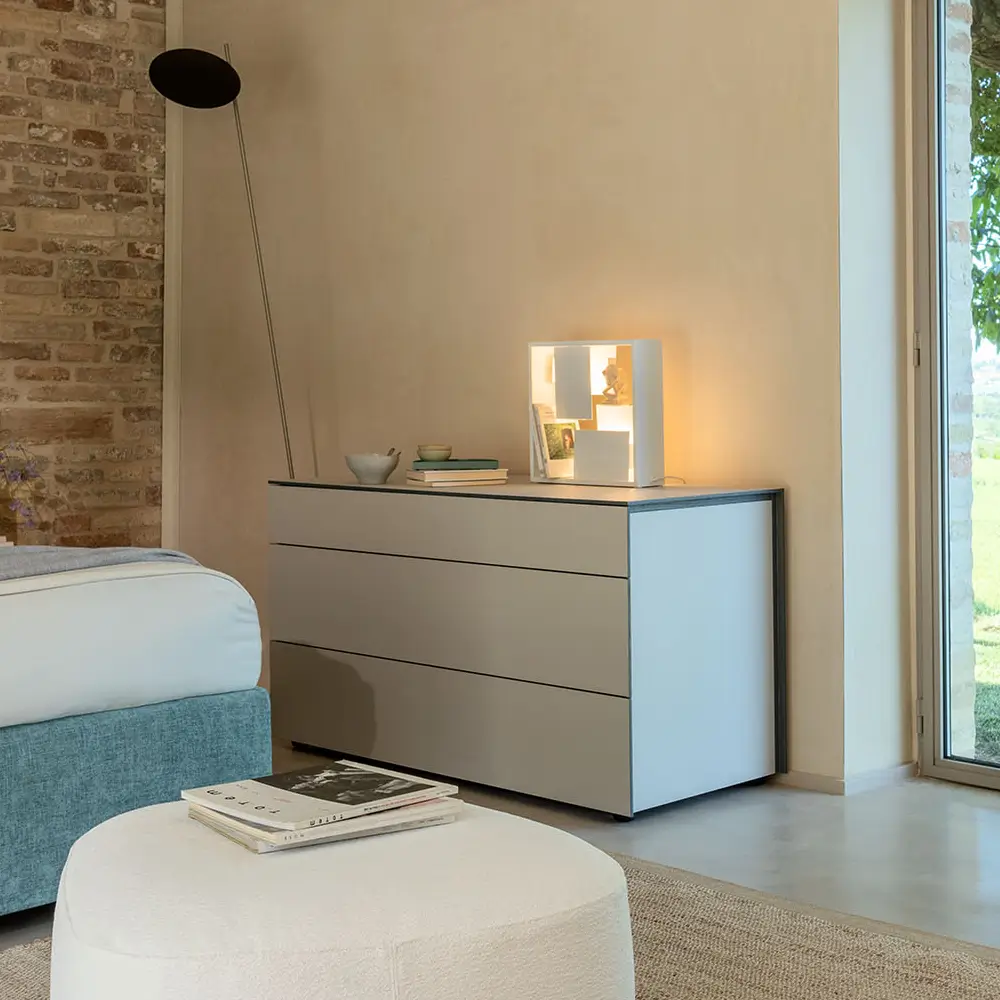
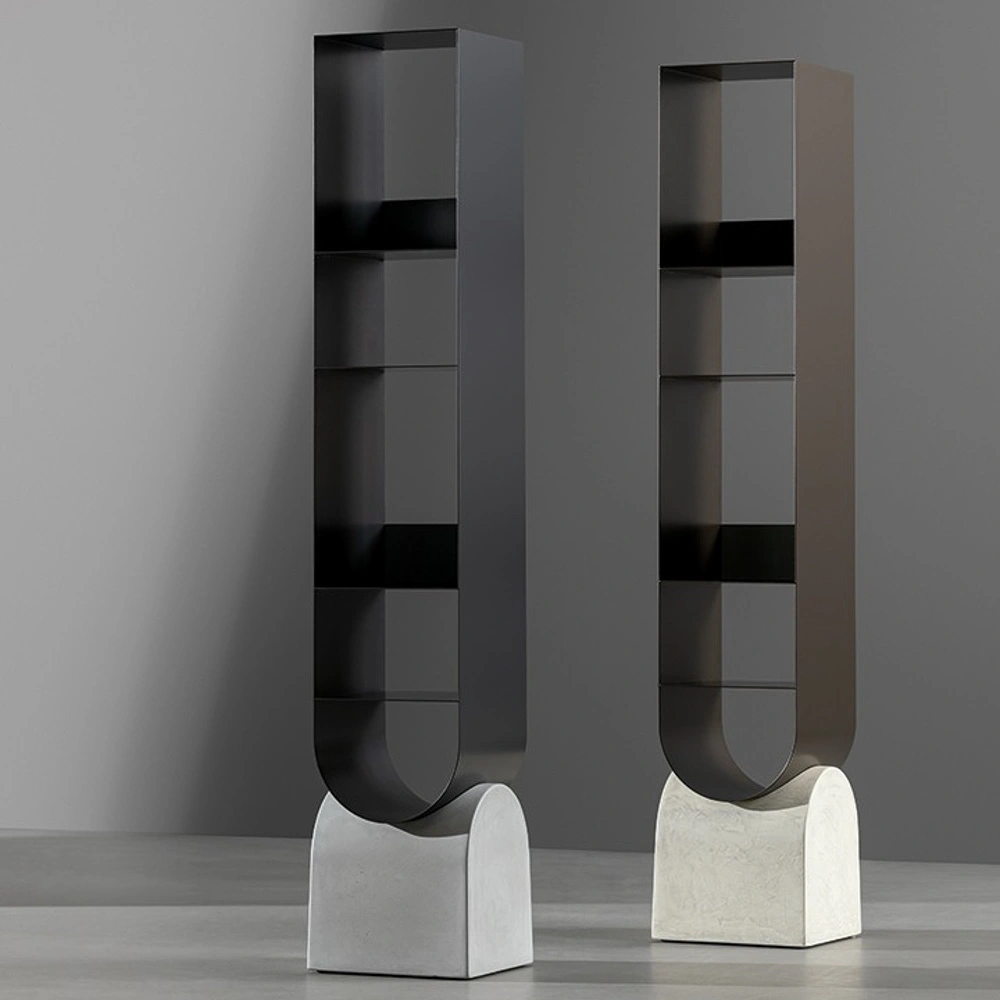
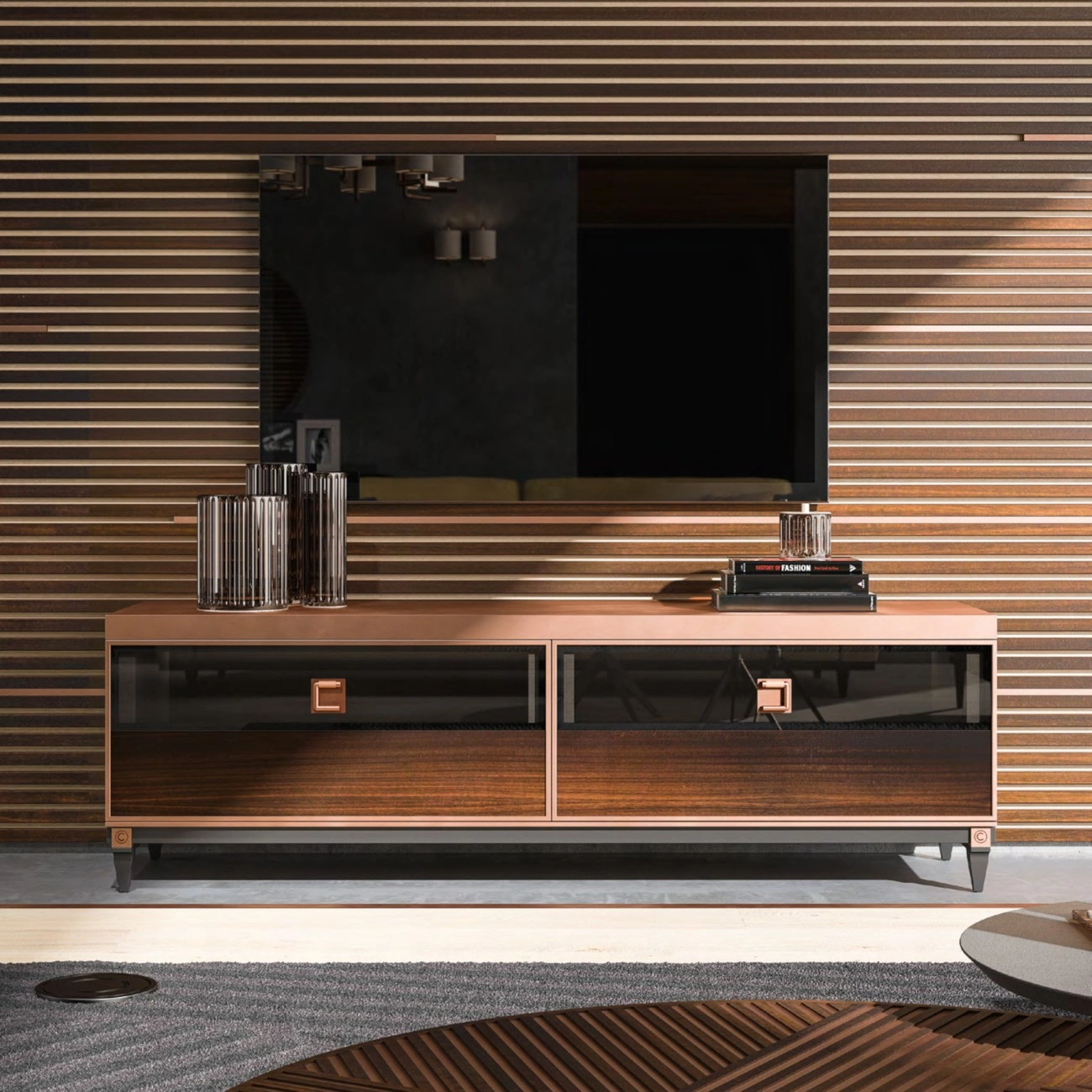
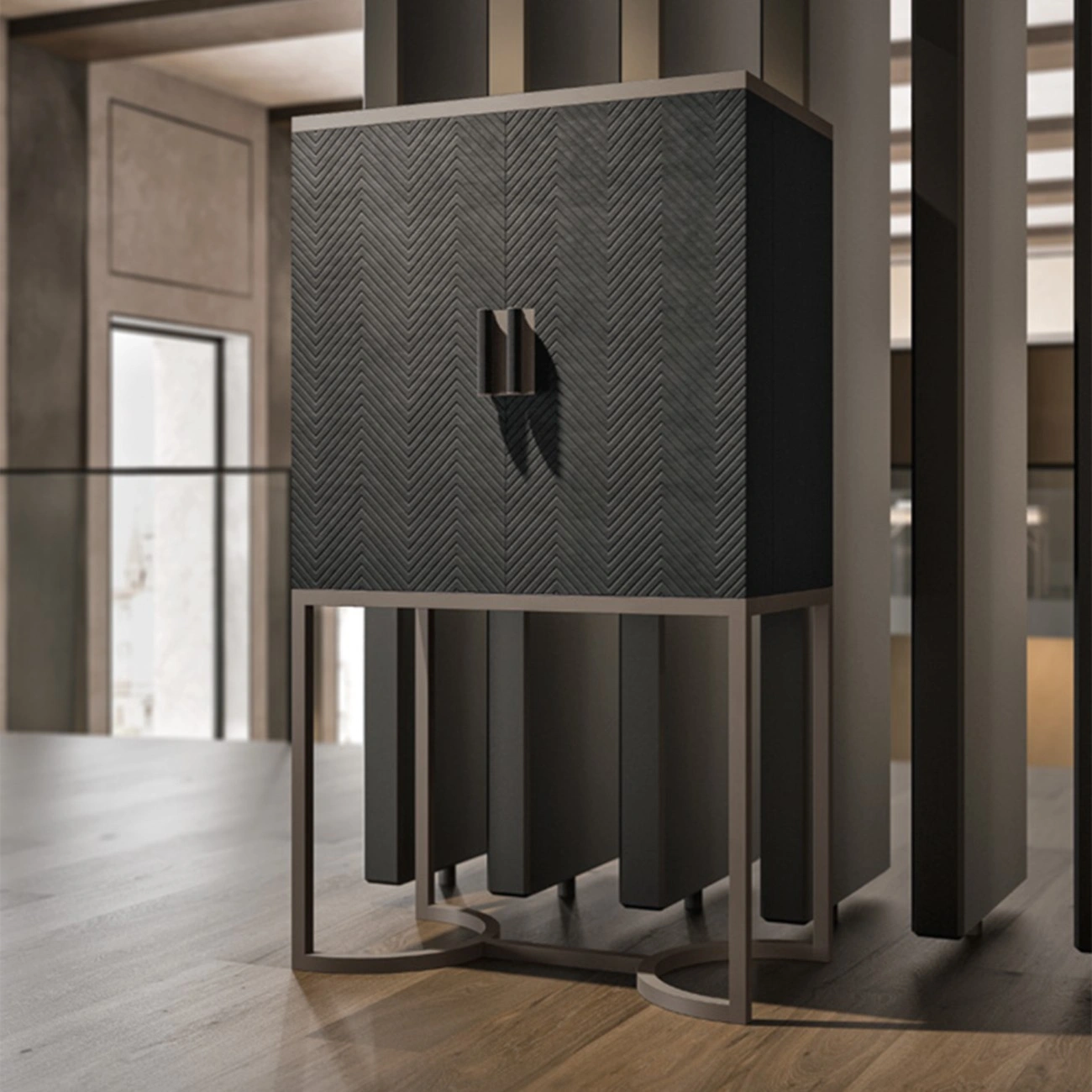

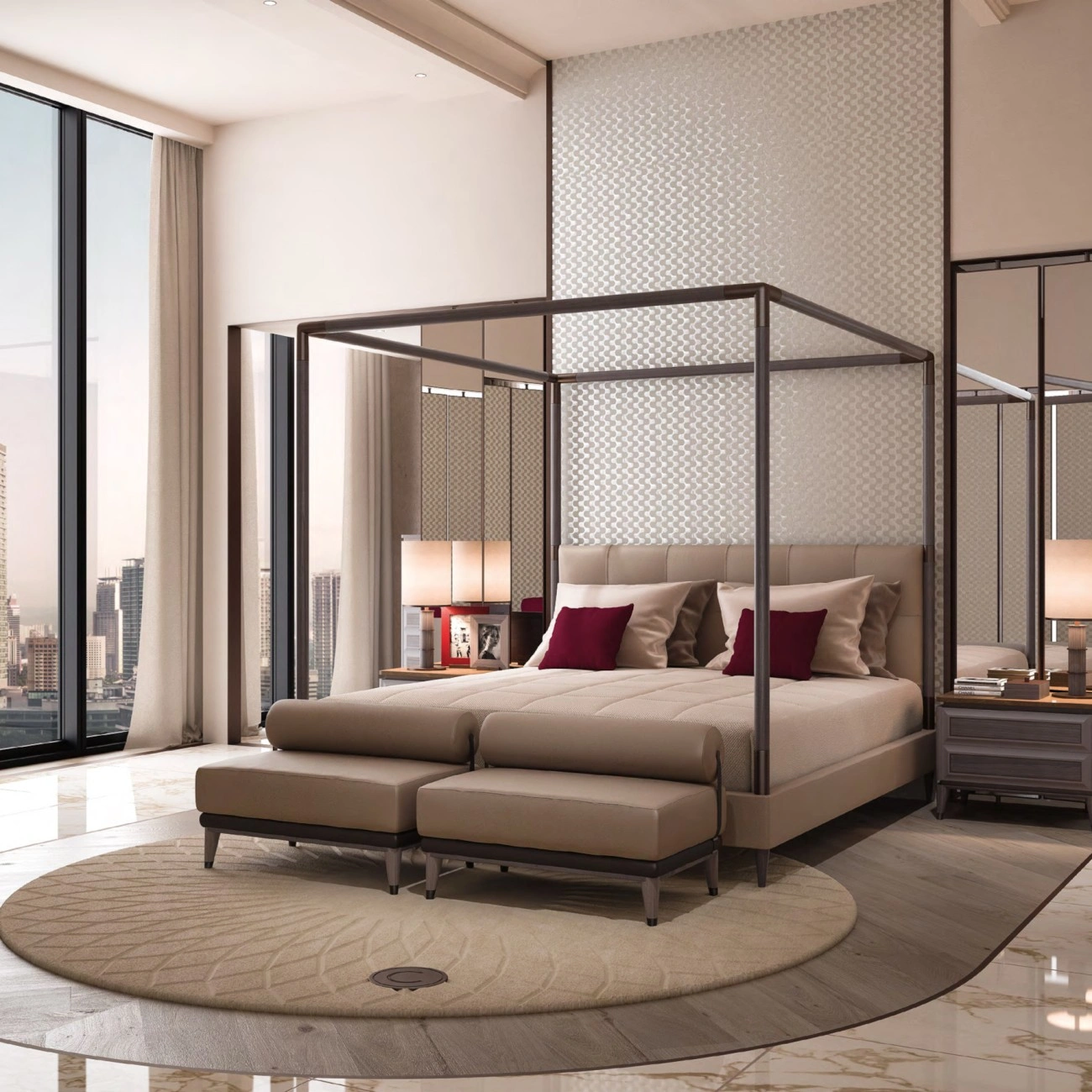
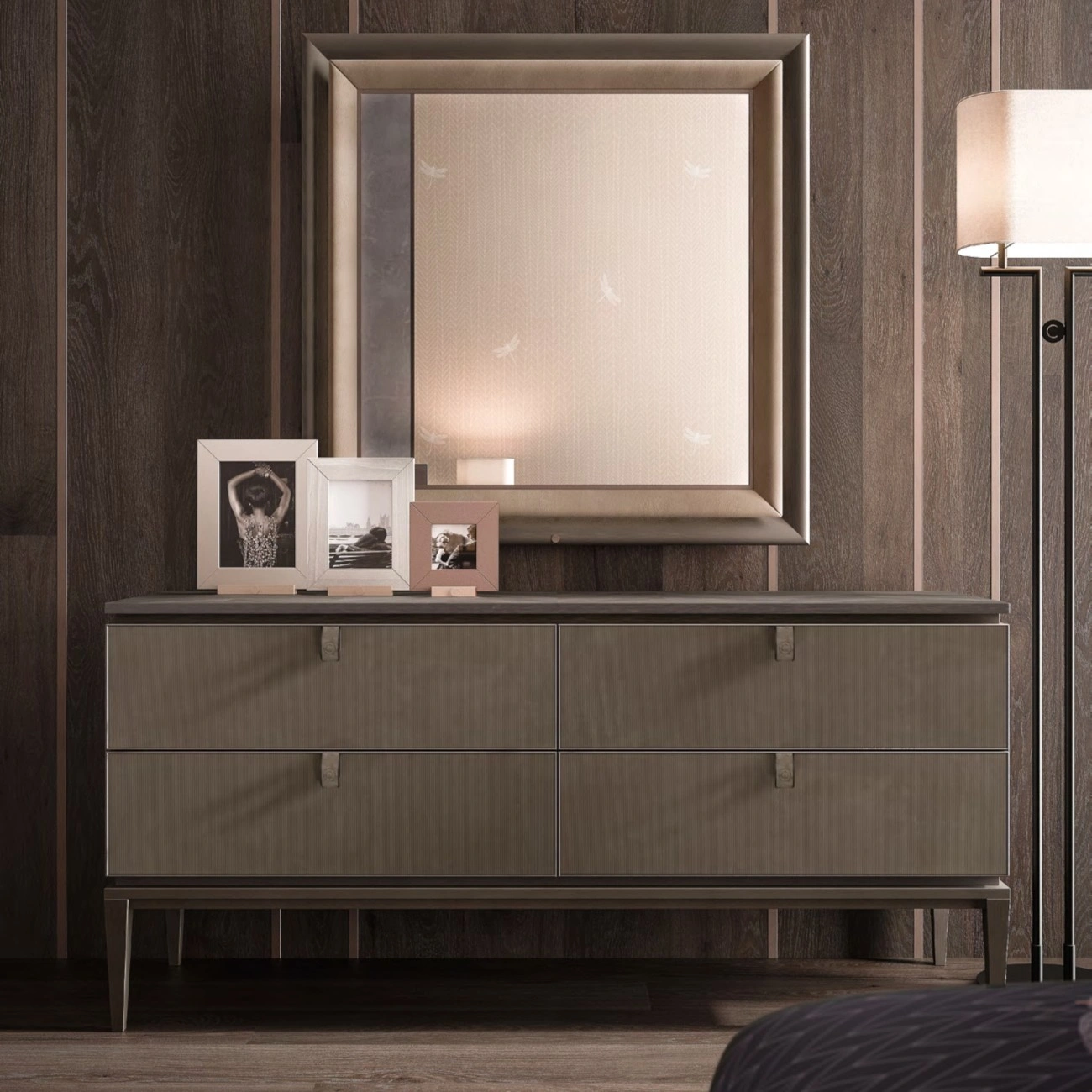

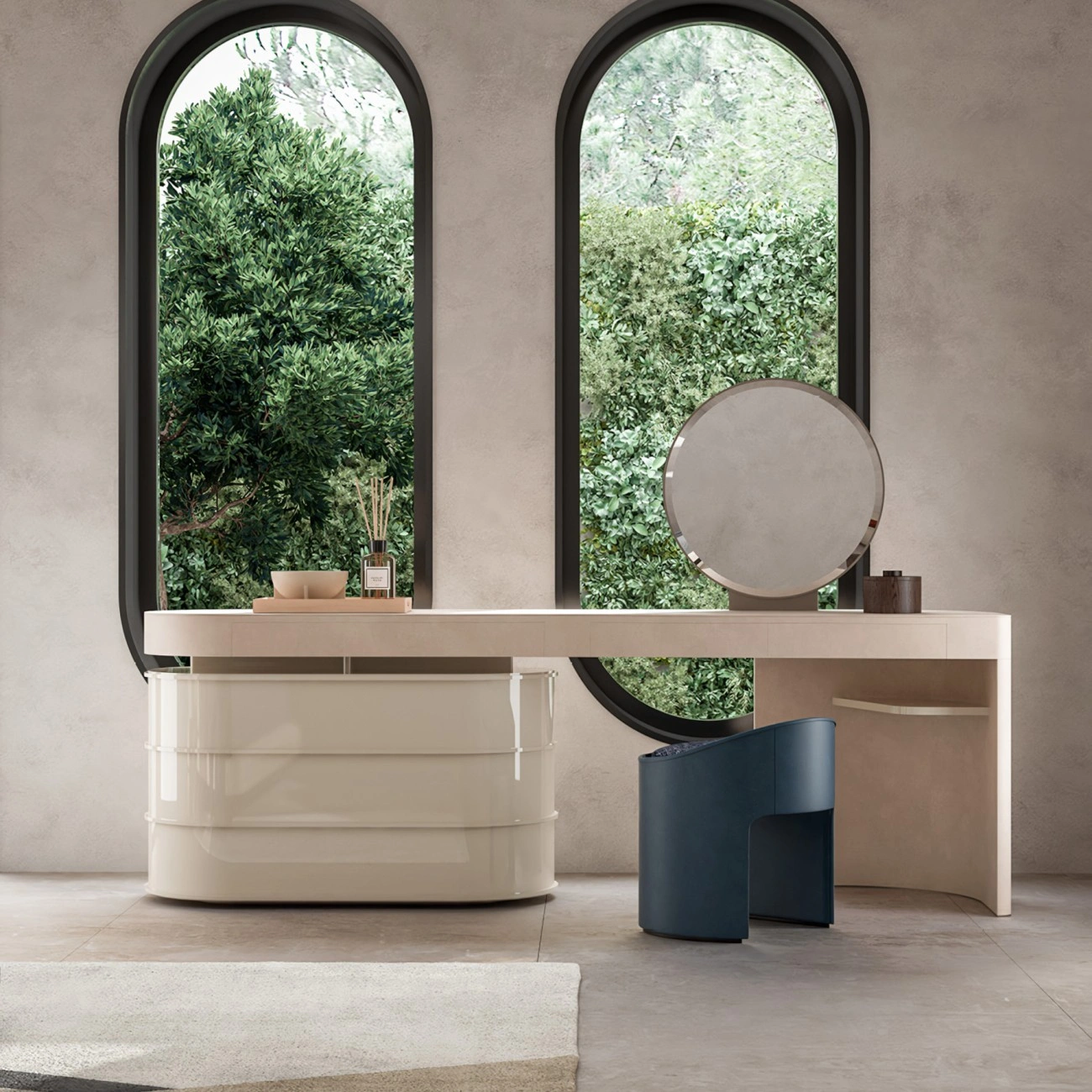
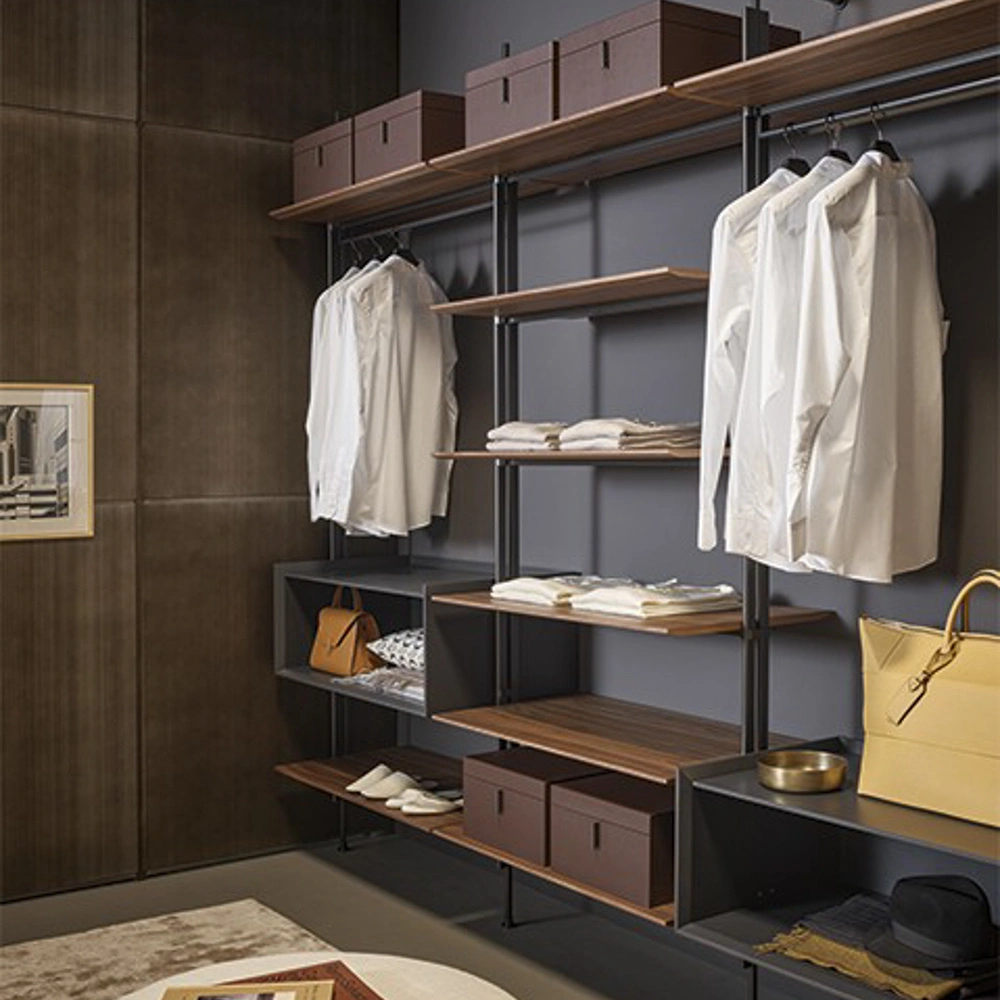
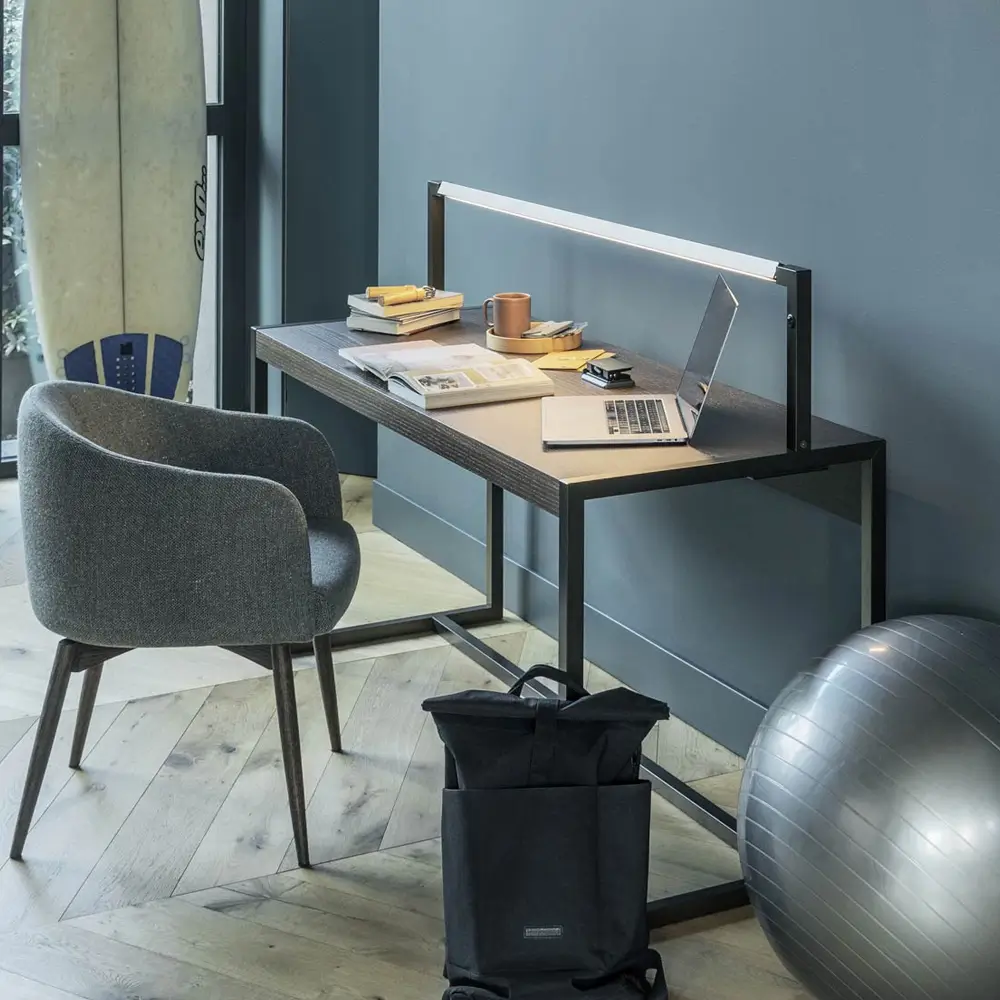


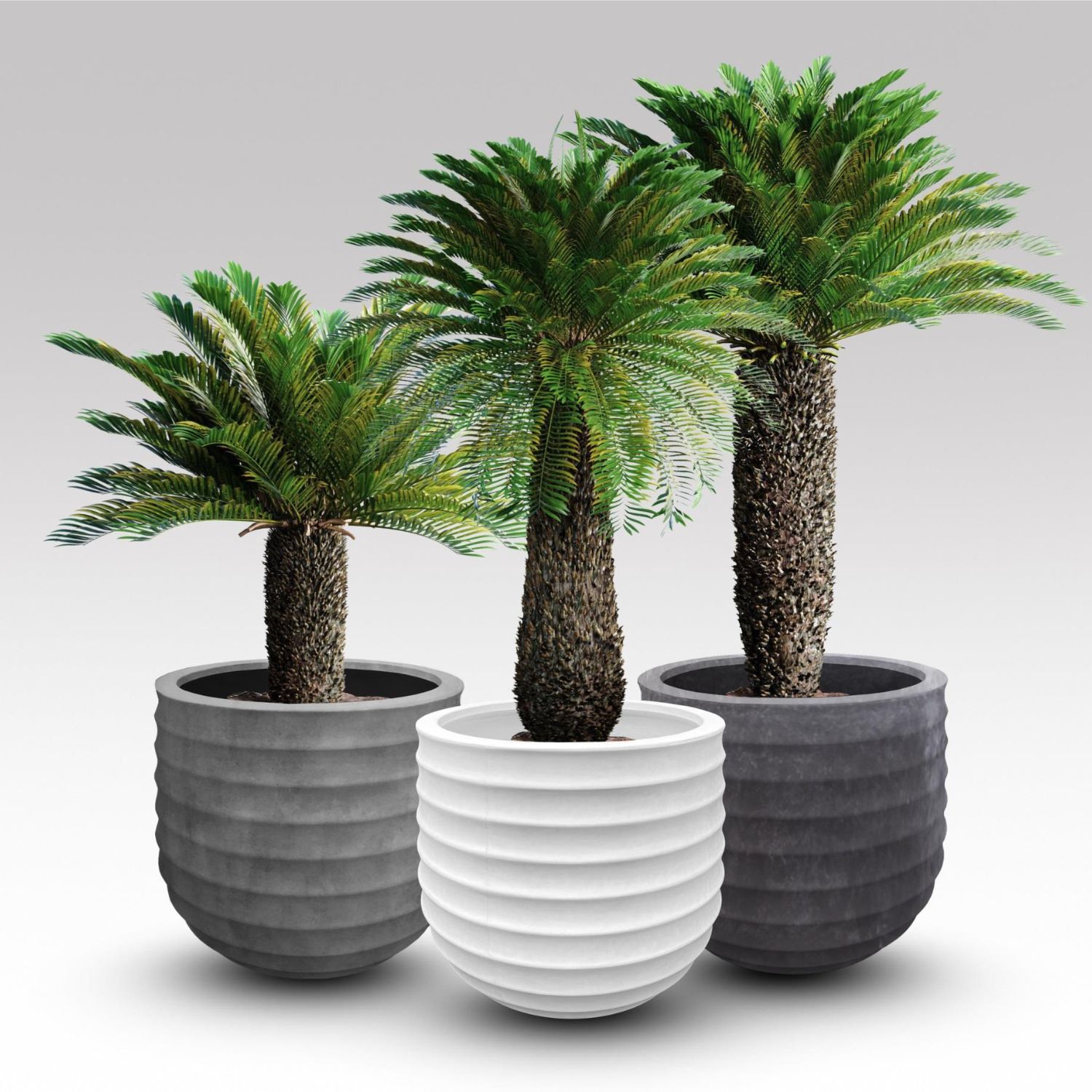


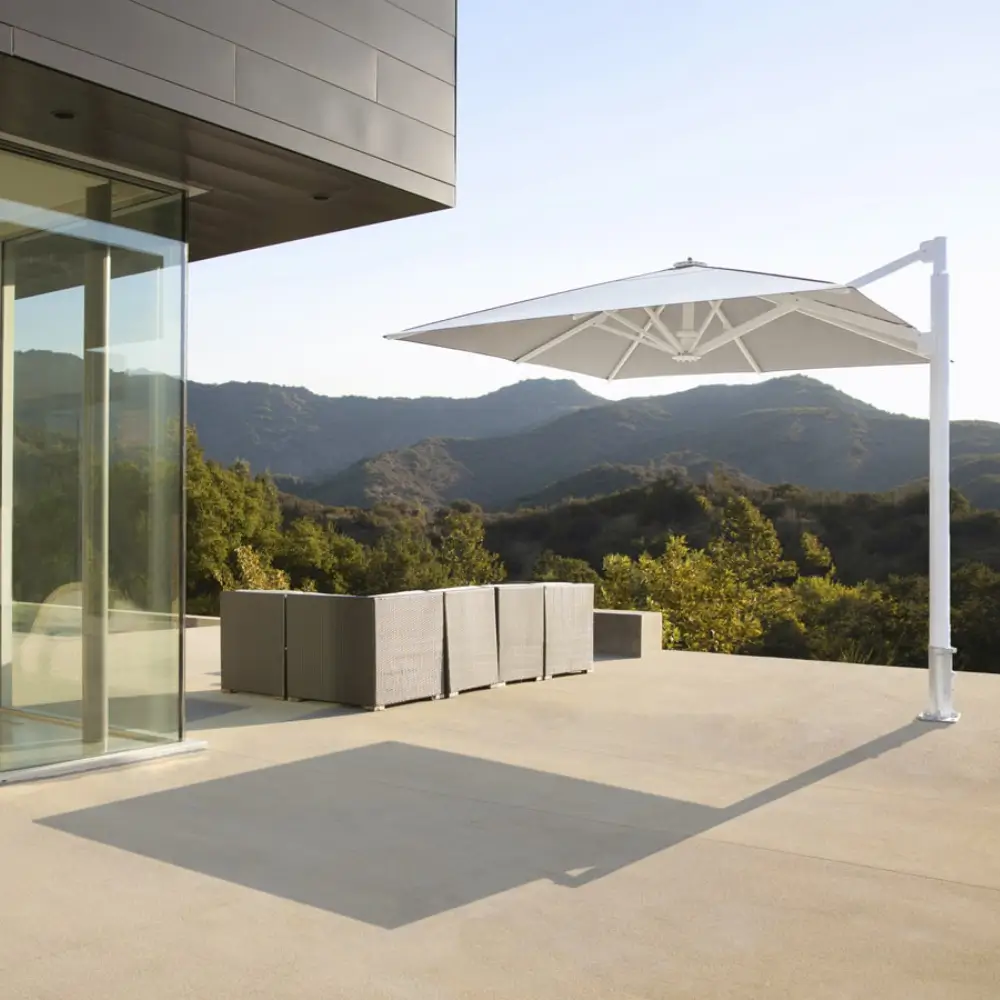


“Contemporary modern furniture” gets thrown around as shorthand for anything with thin legs and a beige fabric. In reality, it’s a specific design language sitting at the intersection of modernism’s discipline and today’s lifestyle: open plans, smaller footprints, and a demand for quiet, high-performance luxury. This design language is expressed through well-crafted living room furniture, including tailored sofas, sculptural armchairs, refined side tables, and architectural TV units that prioritize proportion, comfort, and longevity
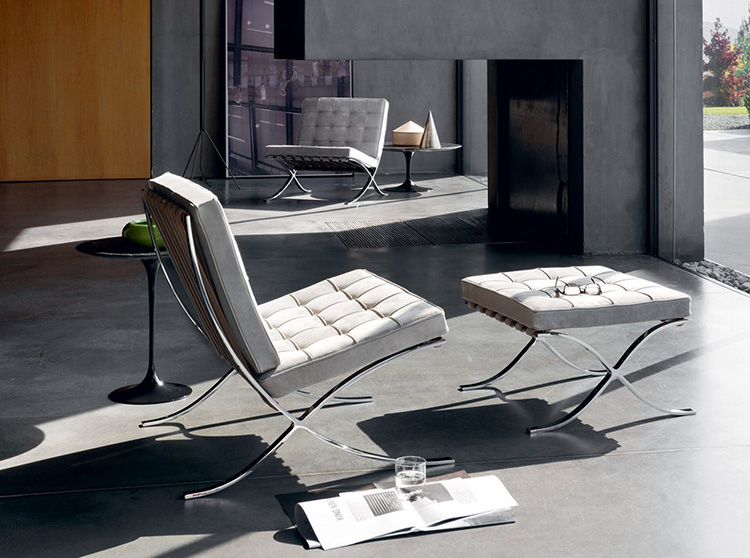
Contemporary furniture is typically defined by simple, uncluttered shapes, smooth surfaces, and an emphasis on function and form in equal measure. Neutral palettes dominate—grey, black, white, and beige,punctuated by controlled, intentional color rather than loud pattern for its own sake.
If “modern” originally meant Bauhaus, Le Corbusier, and the mid-century masters, “contemporary” is the constantly updating layer on top of that: what serious design looks like right now. Today, that includes modularity, sustainability, and an expectation that pieces feel as good as they look, ergonomic, durable, and easy to live with.
From Bauhaus to now: the lineage behind today’s silhouettes
You can’t understand contemporary modern furniture without acknowledging where it came from.
In the early 20th century, the Bauhaus school and figures like Walter Gropius pushed a radical idea: design should merge art and industry, and form should follow function. Furniture became “domestic equipment” rather than ornament—a rational, industrial product built around utility and clarity.
Designers such as Le Corbusier, working with Pierre Jeanneret and Charlotte Perriand, took these ideas into furniture: tubular steel frames, pure geometric volumes, and an explicit rejection of unnecessary decoration. Their metal-framed chairs and sofas in the late 1920s became instant modernist icons and set the tone for an entire century: clarity of structure, honest materials, and an almost architectural rigor.

Mid-century design extended that logic but softened it. Charles and Ray Eames experimented with molded plywood and fiberglass, creating pieces that were technically innovative but inviting—famously describing their lounge chair as having the comfort of a “well-worn baseball mitt.”
Contemporary modern furniture is essentially the next chapter of that story. It preserves the discipline—clean lines, clear geometry, and respect for materials—but adapts the language to:
- Smaller urban spaces
- Open-plan living
- Digital lifestyles (cable management, charging, flexible work surfaces)
- Sustainability and long-term value
The result is a category that feels familiar to anyone who loves mid-century or Bauhaus, but is tuned for how people actually live in 2025.
What defines contemporary modern furniture today
Strip away the marketing and a few core design codes show up again and again when you’re looking at serious contemporary modern furniture.
1. Clean geometry, controlled softness
Contemporary pieces avoid ornament: no scrolls, no heavy carving, no unnecessary trim. Shapes are streamlined, with either straight edges or very controlled, soft curves. Think low-profile sofas, squared-off lounge chairs, smooth-front credenzas, and integrated pulls instead of decorative hardware.
What’s changed versus early modernism is the attitude toward comfort. Seat depths are more generous, back cushions are softer, and fabrics have more tactility. The form remains disciplined, but the user is no longer expected to sit bolt upright in a steel tube.
2. A neutral base with deliberate accents
Most high-end contemporary spaces start with neutrals: off-whites, taupes, warm greys, black, and natural wood tones. Furniture extends that base—linen, bouclé, wool, leather—then adds carefully chosen accents through a single chair, a rug, or lighting.
This is not about playing safe; it’s about longevity. A neutral, well-proportioned sofa will survive multiple trend cycles. The user can swap cushions, art, or side tables without throwing away the core investment pieces.
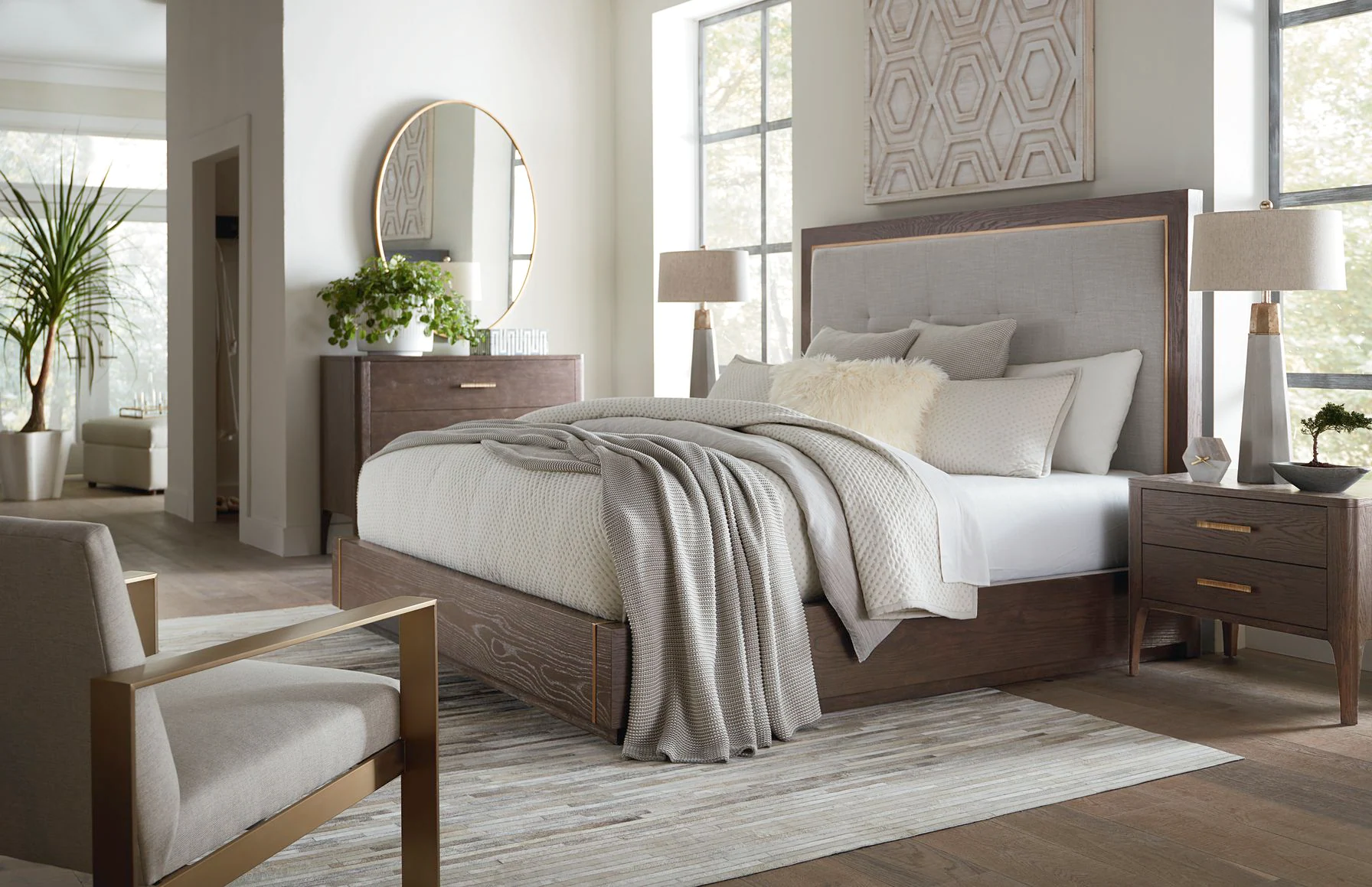
3. Mixed materials, restrained details
Contemporary modern furniture often combines glass, metal, and wood in the same piece: a slim metal frame, a timber top, perhaps a stone or glass insert. The aim is contrast—soft vs. hard, matte vs. polished—rather than decorative excess.

Hardware is minimal. You’ll see push-latch doors, thin metal pulls, or integrated handholds. Joinery and proportion do the talking, not ornate metalwork. High-quality wooden furniture, particularly solid wood cabinets, media units, and dining surfaces, anchors these mixed-material compositions with warmth and architectural credibility.
4. Function as a non-negotiable
The real test of contemporary design is how it performs. Storage pieces must be practical—full-extension drawers, soft-close hardware, cable access for media equipment. Upholstery must balance aesthetics with ergonomics; a sofa that photographs well but is impossible to lounge on doesn’t make it into the long-term modern canon.
The business of contemporary luxury: a growing market
This isn’t just an aesthetic movement; it’s a serious market. Estimates put the global luxury furniture sector in the high tens of billions of dollars, with multiple analyses projecting steady growth—roughly 4–6% annual CAGR through 2030, driven by expanding real estate, rising disposable incomes, and a stronger focus on interior design as a status signal.
The contemporary segment sits at the heart of that growth curve. It is:
- Visually timeless enough to justify high price points
- Flexible enough to work in both residential and hospitality projects
- Global in language, making it easy for brands to launch in new regions without rewriting their design vocabulary
For luxury brands, this means collections that can live in a Milan penthouse, a Los Angeles hillside home, or a Dubai hotel suite with minimal cultural translation. For clients, it means a higher expectation: if you are paying luxury prices, you expect the piece to look current for more than one season.
Sustainability: the new backbone of “good” design
One of the biggest shifts in contemporary modern furniture is invisible at first glance: the supply chain. Sustainable design has moved from marketing line item to baseline requirement.
Serious manufacturers are now working with FSC or PEFC-certified wood, low-VOC engineered panels, and foams certified for reduced chemical emissions. Many are also experimenting with recycled metals, fabrics made from upcycled plastic bottles and finishes that avoid harmful solvents.
From a design standpoint, sustainability shows up in three ways:
- Material sourcing
Certified hardwoods, responsibly managed forests, recycled metals, and recycled-content textiles. This is not just about eco-badges; it affects stability, colorfastness, and performance over time. - Construction for longevity
The most sustainable sofa is the one you don’t need to replace. High-density foams, robust frames, replaceable covers, modular components, and repairable parts all extend lifespan. - Modular, flexible systems
Contemporary modular seating, shelving, and tables allow reconfiguration as life changes—moving from apartment to house, turning a home office into a nursery, or adapting a hospitality layout without scrapping everything.

Luxury clients are increasingly asking how pieces are made, not just how they look. Brands that can prove their materials, certifications, and repairability are better positioned for long-term relevance.
Aesthetics in flux: quiet luxury, loud luxury, and menswear interiors
Within contemporary modern furniture, there’s no single “look” right now. Instead, you see several overlapping micro-movements, all anchored by the same foundational principles.
Quiet luxury
This is the minimal side of contemporary: low, tailored sofas, tactile neutrals, fine but understated woodwork, and near-invisible branding. The luxury is in the hand of the fabric, the weight of the drawer glide, the precision of a mitered joint.
Loud luxury
At the other end, recent coverage has highlighted “loud luxury” as a countertrend: bolder color, dramatic patterns, and rich materials like lacquer, brass, and velvet used in a deliberate, almost editorial way. The underlying forms stay relatively clean; what changes is the confidence of the palette and the scale.
Menswear-inspired interiors
High Point Fall Market recently showcased menswear-inspired design—suiting textiles like tweed and herringbone, darker woods (walnut, ebonized oak), stitched leather, and chrome or polished nickel hardware instead of brass Contemporary modern pieces become almost “tailored garments” for a room: structured, textural, and quietly authoritative.

The rise of curves and circles
Another strong thread is the use of curves—arched forms, circular coffee tables, rounded sofas, and sculpted lighting. Designers point to circles and curves as a way to soften rigid layouts, promote social interaction, and create a more inviting, human feel.
All of these currents operate within the same framework: clarity of form, strong materials, and a high standard of construction. The differences are in tone and attitude, not in quality.
How contemporary modern furniture supports real life
From an expert perspective, the real test of contemporary modern furniture is simple: does it make life better without calling too much attention to itself?
In the home, this often means:
- Sofas that are deep enough for lounging but not so oversized that they overwhelm a smaller living room
- Media units that conceal cables, routers, and speakers, but offer ventilation and service access
- Tables that are proportioned for laptops and long dinners, not just staged photos
- Storage that respects real objects: tall wardrobe interiors that actually fit long coats, drawers sized for tableware, integrated charging trays
In hospitality and commercial spaces, contemporary modern furniture does something slightly different. It acts as a calm, coherent background for a brand story:
- A hotel lobby might use modular seating and sculptural side tables to create subtle zones without crowding the space.
- A restaurant may rely on upholstered banquettes with clean lines, letting the tableware and lighting set the mood.
- A co-working space might combine streamlined desks, acoustic panels, and soft lounge pieces to allow multiple “working postures” without visual chaos.
The through-line is intentionality. Every element has a job: support, store, frame, or soften. If a piece doesn’t earn its footprint, it doesn’t belong in a serious contemporary project.
How to recognize a well-designed contemporary modern piece
For clients and professionals, a few objective checks separate real contemporary modern furniture from superficial imitations:
- Proportion and scale
Look at how the thickness of a leg relates to the top it carries, how the seat height relates to the back height, and how the piece sits in a room. Good contemporary design feels calm and balanced even before you touch it. - Material honesty
If something looks like wood, it should either be wood or be very transparent about being a composite chosen for stability. The same goes for metals, stone, and leather. High-end pieces don’t try to disguise cheap materials. - Detailing and joinery
On closer inspection, you should see precise seams, consistent stitching, clean joints, and well-finished edges. Doors should align; drawers should run smoothly to full extension; upholstered corners should be tight and even. - Ergonomics and use
Sit in the chair. Lean back on the sofa. Open the cabinet with one hand while holding something in the other. Contemporary design has no patience for furniture that looks good but is awkward to use. - Lifecycle thinking
Ask how the covers can be cleaned or replaced, whether parts can be repaired, and what warranties are in place. The better the answers, the more likely you’re dealing with serious contemporary modern furniture, not a disposable trend piece.
Where contemporary modern furniture is heading
Looking ahead, several trajectories are already visible:
- Deeper integration of sustainability: not just eco-friendly materials, but cradle-to-cradle thinking—take-back programs, refurbishment, and certified supply chains.
- Modularity and adaptability: more systems like Snøhetta and Citterio’s “Borealis” collection—architectural sofa and table families with unified frames, consistent footprints, and flexible configurations for different spaces.
- Digital-first design: furniture designed with 3D visualization, AR tools, and parametric customization in mind, allowing clients to adjust size, finish, and configuration while keeping the core design language intact.
- A broader definition of luxury: moving from pure material conspicuousness to a mix of craftsmanship, sustainability, and emotional resonance—how a piece ages, how it feels to live with, and how seamlessly it fits into a person’s daily rituals.
In that context, contemporary modern furniture isn’t just another style label; it’s the current operating system of serious interior design. It takes a century of modernist thinking, plugs it into the realities of 21st-century life, and demands that every piece earn its place—visually, functionally, and ethically.
That’s what Google should see when it analyses this category: not buzzwords, but a coherent design logic, a real industry, and a set of standards that separates true contemporary modern furniture from generic “minimal” decor.