










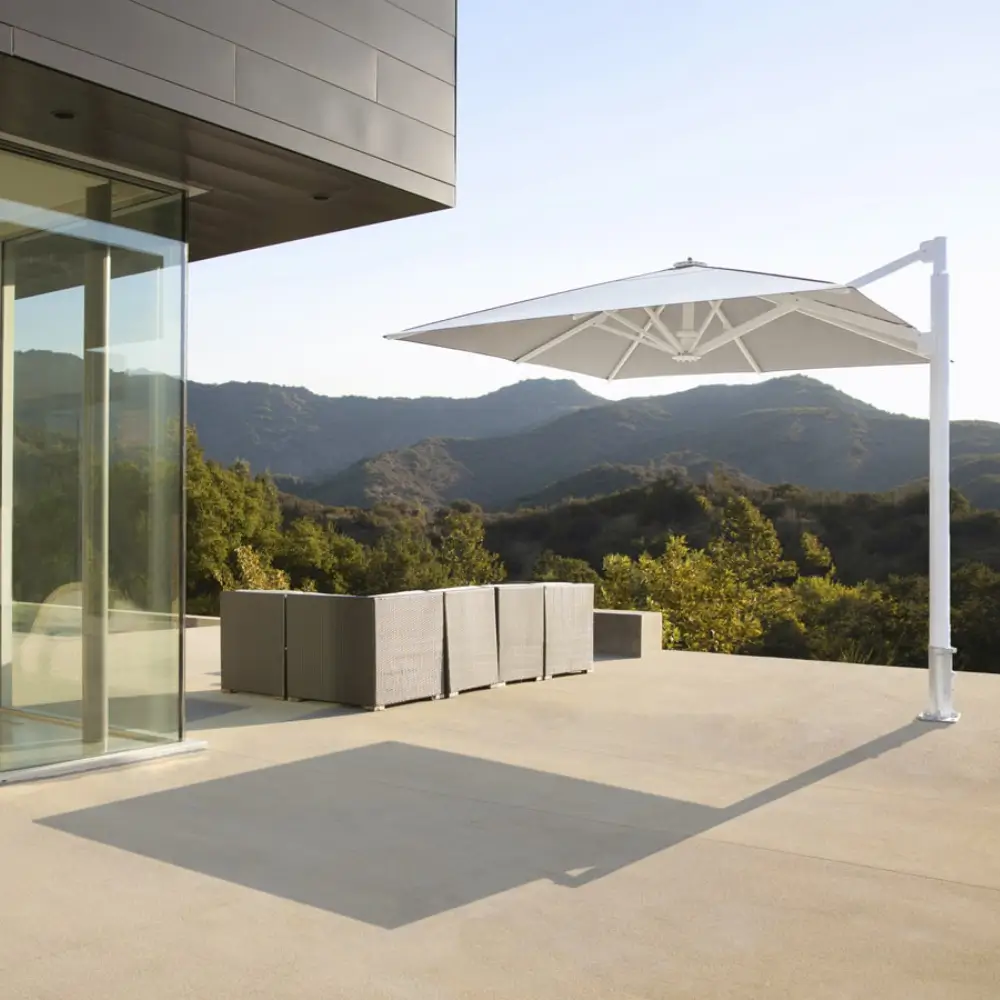


People often oversimplify the question. They want a quick answer, “buy in September,” “wait for spring,” “catch a holiday sale.” That kind of advice works fine for mass-market patio sets, the kind wrapped in plastic at big-box garden centers. But luxury outdoor furniture doesn’t follow that schedule. The brands that produce heirloom-grade teak, hand-woven rope, and open-cell quick-dry cushions operate on a completely different rhythm. The same applies to sourcing a large parasol of architectural quality; these aren’t off-the-shelf items, but engineered structures for high quality parasols that require precise lead times and material coordination. If you understand that rhythm, you buy smarter, faster, and without the headaches that frustrate so many first-time outdoor buyers.
Most people don’t know this, but the outdoor furniture industry runs more like fashion than traditional furniture. Manufacturers develop new collections a full year before anyone on a showroom floor sees them. They prototype in the fall, finalize finishes in winter, photograph in early spring, and release globally around March or April. This means if you’re shopping for the newest designs, the pieces architects use in coastal hotels or luxury villas, you’re always encountering a small echo of last year’s decisions.
I learned this the hard way years ago during a sourcing trip in northern Italy. I stopped by a manufacturing studio outside Udine that produces high-end aluminum frames for some well-known European outdoor brands. While walking the factory floor, I noticed that nearly everything already destined for the U.S. market had been scheduled months earlier. The owner told me, almost offhandedly, that lead times weren’t just logistical, they were seasonal patterns. “People think June is for buying,” he said. “June is for delivery. February is for thinking.”
That line stuck with me.
Understanding the Outdoor Furniture Calendar
If you want the truth , the real, behind-the-curtain truth, the best time to buy luxury outdoor furniture depends on what you value: selection, craftsmanship access, or timing for summer use. They are not the same thing. And they don’t happen at the same time.
People who want the widest range of options, especially if they intend to customize cushions or select a very specific finish, should shop around late winter into early spring. Not because prices drop, they usually don’t, but because every style, configuration, and fabric variant still exists. Manufacturers have just shipped their new season collections. Nothing is backordered yet, and the design consultants aren’t rushing through appointments. You can actually take your time with the selection process, which matters tremendously when you’re choosing pieces meant to live outdoors for the next decade or two.
If you want to actually enjoy the furniture during the warm season, meaning you want it in place by Memorial Day, you need to make decisions no later than March. Custom cushions, especially from high-end performance fabric mills like Sunbrella, Perennials, or Tempotest, can stretch lead times by several weeks. Teak frames can require curing time. Powder-coated aluminum occasionally goes through multiple finishing cycles. The craftsmanship is real, and so is the time behind it.
But if what you’re chasing is value without compromising quality, late summer into early fall, roughly August through October, is when pricing shifts. Not because the furniture is cheaper, but because showrooms start preparing to receive next year’s collections. Floor models get rotated out. Overstocks get cleared. Logistics teams begin making space in warehouses. You’re not buying discount-quality furniture, you’re buying timing.
All of this applies only to premium brands.
Mass-market cycles bear no resemblance.
Why Luxury Outdoor Furniture Really Costs What It Costs
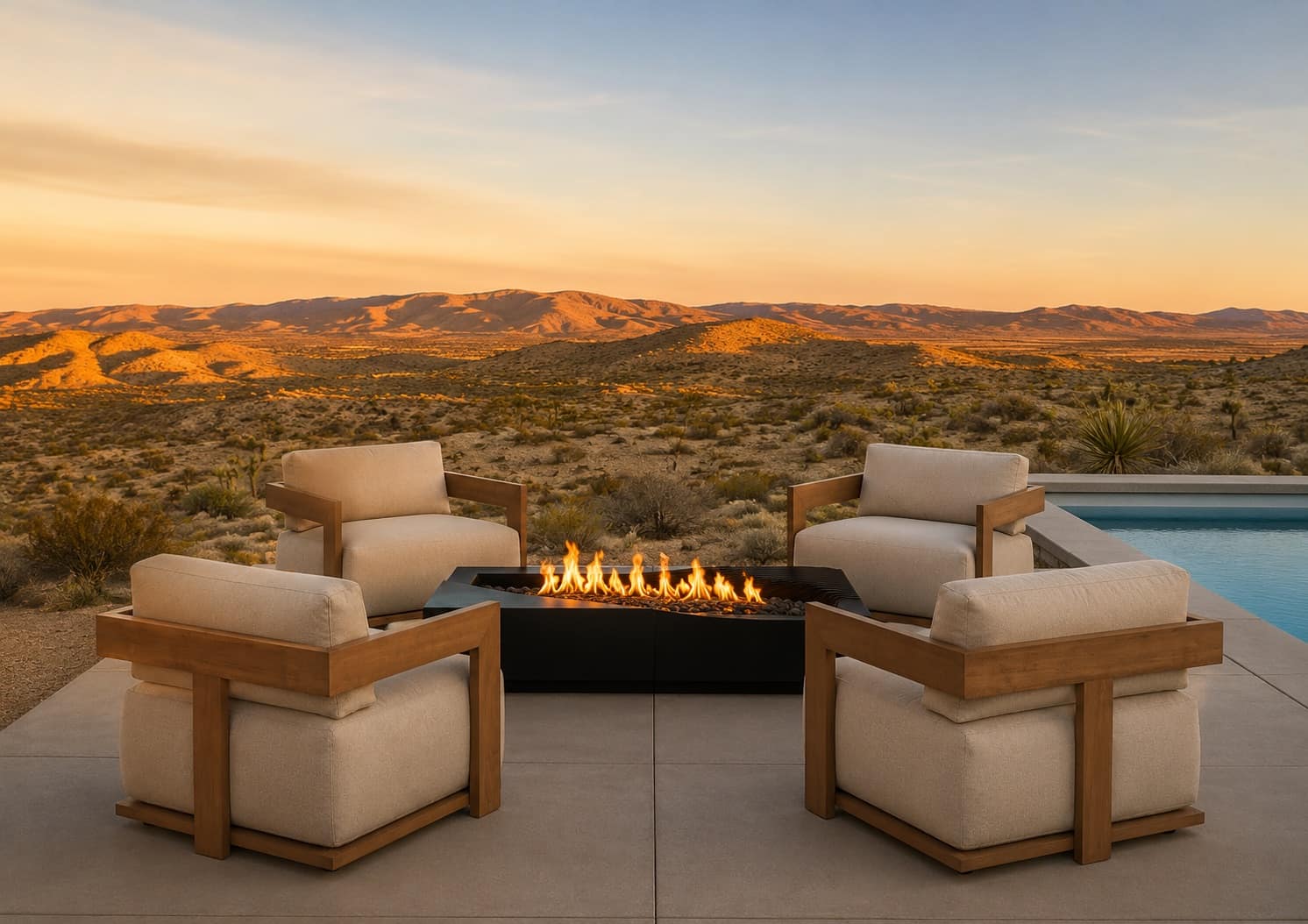
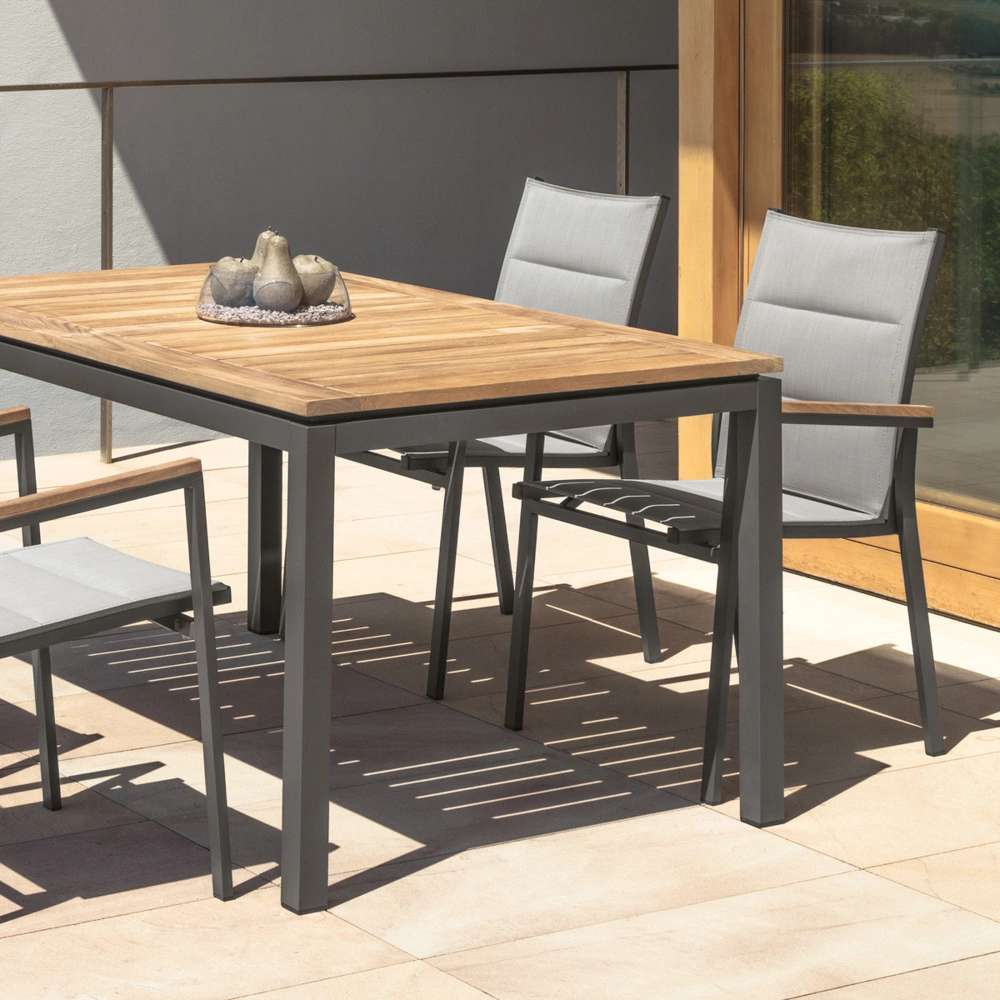
You don’t buy a high-end outdoor piece because it’s trendy. You buy it because it endures extremes: ultraviolet radiation, salt air, fluctuating temperatures, rain cycles, and human bodies that never sit in the same way twice. Teak ages because it should age, it develops a silvery patina that proves authenticity. Marine-grade stainless steel resists corrosion because it’s engineered for coastal climates. High-density rope weaves don’t sag because they’re tension-tested. These aren’t aesthetic buzzwords; they’re engineering realities. The cost reflects the labor behind them.
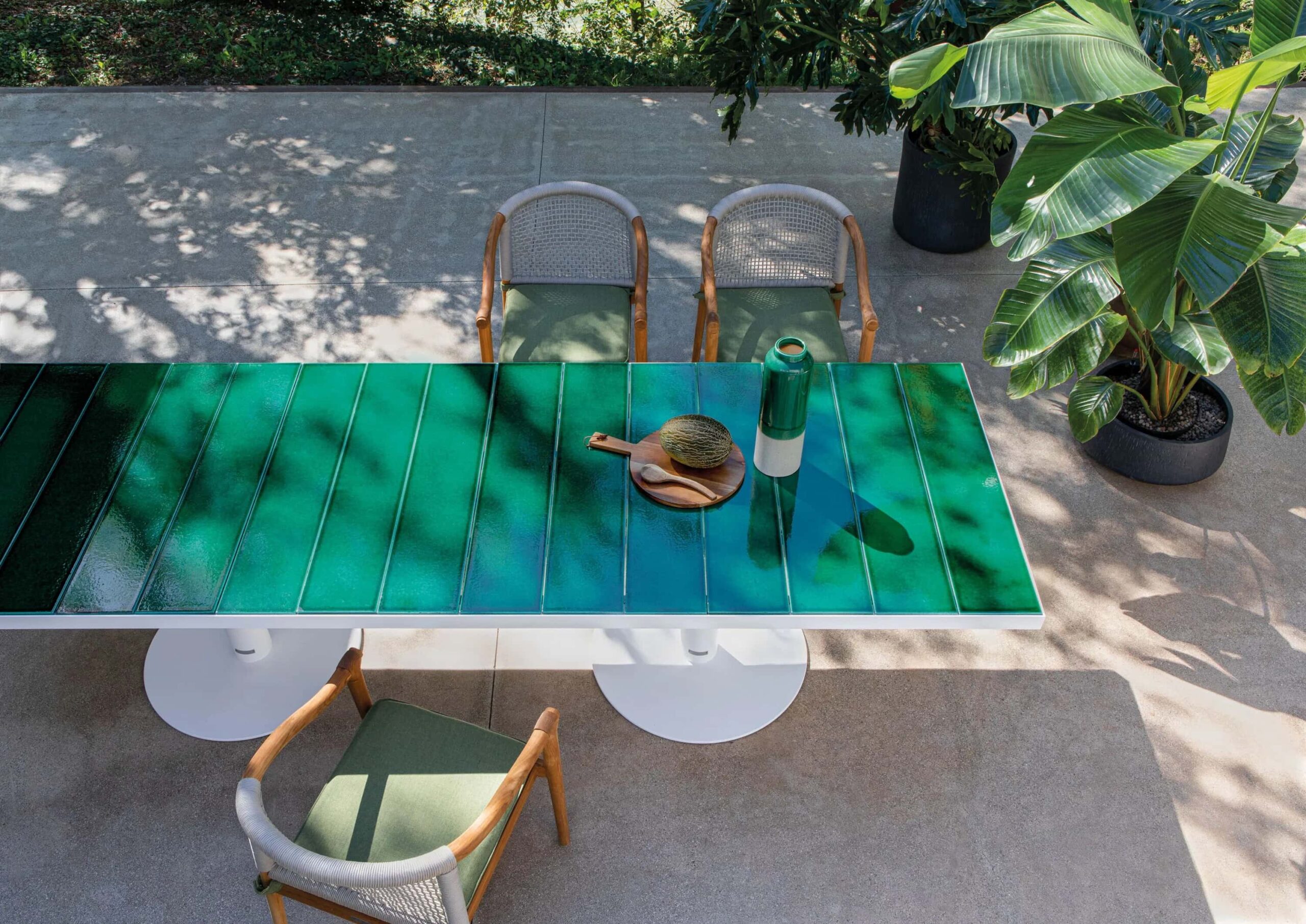
For instance, the weaving on many contemporary outdoor chairs takes two to three hours per piece by a single artisan. That’s not something a factory automates. And when you see performance cushions that dry within minutes after a sudden summer rain, that’s because the foam is open-cell and hydrophobic, not cheap batting wrapped in polyester. Craft comes first. Longevity comes second. Price is a by-product of those two, not the goal.
Understanding this changes the way you approach “the best time to buy luxury outdoor furniture.”
What Most People Don’t Consider: Supply Chains and Seasonality
Outdoor furniture is unusually sensitive to global supply factors. Teak furniture‘s availability fluctuates based on responsible forestry cycles in Indonesia. Aluminum costs move with global metal markets. Shipping slowdowns can affect cushion inserts, not just frames. I remember a year when marine-grade steel hardware was delayed across the entire industry because of a bottleneck in European machining. The brands that planned early, the ones who understand seasonality, navigated the delays without clients feeling them. The ones who didn’t? Backorders. And unhappy customers.
This is why winter, particularly December through February, often becomes the smart buyer’s secret window. It’s not about immediate possession; it’s about reserving production slots before demand spikes and bottlenecks form. Even if the furniture won’t arrive until the warming months, you’ve secured priority in the manufacturing queue.
Designers know this. Property developers know this. Private clients planning a summer renovation learn it the first time they’re told their custom sofa is delayed because supply chains are strained.
When the Weather Matters More Than You Think
Here’s a small but important detail: people often underestimate how much easier it is to evaluate outdoor furniture when the weather is mild. Not just because it’s more comfortable to sit and test pieces, but because your judgment shifts in heat. Cushions feel different in direct sun versus early spring shade. Teak feels warmer to the touch in July than in April. If you’re investing in pieces meant to outlast a decade, evaluate them in neutral weather, not under midsummer intensity.
This is another reason early spring is underrated. Your senses are more accurate.
The Reality of Fall Buying
There’s a certain charm in buying outdoor furniture in the fall. Showrooms are calm. Consultants can actually ask about your space, your architecture, your materials. You can test the furniture quietly and imagine next year without pressure. And yes, you often pay less for the exact same craftsmanship. The one tradeoff is selection. By late season, certain configurations, colors, or systems might no longer be available. You’re not buying leftovers, you’re buying what’s left.
For some people, that’s perfectly acceptable. For detail-driven buyers, spring is better.
A Final Thought: Buy for How You Live, Not the Calendar
When people ask me, “When is the best time to buy luxury outdoor furniture?” I always answer with another question: “What matters most to you, the piece or the price?” Because timing shifts based on priorities.
If you want the widest selection and the newest designs, shop late winter into early spring.
If you want the best long-term value on premium pieces, shop late summer into fall.
If you want your order to slip through production before the seasonal rush, winter is perfect.
If you need furniture immediately, mid-summer works but expect fewer options.
The real luxury isn’t saving a few percent, it’s choosing furniture that elevates your home every day of the warm season for the next ten or twenty years.
Buying luxury outdoor furniture is an investment in atmosphere, in comfort, in durability, and in the way you experience your home. The timing matters, but the craftsmanship matters more.